
ORGANIC BIOELECTRONICS BRIDGING THE SIGNALING GAP BETWEEN BIOLOGY
ORGANIC BIOELECTRONICS BRIDGING THE SIGNALING GAP BETWEEN BIOLOGY AND TECHNOLOGY RELEVANCE FROM BIOLOGICAL SYSTEMS TO ORGANIC ELECTRONICS D. Ram Nivas Assistant Professor, Department of Electronics and Communication Engineering, P. A. College of Engineering and Technology, Pollachi 642 002

SYNOPSYS 1. Bio Electronics: History of Bioelectronics? 2. Bionics : Biology in conjunction with electronics 3. Lotus Leaf : From Biology to Technology. 4. Chromochord : Music from Plants 5. Organic Bioelectronics : The Translators 6. Signaling In Biology 7. Devices and its applications. 8. Ubiquitous Bioelectronics.

1. BIOELECTRONICS
BIOELECTRONICS • Bioelectronics is a field of research in convergence of biology and electronics. • It is defined as the use of biological materials and biological architectures for information processing. • Research and development of bio inspired organic and in organic material and bio inspired hardware architectures for the implementation of new information processing systems, sensors, actuators and molecular manufacturing down to atomic scale. • Electronics technology has been applied to biology and medicine since the pacemaker was invented and with the medical imaging industry.

2. BIONICS

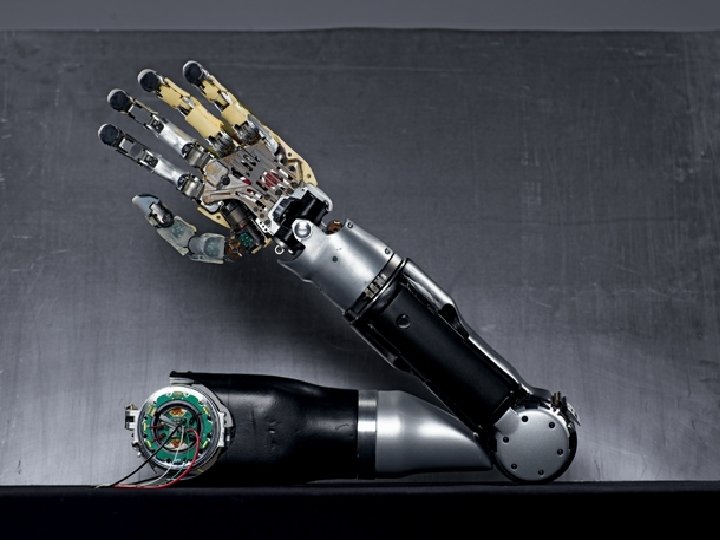
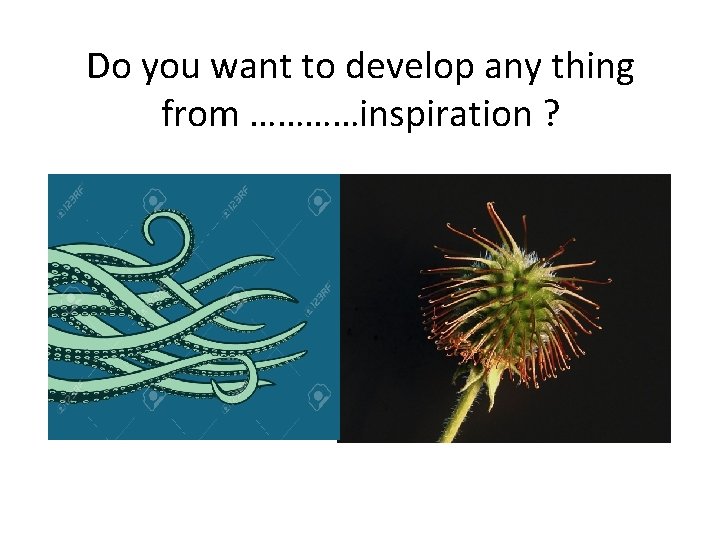
BIONICS : LIVING ORGANISMS AS MACHINES • • Robotics Bionic Kangaroo. Lumber Jacks. Computer Viruses. Lotus Leaf.

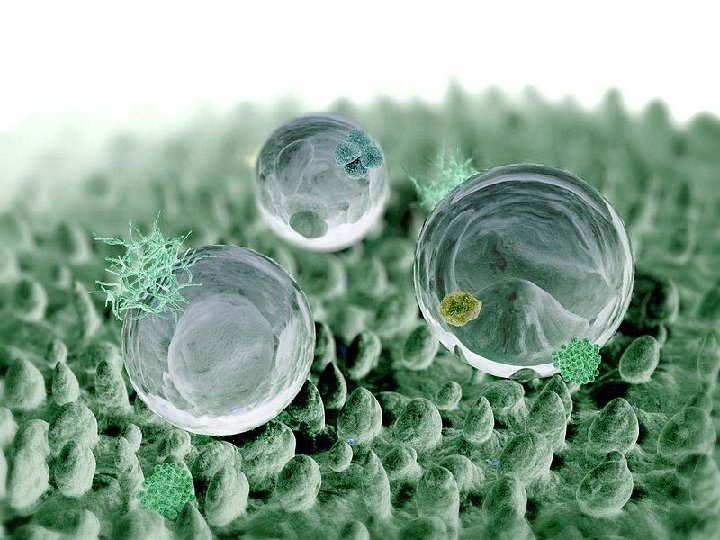
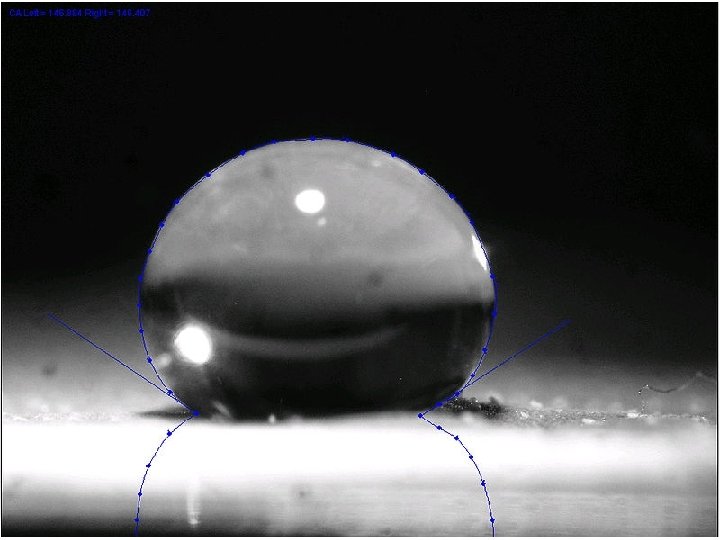
3. LOTUS LEAF
BIONICS : LIVING ORGANISMS AS MACHINES • Medical Bionics
Do you want to develop any thing from …………inspiration ?
4. CHROMOCHORD
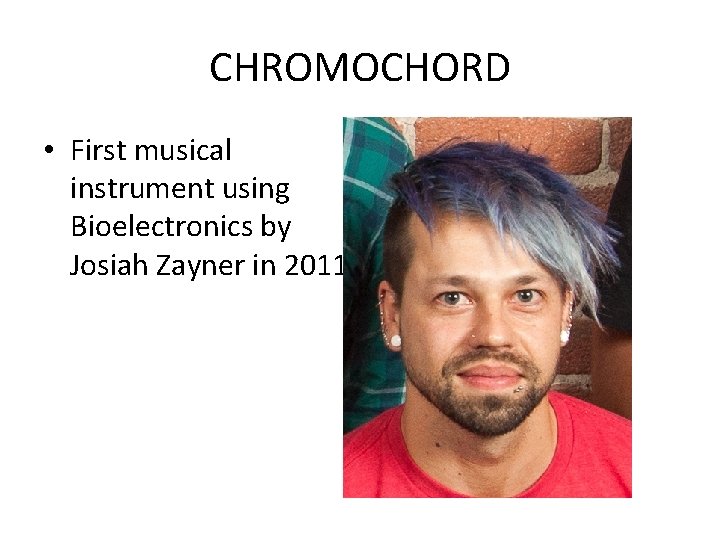
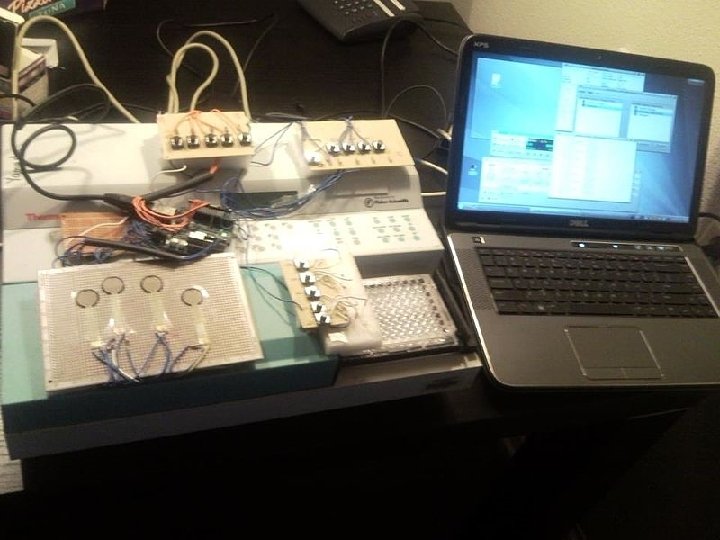
CHROMOCHORD • First musical instrument using Bioelectronics by Josiah Zayner in 2011.

5. ORGANIC BIOELECTRONICS
ORGANIC BIOELECTRONICS • The organic bioelectronics are the translators between signals and functions of the biological systems to the human invented devices. • They are used to regulate the functions of the cells and organs. • They can be used to sense and record the biological parameters for further processing and decision making. •
A BRIDGE BETWEEN BIOLOGY TECHNOLOGY GAP • organic electronic molecules and polymers can be designed via synthesis to possess several desired physical and chemical properties, thus enabling the manufacture of bioelectronics devices and systems that exhibit desired flexibility, elasticity, and morphology, and with a surface chemistry that promotes biocompatibility and stability over extended periods of time.
6. SIGNALLING IN BIOLOGY

7. DEVICES AND ITS APPLICATION
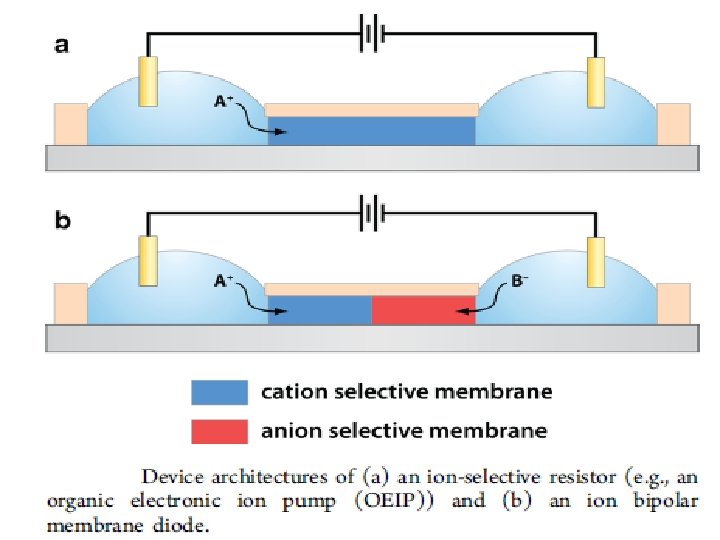
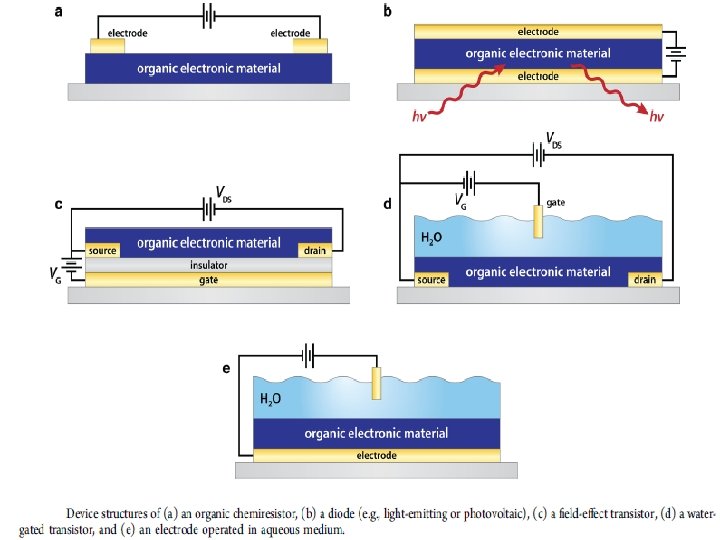
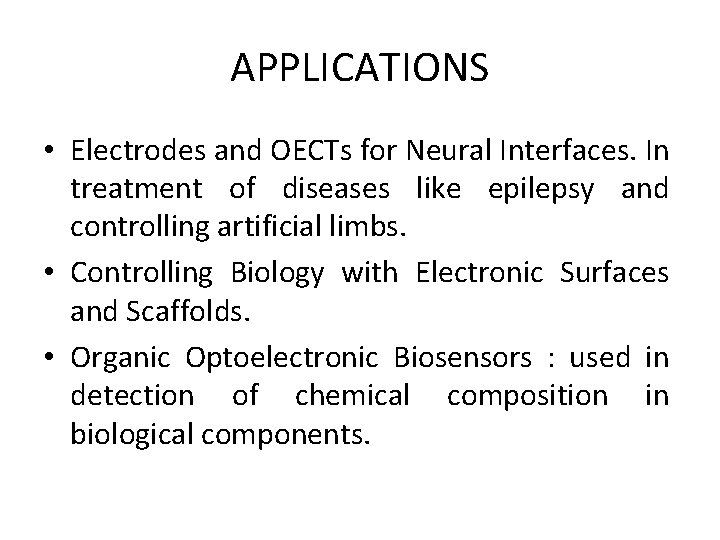
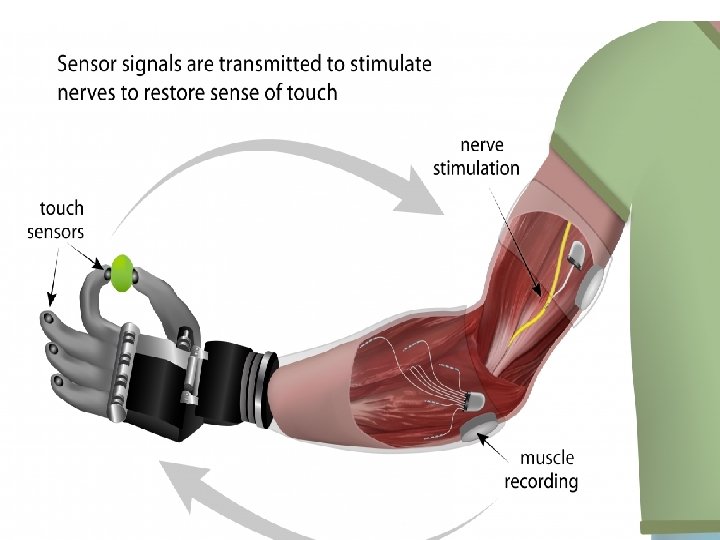
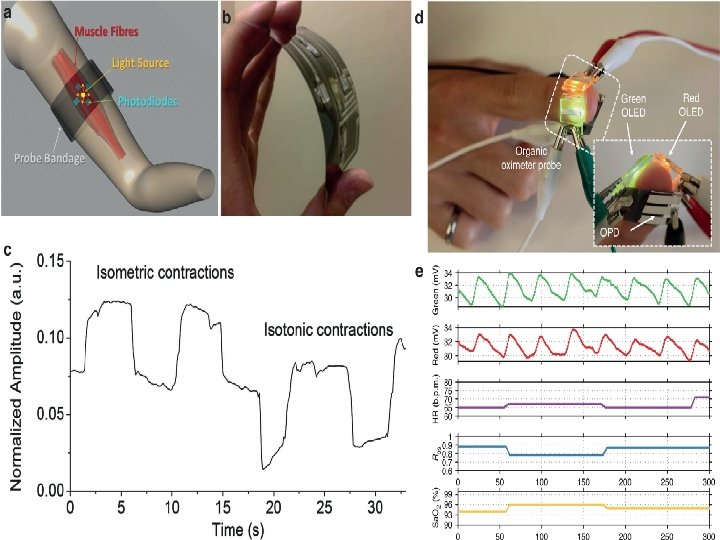
APPLICATIONS • Electrodes and OECTs for Neural Interfaces. In treatment of diseases like epilepsy and controlling artificial limbs. • Controlling Biology with Electronic Surfaces and Scaffolds. • Organic Optoelectronic Biosensors : used in detection of chemical composition in biological components.
8. UBIQUITOUS BIOELECTRONICS
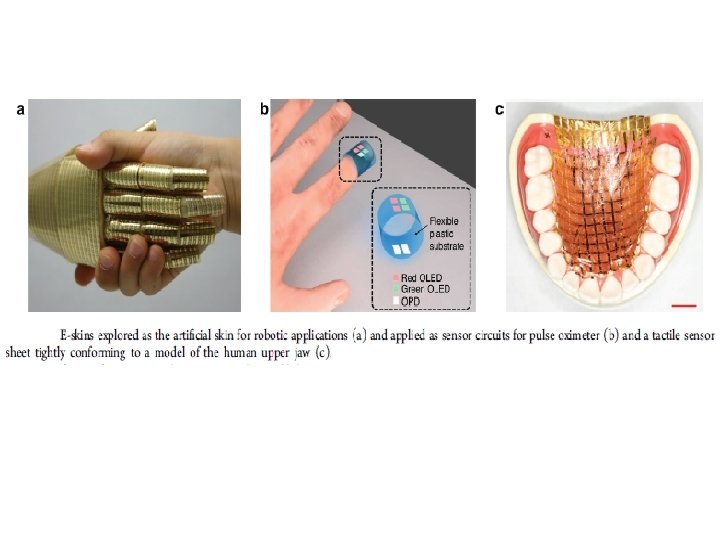
UBIQUITOUS BIOELECTRONICS • Reducing the border between Nature and Technology. • The diagnosis and monitoring of patient is autonomous beyond the walls of the hospitals. • This can improve the quality, reliability, healthcare and life.

- Slides: 31