
Organelle genome evolution Plant of the day Rafflesia


- Slides: 39
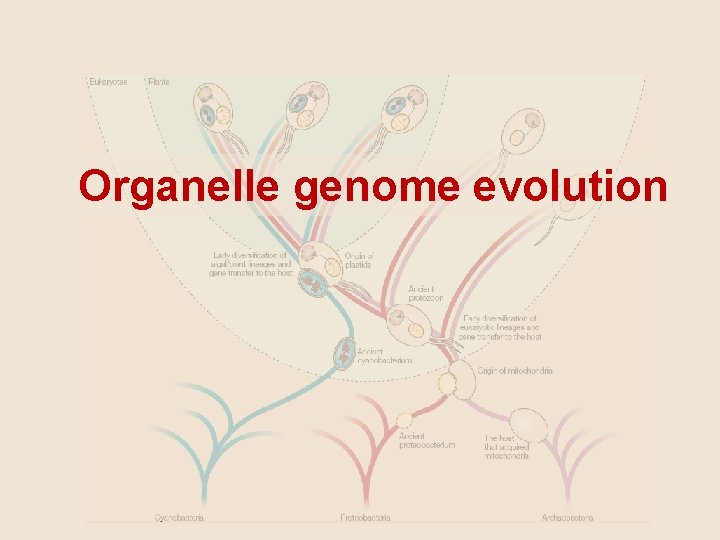
Organelle genome evolution
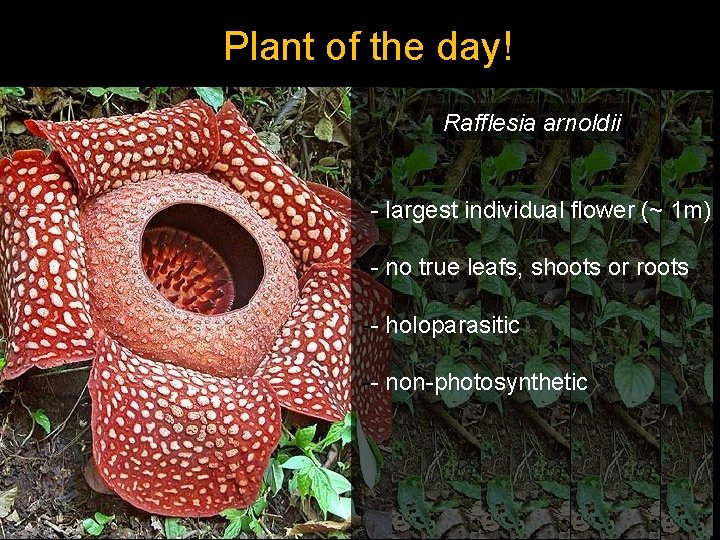
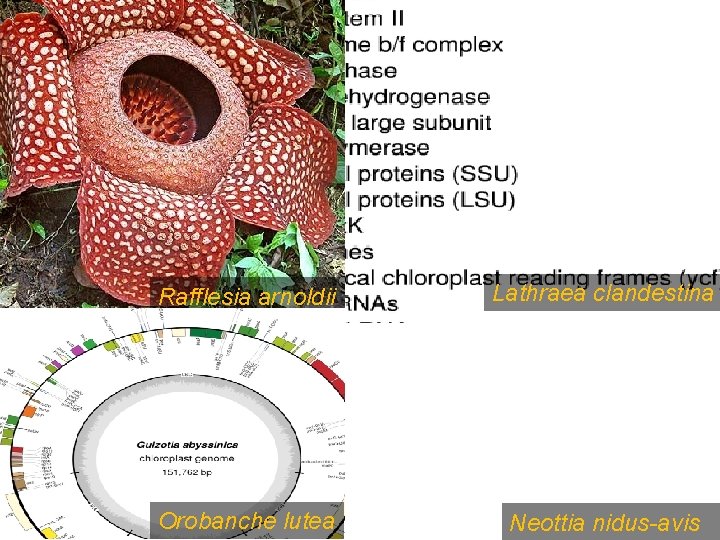
Plant of the day! Rafflesia arnoldii -- largest individual flower (~ 1 m) -- no true leafs, shoots or roots -- holoparasitic -- non-photosynthetic
Big questions • What is the origin of organelle genomes? • What were the major steps in organelle genome evolution? • Why are organelle genomes maintained? • Is organelle genome variation neutral or adaptive?
The Endosymbiotic Theory
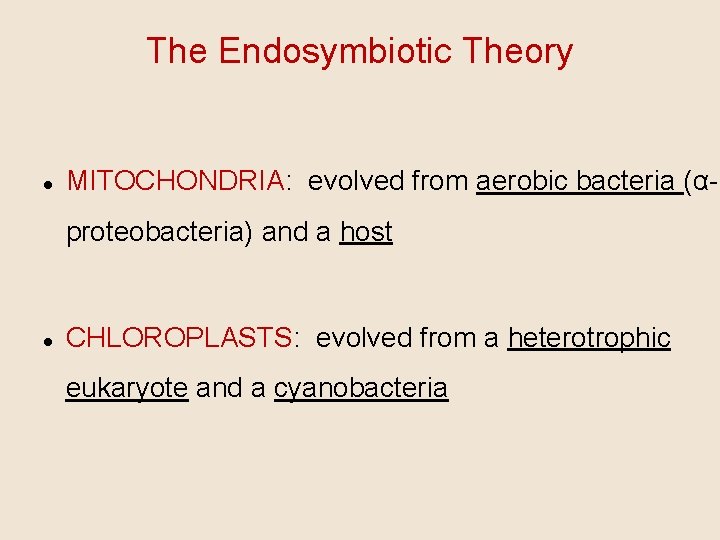
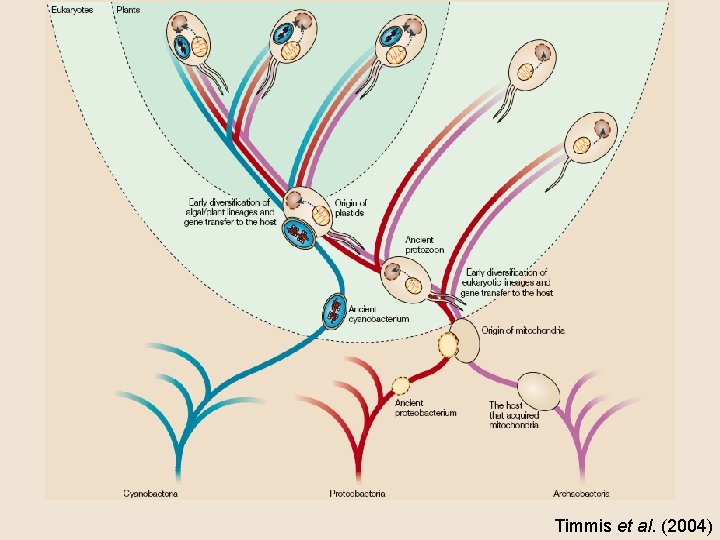
The Endosymbiotic Theory MITOCHONDRIA: evolved from aerobic bacteria (αproteobacteria) and a host CHLOROPLASTS: evolved from a heterotrophic eukaryote and a cyanobacteria
Timmis et al. (2004)
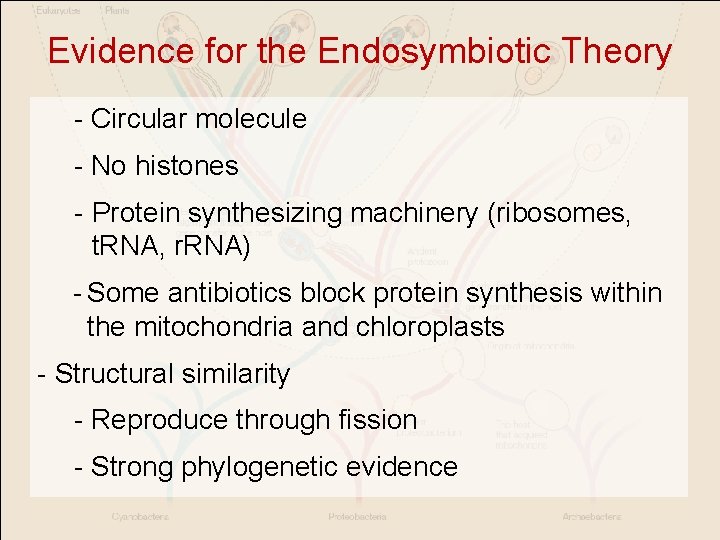
Evidence for the Endosymbiotic Theory - Circular molecule - No histones - Protein synthesizing machinery (ribosomes, t. RNA, r. RNA) - Some antibiotics block protein synthesis within the mitochondria and chloroplasts - Structural similarity - Reproduce through fission - Strong phylogenetic evidence
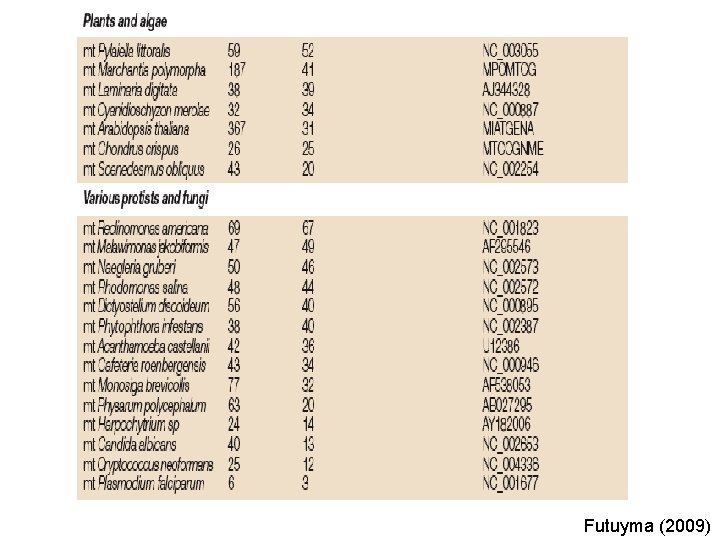
Futuyma (2009)
Organelle gene transfer
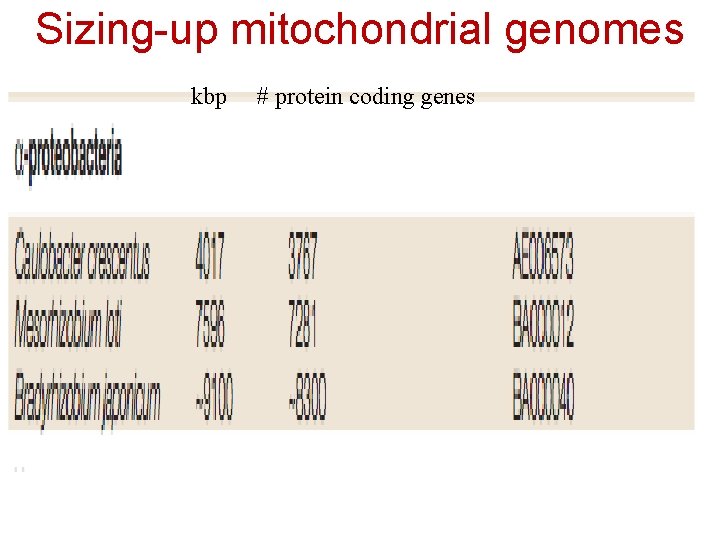
Sizing-up mitochondrial genomes kbp # protein coding genes
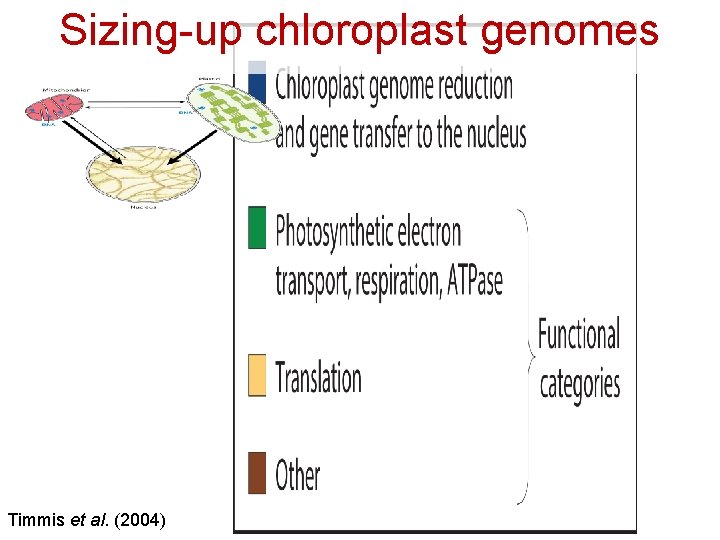
Sizing-up chloroplast genomes Timmis et al. (2004)
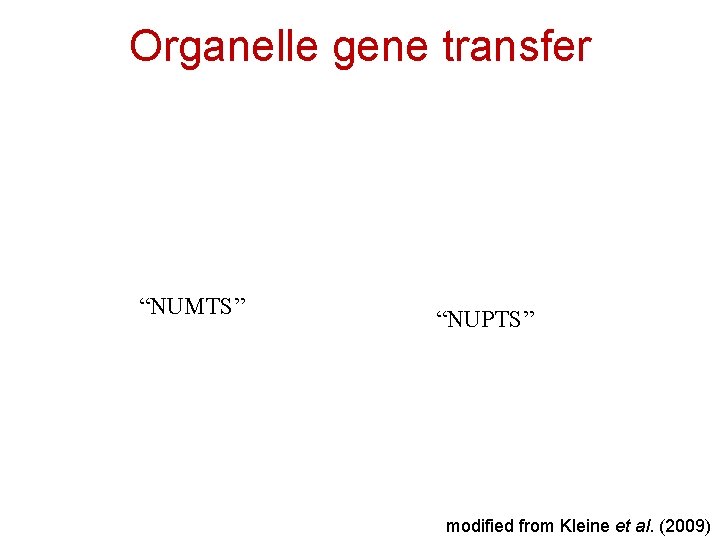
Organelle gene transfer “NUMTS” “NUPTS” modified from Kleine et al. (2009)
Recent organelle gene transfers Comparisons of organelle genes and nuclear genes of the same species - Gene transfer between cell compartments can occur - This might be a continuous process - The frequency of organelle-to-nucleus gene transfer
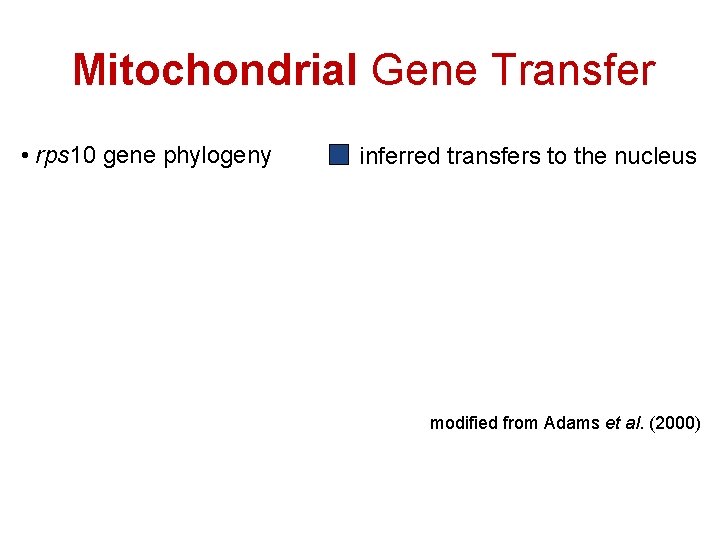
Mitochondrial Gene Transfer • rps 10 gene phylogeny inferred transfers to the nucleus modified from Adams et al. (2000)
Chloroplast Gene Transfer • Inf. A (translation initiation factor) gene phylogeny (Millen et al. 2001) • ~ 24 chloroplast-to-nucleus gene transfers • mutational decay/loss of chloroplast sequence • de novo mechanism for chloroplast targeting?
Ancient organelle gene transfers Comparisons of nuclear, organelle and candidate prokaryotic ancestor genomes - The scale of organelle-to-nucleus gene transfer - The fate of imported genes over time
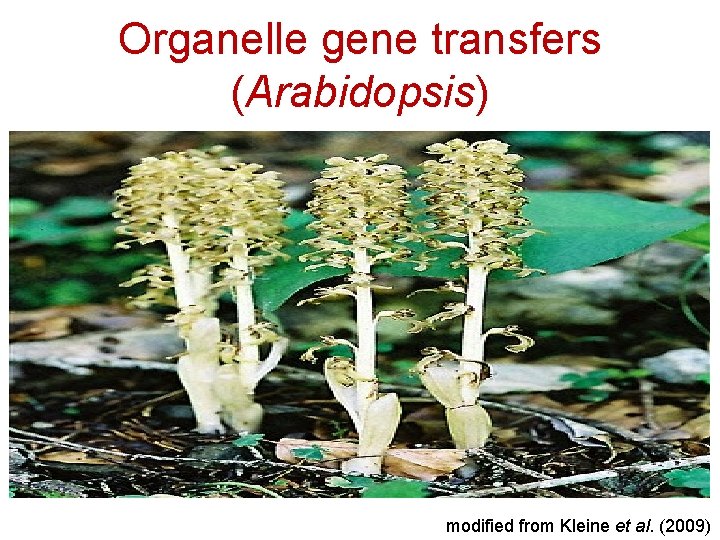
Organelle gene transfers (Arabidopsis) modified from Kleine et al. (2009)
The fate of transferred genes - products routed back to the donor organelle - products are targeted to other cellular compartments - functional replacement of equivalent host genes (= endosymbiotic gene replacement)
Mitochondrial Gene Transfer Rates • rate estimates: – 1 plasmid transfer to nucleus in 20, 000 yeast cells (integration rare)
Chloroplast Gene Transfer Rates Rate estimates from tobacco chloroplasts – 1 transfer in 5 million leaf cells – 1 transfer in 16 000 pollen grains Higher rates of transfer in the pollen? Degradation of the organelle genomes in pollen could make DNA fragments available for uptake
How do organelle genes get into the nucleus? • Bulk DNA – Recombination between escaped organelle DNA and nuclear DNA – Experimental transfer in yeast – Non-coding sequence frequently transferred – Whole organelle sequences transferred MUST HAPPEN
How do organelle genes get into the nucleus? • c. DNA intermediates – NUMTS and NUMPTS often lack organelle-specific introns and edited sites MAY HAPPEN
modified from Henze & Martin (2001)
modified from Henze & Martin (2001)
Why are organelle genomes maintained? • Hydrophobicity -hydrophobic proteins are poorly imported • Redox-control - fitness advantage if coding sequence and regulation are in same location • Other constraints (RNA editing, genetic code) • What about non-photosynthetic plants?
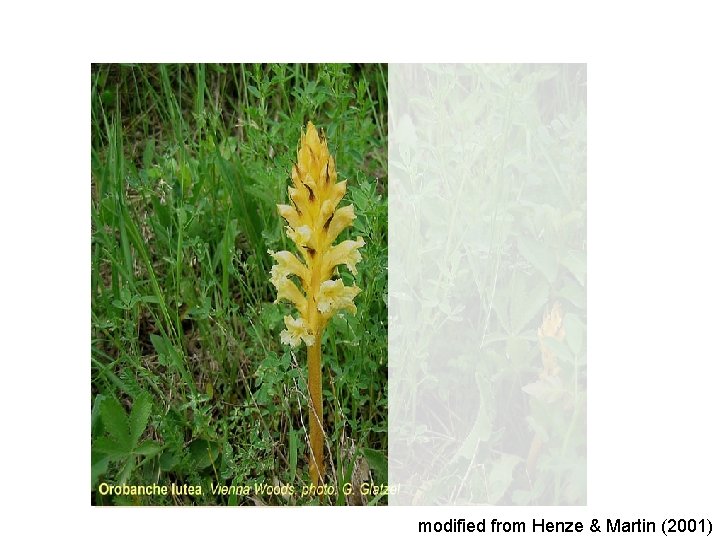
Rafflesia arnoldii Lathraea clandestina Orobanche lutea Neottia nidus-avis
Why are organelle genomes maintained? • Hydrophobicity -hydrophobic proteins are poorly imported • Redox-control - fitness advantage if coding sequence and regulation are in same location • Other constraints (RNA editing, genetic code) • What about non-photosynthetic plants? - essential t. RNAs (Barbrook et al. 2006)
Organelle genome evolution under changing environmental conditions
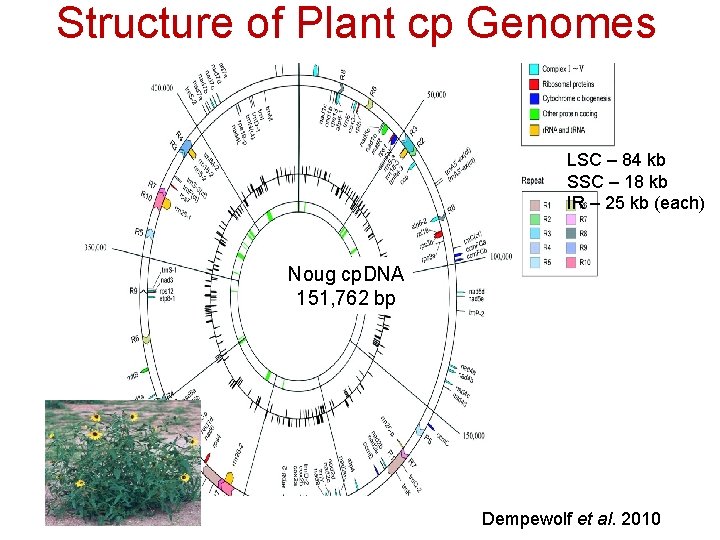
Structure of Plant cp Genomes LSC – 84 kb SSC – 18 kb IR – 25 kb (each)) Noug cp. DNA 151, 762 bp Dempewolf et al. 2010
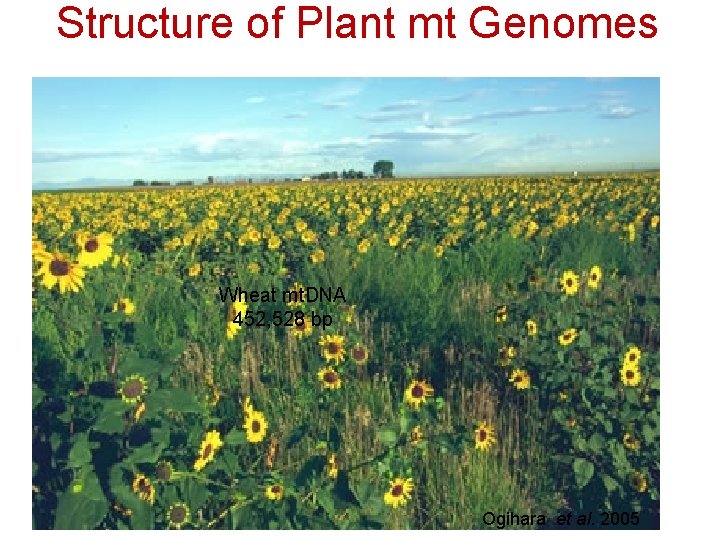
Structure of Plant mt Genomes Wheat mt. DNA 452, 528 bp Ogihara et al. 2005
Neutral organelle DNA variation - organelle-encoded proteins are highly conserved - limited coding potential of organelle genomes (compared to the nuclear genome) - reduced rates of sequence evolution (in plants)
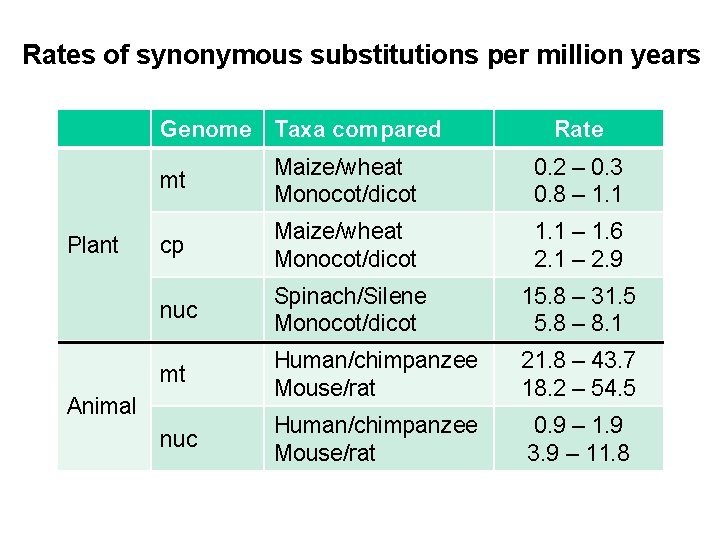
Rates of synonymous substitutions per million years Genome Taxa compared Plant Rate mt Maize/wheat Monocot/dicot 0. 2 – 0. 3 0. 8 – 1. 1 cp Maize/wheat Monocot/dicot 1. 1 – 1. 6 2. 1 – 2. 9 nuc Spinach/Silene Monocot/dicot 15. 8 – 31. 5 5. 8 – 8. 1 mt Human/chimpanzee Mouse/rat 21. 8 – 43. 7 18. 2 – 54. 5 nuc Human/chimpanzee Mouse/rat 0. 9 – 1. 9 3. 9 – 11. 8 Animal
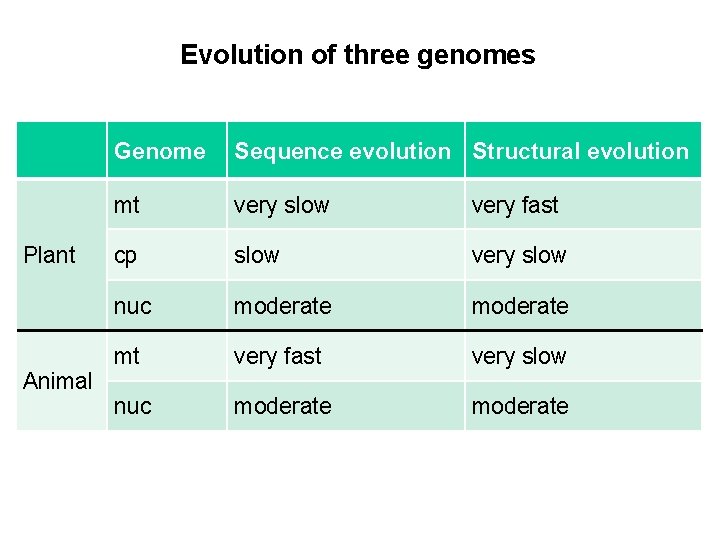
Evolution of three genomes Plant Animal Genome Sequence evolution Structural evolution mt very slow very fast cp slow very slow nuc moderate mt very fast very slow nuc moderate
Adaptive organelle DNA variation? Experimental evidence is accumulating: - parallels between organelle capture and environmental variation - experimental evolution of cytoplasm fitness effects - direct tests of selection on organelle genes
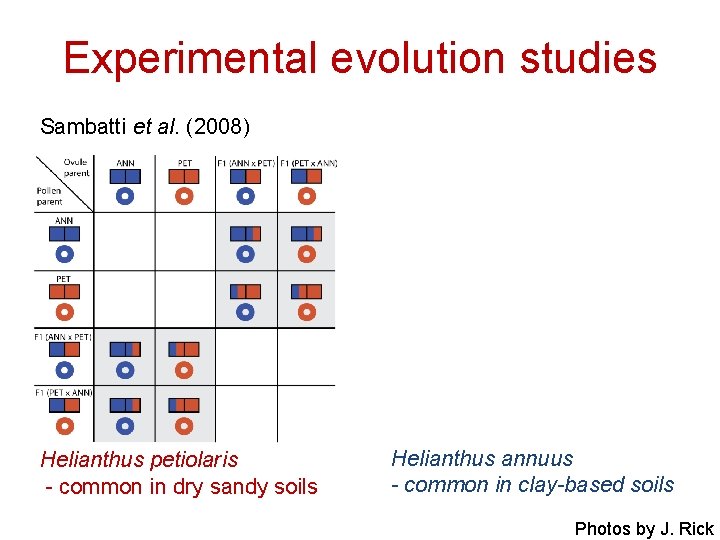
Experimental evolution studies Sambatti et al. (2008) Helianthus petiolaris - common in dry sandy soils Helianthus annuus - common in clay-based soils Photos by J. Rick
Experimental evolution studies Crossing design Cytoplasm-by-habitat interaction Backcrosses modified from Sambatti et al. (2008)
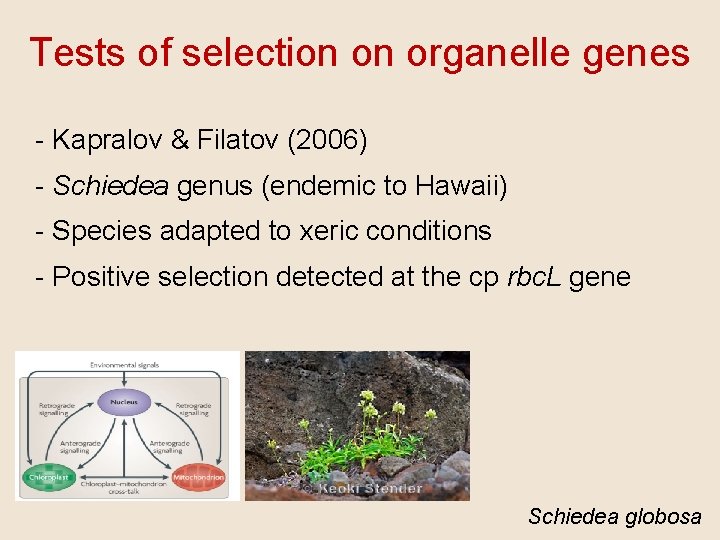
Tests of selection on organelle genes - Kapralov & Filatov (2006) - Schiedea genus (endemic to Hawaii) - Species adapted to xeric conditions - Positive selection detected at the cp rbc. L gene Schiedea globosa
Co-adaptation of genotype and plasmotype Woodson & Chory (2008)
Unanswered questions • To what extent have organelle gene transfers shaped nuclear genomes? • Is organelle gene transfer just a quirk of evolution? • How often does organelle genetic variation contribute to local adaptation? • What are the agents and traits under divergent selection?