
Organ Systems Fourfooted body directions Human Anatomy An
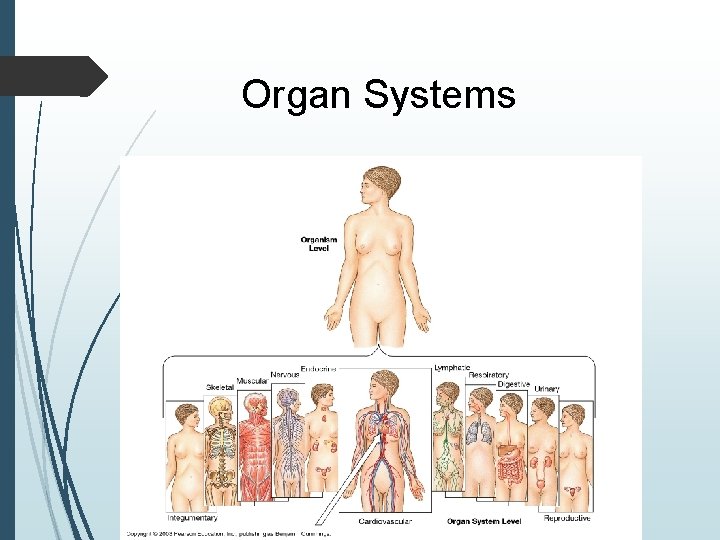
Organ Systems
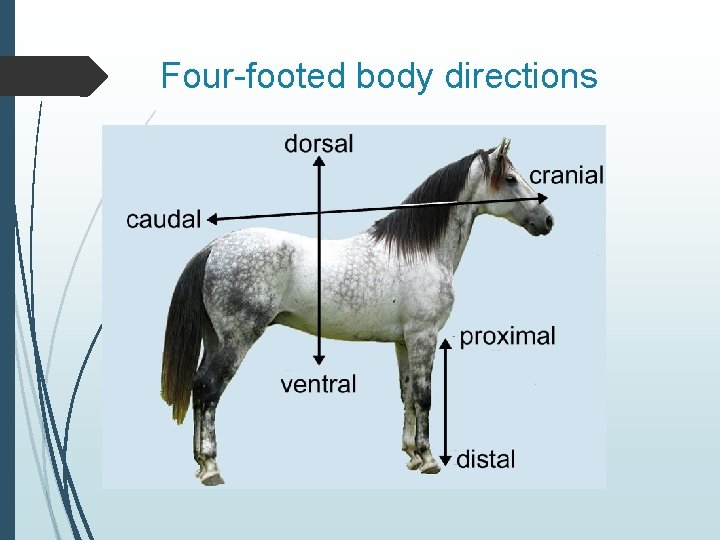
Four-footed body directions
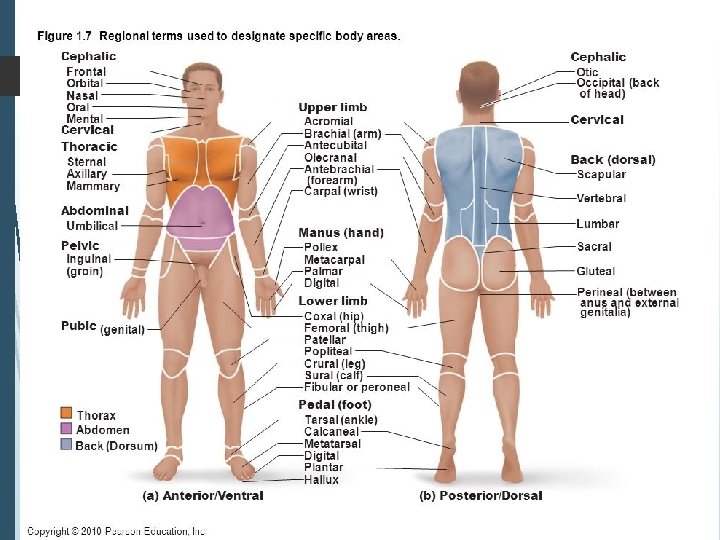
Human Anatomy: An introduction
What exactly is Anatomy and Physiology anyway? Ana – apart tomy – to cut Physio – body logy- study of STRUCTURE = FUNCTION
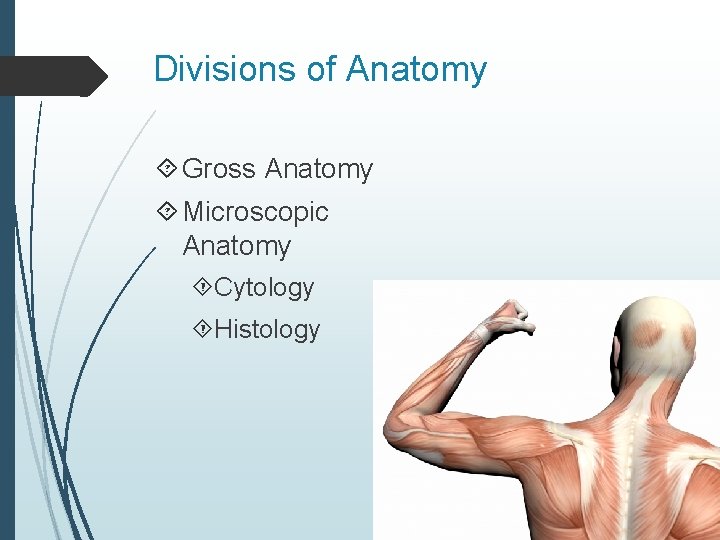
Divisions of Anatomy Gross Anatomy Microscopic Anatomy Cytology Histology
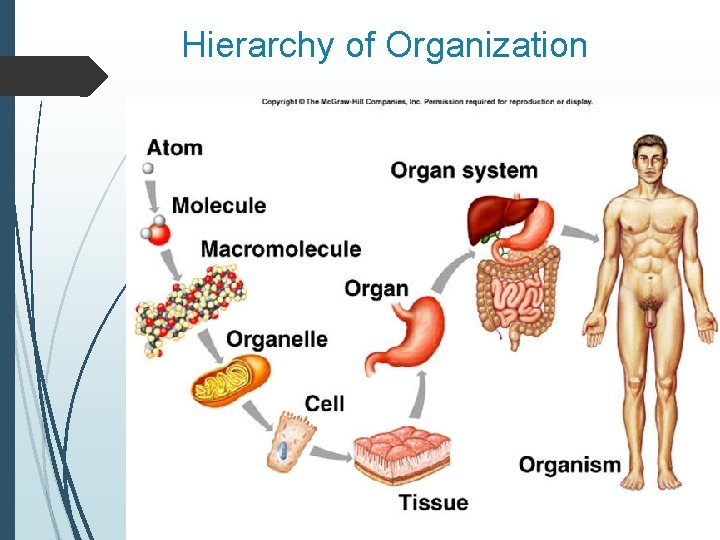
Hierarchy of Organization
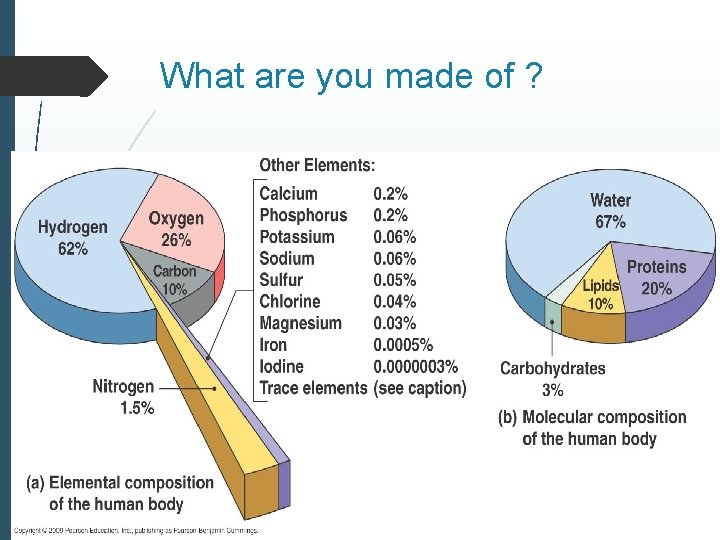
What are you made of ?
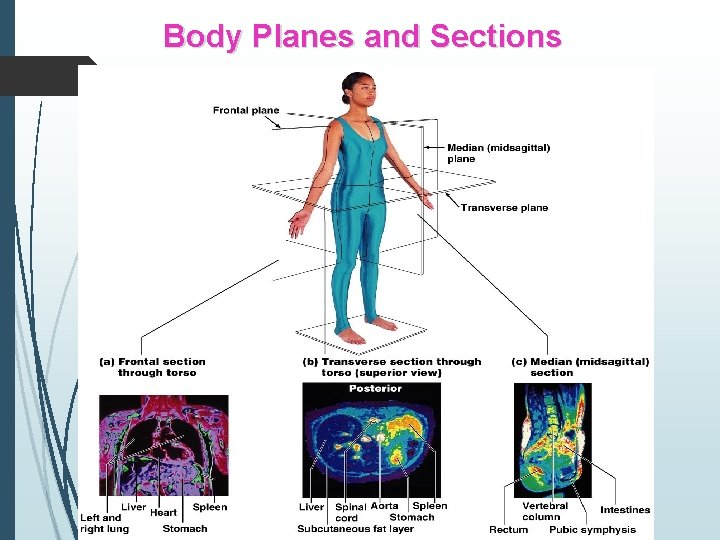
Body Planes and Sections
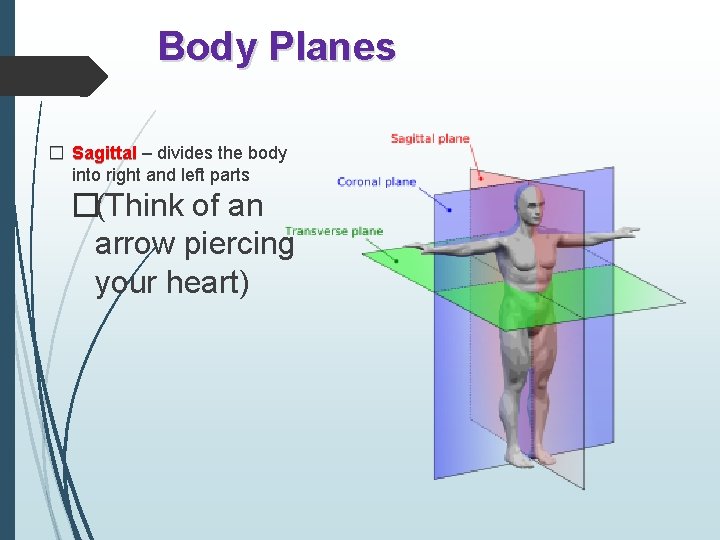
Body Planes � Sagittal – divides the body into right and left parts �(Think of an arrow piercing your heart)

Body Planes � Transverse or horizontal (cross section) – divides the body into superior and inferior parts �(Transverse a Mountain slope, cut across it)
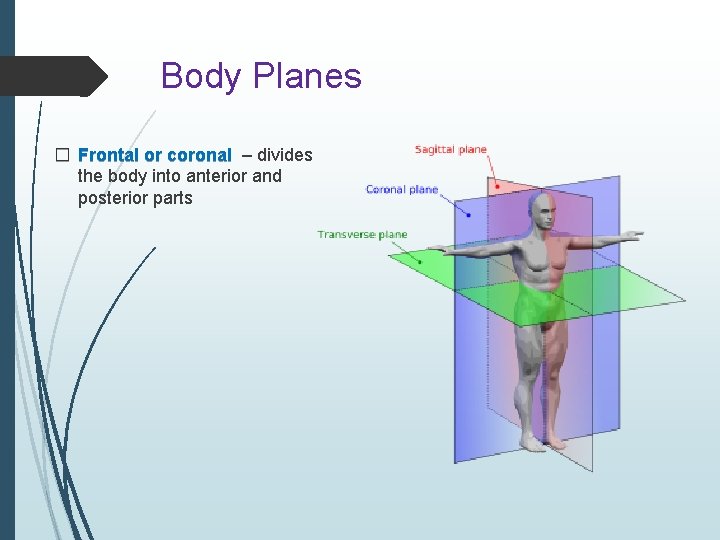
Body Planes � Frontal or coronal – divides the body into anterior and posterior parts

Body Planes �Oblique section – cuts made diagonally
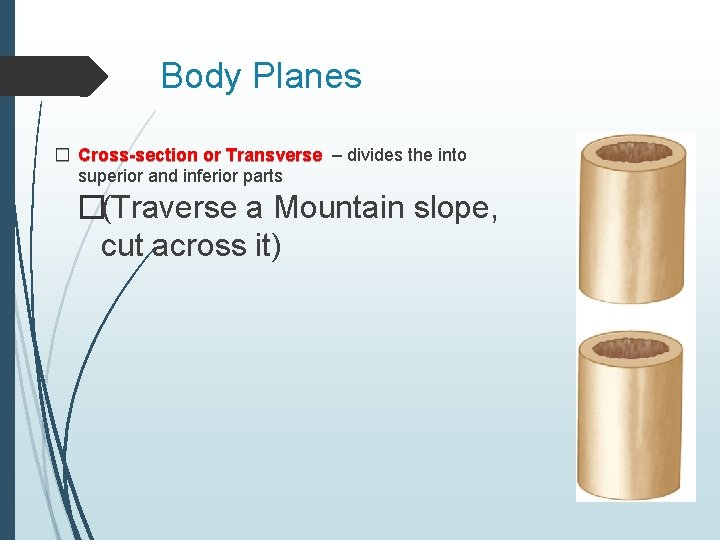
Body Planes � Cross-section or Transverse – divides the into superior and inferior parts �(Traverse a Mountain slope, cut across it)
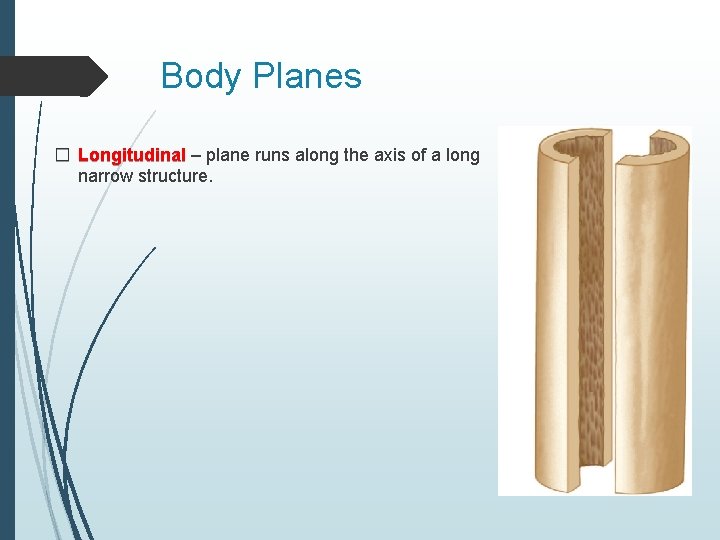
Body Planes � Longitudinal – plane runs along the axis of a long narrow structure.
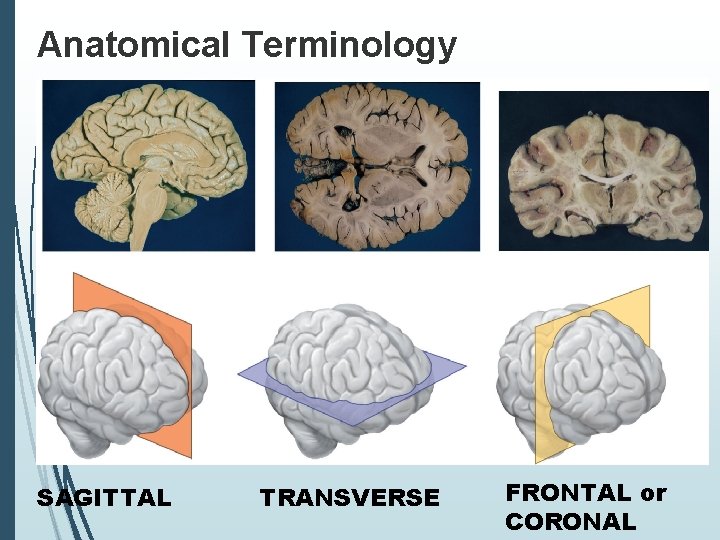
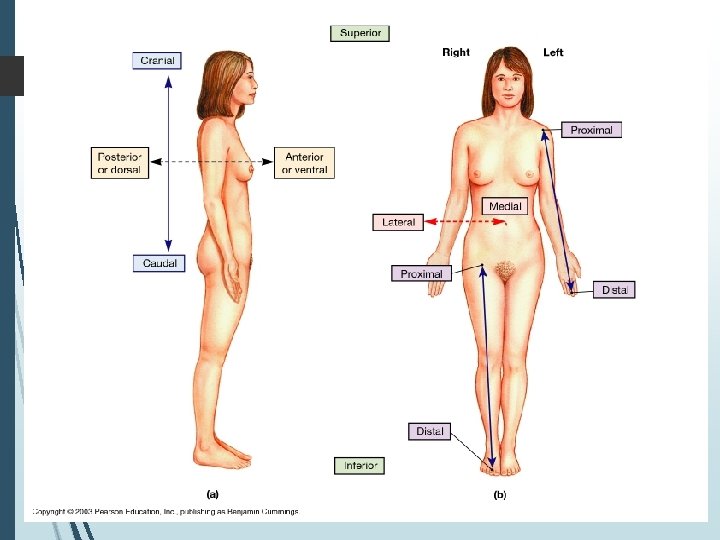
Anatomical Terminology SAGITTAL TRANSVERSE FRONTAL or CORONAL
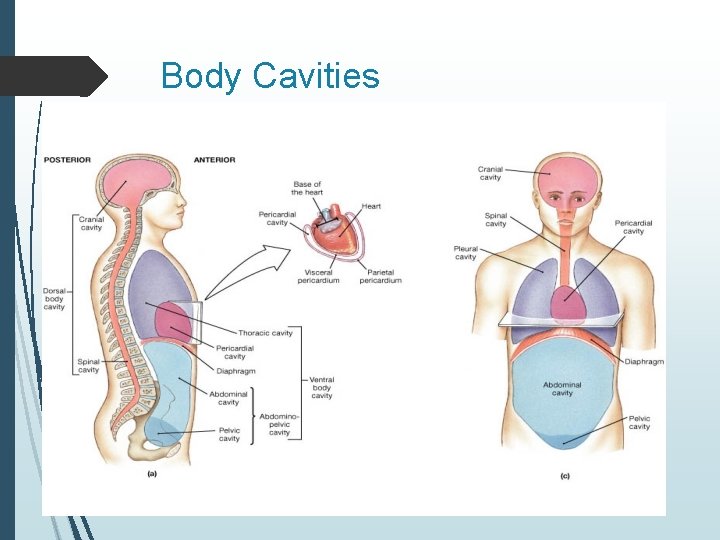
Body Cavities
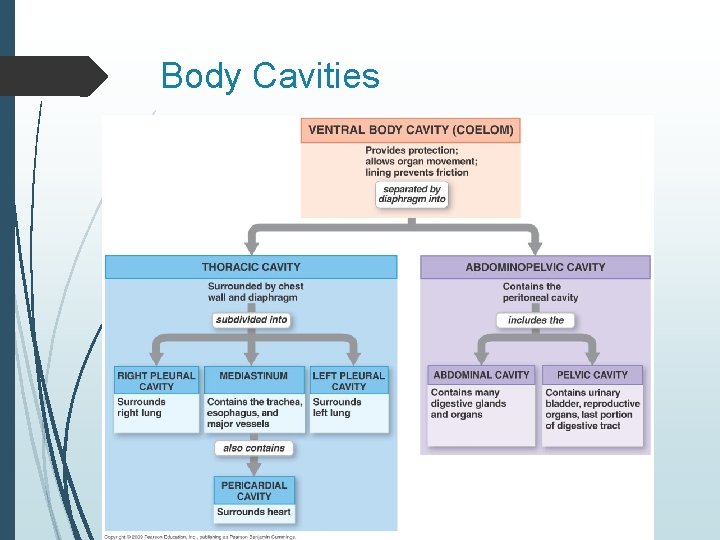
Body Cavities
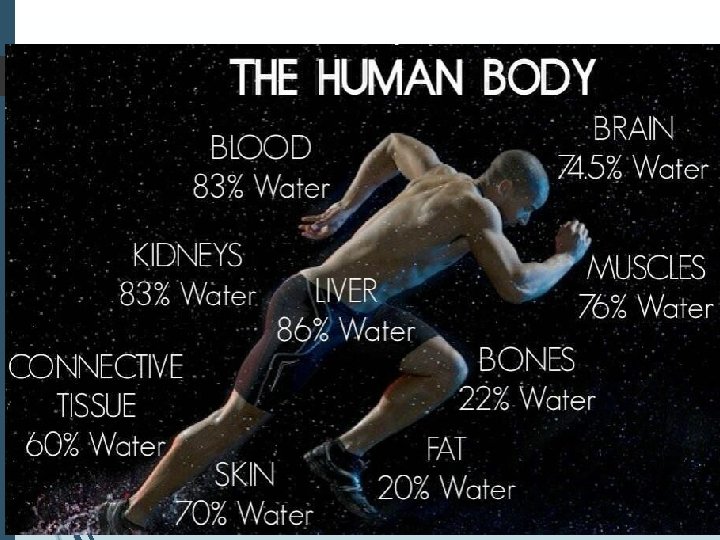
Survival Needs Nutrients- Carbs for energy, proteins for cell structure, trace elements. Oxygen- most chemical reactions are oxidative that require oxygen. Water- 70% body weight. “Universal solvent” Body temperature- too high = denature proteins and too low = slower reactions p. H- tightly regulated. Blood = 7. 35 7. 4 = metabolic alkalosis 7. 3 metabolic acidosis Atmospheric pressure- lower at high altitudes
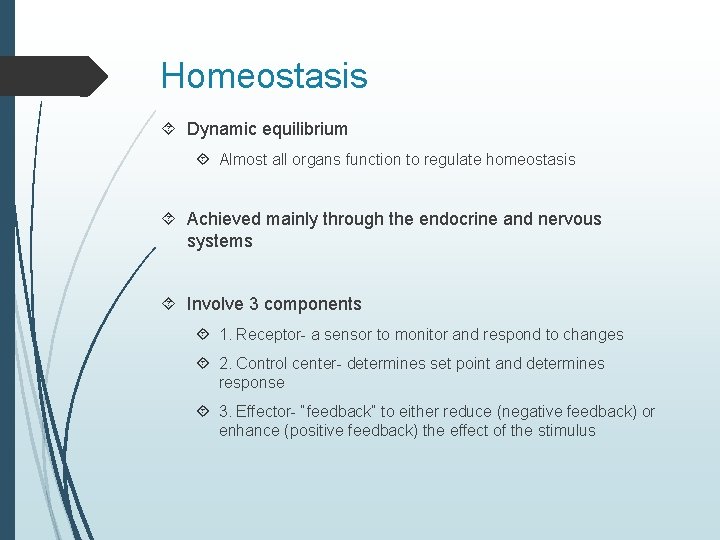
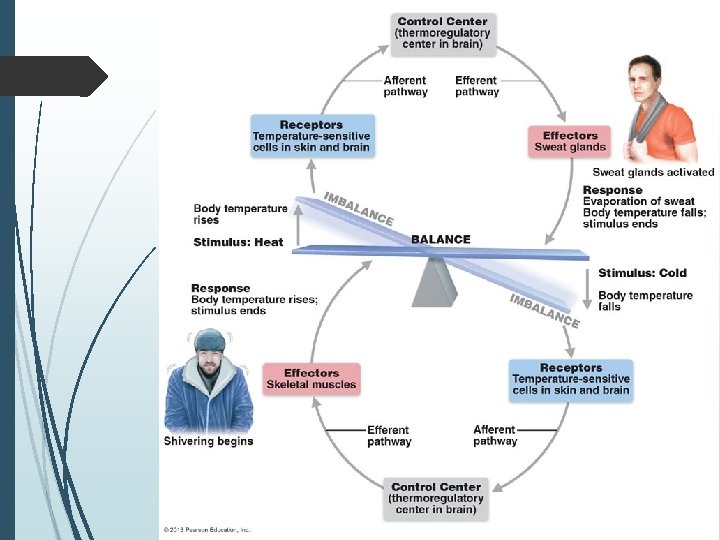
Homeostasis Dynamic equilibrium Almost all organs function to regulate homeostasis Achieved mainly through the endocrine and nervous systems Involve 3 components 1. Receptor- a sensor to monitor and respond to changes 2. Control center- determines set point and determines response 3. Effector- “feedback” to either reduce (negative feedback) or enhance (positive feedback) the effect of the stimulus
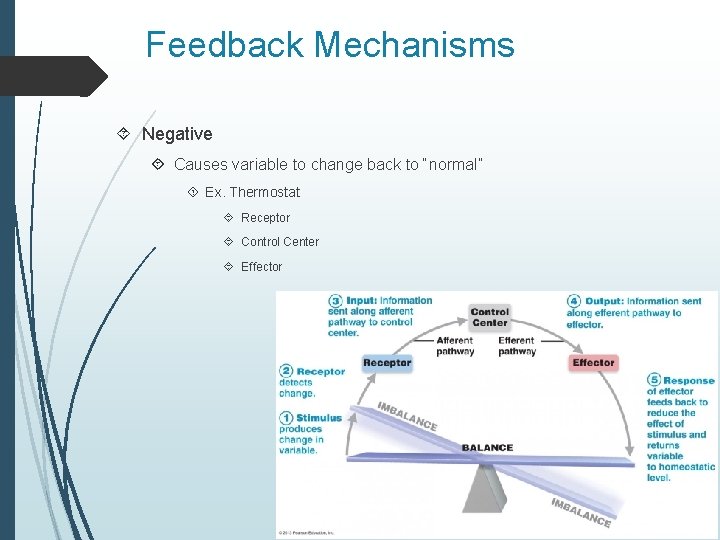
Feedback Mechanisms Negative Causes variable to change back to “normal” Ex. Thermostat Receptor Control Center Effector
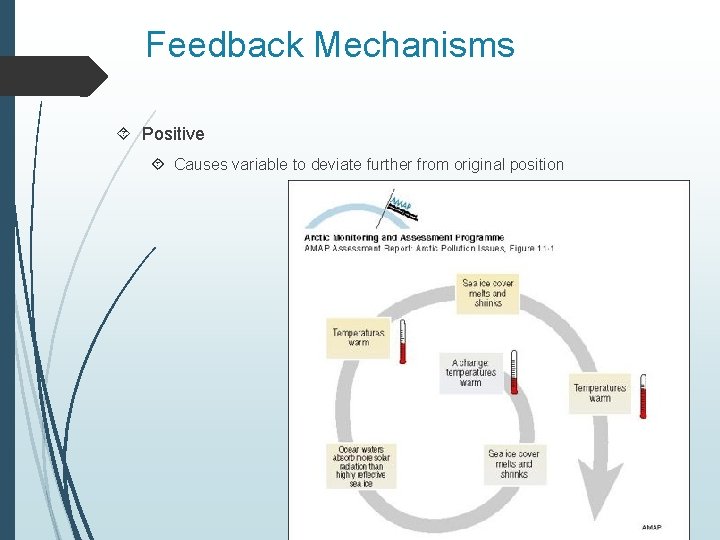
Feedback Mechanisms Positive Causes variable to deviate further from original position
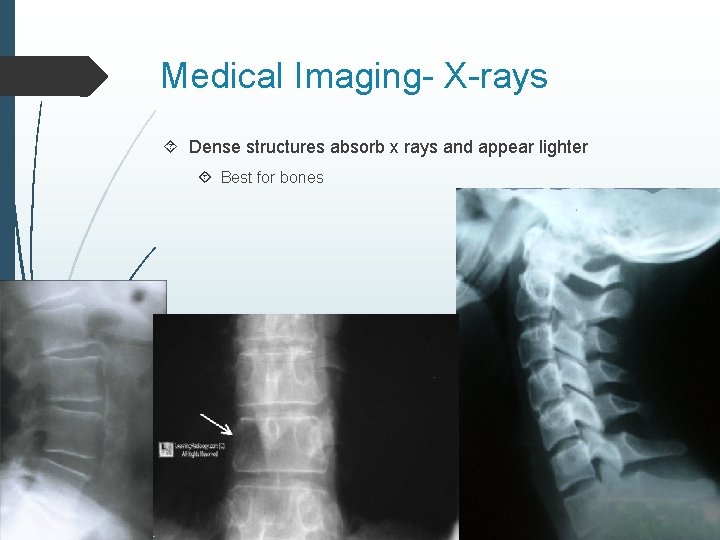
Medical Imaging- X-rays Dense structures absorb x rays and appear lighter Best for bones
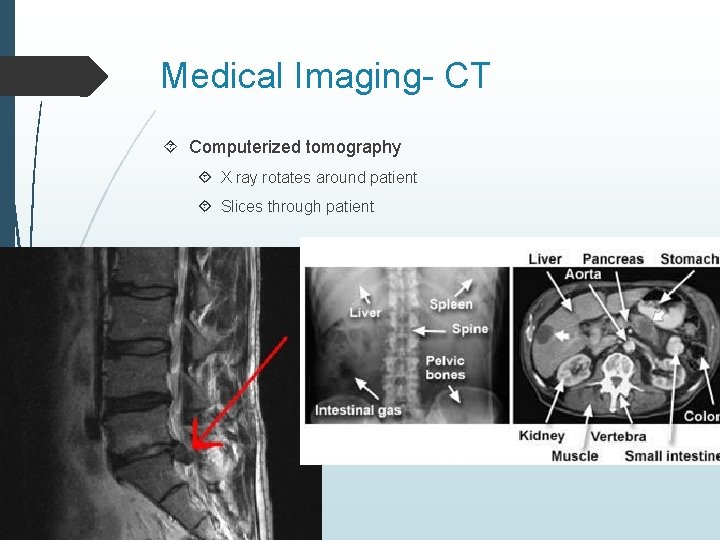
Medical Imaging- CT Computerized tomography X ray rotates around patient Slices through patient
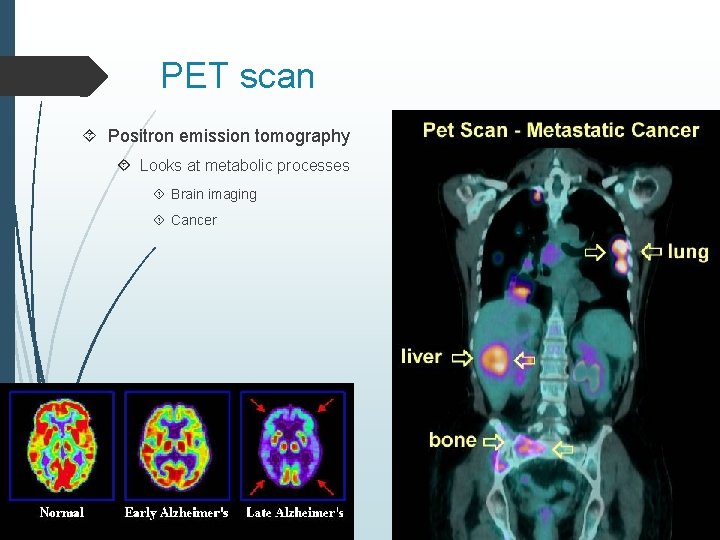
PET scan Positron emission tomography Looks at metabolic processes Brain imaging Cancer
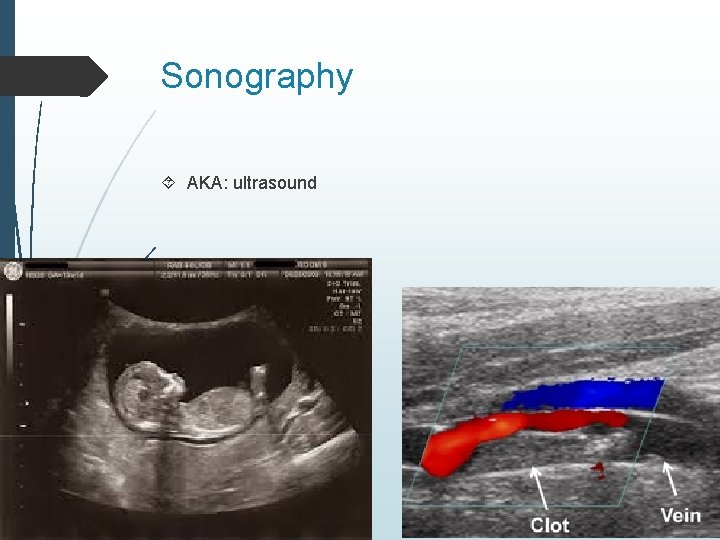
Sonography AKA: ultrasound
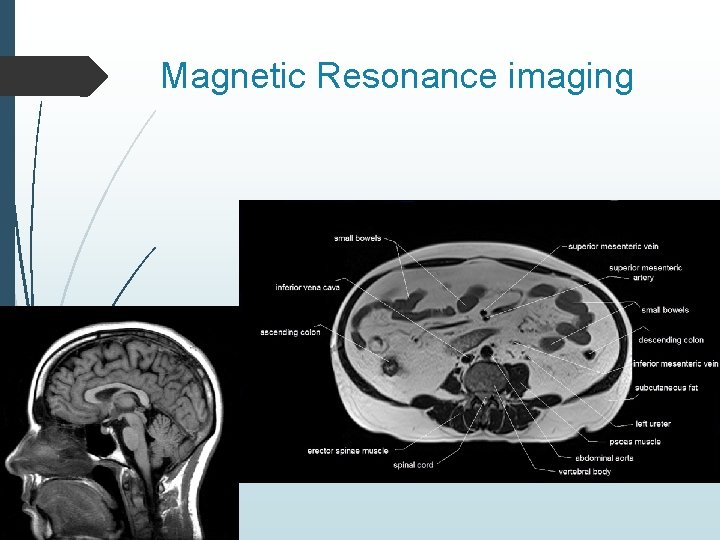
Magnetic Resonance imaging
- Slides: 31