
ORG LOGO What is Culture Rules Policies Slogans


- Slides: 29
ORG LOGO —
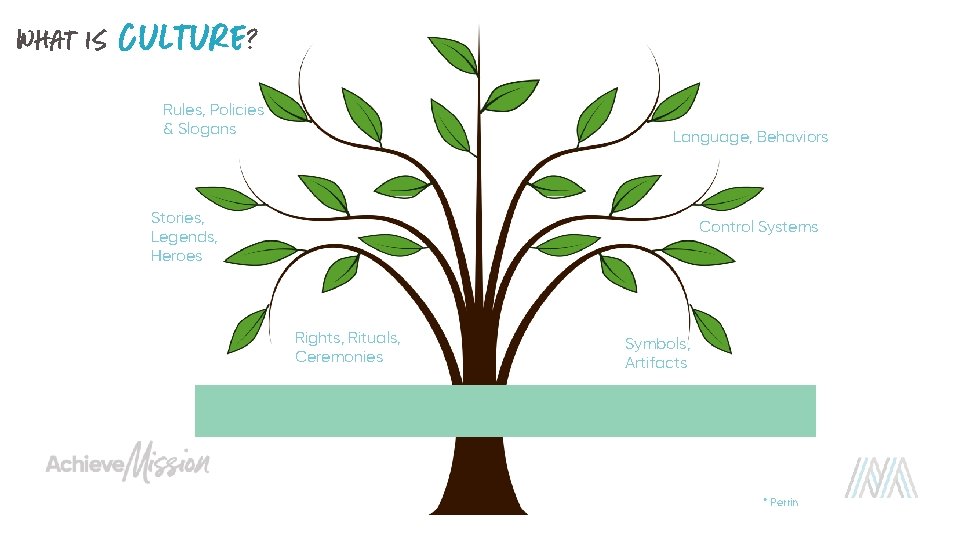
What is Culture? Rules, Policies & Slogans Language, Behaviors Stories, Legends, Heroes Control Systems Rights, Rituals, Ceremonies Symbols, Artifacts * Perrin
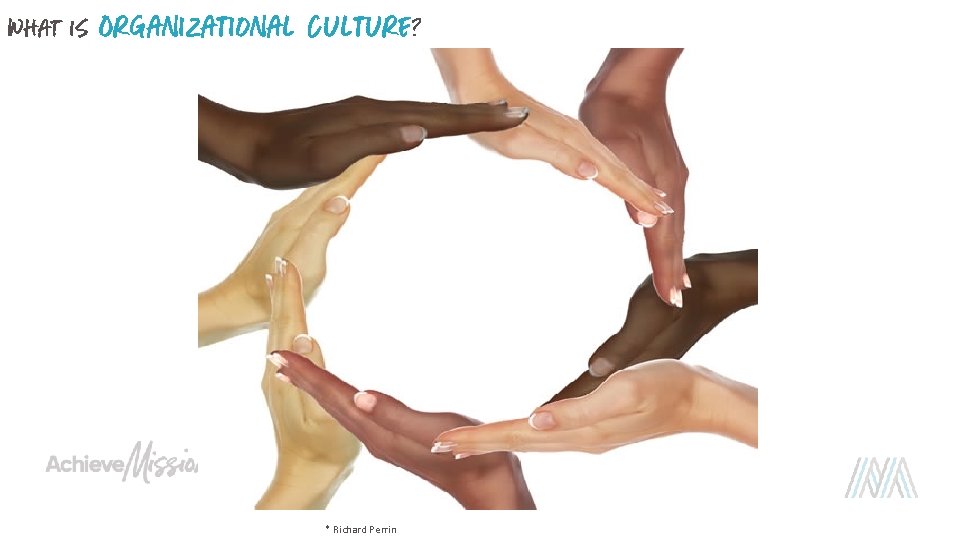
What is Organizational Culture? * Richard Perrin
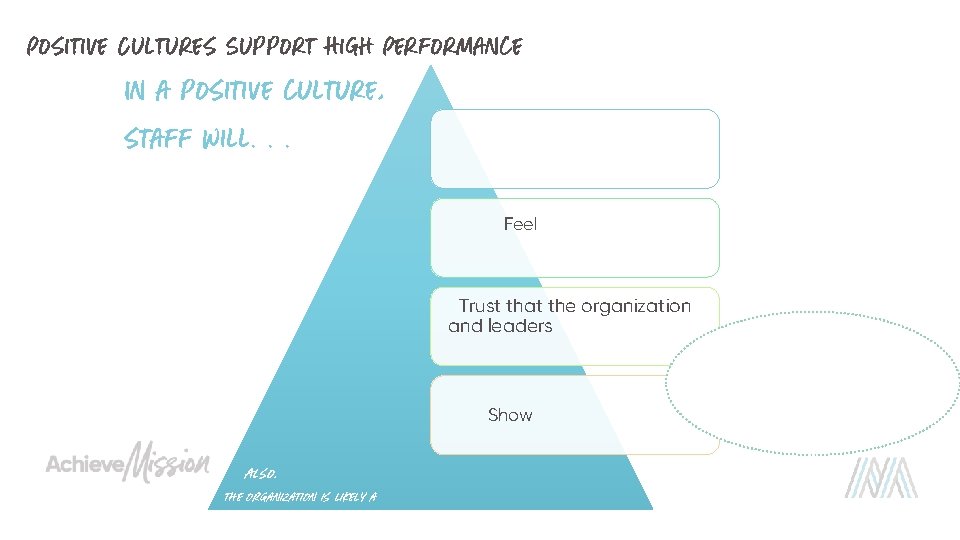
Positive Cultures Support High Performance In a positive culture, staff will. . . Feel Trust that the organization and leaders Show Also, the organization is likely a
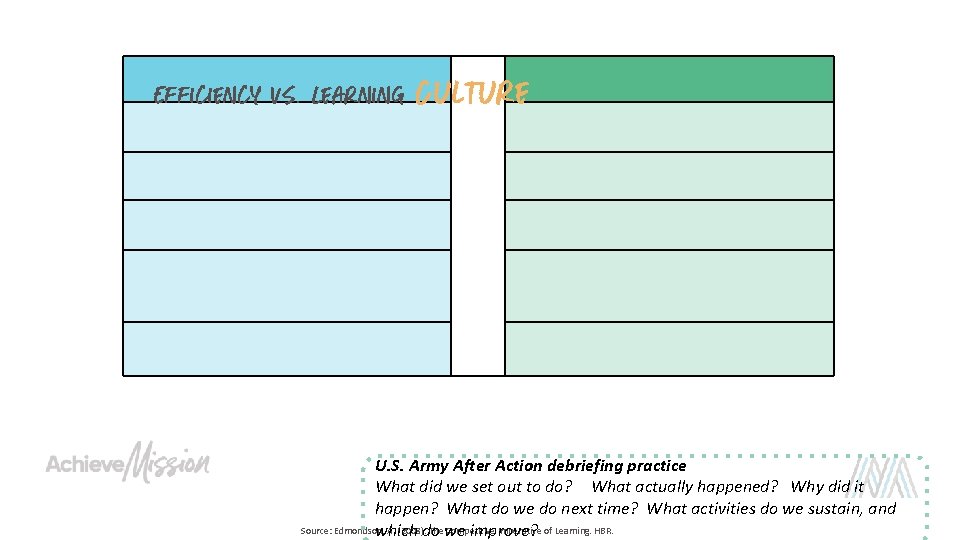
Efficiency vs. Learning Culture U. S. Army After Action debriefing practice What did we set out to do? What actually happened? Why did it happen? What do we do next time? What activities do we sustain, and Source: Edmondson, A. (2008). do The we Competitive Imperative of Learning. HBR. which improve?
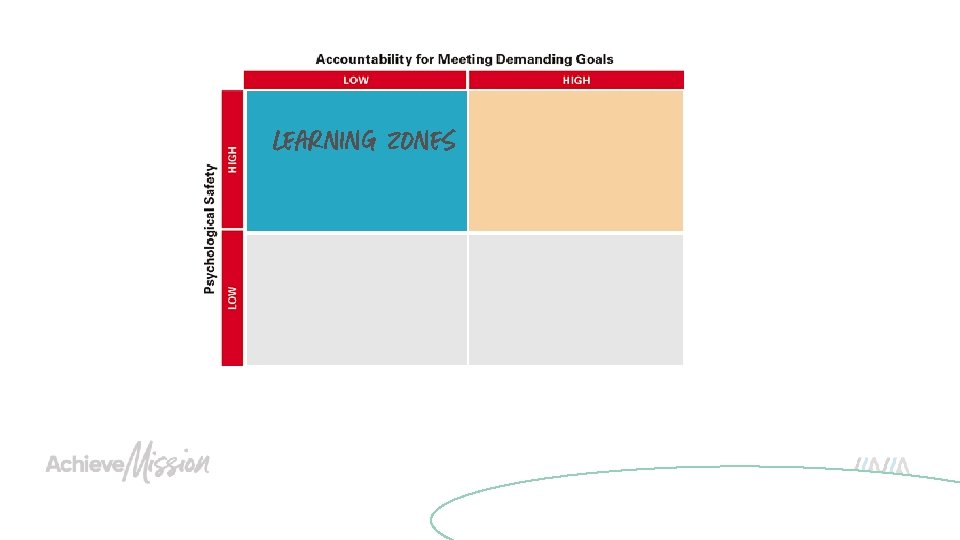
Learning Zones * Perrin
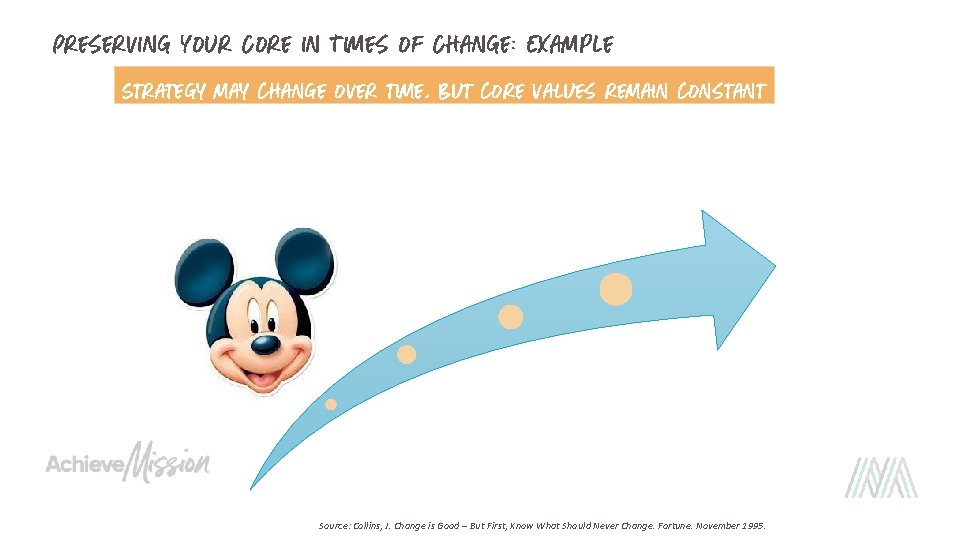
Preserving Your Core in Times of Change: Example Strategy may change over time, but core values remain constant Source: Collins, J. Change is Good – But First, Know What Should Never Change. Fortune. November 1995.
Preserving your Core in Times of Change How do you tell the difference between a core value and changeable strategy? • Source: Collins, J. Change is Good – But First, Know What Should Never Change. Fortune. November 1995.
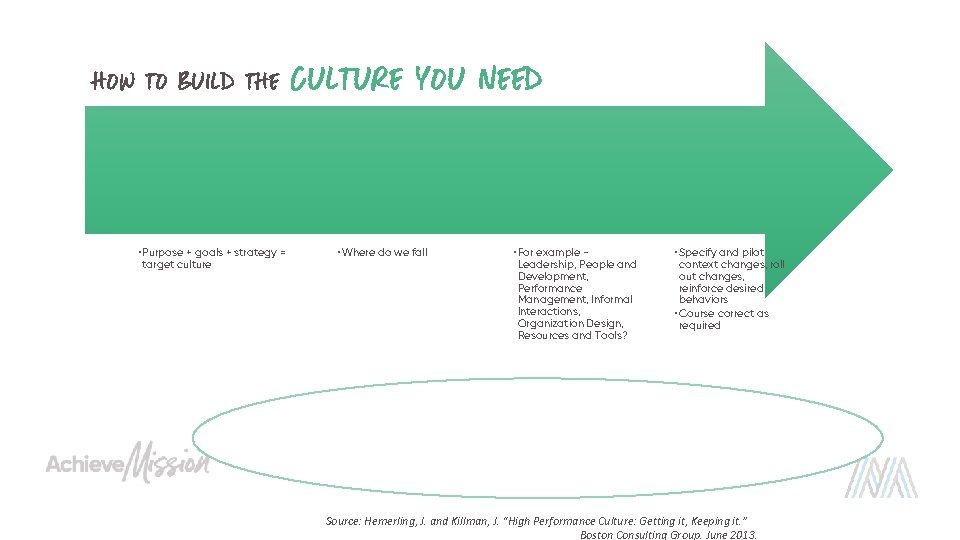
How to Build the Culture • Purpose + goals + strategy = target culture You Need • Where do we fall • For example Leadership, People and Development, Performance Management, Informal Interactions, Organization Design, Resources and Tools? • Specify and pilot context changes, roll out changes, reinforce desired behaviors • Course correct as required Source: Hemerling, J. and Killman, J. “High Performance Culture: Getting it, Keeping it. ” Boston Consulting Group. June 2013.
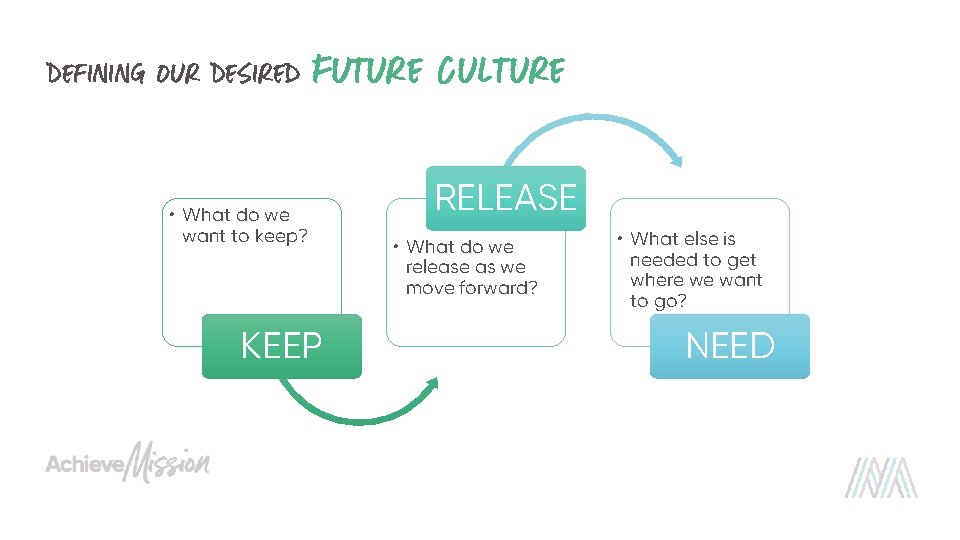
Defining our Desired Future • What do we want to keep? KEEP Culture RELEASE • What do we release as we move forward? • What else is needed to get where we want to go? NEED
What Role Does Inclusion Have in our Vision?
Foundations: Core Values
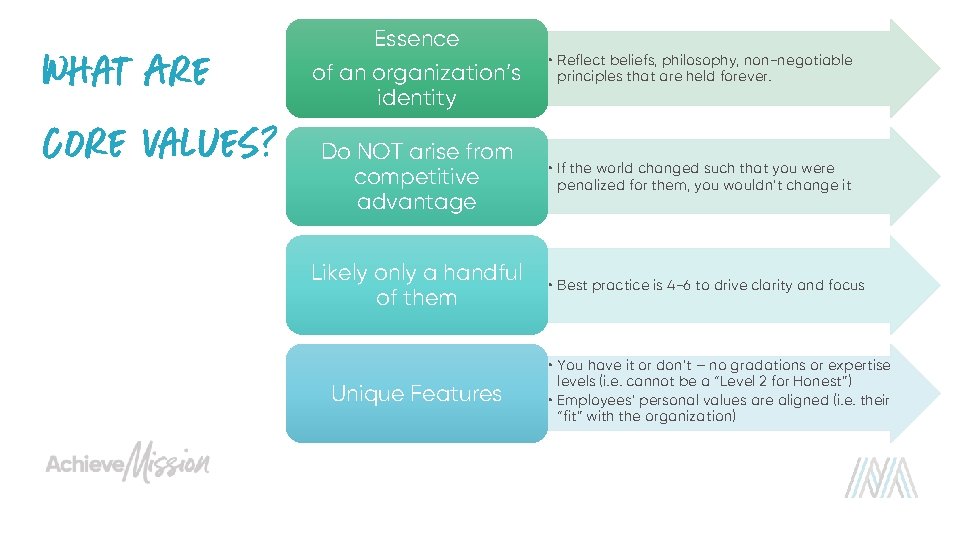
What Are Core Values? Essence of an organization’s identity Do NOT arise from competitive advantage Likely only a handful of them Unique Features • Reflect beliefs, philosophy, non-negotiable principles that are held forever. • If the world changed such that you were penalized for them, you wouldn’t change it • Best practice is 4 -6 to drive clarity and focus • You have it or don’t – no gradations or expertise levels (i. e. cannot be a “Level 2 for Honest”) • Employees’ personal values are aligned (i. e. their “fit” with the organization)
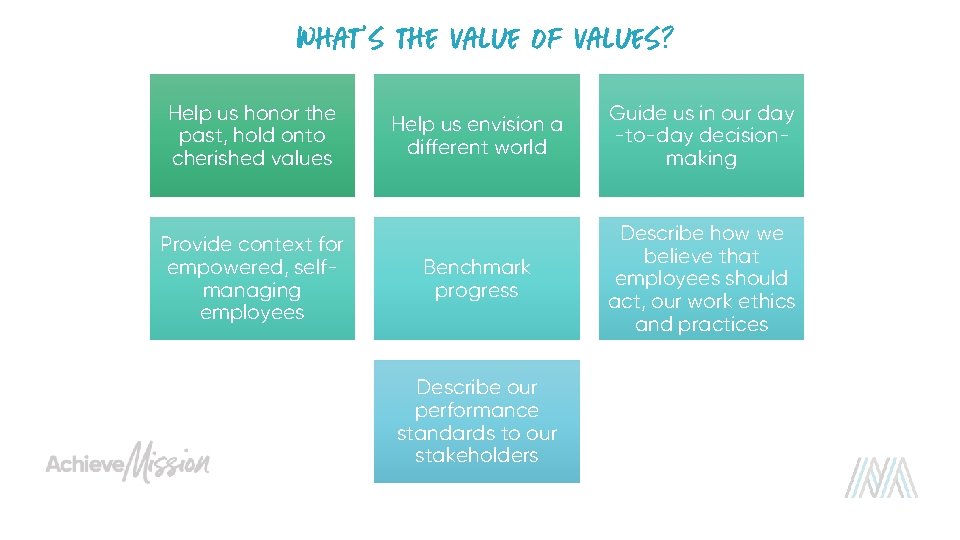
What’s the Value of Values? Help us honor the past, hold onto cherished values Provide context for empowered, selfmanaging employees Help us envision a different world Guide us in our day -to-day decisionmaking Benchmark progress Describe how we believe that employees should act, our work ethics and practices Describe our performance standards to our stakeholders
Values = Elevating How are We on Our Best Days
What Are YOU Like on Your Best Day? On your own write, draw or daydream for 2 minutes. Be prepared to share.
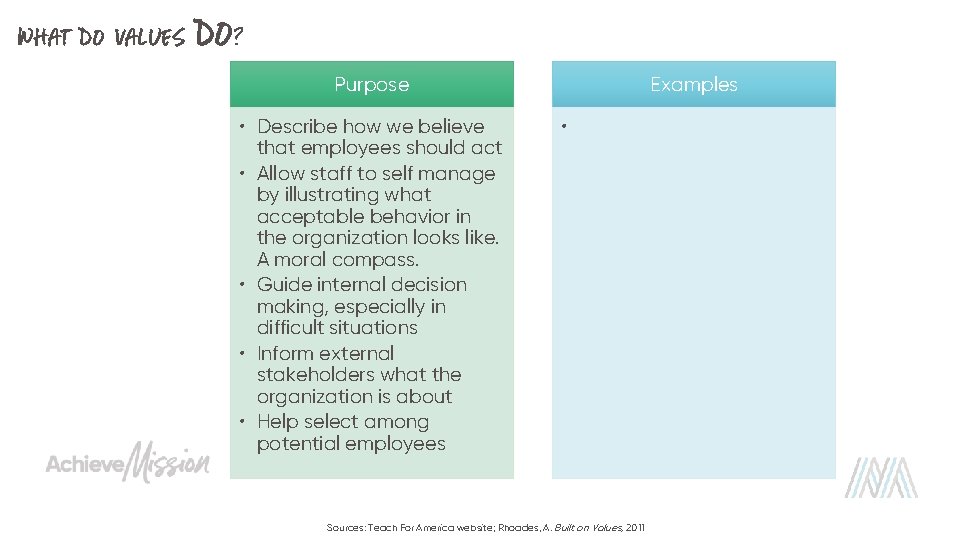
What Do Values Do? Purpose • Describe how we believe that employees should act • Allow staff to self manage by illustrating what acceptable behavior in the organization looks like. A moral compass. • Guide internal decision making, especially in difficult situations • Inform external stakeholders what the organization is about • Help select among potential employees Examples • Sources: Teach For America website; Rhoades, A. Built on Values, 2011
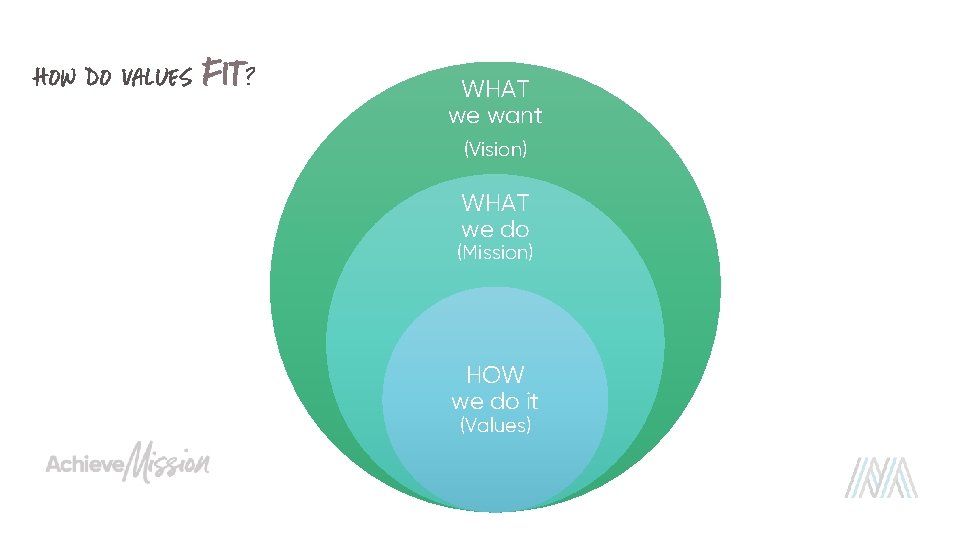
How Do Values Fit? WHAT we want (Vision) WHAT we do (Mission) HOW we do it (Values)
Sample of Values Blueprint – Jet. Blue Example
Sample: Human Services Non-Profit
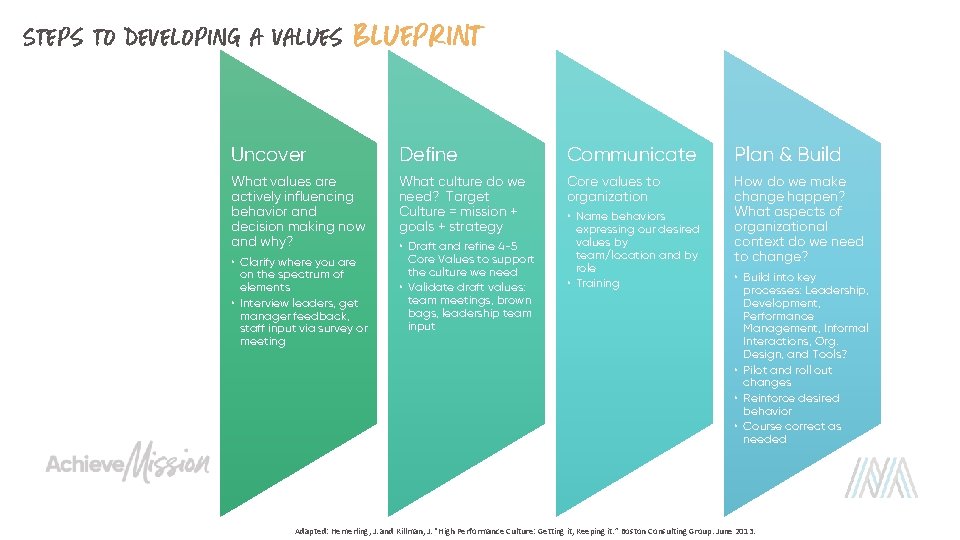
Steps to Developing a Values Blueprint Uncover Define Communicate Plan & Build What values are actively influencing behavior and decision making now and why? What culture do we need? Target Culture = mission + goals + strategy Core values to organization How do we make change happen? What aspects of organizational context do we need to change? • Clarify where you are on the spectrum of elements • Interview leaders, get manager feedback, staff input via survey or meeting • Draft and refine 4 -5 Core Values to support the culture we need • Validate draft values: team meetings, brown bags, leadership team input • Name behaviors expressing our desired values by team/location and by role • Training • Build into key processes: Leadership, Development, Performance Management, Informal Interactions, Org. Design, and Tools? • Pilot and roll out changes • Reinforce desired behavior • Course correct as needed Adapted: Hemerling, J. and Killman, J. “High Performance Culture: Getting it, Keeping it. ” Boston Consulting Group. June 2013.
Best Practices During Creation • • Source: Rhoades, A. Built on Values, 2011
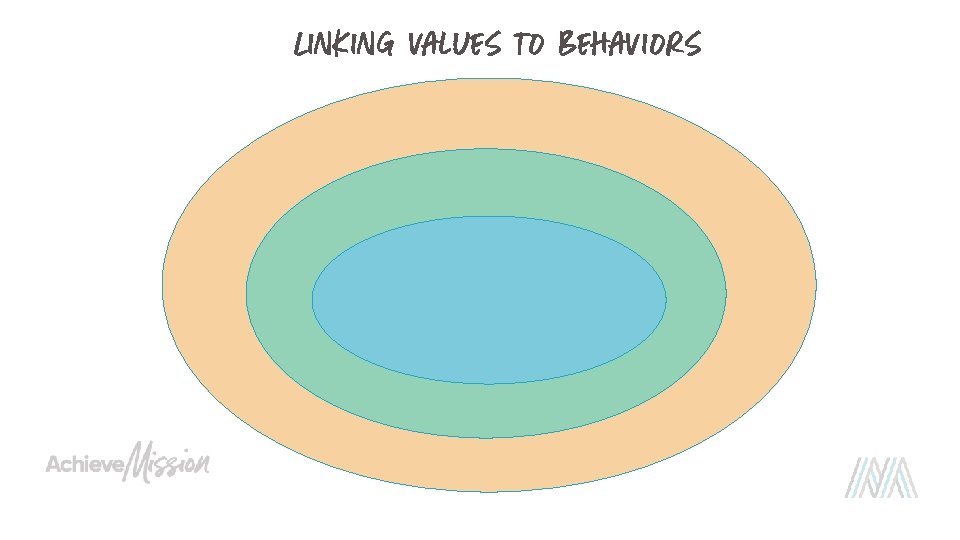
Linking Values to Behaviors
Diversity, Equity and Inclusion Integrated into Values
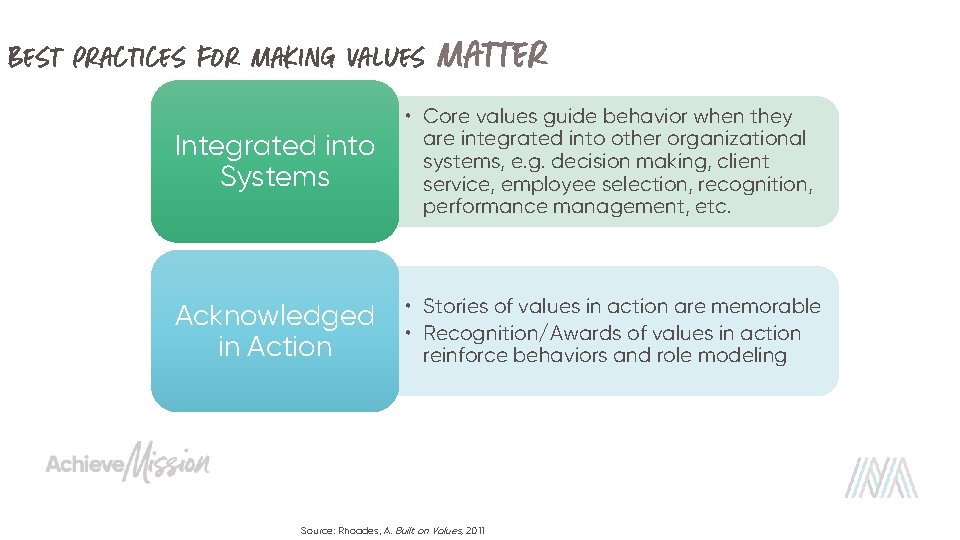
Best Practices For Making Values Matter Integrated into Systems • Core values guide behavior when they are integrated into other organizational systems, e. g. decision making, client service, employee selection, recognition, performance management, etc. Acknowledged in Action • Stories of values in action are memorable • Recognition/Awards of values in action reinforce behaviors and role modeling Source: Rhoades, A. Built on Values, 2011
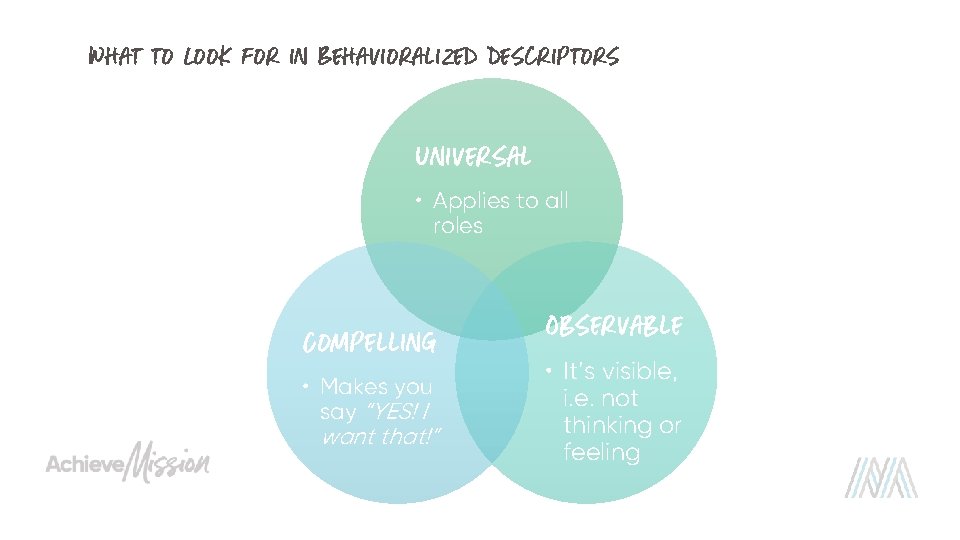
What to Look for in Behavioralized Descriptors Universal • Applies to all roles Compelling • Makes you say “YES! I want that!” Observable • It’s visible, i. e. not thinking or feeling
The Dangers of Values: Easier to Promise Than Deliver