
Oral Communication Chapter 3 Why do students need

- Slides: 23
Oral Communication Chapter 3
Why do students need oral language instruction? 1. Language learning is the greatest intellectual feat anyone of us is ever required to perform. 2. Speaking is the method by which people receive most of their information.
3. Student who have well-developed oral skills usually have significant higher reading, writing, and overall achievement. 4. Oral language is the first language art that children use to express their original ideas. 5. Oral language increases the pleasure of learning.
Stages of oral language development Developmental theories Children learn to speak through shaping, which uses the positive reinforcement of desired behaviors and negative reinforcement of undesired behaviors. (behaviorist theory)
• Language learning is an active interaction between a child and the environment. (behaviorist theory) • Children learn to speak naturally when exposed to speech. (nativists)
• Children chose words to label new learnings according to their level of thinking. (cognitive field theory) • Language use, learning, and thinking are driven by the students ability to seek and reflect on the meanings gained by seeing, feeling, and doing. (psycholinguistic theory)
• Language use and learningthinking maturity is attained by the sequential mastery of sequential skills. (mastery theory)
Functions of language • Instrumental function • Regulatory function • Interactional function • Personal function • Informational function • Imaginative function • Heuristic function
What can you do to help your student’s develop these functions? • Make requests to satisfy their needs • Control their environment • Perform rituals and engage in discussions with social grace
• Show their individuality through their feelings and opinions • Convey information to others • Imagine and field-test new ideas • Ask why things are or are not as they appear,
Dialectical differences • Linguistic differences not linguistic deficits. • Teach to replace less effective patterns with more powerful sentence structure • Value student’s personal speaking system
• When students dialects interfere with their ability to communicate or comprehend, it is important to identify and correct the nonstandard features that is causing problems.
How can you do this? • Help them eliminate crutch words • Ask student to study a topic no one else is studying, and have the student share it with the class. • Have conversation clubs.
Activities that improve speaking abilities • Ask effective questions. • Teach conversational discourse skills • Audio and videotape recordings • Panel discussions and debates
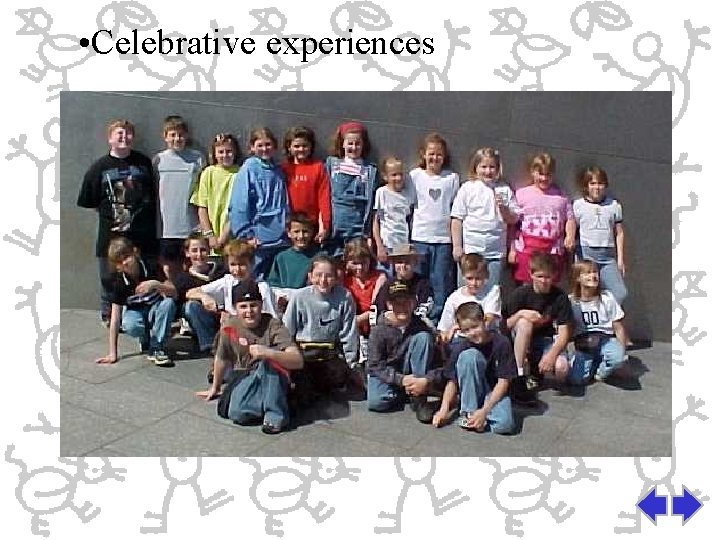
• Celebrative experiences
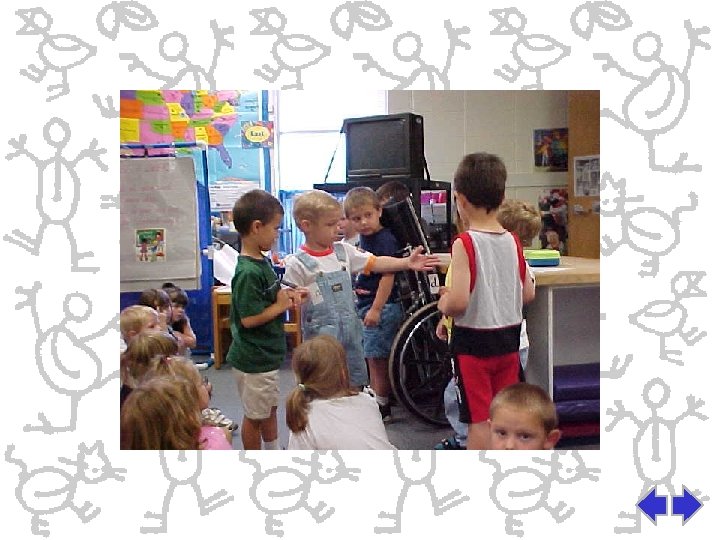
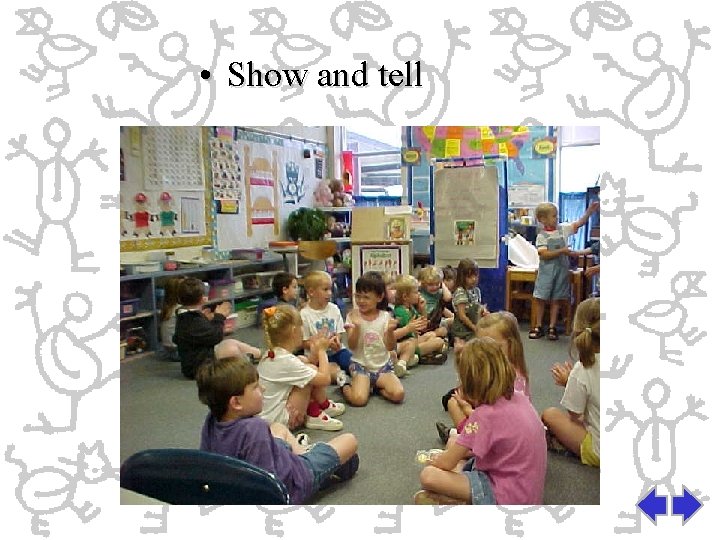
• Show and tell
Integrating the Language Arts • • Use books Storytelling Sharing their lives Develop telephone skills
Bilingual Students • Use first language • Give them a to get them to written set of understand instructions • Pair them with • Analyze special another student English idioms and phrases
Anecdotal records • Clipboard • Spiral notebook • Blank mailing labels
When do you do this? • During independent time • Hands-on performance • Contract or goal work