
Oral Antidiabetic Medications Mario Skugor MD FACE Endocrine
Oral Anti-diabetic Medications Mario Skugor, MD FACE Endocrine and Metabolic Institute Cleveland Clinic
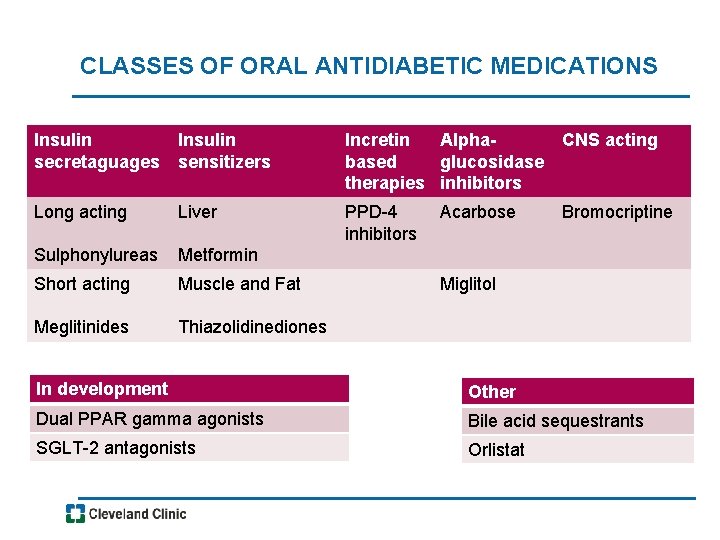
CLASSES OF ORAL ANTIDIABETIC MEDICATIONS Insulin secretaguages sensitizers Incretin Alpha. CNS acting based glucosidase therapies inhibitors Long acting Liver PPD-4 inhibitors Sulphonylureas Metformin Short acting Muscle and Fat Meglitinides Thiazolidinediones Acarbose Bromocriptine Miglitol In development Other Dual PPAR gamma agonists Bile acid sequestrants SGLT-2 antagonists Orlistat
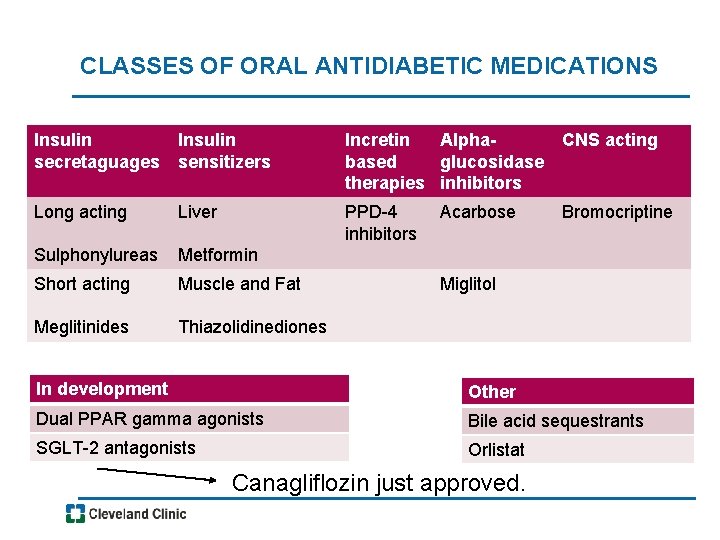
CLASSES OF ORAL ANTIDIABETIC MEDICATIONS Insulin secretaguages sensitizers Incretin Alpha. CNS acting based glucosidase therapies inhibitors Long acting Liver PPD-4 inhibitors Sulphonylureas Metformin Short acting Muscle and Fat Meglitinides Thiazolidinediones Acarbose Bromocriptine Miglitol In development Other Dual PPAR gamma agonists Bile acid sequestrants SGLT-2 antagonists Orlistat Canagliflozin just approved.
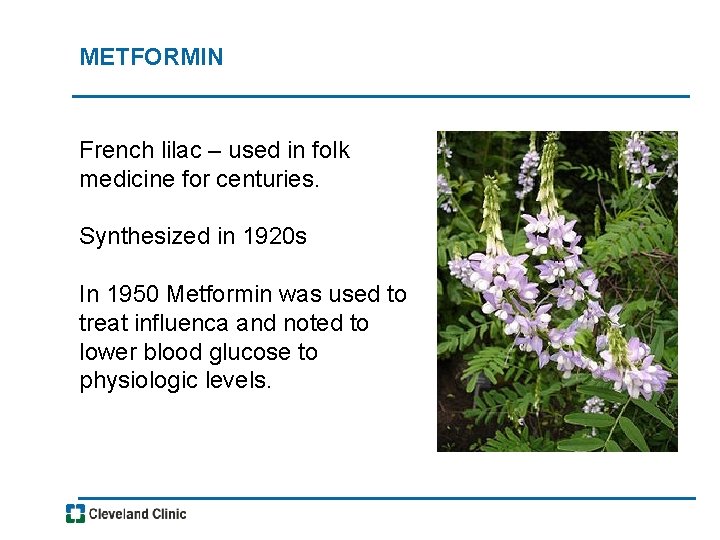
METFORMIN French lilac – used in folk medicine for centuries. Synthesized in 1920 s In 1950 Metformin was used to treat influenca and noted to lower blood glucose to physiologic levels.
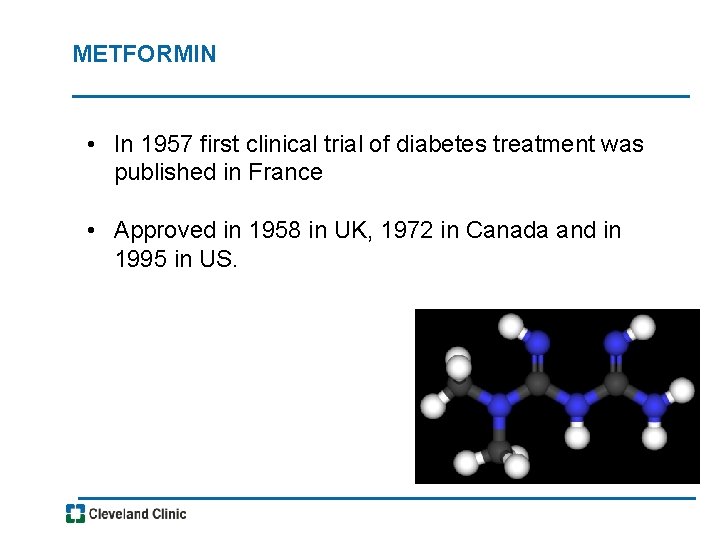
METFORMIN • In 1957 first clinical trial of diabetes treatment was published in France • Approved in 1958 in UK, 1972 in Canada and in 1995 in US.

METFORMIN • Suppression of hepatic gluconeogenesis through activation AMP-activated protein kinase (AMPK). • Improves glucose uptake in muscle and fat. • Causes weight loss in some individuals. • Improves menstrual cycle and fertility in PCOS • May improve NASH. • May reduce risk of range of different carcinomas
METFORMIN • Comes in 500, 850 and 1000 mg pills. • Extended release pills are available (but more expensive) • Usual dose is 1000 mg twice a day. • Main side effects is abdominal cramping and diarrhea • Metformin extended release is better tolerated by some patients • Even mild renal failure (Cr>1. 4 in males and >1. 5 in females) is contraindication for use

Metformin – Bottom line • • • Clearly the first line. Cheap Improves physiology Has other benefits. Unfortunately, significant proportion of patients has contraindications or cannot tolerate it.
SULPHONYLUREAS • Marcel Janbon and co-workers discovered hypoglycemic effect of sulfonylurea in 1942. • They were studying sulfonamide antibiotics and discovered that the compound sulfonylurea induced hypoglycemia in animals
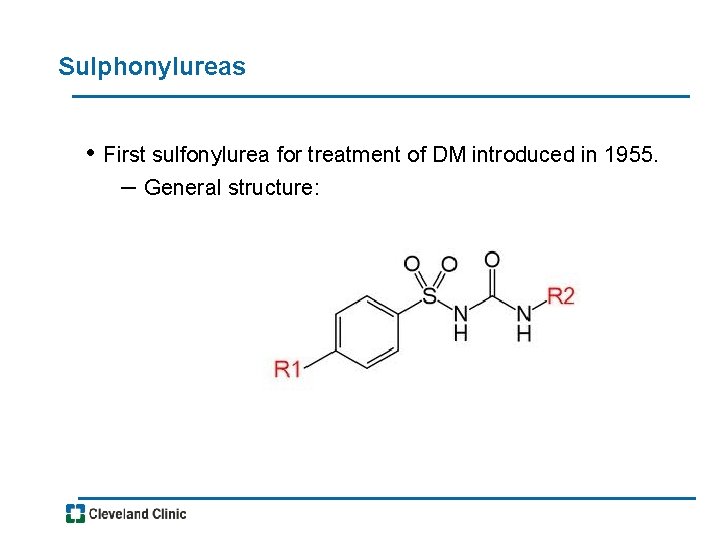
Sulphonylureas • First sulfonylurea for treatment of DM introduced in 1955. – General structure:
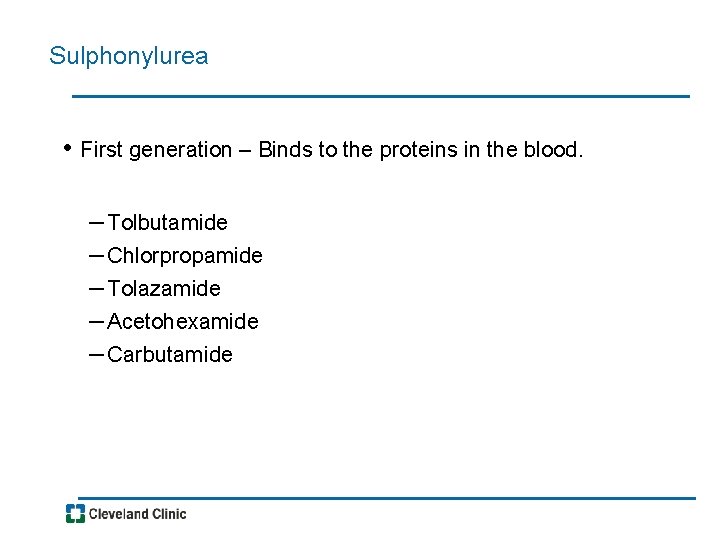
Sulphonylurea • First generation – Binds to the proteins in the blood. – Tolbutamide – Chlorpropamide – Tolazamide – Acetohexamide – Carbutamide
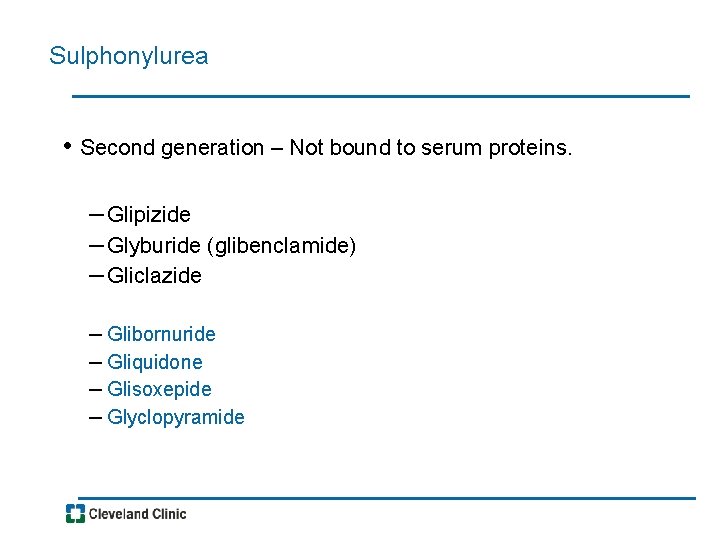
Sulphonylurea • Second generation – Not bound to serum proteins. – Glipizide – Glyburide (glibenclamide) – Gliclazide – Glibornuride – Gliquidone – Glisoxepide – Glyclopyramide
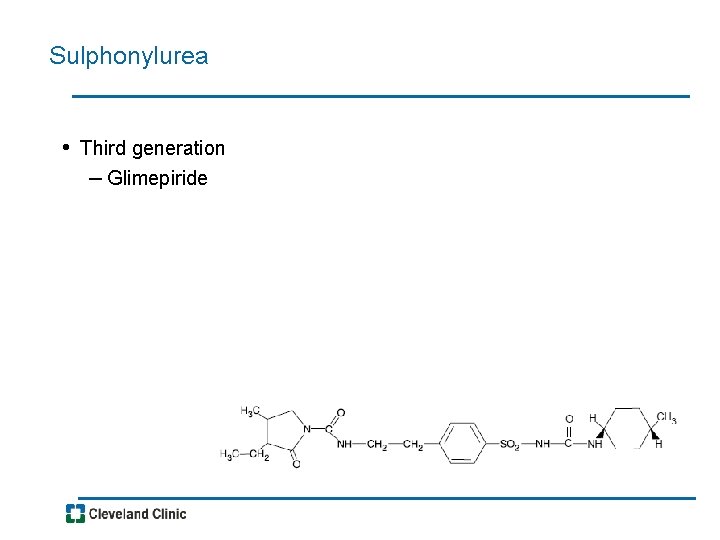
Sulphonylurea • Third generation – Glimepiride
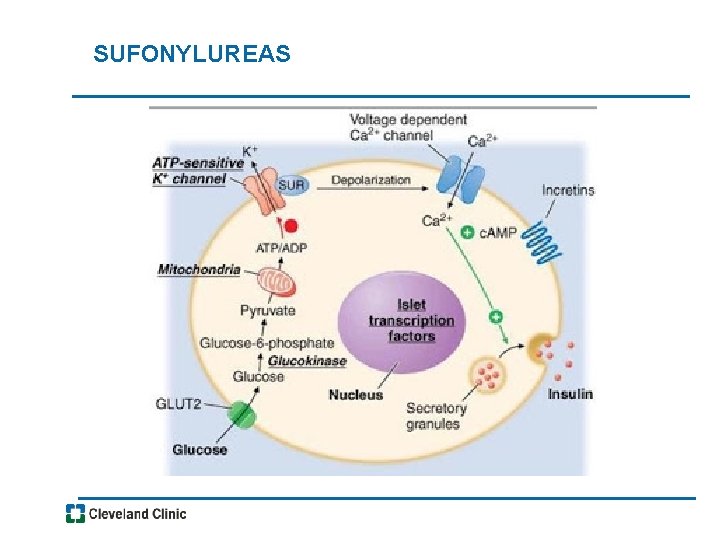
SUFONYLUREAS
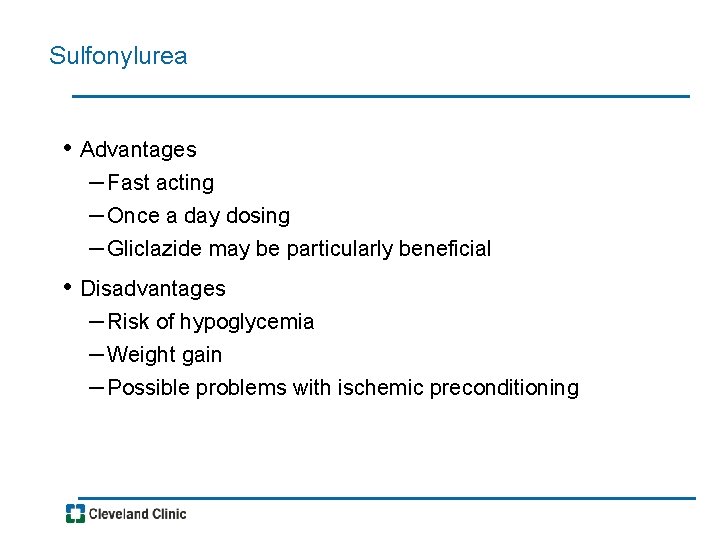
Sulfonylurea • Advantages – Fast acting – Once a day dosing – Gliclazide may be particularly beneficial • Disadvantages – Risk of hypoglycemia – Weight gain – Possible problems with ischemic preconditioning
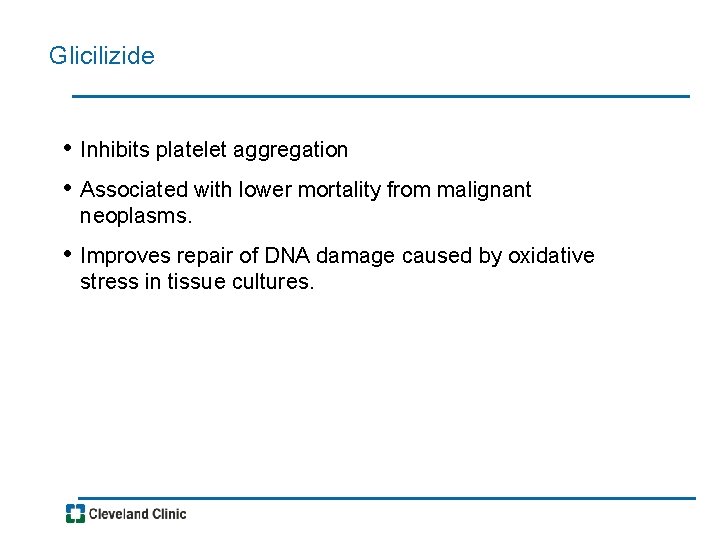
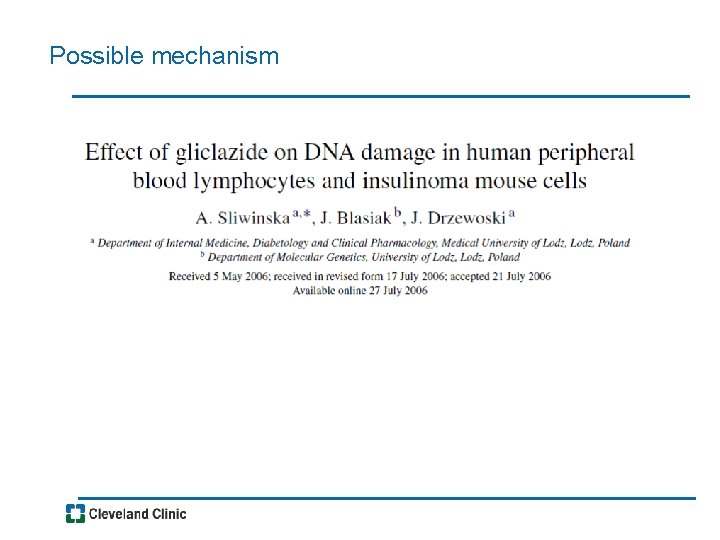
Glicilizide • Inhibits platelet aggregation • Associated with lower mortality from malignant neoplasms. • Improves repair of DNA damage caused by oxidative stress in tissue cultures.
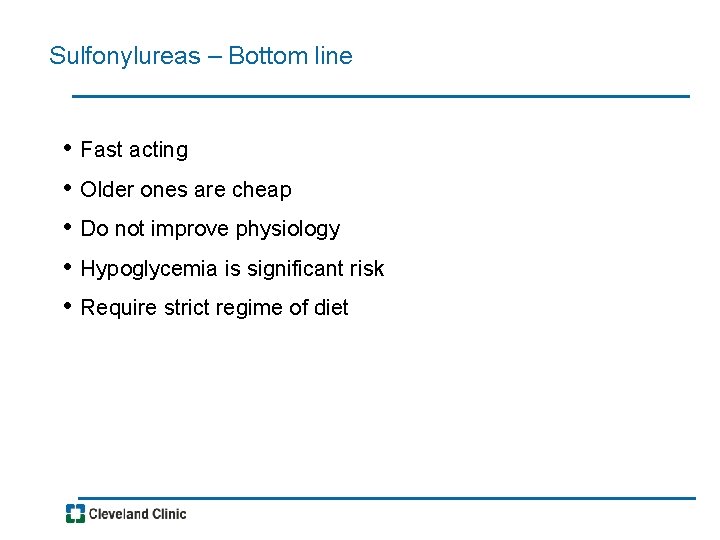
Sulfonylureas – Bottom line • • • Fast acting Older ones are cheap Do not improve physiology Hypoglycemia is significant risk Require strict regime of diet
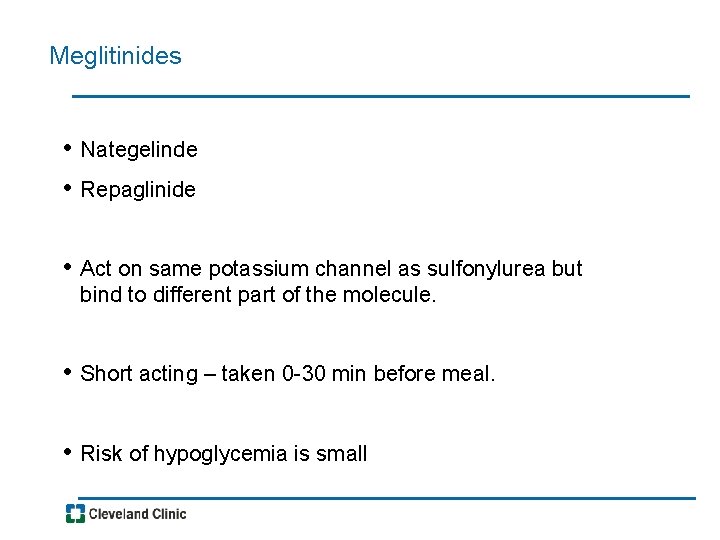
Meglitinides • Nategelinde • Repaglinide • Act on same potassium channel as sulfonylurea but bind to different part of the molecule. • Short acting – taken 0 -30 min before meal. • Risk of hypoglycemia is small
Meglitinides – Bottom line • Useful in small number of patients for relatively short period of time. • Allow for some flexibility in timing of the meals.
TZD-s – actually Pioglitazone • The proliferator-activated receptor gamma (PPAR-γ) and to a lesser extent PPAR-α agonist in the muscle, adipose tissue, and the liver. • Pioglitazone reduces insulin resistance in the liver and peripheral tissues. • Pioglitazone decreases the level of triglycerides and increases HDL without changing LDL and total cholesterol.
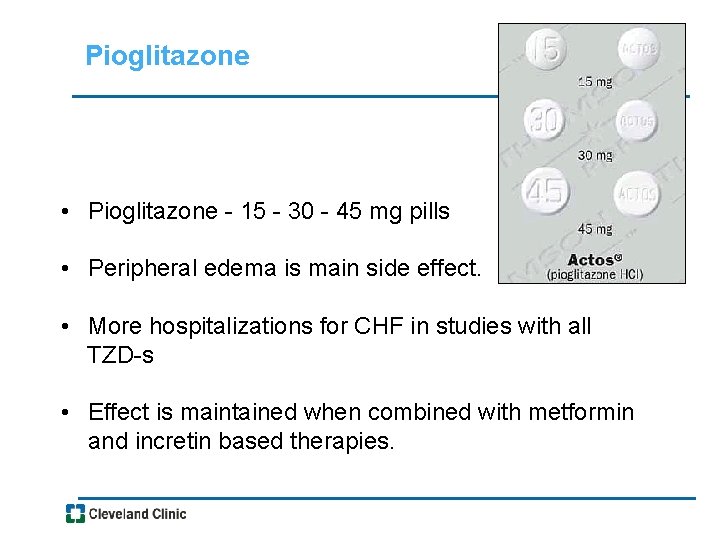
Pioglitazone • Pioglitazone - 15 - 30 - 45 mg pills • Peripheral edema is main side effect. • More hospitalizations for CHF in studies with all TZD-s • Effect is maintained when combined with metformin and incretin based therapies.
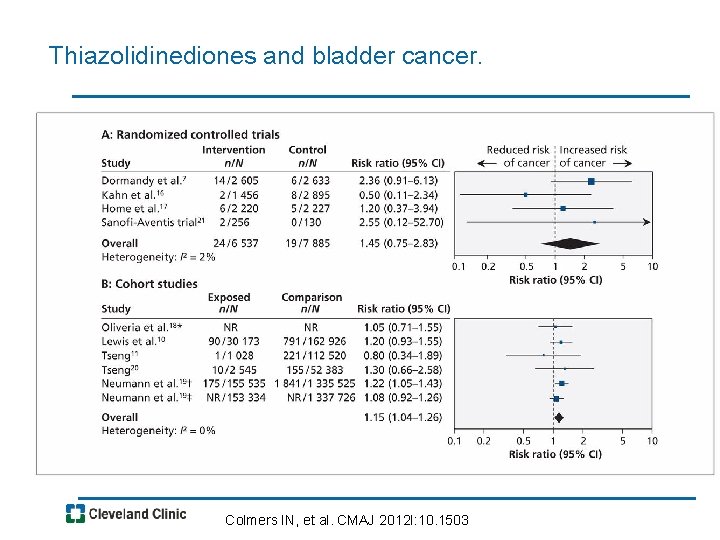
Thiazolidinediones and bladder cancer. Colmers IN, et al. CMAJ 2012 I: 10. 1503
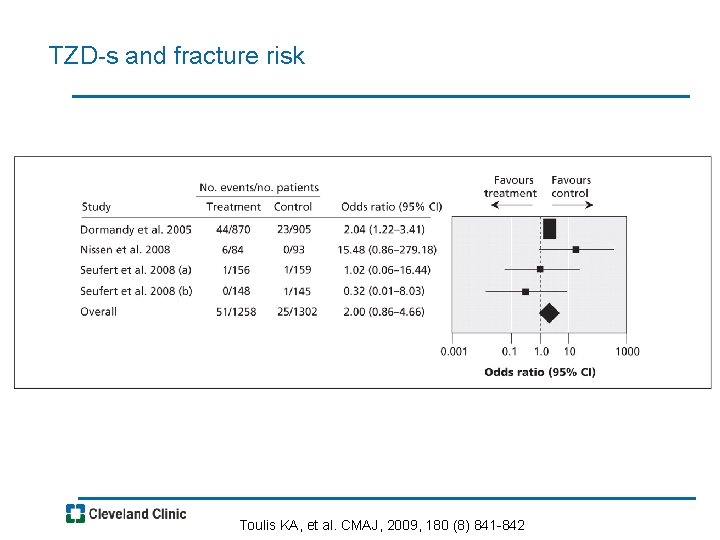
TZD-s and fracture risk Toulis KA, et al. CMAJ, 2009, 180 (8) 841 -842
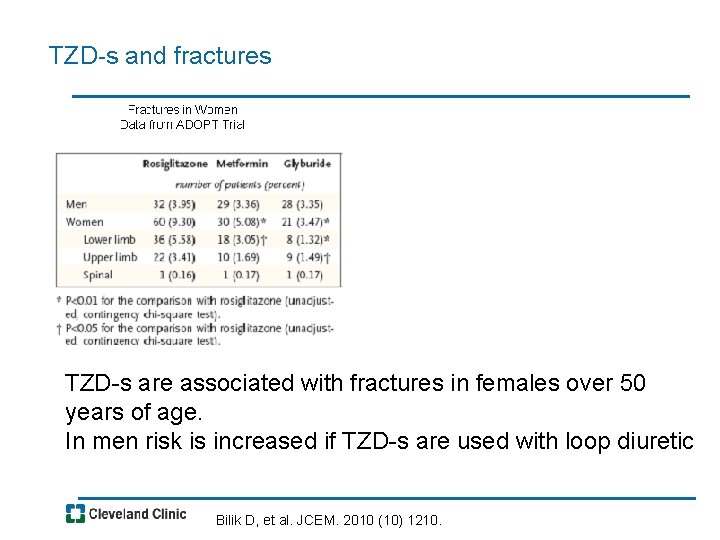
TZD-s and fractures TZD-s are associated with fractures in females over 50 years of age. In men risk is increased if TZD-s are used with loop diuretic Bilik D, et al. JCEM. 2010 (10) 1210.
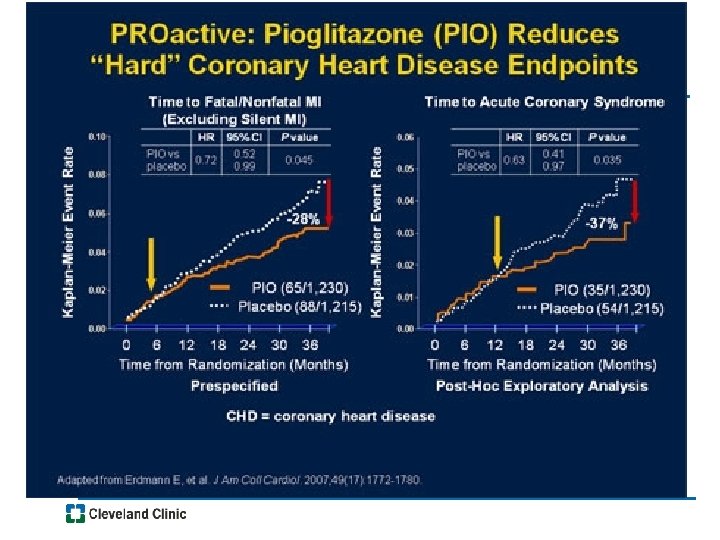
Bottom line on Pioglitazone • Benefits are still higher than risks. • There is some evidence that lower dose is not associated with risk of bladder cancer. • However – at this time Metformin and PPD-4 inhibitors are clearly ahead of Pioglitazone as choices for treatment.
Incretins • Gut-derived hormones, secreted in response to nutrient ingestion, that potentiate insulin secretion from islet cells in a glucosedependent fashion, and lower glucagon secretion from islet cells • Two predominant incretins: – Glucagon-like peptide– 1 (GLP-1) – Glucose-dependent insulinotropic peptide (GIP) (also known as gastric inhibitory peptide) • Incretin effect is impaired in type 2 diabetes – Known as GLP-1 deficiency
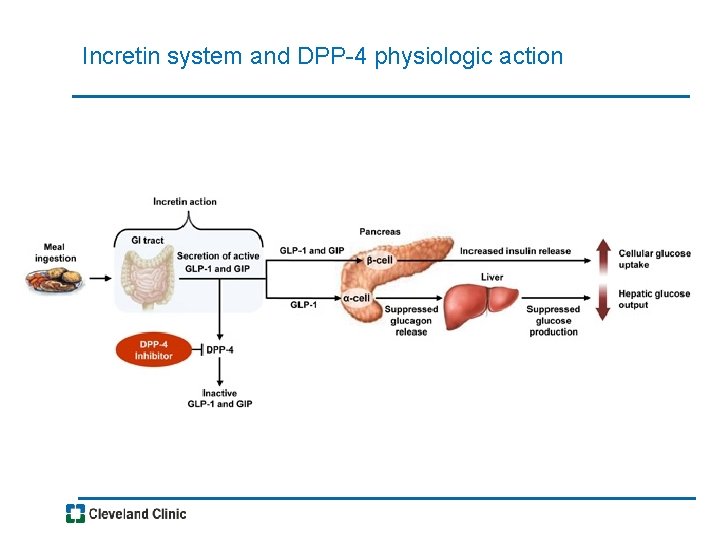
Incretin system and DPP-4 physiologic action

Native GLP-1 is rapidly degraded by DPP-IV Human ileum, GLP-1 producing L-cells Capillaries, DPP-IV (Di-Peptidyl Peptidase-IV) Double immunohistochemical staining for DPP-IV (red) and GLP-1 (green) in the human ileum Adapted from: Hansen et al. Endocrinology 1999; 140: 5356– 5363.
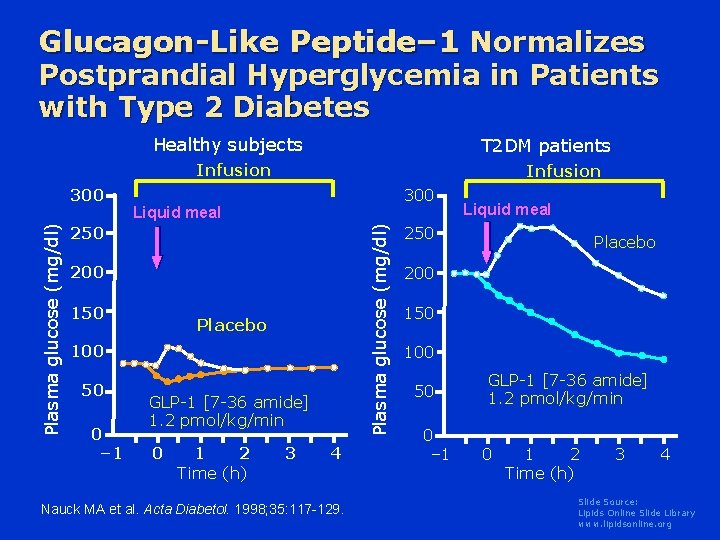
Glucagon-Like Peptide– 1 Normalizes Postprandial Hyperglycemia in Patients with Type 2 Diabetes Healthy subjects T 2 DM patients Infusion 300 Liquid meal Plasma glucose (mg/dl) 300 Infusion 250 200 150 Placebo 100 50 0 – 1 GLP-1 [7 -36 amide] 1. 2 pmol/kg/min 0 1 2 Time (h) 3 4 Nauck MA et al. Acta Diabetol. 1998; 35: 117 -129. Liquid meal 250 Placebo 200 150 100 50 0 – 1 GLP-1 [7 -36 amide] 1. 2 pmol/kg/min 0 1 2 Time (h) 3 4 Slide Source: Lipids Online Slide Library www. lipidsonline. org
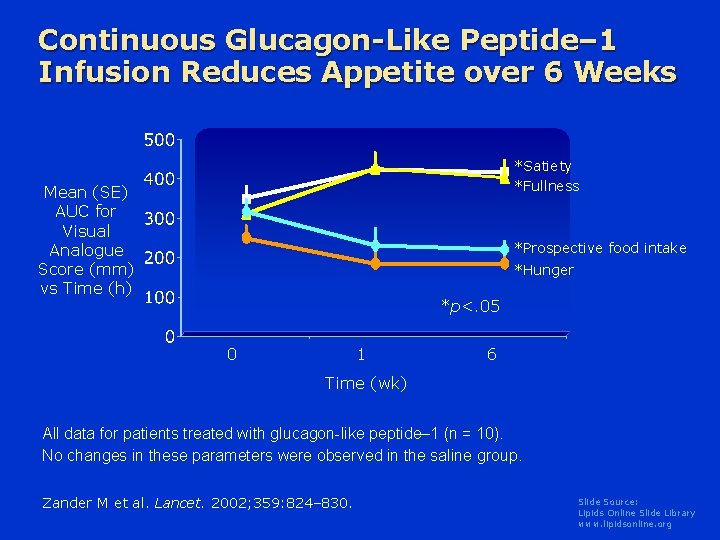
Continuous Glucagon-Like Peptide– 1 Infusion Reduces Appetite over 6 Weeks *Satiety *Fullness Mean (SE) AUC for Visual Analogue Score (mm) vs Time (h) Time (wk) *Prospective food intake *Hunger *p<. 05 0 1 6 Time (wk) All data for patients treated with glucagon-like peptide– 1 (n = 10). No changes in these parameters were observed in the saline group. Zander M et al. Lancet. 2002; 359: 824– 830. Slide Source: Lipids Online Slide Library www. lipidsonline. org
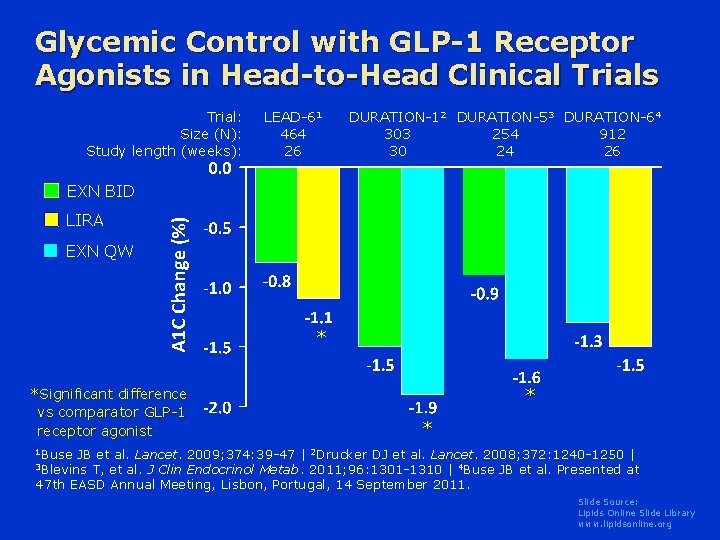
Glycemic Control with GLP-1 Receptor Agonists in Head-to-Head Clinical Trials Trial: Size (N): Study length (weeks): LEAD-61 464 26 DURATION-12 DURATION-53 DURATION-64 303 254 912 30 24 26 EXN BID LIRA EXN QW * *Significant difference vs comparator GLP-1 receptor agonist * * 1 Buse JB et al. Lancet. 2009; 374: 39 -47 | 2 Drucker DJ et al. Lancet. 2008; 372: 1240 -1250 | 3 Blevins T, et al. J Clin Endocrinol Metab. 2011; 96: 1301 -1310 | 4 Buse JB et al. Presented at 47 th EASD Annual Meeting, Lisbon, Portugal, 14 September 2011. Slide Source: Lipids Online Slide Library www. lipidsonline. org
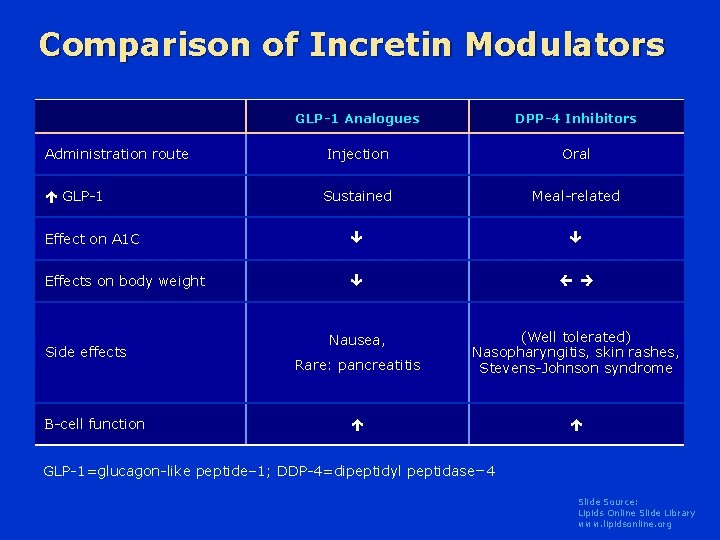
Comparison of Incretin Modulators GLP-1 Analogues DPP-4 Inhibitors Administration route Injection Oral GLP-1 Sustained Meal-related Effect on A 1 C Effects on body weight Nausea, Rare: pancreatitis (Well tolerated) Nasopharyngitis, skin rashes, Stevens-Johnson syndrome Side effects -cell function GLP-1=glucagon-like peptide– 1; DDP-4=dipeptidyl peptidase– 4 Slide Source: Lipids Online Slide Library www. lipidsonline. org
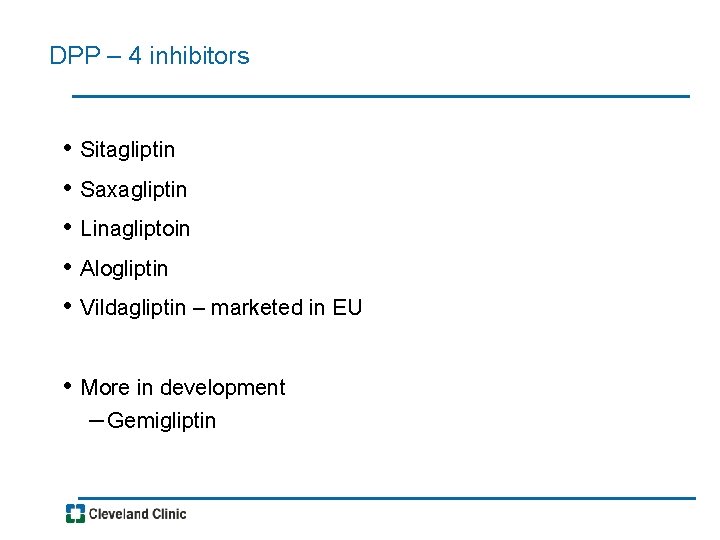
DPP – 4 inhibitors • • • Sitagliptin Saxagliptin Linagliptoin Alogliptin Vildagliptin – marketed in EU • More in development – Gemigliptin
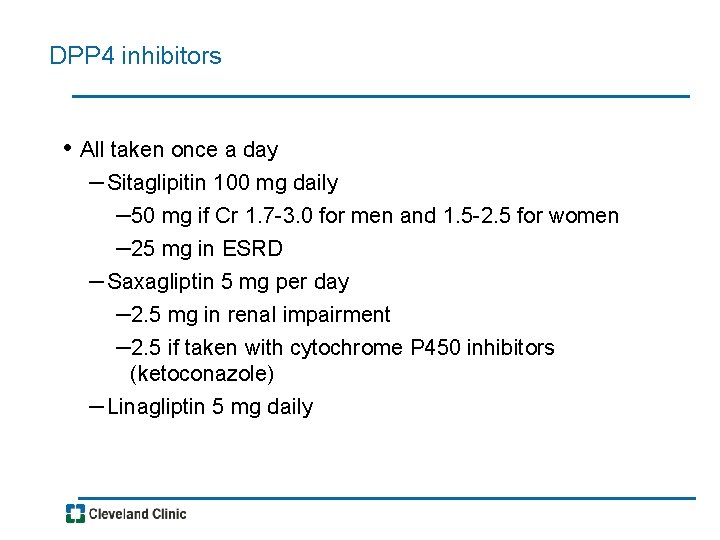
DPP 4 inhibitors • All taken once a day – Sitaglipitin 100 mg daily – 50 mg if Cr 1. 7 -3. 0 for men and 1. 5 -2. 5 for women – 25 mg in ESRD – Saxagliptin 5 mg per day – 2. 5 mg in renal impairment – 2. 5 if taken with cytochrome P 450 inhibitors (ketoconazole) – Linagliptin 5 mg daily
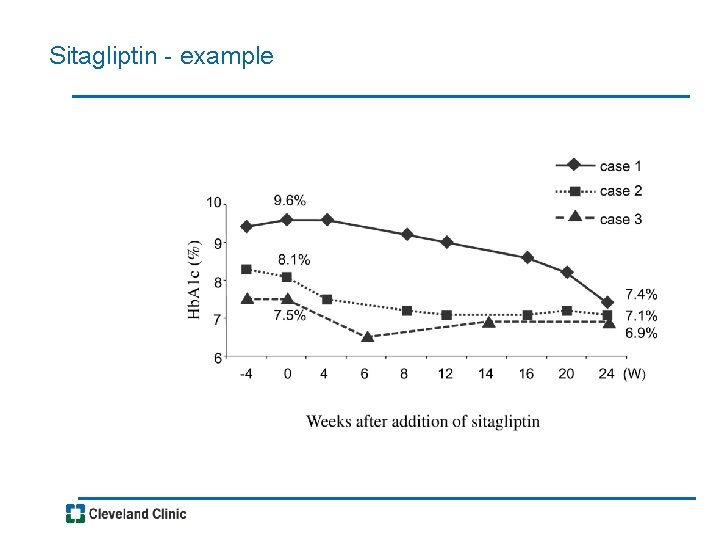
Sitagliptin - example
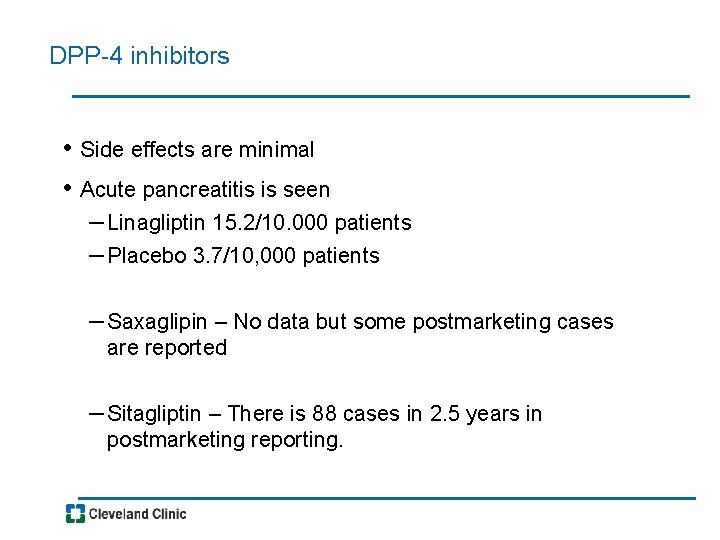
DPP-4 inhibitors • Side effects are minimal • Acute pancreatitis is seen – Linagliptin 15. 2/10. 000 patients – Placebo 3. 7/10, 000 patients – Saxaglipin – No data but some postmarketing cases are reported – Sitagliptin – There is 88 cases in 2. 5 years in postmarketing reporting.
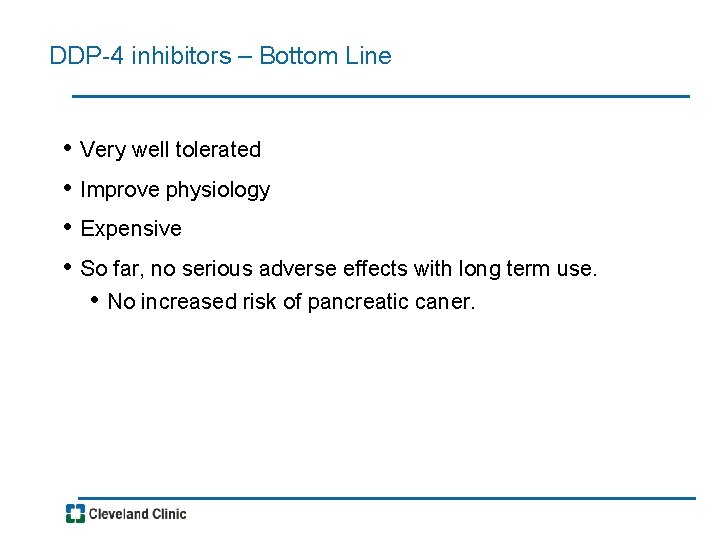
DDP-4 inhibitors – Bottom Line • • Very well tolerated Improve physiology Expensive So far, no serious adverse effects with long term use. • No increased risk of pancreatic caner.
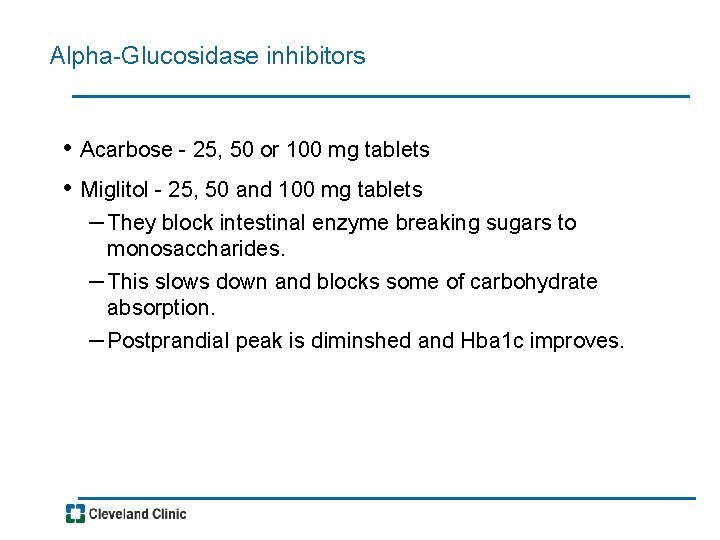
Alpha-Glucosidase inhibitors • Acarbose - 25, 50 or 100 mg tablets • Miglitol - 25, 50 and 100 mg tablets – They block intestinal enzyme breaking sugars to monosaccharides. – This slows down and blocks some of carbohydrate absorption. – Postprandial peak is diminshed and Hba 1 c improves.
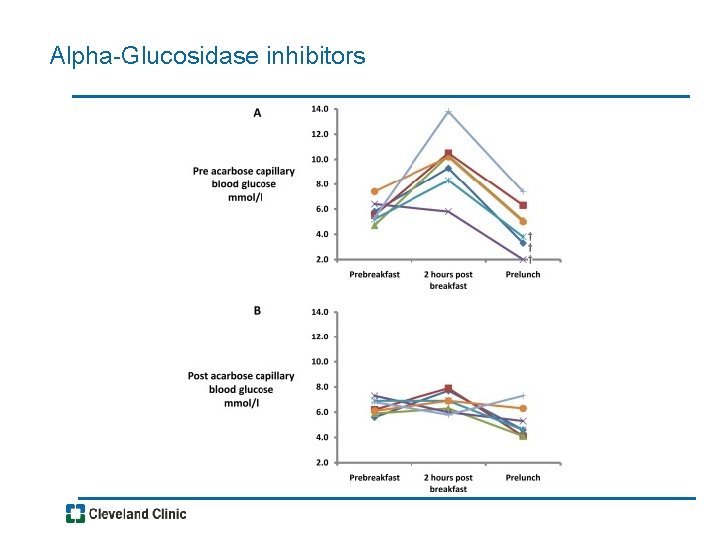
Alpha-Glucosidase inhibitors
Alpha-glucosidase inhibitors • Taken with each meal. • Side effects are flatulence and diarrhea • This can be diminished with low carb, high fiber diet and slow titration of the dose form 25 mg to 100 mg per day. • Very low risk of hypoglycemia
Alpha-glucosidase inhibitors – Bottom line • Very useful if tolerated • Relatively cheap.
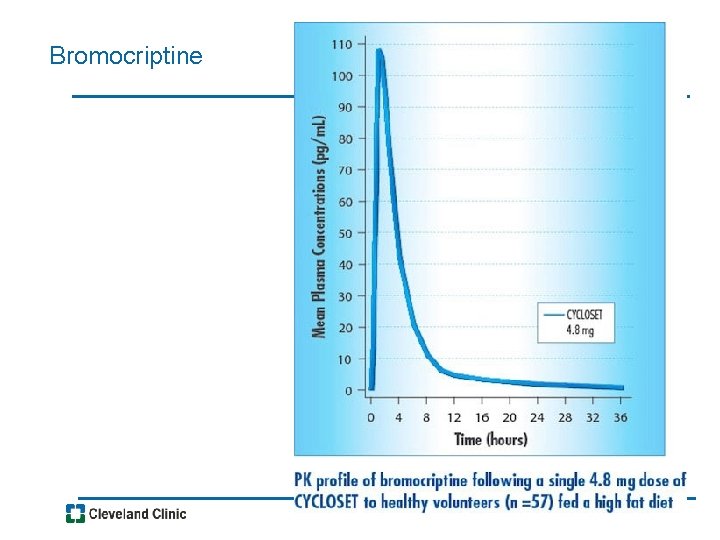
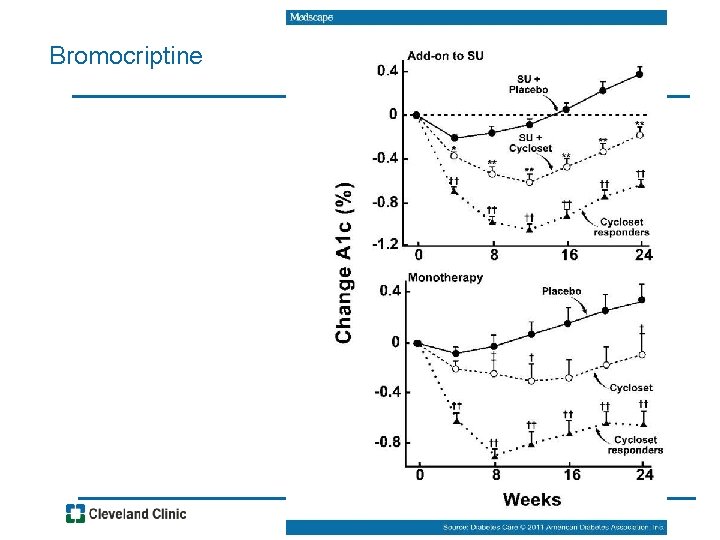
Bromocriptine • Bromocriptine mesylate given within 2 hours of waking up in the morning improves glycemic control by unknown mechanism. • It is given in escalating dose starting with 0. 8 mg and increasing by 0. 8 mg every week to maximal tolerated dose. • Therapeutic dose is between 1. 6 to 4. 8 mg per day. • Very low risk of hypoglycemia. • About 25% of patients experience some nausea.
Bromocriptine
Bromocriptine
Bromocriptine – Bottom line • Useful if tolerated. • Still expensive • Many patients are discuoraged by need to use 2 -6 pills at once (In US only 0. 8 mg pill is available).
Bile acid sequestrants • Colesevelam • Cholestyramine • Colestid – Mechanism is unknown – In db/db mice these drugs increase metabolic utilization of glucose in peripheral tissues which corelates with decrease in muscle long chain acylcarnitine content Meissner M, et al. PLOS 2011 (6)11 e 24564.
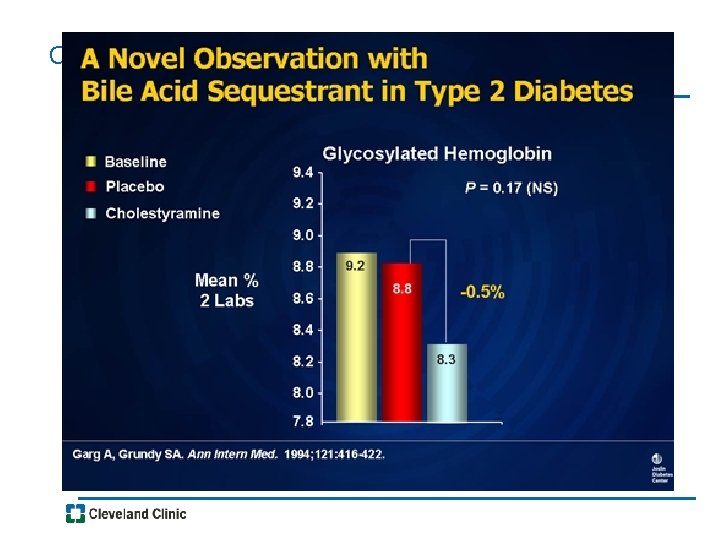
Coleselavam
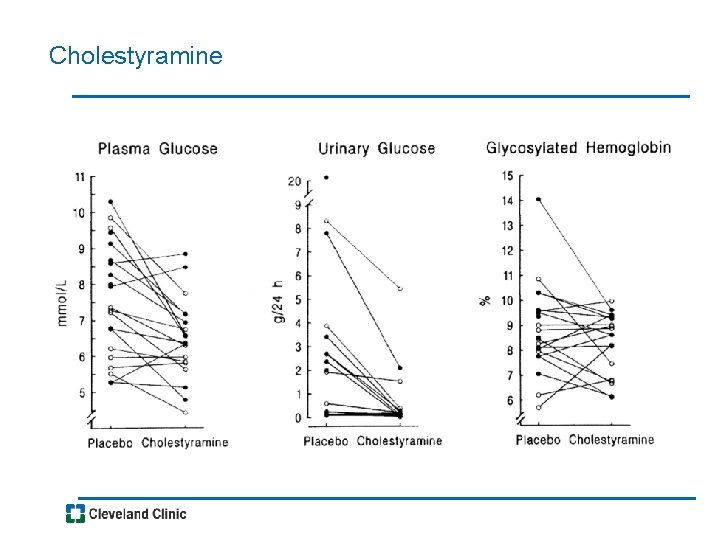
Cholestyramine
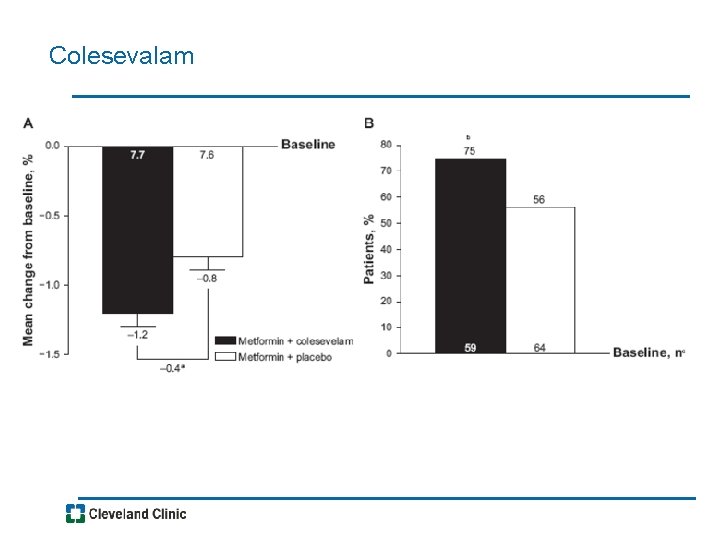
Colesevalam
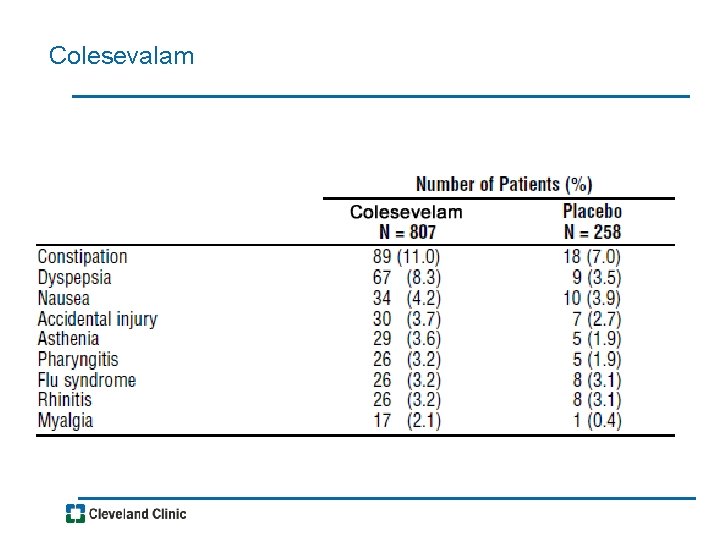
Colesevalam
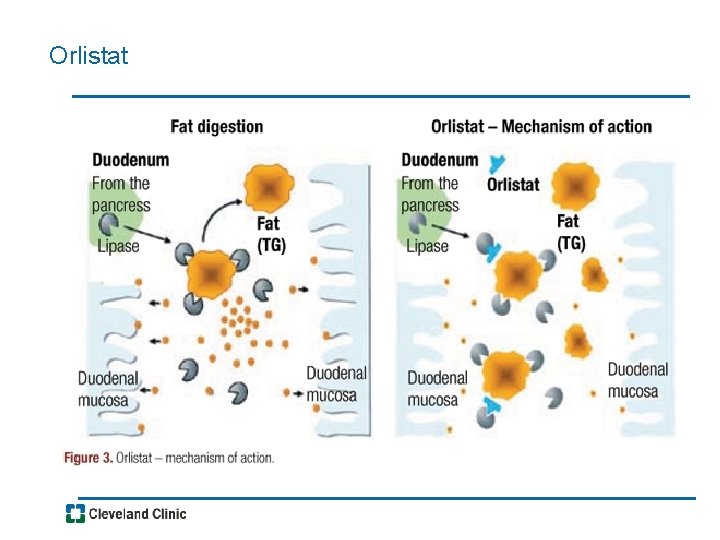
Orlistat
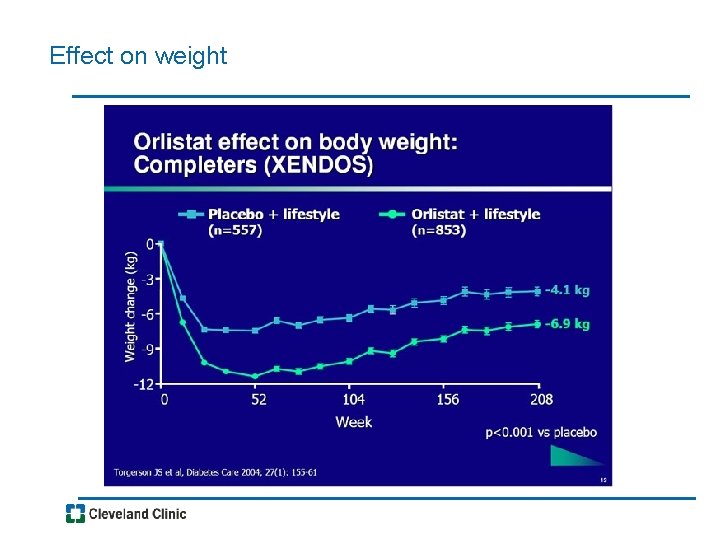
Effect on weight
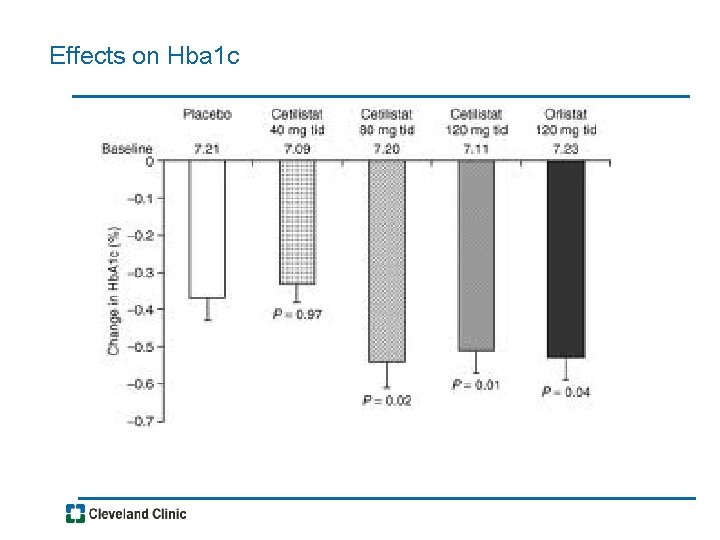
Effects on Hba 1 c
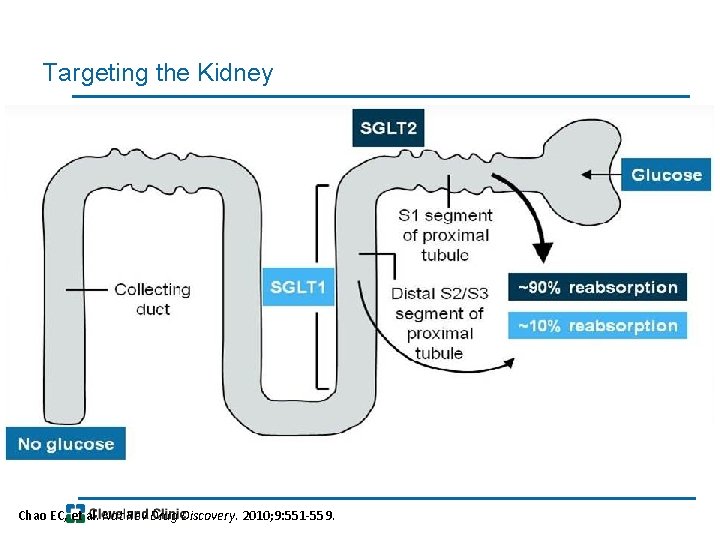
Targeting the Kidney Chao EC, et al. Nat Rev Drug Discovery. 2010; 9: 551 -559.
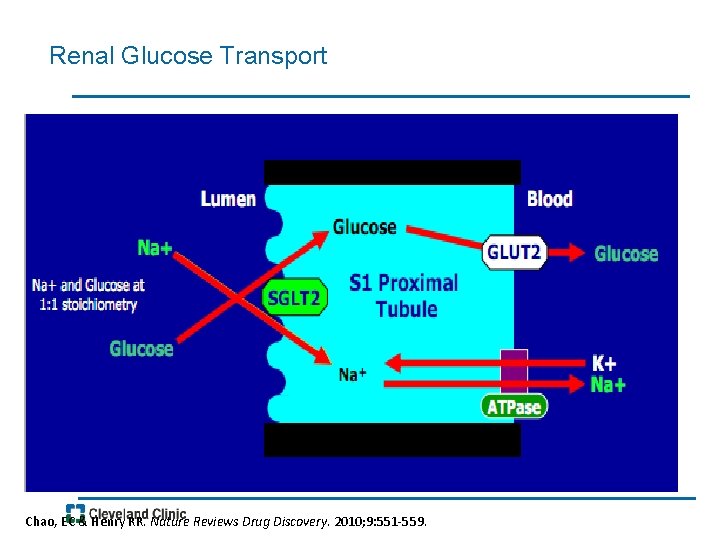
Renal Glucose Transport Chao, EC & Henry RR. Nature Reviews Drug Discovery. 2010; 9: 551 -559.
Rationale for SGLT 2 Inhibitors • SGLT 2 is a low-affinity, high capacity glucose transporter located in the proximal tubule and is responsible for 90% of glucose reabsorption • Mutation in SGLT 2 transporter linked to hereditary renal glycosuria, a relatively benign condition in humans • Selective SGLT 2 inhibitors have a novel & unique mechanism of action reducing blood glucose levels by increasing renal excretion of glucose • Decreased glycemia will decrease glucose toxicity leading to further improvements in glucose control • Selective SGLT 2 inhibition, would also cause urine loss of the calories from glucose, potentially leading to weight loss Brooks AM, Thacker SM. Ann Pharmacother. 2009; 42(7): 1286 -1293.
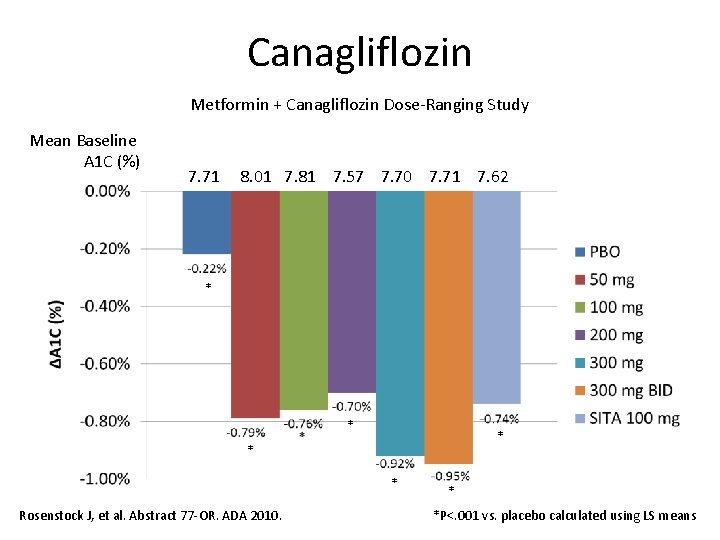
Canagliflozin Metformin + Canagliflozin Dose-Ranging Study Mean Baseline A 1 C (%) 7. 71 8. 01 7. 81 7. 57 7. 70 7. 71 7. 62 * * * Rosenstock J, et al. Abstract 77 -OR. ADA 2010. * *P˂. 001 vs. placebo calculated using LS means
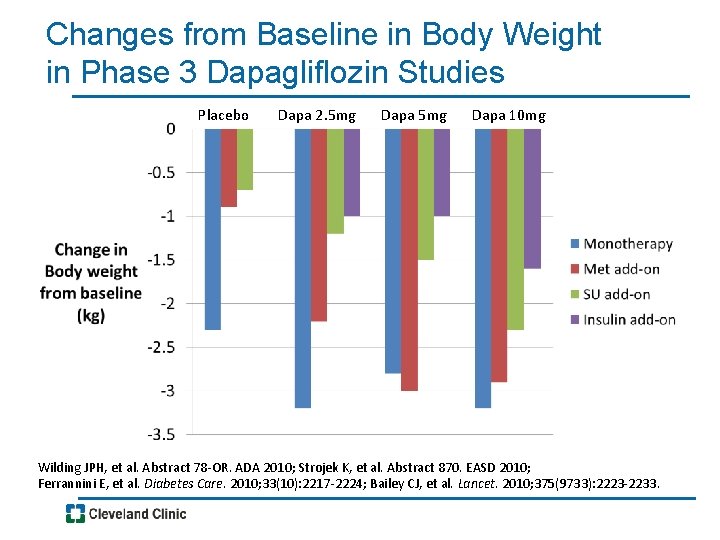
Changes from Baseline in Body Weight in Phase 3 Dapagliflozin Studies Placebo Dapa 2. 5 mg Dapa 10 mg Wilding JPH, et al. Abstract 78 -OR. ADA 2010; Strojek K, et al. Abstract 870. EASD 2010; Ferrannini E, et al. Diabetes Care. 2010; 33(10): 2217 -2224; Bailey CJ, et al. Lancet. 2010; 375(9733): 2223 -2233.
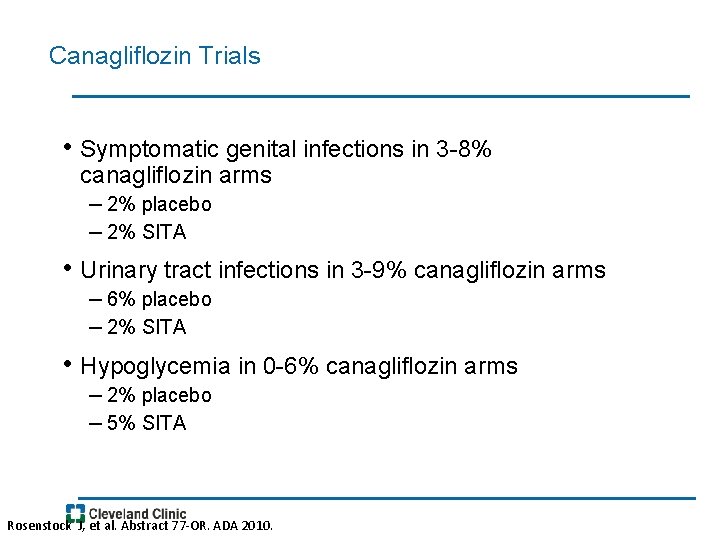
Canagliflozin Trials • Symptomatic genital infections in 3 -8% canagliflozin arms – 2% placebo – 2% SITA • Urinary tract infections in 3 -9% canagliflozin arms – 6% placebo – 2% SITA • Hypoglycemia in 0 -6% canagliflozin arms – 2% placebo – 5% SITA Rosenstock J, et al. Abstract 77 -OR. ADA 2010.
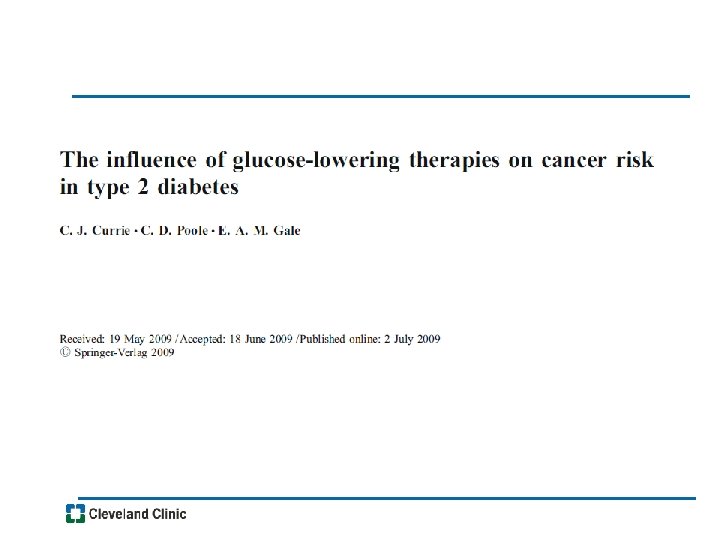
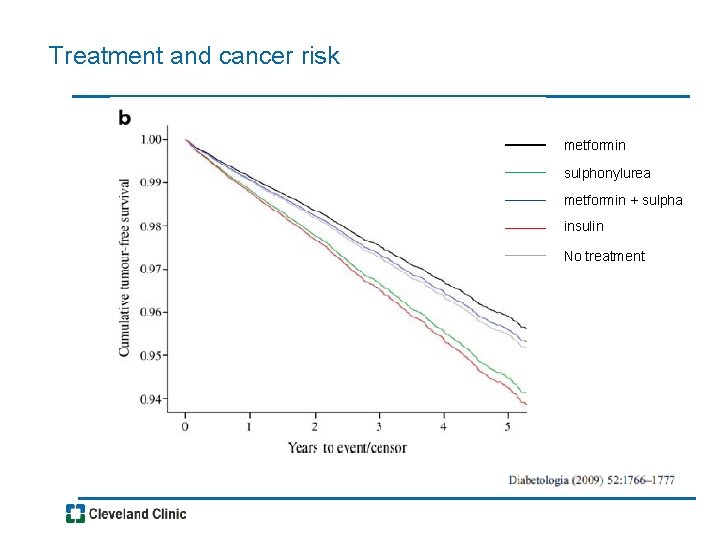
Treatment and cancer risk metformin sulphonylurea metformin + sulpha insulin No treatment

Treatment and colorectal cancer risk metformin sulphonylurea metformin + sulpha insulin

Treatment and pancreatic cancer risk metformin sulphonylurea metformin + sulpha insulin
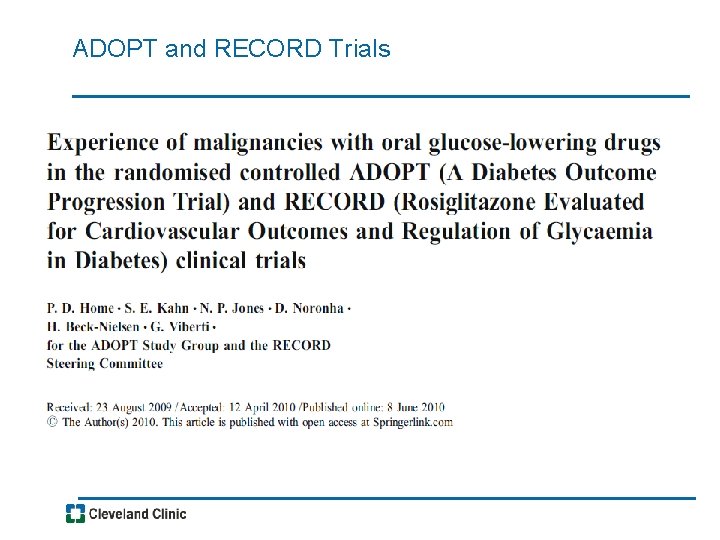
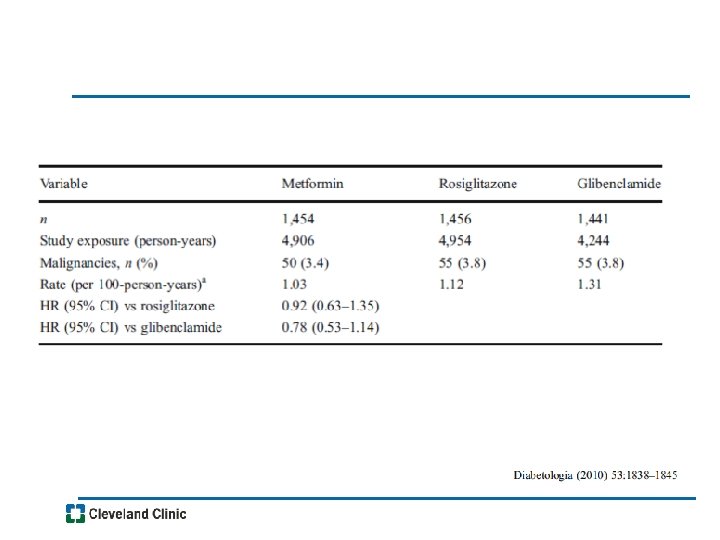
ADOPT and RECORD Trials
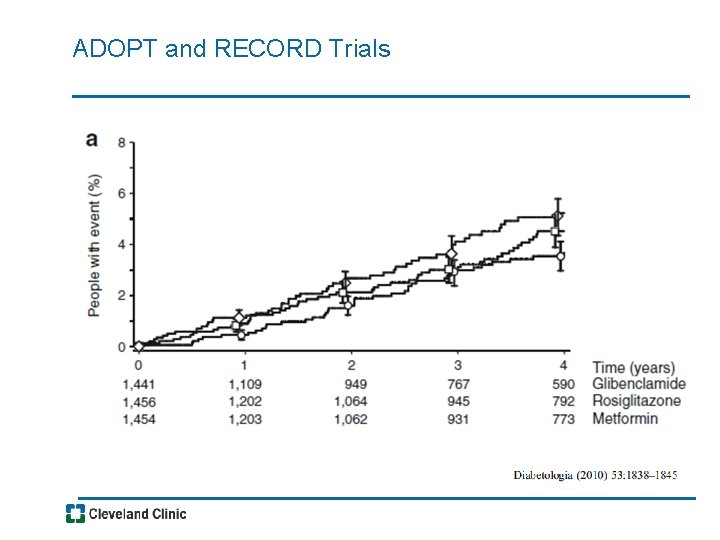
ADOPT and RECORD Trials
METFORMIN
METFORMIN
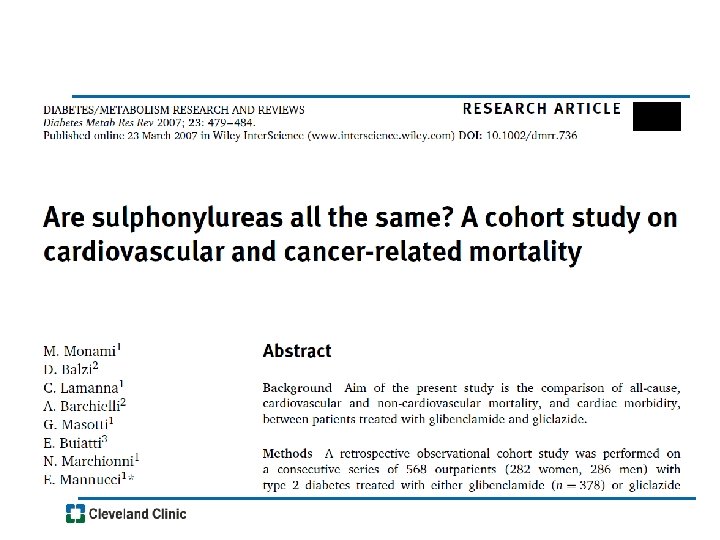
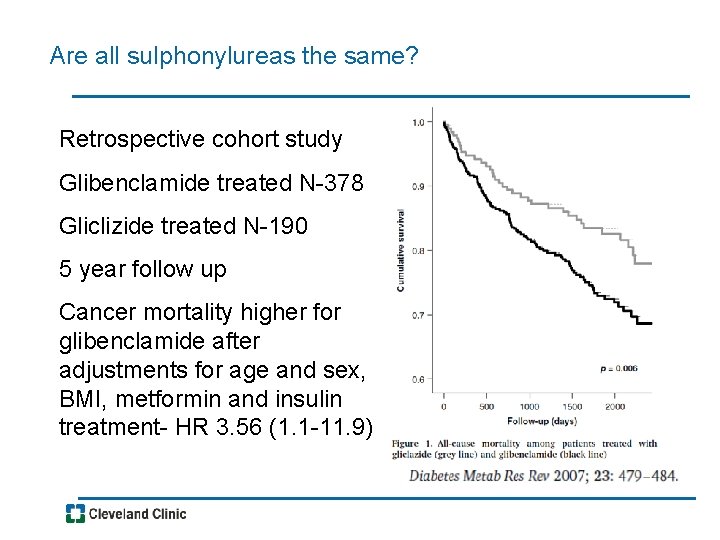
Are all sulphonylureas the same? Retrospective cohort study Glibenclamide treated N-378 Gliclizide treated N-190 5 year follow up Cancer mortality higher for glibenclamide after adjustments for age and sex, BMI, metformin and insulin treatment- HR 3. 56 (1. 1 -11. 9)
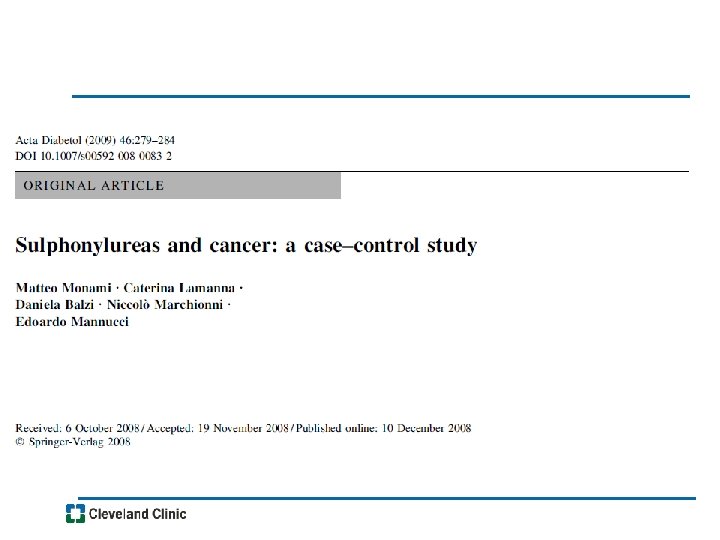
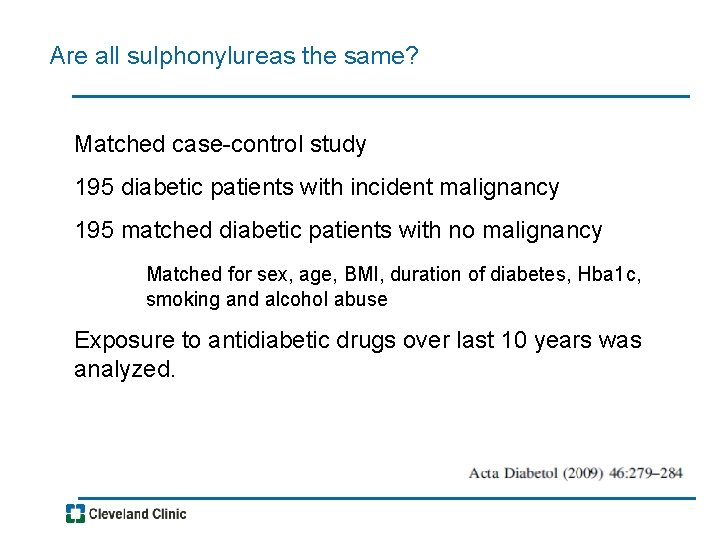
Are all sulphonylureas the same? Matched case-control study 195 diabetic patients with incident malignancy 195 matched diabetic patients with no malignancy Matched for sex, age, BMI, duration of diabetes, Hba 1 c, smoking and alcohol abuse Exposure to antidiabetic drugs over last 10 years was analyzed.
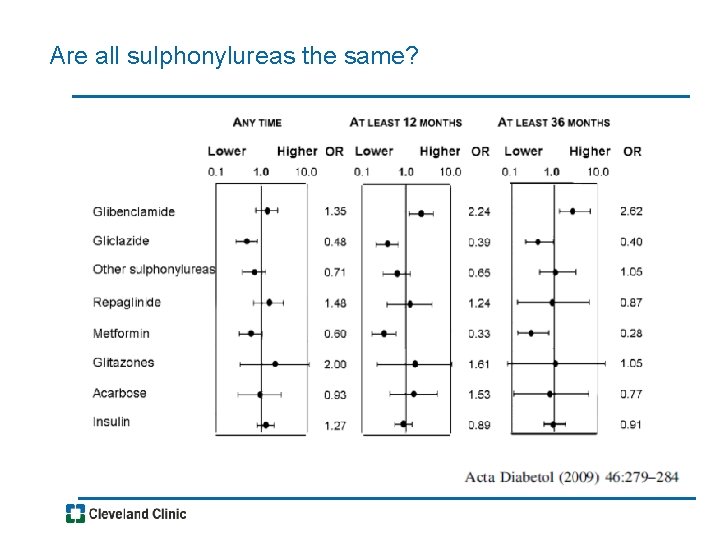
Are all sulphonylureas the same?
Possible mechanism
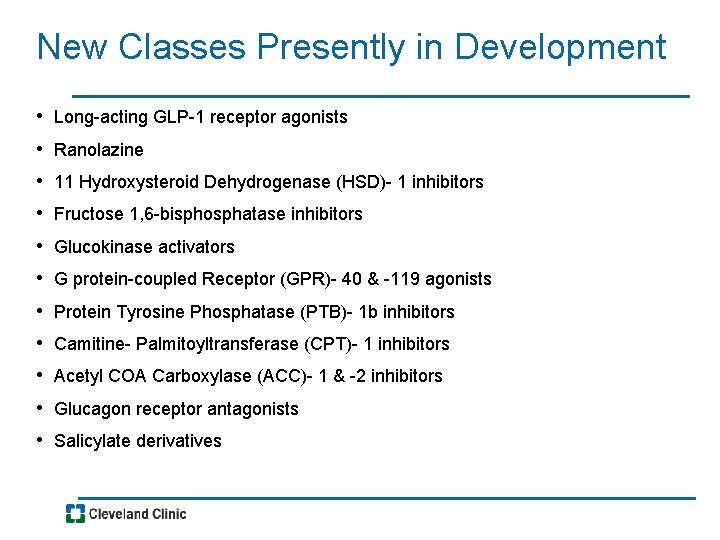
New Classes Presently in Development • • • Long-acting GLP-1 receptor agonists Ranolazine 11 Hydroxysteroid Dehydrogenase (HSD)- 1 inhibitors Fructose 1, 6 -bisphosphatase inhibitors Glucokinase activators G protein-coupled Receptor (GPR)- 40 & -119 agonists Protein Tyrosine Phosphatase (PTB)- 1 b inhibitors Camitine- Palmitoyltransferase (CPT)- 1 inhibitors Acetyl COA Carboxylase (ACC)- 1 & -2 inhibitors Glucagon receptor antagonists Salicylate derivatives
- Slides: 76