
Optimizing Care for PWIDs Frederick L Altice M
- Slides: 39
Optimizing Care for PWIDs Frederick L. Altice, M. D. Director of Clinical and Community Research Professor of Medicine Yale University
The Doctor-Patient Relationship
Hippocratic Oath • First do no harm. • I will remember that I do not treat a fever chart, a cancerous growth, but a sick human being, whose illness may affect the person's family and economic stability. My responsibility includes these related problems, if I am to care adequately for the sick. • I will prevent disease whenever I can, for prevention is preferable to cure.
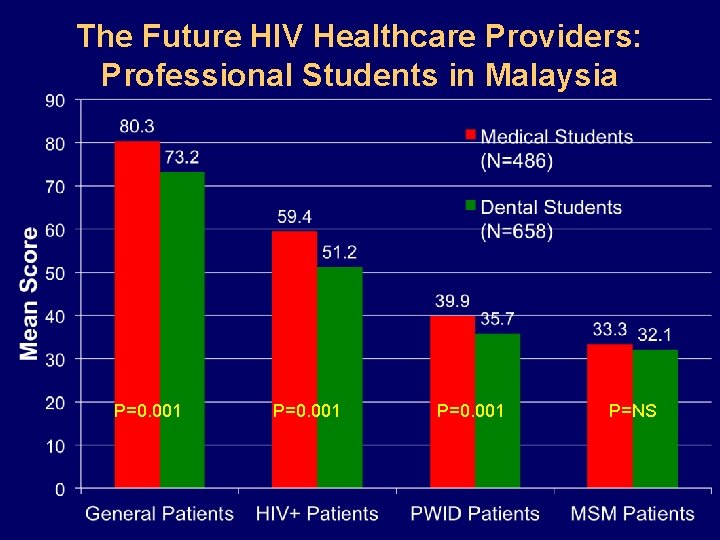
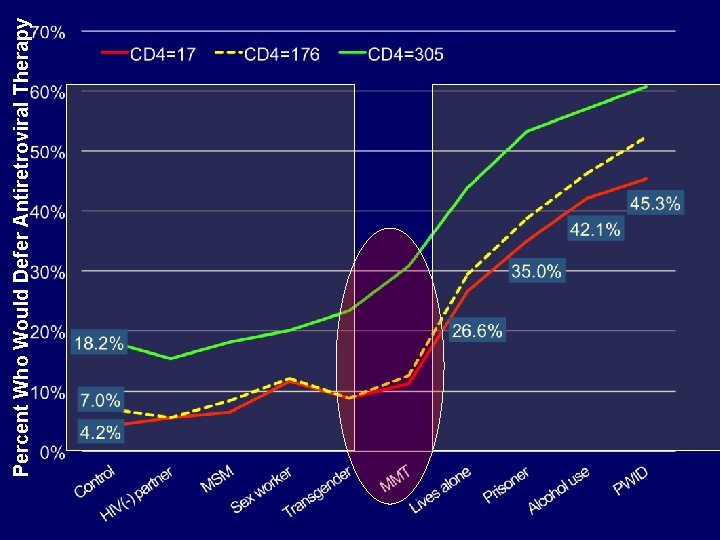
The Future HIV Healthcare Providers: Professional Students in Malaysia P=0. 001 P=NS
Percent Who Would Defer Antiretroviral Therapy
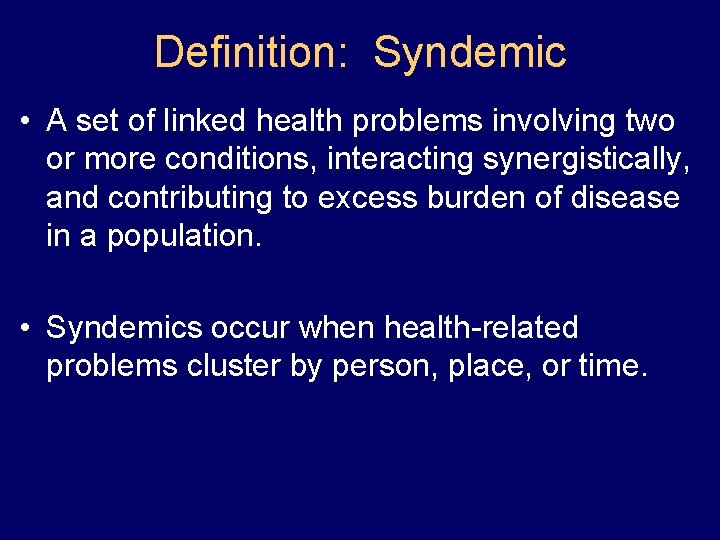
Definition: Syndemic • A set of linked health problems involving two or more conditions, interacting synergistically, and contributing to excess burden of disease in a population. • Syndemics occur when health-related problems cluster by person, place, or time.
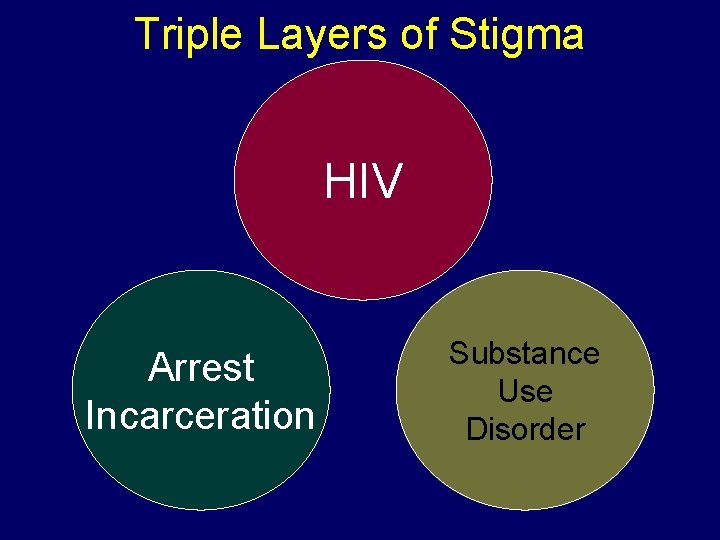
Triple Layers of Stigma HIV Arrest Incarceration Substance Use Disorder
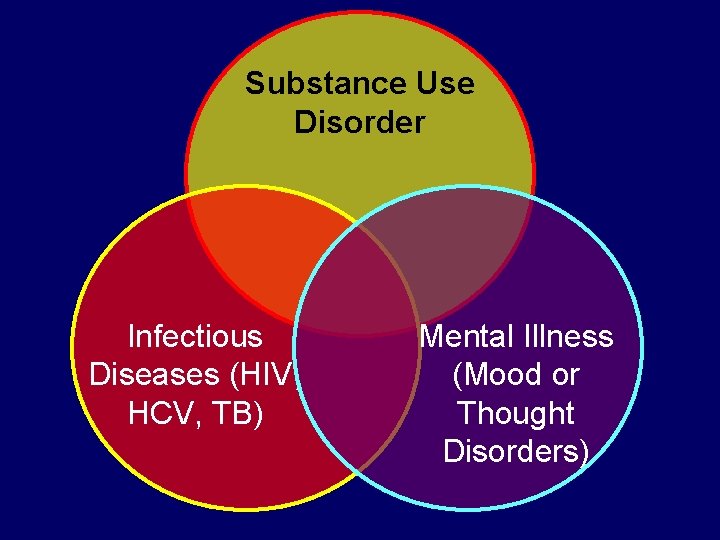
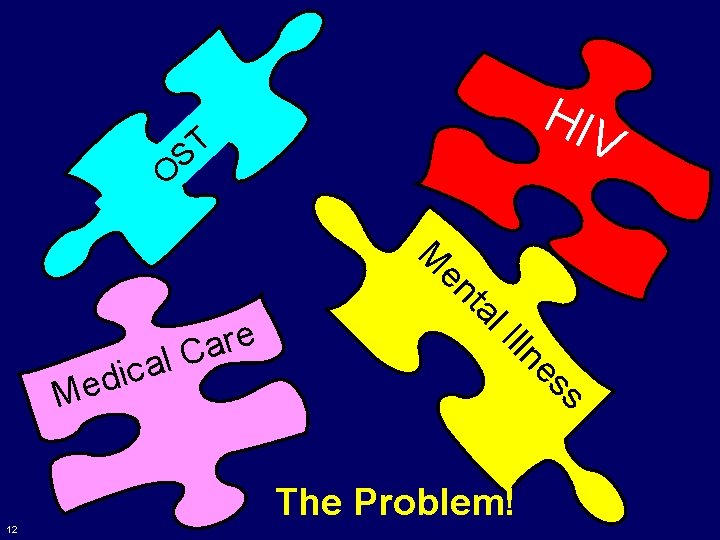
Substance Use Disorder Infectious Diseases (HIV, HCV, TB) Mental Illness (Mood or Thought Disorders)
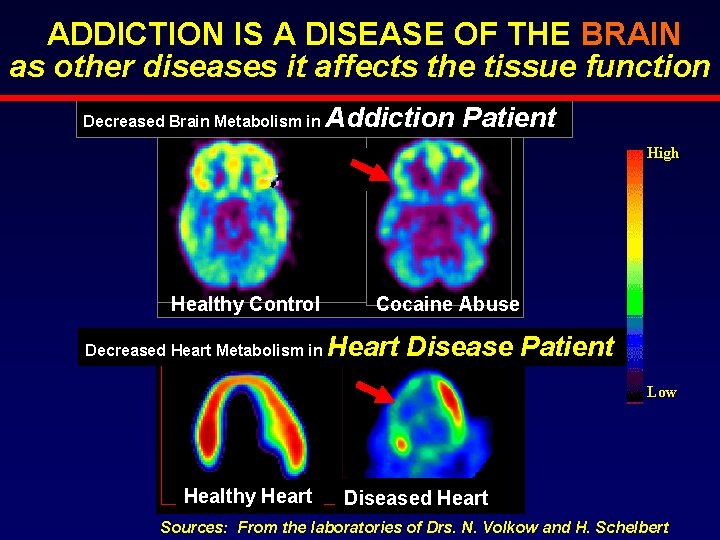
ADDICTION IS A DISEASE OF THE BRAIN as other diseases it affects the tissue function Decreased Brain Metabolism in Addiction Patient High Healthy Control Decreased Heart Metabolism in Cocaine Abuse Heart Disease Patient Low Healthy Heart Diseased Heart Sources: From the laboratories of Drs. N. Volkow and H. Schelbert
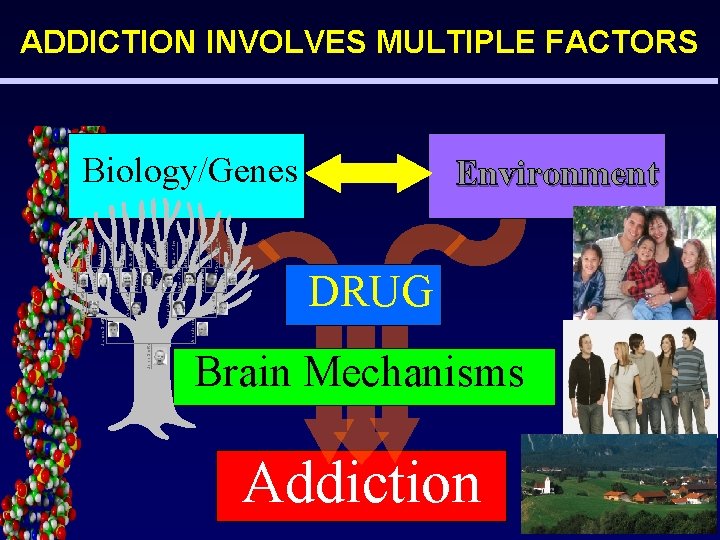
Ann Jones John Walker Jane. Jones James Hill Richard Hill Mary Walters Steven Adams Susan Adams Allison Fields Mary Hill Thomas Jones Rebecca Wilson William Price Alice Benson Walter Jones Jonathan. Cook James. Cook Amy Mason Anne. Cook Edward Bryson Beth Carter John Jones James Smith John Smith Edward. Smith John Smith Susan Edwards Thomas. Smith ADDICTION INVOLVES MULTIPLE FACTORS Biology/Genes Environment DRUG Brain Mechanisms Addiction
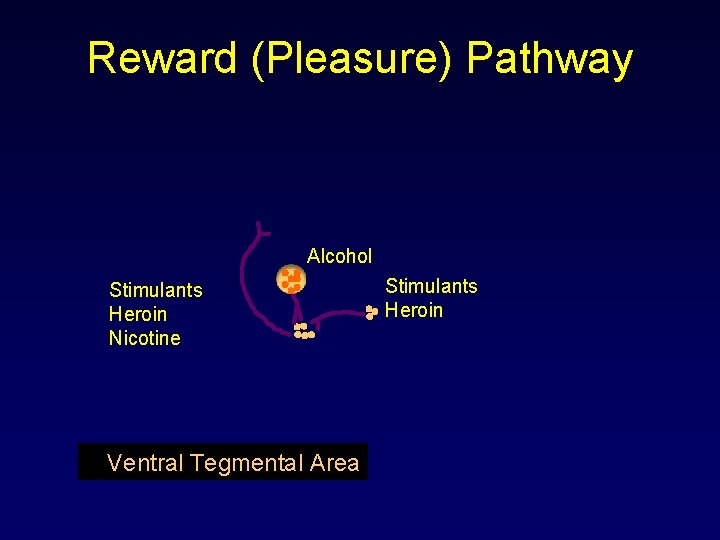
Reward (Pleasure) Pathway Alcohol Stimulants Heroin Nicotine Ventral Tegmental Area Stimulants Heroin
HIV T S O ss ne Ill M l ta en M e r a C l a edic The Problem! 12
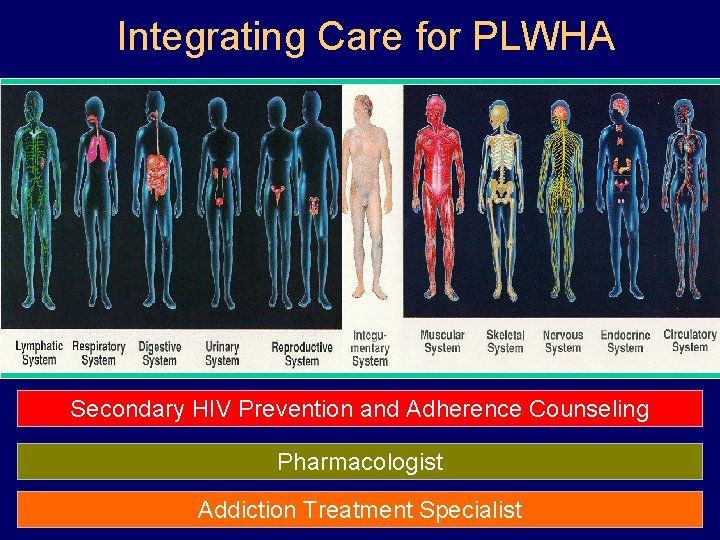
Integrating Care for PLWHA Secondary HIV Prevention and Adherence Counseling Pharmacologist Addiction Treatment Specialist
Guidelines for Integrating Collaborative Services • Common comorbidities in people who use drugs – TB, HIV, HCV, STIs – Mental illness • Studies where services are NOT integrated have poorer treatment outcomes – patients don’t travel to new sites for treatment (convenience, mistrust, etc) 14
Integration is Internationally Recommended 15
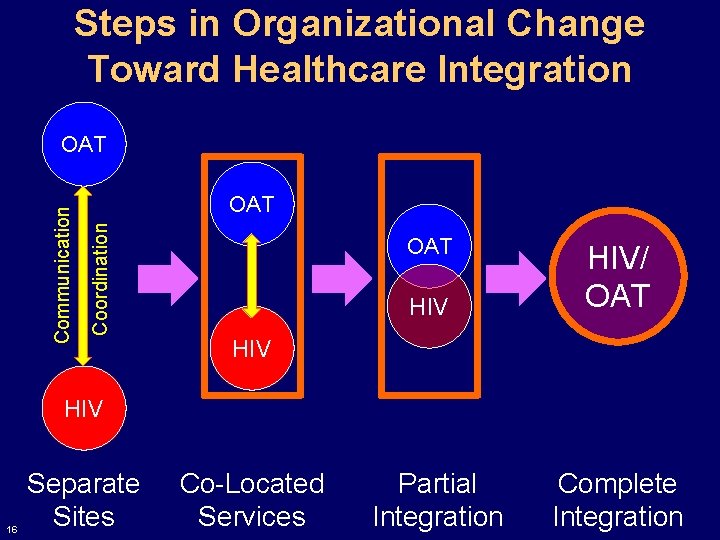
Steps in Organizational Change Toward Healthcare Integration OAT Coordination Communication OAT HIV/ OAT HIV 16 Separate Sites Co-Located Services Partial Integration Complete Integration
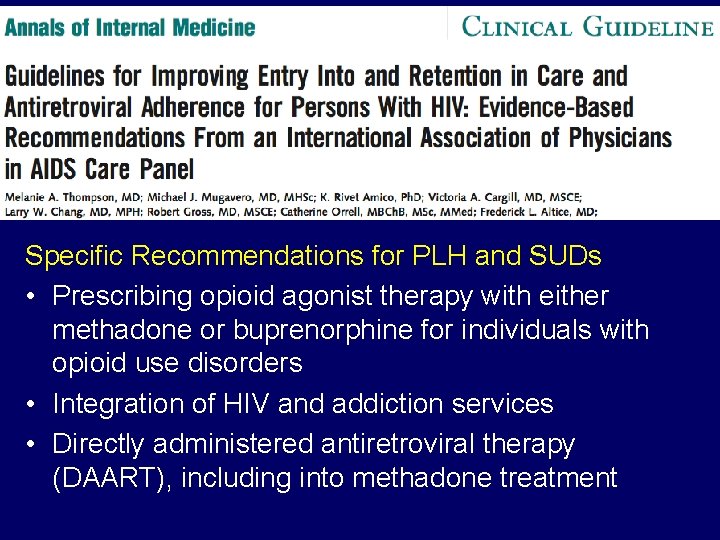
Specific Recommendations for PLH and SUDs • Prescribing opioid agonist therapy with either methadone or buprenorphine for individuals with opioid use disorders • Integration of HIV and addiction services • Directly administered antiretroviral therapy (DAART), including into methadone treatment
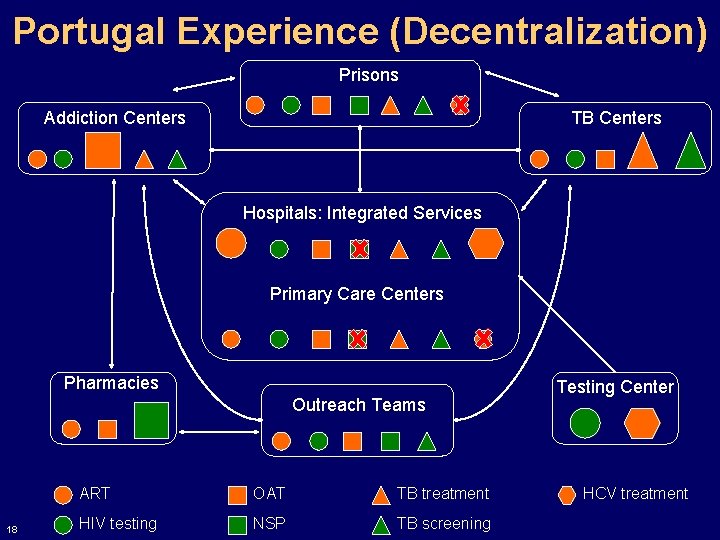
Portugal Experience (Decentralization) Prisons Addiction Centers TB Centers Hospitals: Integrated Services Primary Care Centers Pharmacies Outreach Teams 18 ART OAT TB treatment HIV testing NSP TB screening Testing Center HCV treatment
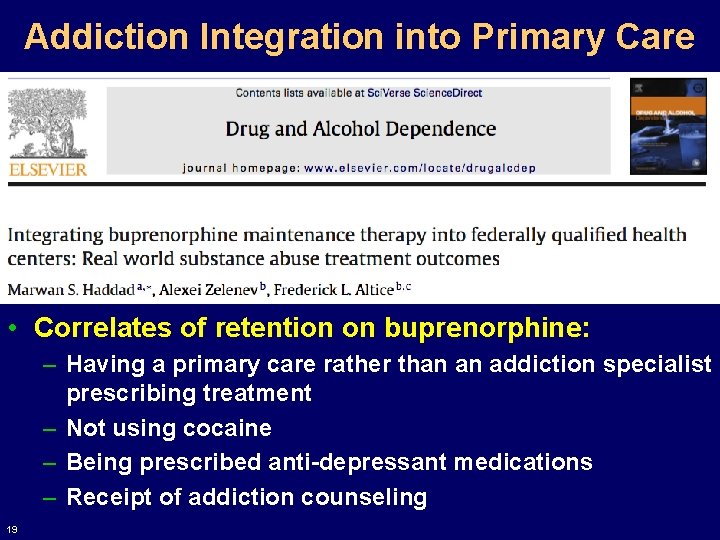
Addiction Integration into Primary Care • Correlates of retention on buprenorphine: – Having a primary care rather than an addiction specialist prescribing treatment – Not using cocaine – Being prescribed anti-depressant medications – Receipt of addiction counseling 19
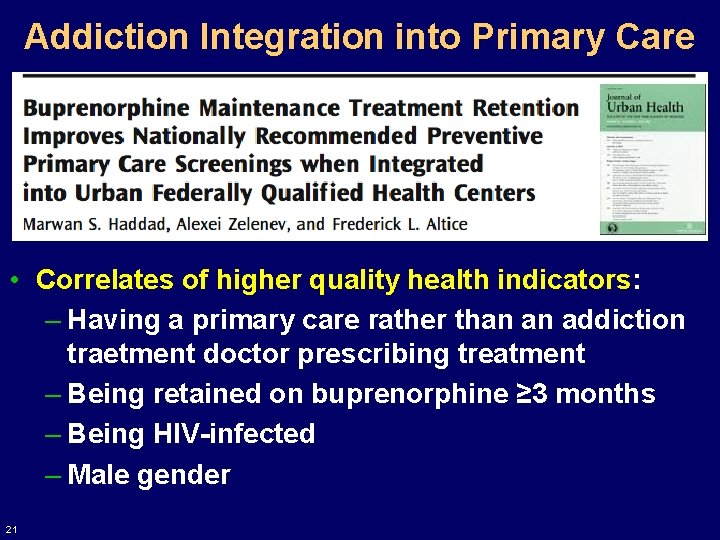
Addiction Integration into Primary Care • Correlates of higher quality health indicators: – Having a primary care rather than an addiction traetment doctor prescribing treatment – Being retained on buprenorphine ≥ 3 months – Being HIV-infected – Male gender 21
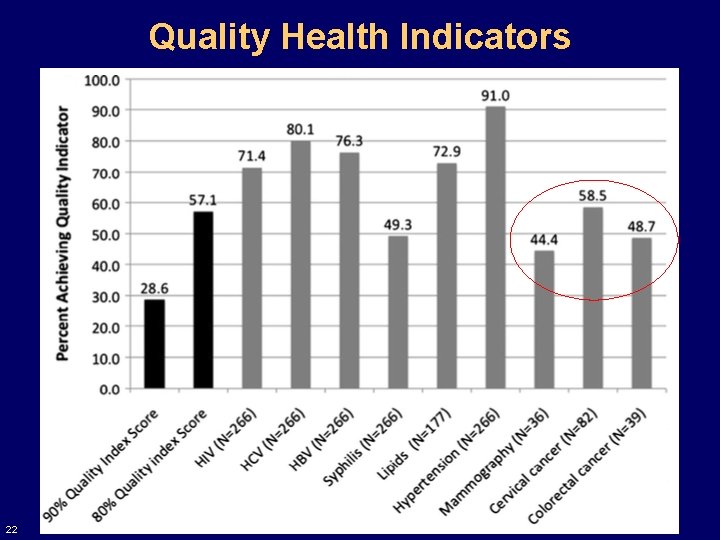
Quality Health Indicators 22
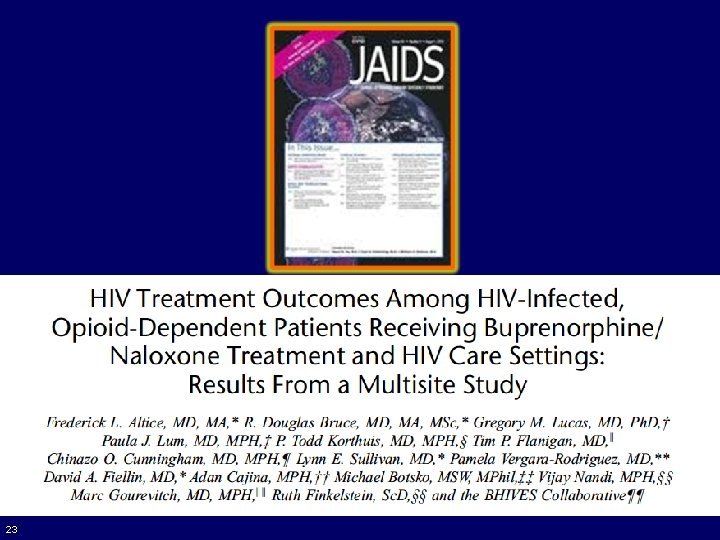
23
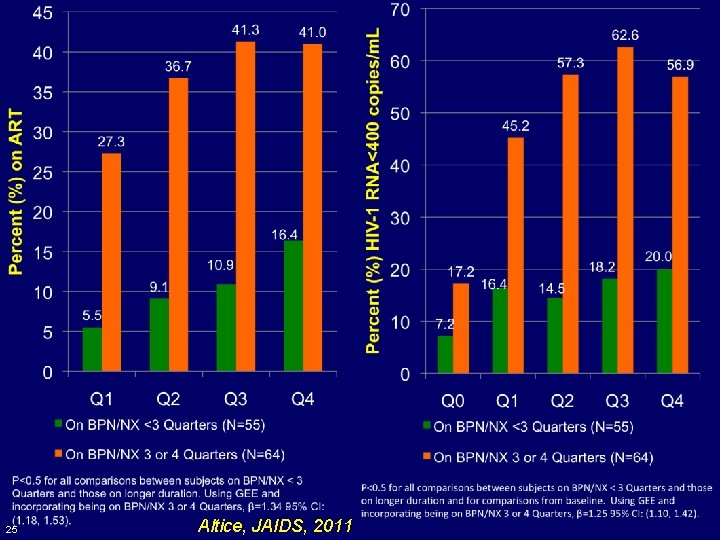
25 Altice, JAIDS, 2011
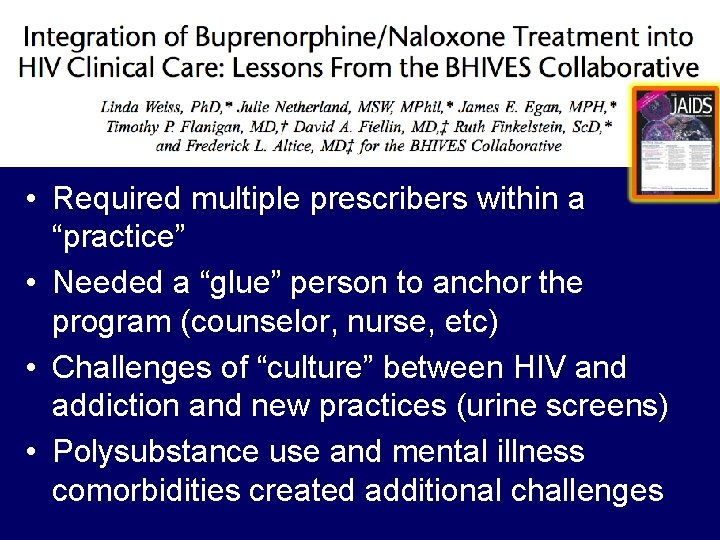
• Required multiple prescribers within a “practice” • Needed a “glue” person to anchor the program (counselor, nurse, etc) • Challenges of “culture” between HIV and addiction and new practices (urine screens) • Polysubstance use and mental illness comorbidities created additional challenges
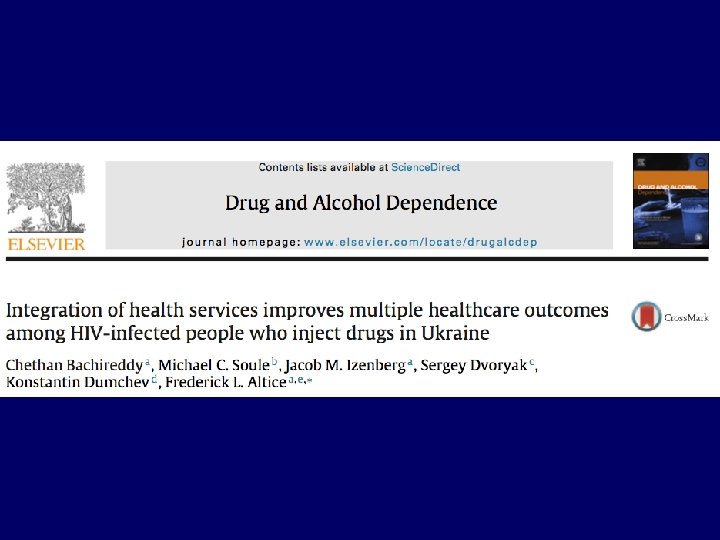
Integration in Ukraine: Improvements in Health 27
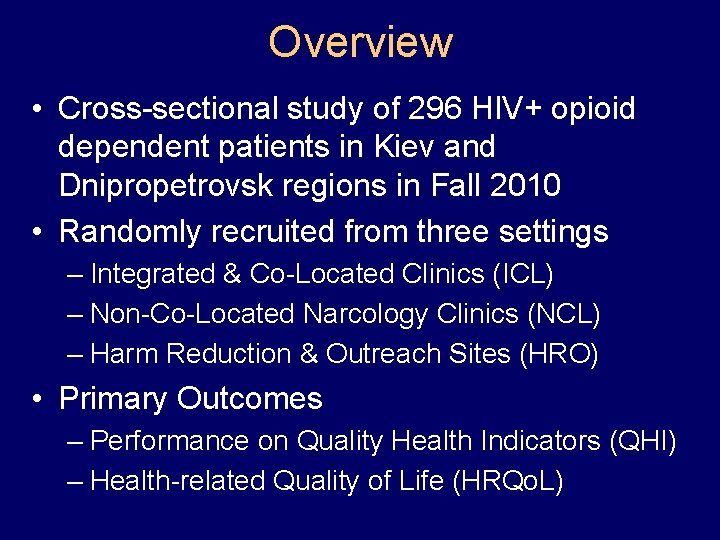
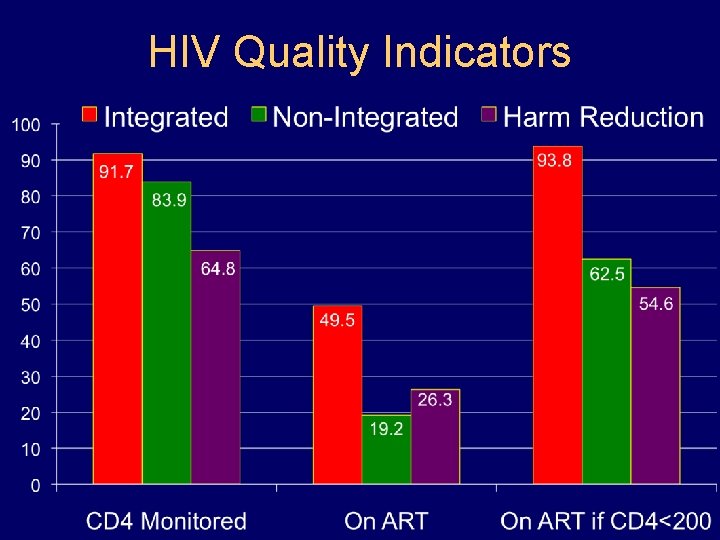
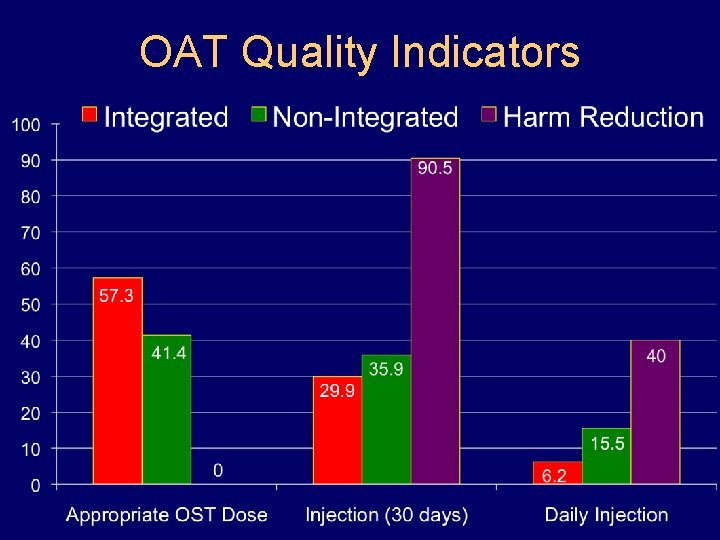
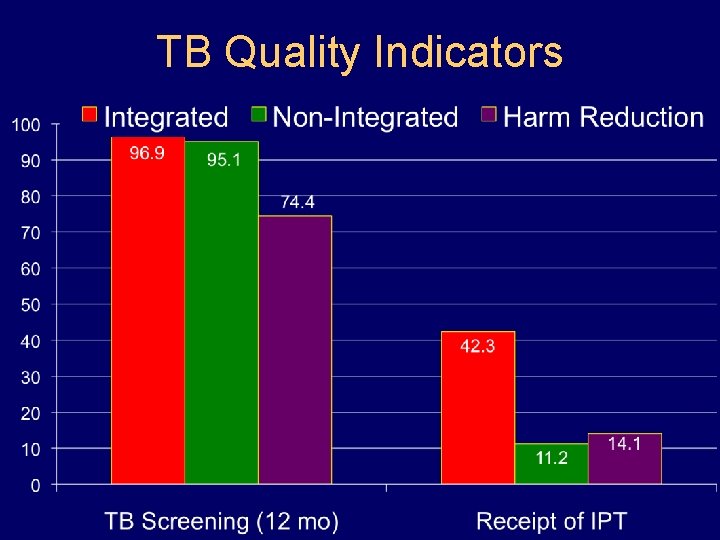
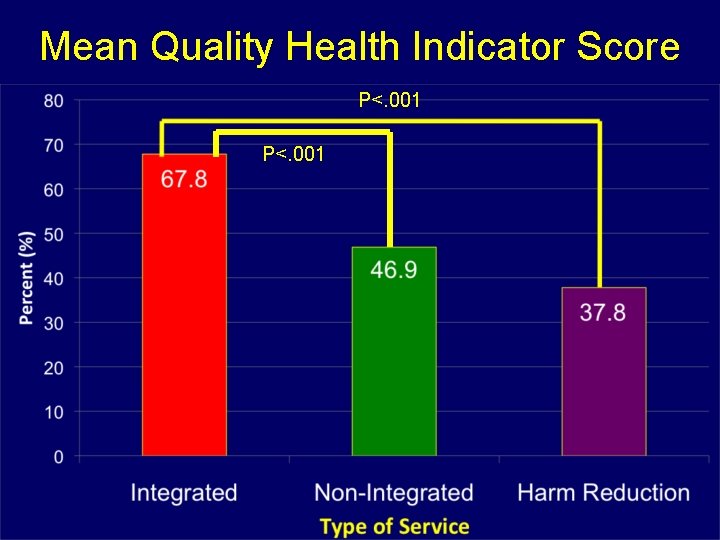
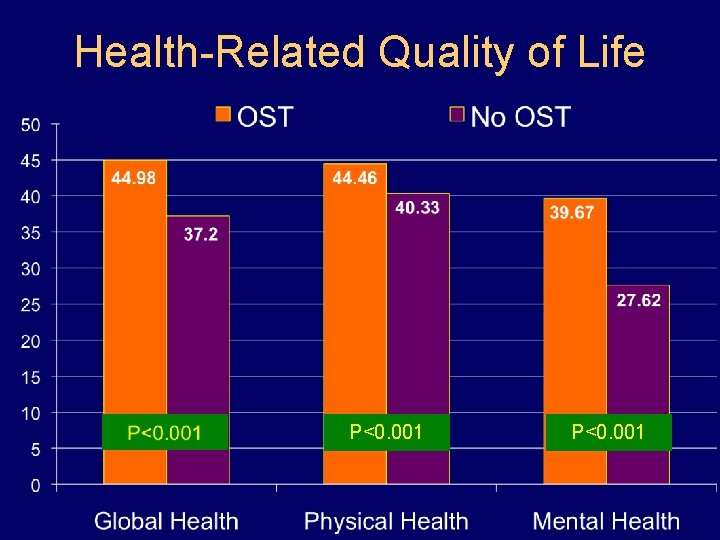
Overview • Cross-sectional study of 296 HIV+ opioid dependent patients in Kiev and Dnipropetrovsk regions in Fall 2010 • Randomly recruited from three settings – Integrated & Co-Located Clinics (ICL) – Non-Co-Located Narcology Clinics (NCL) – Harm Reduction & Outreach Sites (HRO) • Primary Outcomes – Performance on Quality Health Indicators (QHI) – Health-related Quality of Life (HRQo. L)
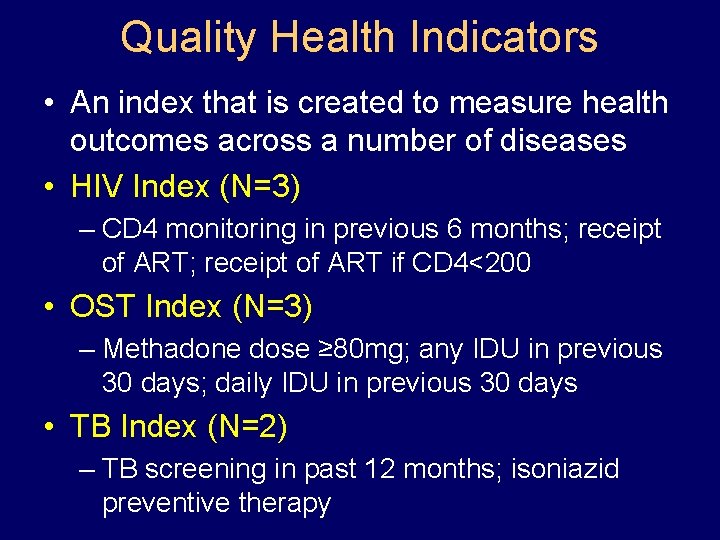
Quality Health Indicators • An index that is created to measure health outcomes across a number of diseases • HIV Index (N=3) – CD 4 monitoring in previous 6 months; receipt of ART if CD 4<200 • OST Index (N=3) – Methadone dose ≥ 80 mg; any IDU in previous 30 days; daily IDU in previous 30 days • TB Index (N=2) – TB screening in past 12 months; isoniazid preventive therapy
HIV Quality Indicators
OAT Quality Indicators
TB Quality Indicators
Mean Quality Health Indicator Score P<. 001
Health-Related Quality of Life P<0. 001
Health Services Integration OAT and TB Treatment OAT and HCV Treatment
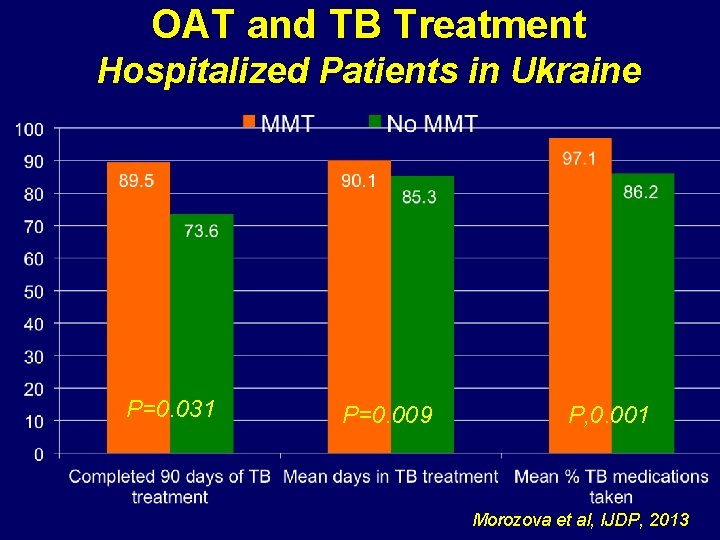
OAT and TB Treatment Hospitalized Patients in Ukraine P=0. 031 P=0. 009 P, 0. 001 Morozova et al, IJDP, 2013
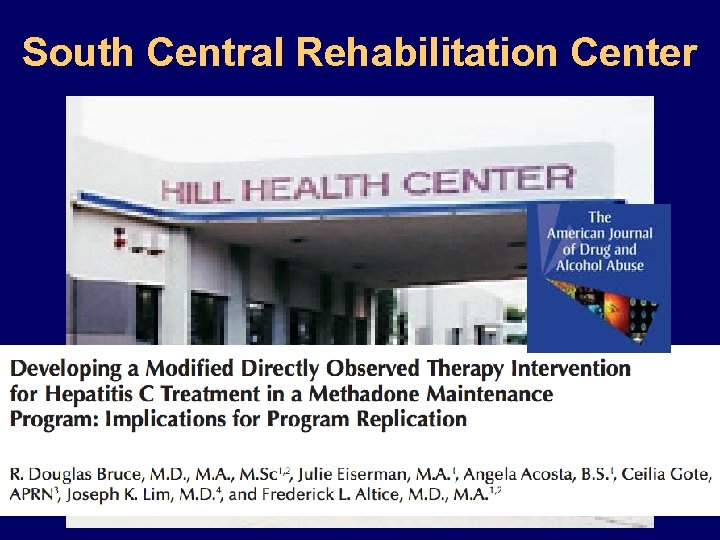
South Central Rehabilitation Center
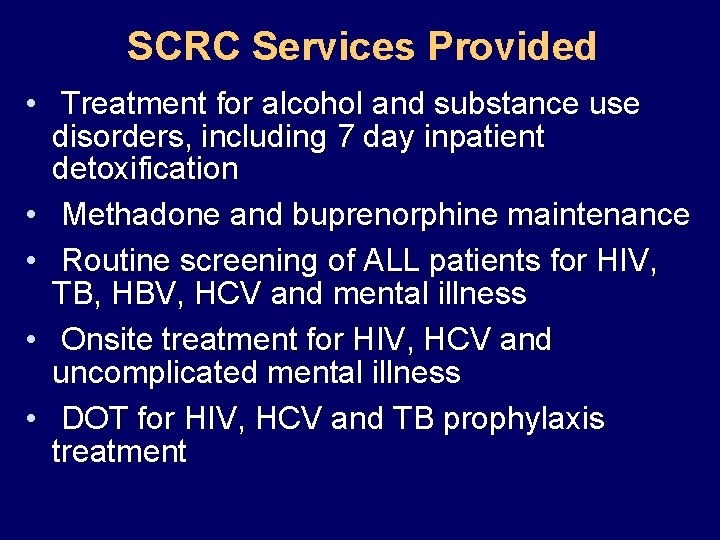
SCRC Services Provided • Treatment for alcohol and substance use disorders, including 7 day inpatient detoxification • Methadone and buprenorphine maintenance • Routine screening of ALL patients for HIV, TB, HBV, HCV and mental illness • Onsite treatment for HIV, HCV and uncomplicated mental illness • DOT for HIV, HCV and TB prophylaxis treatment
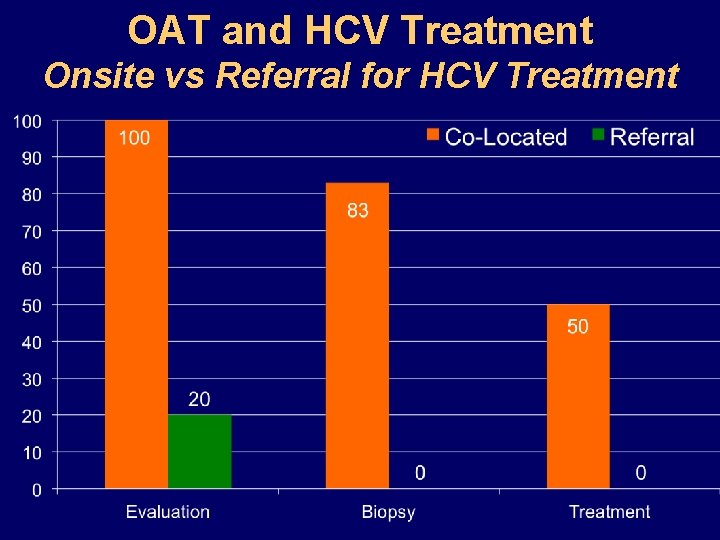
OAT and HCV Treatment Onsite vs Referral for HCV Treatment
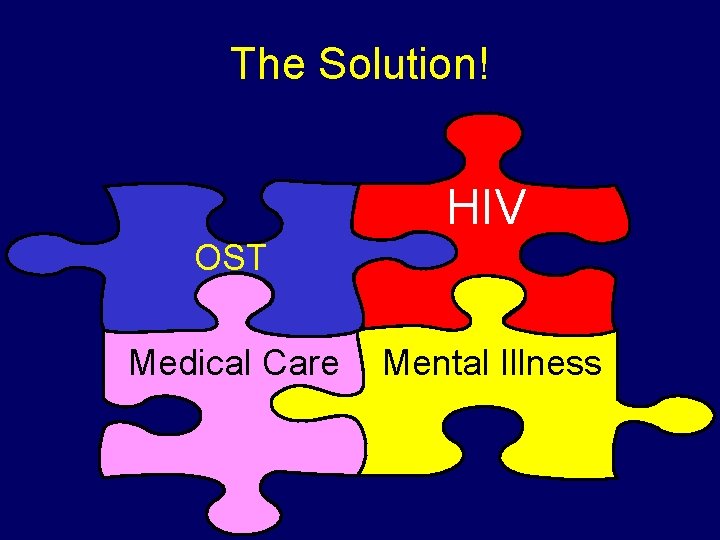
The Solution! HIV OST Medical Care Mental Illness