
OPTIMIZING BEHAVIOR AND HEALTH OF ATYPICAL CHILDREN WITH

OPTIMIZING BEHAVIOR AND HEALTH OF ATYPICAL CHILDREN WITH DIET AND LIFESTYLE Jacqueline Villalobos, ND Doctor of Naturopathic Medicine Academy for Teachers of Young Children July 16, 2020

Physical and mental balance are affected by the quality of the food we eat. http: //www. health. harvard. edu/blog/nutritional-psychiatry-your-brain-on-food-201511168626


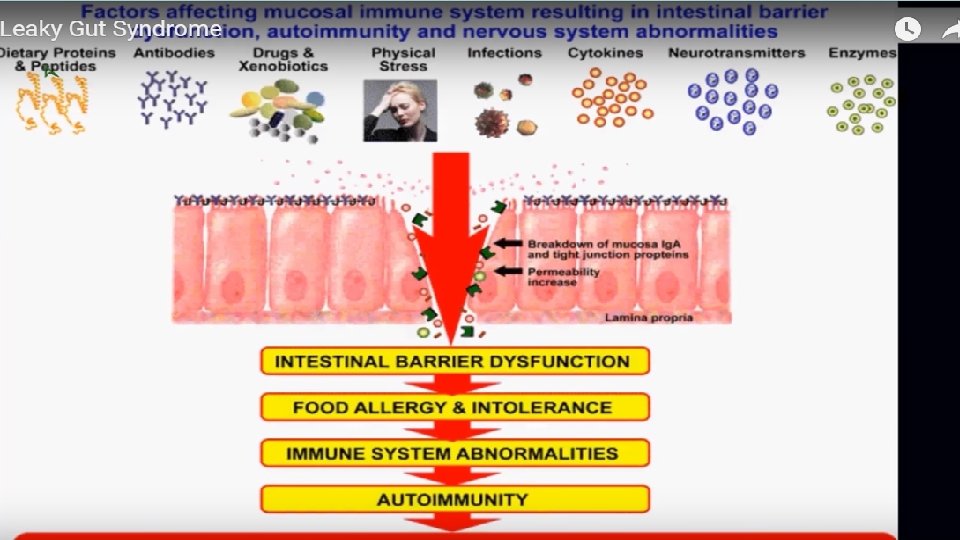
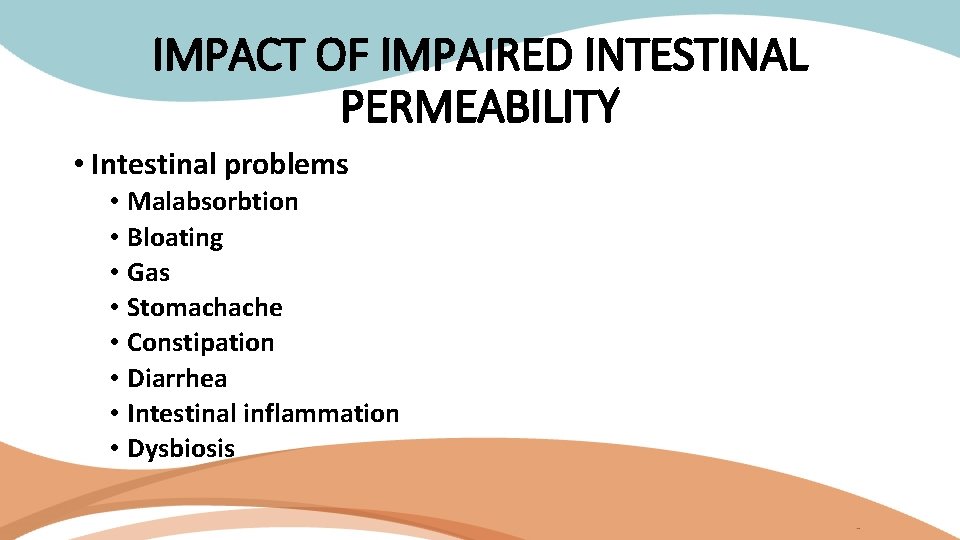
IMPACT OF IMPAIRED INTESTINAL PERMEABILITY • Intestinal problems • Malabsorbtion • Bloating • Gas • Stomachache • Constipation • Diarrhea • Intestinal inflammation • Dysbiosis
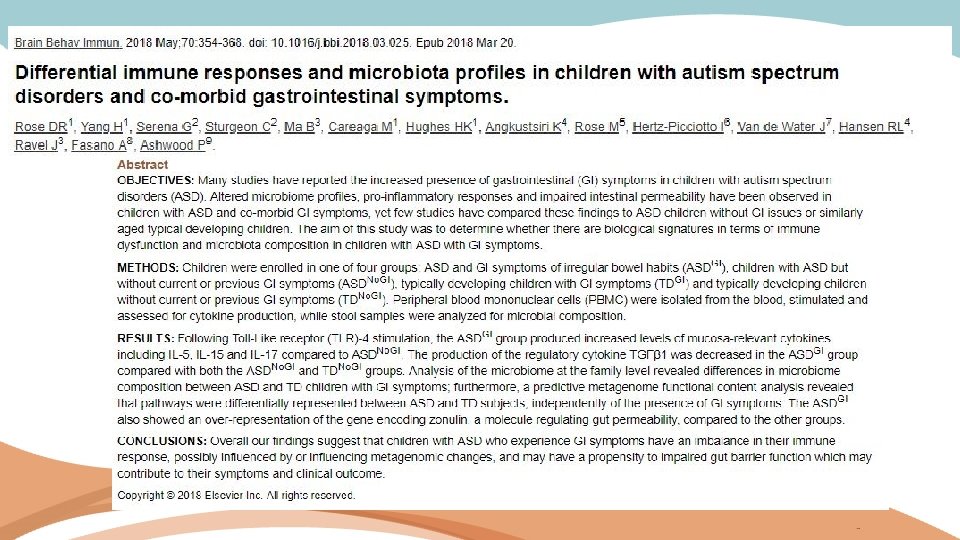
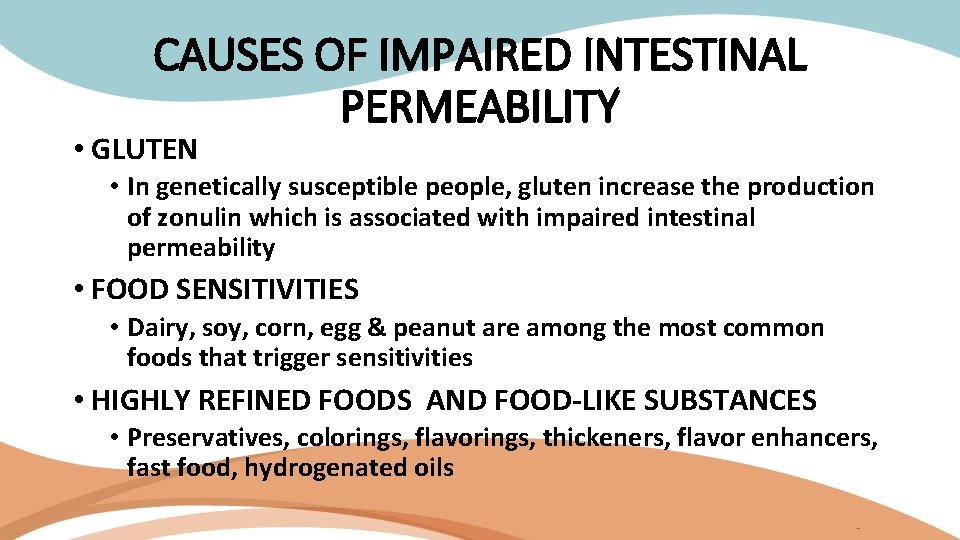
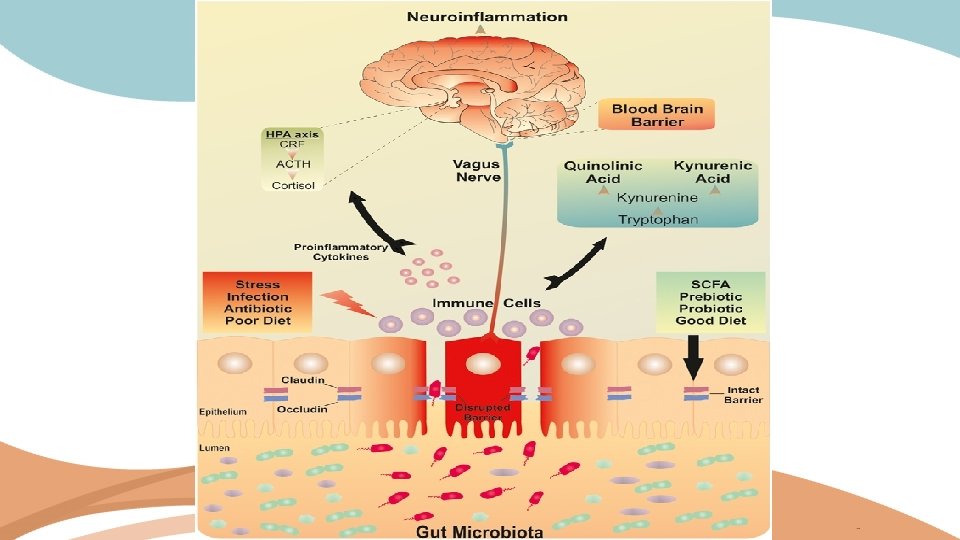
CAUSES OF IMPAIRED INTESTINAL PERMEABILITY • GLUTEN • In genetically susceptible people, gluten increase the production of zonulin which is associated with impaired intestinal permeability • FOOD SENSITIVITIES • Dairy, soy, corn, egg & peanut are among the most common foods that trigger sensitivities • HIGHLY REFINED FOODS AND FOOD-LIKE SUBSTANCES • Preservatives, colorings, flavorings, thickeners, flavor enhancers, fast food, hydrogenated oils
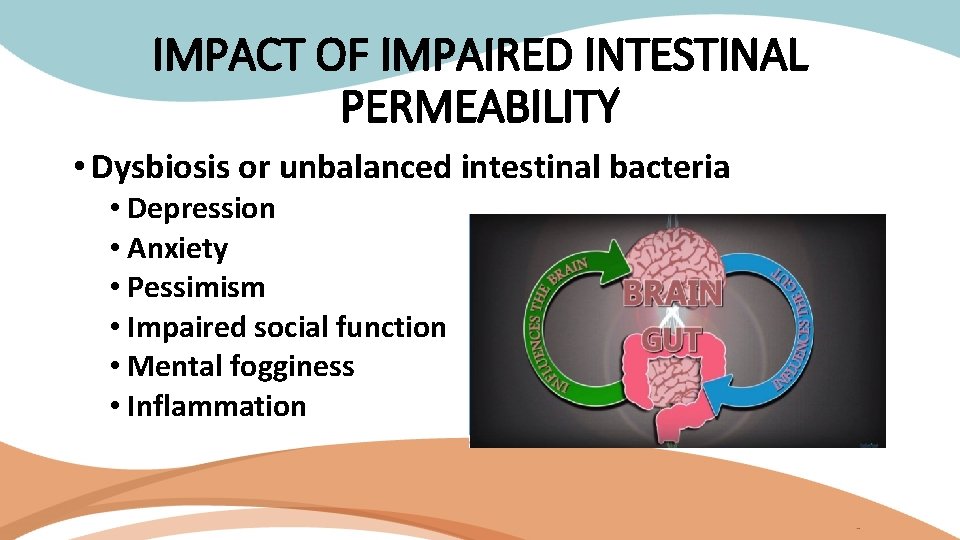
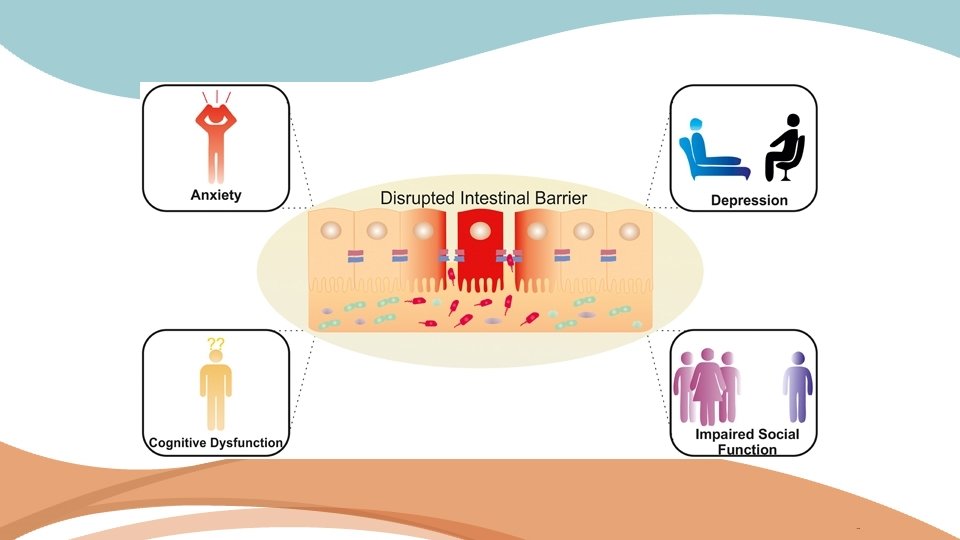
IMPACT OF IMPAIRED INTESTINAL PERMEABILITY • Dysbiosis or unbalanced intestinal bacteria • Depression • Anxiety • Pessimism • Impaired social function • Mental fogginess • Inflammation
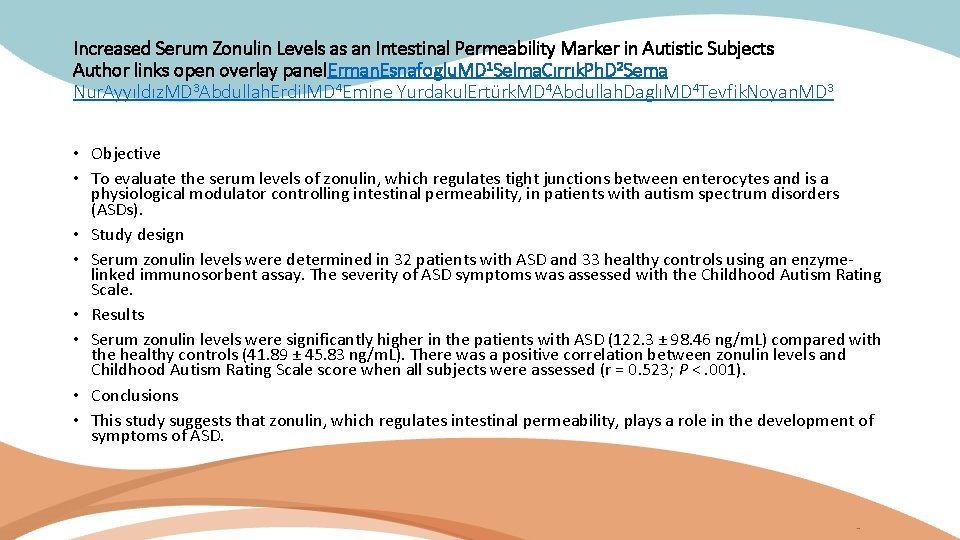
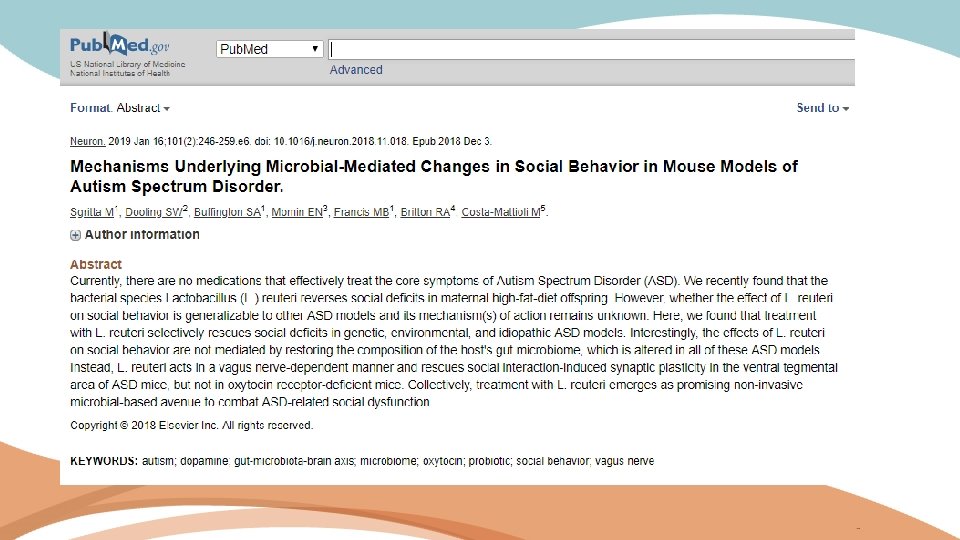
Increased Serum Zonulin Levels as an Intestinal Permeability Marker in Autistic Subjects Author links open overlay panel. Erman. Esnafoglu. MD 1 Selma. Cırrık. Ph. D 2 Sema Nur. Ayyıldız. MD 3 Abdullah. Erdil. MD 4 Emine Yurdakul. Ertürk. MD 4 Abdullah. DaglıMD 4 Tevfik. Noyan. MD 3 • Objective • To evaluate the serum levels of zonulin, which regulates tight junctions between enterocytes and is a physiological modulator controlling intestinal permeability, in patients with autism spectrum disorders (ASDs). • Study design • Serum zonulin levels were determined in 32 patients with ASD and 33 healthy controls using an enzymelinked immunosorbent assay. The severity of ASD symptoms was assessed with the Childhood Autism Rating Scale. • Results • Serum zonulin levels were significantly higher in the patients with ASD (122. 3 ± 98. 46 ng/m. L) compared with the healthy controls (41. 89 ± 45. 83 ng/m. L). There was a positive correlation between zonulin levels and Childhood Autism Rating Scale score when all subjects were assessed (r = 0. 523; P < . 001). • Conclusions • This study suggests that zonulin, which regulates intestinal permeability, plays a role in the development of symptoms of ASD.

Reinoculate • Support the formation of healthy gut bugs with prebiotic foods • • • High quality organic yogurt Garlic, onion, leeks Barley, flax, oats Artichokes, sauerkraut Miso, tempeh • Supplement high quality probiotics
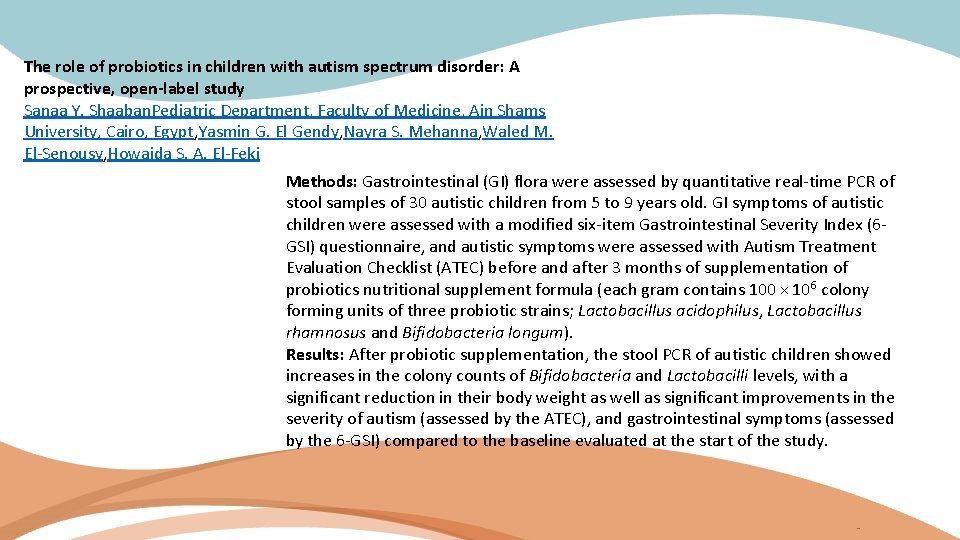
The role of probiotics in children with autism spectrum disorder: A prospective, open-label study Sanaa Y. Shaaban. Pediatric Department, Faculty of Medicine, Ain Shams University, Cairo, Egypt, Yasmin G. El Gendy, Nayra S. Mehanna, Waled M. El-Senousy, Howaida S. A. El-Feki Methods: Gastrointestinal (GI) flora were assessed by quantitative real-time PCR of stool samples of 30 autistic children from 5 to 9 years old. GI symptoms of autistic children were assessed with a modified six-item Gastrointestinal Severity Index (6 GSI) questionnaire, and autistic symptoms were assessed with Autism Treatment Evaluation Checklist (ATEC) before and after 3 months of supplementation of probiotics nutritional supplement formula (each gram contains 100 × 10 6 colony forming units of three probiotic strains; Lactobacillus acidophilus, Lactobacillus rhamnosus and Bifidobacteria longum). Results: After probiotic supplementation, the stool PCR of autistic children showed increases in the colony counts of Bifidobacteria and Lactobacilli levels, with a significant reduction in their body weight as well as significant improvements in the severity of autism (assessed by the ATEC), and gastrointestinal symptoms (assessed by the 6 -GSI) compared to the baseline evaluated at the start of the study.
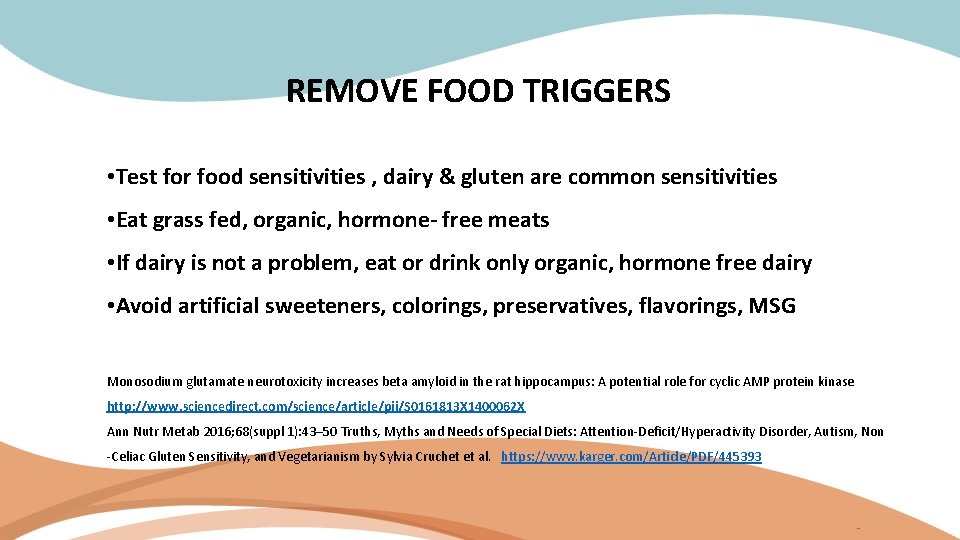
REMOVE FOOD TRIGGERS • Test for food sensitivities , dairy & gluten are common sensitivities • Eat grass fed, organic, hormone- free meats • If dairy is not a problem, eat or drink only organic, hormone free dairy • Avoid artificial sweeteners, colorings, preservatives, flavorings, MSG Monosodium glutamate neurotoxicity increases beta amyloid in the rat hippocampus: A potential role for cyclic AMP protein kinase http: //www. sciencedirect. com/science/article/pii/S 0161813 X 1400062 X Ann Nutr Metab 2016; 68(suppl 1): 43– 50 Truths, Myths and Needs of Special Diets: Attention-Deficit/Hyperactivity Disorder, Autism, Non -Celiac Gluten Sensitivity, and Vegetarianism by Sylvia Cruchet et al. https: //www. karger. com/Article/PDF/445393

Remove • Eliminate known food sensitivities ie. Dairy, gluten, eggs, soy, corn • Eliminate drugs that harm the gut such as NSAIDS ibuprofen, celebrex, endomethacin • Treat bacterial or yeast overgrowth • Avoid food additives, preservatives, flavorings, colorings, pesticides • Avoid refined and prepared foods
Consider offering healthier snacks • Fresh fruit • Raisins • Rice crackers • Gluten free cheerios • Raw carrot sticks • Raw sunflower or pumpkin seeds • Healthier “trail mix”: cheerios, raisins and sunflower seeds
Eat foods that existed 200 years ago The Mediterranean diet • Increased use of fruits and vegetables daily: ‘ 5 -9 a day’ is a reasonable minimum (excellent source of dietary fiber. ) • Eat whole, unrefined grains, legumes/beans, raw seeds & nuts (Fiber) • Extra-virgin olive oil, coconut oil, or non-GMO Canola oil in preference to other oils and fats. • Limit portion of wild game or grass fed beef to 3 ounces • Wild caught fish and seafood

Organic fruits and vegetables : • Provide life force, Qi • Feed the microbiome • Increase dietary fiber • Increase satiety • Provide digestive enzymes • Rich in vitamins and minerals • Provide plant medicine • 5 -9 servings a day

Whole, unrefined grains and legumes • Feed the microbiome • Increase dietary fiber • Increase satiety • Rich in vitamins and minerals • Provide plant medicine • Small servings ½ cup
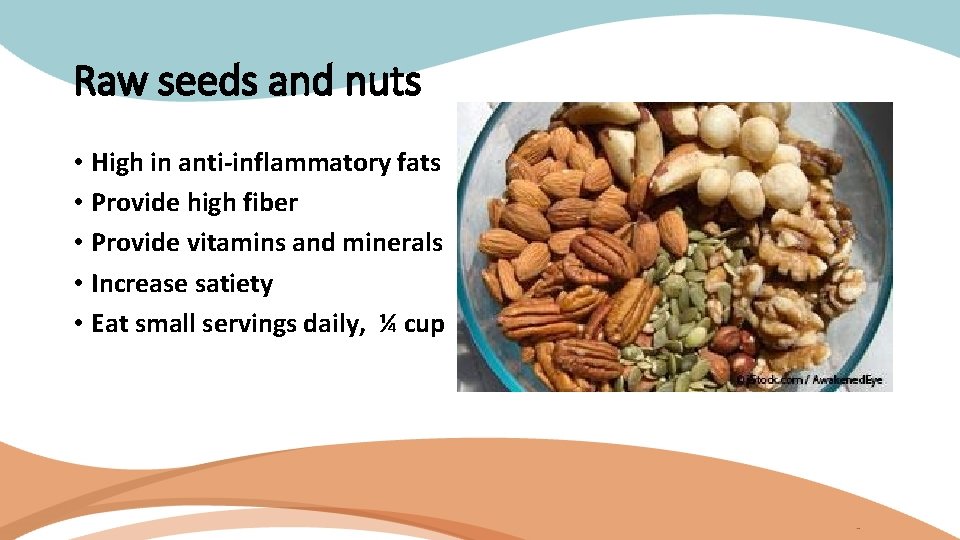
Raw seeds and nuts • High in anti-inflammatory fats • Provide high fiber • Provide vitamins and minerals • Increase satiety • Eat small servings daily, ¼ cup

Highest quality organic oils • Extra Virgin Olive oil • Coconut oil • Non-GMO Canola oil • Avocado oil • Butter • Grape seed oil* • Sesame oil* • Flax seed oil* *do not heat

Small serving (3 oz. ) of animal products • Wild caught cold water fish • Grass fed organic beef • Wild game • Organic chicken • Organic dairy • Organic eggs
CIRCADIAN RHYTHMS Often referred to as the "body clock", the circadian rhythm is a cycle that tells our bodies when to sleep, rise, eat--regulating many physiological processes. This internal body clock is affected by environmental cues, like sunlight and temperature. https: //www. psychologytoday. com/basics/circadian-rhythm
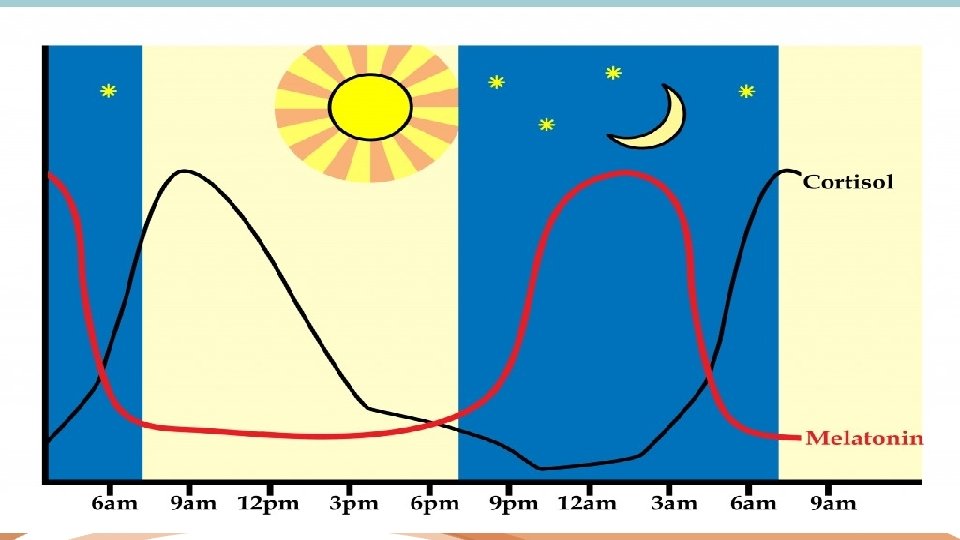

Timing is important • Entrain optimal digestion by eating around the same time every day • Eat 3 meals a day, starting with breakfast • Prioritize mealtime, encourage mindful eating • Invest 15 -30 minutes 3 times a day for relaxing, eating and digesting
• J Am Acad Child Adolesc Psychiatry • . 2020 Jan 23; S 0890 -8567(20)30034 -4. • doi: 10. 1016/j. jaac. 2019. 12. 007. Online ahead of print. • Sleep, Growth, and Puberty After 2 Years of Prolonged-Release Melatonin in Children With Autism Spectrum Disorder • Beth A Malow 1, Robert L Findling 2, Carmen M Schroder 3, Athanasios Maras 4, John Breddy 5, Tali Nir 6, Nava Zisapel 6, Paul Gringras 7 • Affiliations expand • PMID: 31982581 • DOI: 10. 1016/j. jaac. 2019. 12. 007 • Free article • Abstract • Objective: A recent 3 -month double-blind, placebo-controlled study demonstrated efficacy and safety of pediatric prolonged-release melatonin (Ped. PRM) for insomnia in children with autism spectrum disorder. This study examined the long-term effects of Ped. PRM treatment on sleep, growth, body mass index, and pubertal development. • Method: Eighty children and adolescents (2 -17. 5 years of age; 96% with autism spectrum disorder) who completed the double-blind, placebo-controlled trial were given 2 mg, 5 mg, or 10 mg Ped. PRM nightly up to 104 weeks, followed by a 2 -week placebo period to assess withdrawal effects. • Results: Improvements in child sleep disturbance and caregiver satisfaction with child sleep patterns, quality of sleep, and quality of life were maintained throughout the 104 -week treatment period (p <. 001 versus baseline for all). During the 2 -week withdrawal placebo period, measures declined compared with the treatment period but were still improved compared with baseline. Ped. PRM was generally safe; the most frequent treatment-related adverse events were fatigue (6. 3%), somnolence (6. 3%), and mood swings (4. 2%). Changes in mean weight, height, body mass index, and pubertal status (Tanner staging done by a physician) were within normal ranges for age with no evidence of delay in body mass index or pubertal development. • Conclusion: Nightly Ped. PRM at optimal dose (2, 5, or 10 mg nightly) is safe and effective for long-term treatment in children and adolescents with autism spectrum disorder and insomnia. There were no observed detrimental effects on children's growth and pubertal development and no withdrawal or safety issues related to the use or discontinuation of the drug.
DAILY PHYSICAL ACTIVITY ENHANCES SLEEP • Exercise in the morning raises your basal metabolic rate, so that you burn more calories in your resting state. • A walk outdoors in the early morning light increases your energy level and serenity for the rest of the day. • Avoid vigorous exercise for 4 hours prior to bedtime as it increases your body temperature, cortisol levels, and alertness, which can interfere with your ability to fall asleep. • A gentle, relaxing walk at dusk helps your SCN receive the message that night is falling and promotes the secretion of Melatonin.
• Am J Psychiatry • . 2020 Jun 1; 177(6): 518 -525. • doi: 10. 1176/appi. ajp. 2019. 19060666. Epub 2020 May 7. • Sleep Onset Problems and Subcortical Development in Infants Later Diagnosed With Autism Spectrum Disorder • Katherine E Mac. Duffie 1, Mark D Shen 1, Stephen R Dager 1, Martin A Styner 1, Sun Hyung Kim 1, Sarah Paterson 1, Juhi Pandey 1, Tanya St John 1, Jed T Elison 1, Jason J Wolff 1, Meghan R Swanson 1, Kelly N Botteron 1, Lonnie Zwaigenbaum 1, Joseph Piven 1, Annette M Estes 1 • Affiliations expand • PMID: 32375538 • DOI: 10. 1176/appi. ajp. 2019. 19060666 • Abstract • Objective: Sleep patterns in children with autism spectrum disorder (ASD) appear to diverge from typical development in the second or third year of life. Little is known, however, about the occurrence of sleep problems in infants who later develop ASD and possible effects on early brain development. In a longitudinal neuroimaging study of infants at familial high or low risk for ASD, parent-reported sleep onset problems were examined in relation to subcortical brain volumes in the first 2 years of life. • Methods: A total of 432 infants were included across three study groups: infants at high risk who developed ASD (N=71), infants at high risk who did not develop ASD (N=234), and infants at low risk (N=127). Sleep onset problem scores (derived from an infant temperament measure) were evaluated in relation to longitudinal high-resolution T 1 and T 2 structural imaging data acquired at 6, 12, and 24 months of age. • Results: Sleep onset problems were more common at 6 -12 months among infants who later developed ASD. Infant sleep onset problems were related to hippocampal volume trajectories from 6 to 24 months only for infants at high risk who developed ASD. Brain-sleep relationships were specific to the hippocampus; no significant relationships were found with volume trajectories of other subcortical structures examined (the amygdala, caudate, globus pallidus, putamen, and thalamus). • Conclusions: These findings provide initial evidence that sleep onset problems in the first year of life precede ASD diagnosis and are associated with altered neurodevelopmental trajectories in infants at high familial risk who go on to develop ASD. If replicated, these findings could provide new insights into a potential role of sleep difficulties in the development of ASD.
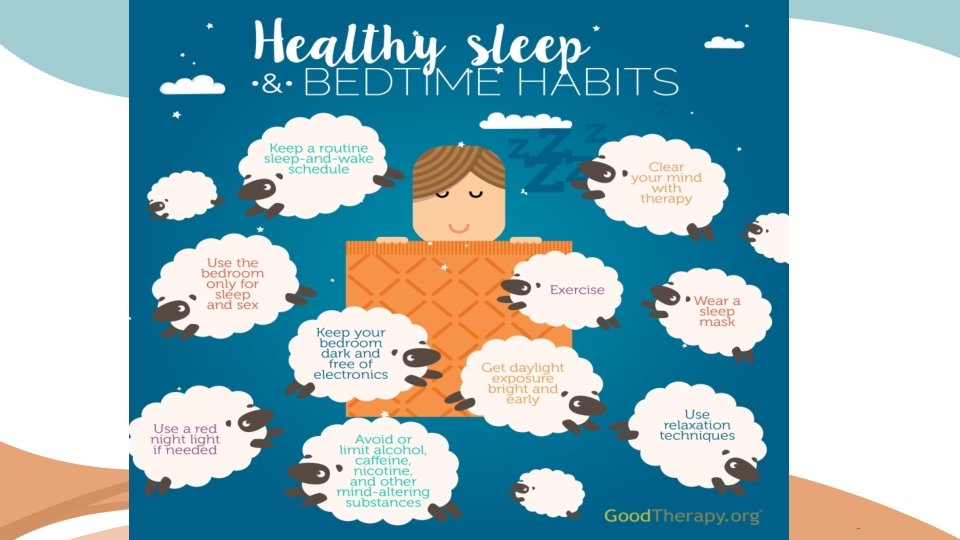
Rebalance • Make a commitment to maintaining healthier lifestyle habits • Prioritize sleep • We all need daily exercise • Manage stress with exercise & a routine • Slow down, especially during mealtime • Eat a primarily plant based diet, foods that existed 200 years ago, most of the time.

Steps to success • Parents who model the new behavior help children to be more successful

Connect the new behavior to a positive emotion

Congratulate every success

THIS IS A LIFELONG JOURNEY

Contact Information: Jacqueline Villalobos, ND 330 N Campo St. Las Cruces, NM 88001 971 -409 -0603 jacquiv. jv@gmail. com www. jacquelinevillalobosnd. com
- Slides: 38