
OPTIMISING PERFORMANCE THROUGH INDEPTH PROCESS MAPPING KK Lim
- Slides: 24
OPTIMISING PERFORMANCE THROUGH IN-DEPTH PROCESS MAPPING KK Lim Managing Consultant BP+ Pte. Ltd. Enabling Effectiveness and Efficiency 1
Content q q q What is Business Process Mapping? Why is it required? Types of Business Process Maps Common Pitfalls in Process Mapping How to leverage on Business Process Mapping in your transformation / process improvement initiative? Enabling Effectiveness and Efficiency 2
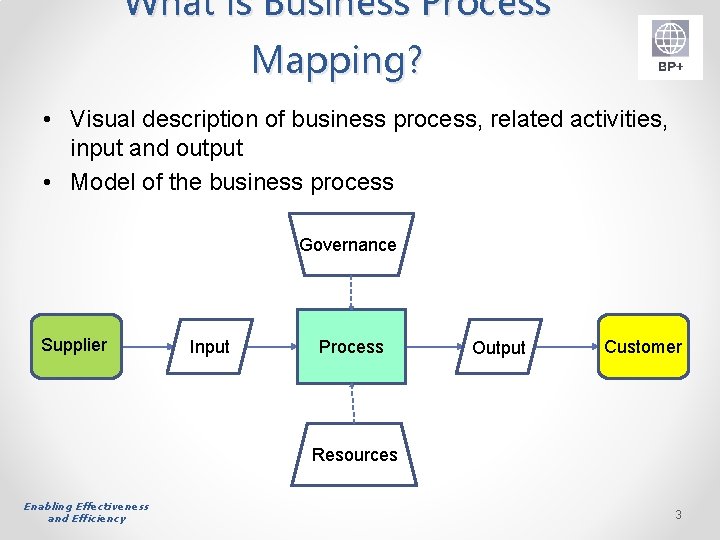
What is Business Process Mapping? • Visual description of business process, related activities, input and output • Model of the business process Governance Supplier Input Process Output Customer Resources Enabling Effectiveness and Efficiency 3
Why is it Required? • Document the business process, which could include the operations/activities, inputs, outputs and roles involved in the business process. • Provide an “official reference” on the business process and a common understanding of what is involved. • Facilitate the analysis of current process (As-Is) and redesign of improved process (To-Be). • Aid in the identification of critical process parameters. Enabling Effectiveness and Efficiency 4
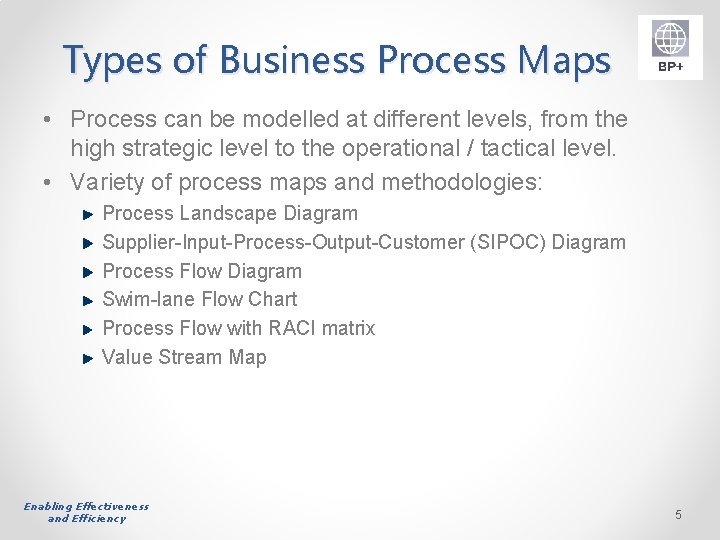
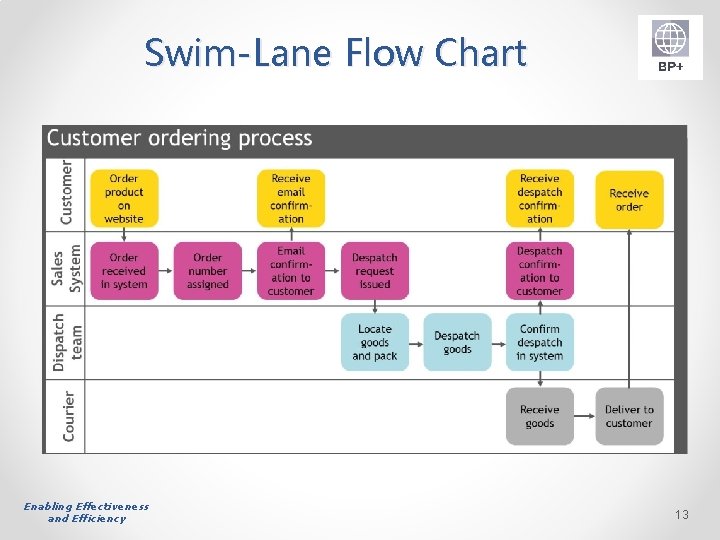
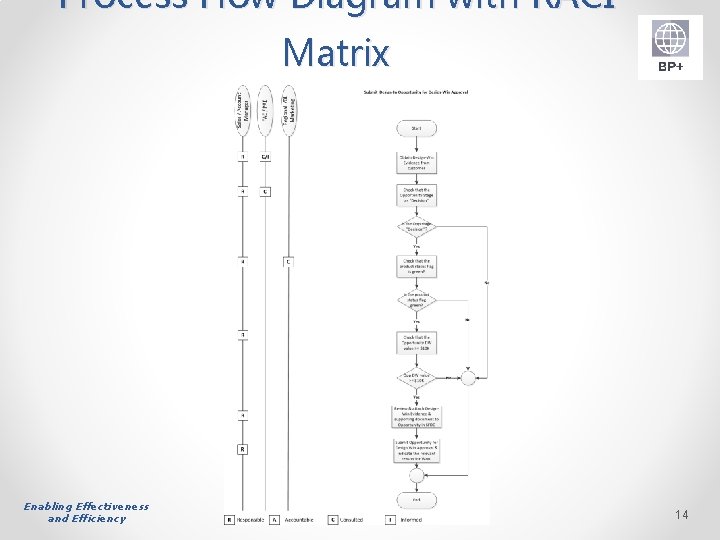
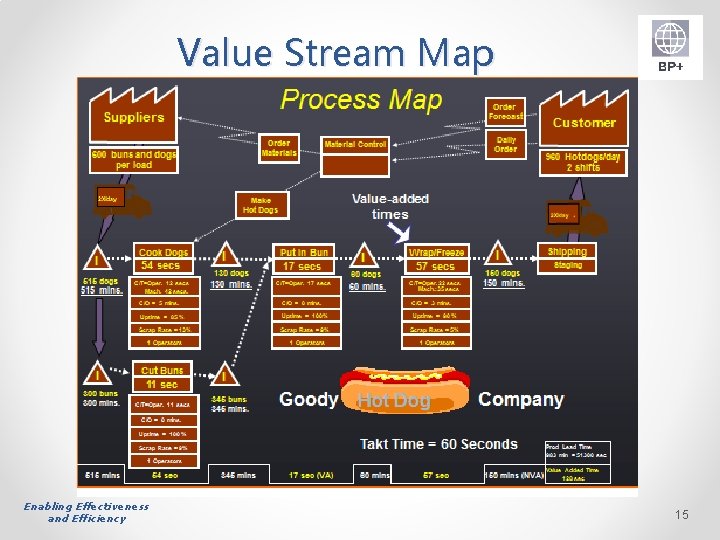
Types of Business Process Maps • Process can be modelled at different levels, from the high strategic level to the operational / tactical level. • Variety of process maps and methodologies: Process Landscape Diagram Supplier-Input-Process-Output-Customer (SIPOC) Diagram Process Flow Diagram Swim-lane Flow Chart Process Flow with RACI matrix Value Stream Map Enabling Effectiveness and Efficiency 5
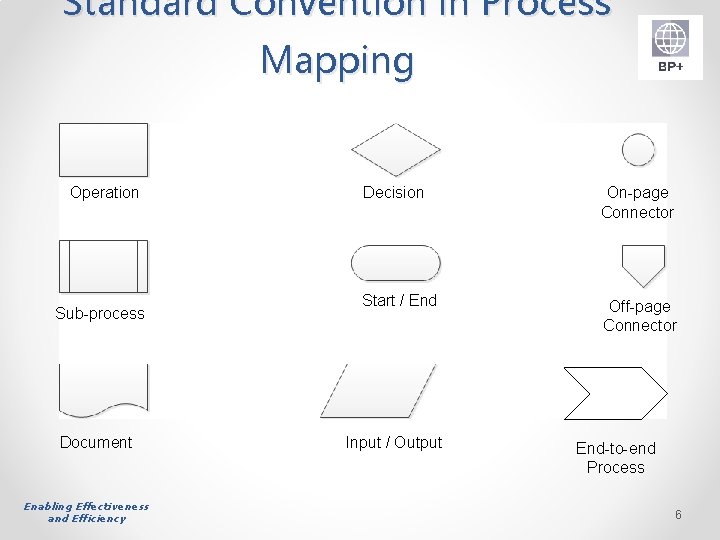
Standard Convention in Process Mapping Operation Sub-process Document Enabling Effectiveness and Efficiency Decision On-page Connector Start / End Off-page Connector Input / Output End-to-end Process 6
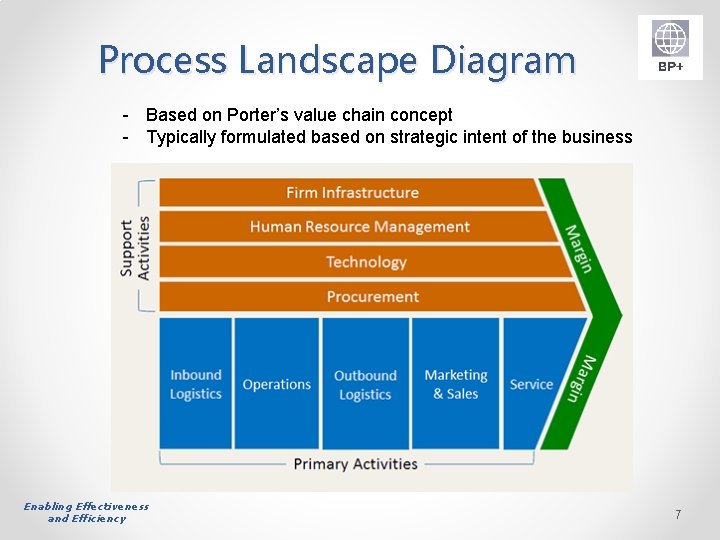
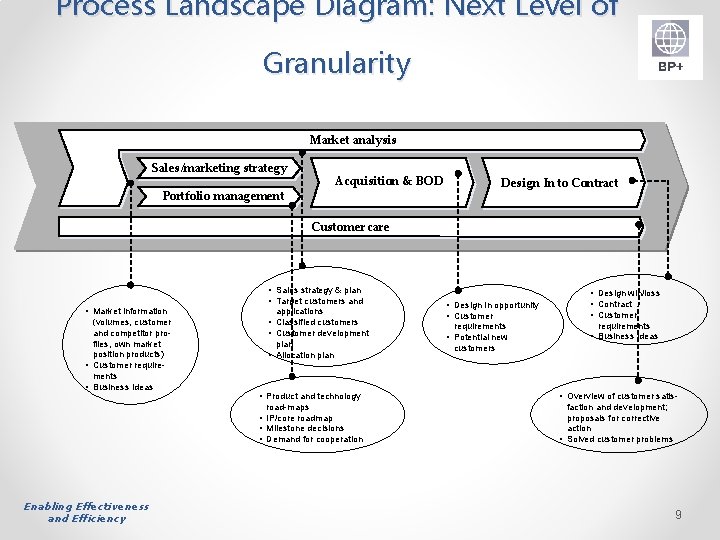
Process Landscape Diagram - Based on Porter’s value chain concept - Typically formulated based on strategic intent of the business Enabling Effectiveness and Efficiency 7
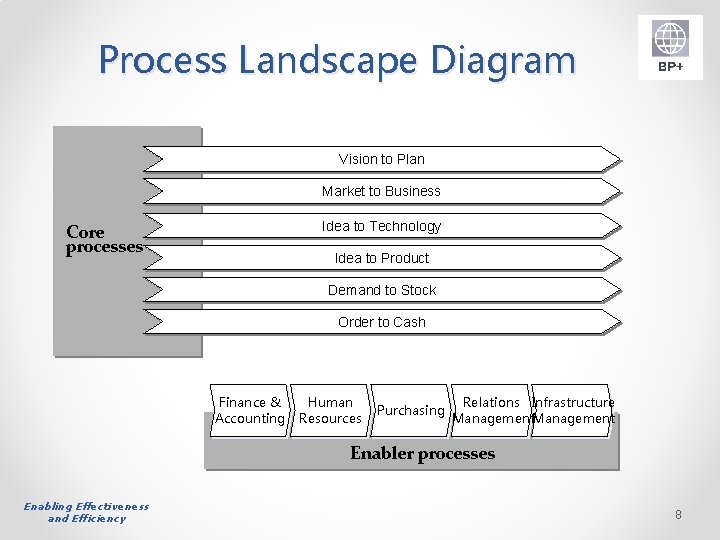
Process Landscape Diagram Vision to Plan Market to Business Idea to Technology Core processes Idea to Product Demand to Stock Order to Cash Finance & Accounting Human Resources Purchasing Relations Infrastructure Management Enabler processes Enabling Effectiveness and Efficiency 8
Process Landscape Diagram: Next Level of Granularity Market analysis Sales/marketing strategy Acquisition & BOD Portfolio management Design In to Contract Customer care • Market information (volumes, customer and competitor profiles, own market position products) • Customer requirements • Business ideas Enabling Effectiveness and Efficiency • Sales strategy & plan • Target customers and applications • Classified customers • Customer development plan • Allocation plan • Design In opportunity • Customer requirements • Potential new • Design win/loss • Contract • Customer requirements • Business Ideas customers • Product and technology • Overview of customer satis- road-maps • IP/core roadmap • Milestone decisions • Demand for cooperation faction and development; proposals for corrective action • Solved customer problems 9
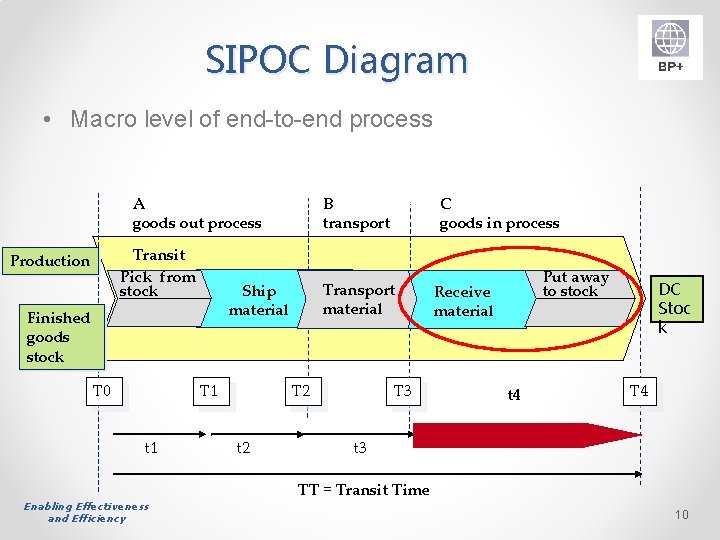
SIPOC Diagram • Macro level of end-to-end process A goods out process Transit Pick from stock Production T 1 t 1 T 2 t 2 C goods in process Transport material Ship material Finished goods stock T 0 B transport T 3 Put away to stock Receive material t 4 DC Stoc k T 4 t 3 TT = Transit Time Enabling Effectiveness and Efficiency 10
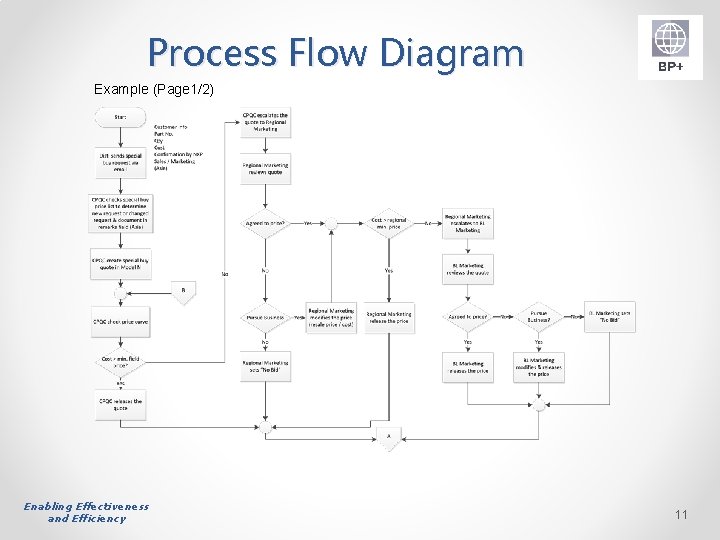
Process Flow Diagram Example (Page 1/2) Enabling Effectiveness and Efficiency 11
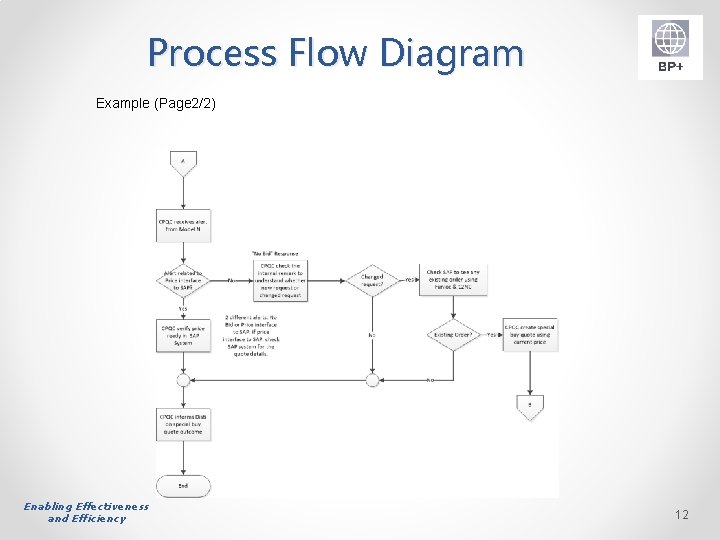
Process Flow Diagram Example (Page 2/2) Enabling Effectiveness and Efficiency 12
Swim-Lane Flow Chart Enabling Effectiveness and Efficiency 13
Process Flow Diagram with RACI Matrix Enabling Effectiveness and Efficiency 14
Value Stream Map Enabling Effectiveness and Efficiency 15
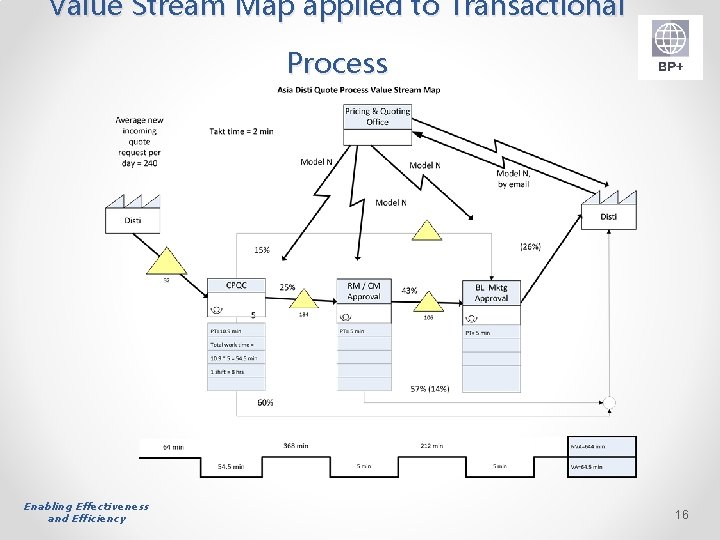
Value Stream Map applied to Transactional Process Enabling Effectiveness and Efficiency 16
Common Pitfalls in Process Mapping § § § Not defining the start and end of the process clearly Confusing the use of operation block and decision block Poor discipline in using a consistent convention Criss-cross of process flow arrows leading to confusion Mapping without involving the right stakeholders Failure to perform a process walkthrough to verify the accuracy of the process mapped § Failure to update the process map document as a “live” reference Enabling Effectiveness and Efficiency 17
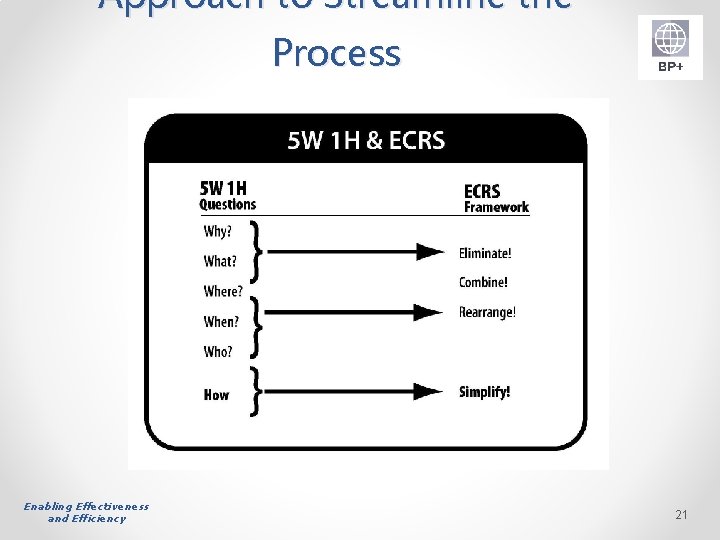
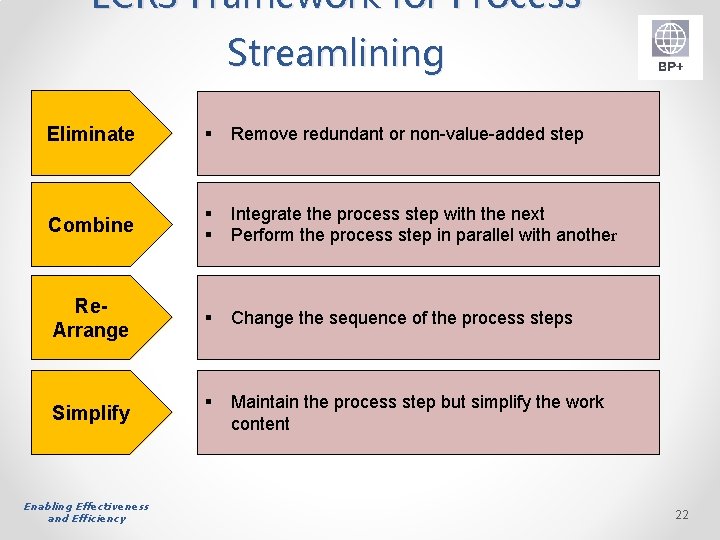
How to leverage on Business Process Mapping in your transformation /process improvement initiative? § Use the process map to identify the value-added and non -value-added activities. § Collect and document the data on process parameters e. g. process cycle-time, pass-through rate and waiting time. § Identify opportunities for improvement based on ECRS framework Enabling Effectiveness and Efficiency 18
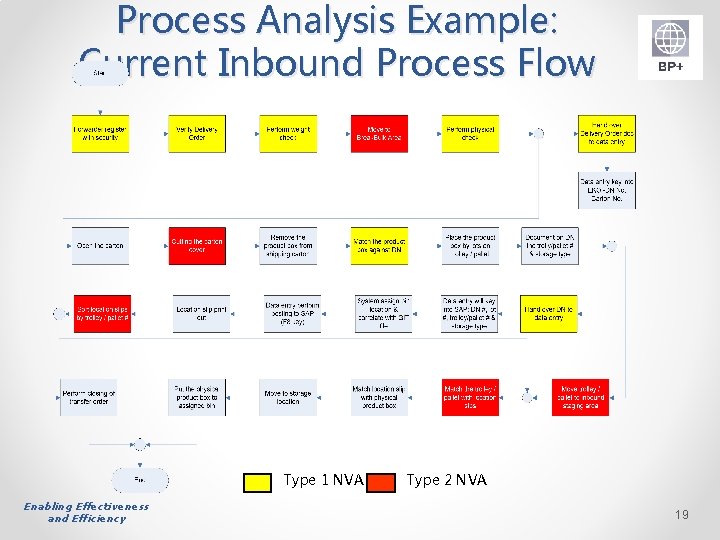
Process Analysis Example: Current Inbound Process Flow Type 1 NVA Enabling Effectiveness and Efficiency Type 2 NVA 19
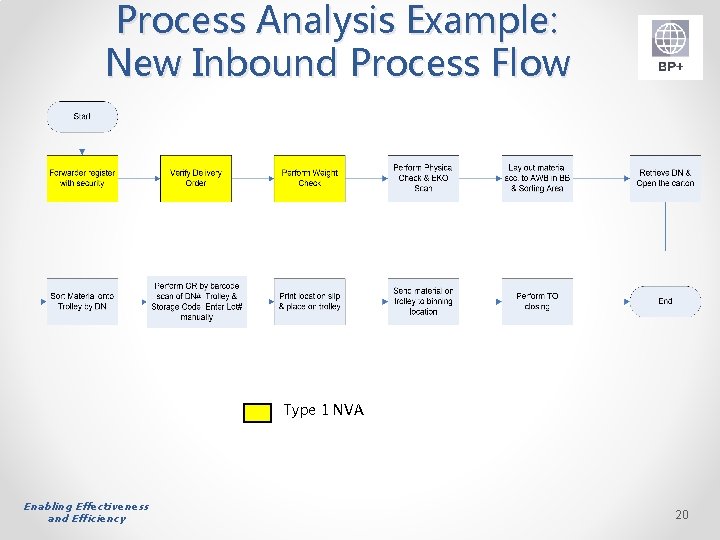
Process Analysis Example: New Inbound Process Flow Type 1 NVA Enabling Effectiveness and Efficiency 20
Approach to Streamline the Process Enabling Effectiveness and Efficiency 21
ECRS Framework for Process Streamlining Eliminate § Remove redundant or non-value-added step Combine § § Integrate the process step with the next Perform the process step in parallel with another Re. Arrange § Change the sequence of the process steps § Maintain the process step but simplify the work content Simplify Enabling Effectiveness and Efficiency 22
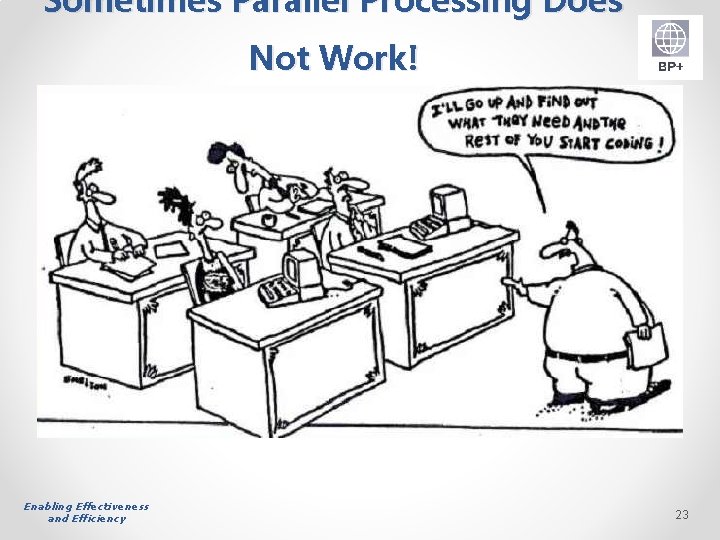
Sometimes Parallel Processing Does Not Work! Enabling Effectiveness and Efficiency 23
Conclusion § Process mapping is an essential tool to understand the current state of the process (As-Is) and to design the future state of the process (To-Be). § Disciplined use of process mapping will facilitate the identification and resolution of process issues. Enabling Effectiveness and Efficiency 24