
Opium and the Opium Wars The Western Traders
- Slides: 16
Opium and the Opium Wars
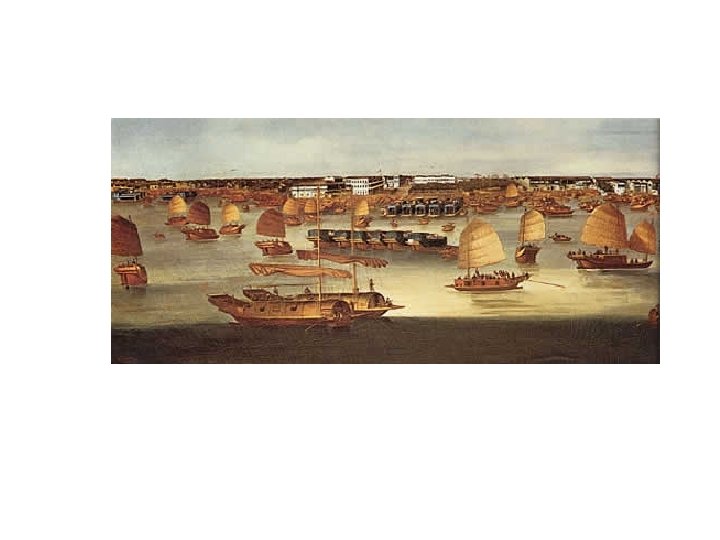
The Western Traders • • Community of traders in Guangzhou Trade tea and silk through a monopoly The trade expands rapidly in 1830 s Traders want – End to the monopoly – To be allowed to trade in other ports – A fixed rate of tax
Lin Zexu • Proposed ending opium trade to solve currency problems • Understood the Western traders as pirates • 1839 arrived in Guangdong – Destroyed opium – Imprisoned traders in their compound to make them promise not to trade opium again → CRISIS
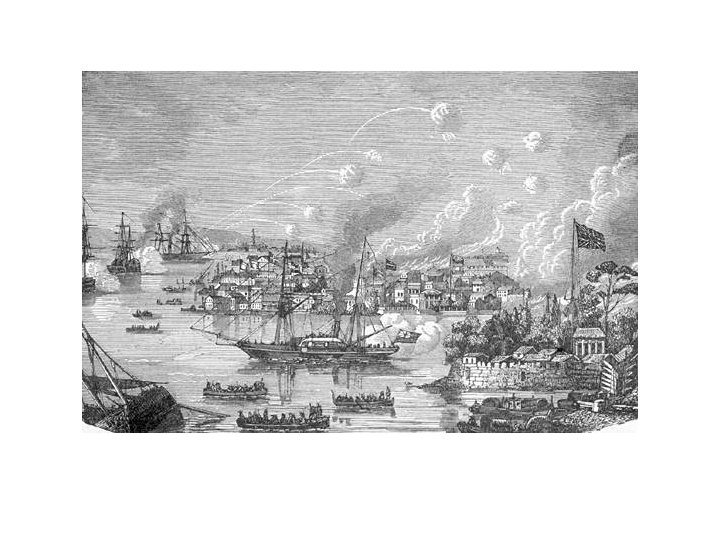
The Opium War 1840 • British fleet sent from India • British troops beseiged Guangzhou then paid off • British fleet sailed up the coast and threatened Tianjin →Treaty of Nanjing
The Treaty of Nanjing 1842 • • • End of the Cohong monopoly Open 5 more ports to foreign trade New system of fixed tax rates Hong Kong ceded to Britain The Qing made a large payment to the British
Problems after the Treaty of Nanjing • The Chinese saw it as a rebellion that had been pacified • The British saw it as a war they had won • Factional disputes at court about what to do • Trouble in Guangzhou because some people had lost out from the treaty → The Second Opium War
The Treaty of Tianjin 1858 • Ten more ports opened to foreign trade • Foreigners allowed to travel in China • Chinese internal customs duties fixed foreigners • Extraterritoriality ie foreign law used foreigners • Foreign diplomats allowed to reside in Beijing
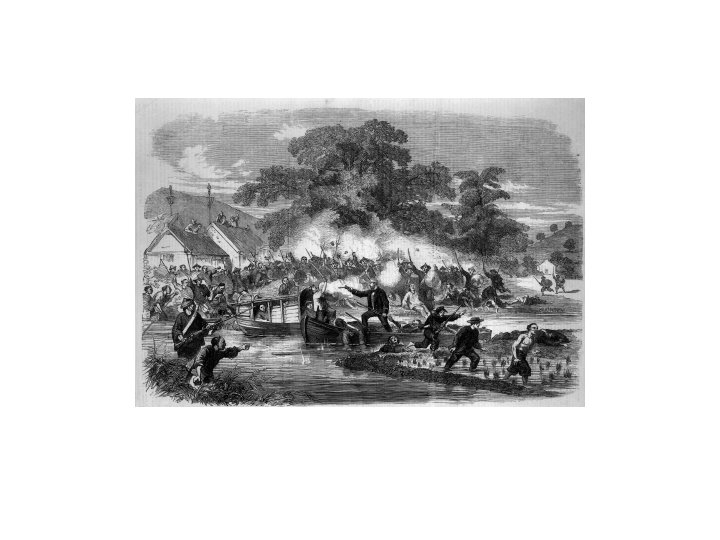
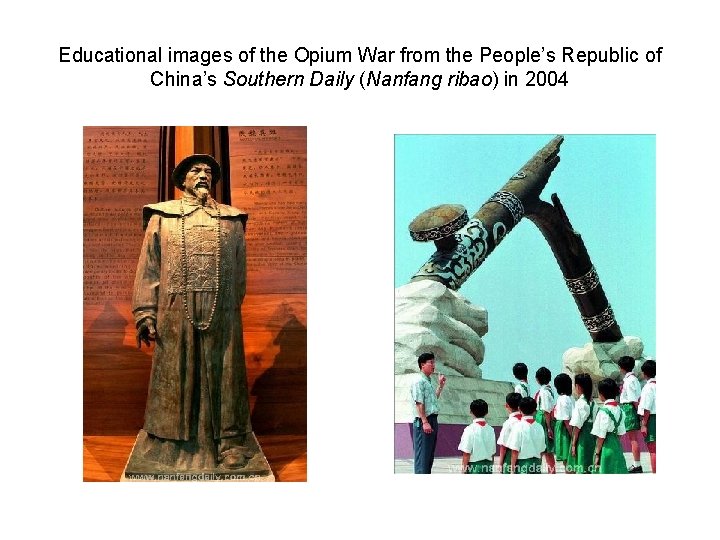
Educational images of the Opium War from the People’s Republic of China’s Southern Daily (Nanfang ribao) in 2004
Interpretations 1. Imperialism • • J. A. Hobson and Vladimir Lenin Argument very influential in 1910 s and 20 s 2. Impact of the West – John K. Fairbank – China as the centre of the world 3. Spread of psychoactive substances
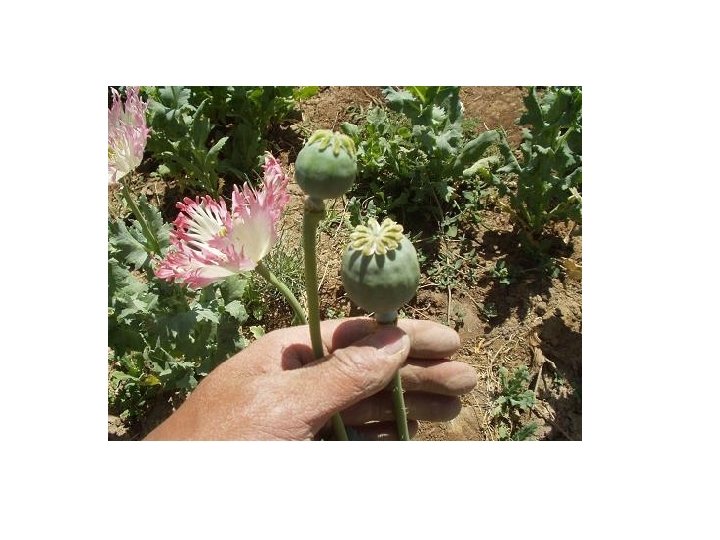
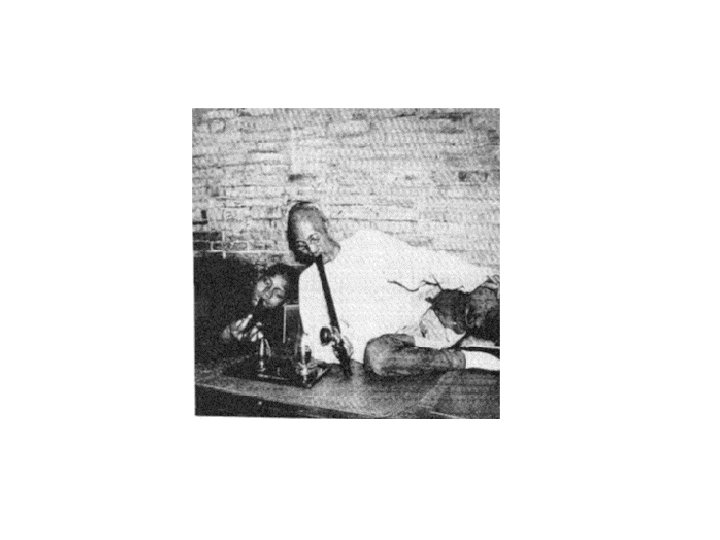
Opium and the Spread of Psychoactive Substances • Listed from 8 th C as a medical drug • Recreational consumption spread from the Philippines in the 17 th C • Large scale imports tied to British consumption of tea