
OPERATION STABLE MERCURY 2018 Clint Miller KCJUO Story
OPERATION STABLE MERCURY 2018 Clint Miller KCØJUO Story County ARES Paul Cowley, WØYR District 1 ARES
2018 Iowa Ar. MY NATIONAL GUARD STATEWIDE COMMUNICATIONS EXERCISE April 23 -24, 2018
Join us for the Iowa National Guard’s Operation Stable Mercury - 2018 � � Iowa’s Premier Statewide Communications Exercise remembers the devastating storm event of June 29, 1998. Practicing statewide communications is a great way to prepare for future events. Join other Storm Spotters, Amateur Radio Emergency Services operators, Military Amateur Radio Service operators, Public Safety First Responders, Emergency Management professionals, and Soldiers and Airmen. Spend 15 minutes to issue a report to the National Weather Service or two days providing emergency communications across the state.
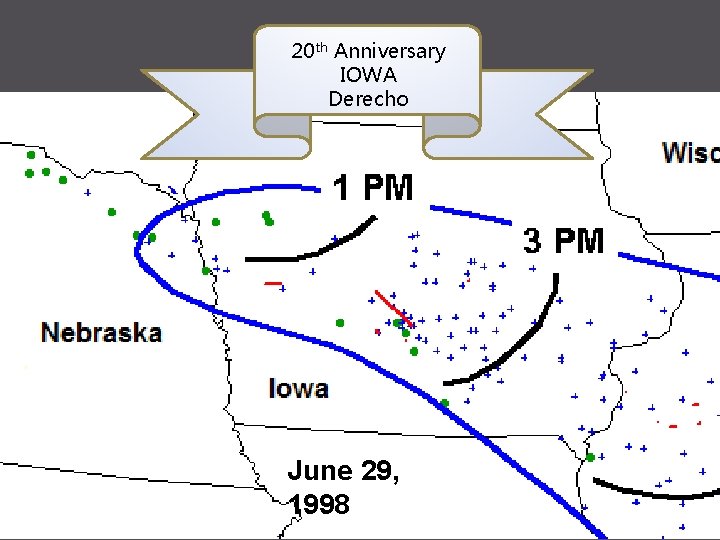
20 th Anniversary IOWA Derecho � COMMEX in military lingo June 29, 1998
Iowa National Guard’s Operation Stable Mercury - 2018 � � � Website with exercise weather radar feed using real events from 1998. Use DMR and SKYWARN networks to communicate with NWS. ARES and MARS activities supporting Incident Commanders in Cedar Rapids, Iowa City, and Des Moines on HF, VHF, and UHF. Statewide HF net using NIFOG 60 m interoperability frequencies for voice and data traffic. Meet and network with others before disaster strikes.
Iowa National Guard’s Operation Stable Mercury - 2018 � Sign up now! � https: //goo. gl/forms/OGj. AHh. Sj. Eg. ZEMGve 2 � Look for an email from W 0 YR to the All Counties list
Iowa National Guard Communication Exercises History � � COMMEX in military lingo Iowa National Guard 671 st Troop Command � Colonel � Robert Hedgepeth (RET) Iowa Statewide Interoperable Communications Systems Board (ISICS)
COMMEX #1 March, 2014 � Iowa National Guard only COMMEX #2 Fall 2014 � Added Civilians
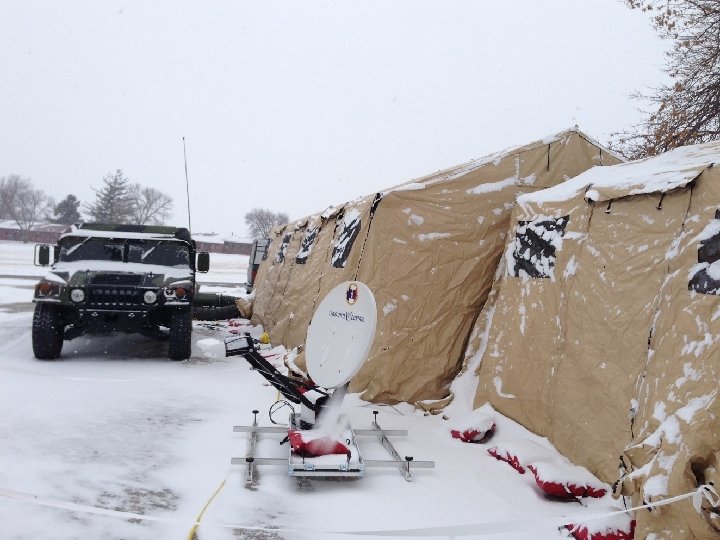
COMMEX #3 April 17, 2015 � � Camp Dodge, Johnston Federal, State, and Local Agencies Story ARES COML trainee class
COMMEX #3 Objectives � � Become familiar with other organization’s comms capabilities Test interoperability on federal and nonfederal NIFOG frequencies Share common operating picture and real-time video data feeds Complete COMT and COML task book tasks with evaluator sign-off

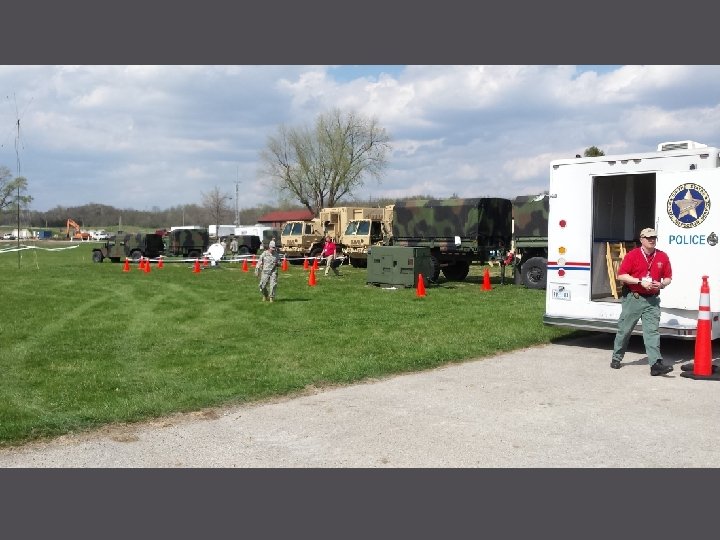
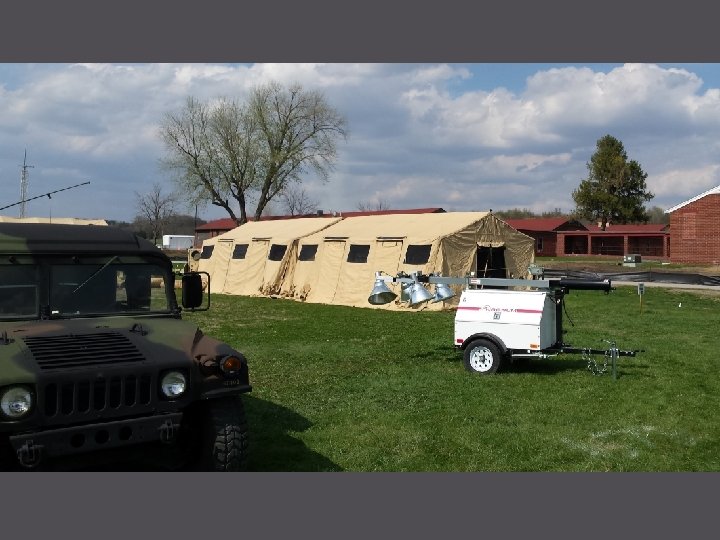
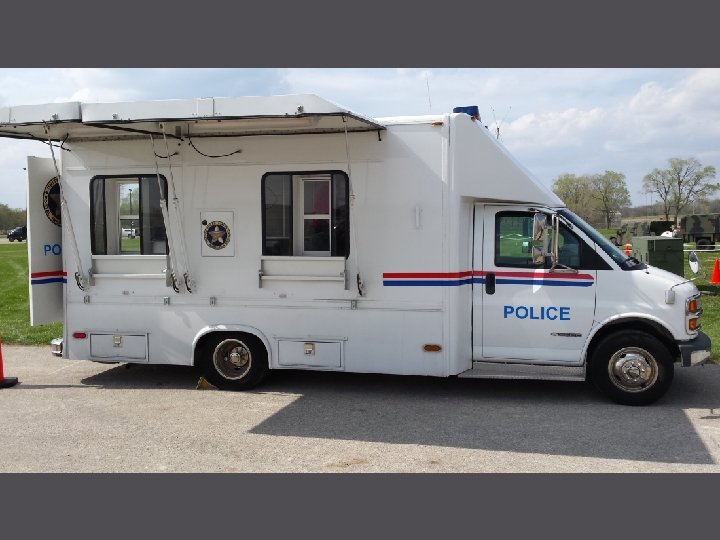
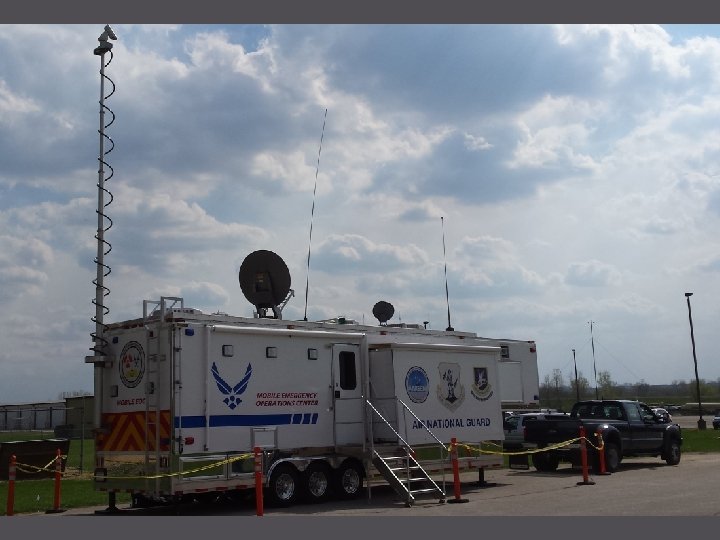
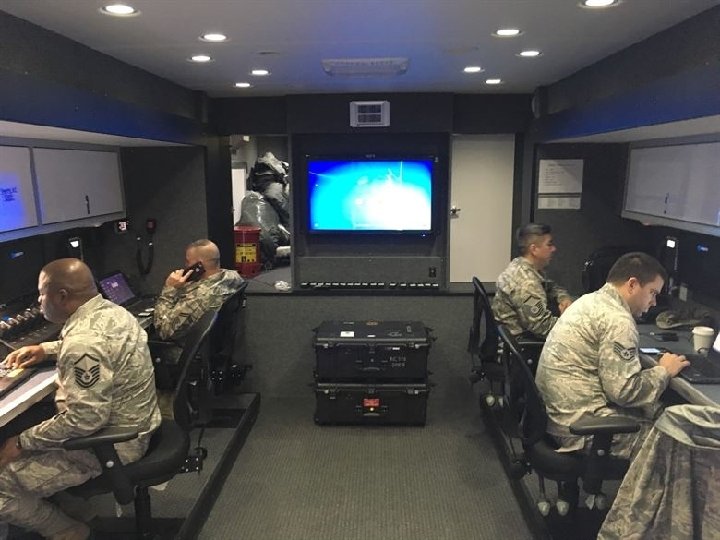
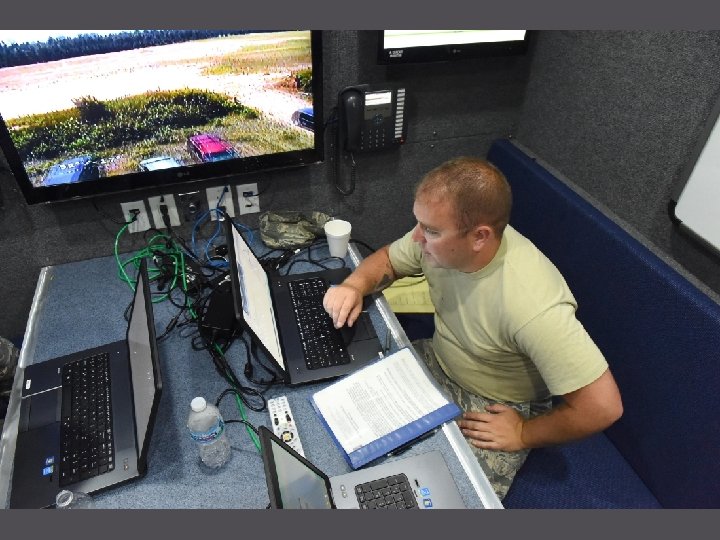
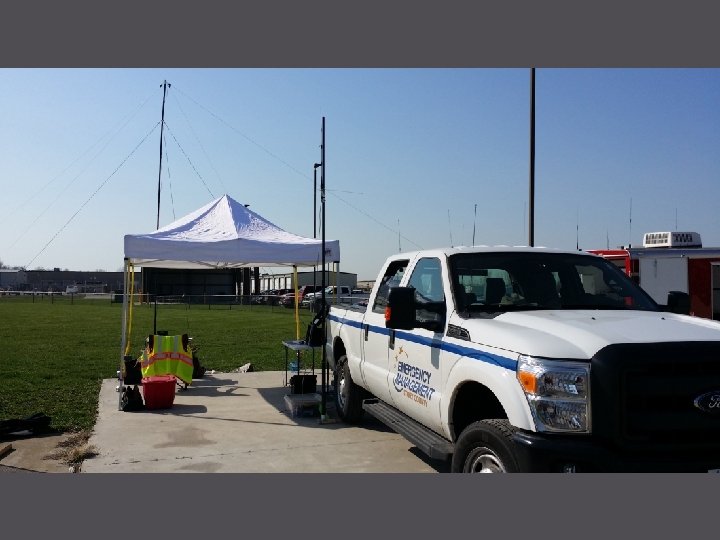
COMMEX #4 October 16, 2015 � � � Camp Dodge, Johnston Federal, State, and Local Agencies Polk and Story ARES
COMMEX #4 Objectives � � � Gain practice for all participating agencies on using their organic equipment to operate on NIFOG interoperability networks Gain opportunities for agencies to install, operate and maintain cross-banding solutions and mobile repeaters Experiment with the use of aerial repeaters, HF radio assets, and mobile data for common operating picture and video downlinks
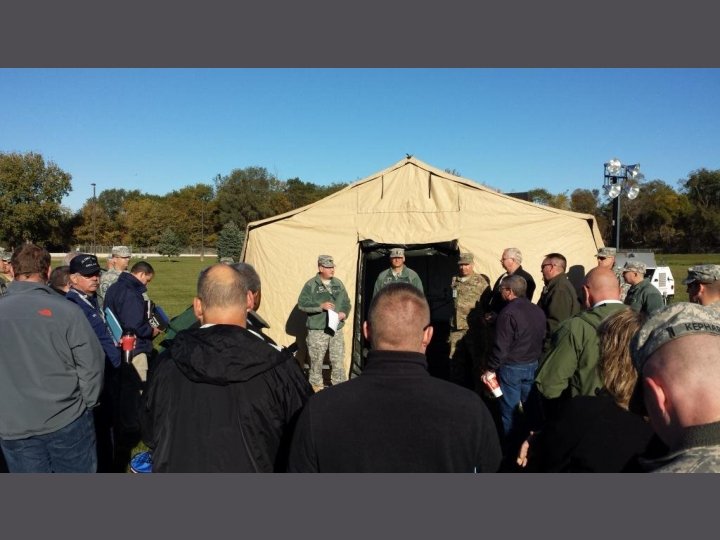
COMMEX #5 April 1, 2016 � � Polk, Story, and Warren ARES Multiple separated ICPs, mixed teams COML trainee opportunities Story ARES conducted a communications test with Nevada EOC to pass data, repeater checks
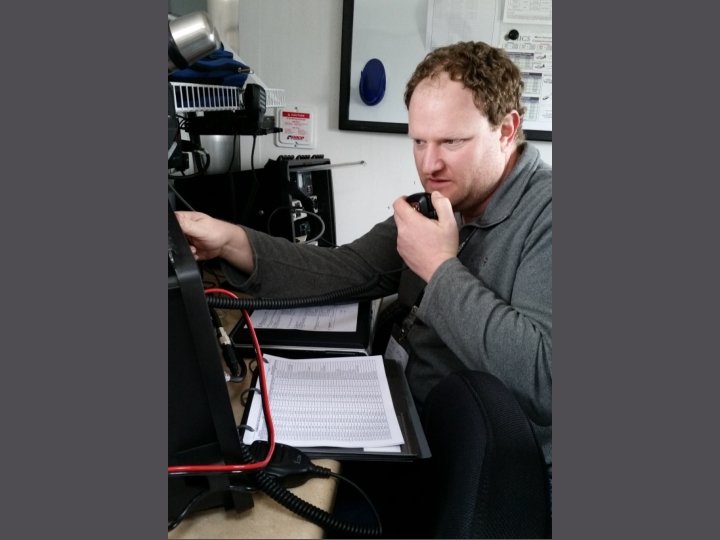
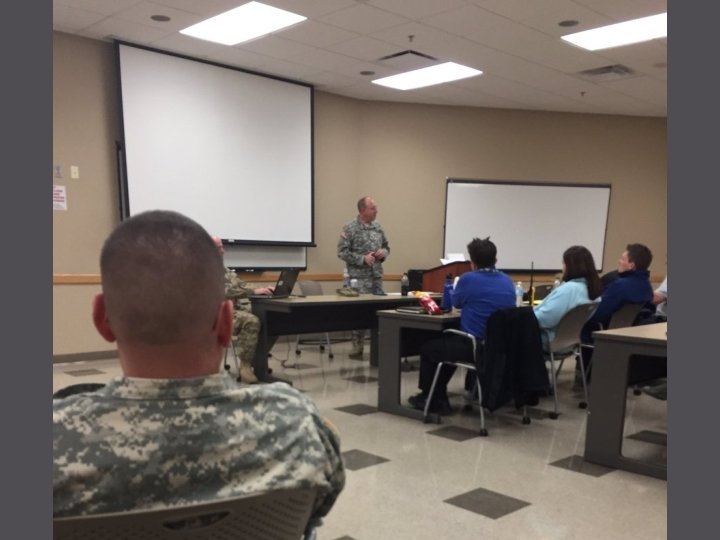
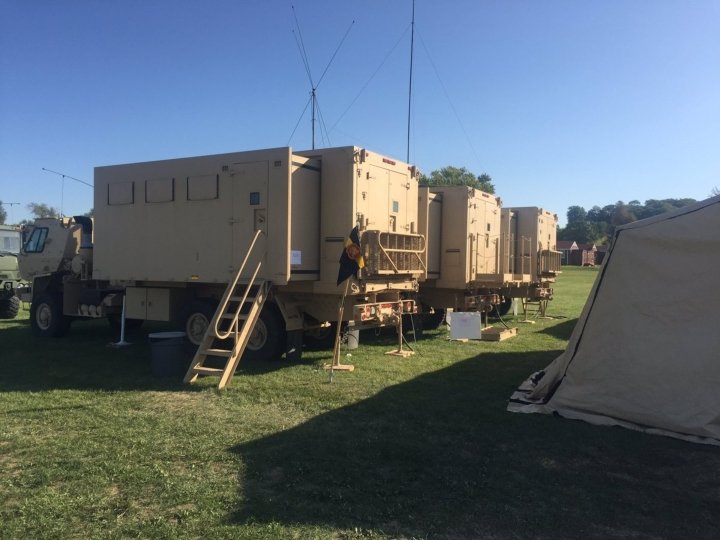
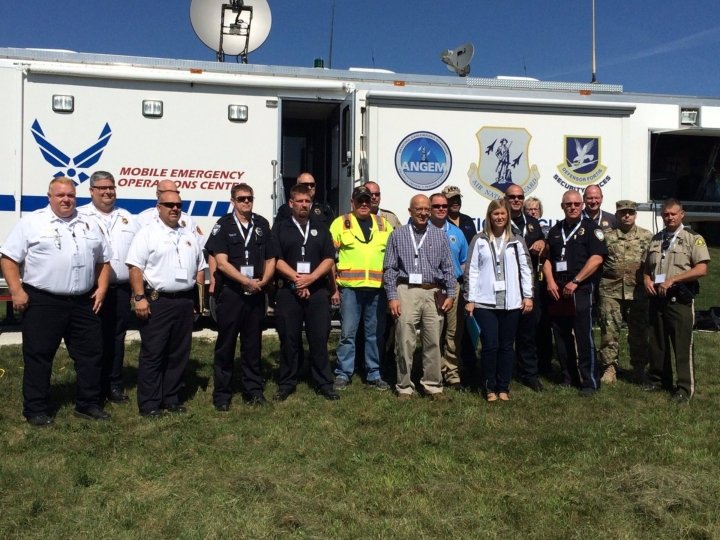
COMMEX #6 September 7 & 8, 2017 � � Polk and Story ARES Multiple separated ICPs, mixed teams Training range, 2 full days 60 meters interoperability testing with IA and MO National Guard, MARS
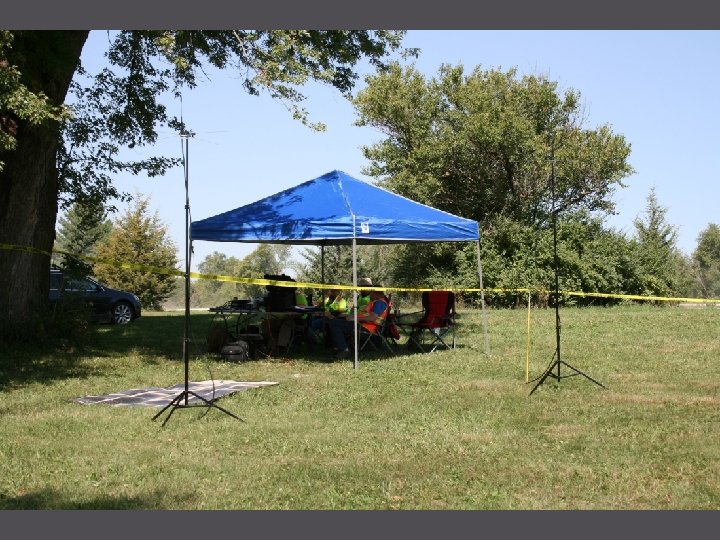
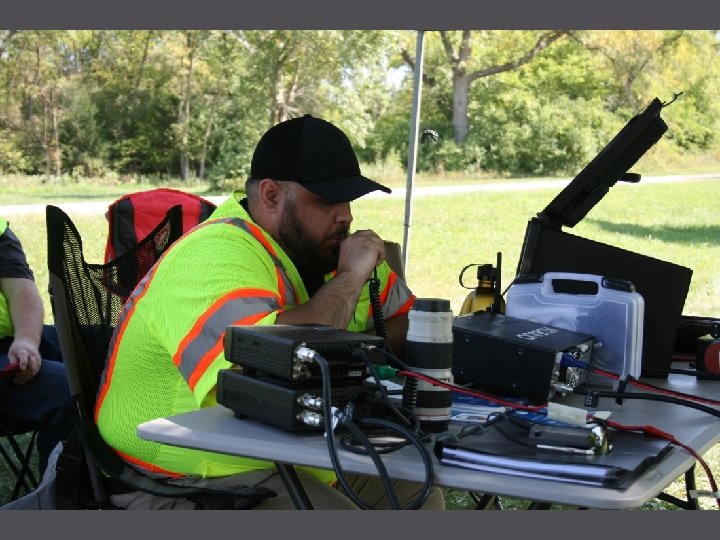
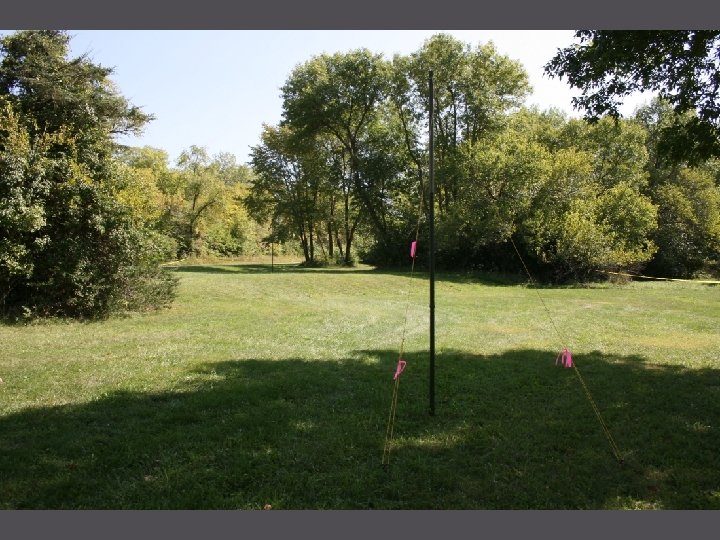
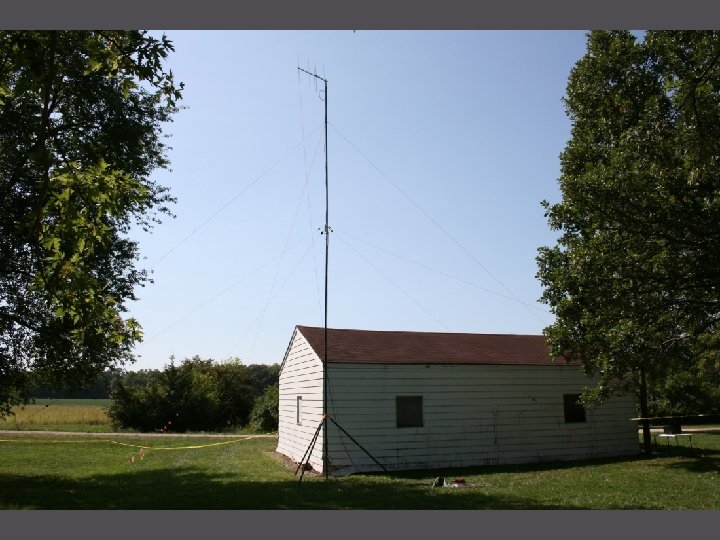
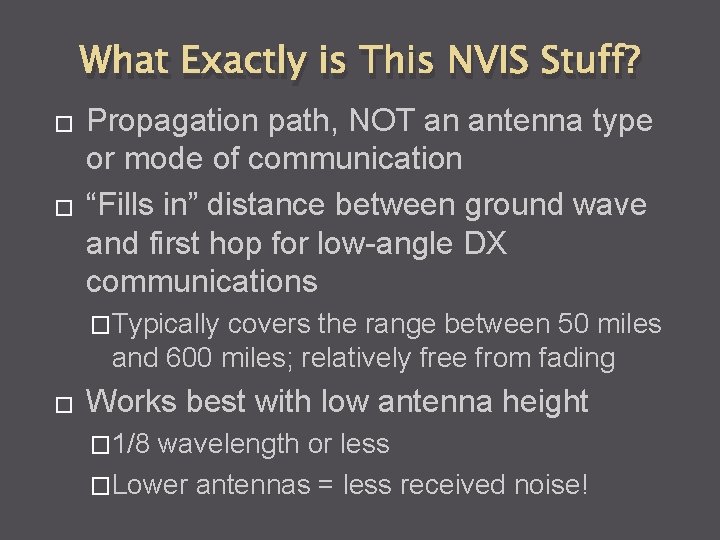
What Exactly is This NVIS Stuff? � � Propagation path, NOT an antenna type or mode of communication “Fills in” distance between ground wave and first hop for low-angle DX communications �Typically covers the range between 50 miles and 600 miles; relatively free from fading � Works best with low antenna height � 1/8 wavelength or less �Lower antennas = less received noise!
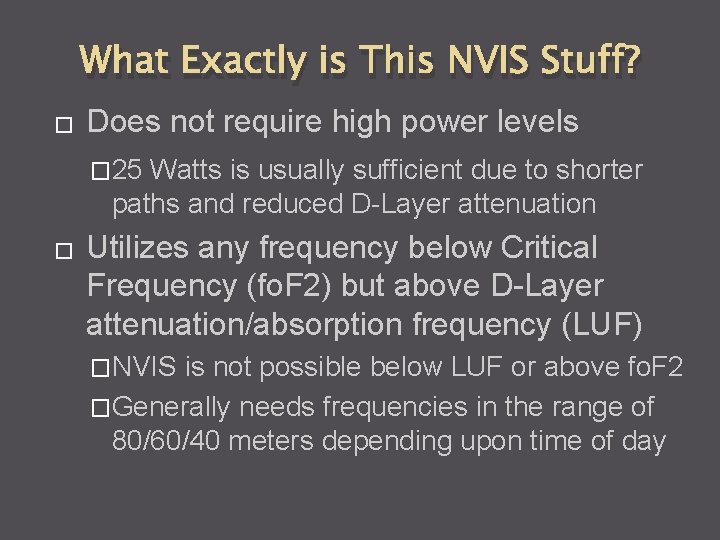
What Exactly is This NVIS Stuff? � Does not require high power levels � 25 Watts is usually sufficient due to shorter paths and reduced D-Layer attenuation � Utilizes any frequency below Critical Frequency (fo. F 2) but above D-Layer attenuation/absorption frequency (LUF) �NVIS is not possible below LUF or above fo. F 2 �Generally needs frequencies in the range of 80/60/40 meters depending upon time of day
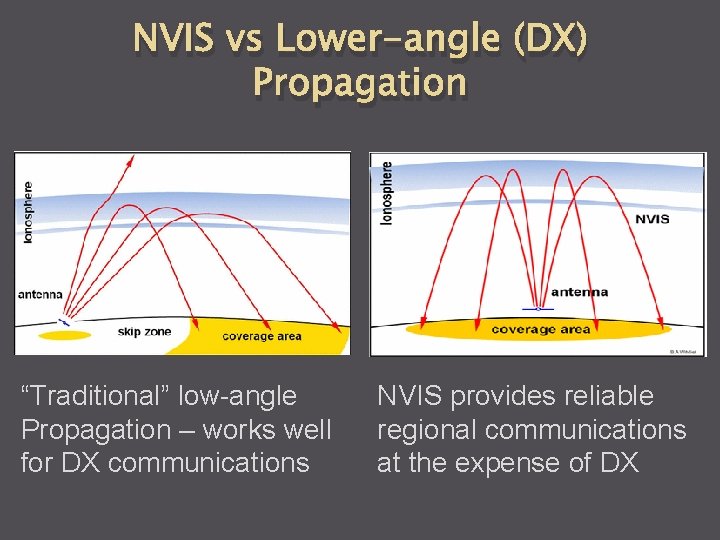
NVIS vs Lower-angle (DX) Propagation “Traditional” low-angle Propagation – works well for DX communications NVIS provides reliable regional communications at the expense of DX
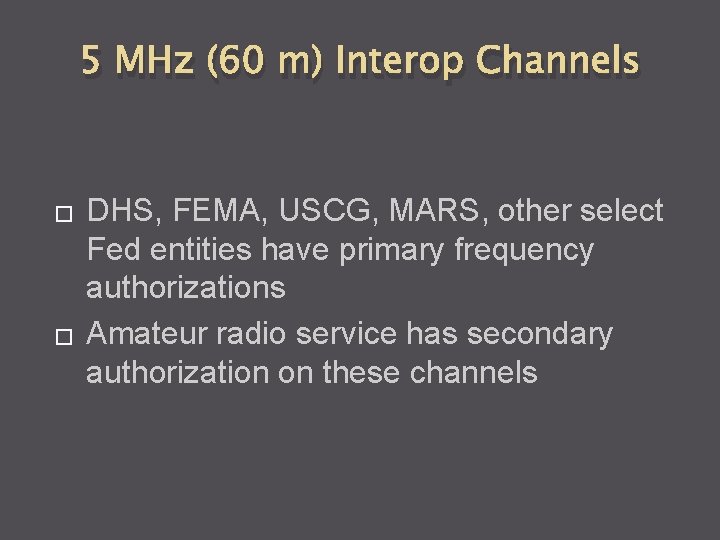
5 MHz (60 m) Interop Channels � � DHS, FEMA, USCG, MARS, other select Fed entities have primary frequency authorizations Amateur radio service has secondary authorization on these channels
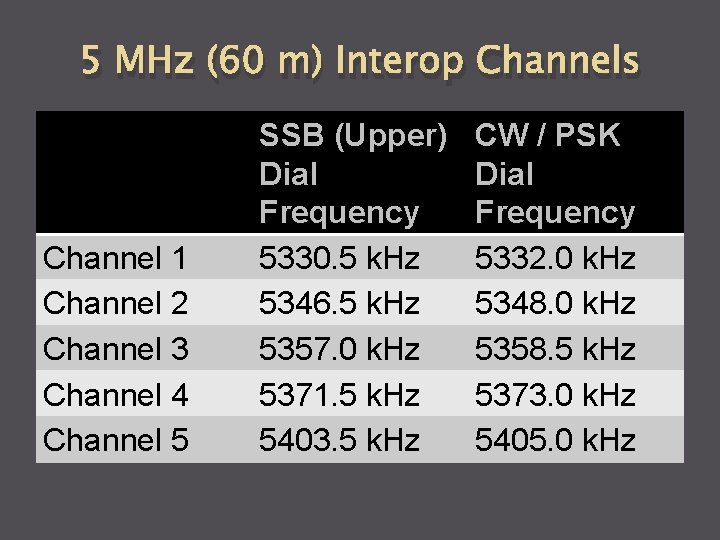
5 MHz (60 m) Interop Channels Channel 1 Channel 2 Channel 3 Channel 4 Channel 5 SSB (Upper) Dial Frequency 5330. 5 k. Hz 5346. 5 k. Hz 5357. 0 k. Hz 5371. 5 k. Hz 5403. 5 k. Hz CW / PSK Dial Frequency 5332. 0 k. Hz 5348. 0 k. Hz 5358. 5 k. Hz 5373. 0 k. Hz 5405. 0 k. Hz
5 MHz (60 m) Interop Channels � � Government stations use their government issued call sign Amateurs use their FCC call sign Amateur stations authorized 100 w Government stations authorized 3 Kw
New Developments This Week � MS-DMT �MIL-STD � Data Modem Terminal MIL-STD-188 -110 A �PSK, serial data mode �Serial tone waveforms use 1200 (S 4529) or 2400 baud symbol rates �NOT compatible with amateur 300 baud limit below 28 MHz (60 m excluded) � STA (Special Temporary Authority) �Signal Rate Waiver
Digital vs. Data � Digital modes could mean voice or data �DSTAR, DMR, Fusion, P 25 �PSK, RTTY, FT 8, Packet, APRS � Using “data modes” clears up any confusion
Equipment for Data Messaging � Radio to receive and transmit � Just about any radio will due for testing and practice � Watch duty cycles and battery life � Data jacks to allow easier interfacing � Interface from radio to computer � TNC � Signa. Link USB � Rigblaster � Homebrew interface � Keying circuit or VOX � Acoustical coupling
Equipment for Data Messaging � Computer to decode and display messages � PC or laptop � Linux or Android single board computer � Tablet or phone � Software to compose and decode messages � Printer � Scanner
ARES Software Standards? � There are NO national or Iowa data messaging and software standards � Local ARES groups can decide which modes, bands, or software fits their needs � Some groups have chosen: � Winlink � NBEMS � Packet � Most groups have � No official system � Don’t offer data messaging
Western Pennsylvania ARES � � Using Narrow Band Emergency Messaging System (NBEMS) extensively Published standards online Great template to design our own local standards for data messaging Included standards � Modes � File verification � Transmission of binary files � Formal VHF/UHF and HF net � procedures wpaares. org/html/nbems. html
Narrow Band Emergency Messaging System � Consists of multiple programs: � Fldigi – Fast Light Digital modem application � Flwrap – embed a checksum in a file � Flmsg – easily send ICS forms and Radiograms � Flarq – automatic repeat requests (ARQ) � � Can download from www. w 1 hkj. com Runs on Windows (XP or newer), Linux, Mac � Android � using And. Flmsg app Open Source, released under GNU Public License, it is completely FREE
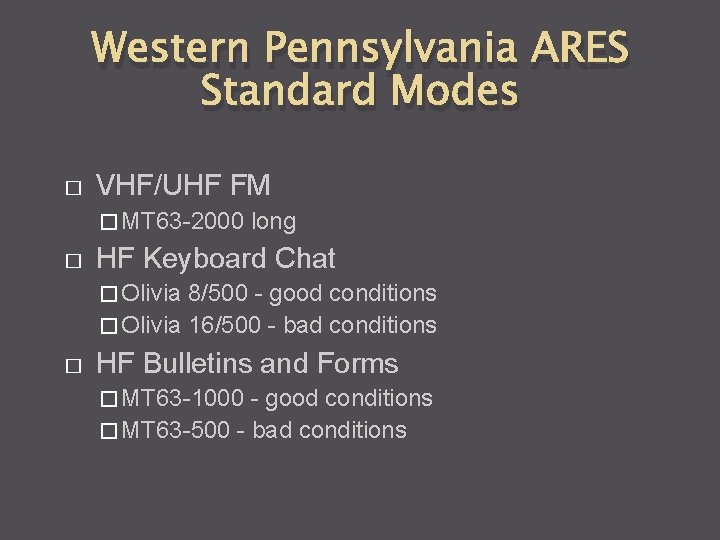
Western Pennsylvania ARES Standard Modes � VHF/UHF FM � MT 63 -2000 � long HF Keyboard Chat � Olivia 8/500 - good conditions � Olivia 16/500 - bad conditions � HF Bulletins and Forms � MT 63 -1000 - good conditions � MT 63 -500 - bad conditions
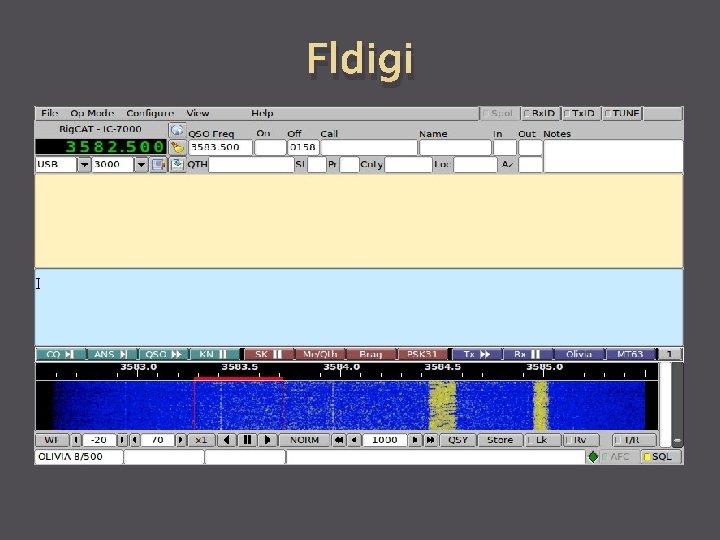
Fldigi
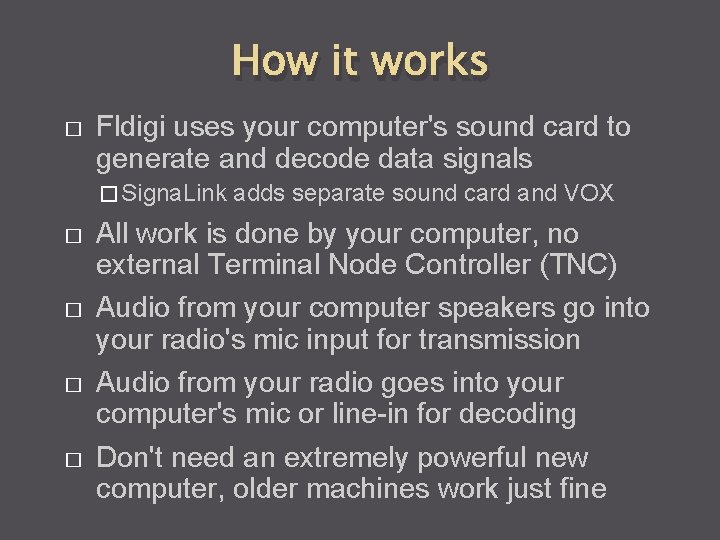
How it works � Fldigi uses your computer's sound card to generate and decode data signals � Signa. Link � � adds separate sound card and VOX All work is done by your computer, no external Terminal Node Controller (TNC) Audio from your computer speakers go into your radio's mic input for transmission Audio from your radio goes into your computer's mic or line-in for decoding Don't need an extremely powerful new computer, older machines work just fine
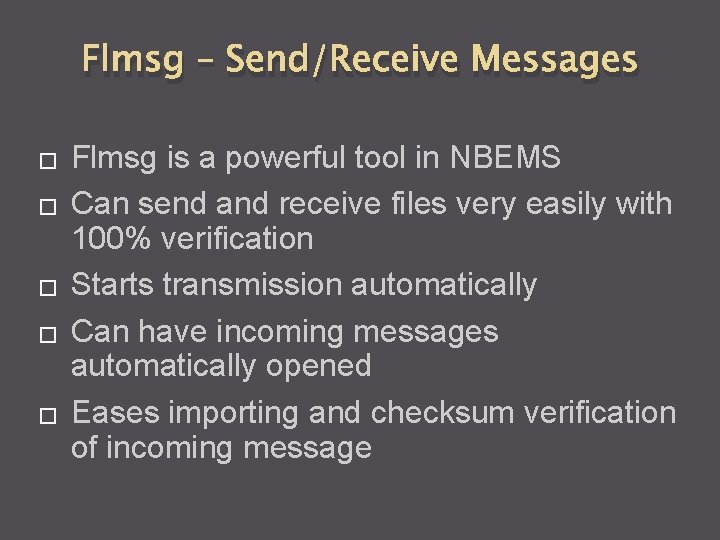
Flmsg – Send/Receive Messages � � � Flmsg is a powerful tool in NBEMS Can send and receive files very easily with 100% verification Starts transmission automatically Can have incoming messages automatically opened Eases importing and checksum verification of incoming message
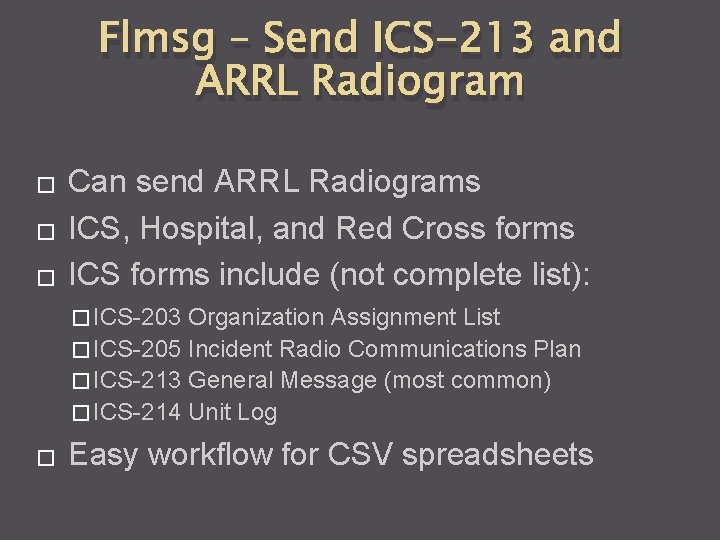
Flmsg – Send ICS-213 and ARRL Radiogram � � � Can send ARRL Radiograms ICS, Hospital, and Red Cross forms ICS forms include (not complete list): � ICS-203 Organization Assignment List � ICS-205 Incident Radio Communications Plan � ICS-213 General Message (most common) � ICS-214 Unit Log � Easy workflow for CSV spreadsheets
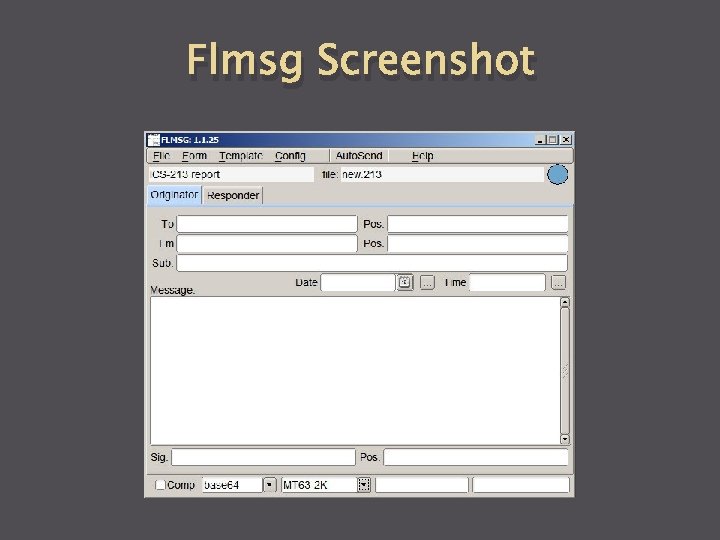
Flmsg Screenshot
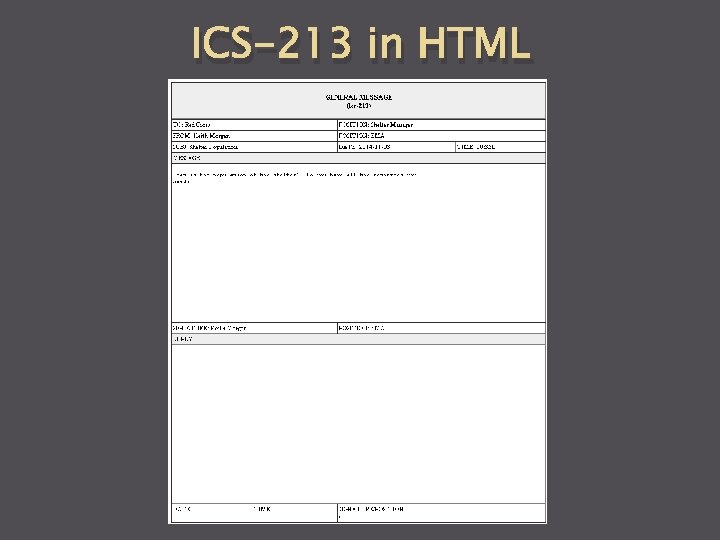
ICS-213 in HTML
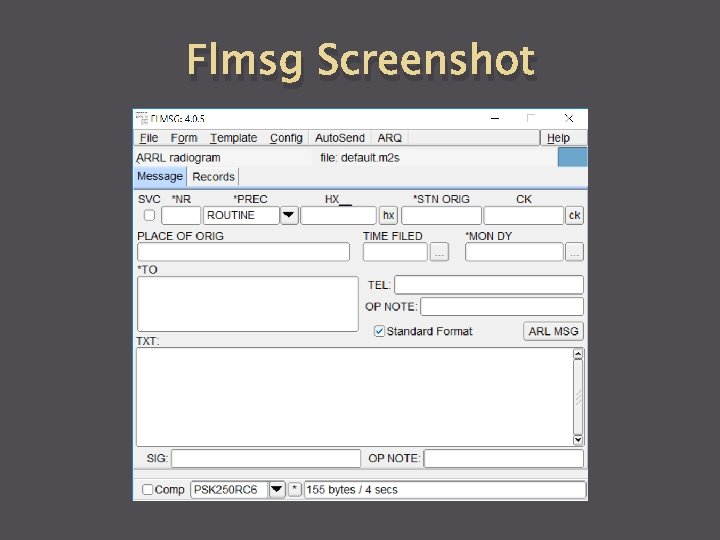
Flmsg Screenshot
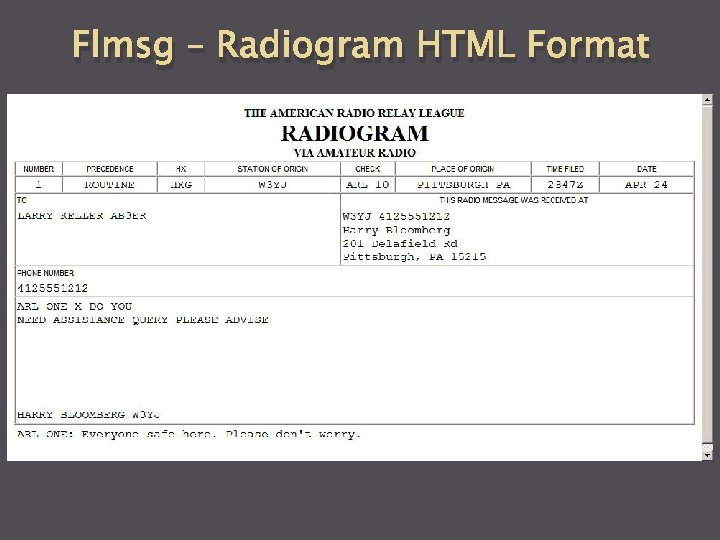
Flmsg – Radiogram HTML Format
Flmsg Custom Templates � Say you need a standard report for. . . � Hospital bed count � Shelter info � Resource request � Situation report (sitrep) � Flmsg supports custom templates � Distribute before event, or even over the air � Import template into Flmsg, fill it out and transmit � Windows: � User > NBEMS files > CUSTOM Use Template menu to save and load
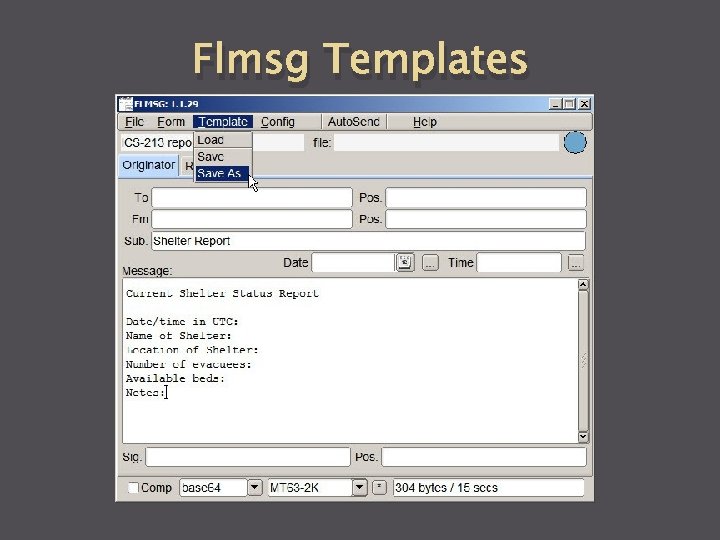
Flmsg Templates
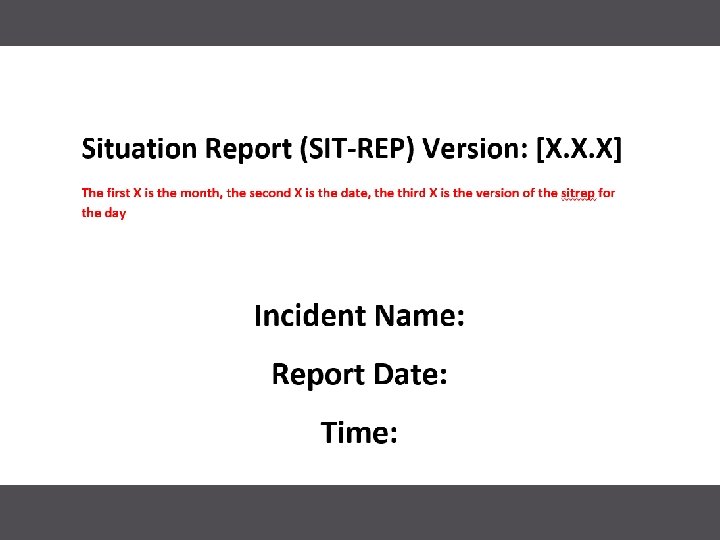
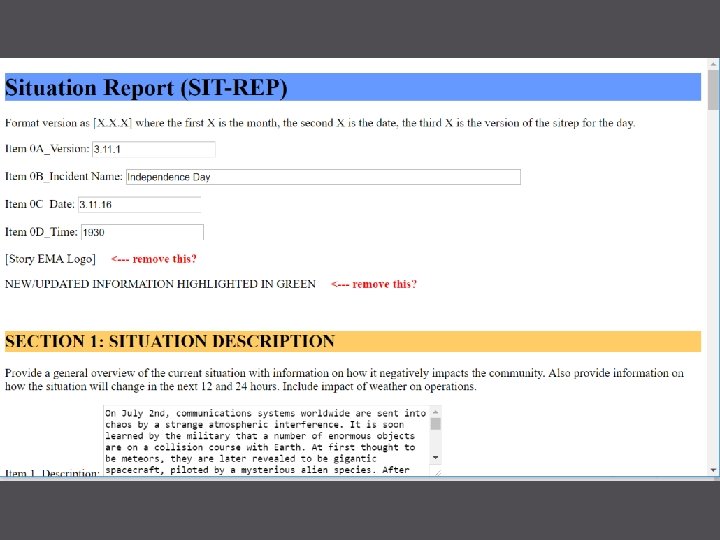
Story EMA Sitrep Template � Started with standard Situation Report format from Story County EMA � KCØEDE converted to an HTML document � Without formatting, text file is much smaller � Smaller means faster � Distribute before event or disaster � Possible � to send over air if necessary http: //storyares. org/downloads � Story County EMA SITREP for NBEMS – DRAFT
Data Guidelines for NBEMS � Send only text files, no binary files � Do not send Word Documents, save as text � Excel spreadsheets must be exported as CSV � Do not send images � Limit file size to avoid repeater timeouts � CRITICAL: Meet with Served Agency beforehand to set expectations � Encourage Served Agency to give us data electronically � Remember, we have limited bandwidth
Resources � W 1 HJK (author of Fldigi) http: //www. w 1 hkj. com/ � QST Articles � April 2008 � August 2009 � September 2013 � ARRL NBEMS page http: //www. arrl. org/nbems
Final Thoughts on Data � Learn HF modes (especially Winlink) if you have national deployment aspirations � Building our response capabilities around NBEMS on VHF/UHF � We plan to develop and publish standards and Quick Start Guides for Setup and Use � Use WPA ARES standards for now � Until standards are defined, experiment until you find what works � Data modes with no automatic error correction should only be used when clean and interference-free signals can be guaranteed
- Slides: 62