
Open Science What Why and How Carol Tenopir


- Slides: 28
Open Science: What, Why, and How? Carol Tenopir University of Tennessee and Hanken School of Economics ctenopir@utk. edu
WHAT is Open Science? “Open science is the movement to make scientific research, data and dissemination accessible to all levels of an inquiring society. ” FOSTER: Facilitate Open Science Training for European Research https: //www. fosteropenscience. eu/
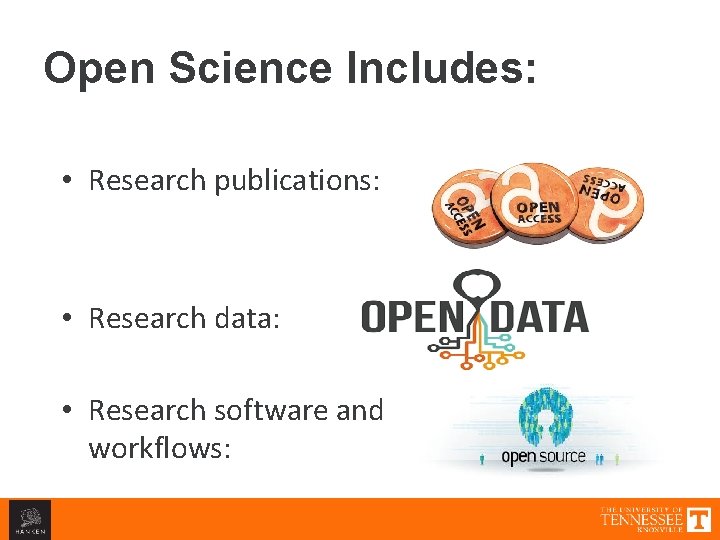
Open Science Includes: • Research publications: • Research data: • Research software and workflows:
Open Science is… “…the practice of science in such a way that others can collaborate and contribute, where research data, lab notes and other research processes are freely available, under terms that enable reuse, redistribution and reproduction of the research and its underlying data and methods. ” https: //www. fosteropenscience. eu/
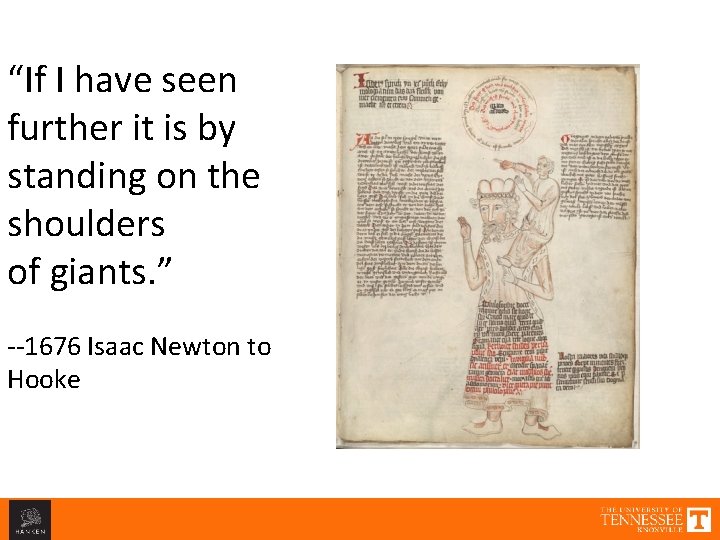
“If I have seen further it is by standing on the shoulders of giants. ” --1676 Isaac Newton to Hooke
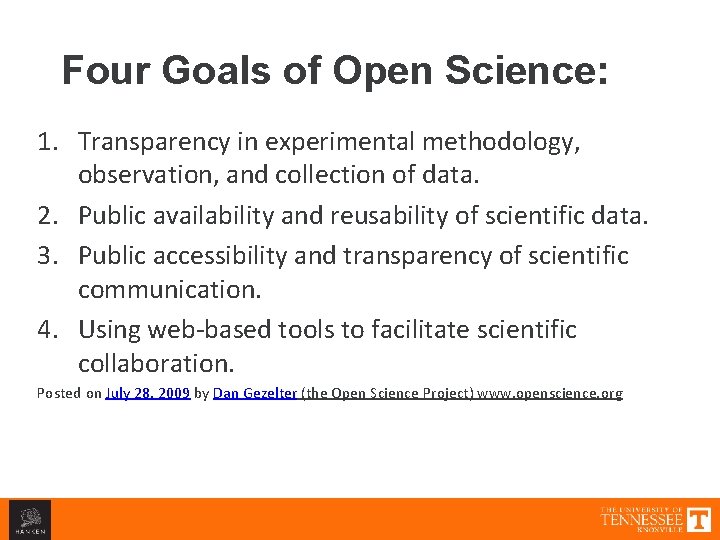
Four Goals of Open Science: 1. Transparency in experimental methodology, observation, and collection of data. 2. Public availability and reusability of scientific data. 3. Public accessibility and transparency of scientific communication. 4. Using web-based tools to facilitate scientific collaboration. Posted on July 28, 2009 by Dan Gezelter (the Open Science Project) www. openscience. org
WHY: How Open Access Helps Op. Cit: The Open Citation Project Reference Linking and Citation Analysis for Open Archives The effect of open access and downloads ('hits') on citation impact: a bibliography of studies (2004 -2013)
WHY: How Open Access Helps “Research articles that have been made Open Access are cited more often than those that have not. ” “Analysis of 31 studies by Swan…showed that 27 had some OA citation advantage, ranging from 35% to 600%. ” http: //eprints. ecs. soton. ac. uk/18516/ https: //www. fosteropenscience. eu/sites/default/files/pdf/2140. pdf
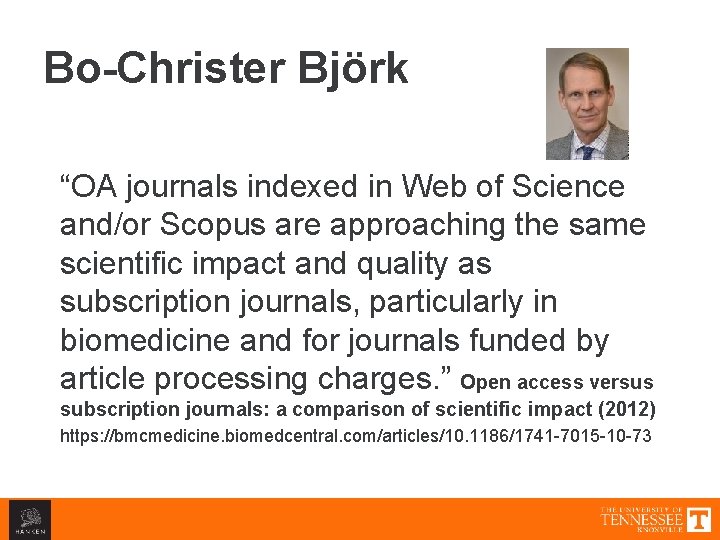
Bo-Christer Björk “OA journals indexed in Web of Science and/or Scopus are approaching the same scientific impact and quality as subscription journals, particularly in biomedicine and for journals funded by article processing charges. ” Open access versus subscription journals: a comparison of scientific impact (2012) https: //bmcmedicine. biomedcentral. com/articles/10. 1186/1741 -7015 -10 -73
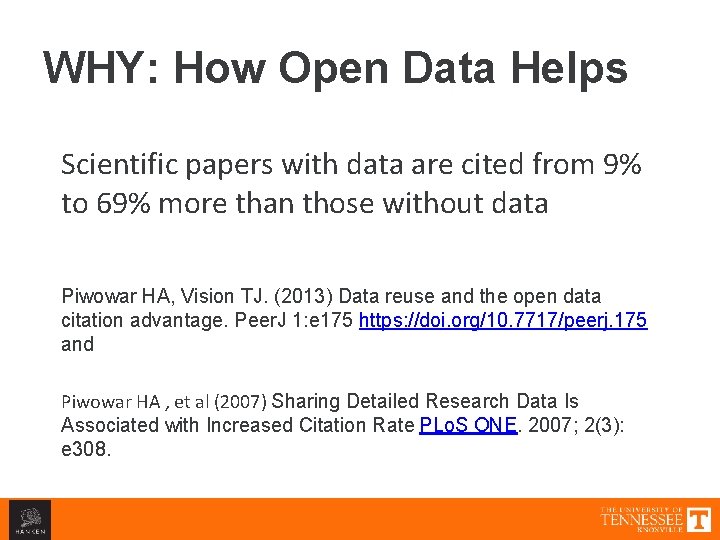
WHY: How Open Data Helps Scientific papers with data are cited from 9% to 69% more than those without data Piwowar HA, Vision TJ. (2013) Data reuse and the open data citation advantage. Peer. J 1: e 175 https: //doi. org/10. 7717/peerj. 175 and Piwowar HA , et al (2007) Sharing Detailed Research Data Is Associated with Increased Citation Rate PLo. S ONE. 2007; 2(3): e 308.
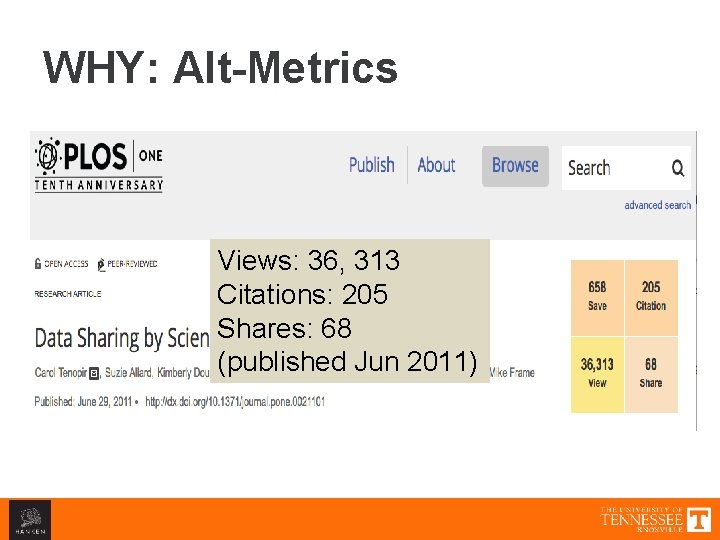
WHY: Alt-Metrics Views: 36, 313 Citations: 205 Shares: 68 (published Jun 2011)
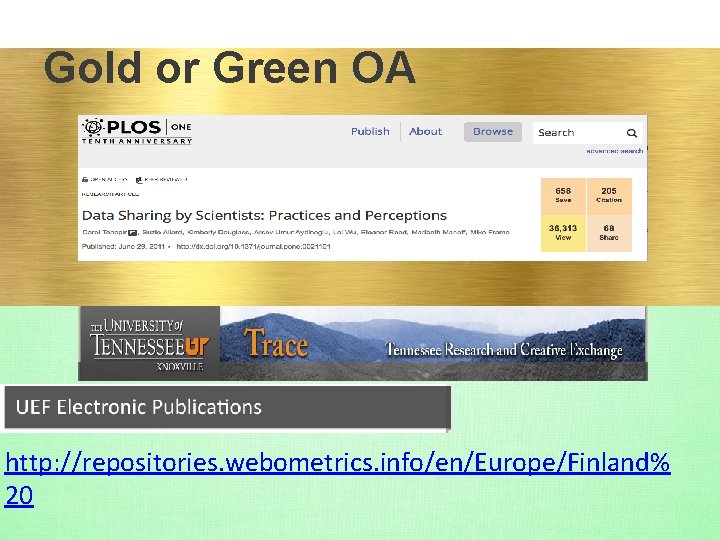
Gold or Green OA http: //repositories. webometrics. info/en/Europe/Finland% 20
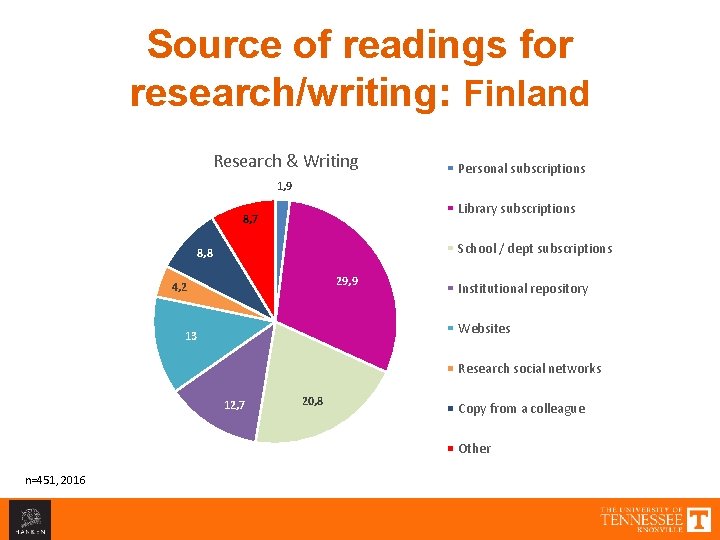
Source of readings for research/writing: Finland Research & Writing Personal subscriptions 1, 9 Library subscriptions 8, 7 School / dept subscriptions 8, 8 29, 9 4, 2 Institutional repository Websites 13 Research social networks 12, 7 20, 8 Copy from a colleague Other n=451, 2016
Open Science in Finland http: //openscience. fi/ Open science and research roadmap 2014– 2017 http: //openscience. fi/documents/14273/0/Op en+Science+and+Research+Roadmap+20142017/e 8 eb 7704 -8 ea 7 -48 bb-92 e 6 c 6 c 954 d 4 a 2 f 2
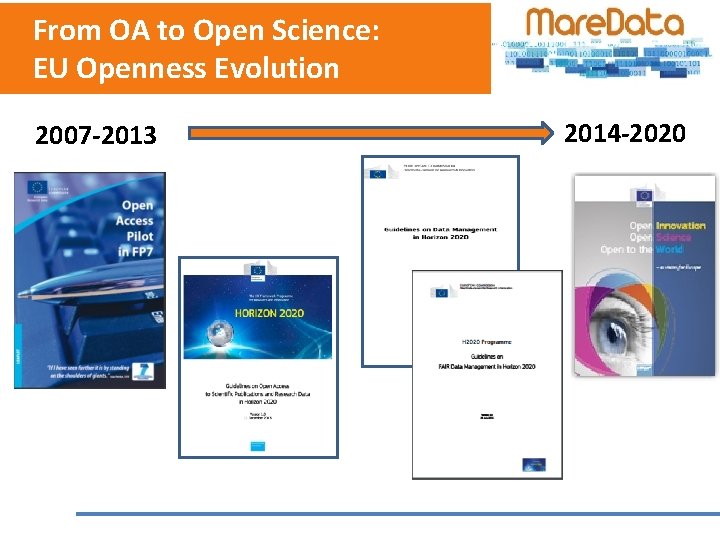
From OA to Open Science: EU Openness Evolution 2007 -2013 2014 -2020
Why: Wider Impact “…open research is associated with increases in citations, media attention, potential collaborators, job opportunities and funding opportunities. ” How open science helps researchers succeed. Mc. Kiernan et al. e. Life 2016; 5: e 16800. DOI: 10. 7554/e. Life. 16800.
Why Not: Open Data. ONE mission: Enable new science and knowledge creation through universal access to data about life on earth and the environment that sustains it. (dataone. org) Usability & Assessment Working Group: Assess the needs and motivations of stakeholders. 2011 and 2015 scientist survey results in PLOS ONE; 2017 survey out now
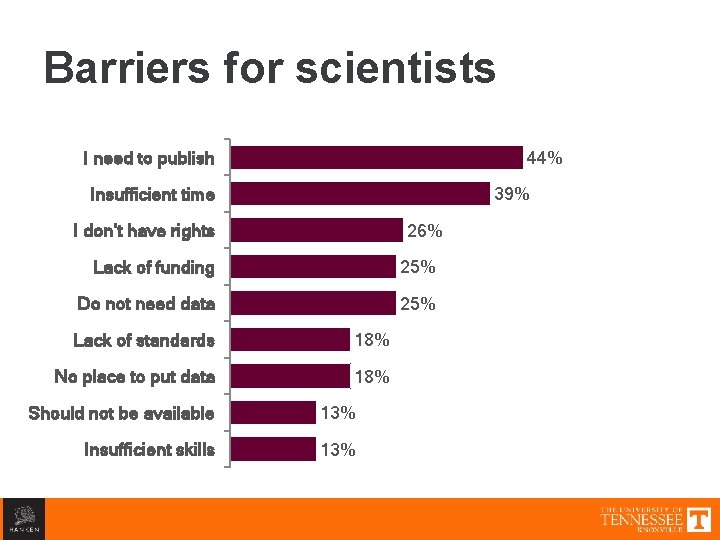
Barriers for scientists I need to publish 44% Insufficient time 39% I don’t have rights 26% Lack of funding 25% Do not need data 25% Lack of standards 18% No place to put data 18% Should not be available 13% Insufficient skills 13%
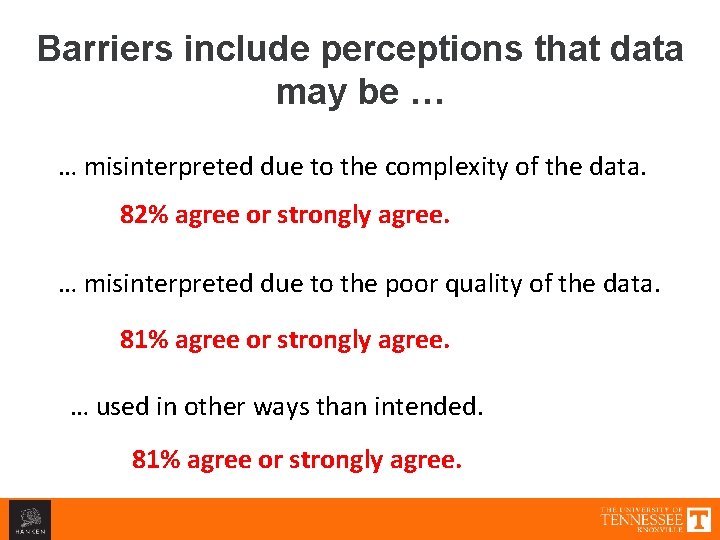
Barriers include perceptions that data may be … … misinterpreted due to the complexity of the data. 82% agree or strongly agree. … misinterpreted due to the poor quality of the data. 81% agree or strongly agree. … used in other ways than intended. 81% agree or strongly agree.
However, lack of access to data generated by other researchers or institutions … … is a major impediment to progress in science 75% agree or strongly agree. … has restricted my ability to answer scientific questions 53% agree or strongly agree.
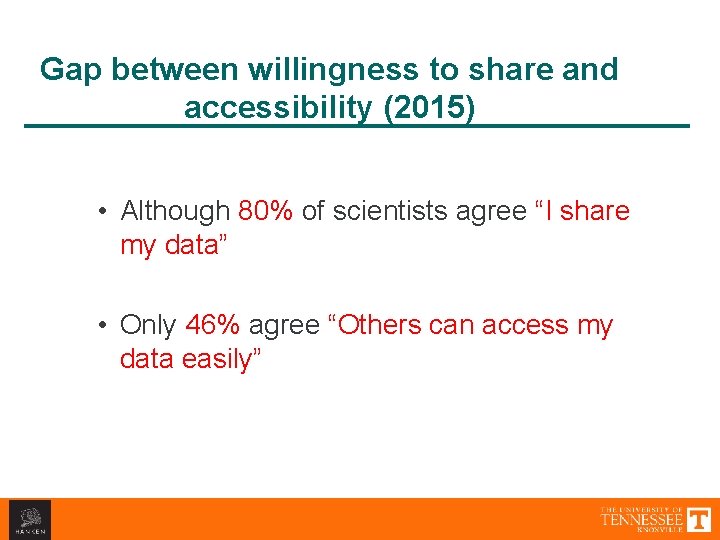
Gap between willingness to share and accessibility (2015) • Although 80% of scientists agree “I share my data” • Only 46% agree “Others can access my data easily”
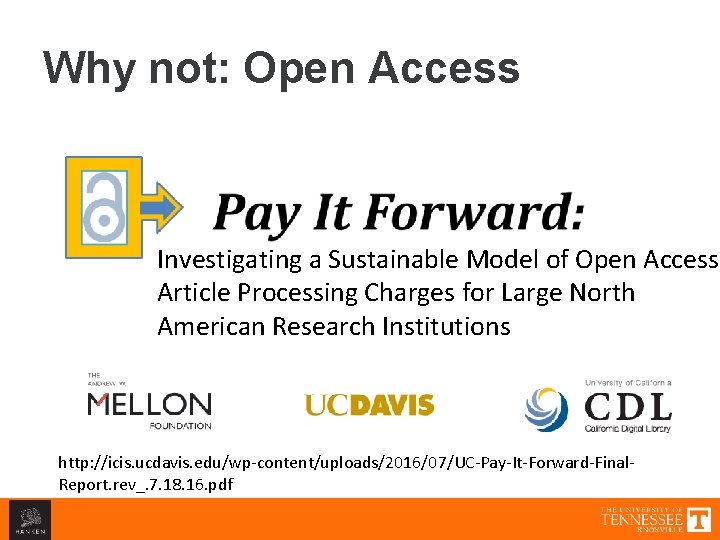
Why not: Open Access Investigating a Sustainable Model of Open Access Article Processing Charges for Large North American Research Institutions http: //icis. ucdavis. edu/wp-content/uploads/2016/07/UC-Pay-It-Forward-Final. Report. rev_. 7. 18. 16. pdf
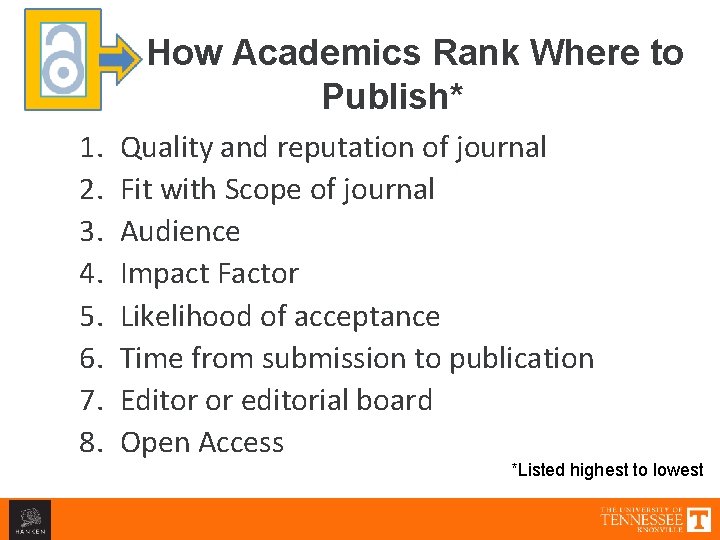
How Academics Rank Where to Publish* 1. 2. 3. 4. 5. 6. 7. 8. Quality and reputation of journal Fit with Scope of journal Audience Impact Factor Likelihood of acceptance Time from submission to publication Editor or editorial board Open Access *Listed highest to lowest
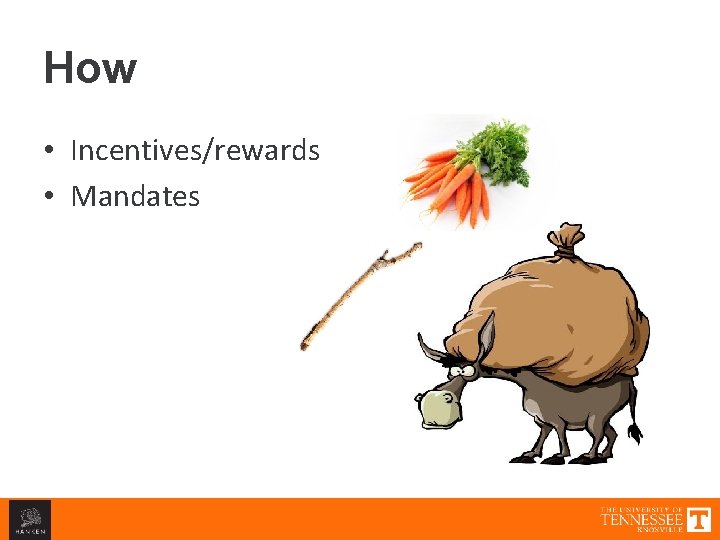
How • Incentives/rewards • Mandates
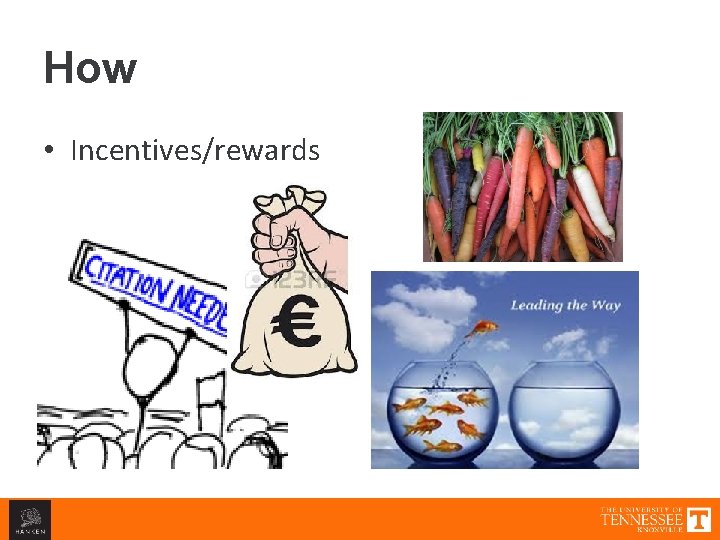
How • Incentives/rewards
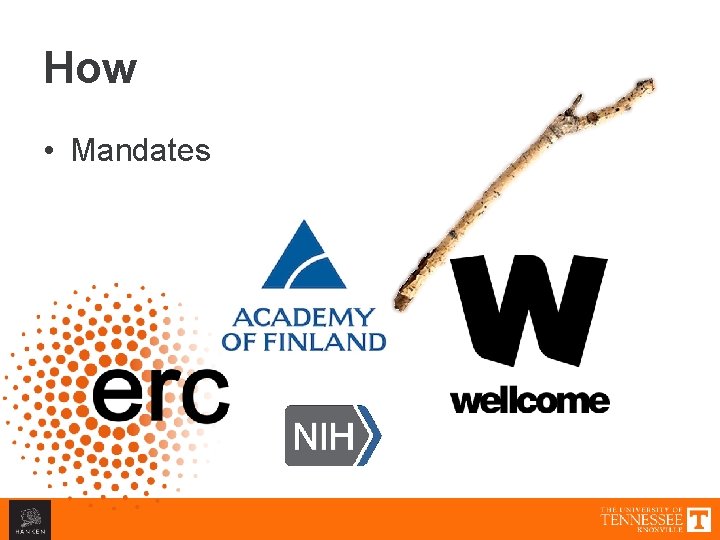
How • Mandates
How
Thank you! ctenopir@utk. edu