
Open GL ecosystem support in Unity Christophe Riccio


- Slides: 53
Open. GL ecosystem support in Unity Christophe Riccio, Open. GL Maniac
Democratizing games development and success
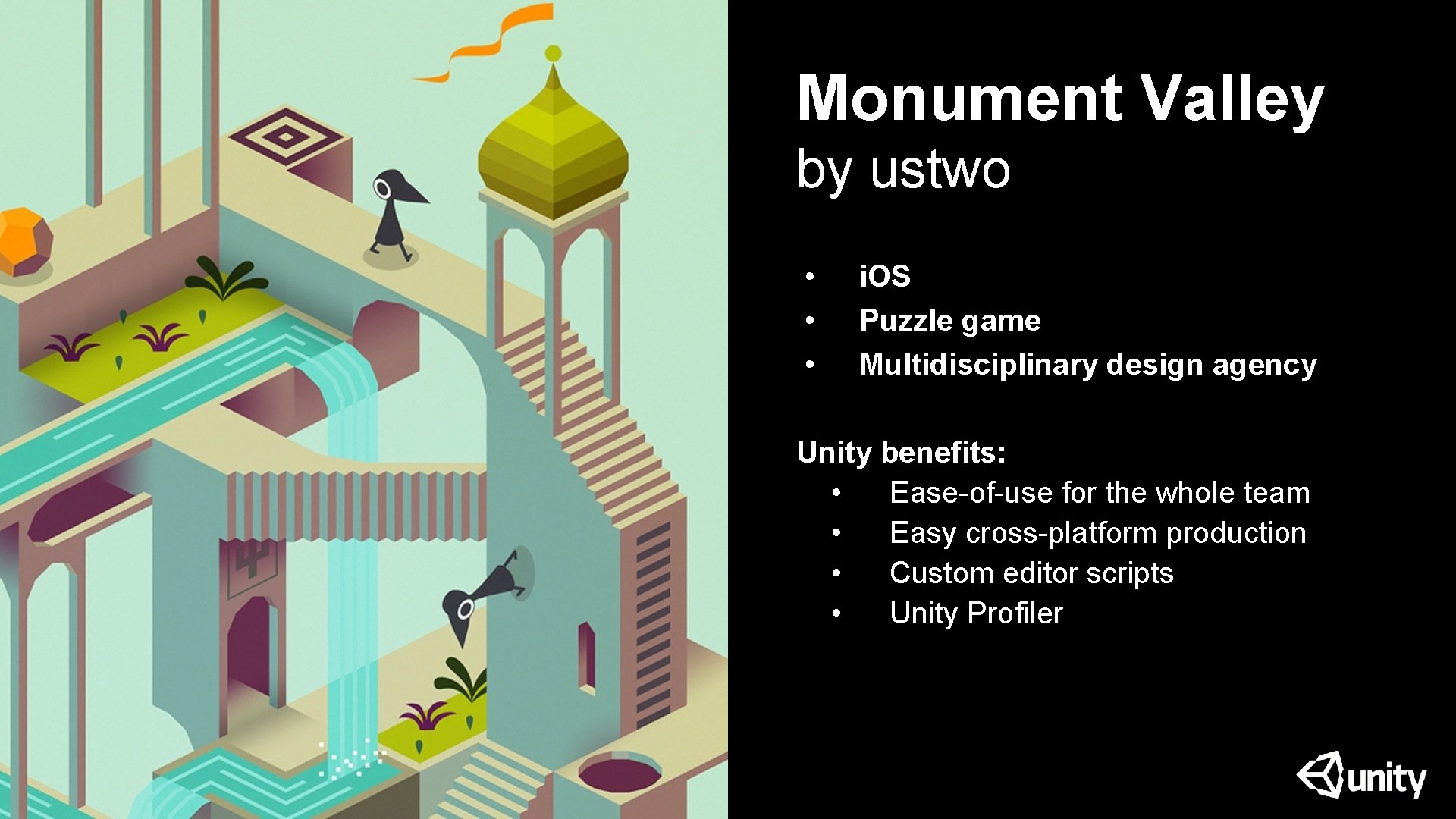
Monument Valley by ustwo • • • i. OS Puzzle game Multidisciplinary design agency Unity benefits: • Ease-of-use for the whole team • Easy cross-platform production • Custom editor scripts • Unity Profiler
Video
Why Open. GL?
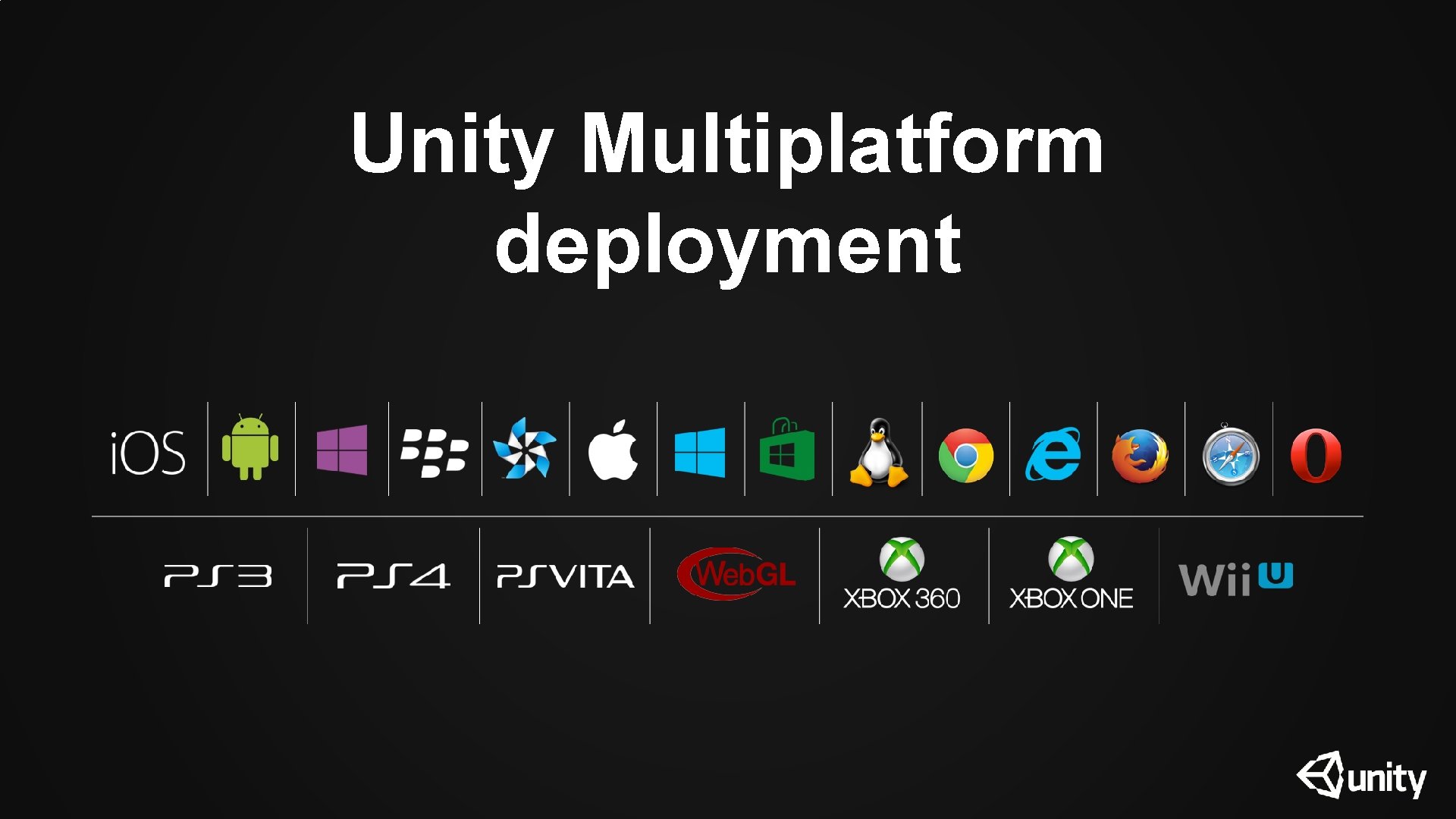
Unity Multiplatform deployment
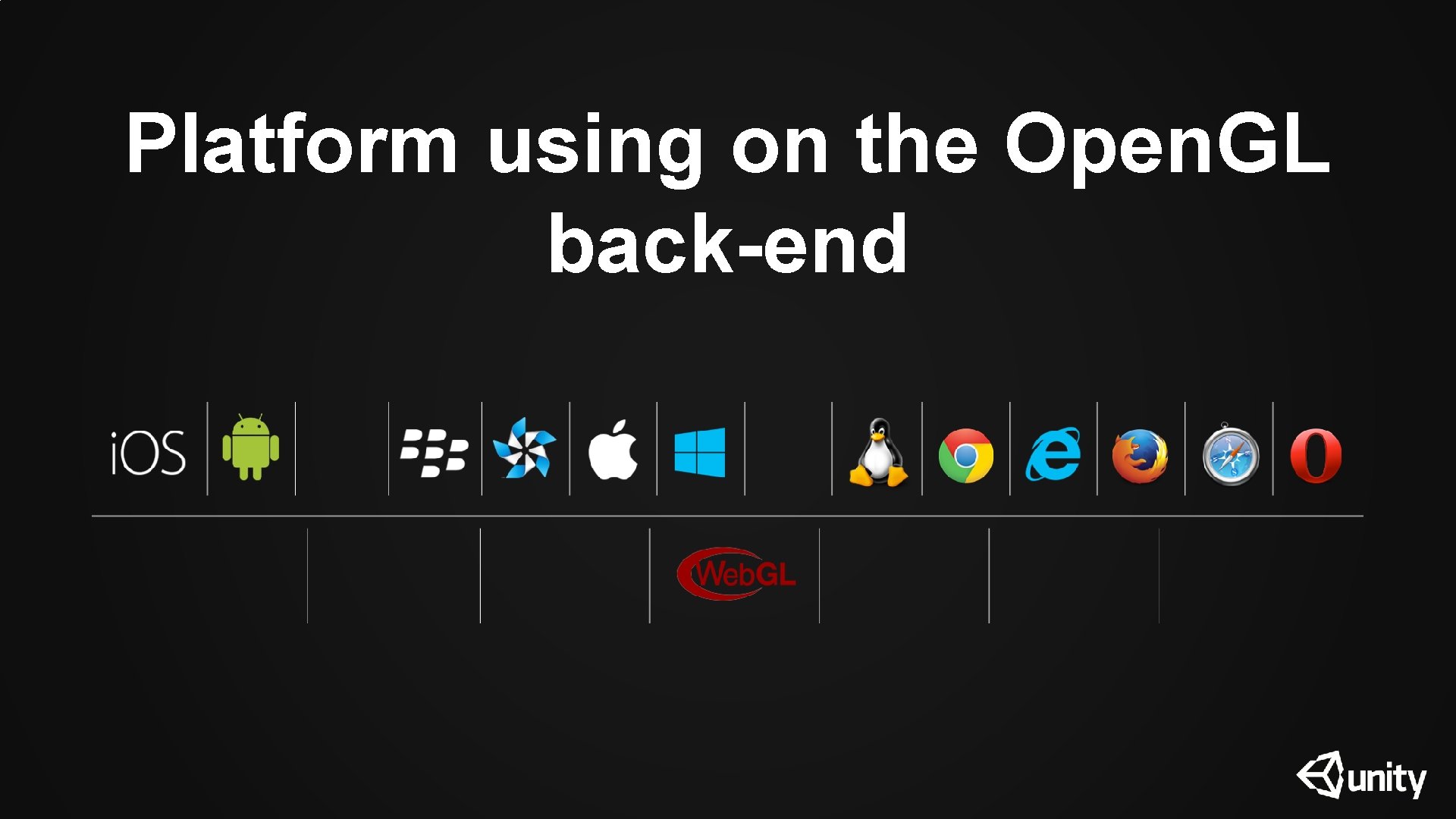
Platform using on the Open. GL back-end
Open. GL is an ecosystem • • • Web. GL Open. GL ES Open. GL desktop
State of desktop Open. GL? stats. unity 3 d. com
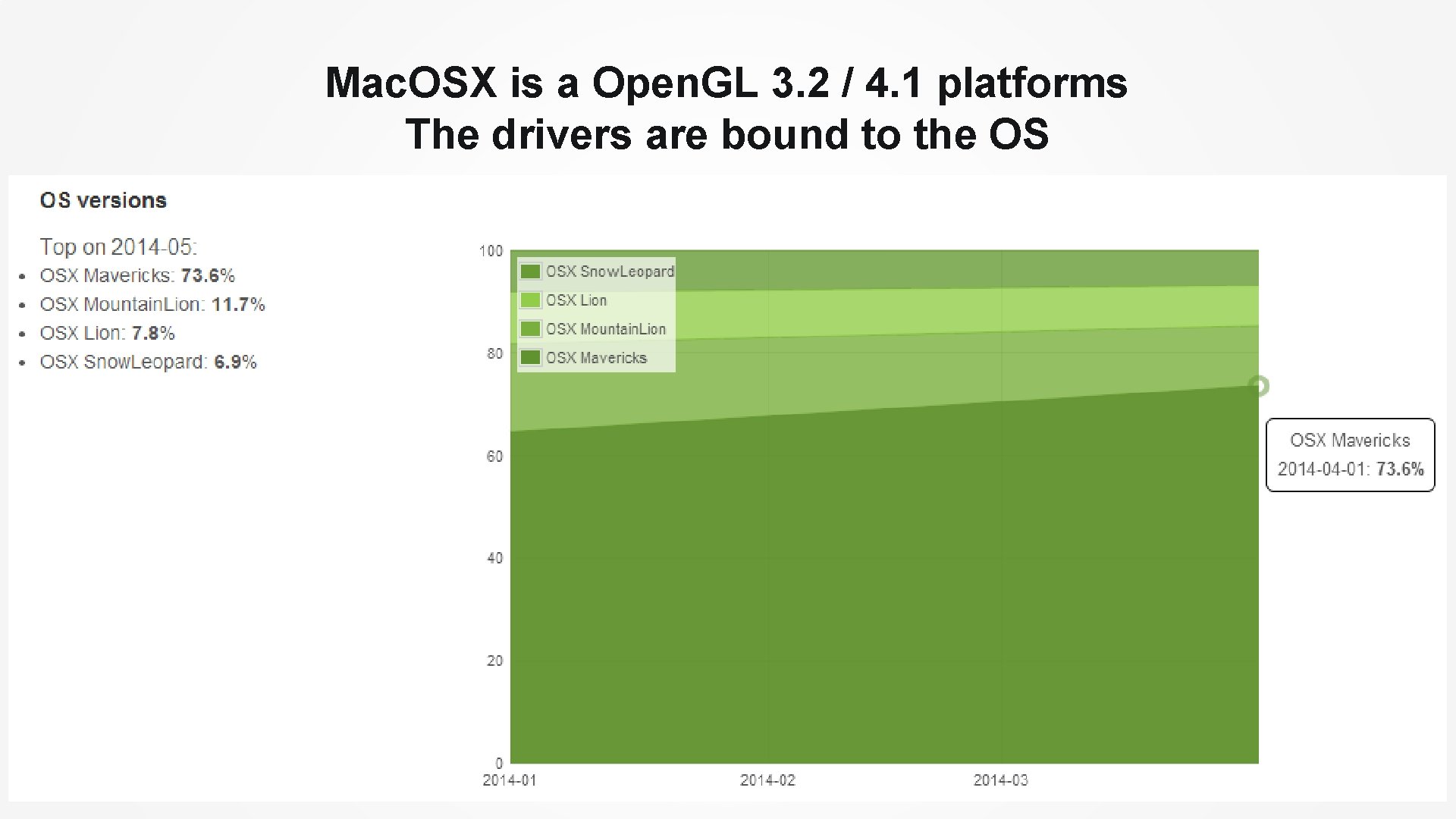
Mac. OSX is a Open. GL 3. 2 / 4. 1 platforms The drivers are bound to the OS
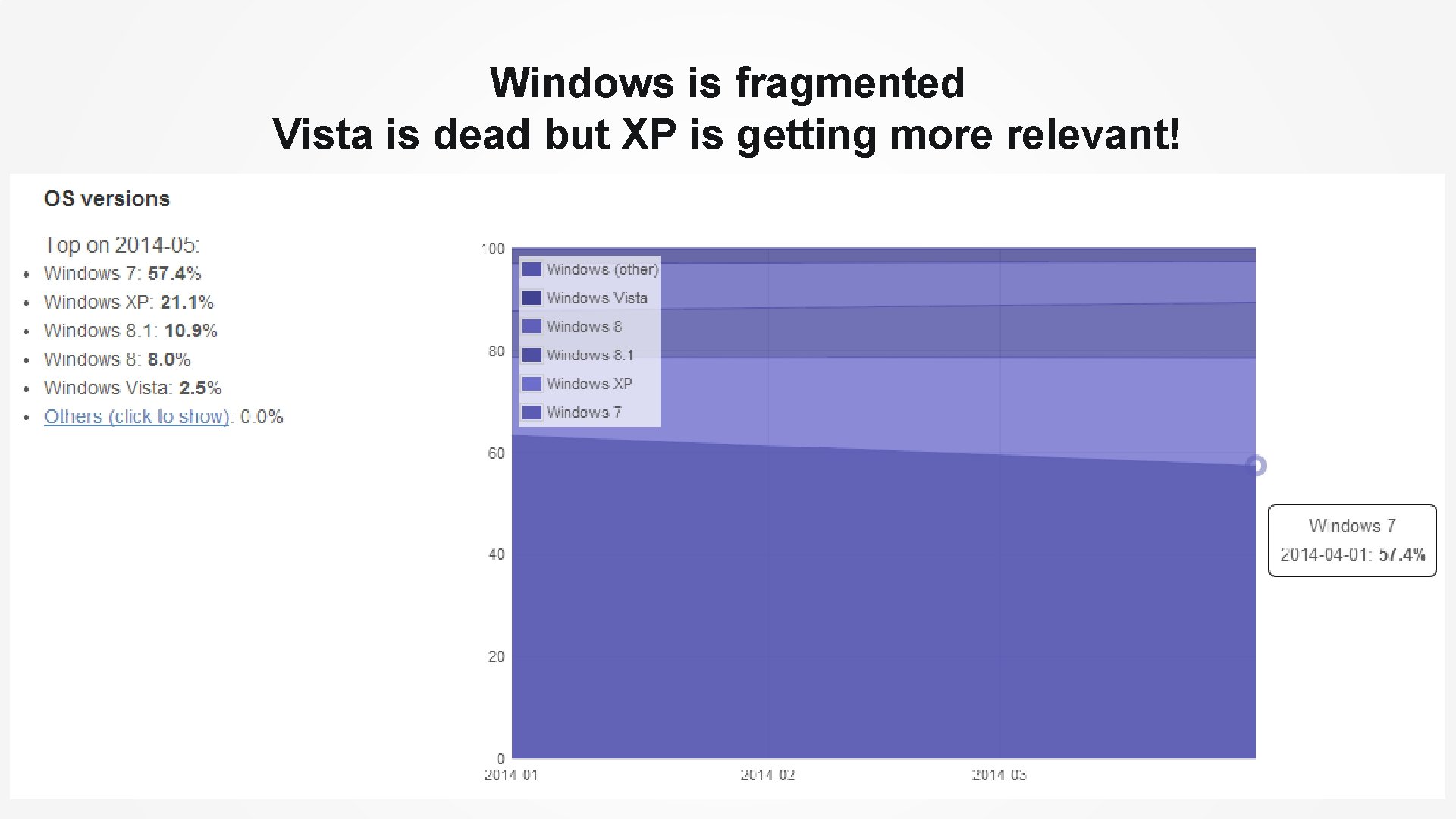
Windows is fragmented Vista is dead but XP is getting more relevant!
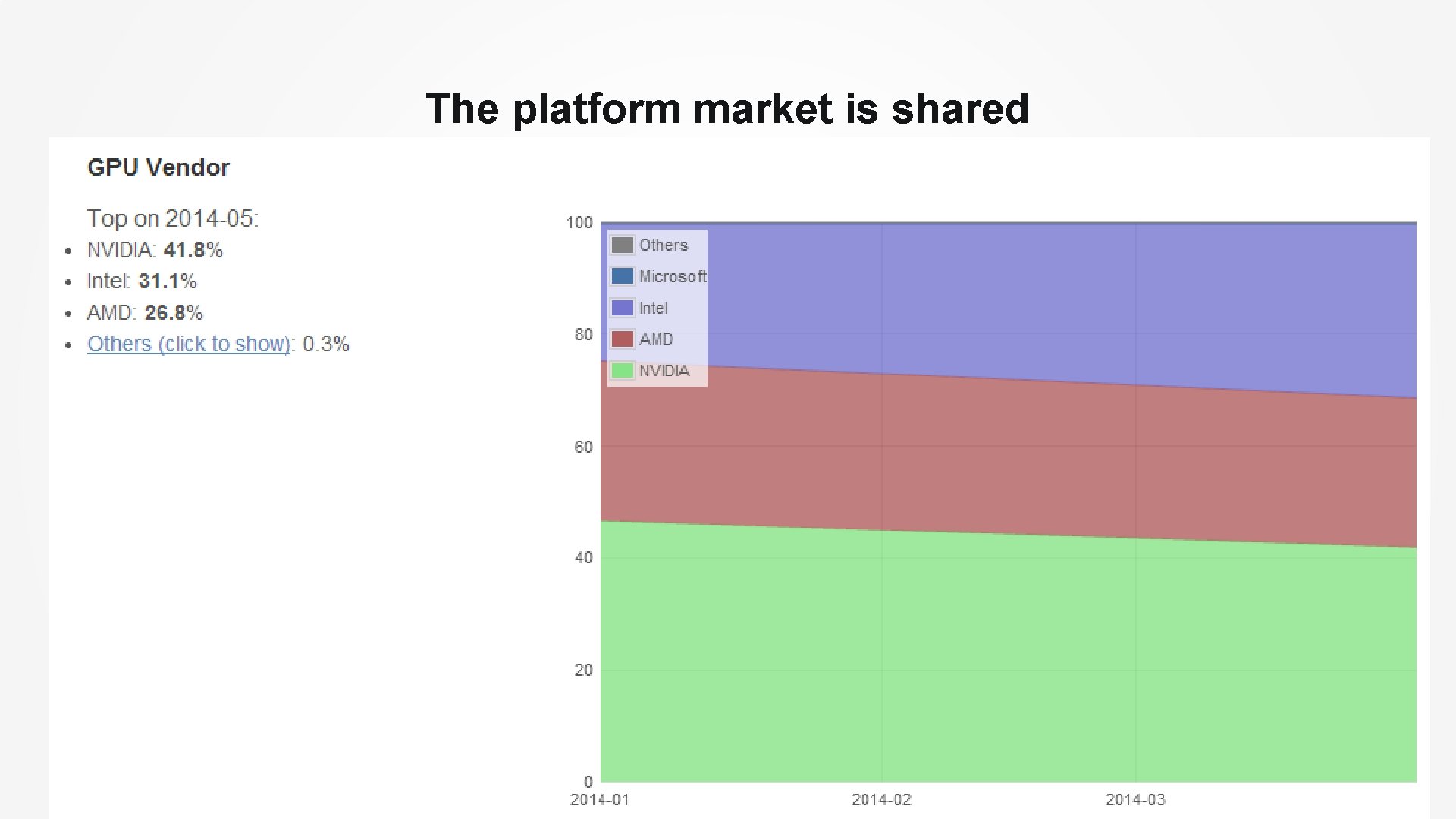
The platform market is shared
Open. GL drivers support www. g-truc. net
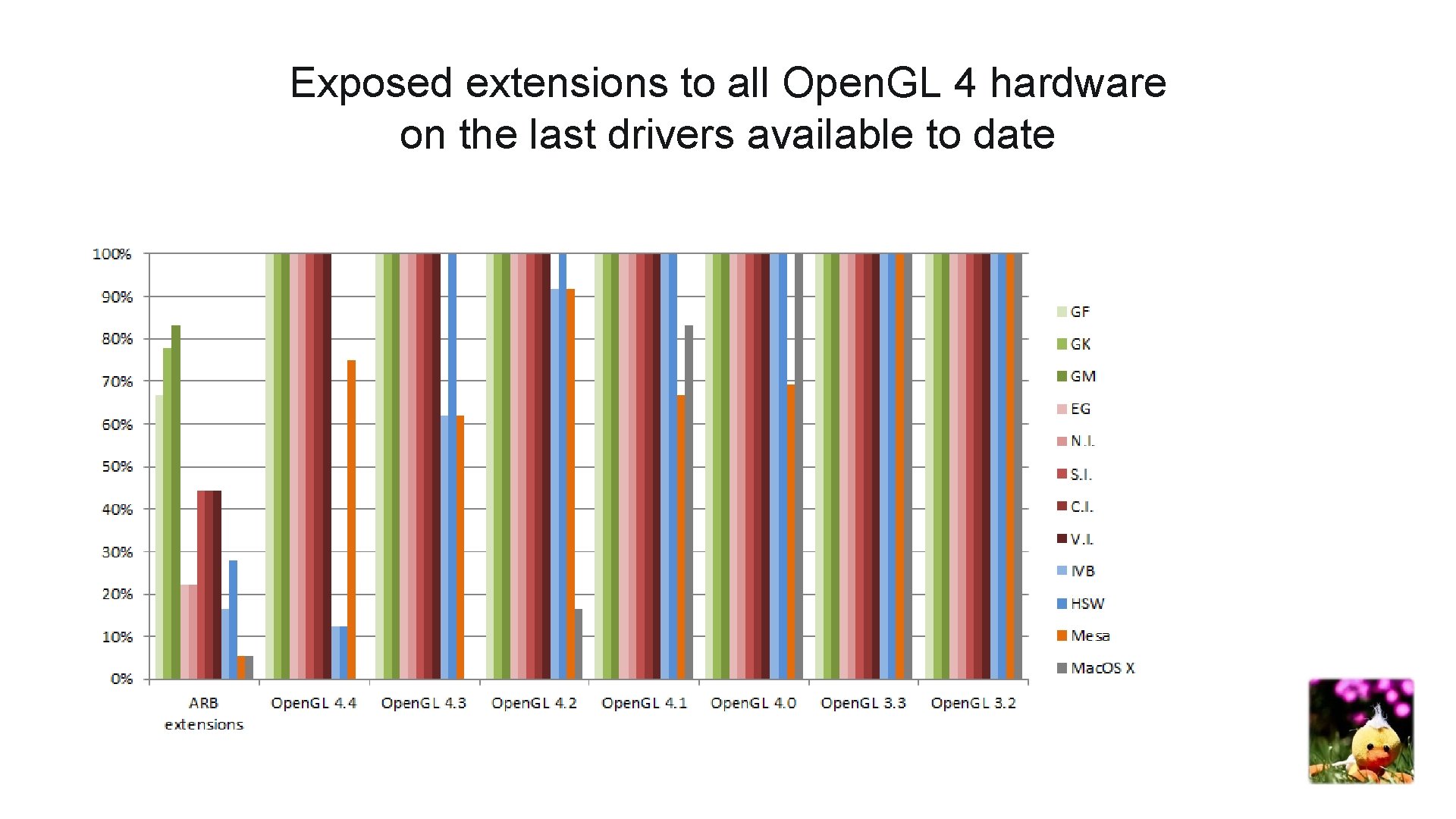
Exposed extensions to all Open. GL 4 hardware on the last drivers available to date
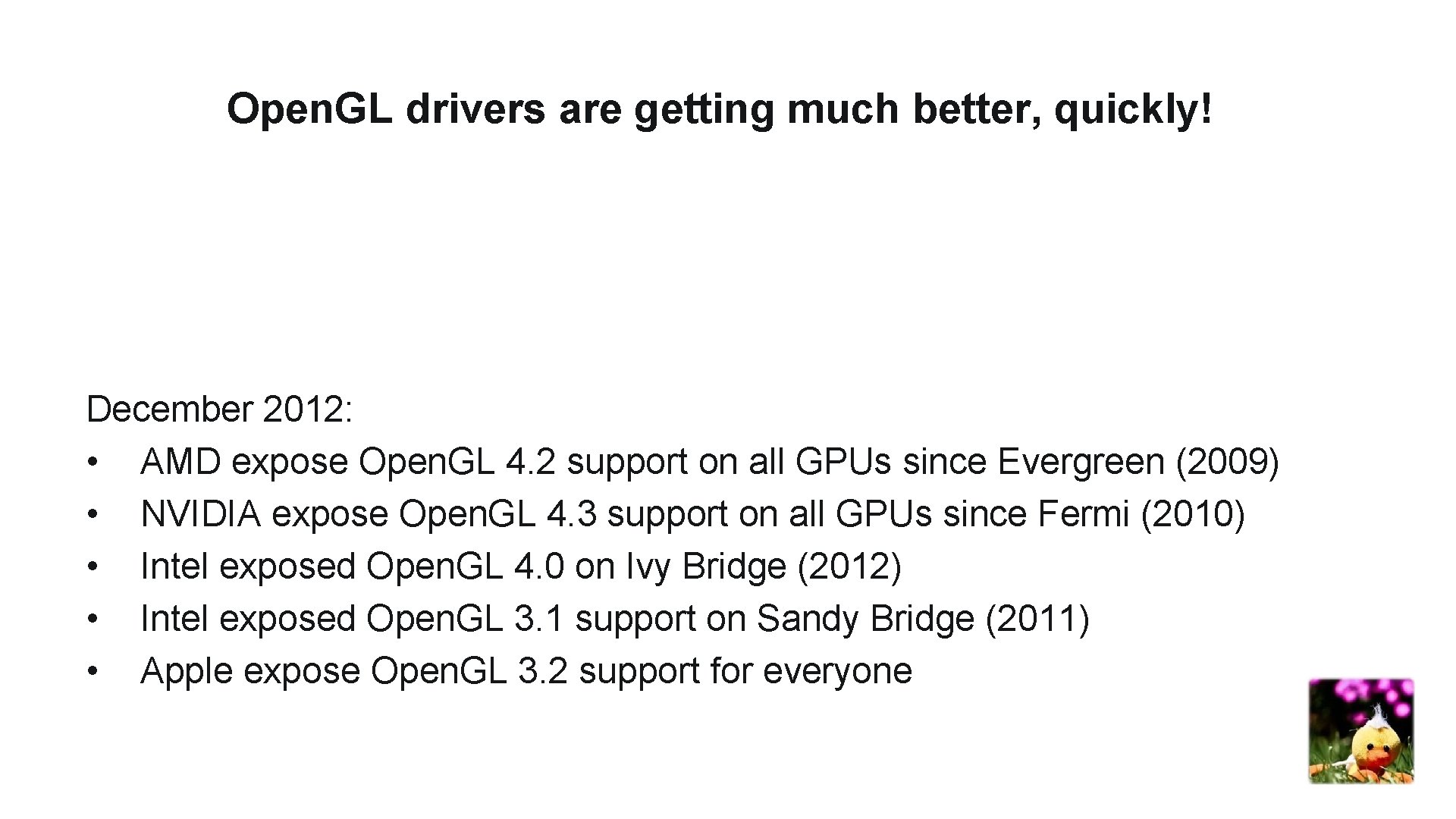
Open. GL drivers are getting much better, quickly!! December 2012: • AMD expose Open. GL 4. 2 support on all GPUs since Evergreen (2009) • NVIDIA expose Open. GL 4. 3 support on all GPUs since Fermi (2010) • Intel exposed Open. GL 4. 0 on Ivy Bridge (2012) • Intel exposed Open. GL 3. 1 support on Sandy Bridge (2011) • Apple expose Open. GL 3. 2 support for everyone
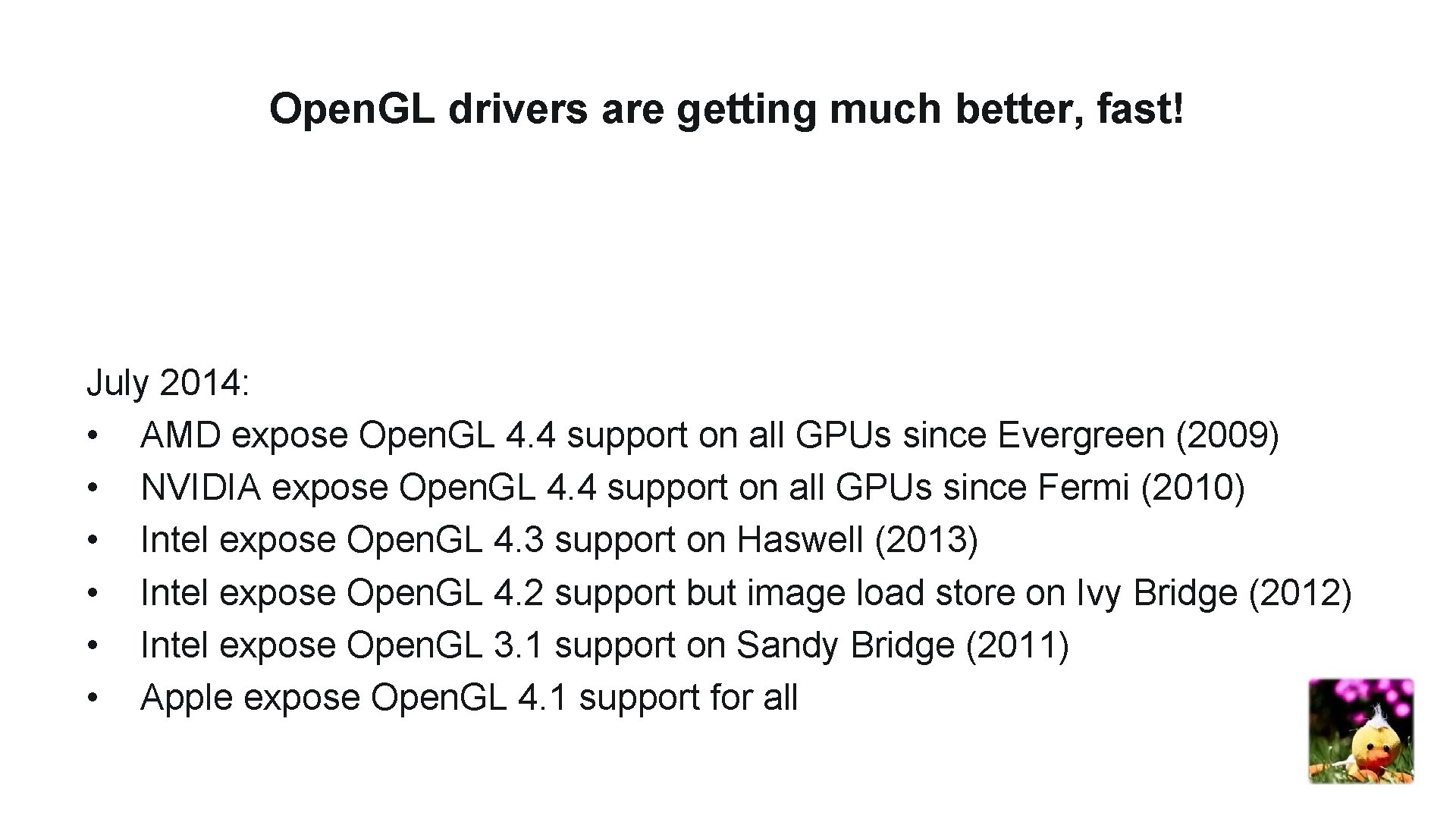
Open. GL drivers are getting much better, fast! July 2014: • AMD expose Open. GL 4. 4 support on all GPUs since Evergreen (2009) • NVIDIA expose Open. GL 4. 4 support on all GPUs since Fermi (2010) • Intel expose Open. GL 4. 3 support on Haswell (2013) • Intel expose Open. GL 4. 2 support but image load store on Ivy Bridge (2012) • Intel expose Open. GL 3. 1 support on Sandy Bridge (2011) • Apple expose Open. GL 4. 1 support for all
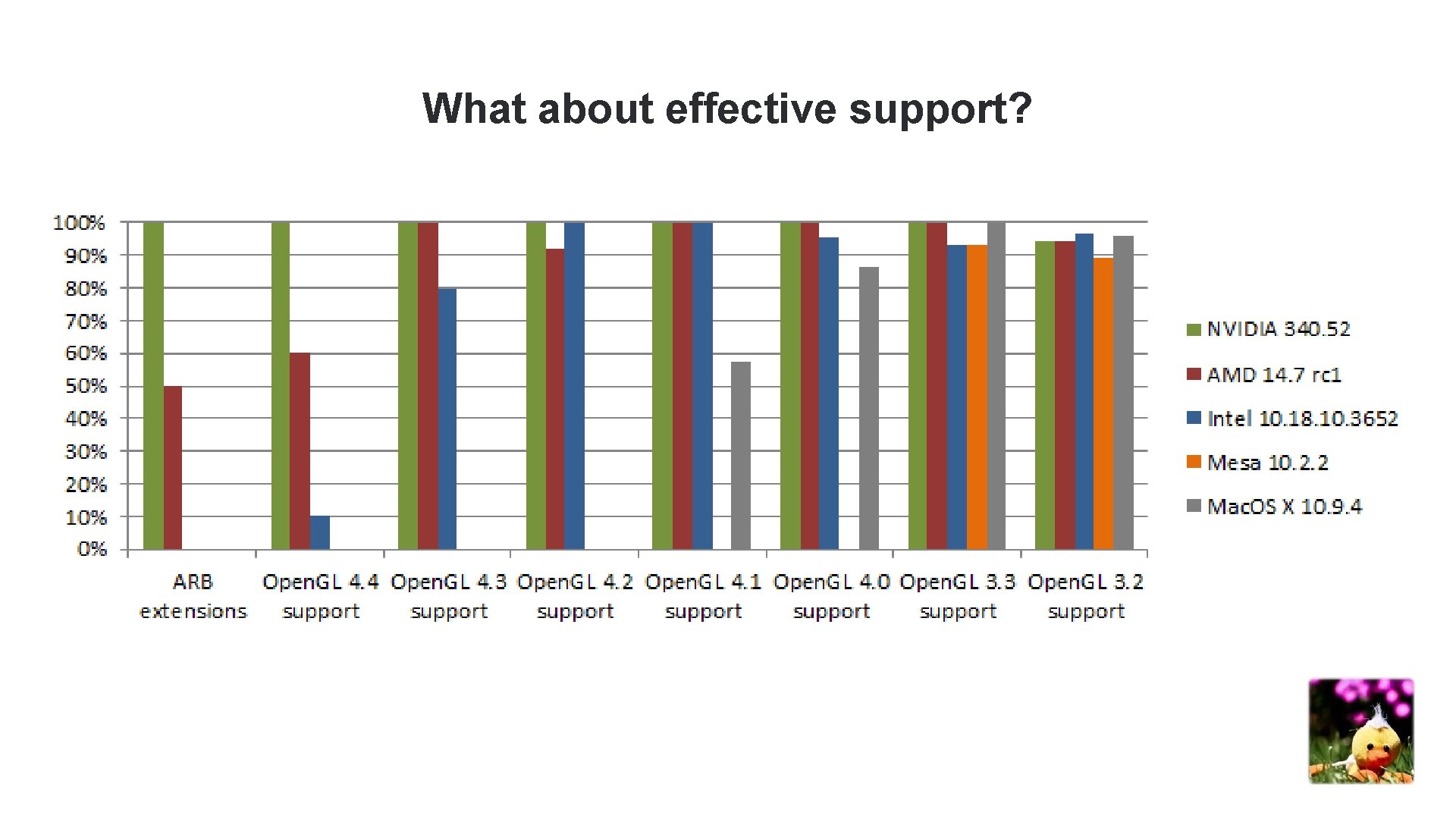
What about effective support?
Conclusion: Re-evaluation the Open. GL implementations
Unity Gfx. Device
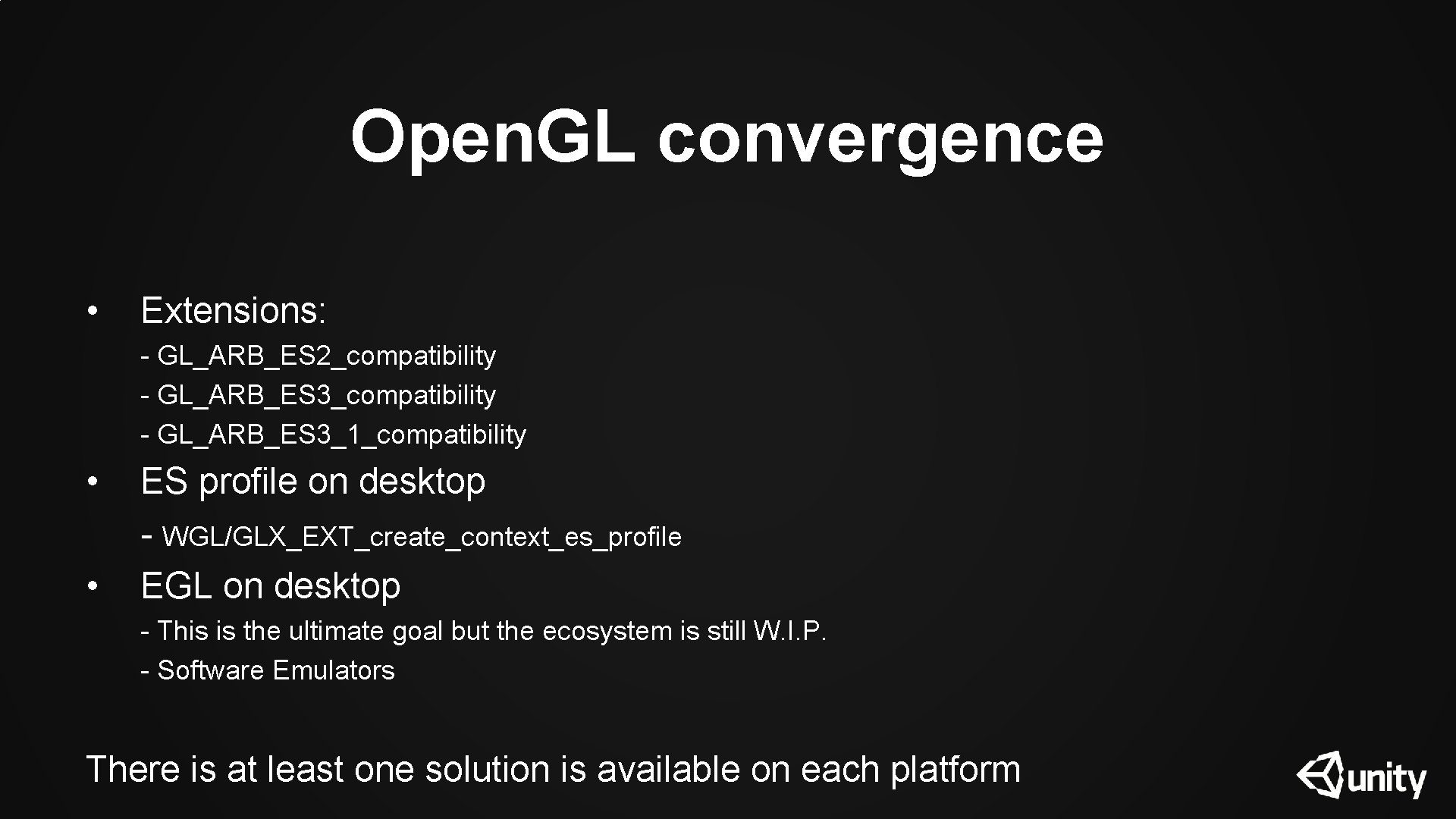
Open. GL convergence • Extensions: - GL_ARB_ES 2_compatibility - GL_ARB_ES 3_1_compatibility • • ES profile on desktop - WGL/GLX_EXT_create_context_es_profile EGL on desktop - This is the ultimate goal but the ecosystem is still W. I. P. - Software Emulators There is at least one solution is available on each platform
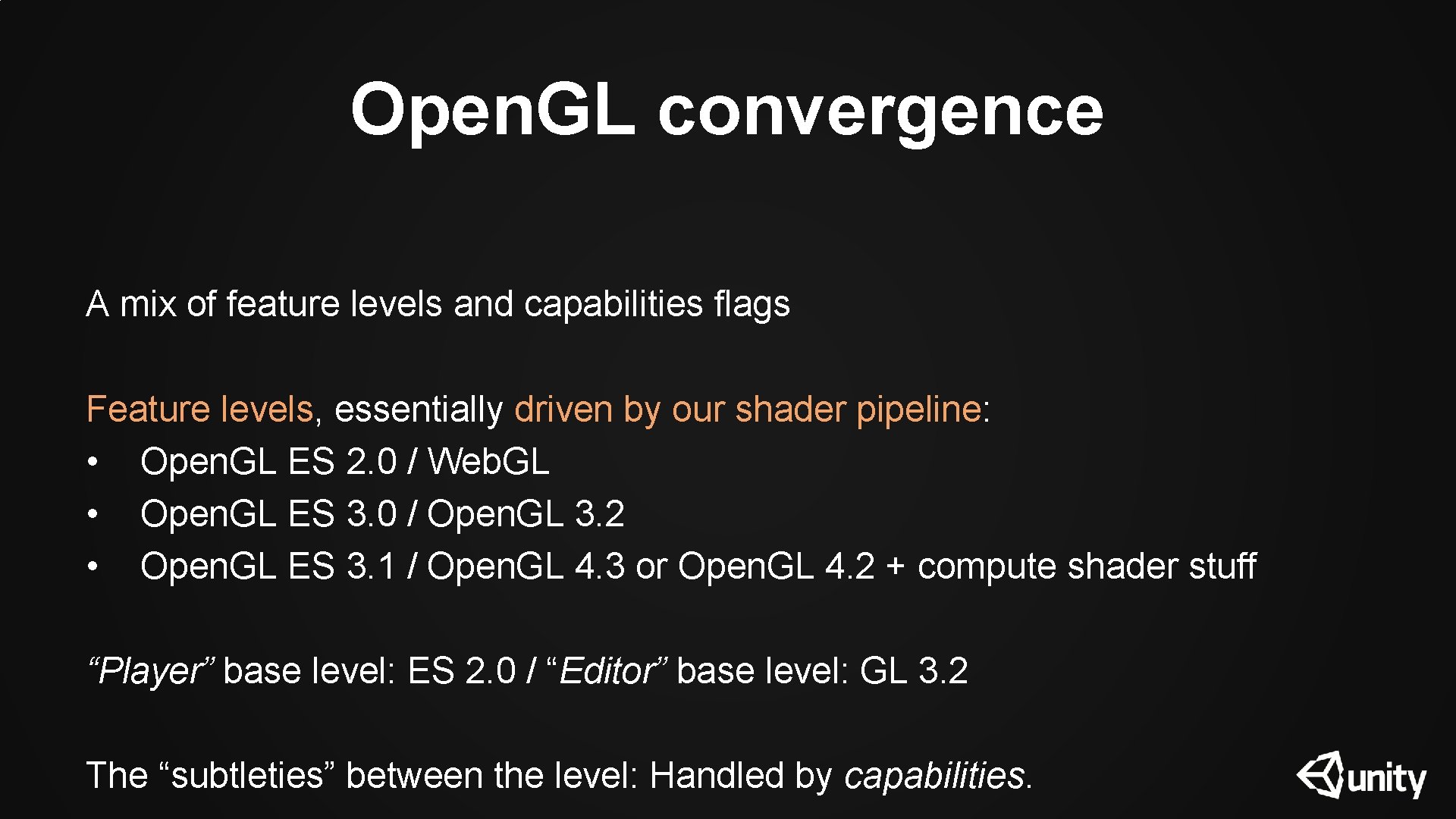
Open. GL convergence A mix of feature levels and capabilities flags Feature levels, essentially driven by our shader pipeline: • Open. GL ES 2. 0 / Web. GL • Open. GL ES 3. 0 / Open. GL 3. 2 • Open. GL ES 3. 1 / Open. GL 4. 3 or Open. GL 4. 2 + compute shader stuff “Player” base level: ES 2. 0 / “Editor” base level: GL 3. 2 The “subtleties” between the level: Handled by capabilities.
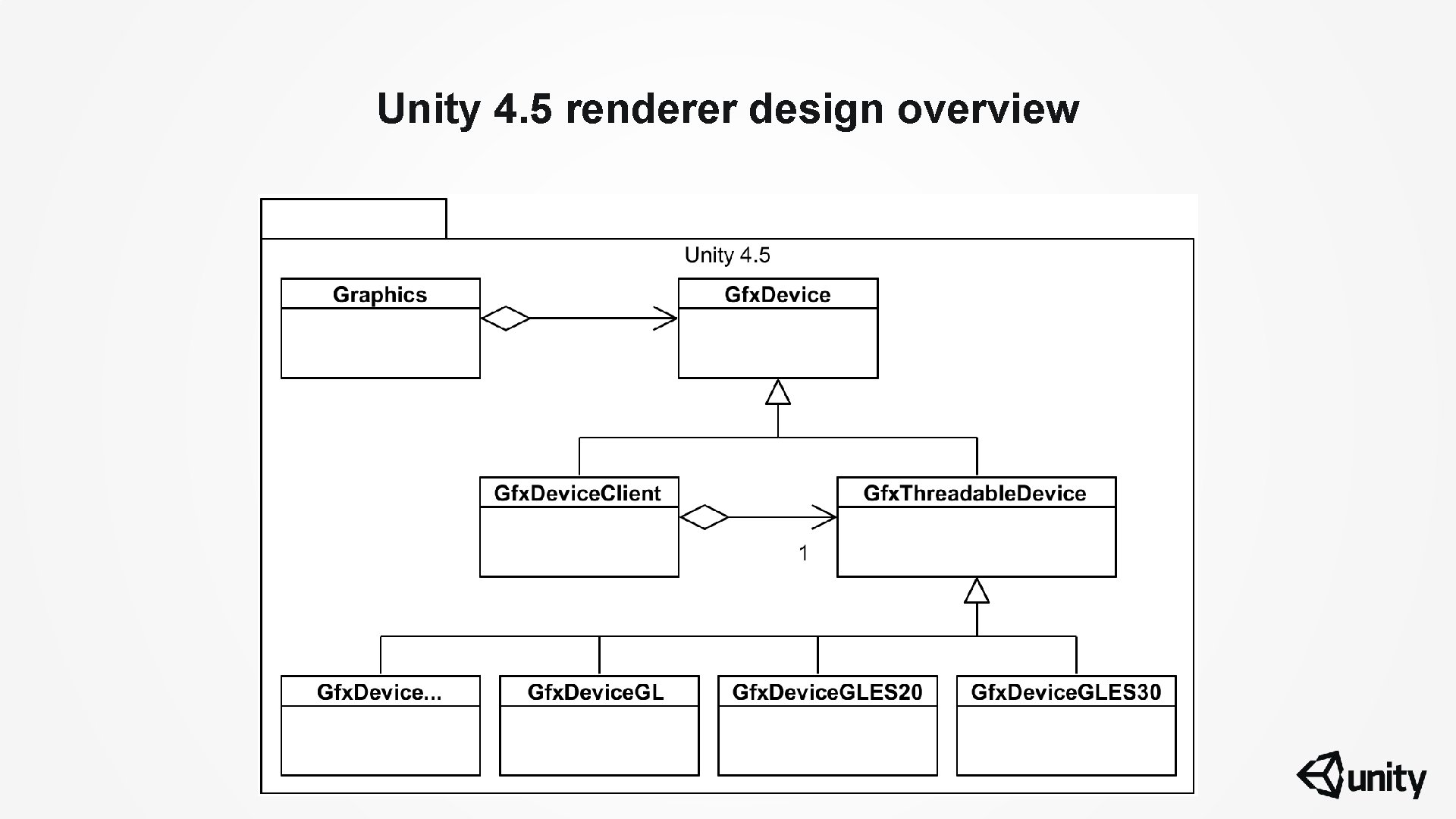
Unity 4. 5 renderer design overview
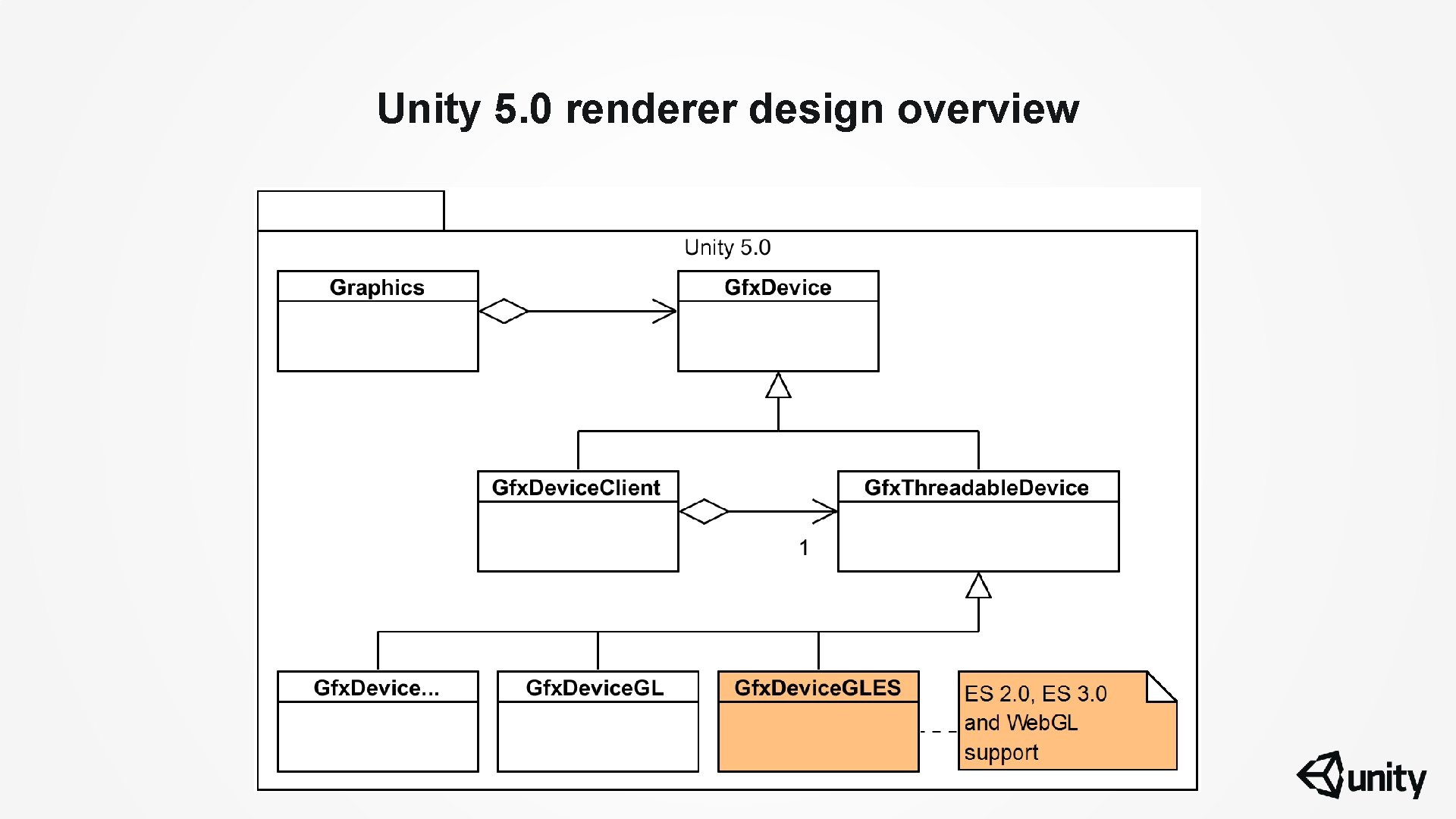
Unity 5. 0 renderer design overview
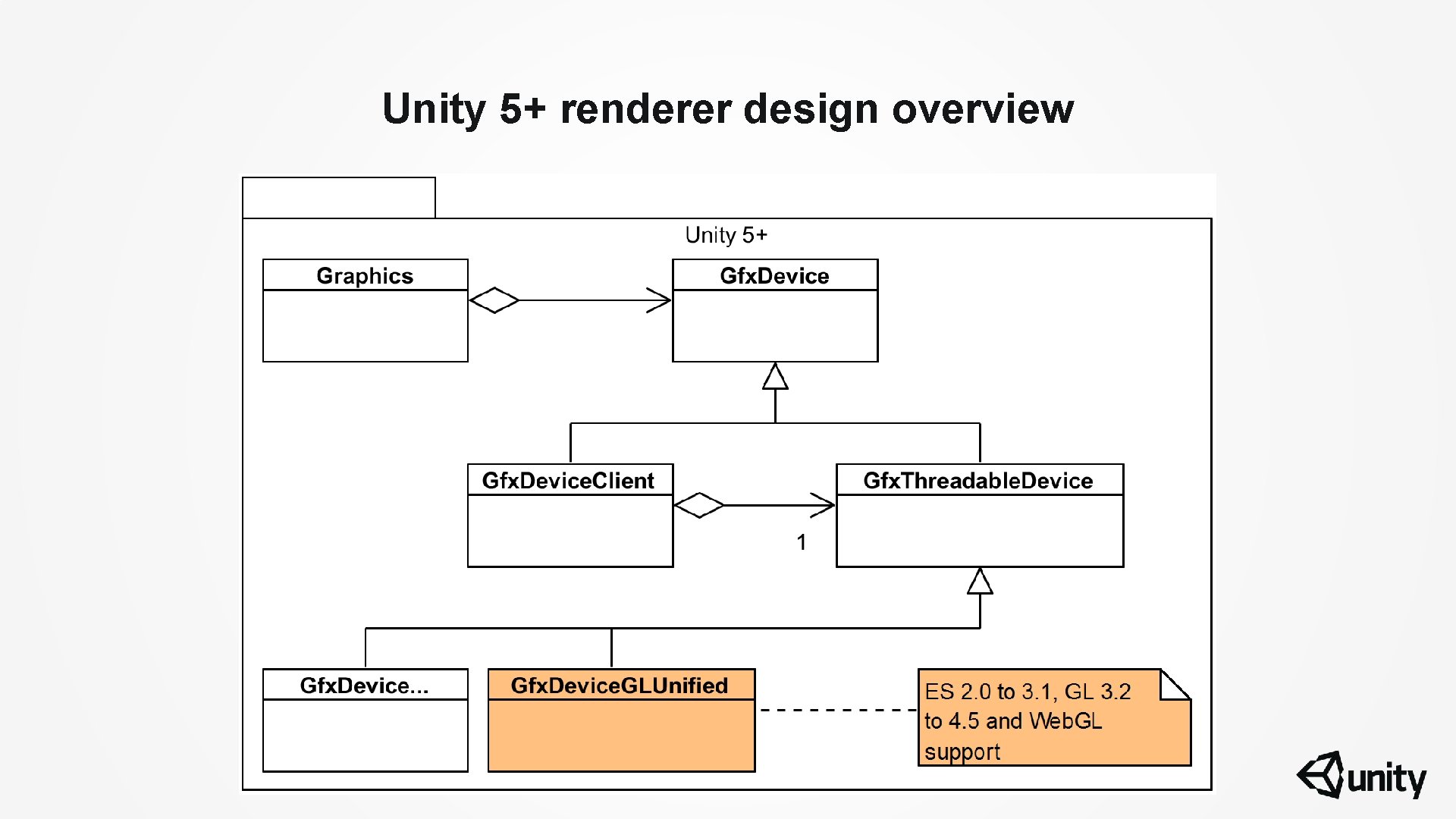
Unity 5+ renderer design overview
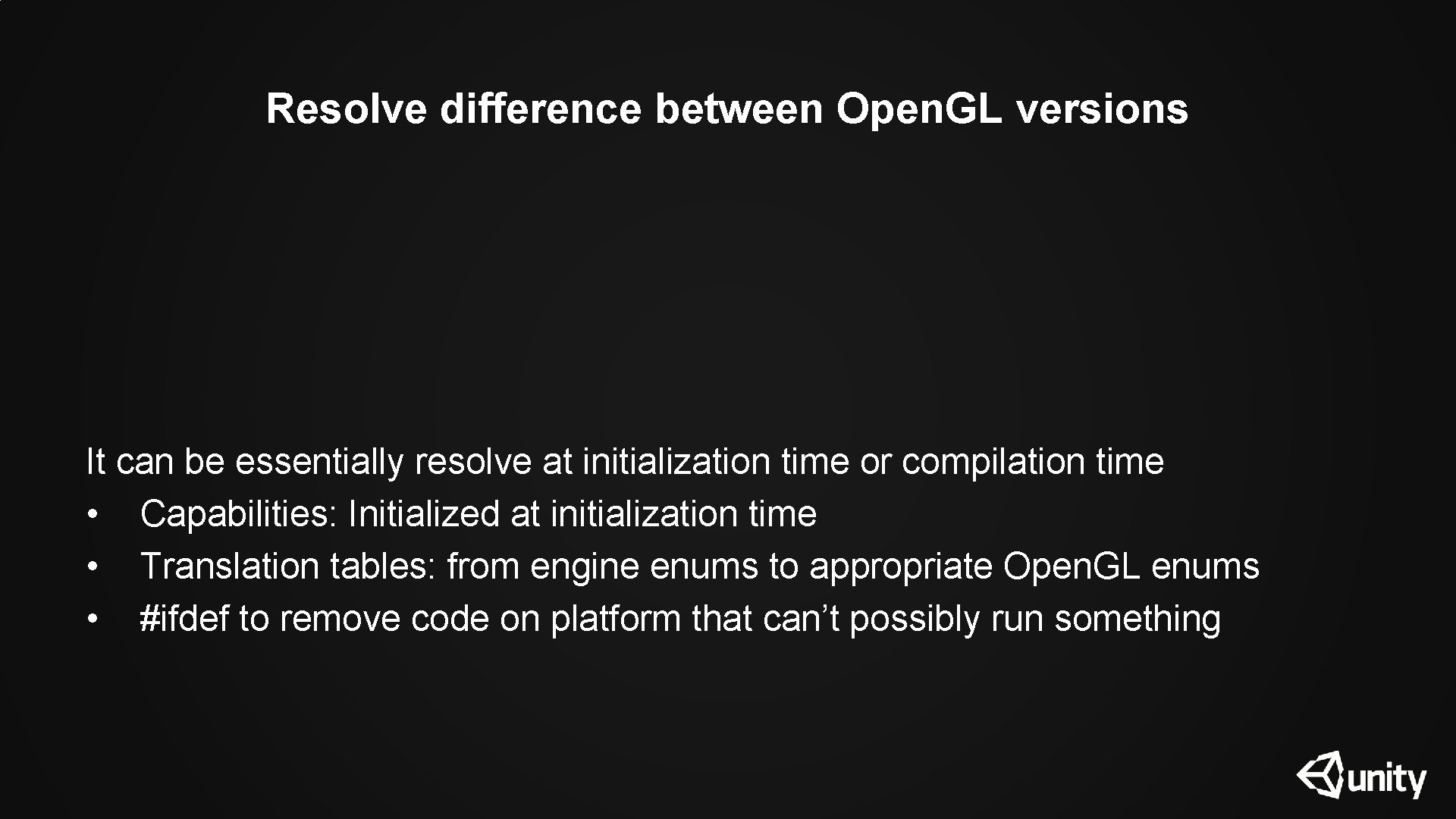
Resolve difference between Open. GL versions It can be essentially resolve at initialization time or compilation time • Capabilities: Initialized at initialization time • Translation tables: from engine enums to appropriate Open. GL enums • #ifdef to remove code on platform that can’t possibly run something
Working around drivers bugs • Part of the capability flags: Disable the capability if it is buggy - Micro managing bugs doesn’t scale • Fallback to lower feature level - If GL 4 feature level doesn’t work, use GL 3. If GL 3 doesn’t work use GL 2 • Have shader fallbacks - We are going as far as showing a pink shaders • Document the bug workarounds: Platform, vendor, what’s wrong - They will be a point where no body remember why this ugly workaround is here - They will be a point where that workaround should be removed because not useful anymore
“Pro tips” • Working on desktop Open. GL? - Have AMD, Intel and NVIDIA GPUs in your dev machine all the time - Plug a screen per GPU - Change main display to select a different GPU • Starts from Open. GL ES to Open. GL desktop - Convergence is ensured by desktop the Open. GL specifications - Use a single Open. GL back-end to avoid divergence • Document drivers bugs and workaround in your code - Otherwise we won’t know when we could discard workaround! • • • Have an automated graphics tests farm Use (or implement!) KHR_debug Thread the Open. GL back-end
The next ecosystem
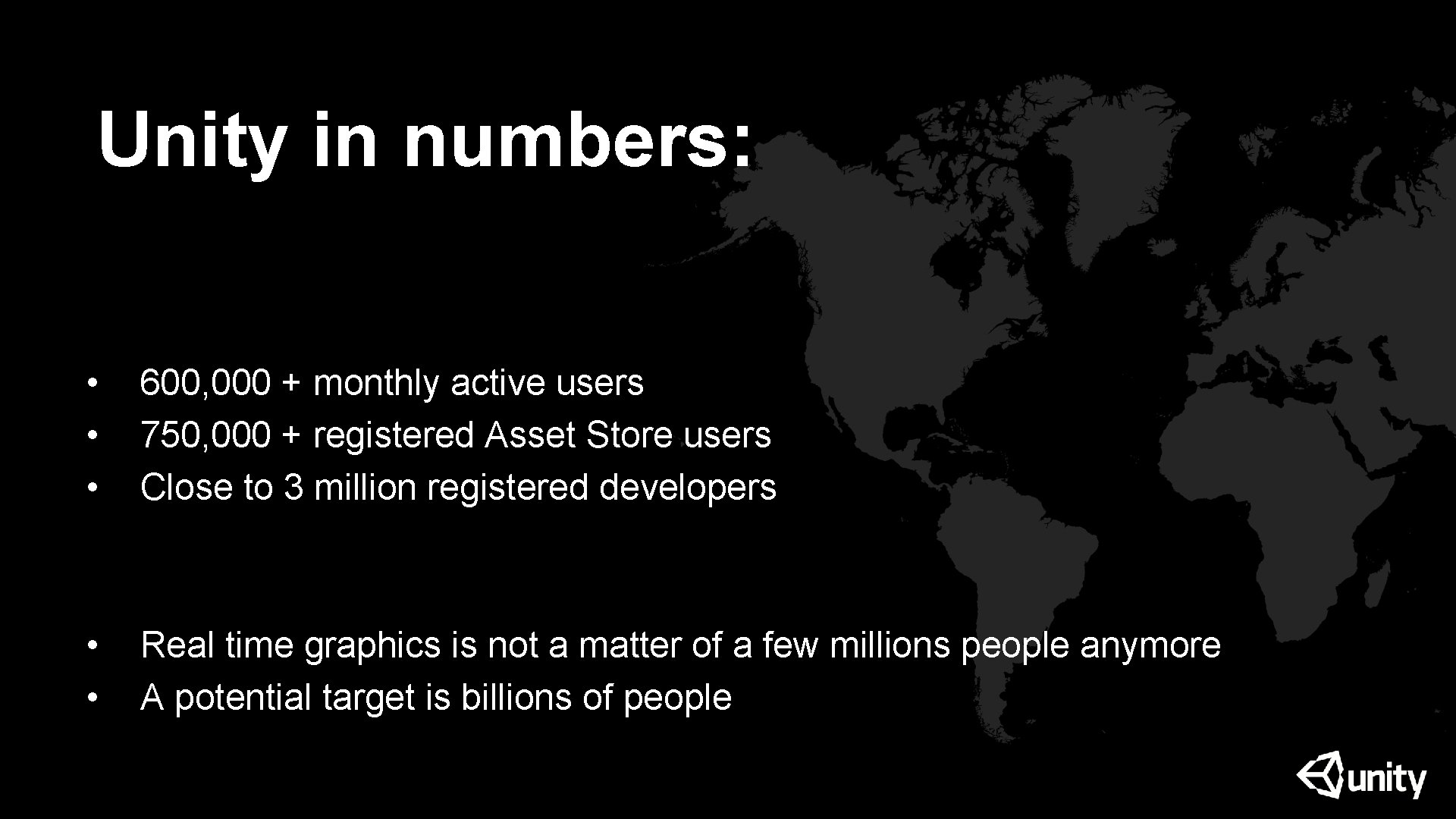
Unity in numbers: • • • 600, 000 + monthly active users 750, 000 + registered Asset Store users Close to 3 million registered developers • • Real time graphics is not a matter of a few millions people anymore A potential target is billions of people
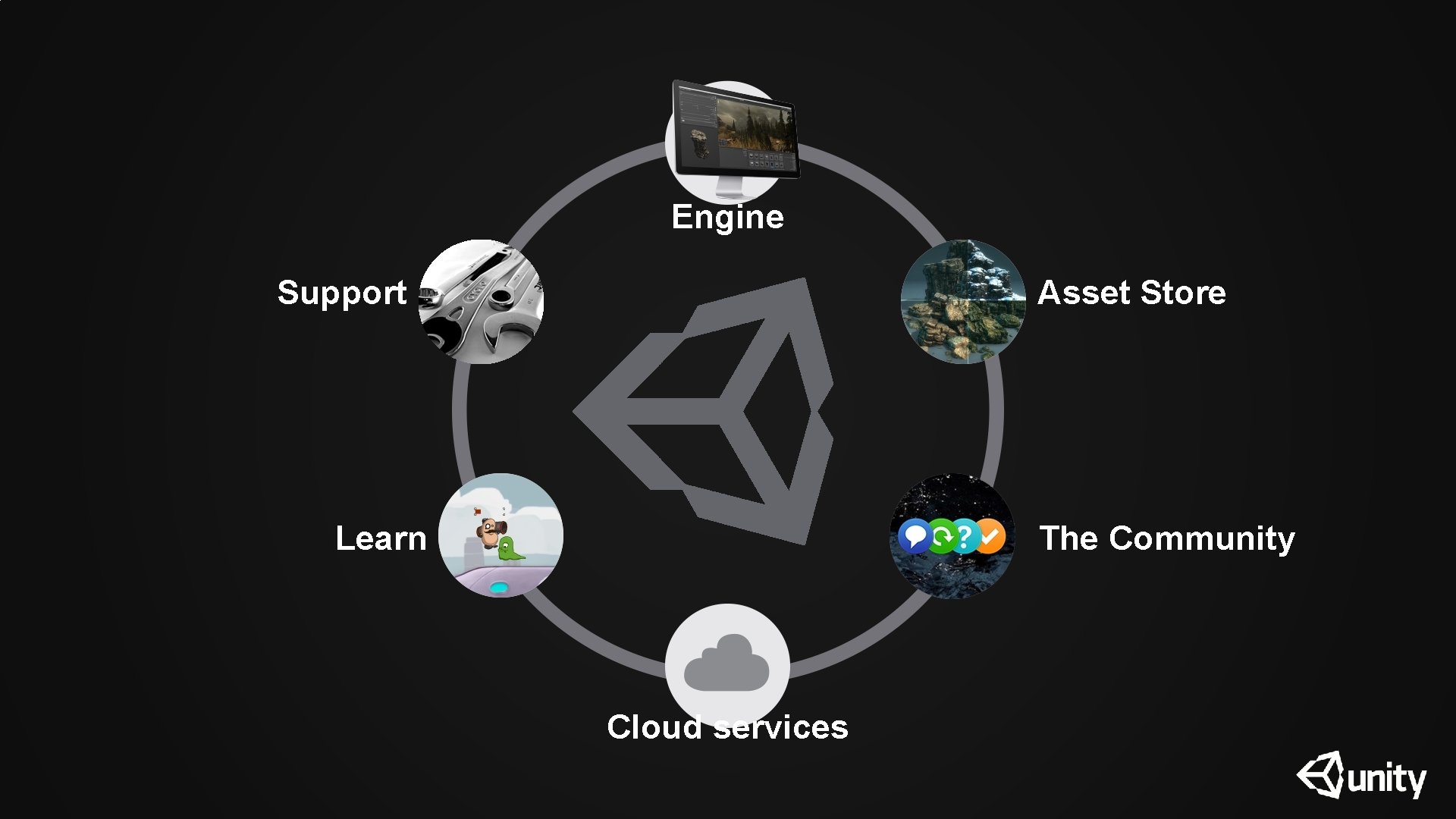
Engine Support Asset Store Learn The Community Cloud services
The next ecosystem • The environment has changed: - More and more platforms! - It is often not enough to support a single platform - Virtual Reality is credible • 800 pages for Open. GL 4. 5 core spec, 478 pages for Open. GL ES 3. 1 spec: - Too complex for developers and hardware vendors - And effectively we need to work over multiple specification versions! • Long-standing Open. GL design issues: • - Threading - Shader compilation pipeline - Lack of control of what the drivers does - Hidden validations and allocations in the rendering loop - Handling driver issues is done per vendor not for everyone - Open. GL is a hack on tile based GPUs
Solving issues globally (Instead of individually) • Dealing with issues individually (current Open. GL ecosystem): - Per-vendor - Other programmers will hit the same issues - N => 1 relation • Dealing with issues globally: - A programmer reports one issue, it propagates to all programmers and vendors - 1 => N relation • Example of globally solving issues: Web. GL conformance test - Open sourced - Users can submit tests - Web. GL platforms are reliable! (We don’t have per platform wordaround flags!)
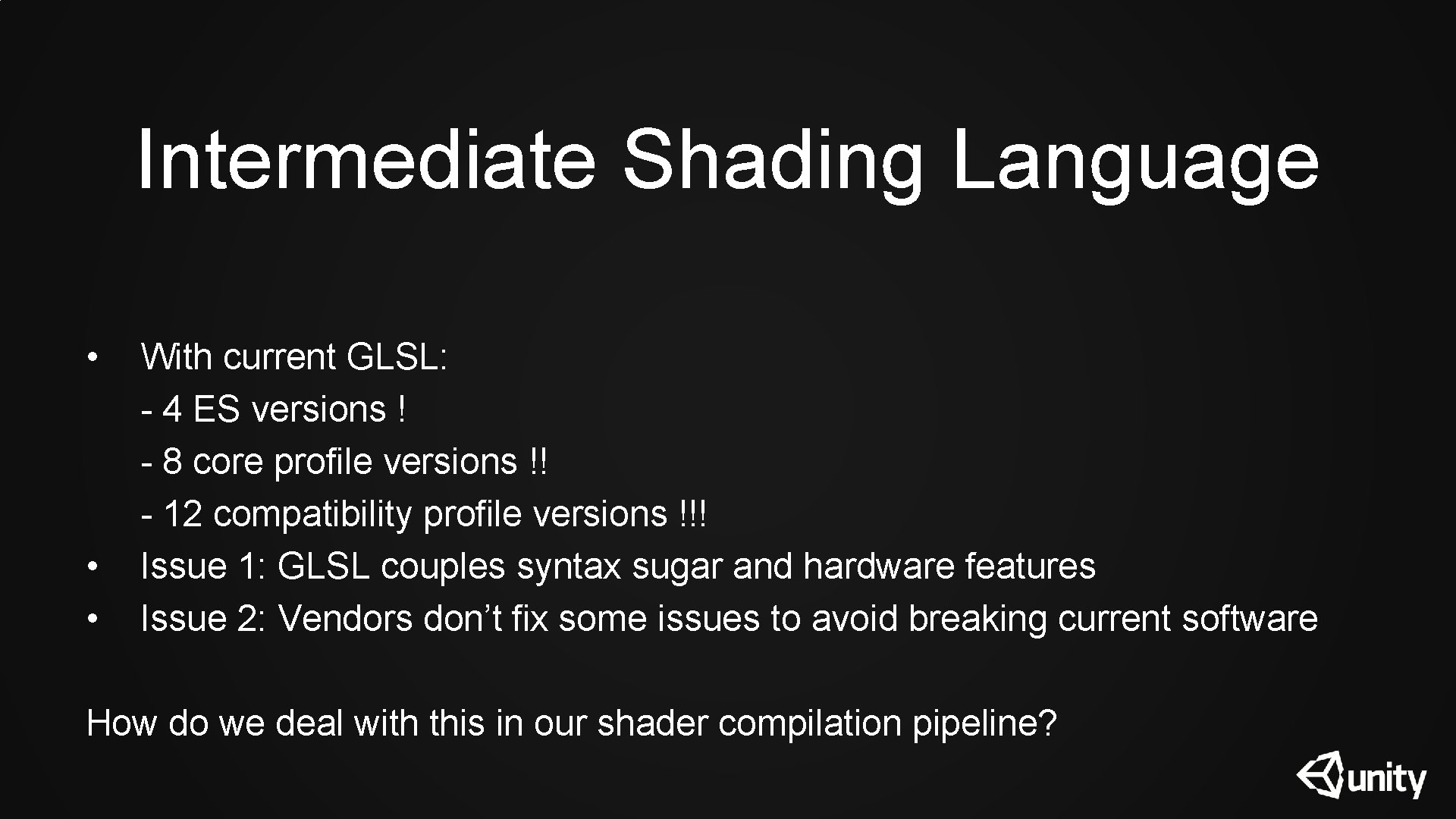
Intermediate Shading Language • • • With current GLSL: - 4 ES versions ! - 8 core profile versions !! - 12 compatibility profile versions !!! Issue 1: GLSL couples syntax sugar and hardware features Issue 2: Vendors don’t fix some issues to avoid breaking current software How do we deal with this in our shader compilation pipeline?
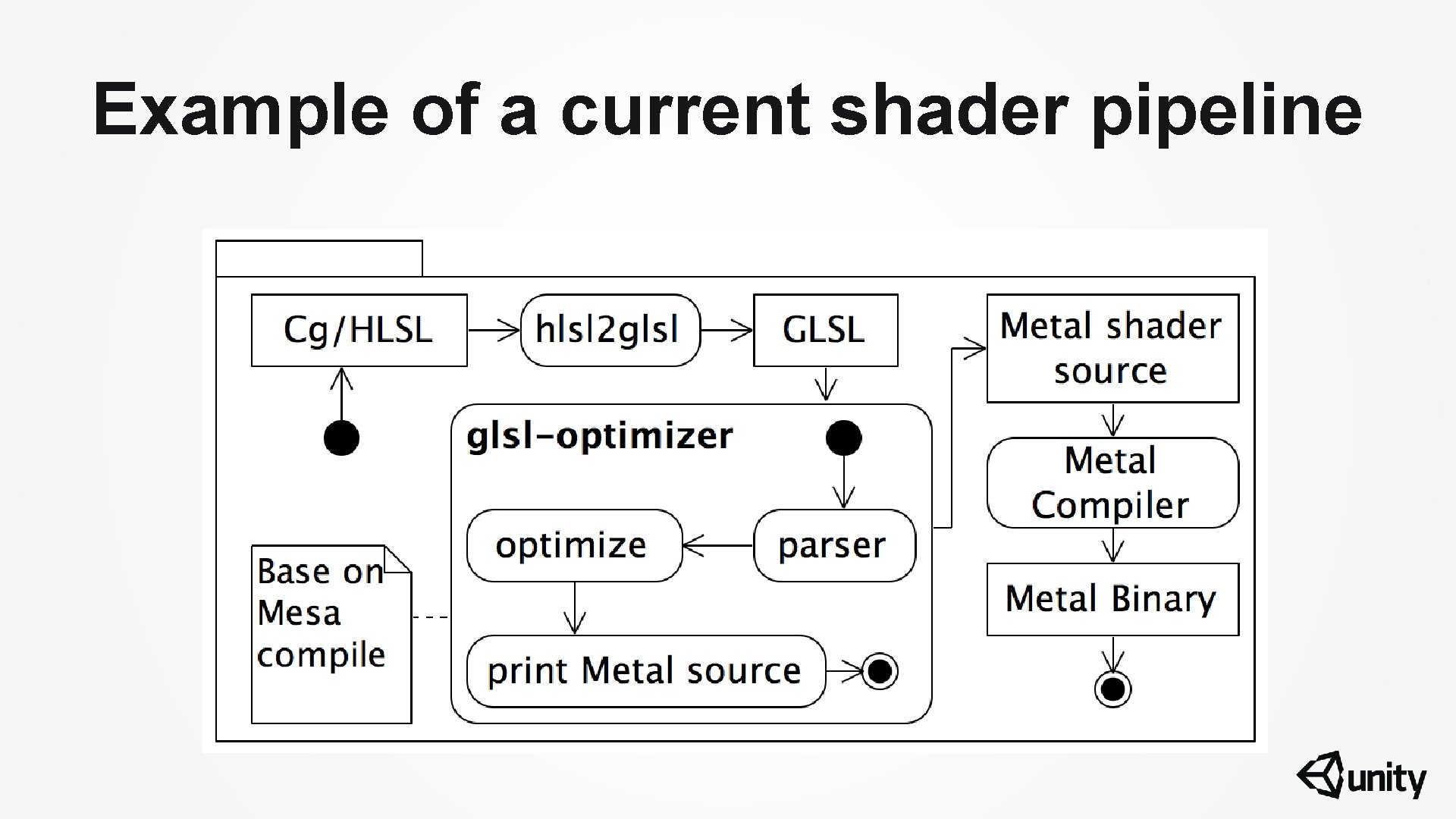
Example of a current shader pipeline
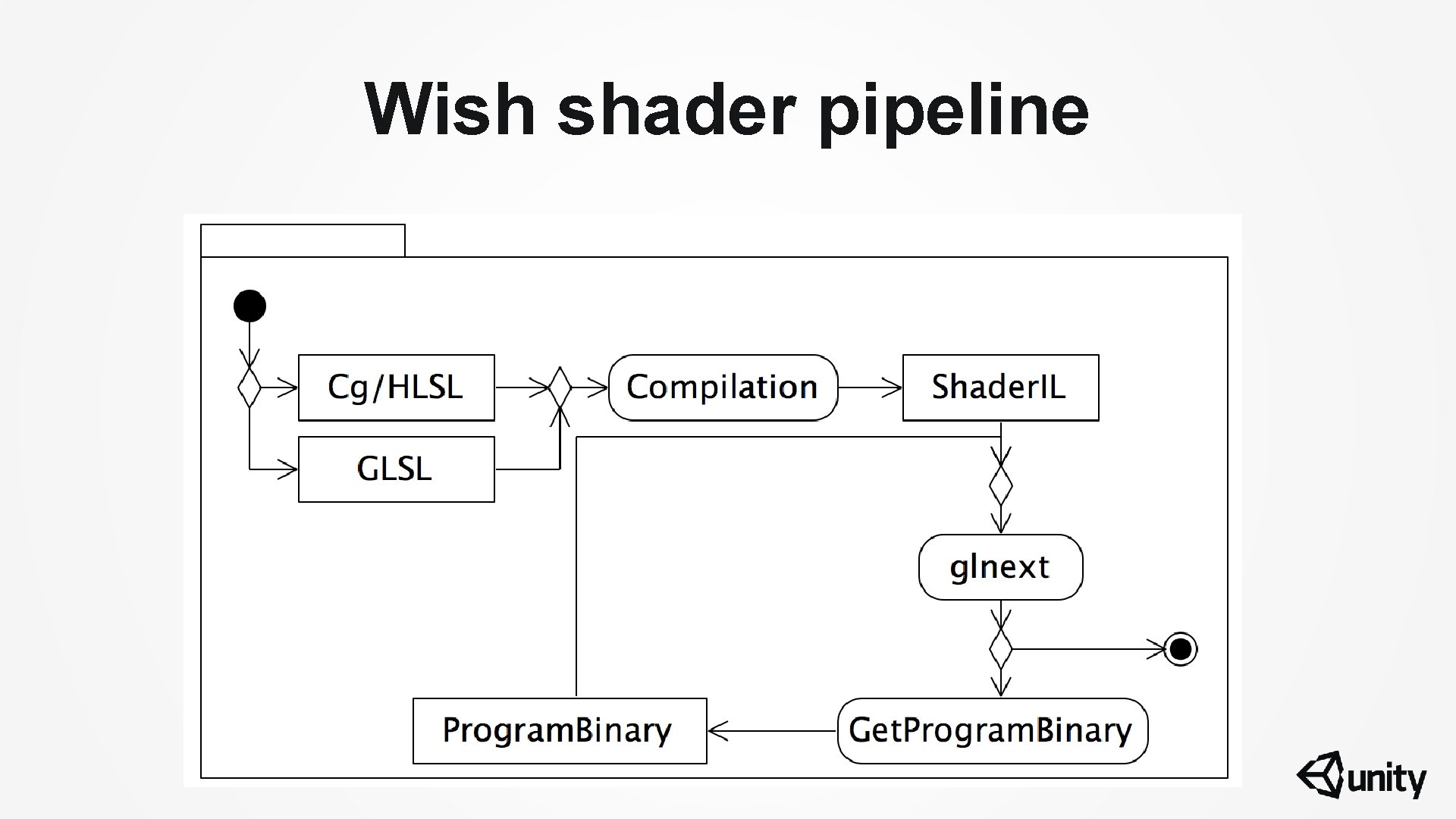
Wish shader pipeline
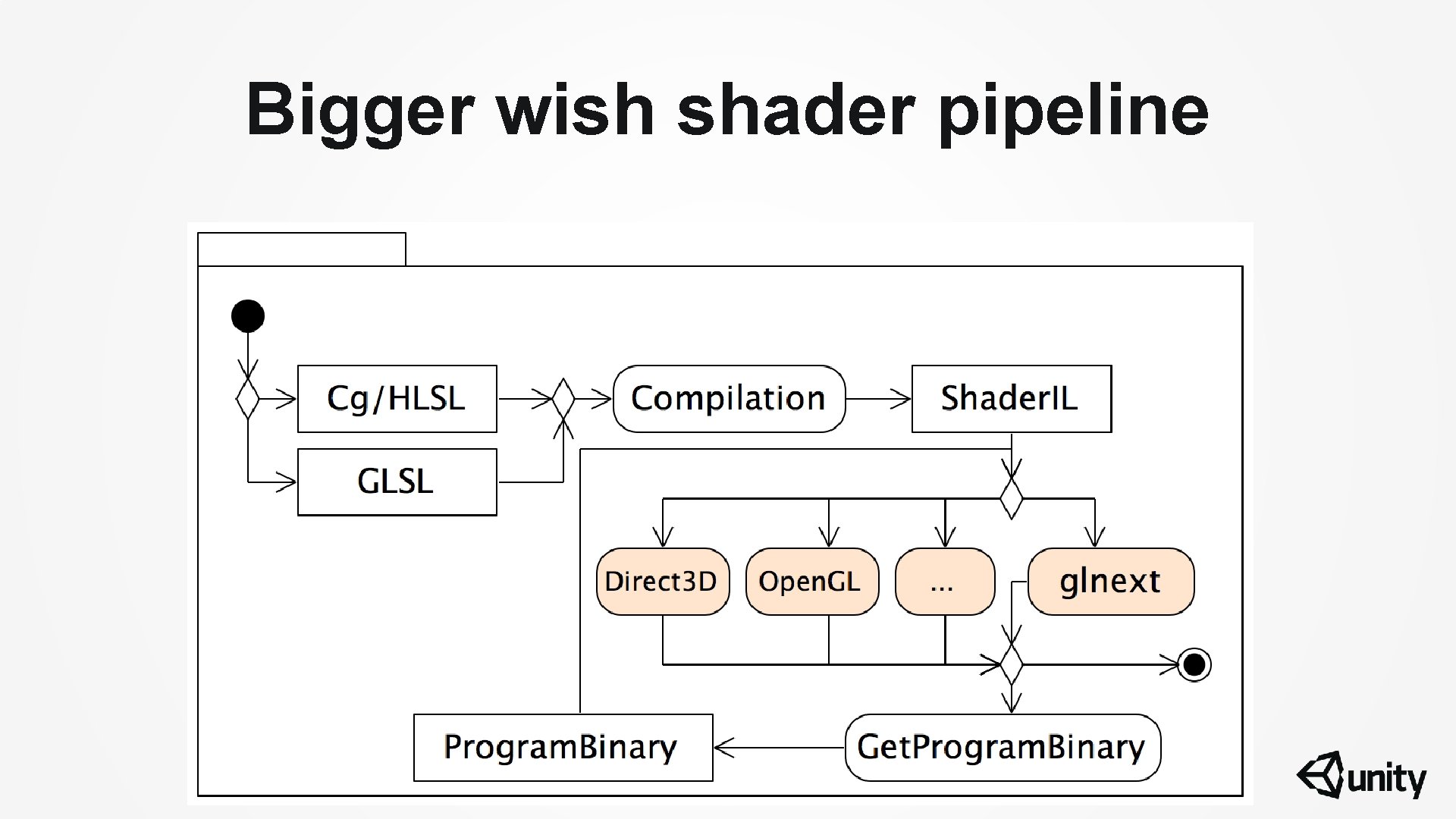
Bigger wish shader pipeline
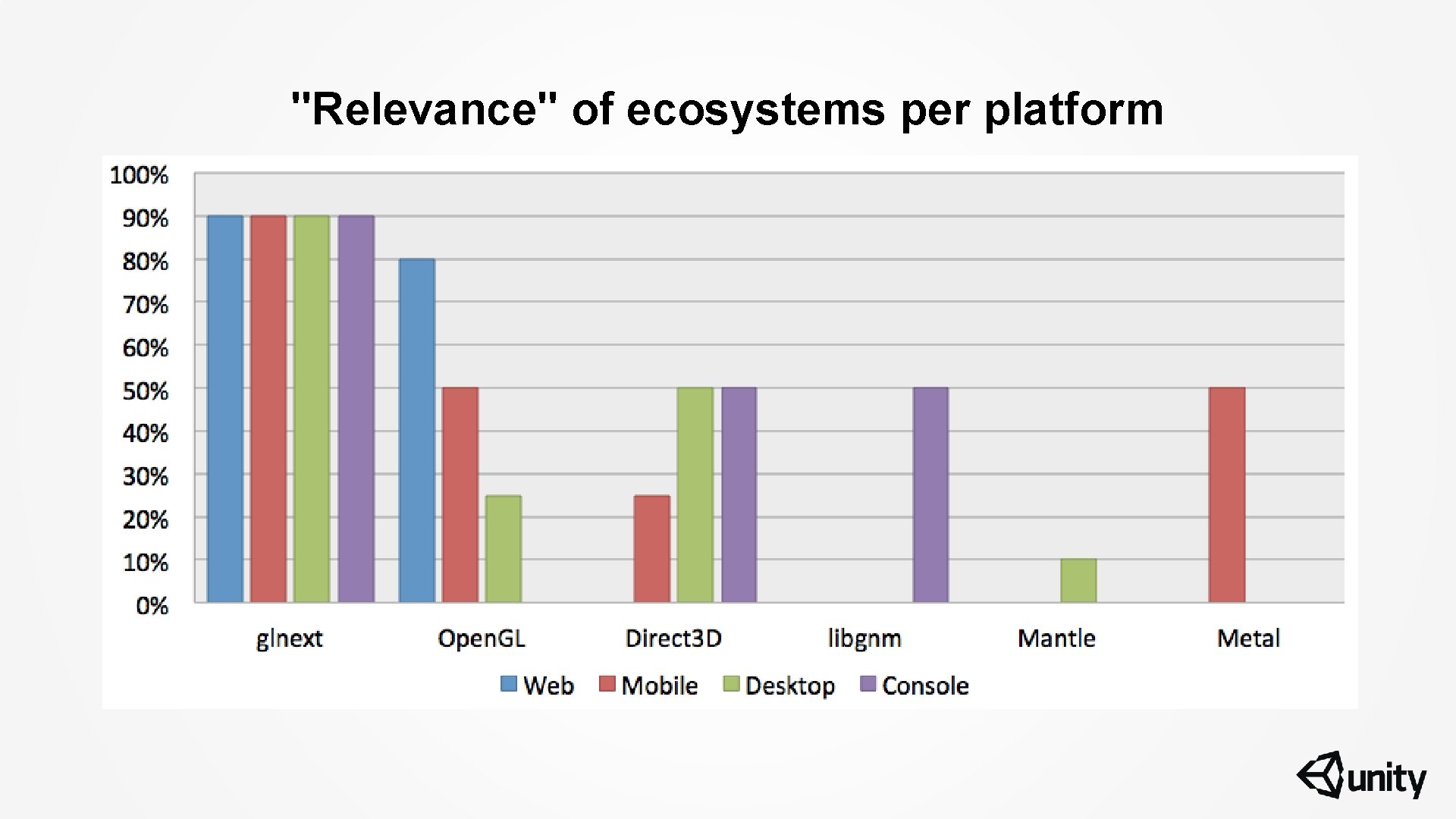
"Relevance" of ecosystems per platform
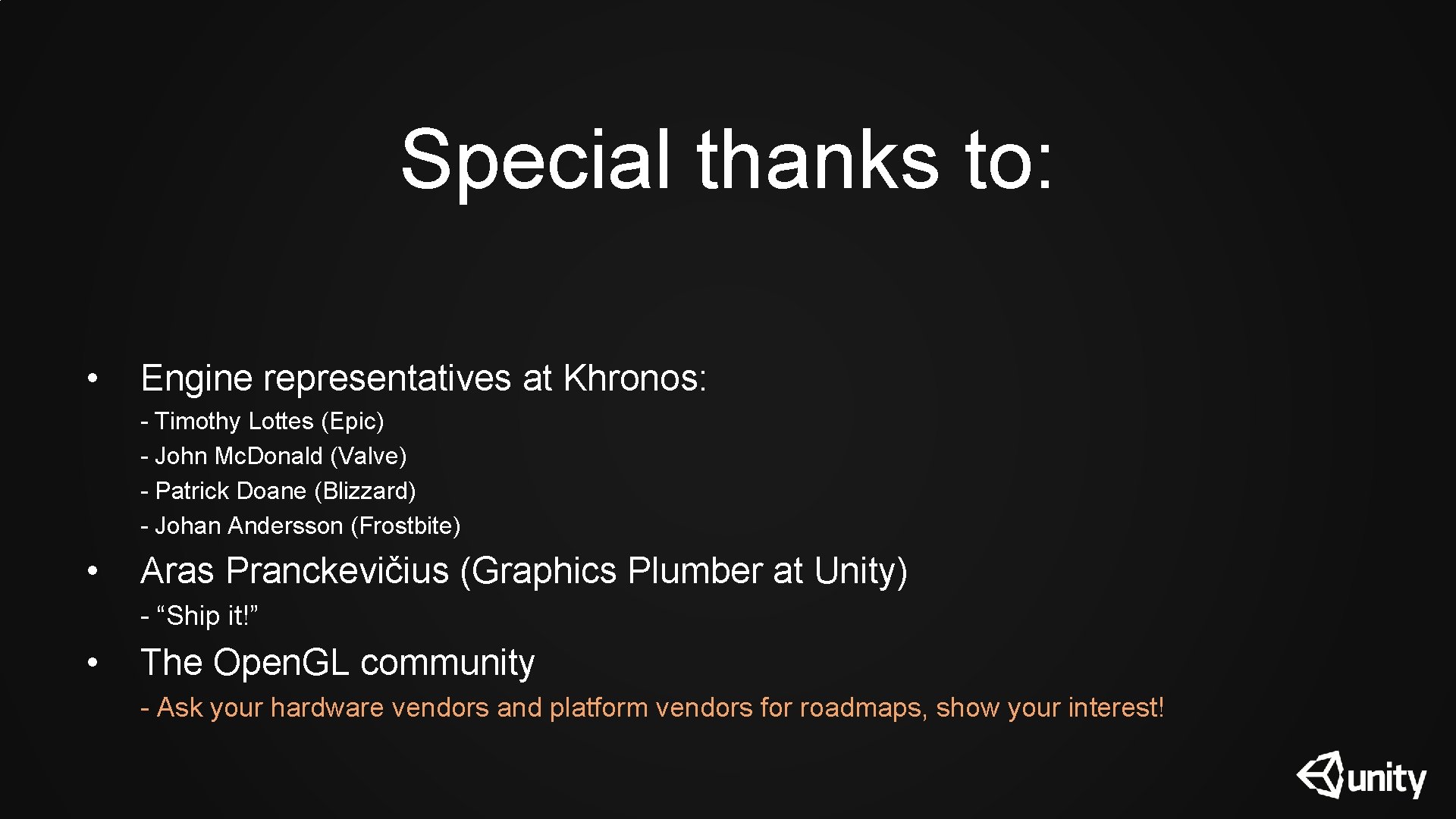
Special thanks to: • Engine representatives at Khronos: - Timothy Lottes (Epic) - John Mc. Donald (Valve) - Patrick Doane (Blizzard) - Johan Andersson (Frostbite) • Aras Pranckevičius (Graphics Plumber at Unity) - “Ship it!” • The Open. GL community - Ask your hardware vendors and platform vendors for roadmaps, show your interest!
Join and contribute!
Extra slides
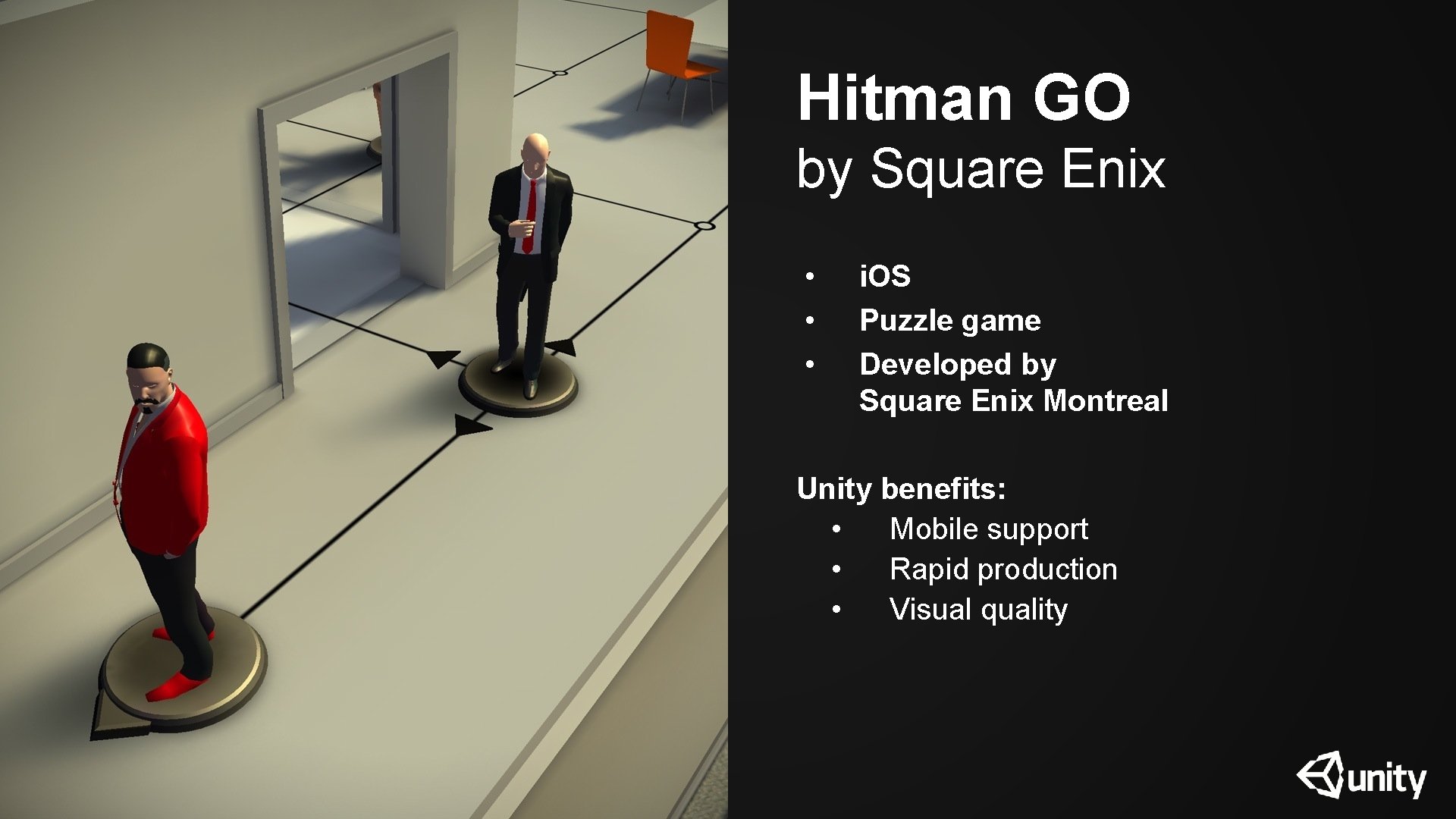
Hitman GO by Square Enix • • • i. OS Puzzle game Developed by Square Enix Montreal Unity benefits: • Mobile support • Rapid production • Visual quality
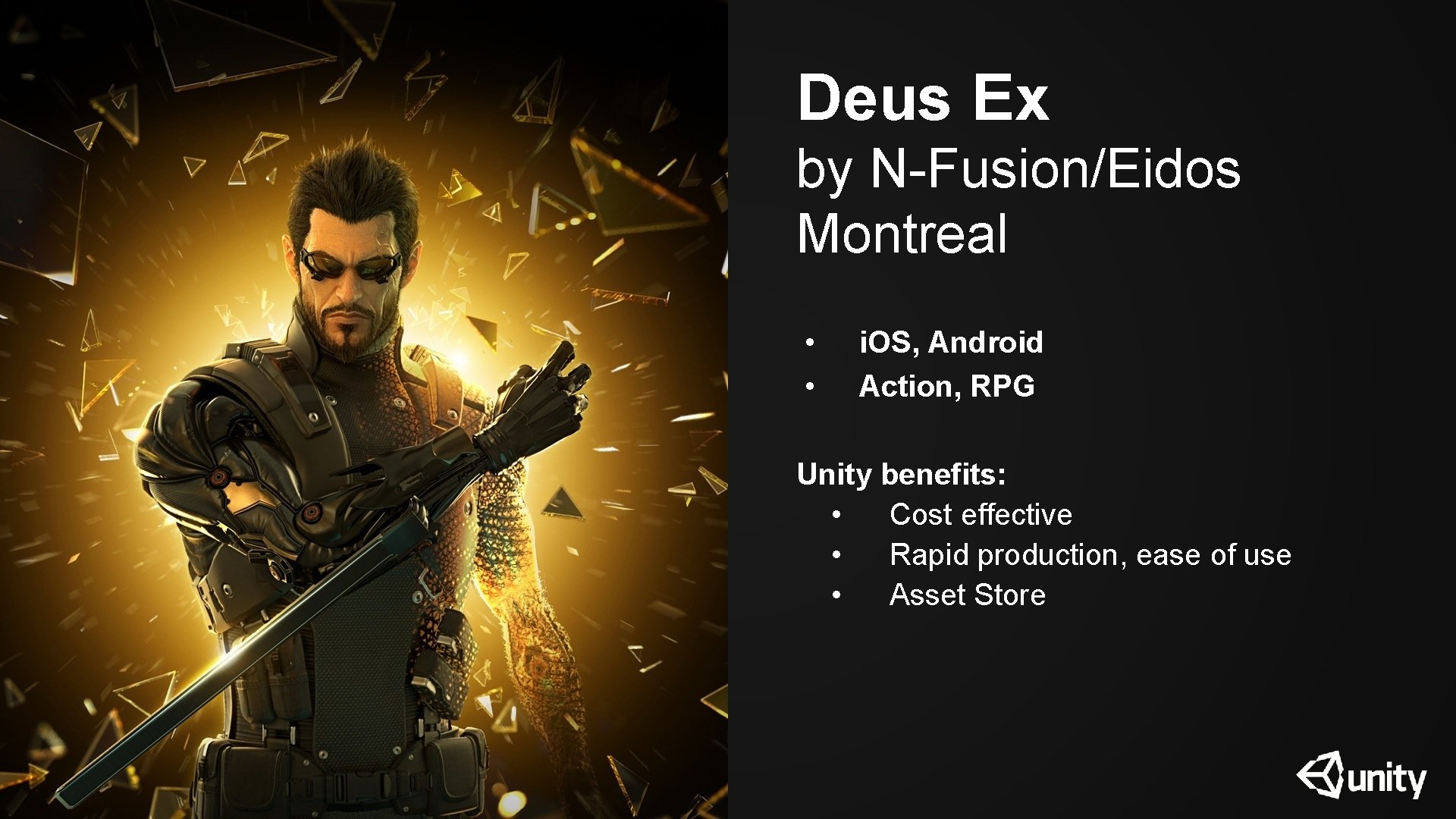
Deus Ex by N-Fusion/Eidos Montreal • • i. OS, Android Action, RPG Unity benefits: • Cost effective • Rapid production, ease of use • Asset Store
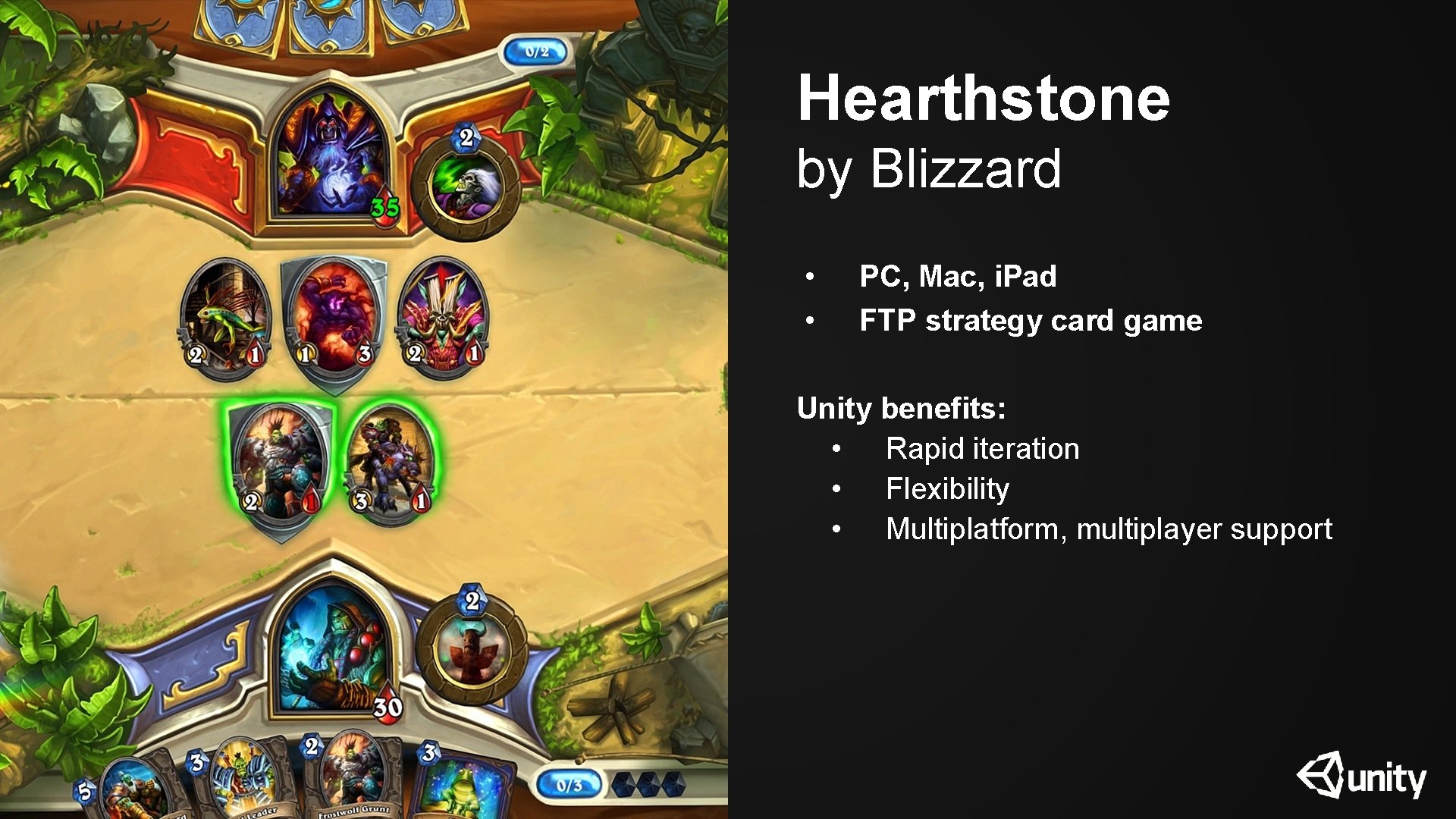
Hearthstone by Blizzard • • PC, Mac, i. Pad FTP strategy card game Unity benefits: • Rapid iteration • Flexibility • Multiplatform, multiplayer support
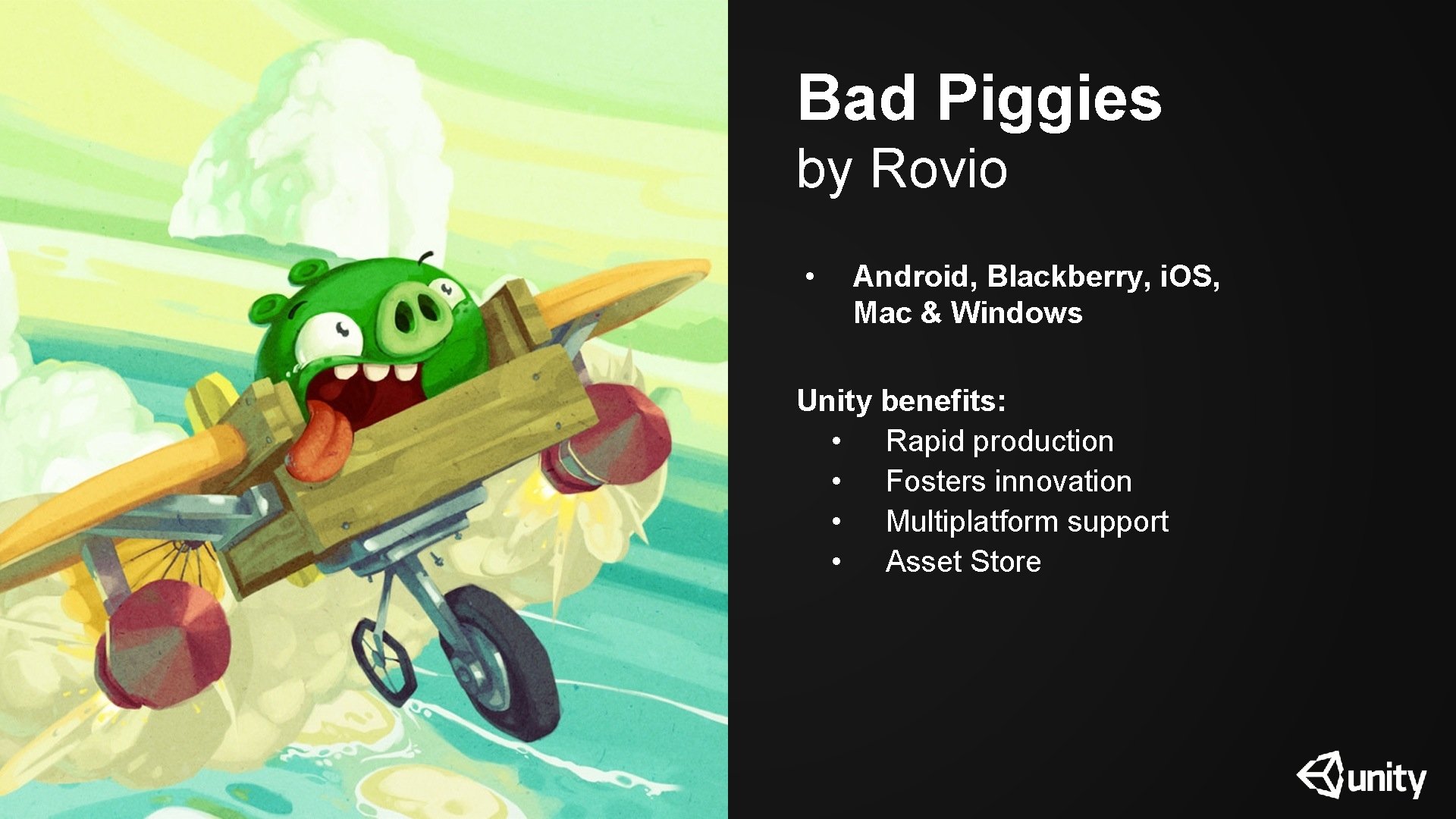
Bad Piggies by Rovio • Android, Blackberry, i. OS, Mac & Windows Unity benefits: • Rapid production • Fosters innovation • Multiplatform support • Asset Store
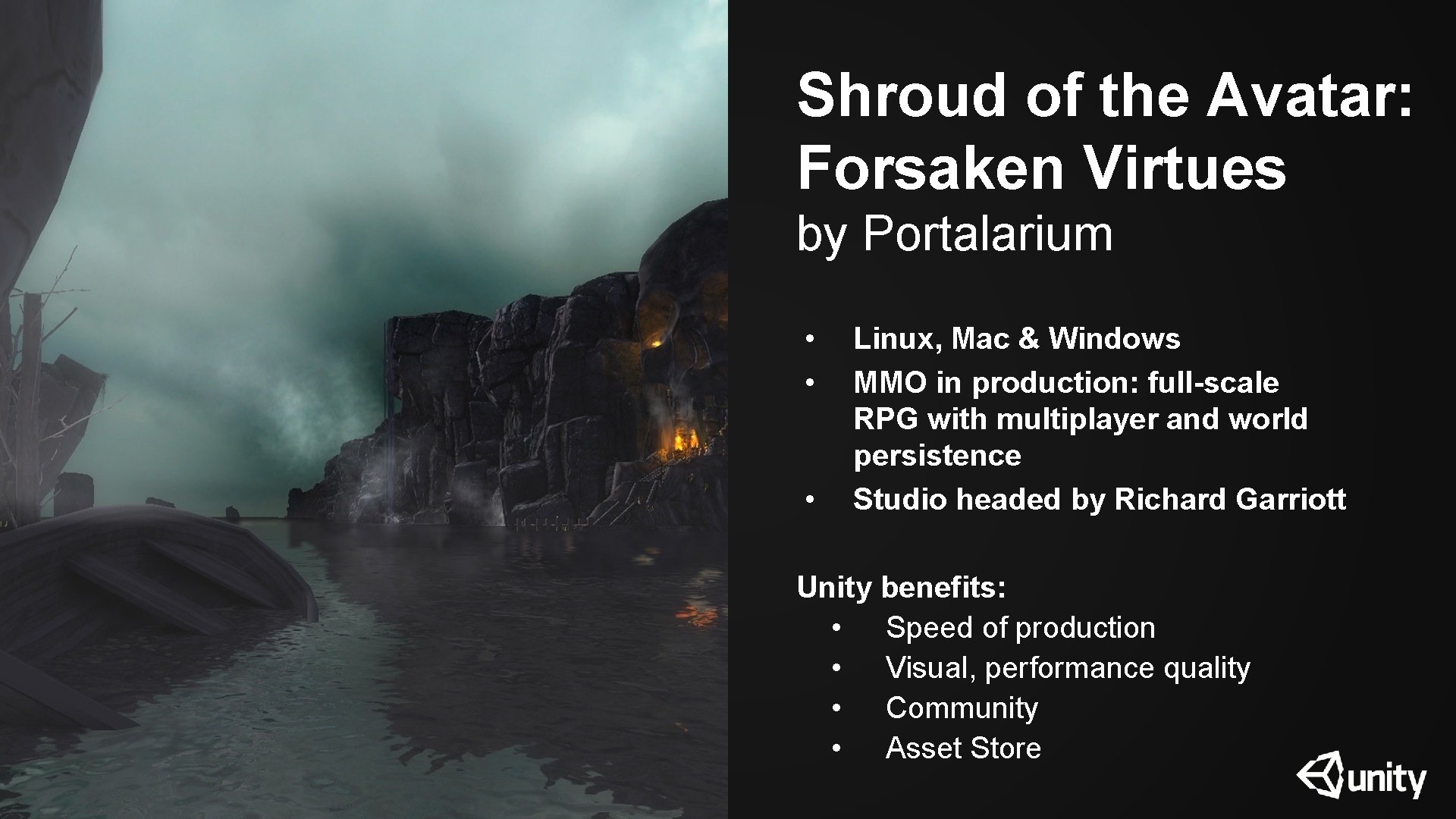
Shroud of the Avatar: Forsaken Virtues by Portalarium • • • Linux, Mac & Windows MMO in production: full-scale RPG with multiplayer and world persistence Studio headed by Richard Garriott Unity benefits: • Speed of production • Visual, performance quality • Community • Asset Store
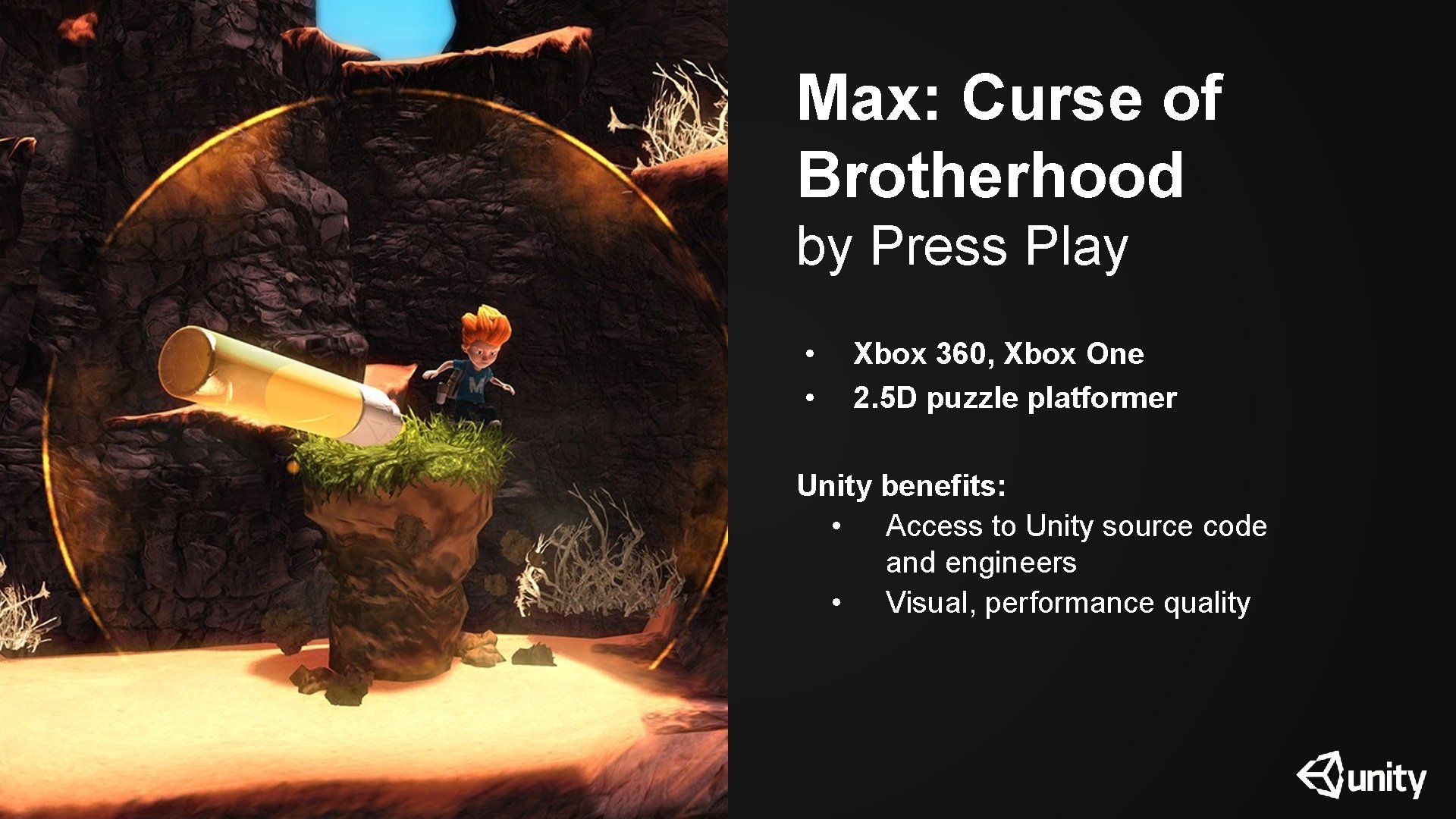
Max: Curse of Brotherhood by Press Play • • Xbox 360, Xbox One 2. 5 D puzzle platformer Unity benefits: • Access to Unity source code and engineers • Visual, performance quality
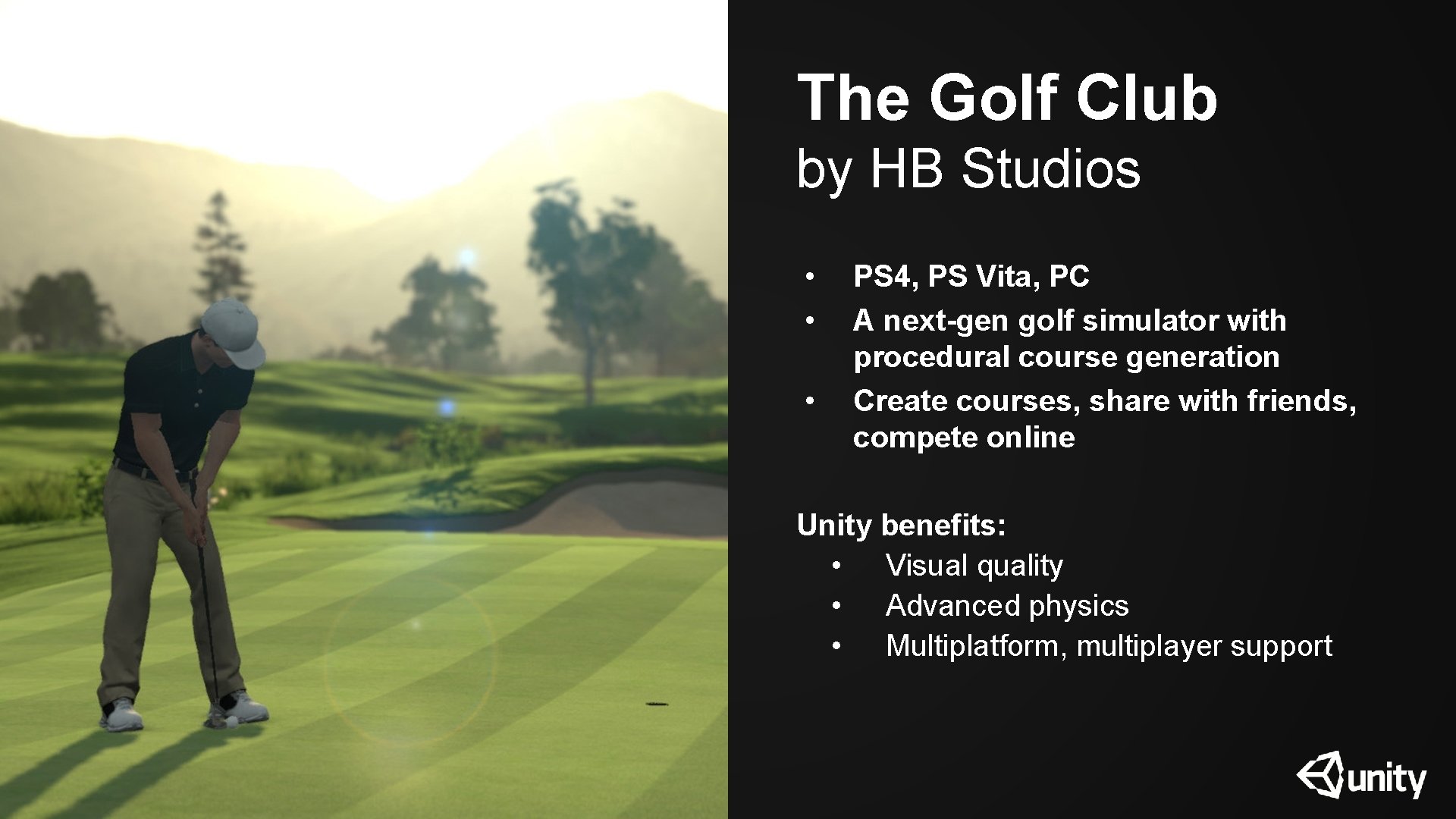
The Golf Club by HB Studios • • • PS 4, PS Vita, PC A next-gen golf simulator with procedural course generation Create courses, share with friends, compete online Unity benefits: • Visual quality • Advanced physics • Multiplatform, multiplayer support
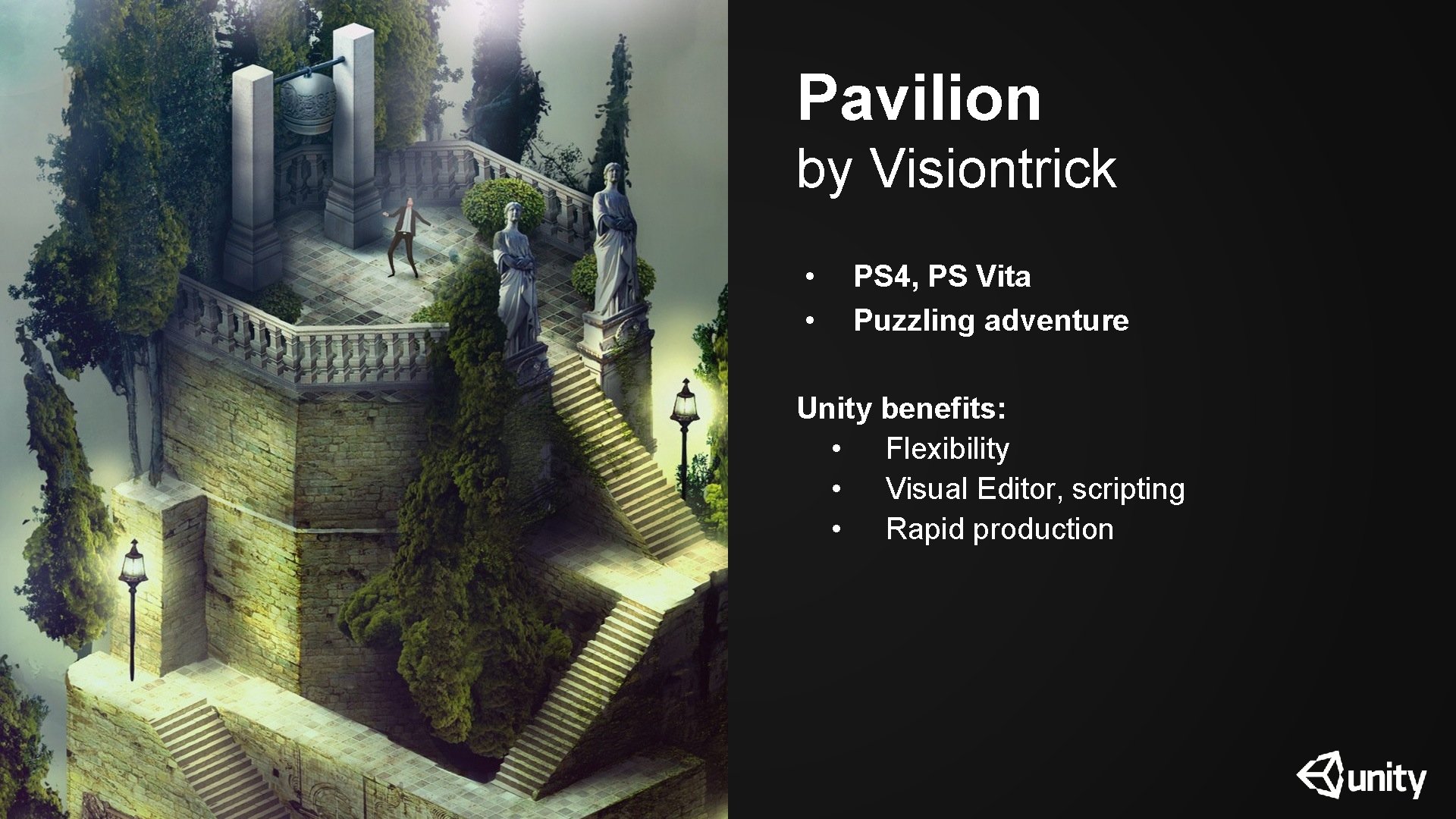
Pavilion by Visiontrick • • PS 4, PS Vita Puzzling adventure Unity benefits: • Flexibility • Visual Editor, scripting • Rapid production
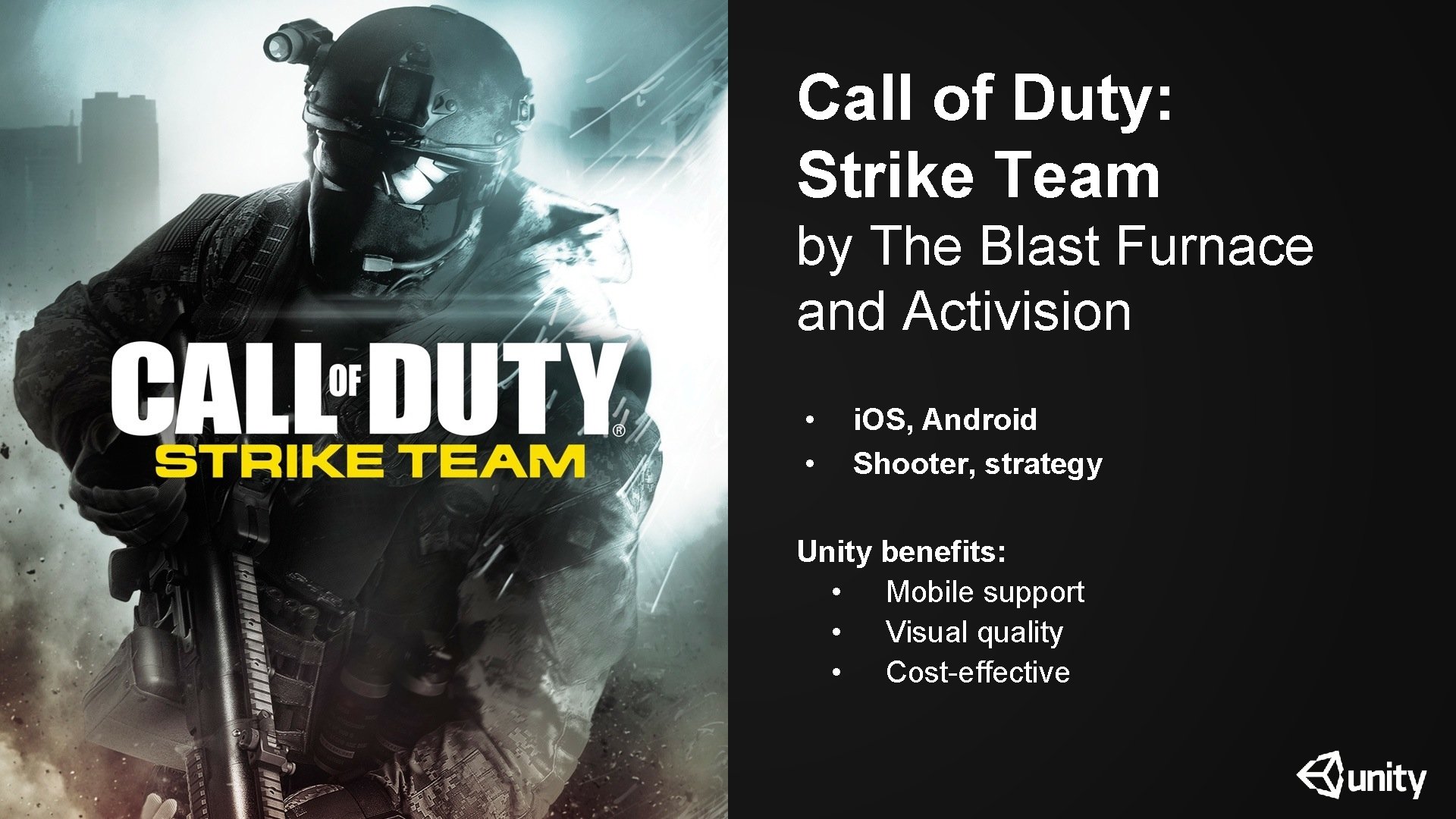
Call of Duty: Strike Team by The Blast Furnace and Activision • • i. OS, Android Shooter, strategy Unity benefits: • Mobile support • Visual quality • Cost-effective
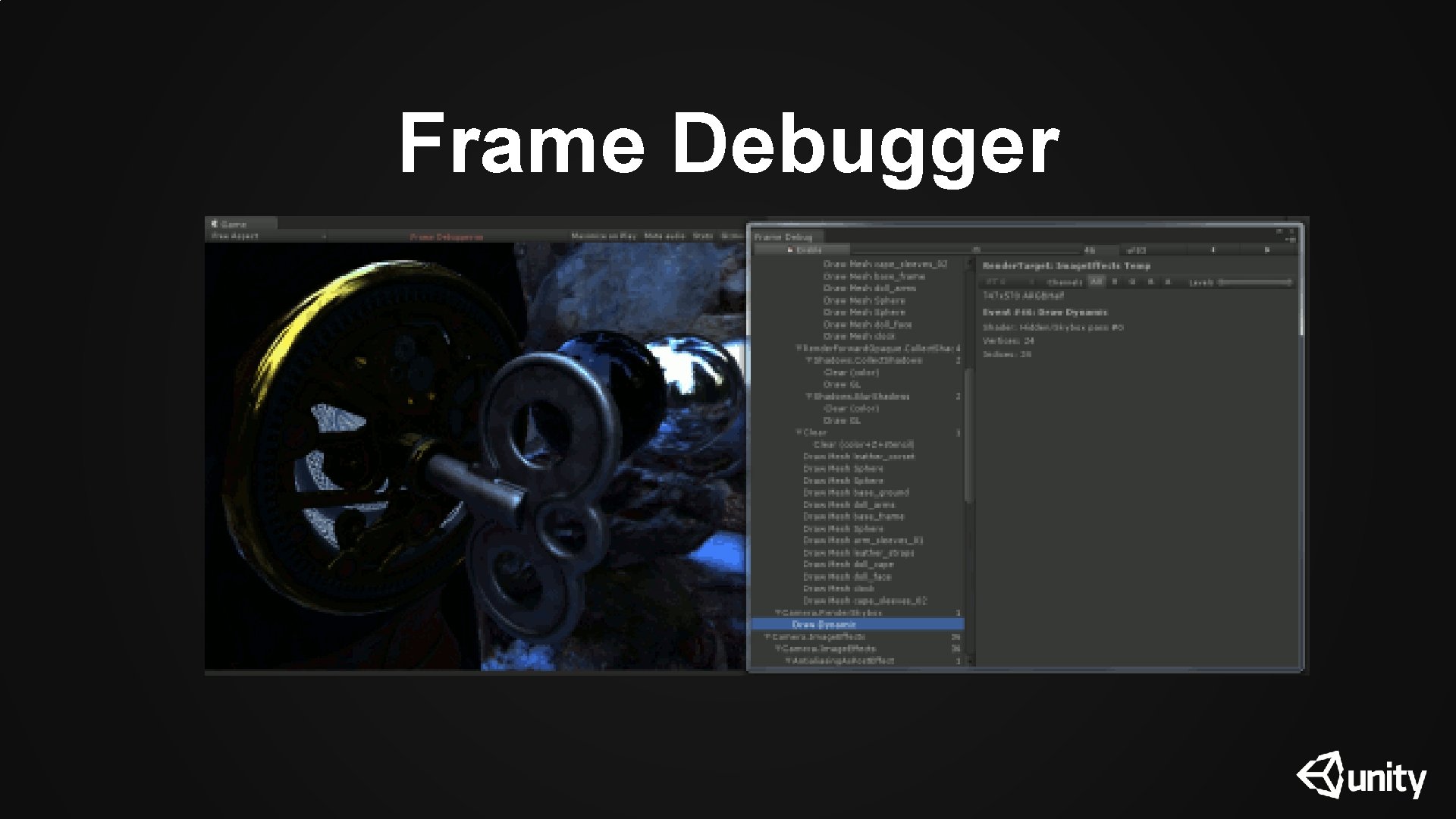
Frame Debugger
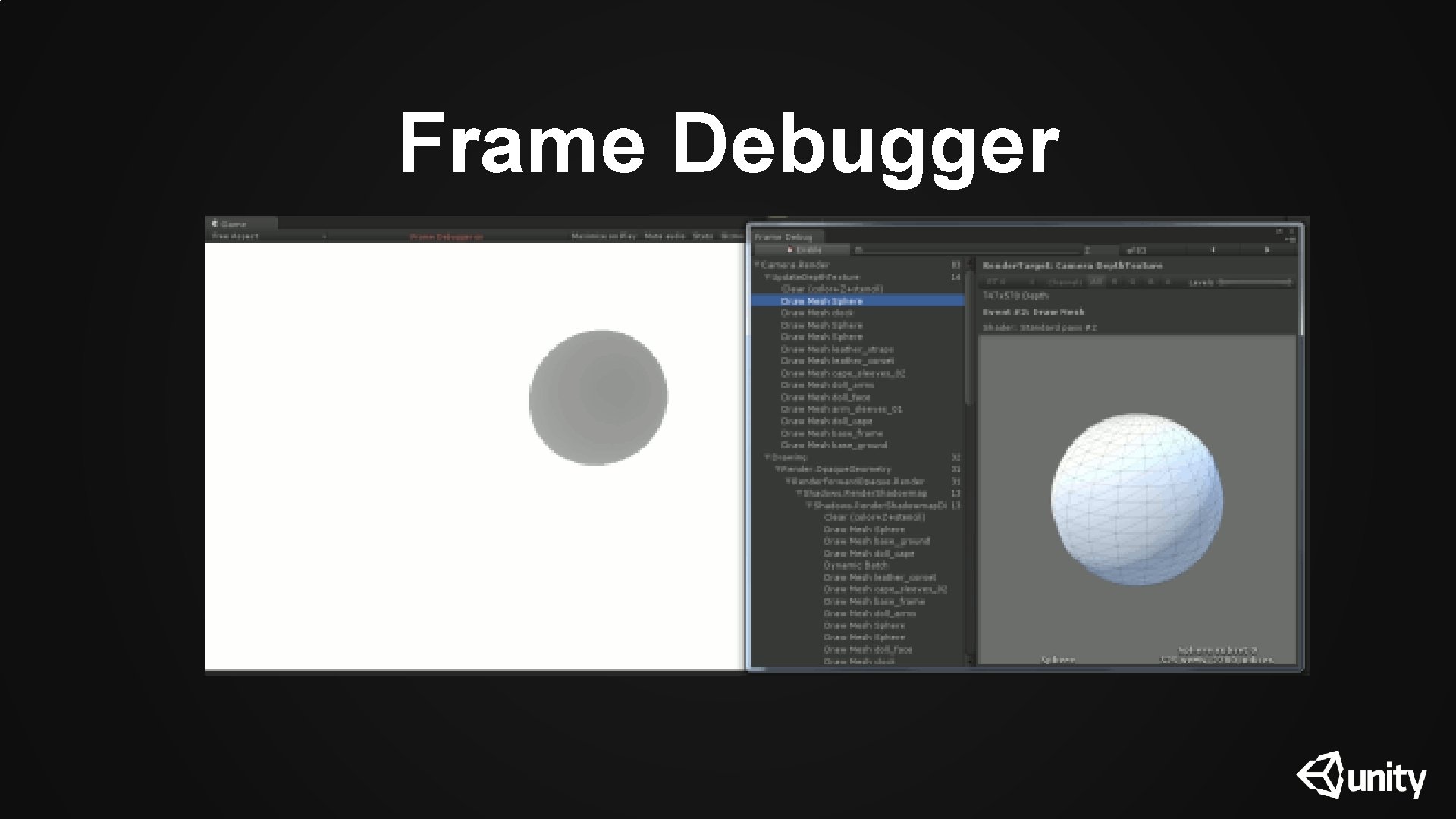
Frame Debugger