
One step forward two steps back On the
One step forward, two steps back: On the politics of sustainability in the United States Sandy Rikoon University of Missouri Rikoon. Sandy@missouri. edu
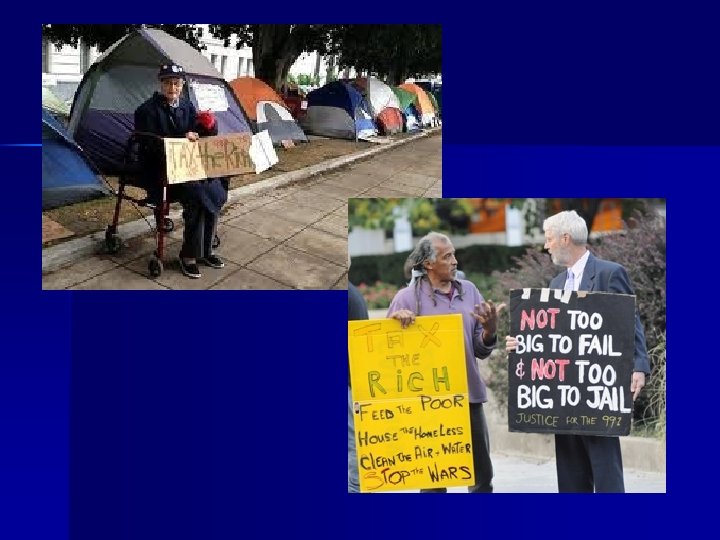
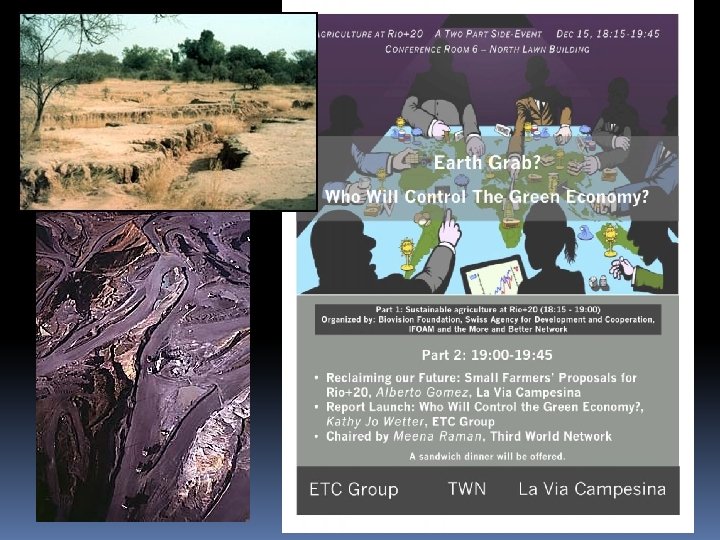
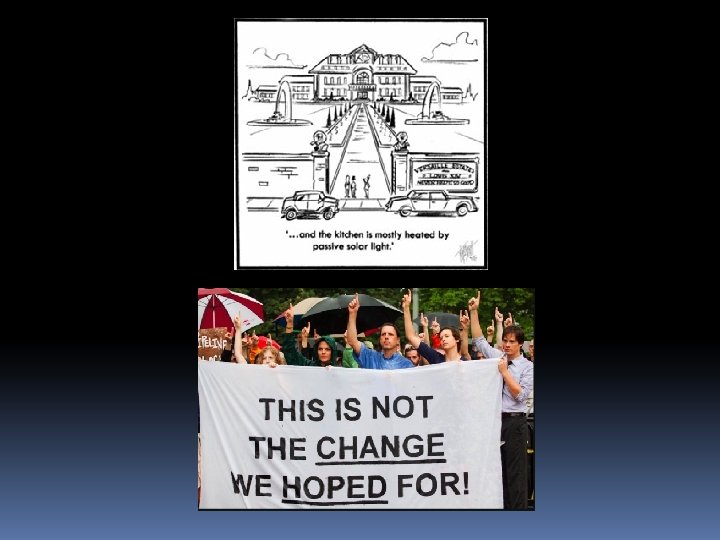
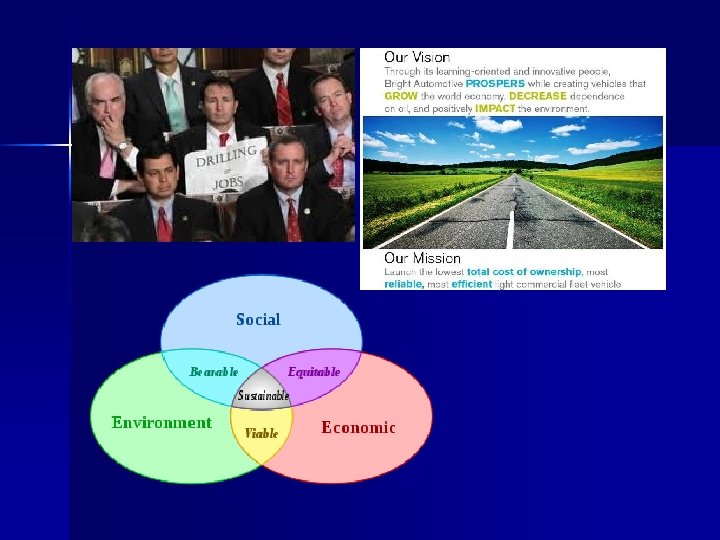
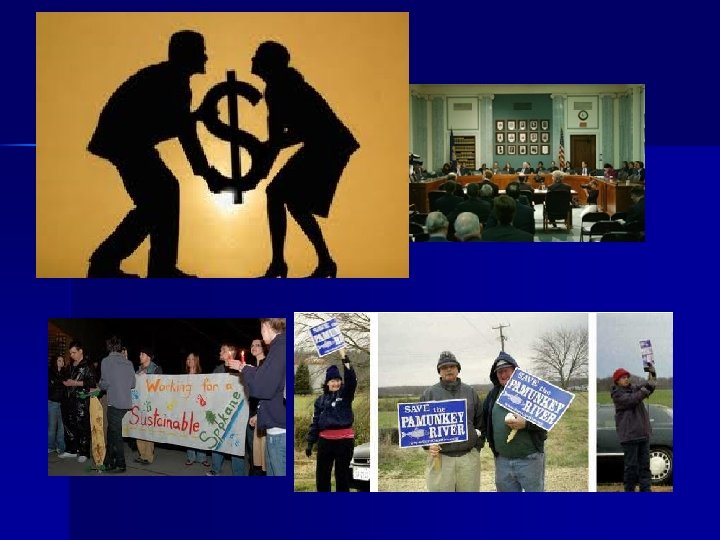
Three Dimensions of Power 1) Protection of subjective interests during direct conflicts over selected issues in public decision-making 2) Confining the scope of decision-making to only those issues that do not seriously challenge one’s subjective interests 3) Avoiding potential conflict by shaping people’s perceptions, beliefs and subjective interests via ideology and propaganda
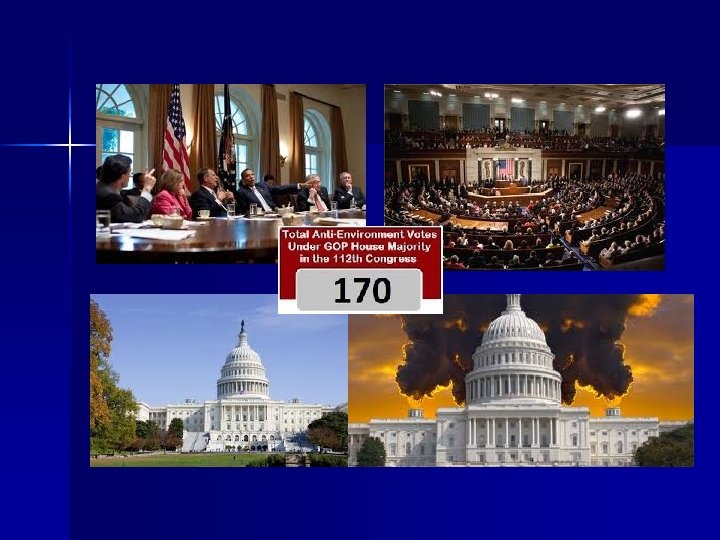
The Modernization Project (1950 -1980) Dominant political economy Primacy of the state and state-regulated markets (Keynesianism) Public Spending Social goals Social contract and redistribution National citizenship Chief Mechanisms Public investment Import substitution industrialization Education Land reform
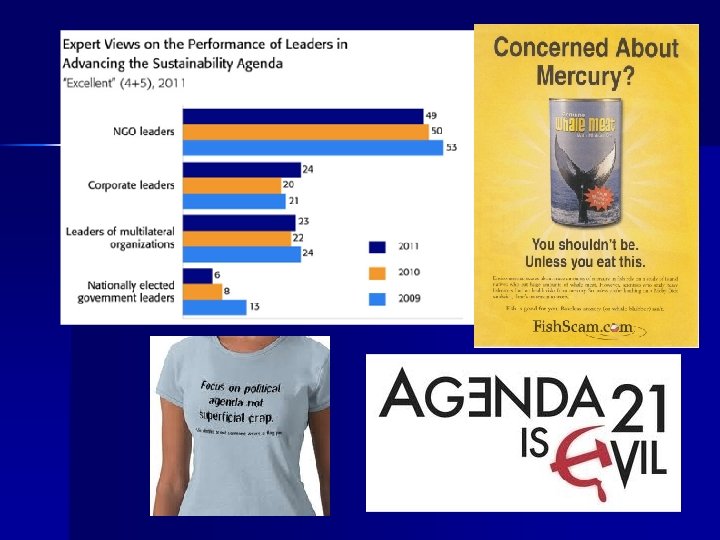
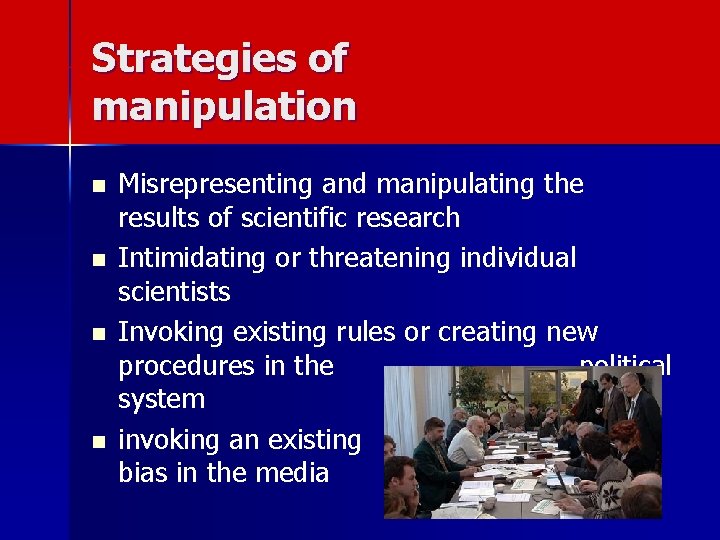
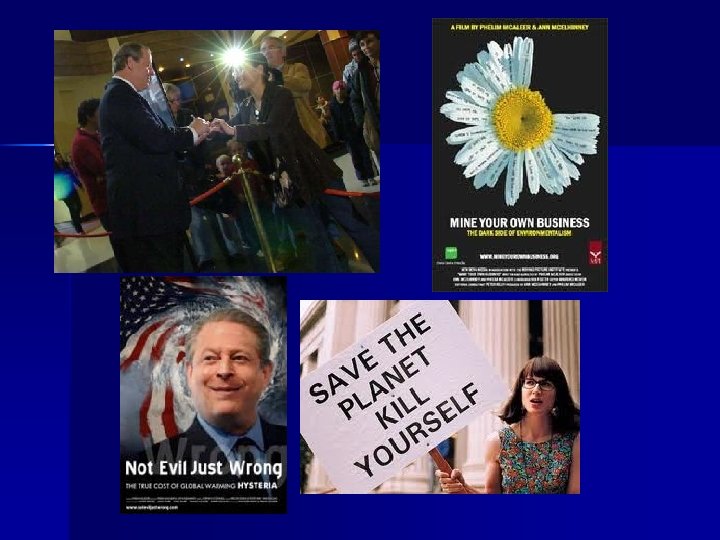
Strategies of manipulation n n Misrepresenting and manipulating the results of scientific research Intimidating or threatening individual scientists Invoking existing rules or creating new procedures in the political system invoking an existing bias of bias in the media
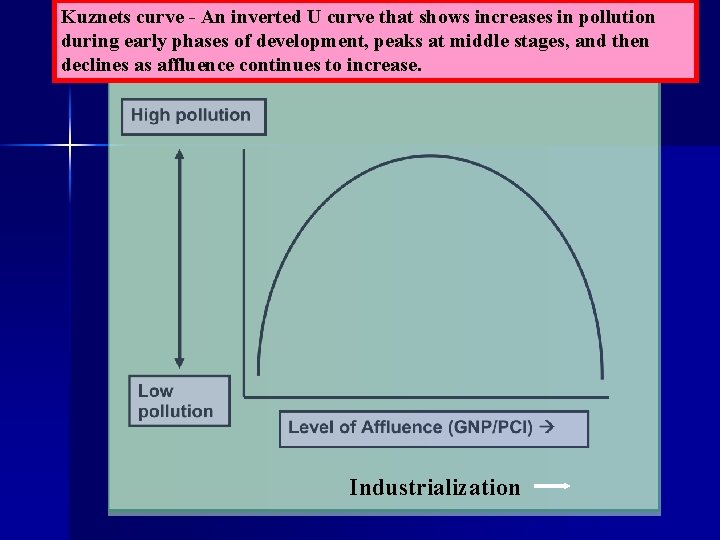
Kuznets curve - An inverted U curve that shows increases in pollution during early phases of development, peaks at middle stages, and then declines as affluence continues to increase. Kuznets Curve Industrialization
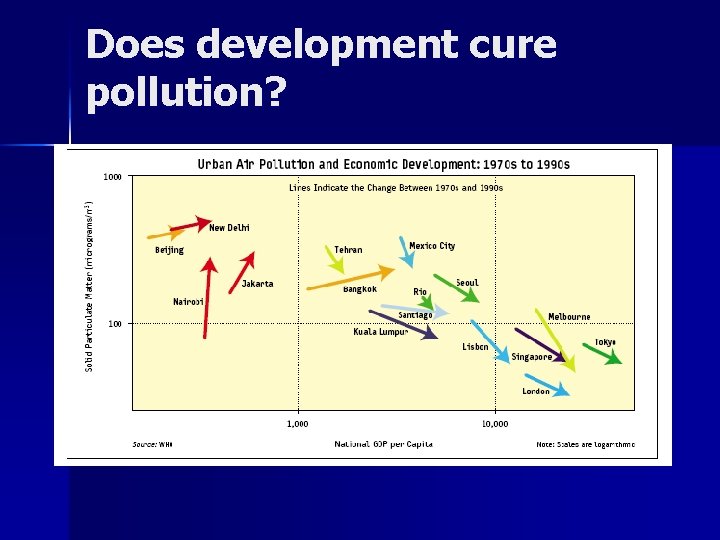
Does development cure pollution?
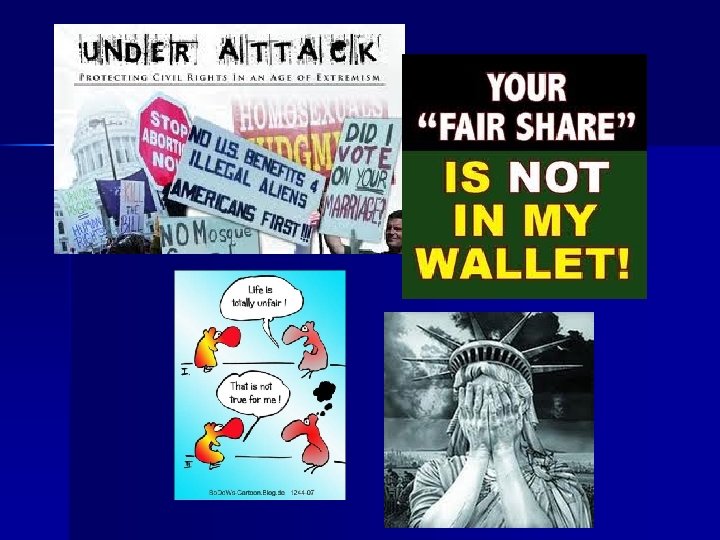
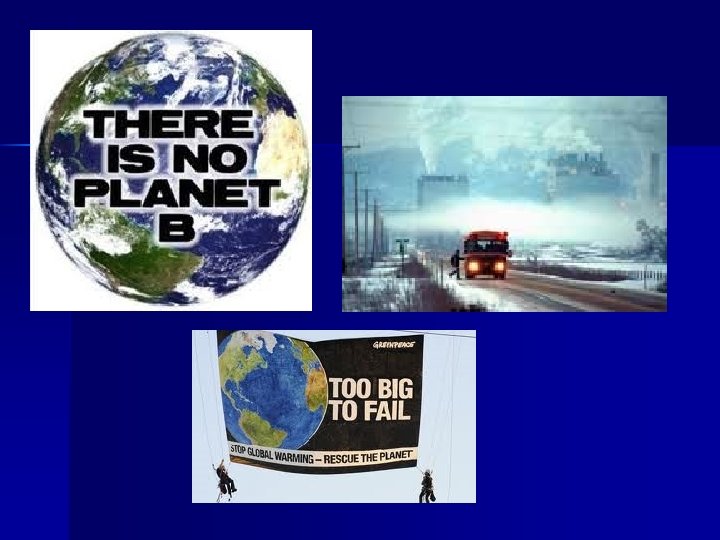
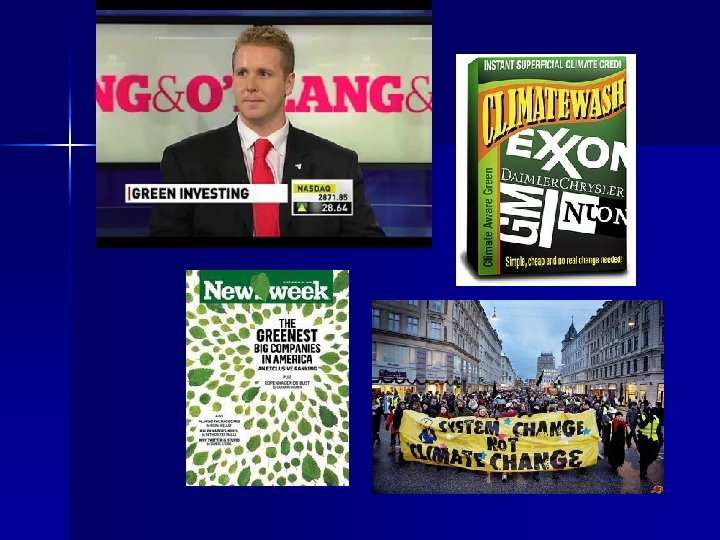
10 Deep Sustainability Principles 1. Seeks the well-being and flourishing of the biological and physical environment (including all species), human livelihoods, and the access to adequate physical resources necessary for all human beings to live healthy lives. 2. Recognizes the diversity of cultural and social lives and the ability of all humans to choose the cultural and social norms relevant to their lives. 3. Requires humans to recognize systems of rights and responsibilities for all peoples.
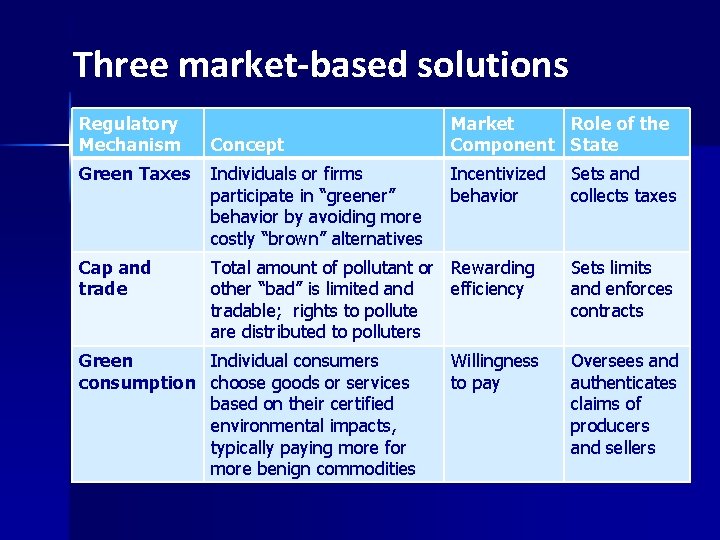
Three market-based solutions Regulatory Mechanism Concept Market Role of the Component State Green Taxes Individuals or firms participate in “greener” behavior by avoiding more costly “brown” alternatives Cap and trade Total amount of pollutant or Rewarding other “bad” is limited and efficiency tradable; rights to pollute are distributed to polluters Green Individual consumers consumption choose goods or services based on their certified environmental impacts, typically paying more for more benign commodities Incentivized behavior Willingness to pay Sets and collects taxes Sets limits and enforces contracts Oversees and authenticates claims of producers and sellers
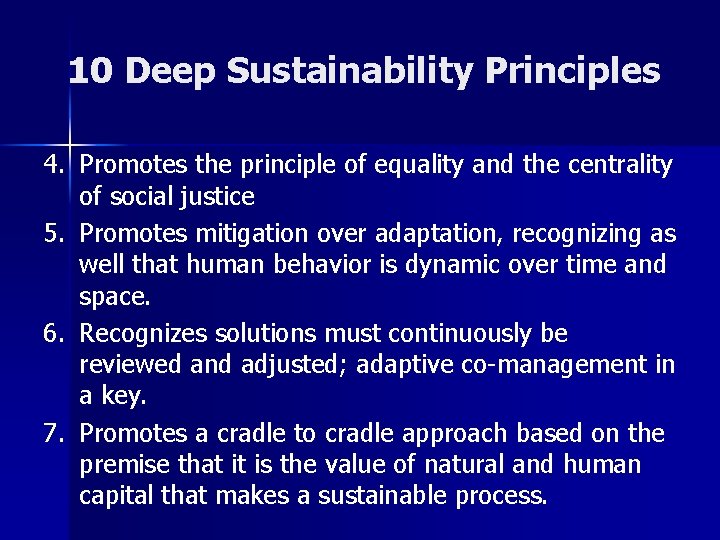
10 Deep Sustainability Principles 4. Promotes the principle of equality and the centrality of social justice 5. Promotes mitigation over adaptation, recognizing as well that human behavior is dynamic over time and space. 6. Recognizes solutions must continuously be reviewed and adjusted; adaptive co-management in a key. 7. Promotes a cradle to cradle approach based on the premise that it is the value of natural and human capital that makes a sustainable process.
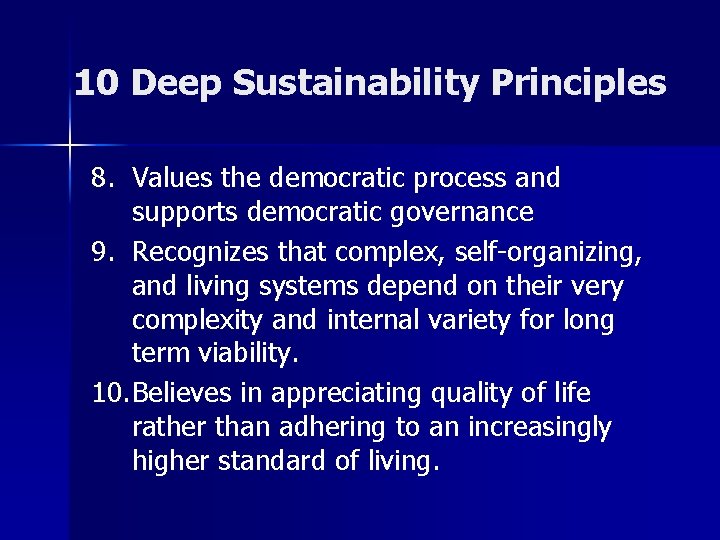
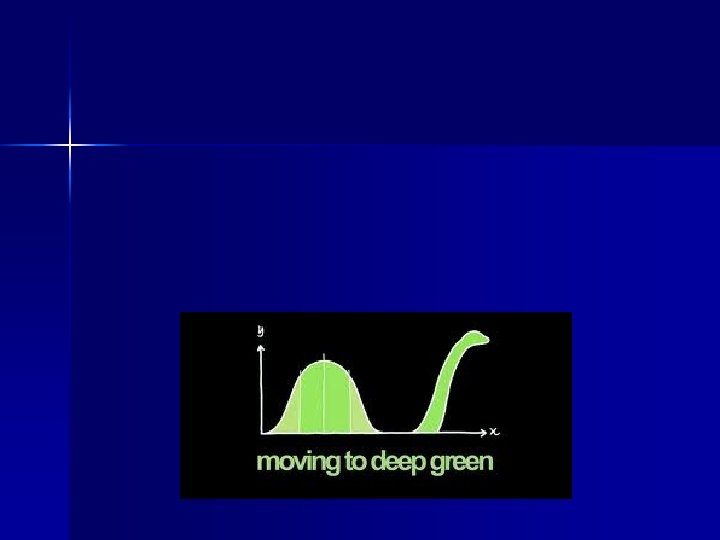
10 Deep Sustainability Principles 8. Values the democratic process and supports democratic governance 9. Recognizes that complex, self-organizing, and living systems depend on their very complexity and internal variety for long term viability. 10. Believes in appreciating quality of life rather than adhering to an increasingly higher standard of living.
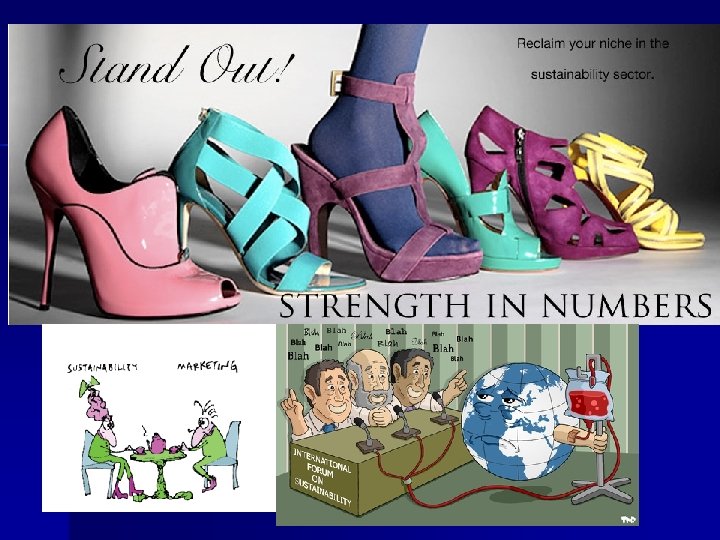
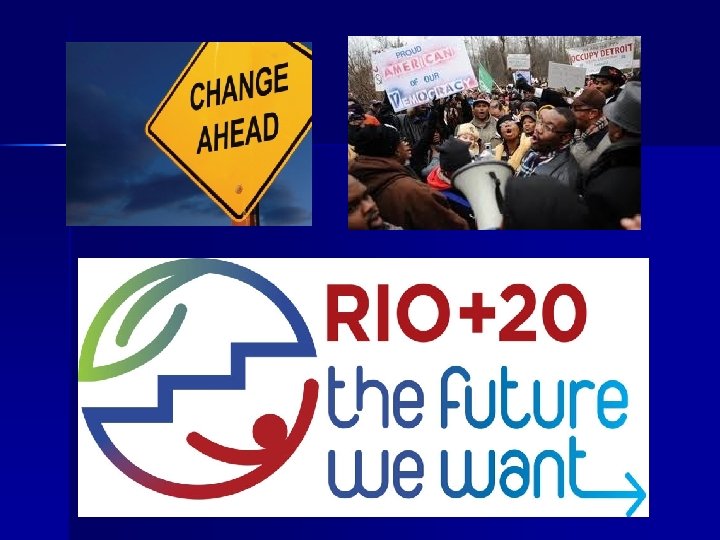


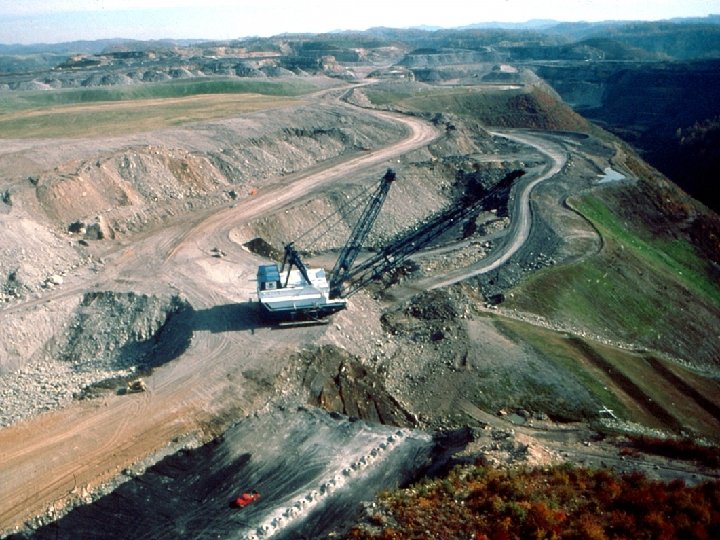
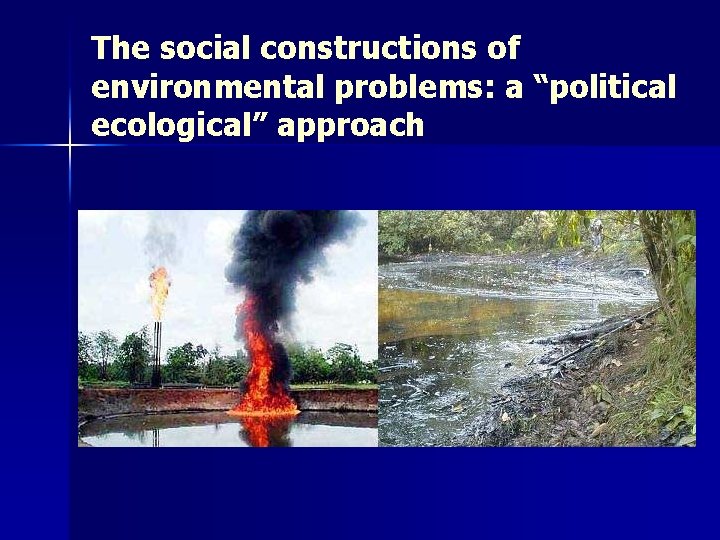
The social constructions of environmental problems: a “political ecological” approach
The Modernization Project (1940 -1980? ) Mobilizing tool Nationalism (postcolonialism) Institutional developments World Bank, IMF
From Development to Globalization The Globalization Project (1990 -present) Dominant political economy Self-regulating markets (monetarism) Public/state downsizing Chief Mechanisms Export-orientation Privatization Entrepreneurialism Public austerity
The Globalization Project (1990 -present) Mobilizing tool Markets and credit Social goals Private initiatives and global consumerism Multi-layered citizenship and recognition Institutional developments NAFTA, WTO SAP (Structural Adjustment Policies)
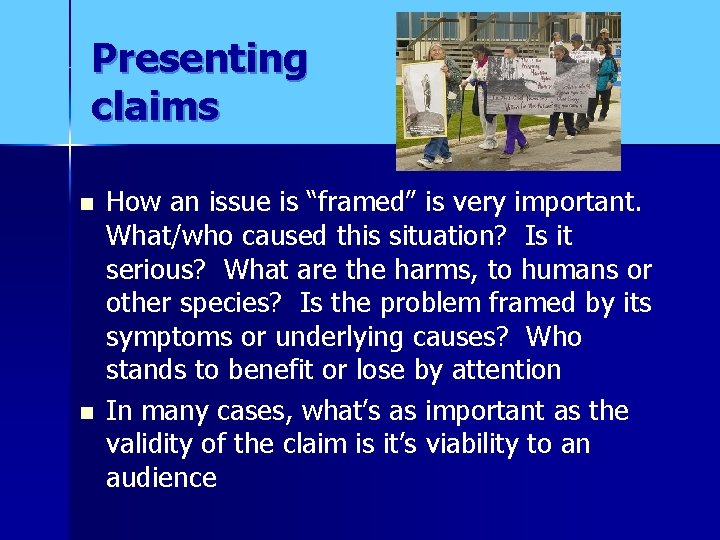
Presenting claims n n How an issue is “framed” is very important. What/who caused this situation? Is it serious? What are the harms, to humans or other species? Is the problem framed by its symptoms or underlying causes? Who stands to benefit or lose by attention In many cases, what’s as important as the validity of the claim is it’s viability to an audience
Four roles of science (Ozawa) Discoverer – uncovers conditions worthy of public attention; pre-conflict n Mechanism of authority – providing the basis of public policy decisions n Shield – providing a buffer for unpopular decisions n Tool of persuasion – justifying or legitimizing a particular argument/decision n
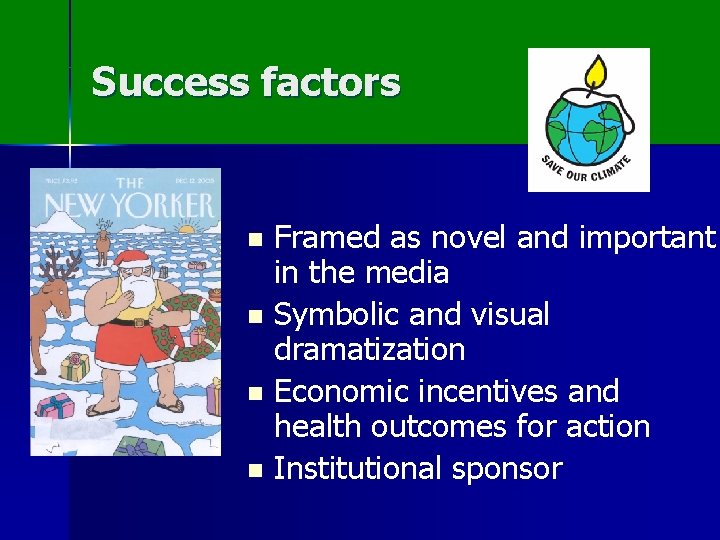
Success factors Framed as novel and important in the media n Symbolic and visual dramatization n Economic incentives and health outcomes for action n Institutional sponsor n
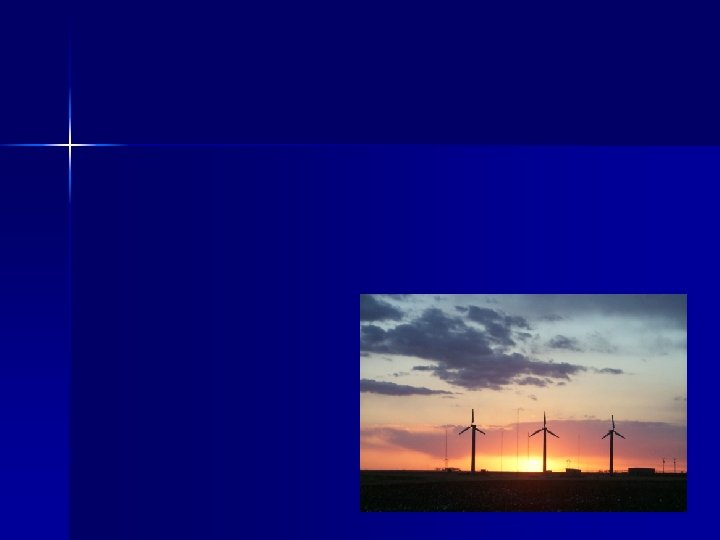
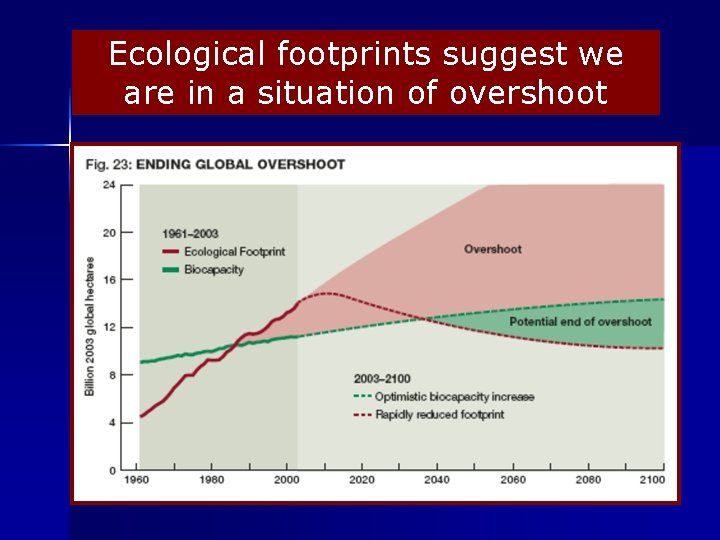
Ecological footprints suggest we are in a situation of overshoot
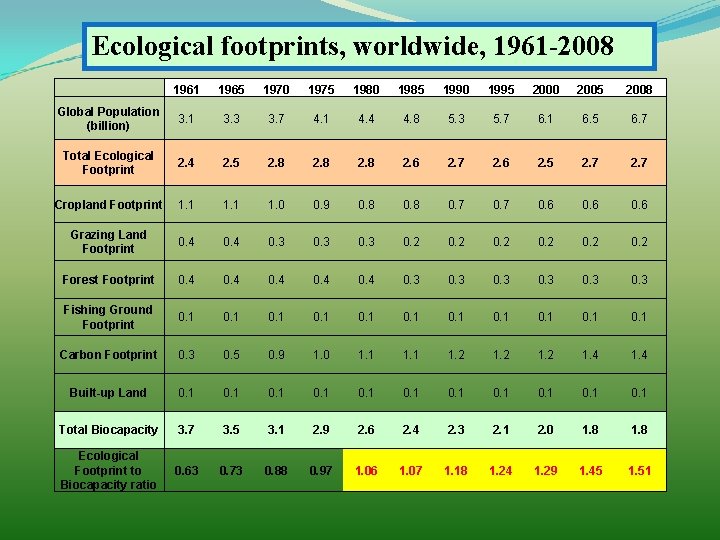
Ecological footprints, worldwide, 1961 -2008 1961 1965 1970 1975 1980 1985 1990 1995 2000 2005 2008 Global Population (billion) 3. 1 3. 3 3. 7 4. 1 4. 4 4. 8 5. 3 5. 7 6. 1 6. 5 6. 7 Total Ecological Footprint 2. 4 2. 5 2. 8 2. 6 2. 7 2. 6 2. 5 2. 7 Cropland Footprint 1. 1 1. 0 0. 9 0. 8 0. 7 0. 6 Grazing Land Footprint 0. 4 0. 3 0. 2 0. 2 Forest Footprint 0. 4 0. 3 0. 3 Fishing Ground Footprint 0. 1 0. 1 Carbon Footprint 0. 3 0. 5 0. 9 1. 0 1. 1 1. 2 1. 4 Built-up Land 0. 1 0. 1 Total Biocapacity 3. 7 3. 5 3. 1 2. 9 2. 6 2. 4 2. 3 2. 1 2. 0 1. 8 Ecological Footprint to Biocapacity ratio 0. 63 0. 73 0. 88 0. 97 1. 06 1. 07 1. 18 1. 24 1. 29 1. 45 1. 51
- Slides: 44