
ONE HEALTH SYSTEMS THINKING ONE HEALTH AND THE

- Slides: 35
ONE HEALTH SYSTEMS THINKING ONE HEALTH AND THE DRIVERS OF DISEASE EMERGENCE POWER POINT 1
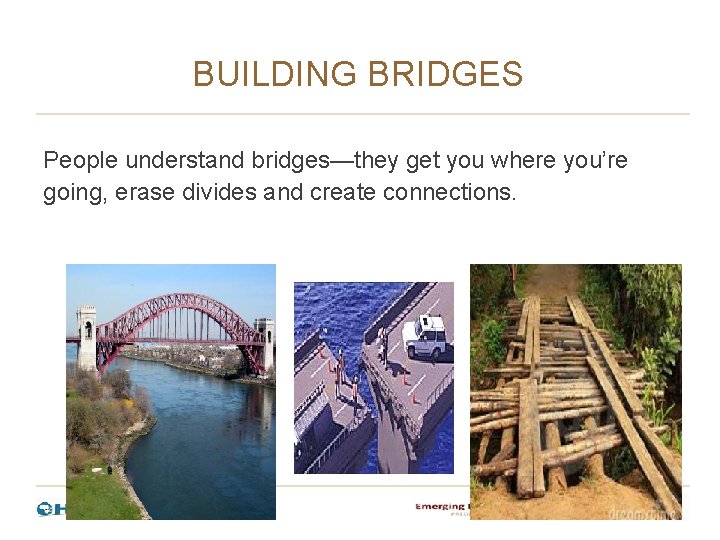
BUILDING BRIDGES People understand bridges—they get you where you’re going, erase divides and create connections.
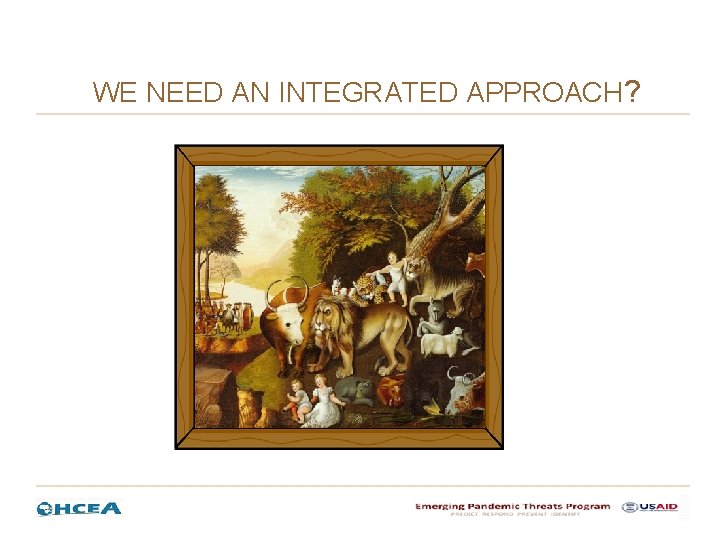
WE NEED AN INTEGRATED APPROACH?
EMERGING INFECTIOUS DISEASES § Jones, et al Global trends in emerging infectious diseases ― On the rise – 335 (1940 -2004) ― 60. 3% are zoonotic ― 71. 8% from wildlife § Wolfe et al. Origins of major human infectious diseases ― New evidence on origins of human malaria
EMERGING DISEASES NOT JUST HUMANS…. § Avian Influenza H 5 N 1 ― 475 humans : how many birds ? § BSE & Chronic Wasting Disease § Tuberculosis in wildlife reservoirs § Chytridiomycosis in amphibians § Morbillivirus in marine mammals § White-Nose Syndrome in bats
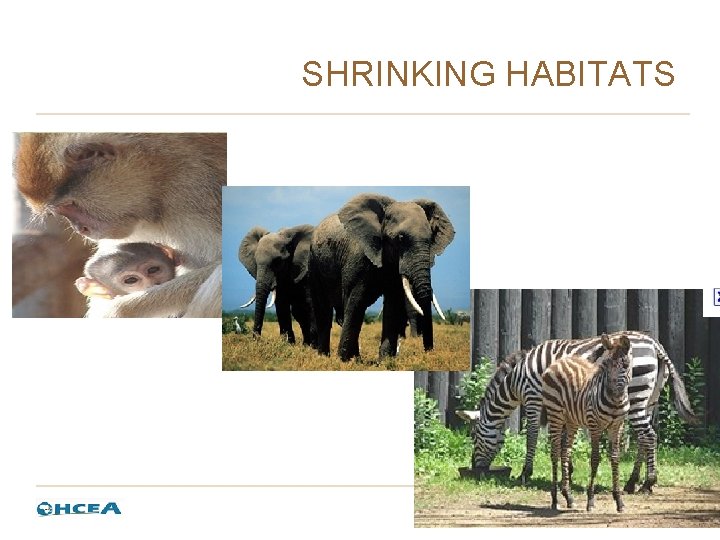
SHRINKING HABITATS
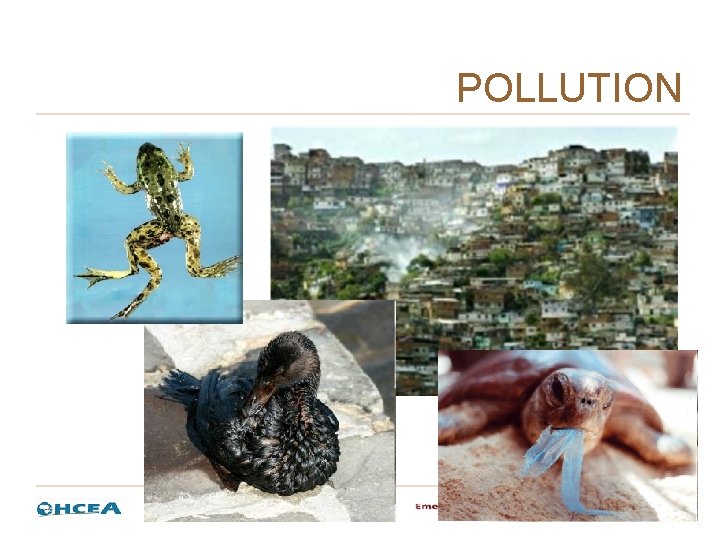
POLLUTION
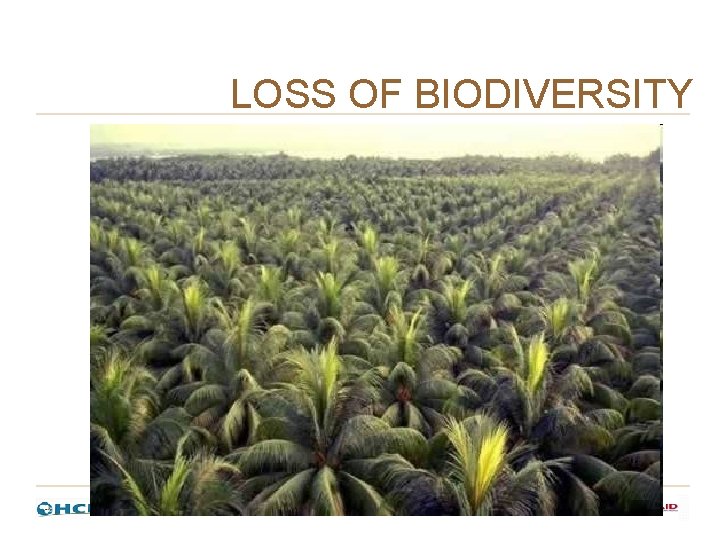
LOSS OF BIODIVERSITY
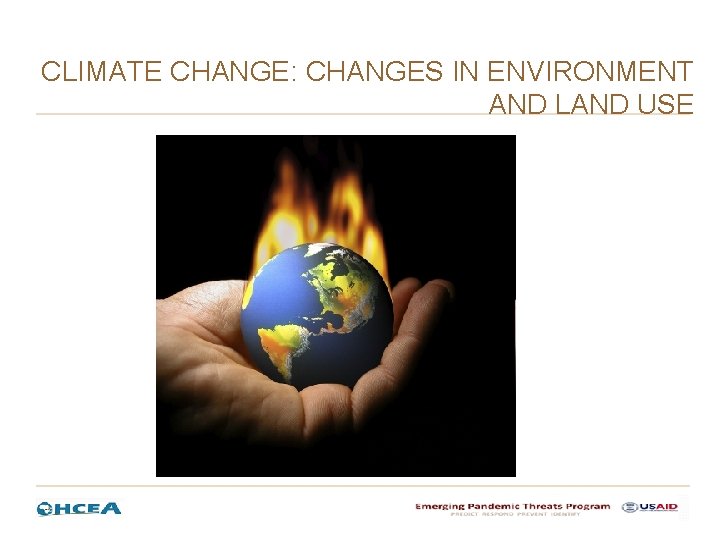
CLIMATE CHANGE: CHANGES IN ENVIRONMENT AND LAND USE
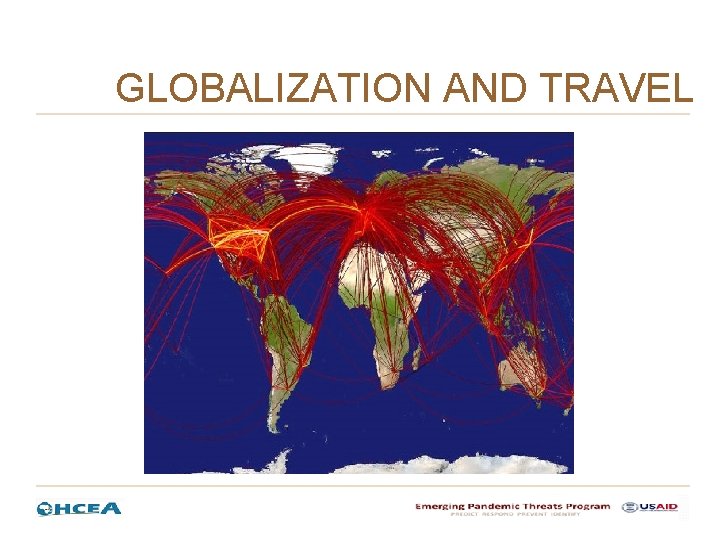
GLOBALIZATION AND TRAVEL
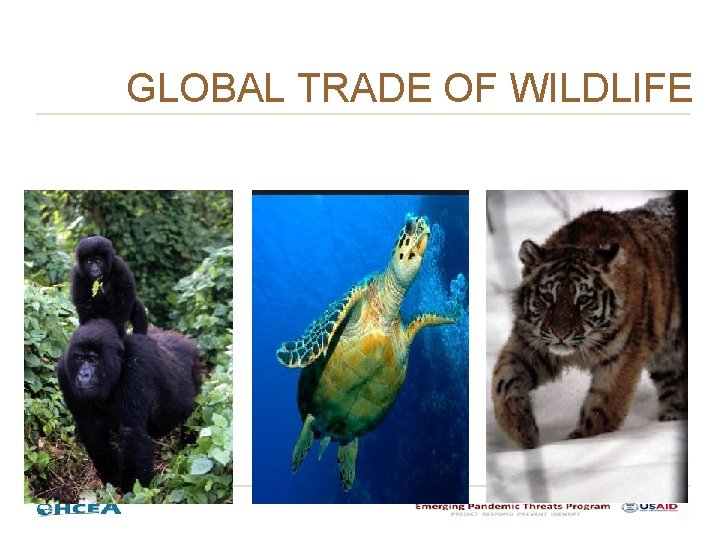
GLOBAL TRADE OF WILDLIFE
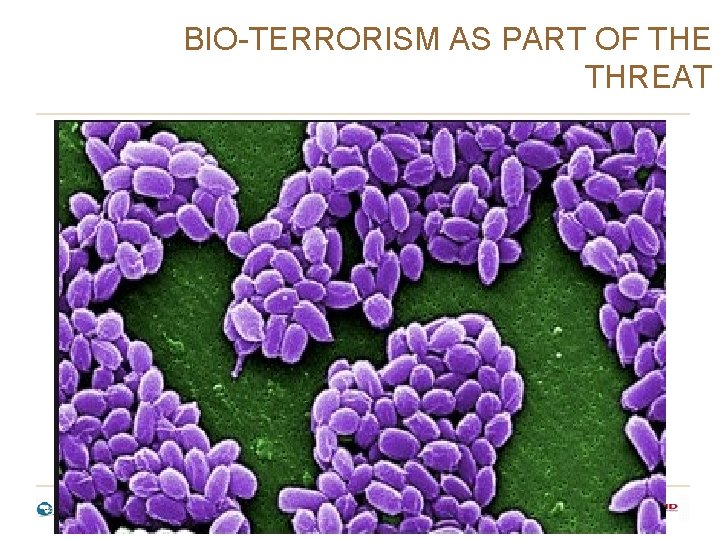
BIO-TERRORISM AS PART OF THE THREAT
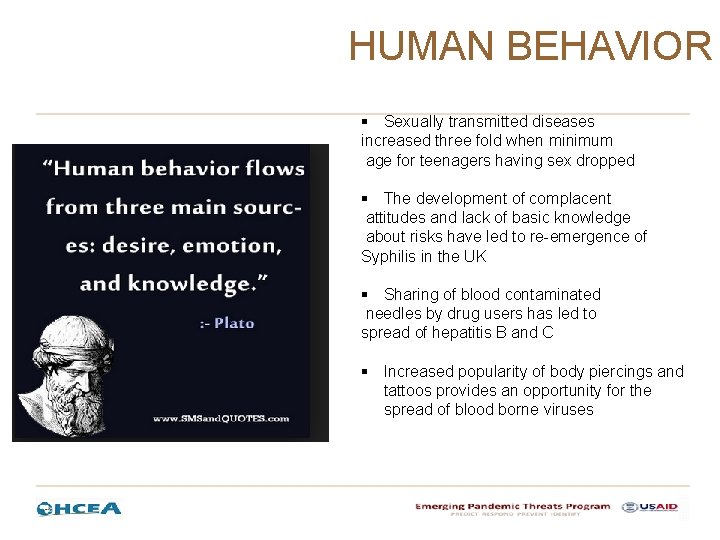
HUMAN BEHAVIOR § Sexually transmitted diseases increased three fold when minimum age for teenagers having sex dropped § The development of complacent attitudes and lack of basic knowledge about risks have led to re-emergence of Syphilis in the UK § Sharing of blood contaminated needles by drug users has led to spread of hepatitis B and C § Increased popularity of body piercings and tattoos provides an opportunity for the spread of blood borne viruses
WHY? ØPrevent and Respond to disease outbreaks ØReduce risk of infectious diseases outbreak ØRecognize and Identify zoonoses ØONE world: ONE health
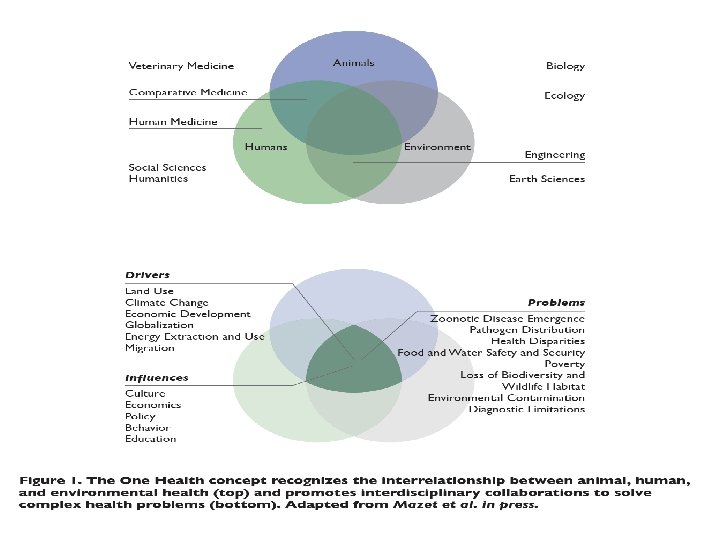
ONE HEALTH § An interdisciplinary strategy to address health from an integrated perspective rather than a discipline-based fragmented perspective …. § Is not a discipline, it’s an approach
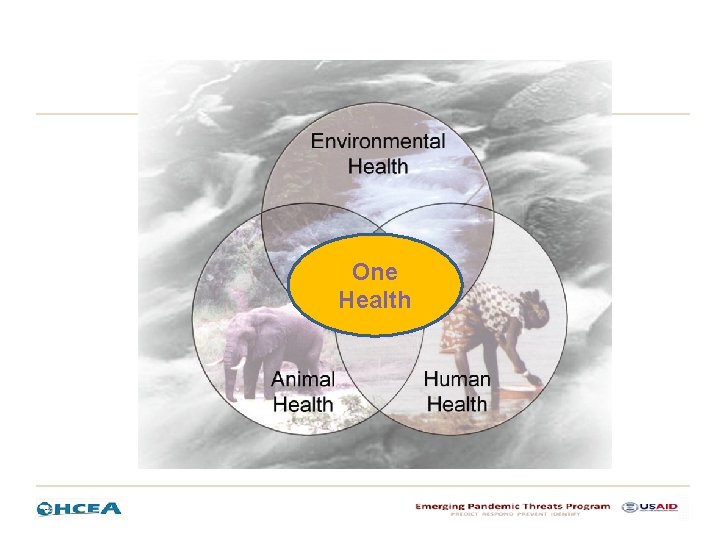
One Health
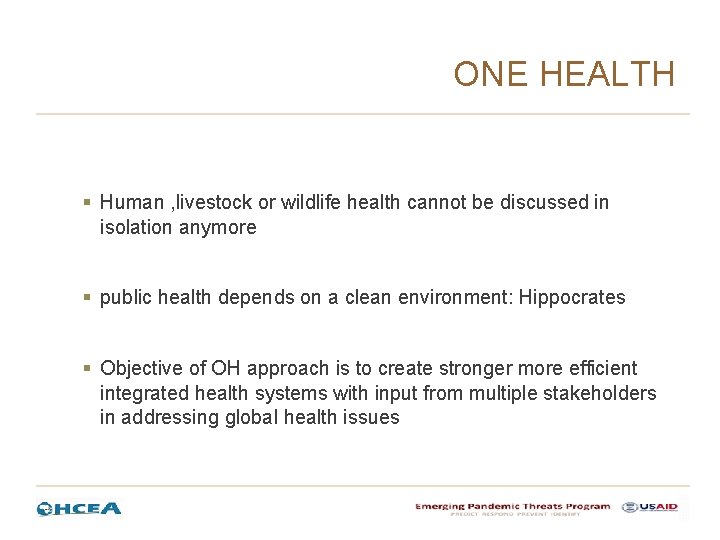
ONE HEALTH § Human , livestock or wildlife health cannot be discussed in isolation anymore § public health depends on a clean environment: Hippocrates § Objective of OH approach is to create stronger more efficient integrated health systems with input from multiple stakeholders in addressing global health issues
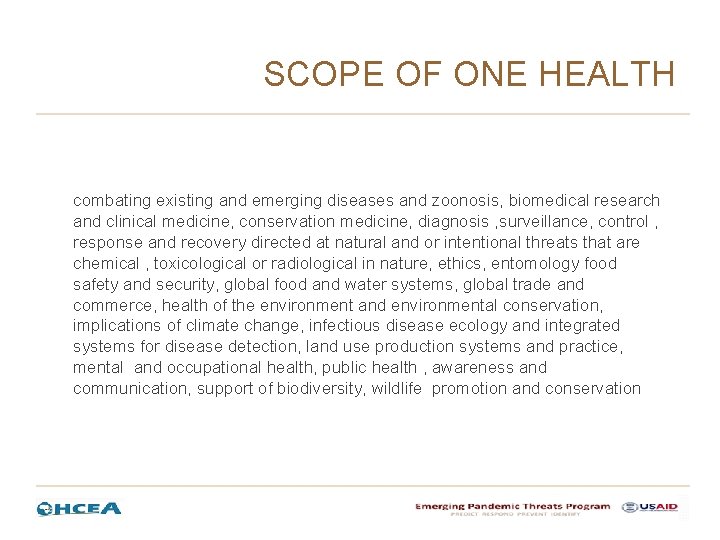
SCOPE OF ONE HEALTH combating existing and emerging diseases and zoonosis, biomedical research and clinical medicine, conservation medicine, diagnosis , surveillance, control , response and recovery directed at natural and or intentional threats that are chemical , toxicological or radiological in nature, ethics, entomology food safety and security, global food and water systems, global trade and commerce, health of the environment and environmental conservation, implications of climate change, infectious disease ecology and integrated systems for disease detection, land use production systems and practice, mental and occupational health, public health , awareness and communication, support of biodiversity, wildlife promotion and conservation
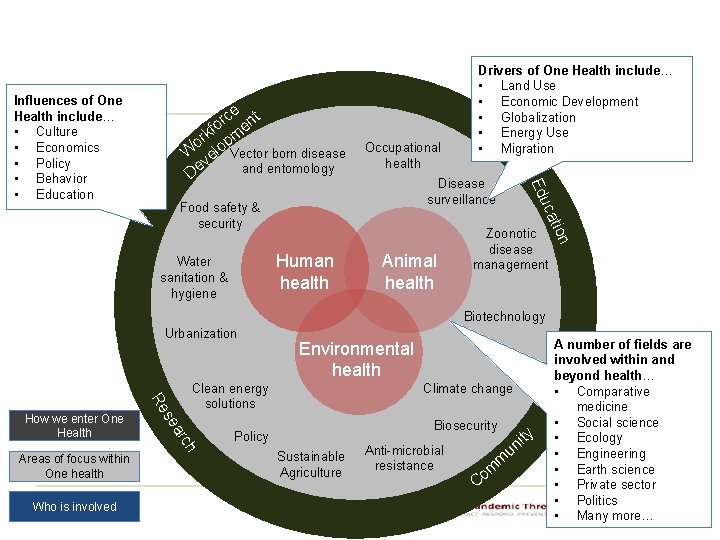
e rc ent o kf m r o p W elo Vector born disease v and entomology De Occupational health Disease surveillance tion Human health Water sanitation & hygiene uca Food safety & security Ed Influences of One Health include… • Culture • Economics • Policy • Behavior • Education Drivers of One Health include… • Land Use • Economic Development • Globalization • Energy Use • Migration Animal health Zoonotic disease management Biotechnology Urbanization h arc Who is involved Clean energy solutions Climate change se Areas of focus within One health Re How we enter One Health Environmental health Biosecurity Policy Sustainable Agriculture Anti-microbial resistance m o C ity n u m A number of fields are involved within and beyond health… • Comparative medicine • Social science • Ecology • Engineering • Earth science • Private sector • Politics • Many more…
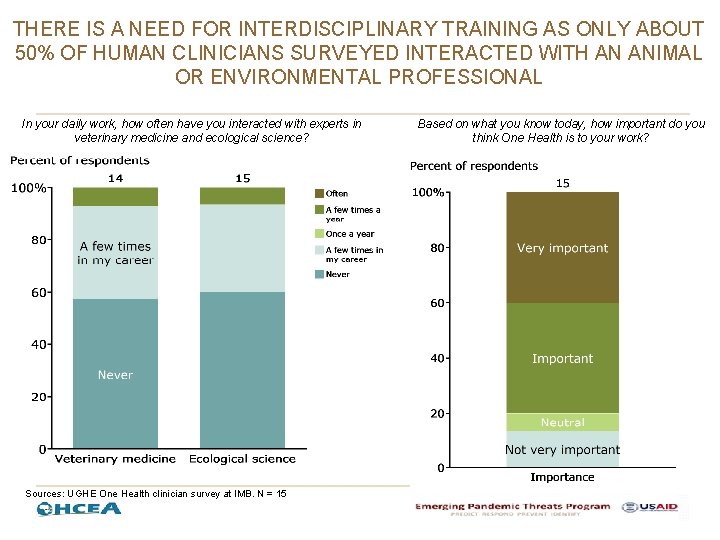
THERE IS A NEED FOR INTERDISCIPLINARY TRAINING AS ONLY ABOUT 50% OF HUMAN CLINICIANS SURVEYED INTERACTED WITH AN ANIMAL OR ENVIRONMENTAL PROFESSIONAL In your daily work, how often have you interacted with experts in veterinary medicine and ecological science? Sources: UGHE One Health clinician survey at IMB. N = 15 Based on what you know today, how important do you think One Health is to your work?
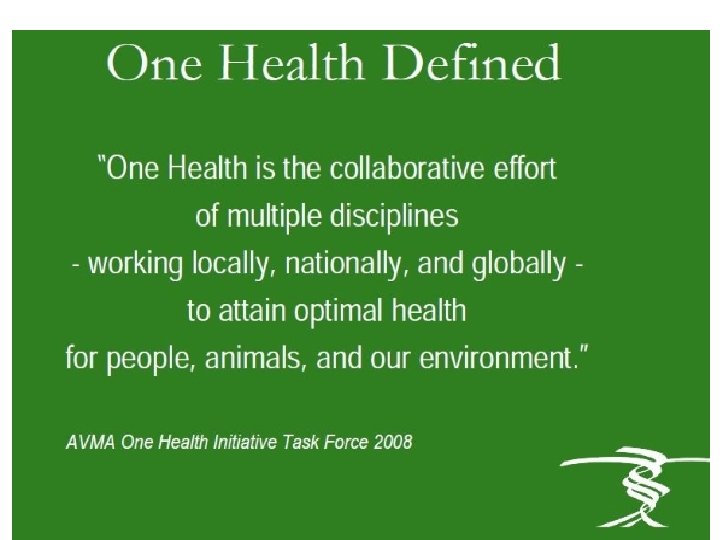
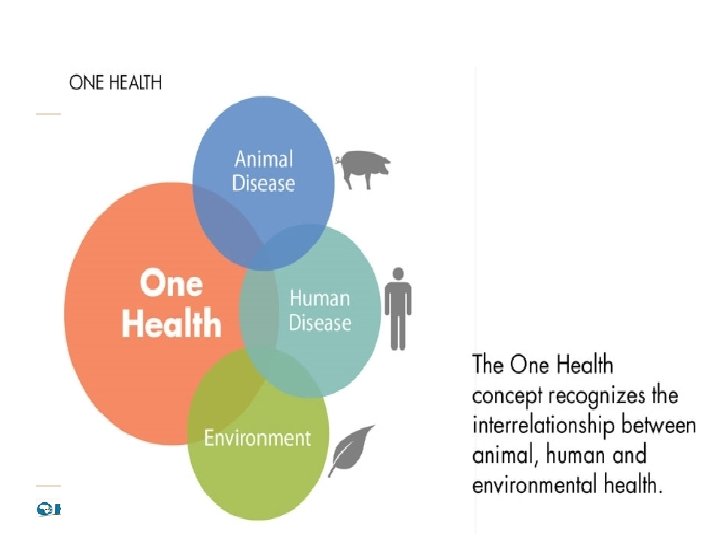
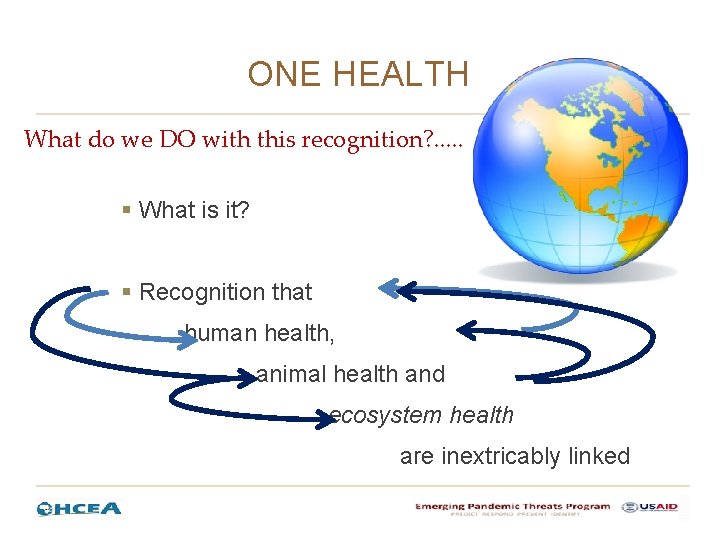
ONE HEALTH What do we DO with this recognition? . . . § What is it? § Recognition that human health, animal health and ecosystem health are inextricably linked
PRINCIPLES OF ONE HEALTH § Use of holistic systems approach in the management of health challenges -Multidisciplinary and/or inter-sectoral collaboration -Sharing of resources: technical, information, structural, human, etc. - Promotion of transparent communication and sharing of information between stakeholders - Cooperation between the public and private sectors - Unified and cooperative capacity building within the health sector.
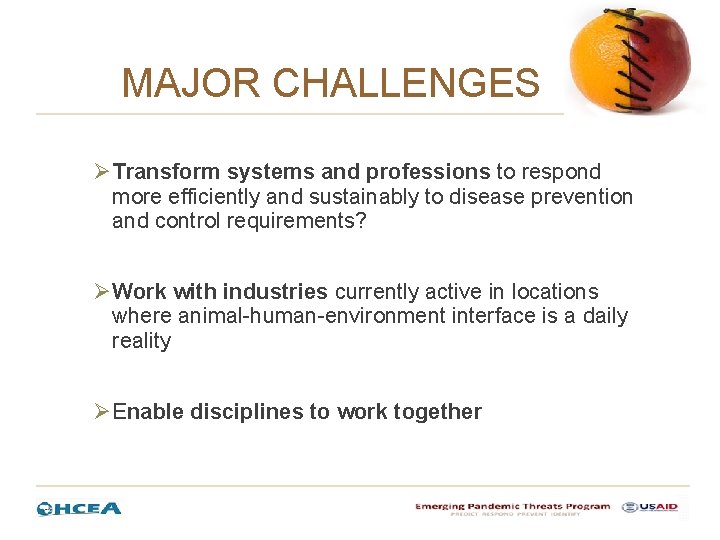
MAJOR CHALLENGES ØTransform systems and professions to respond more efficiently and sustainably to disease prevention and control requirements? ØWork with industries currently active in locations where animal-human-environment interface is a daily reality ØEnable disciplines to work together
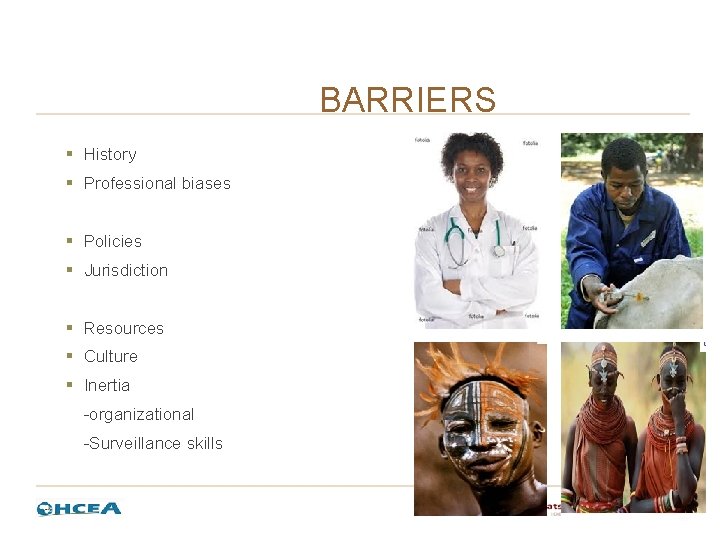
BARRIERS § History § Professional biases § Policies § Jurisdiction § Resources § Culture § Inertia -organizational -Surveillance skills
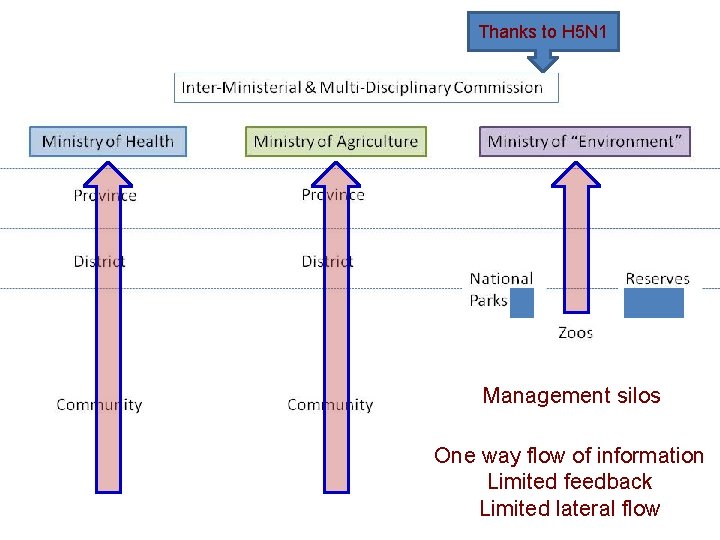
Thanks to H 5 N 1 Management silos One way flow of information Limited feedback Limited lateral flow
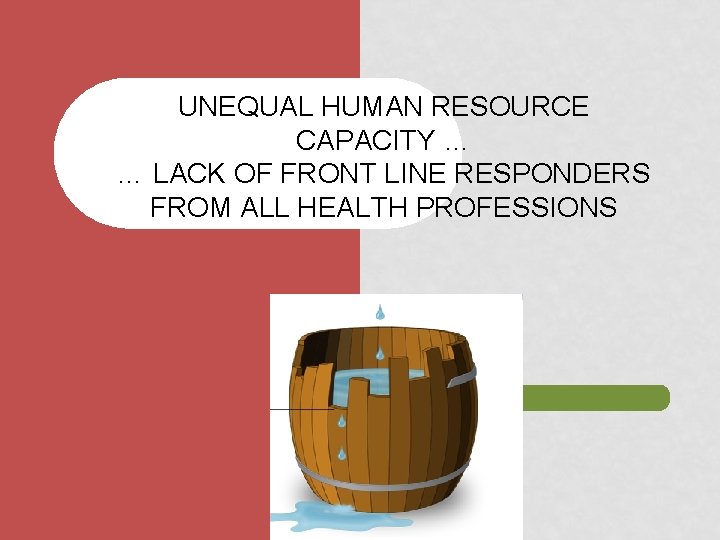
UNEQUAL HUMAN RESOURCE CAPACITY … … LACK OF FRONT LINE RESPONDERS FROM ALL HEALTH PROFESSIONS
LEVELING INTERDISCIPLINARY UNDERSTANDING § Understanding limitations of own discipline § Developing a common language § Identifying gaps in past approaches to the problem
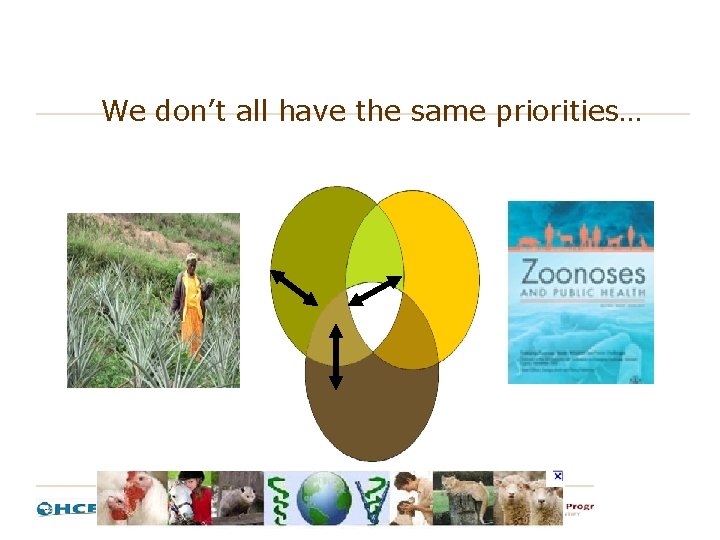
We don’t all have the same priorities…
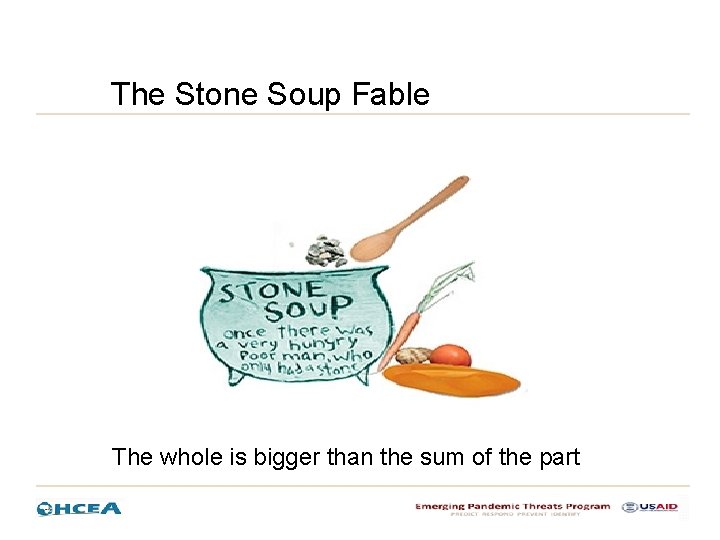
The Stone Soup Fable The whole is bigger than the sum of the part
§ Each One Health professional is welltrained for their roles, mandated and appropriately equipped § Professions have improved skills to work collaboratively with each other § Health systems benefit from One Health efficiencies