
Once Upon a Time Engaging Learners Through Storytelling


- Slides: 20
Once Upon a Time. . . Engaging Learners Through Storytelling
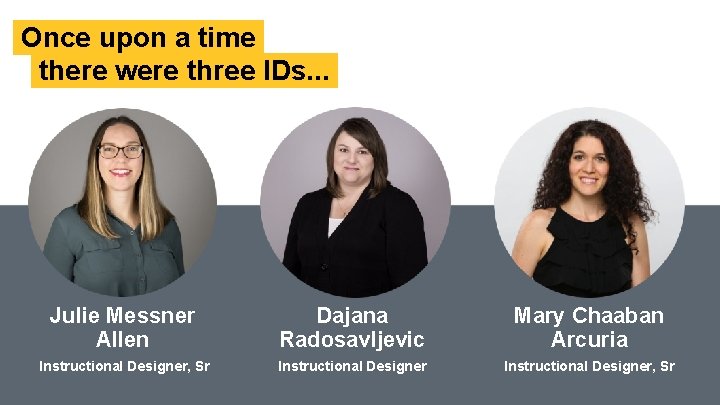
Once upon a time there were three IDs. . . Julie Messner Allen Dajana Radosavljevic Mary Chaaban Arcuria Instructional Designer, Sr
Objectives
What are the benefits of presenting information in a story?
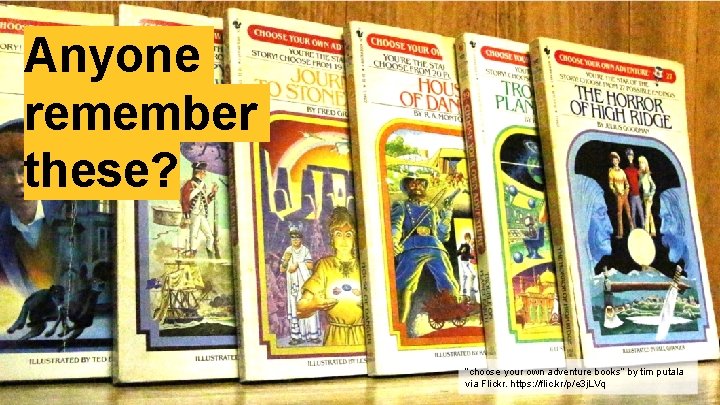
Anyone remember these? “choose your own adventure books” by tim putala via Flickr. https: //flic. kr/p/e 3 j. LVq
Increase Empathy and Responsibility
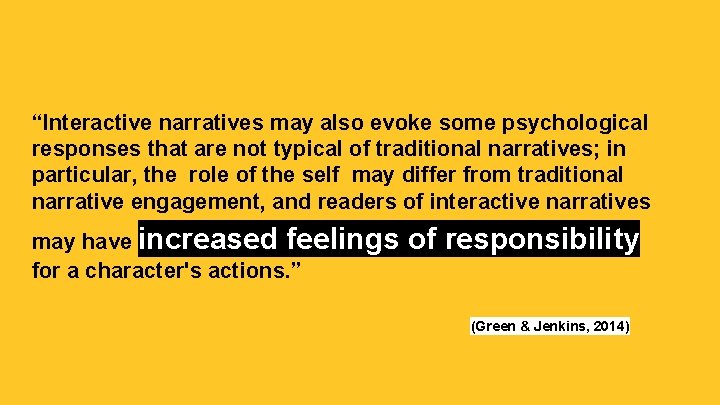
“Interactive narratives may also evoke some psychological responses that are not typical of traditional narratives; in particular, the role of the self may differ from traditional narrative engagement, and readers of interactive narratives may have increased feelings for a character's actions. ” of responsibility (Green & Jenkins, 2014)
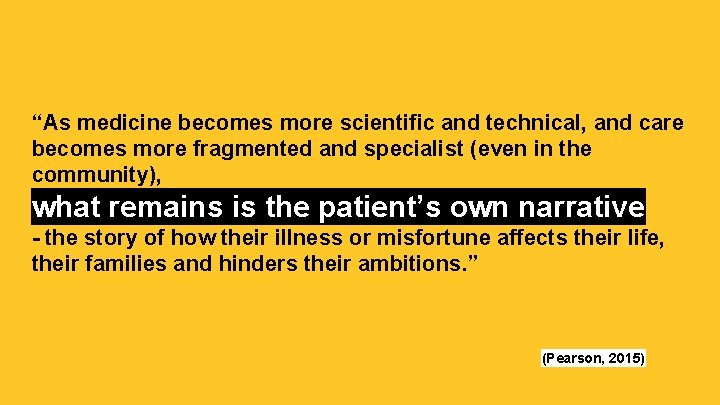
“As medicine becomes more scientific and technical, and care becomes more fragmented and specialist (even in the community), what remains is the patient’s own narrative - the story of how their illness or misfortune affects their life, their families and hinders their ambitions. ” (Pearson, 2015)
“Through purposeful distancing of learners from actual events, narratives can be viewed analyzed from multiple perspectives, allowing learners to explore what it means to be a teacher and how teachers engage in teacher practice (Garbett & Tynan, 2007). ” (Hoffman, Marlowe, Scharf, Disney, Macer, Poling, & Queen, 2015)
Practice + Application = Change
“Among the most promising outcomes of these efforts is a growing understanding that people tend to change their safety-related behavior after hearing compelling stories about others who have suffered injuries and illnesses. Indeed, safety stories seem to have a remarkable power to convey the personal relevance of this information. ” (Ricketts, 2015)
“We now recognise that theoretical knowledge is affected by context and ‘a significant proportion of the learning associated with any change in practice takes place in its context of use' (Eraut, 1994: 37). ” (Mc. Drury, Alterio, & Ebrary, 2003)
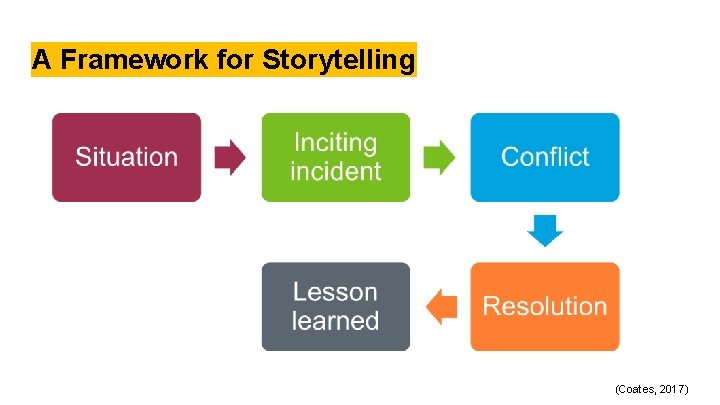
What elements should a story contain to activate deep learning?
A Framework for Storytelling (Coates, 2017)
Let’s Have Some Fun!
http: //twinery. org/
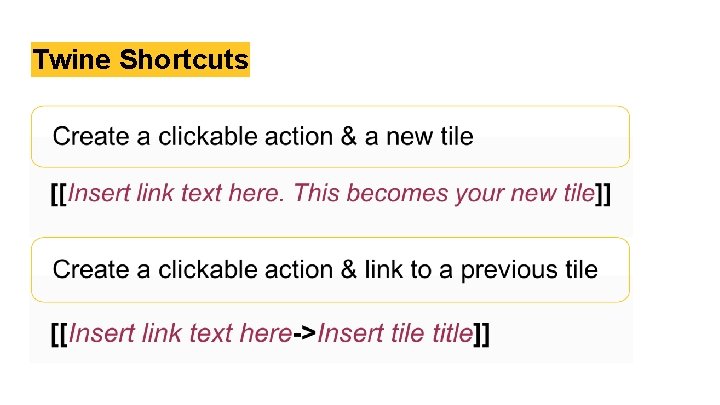
Twine Shortcuts
Examples
The End! “And They Lived Happily Ever After on Snow White's Scary Adventure” by Loren Javier via Flickr. https: //flic. kr/p/6 k 6 NAE
References Coates, N. (2017). Learning from storytelling. Research World, 2017(62), 46 -49. Green, M. , & Jenkins, K. (2014). Interactive narratives: Processes and outcomes in user‐directed stories. Journal of Communication, 64(3), 479 -500. Hoffman, E. M. , Marlowe, M. J. , Scharf, K. H. , Disney, G. H. , Macer, A. , Poling, D. , & Queen, A. (2015). Using Torey Hayden's teacher stories to teach relationship skills in special education teacher preparation. Teacher Education Quarterly, 42(2), 65 -85. Mc. Drury, J. , Alterio, M. , & Ebrary, I. (2003). Learning through storytelling in higher education using reflection & experience to improve learning. London; Sterling, VA: Kogan Page. Pearson, D. (2015). Using patient stories in primary care education. Education for Primary Care, 26(3), 201 -202. Ricketts, M. (2015). Using stories to teach safety. Professional Safety, 60(5), 51 -57.