
On the Road to Competency Based Medical Education
On the Road to Competency Based Medical Education! Jo. Ann Corey, CBME Lead Dept. of Psychiatry, Mc. Master University
Part 2: Supervisors as Coaches
Workplace Based Assessments https: //youtu. be/ui. Er. Uw 8 Kj 1 A
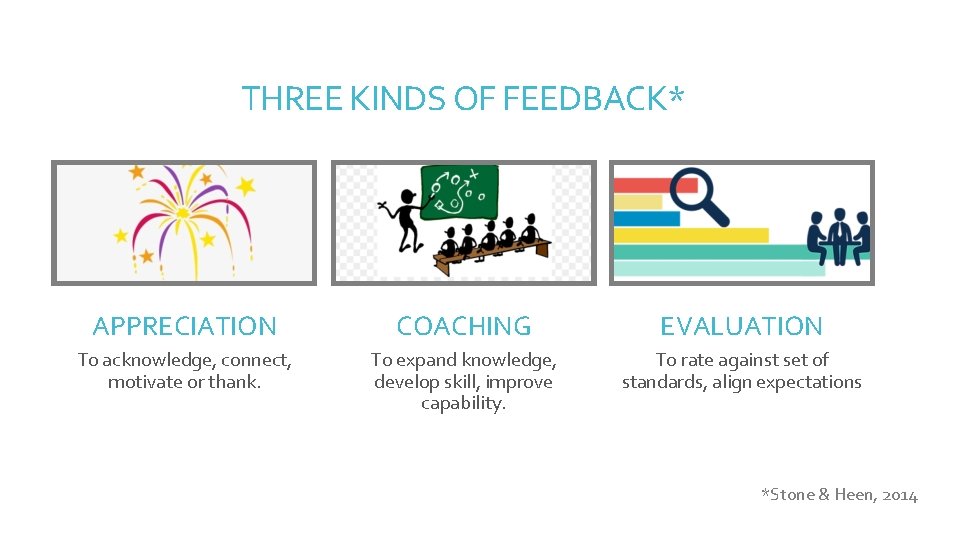
THREE KINDS OF FEEDBACK* APPRECIATION COACHING EVALUATION To acknowledge, connect, motivate or thank. To expand knowledge, develop skill, improve capability. To rate against set of standards, align expectations *Stone & Heen, 2014

CBME Coaching Model Facilitating learning & development of a resident’s competence 5
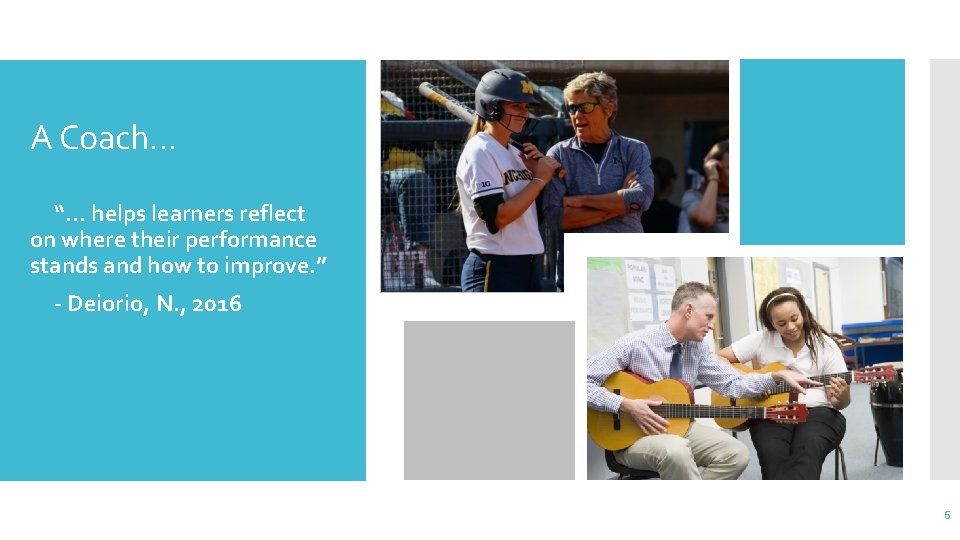
A Coach… “… helps learners reflect on where their performance stands and how to improve. ” - Deiorio, N. , 2016 6
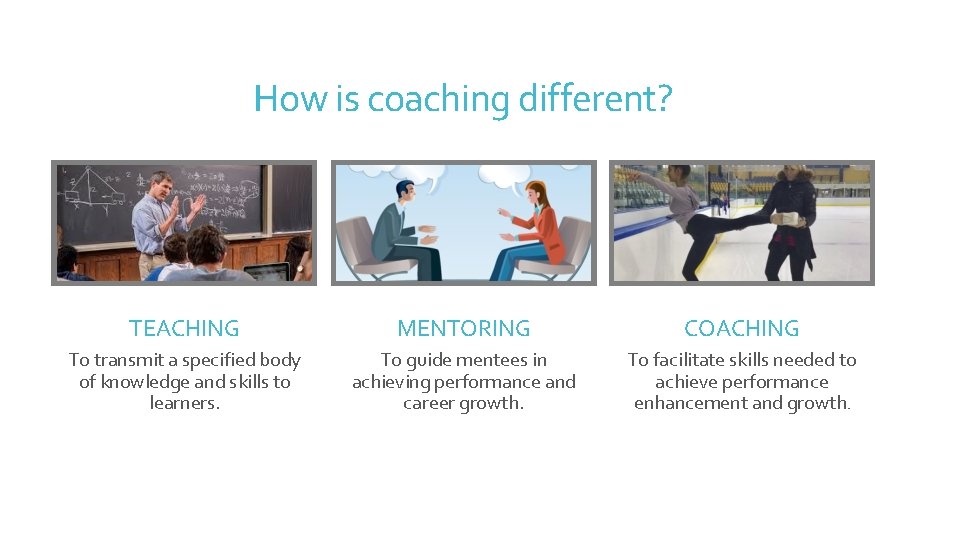
How is coaching different? TEACHING MENTORING COACHING To transmit a specified body of knowledge and skills to learners. To guide mentees in achieving performance and career growth. To facilitate skills needed to achieve performance enhancement and growth.
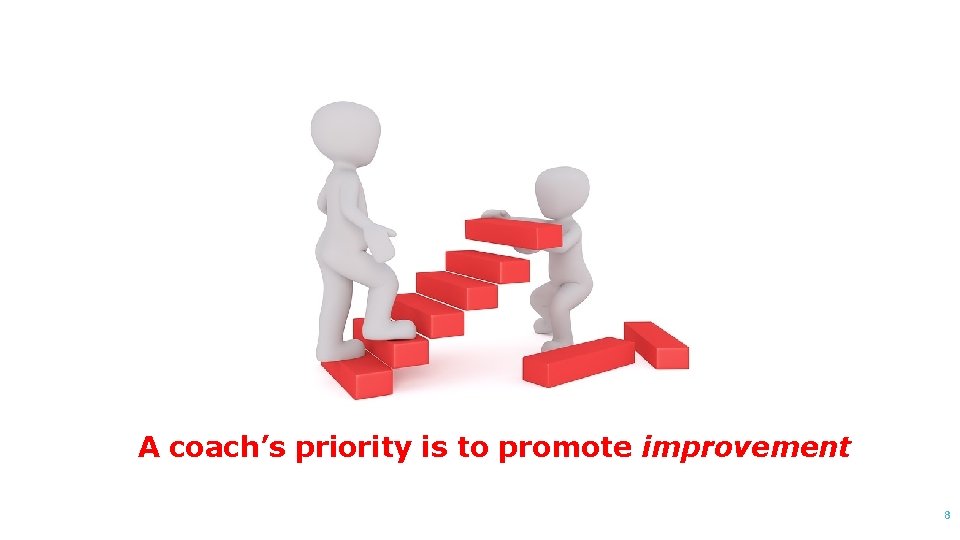
Coaching A coach’s priority is to promote improvement 8
Coaches … Explain Help learner understand what adjustments will allow them to progress to the next level of capability. Develop Skill Help learner to do a task better, develop a skill or achieve a specific goal. Suggest Actions Give actionable, concrete suggestions for improvement.
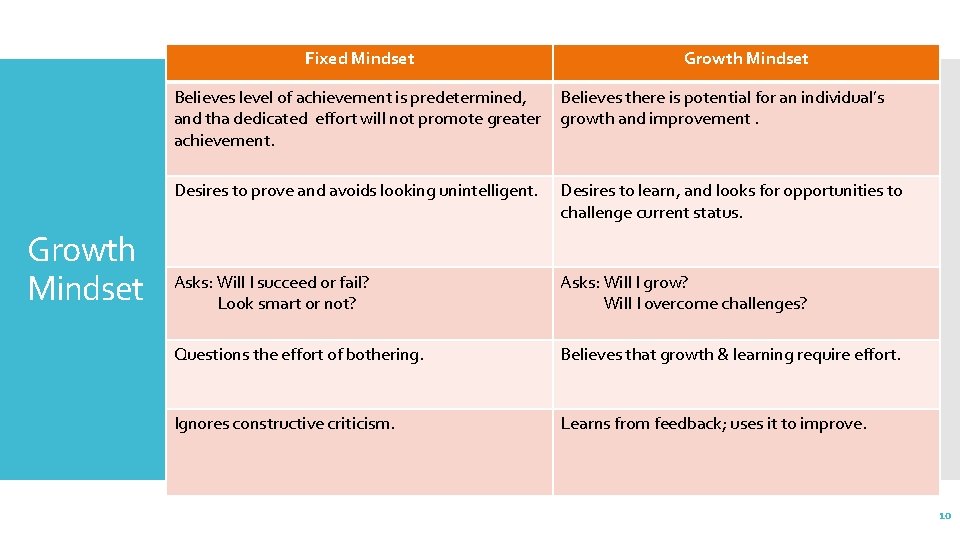
Fixed Mindset Growth Mindset Believes level of achievement is predetermined, and tha dedicated effort will not promote greater achievement. Believes there is potential for an individual’s growth and improvement. Desires to prove and avoids looking unintelligent. Desires to learn, and looks for opportunities to challenge current status. Asks: Will I succeed or fail? Look smart or not? Asks: Will I grow? Will I overcome challenges? Questions the effort of bothering. Believes that growth & learning require effort. Ignores constructive criticism. Learns from feedback; uses it to improve. Dweck, 2006 10
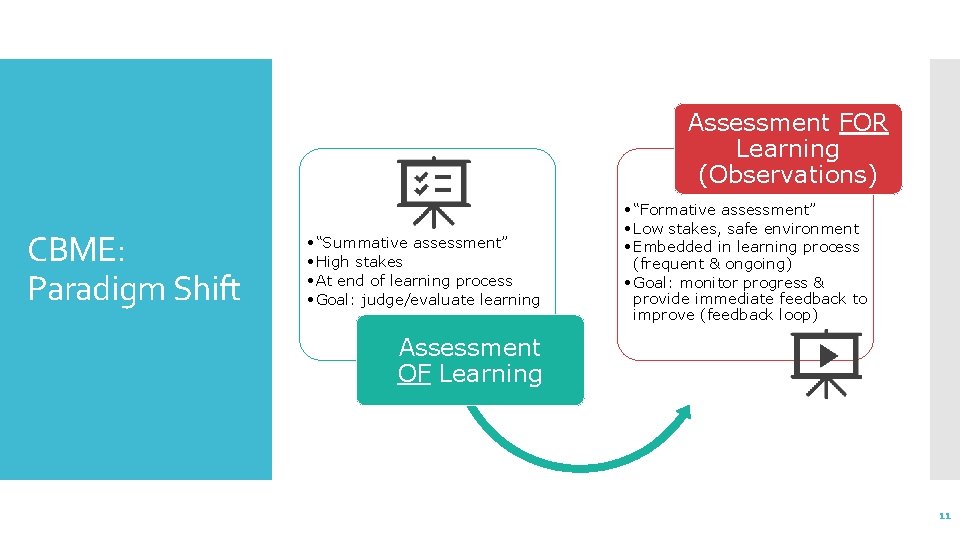
Assessment FOR Learning (Observations) CBME: Paradigm Shift • “Summative assessment” • High stakes • At end of learning process • Goal: judge/evaluate learning • “Formative assessment” • Low stakes, safe environment • Embedded in learning process (frequent & ongoing) • Goal: monitor progress & provide immediate feedback to improve (feedback loop) Assessment OF Learning 11
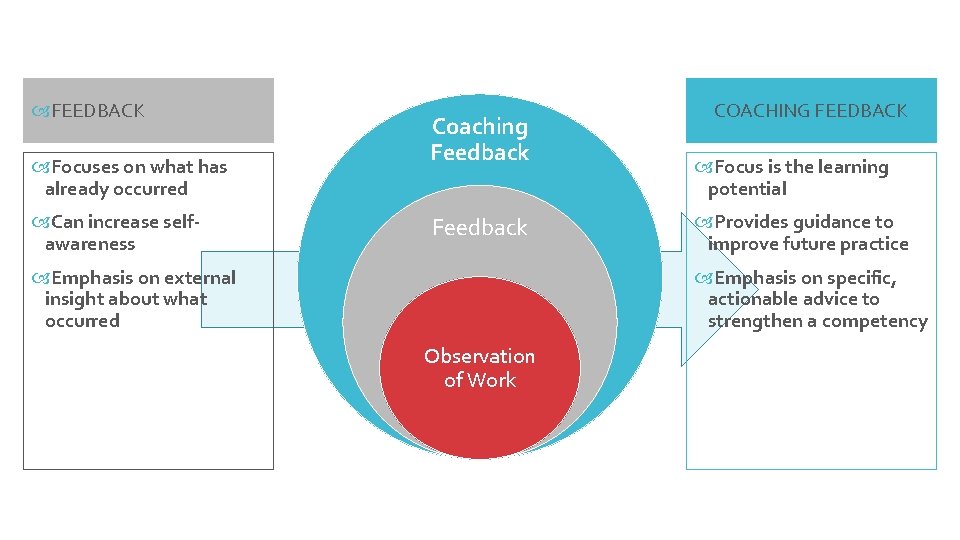
FEEDBACK Focuses on what has already occurred Can increase selfawareness Coaching Feedback Emphasis on external insight about what occurred COACHING FEEDBACK Focus is the learning potential Provides guidance to improve future practice Emphasis on specific, actionable advice to strengthen a competency Observation of Work
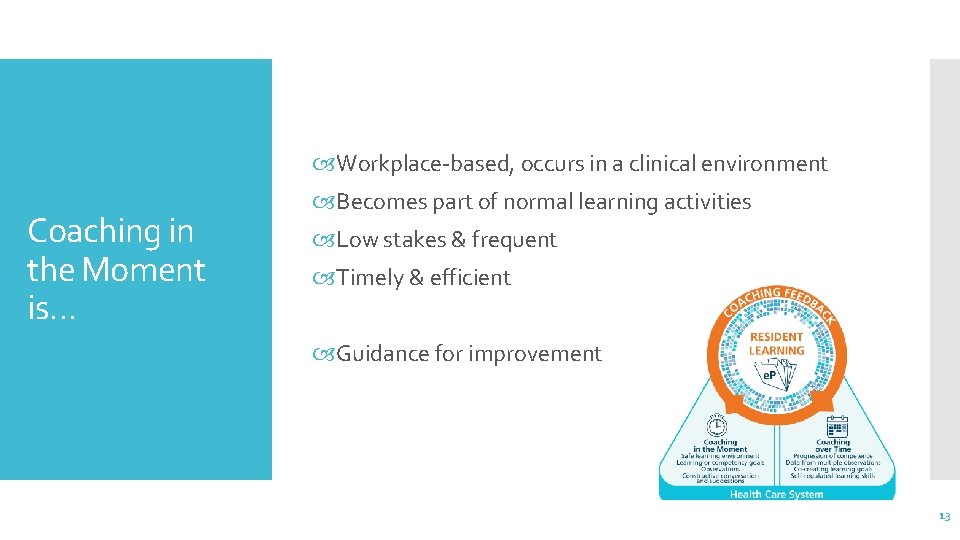
Workplace-based, occurs in a clinical environment Coaching in the Moment is… Becomes part of normal learning activities Low stakes & frequent Timely & efficient Guidance for improvement 13
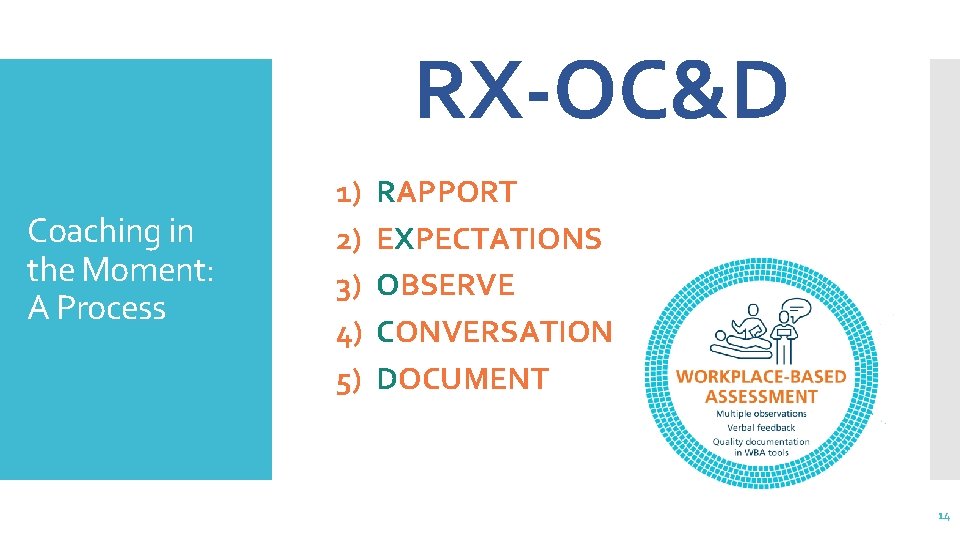
RX-OC&D Coaching in the Moment: A Process 1) 2) 3) 4) 5) RAPPORT EXPECTATIONS OBSERVE CONVERSATION DOCUMENT 14
RX-OC&D RAPPORT Create a safe learning environment Be explicit about role as a learning coach Form an educational partnership – Growth mindset 15
RX-OC&D EXPECTATIONS Discuss: Specific learning goals Components of EPA Previous feedback 16
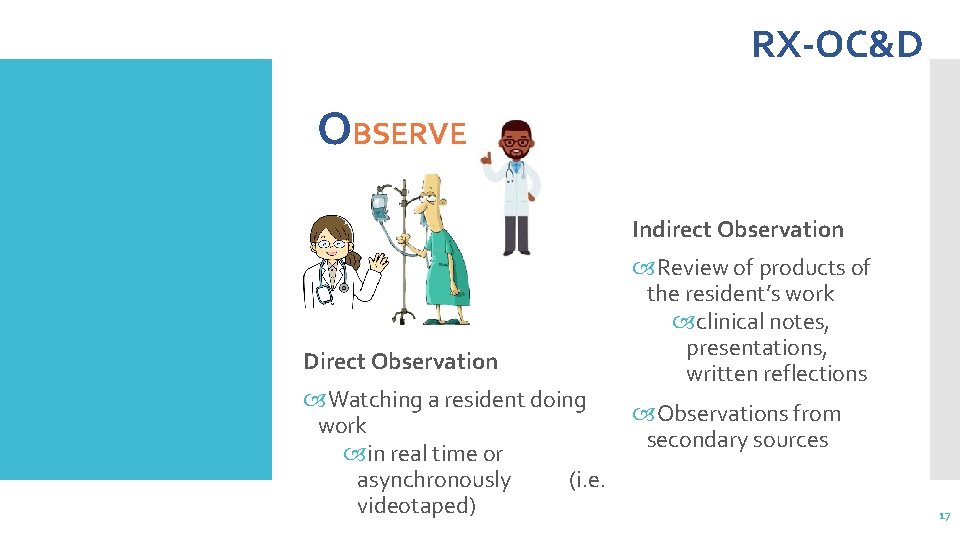
RX-OC&D OBSERVE Indirect Observation Direct Observation Watching a resident doing work in real time or asynchronously (i. e. videotaped) Review of products of the resident’s work clinical notes, presentations, written reflections Observations from secondary sources 17
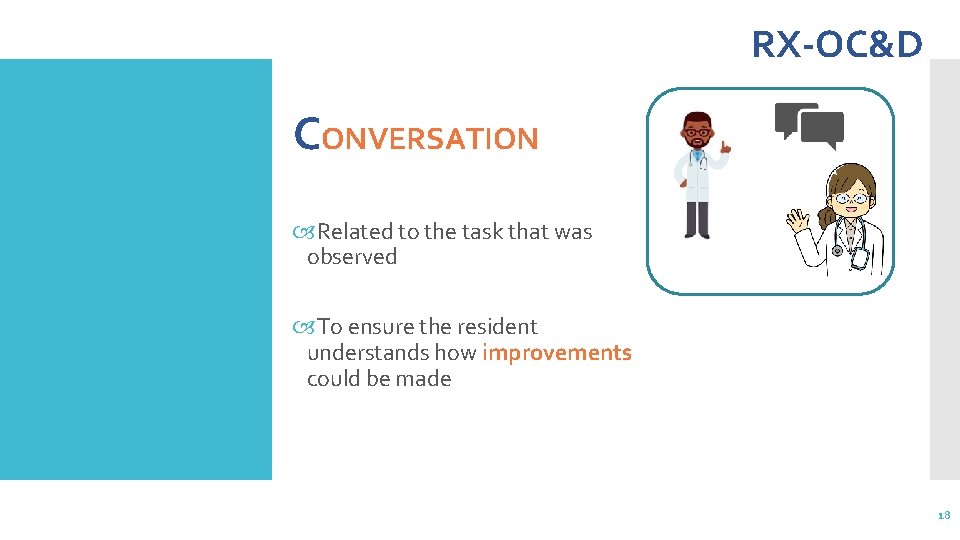
RX-OC&D CONVERSATION Related to the task that was observed To ensure the resident understands how improvements could be made 18
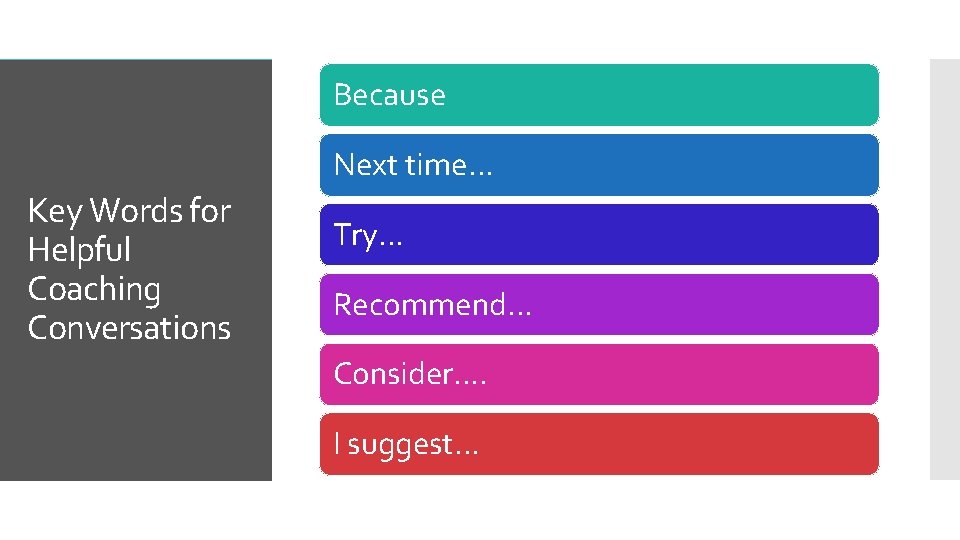
Because Next time… Key Words for Helpful Coaching Conversations Try… Recommend… Consider…. I suggest…
RX-OC&D DOCUMENT Summarize feedback & actionable suggestions for improvement It is important to document outlier performances because they could be rare but important 20

Questions?
- Slides: 21