
Oil Painting Definition Oil painting is the process
- Slides: 36
Oil Painting
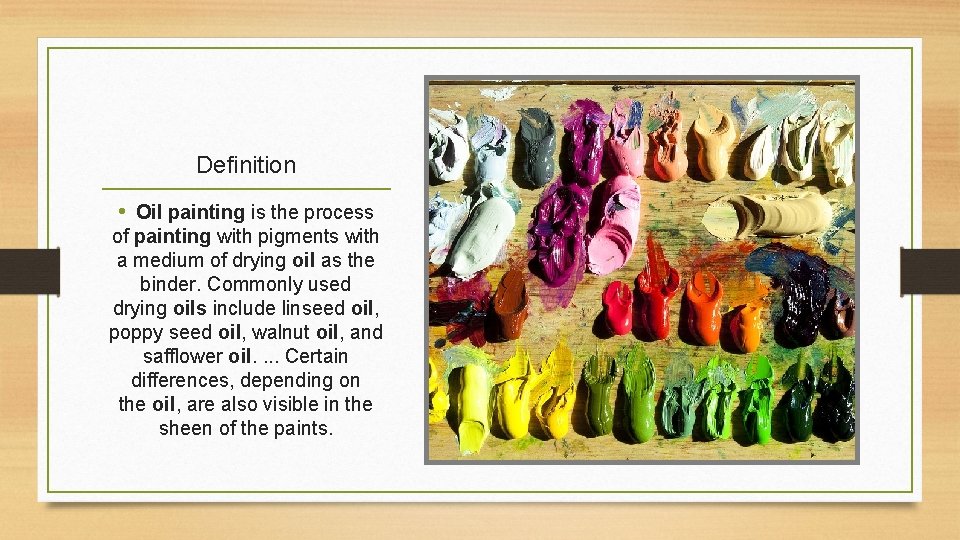
Definition • Oil painting is the process of painting with pigments with a medium of drying oil as the binder. Commonly used drying oils include linseed oil, poppy seed oil, walnut oil, and safflower oil. . Certain differences, depending on the oil, are also visible in the sheen of the paints.
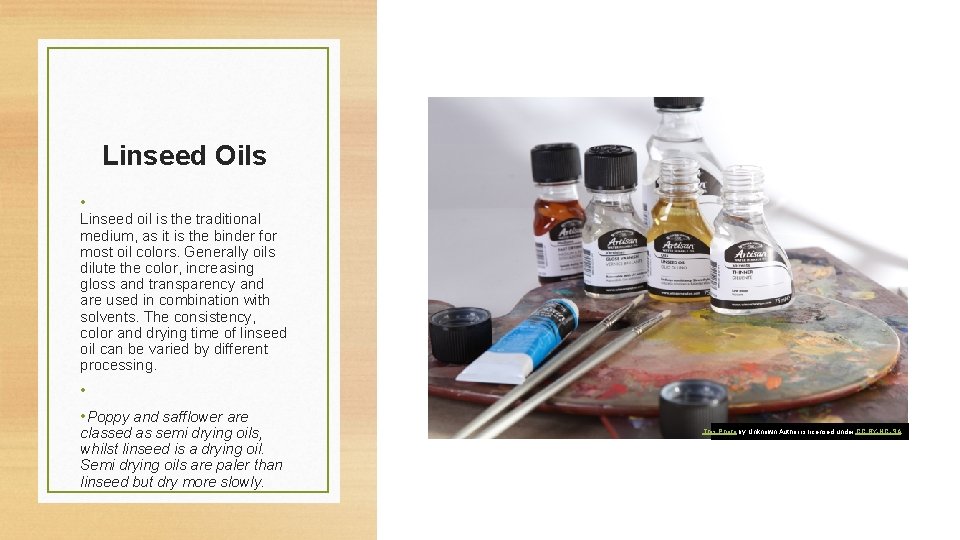
Linseed Oils • Linseed oil is the traditional medium, as it is the binder for most oil colors. Generally oils dilute the color, increasing gloss and transparency and are used in combination with solvents. The consistency, color and drying time of linseed oil can be varied by different processing. • • Poppy and safflower are classed as semi drying oils, whilst linseed is a drying oil. Semi drying oils are paler than linseed but dry more slowly. This Photo by Unknown Author is licensed under CC BY-NC-SA
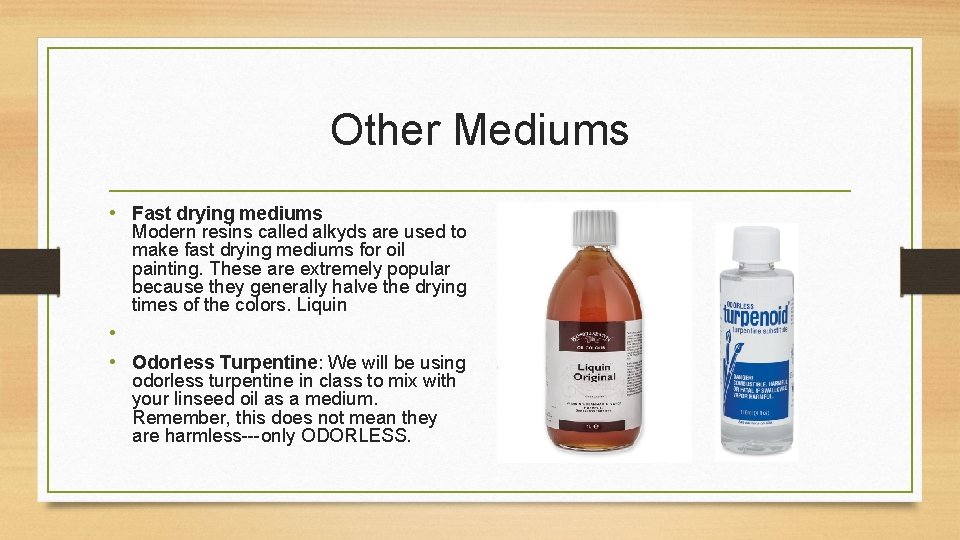
Other Mediums • Fast drying mediums Modern resins called alkyds are used to make fast drying mediums for oil painting. These are extremely popular because they generally halve the drying times of the colors. Liquin • • Odorless Turpentine: We will be using odorless turpentine in class to mix with your linseed oil as a medium. Remember, this does not mean they are harmless---only ODORLESS.
Mediums and paints are a bit tricky. The idea is that the starting layers dry quicker and the painting's last touches in color dry slowly. If you reverse this process, if you paint lean over fat, your painting will crack! What does the term 'fat over lean' mean? ? ? Your painting can crack, bubble, and other problems will result if you paint a very oily layer of paint as your underpainting and then put a non oily layer on top of this. Why? The layer on top will dry all the way through before the layer underneath has dried all the way through. While this layer underneath is drying it will contract. Literally, the paint layer will move! Your eye cannot see it, but it happens. This moving of the paint will crack the paint layers on top, which have already dried and stopped moving. This is one reason you should paint 'fat over lean'. This simply refers to the amount of oil in your paint. Oil is known as a 'fatty' medium. So fat over lean means that your first paint layers should contain less of a fatty medium (oil ) in them. The layers on top should contain more oil so they will dry slowly.
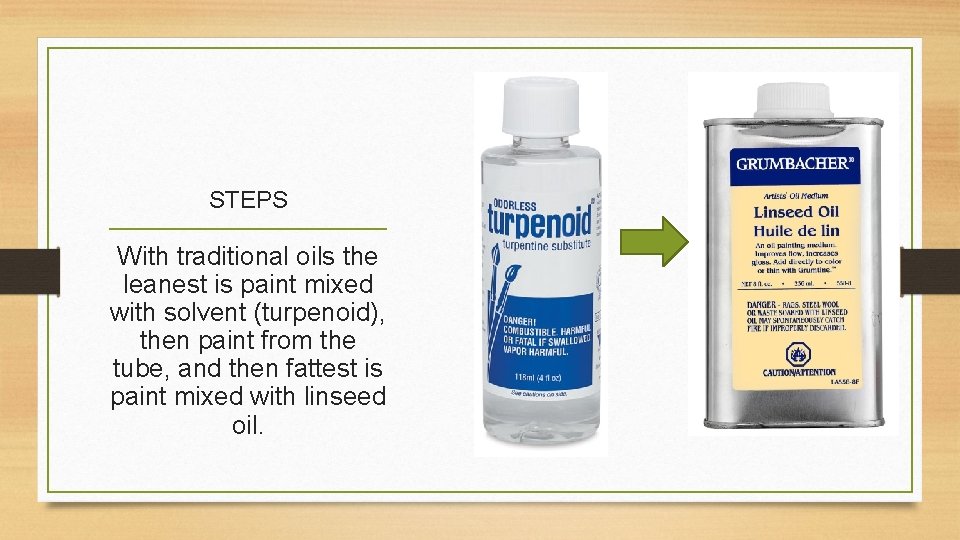
STEPS With traditional oils the leanest is paint mixed with solvent (turpenoid), then paint from the tube, and then fattest is paint mixed with linseed oil.
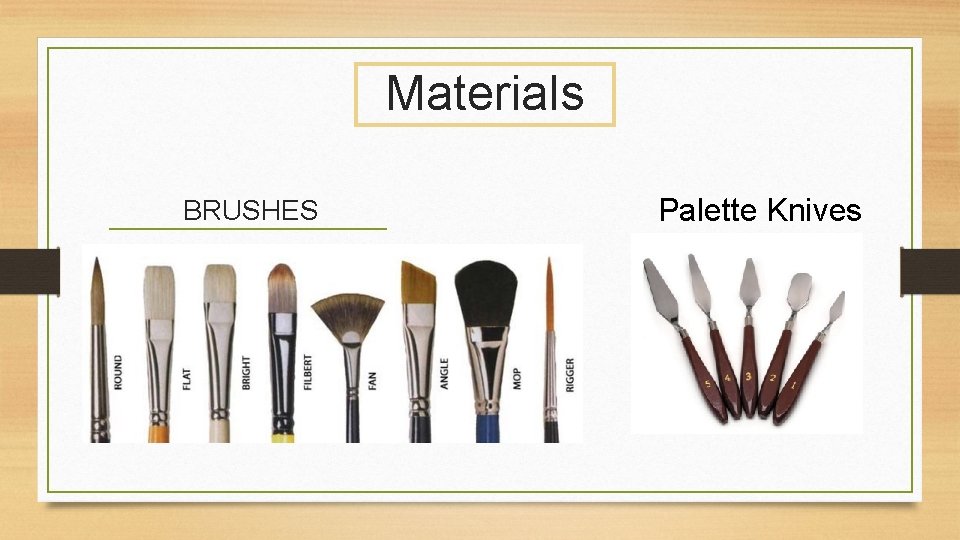
Materials BRUSHES Palette Knives
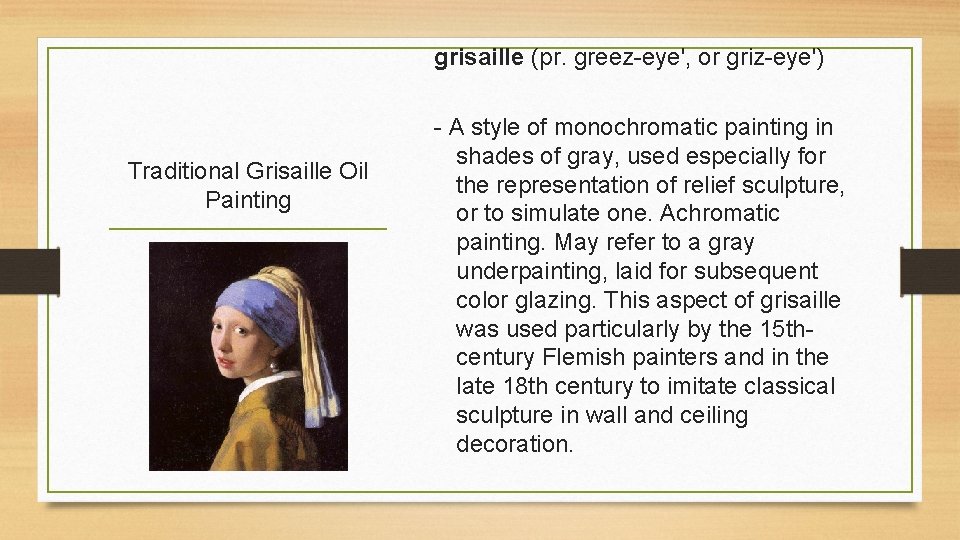
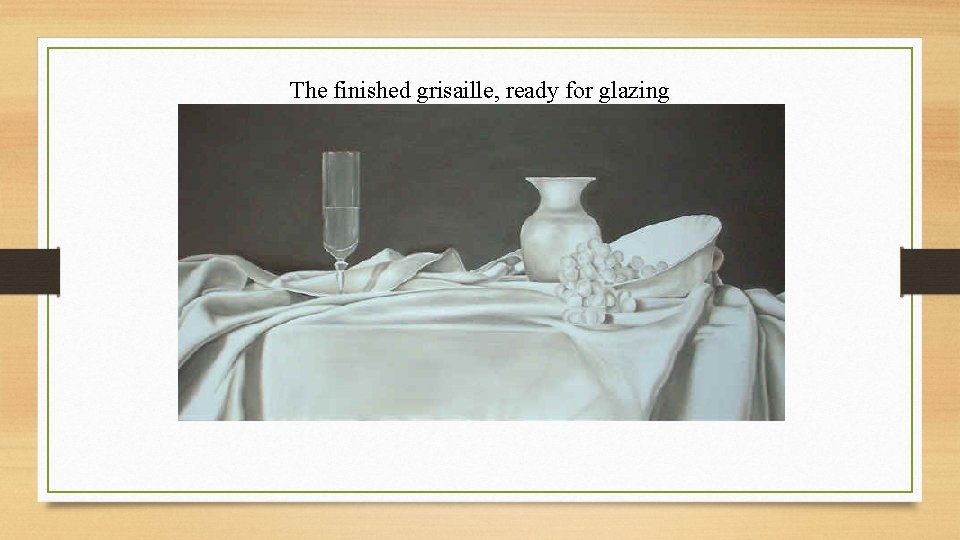
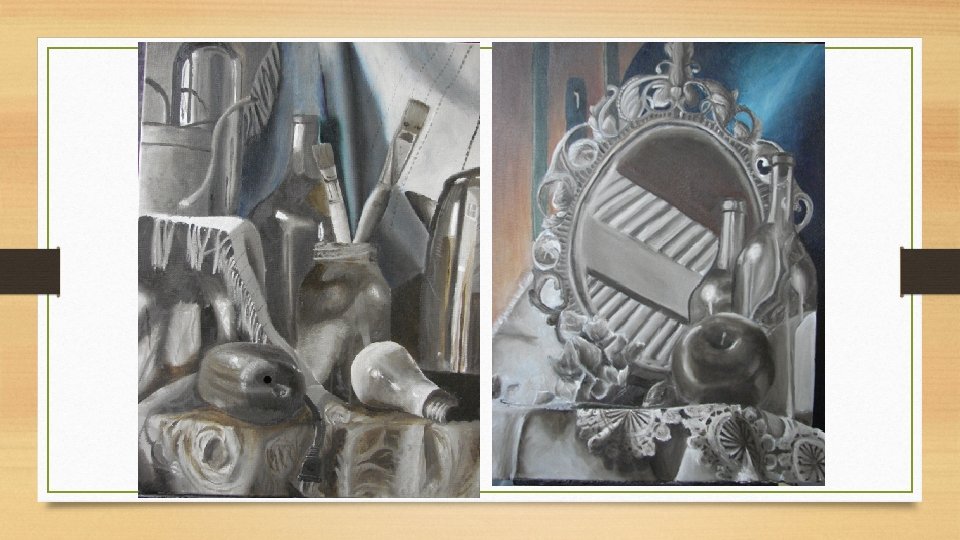
grisaille (pr. greez-eye', or griz-eye') Traditional Grisaille Oil Painting - A style of monochromatic painting in shades of gray, used especially for the representation of relief sculpture, or to simulate one. Achromatic painting. May refer to a gray underpainting, laid for subsequent color glazing. This aspect of grisaille was used particularly by the 15 thcentury Flemish painters and in the late 18 th century to imitate classical sculpture in wall and ceiling decoration.
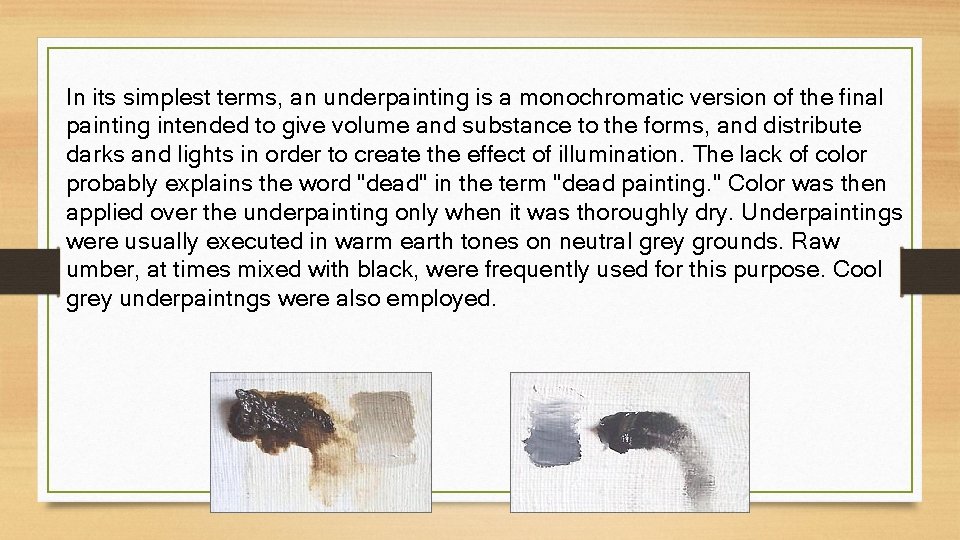
In its simplest terms, an underpainting is a monochromatic version of the final painting intended to give volume and substance to the forms, and distribute darks and lights in order to create the effect of illumination. The lack of color probably explains the word "dead" in the term "dead painting. " Color was then applied over the underpainting only when it was thoroughly dry. Underpaintings were usually executed in warm earth tones on neutral grey grounds. Raw umber, at times mixed with black, were frequently used for this purpose. Cool grey underpaintngs were also employed.
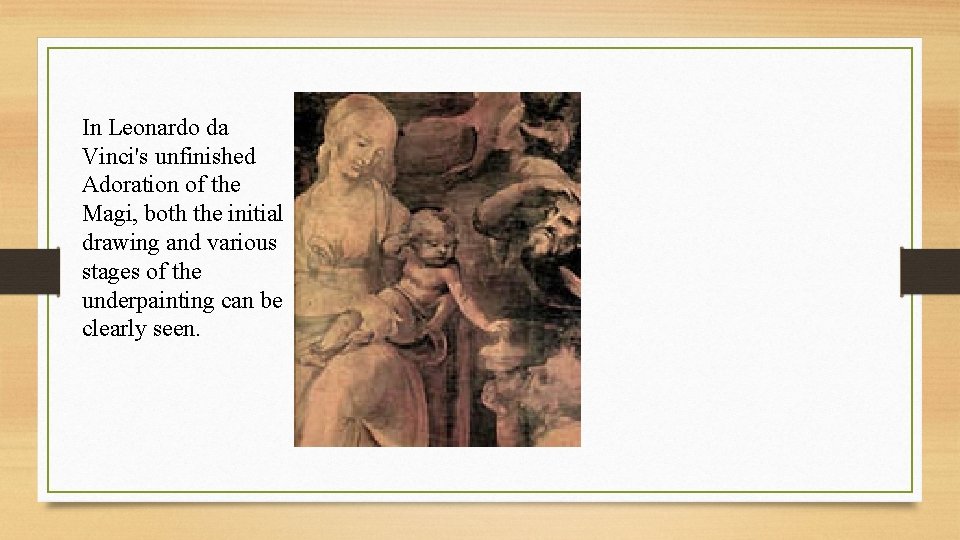
In Leonardo da Vinci's unfinished Adoration of the Magi, both the initial drawing and various stages of the underpainting can be clearly seen.
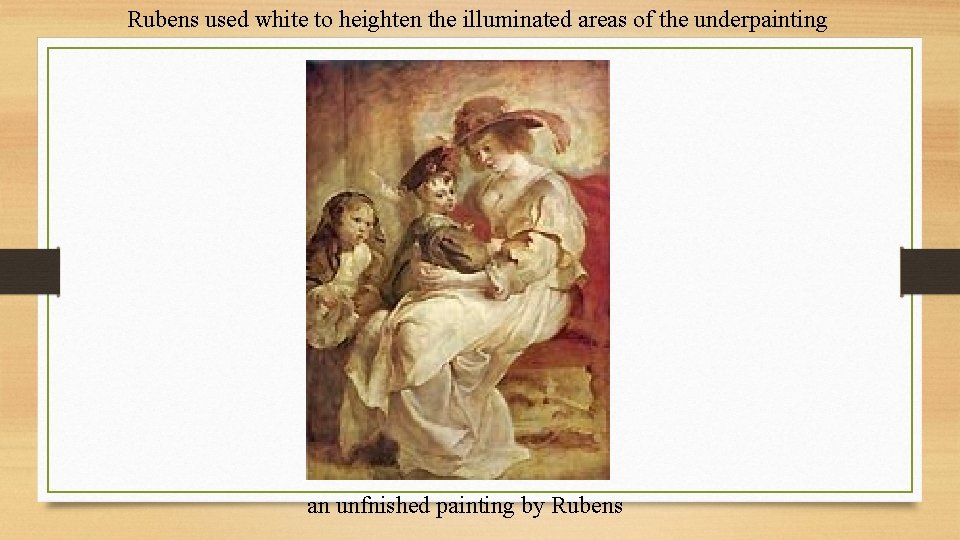
Rubens used white to heighten the illuminated areas of the underpainting an unfnished painting by Rubens
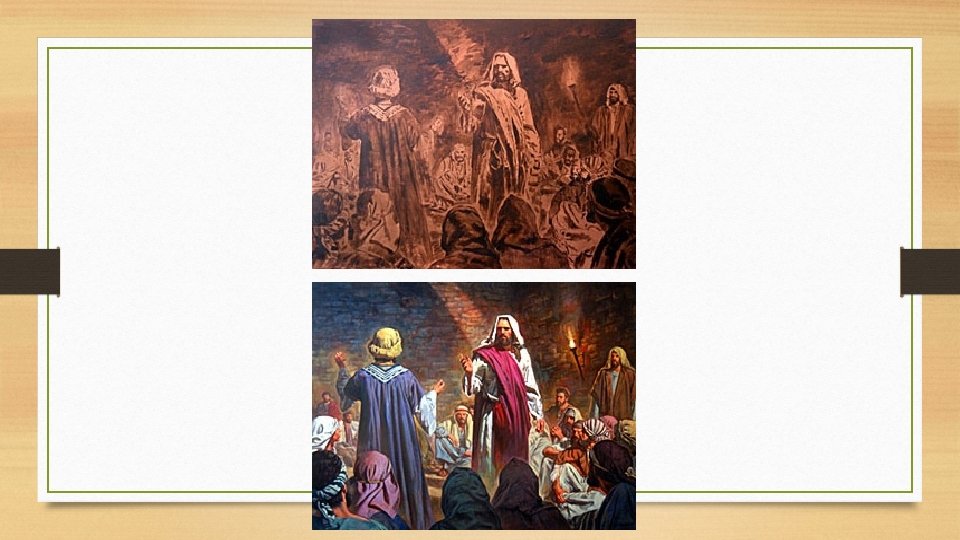
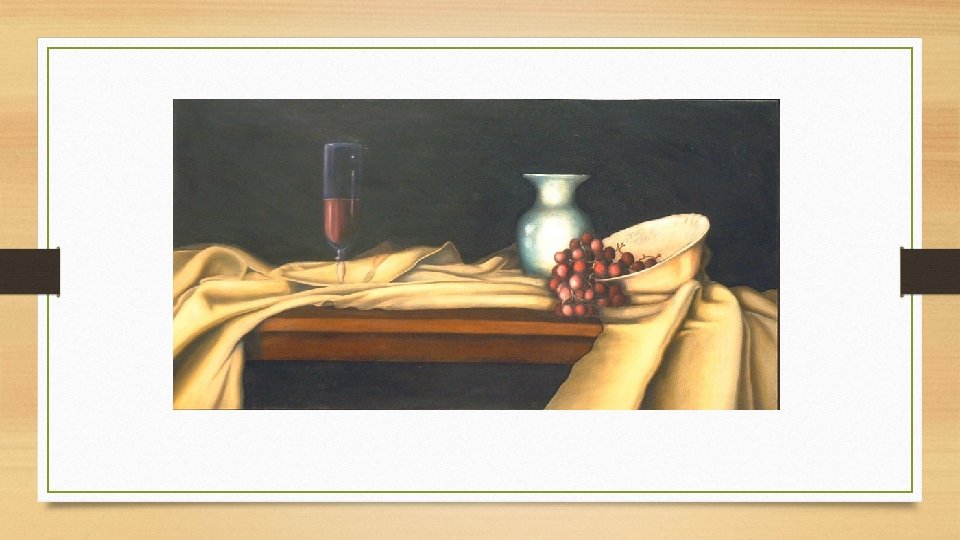
Glazing was a technique employed by painters since the invention of oil painting. In the simplest terms, glazing consists in brushing a transparent layer of paint over another thoroughly dried layer of opaque paint. The underpainting, as the dried layer is usually called, is usually monochromatic. The two layers of paint are not physically but optically mixed. Glazing is similar to placing a sheet of colored acetate over a monochrome photograph. The paint used to glaze must be diluted by an oil to achieve the correct fluidity for brushing. Glazing creates a unique "shine through" stained glass effect that is not obtainable by direct mixture of paint.
Why Glaze? Glazing created an extraordinarily luminosity impossible to achieve otherwise. In order to appreciate this effect one has to view the painting directly for no reproduction can convey its jewel-like quality.
The finished grisaille, ready for glazing
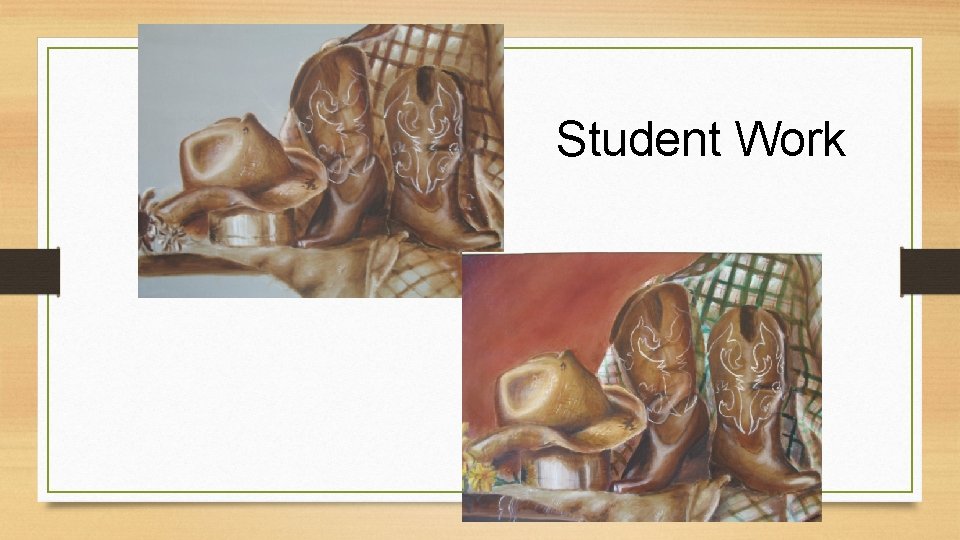
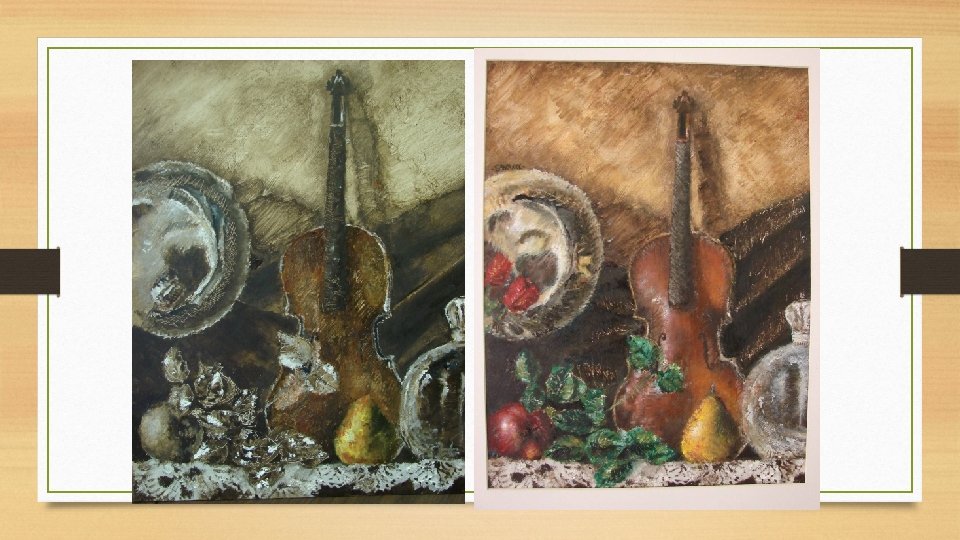
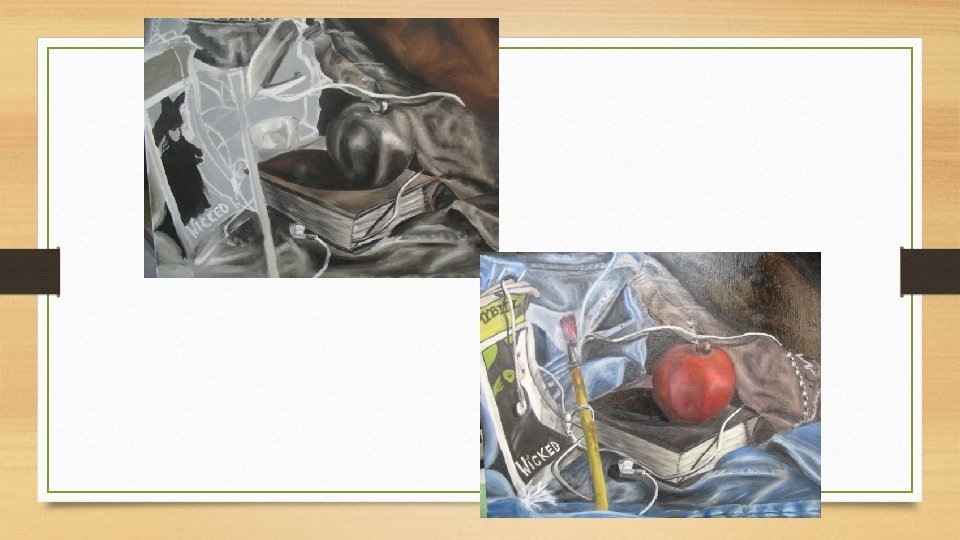
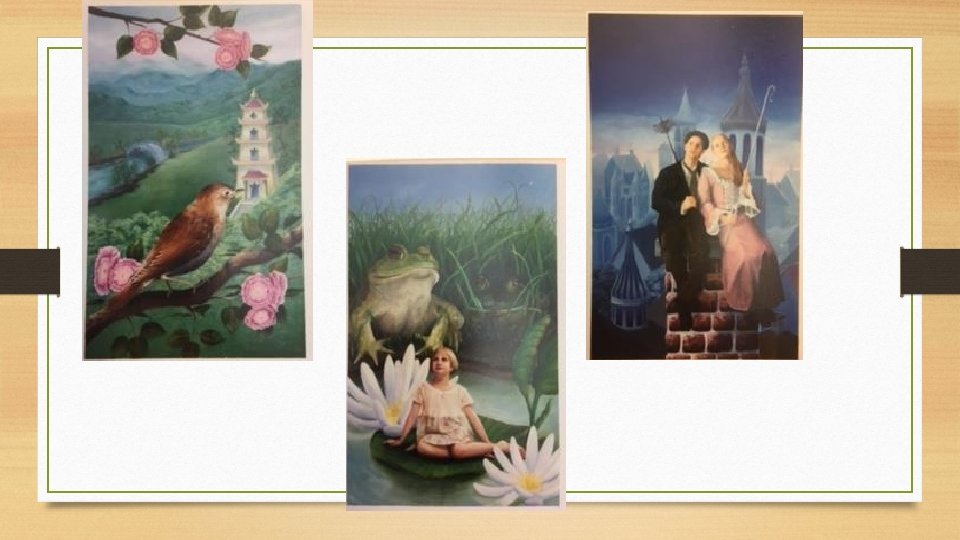
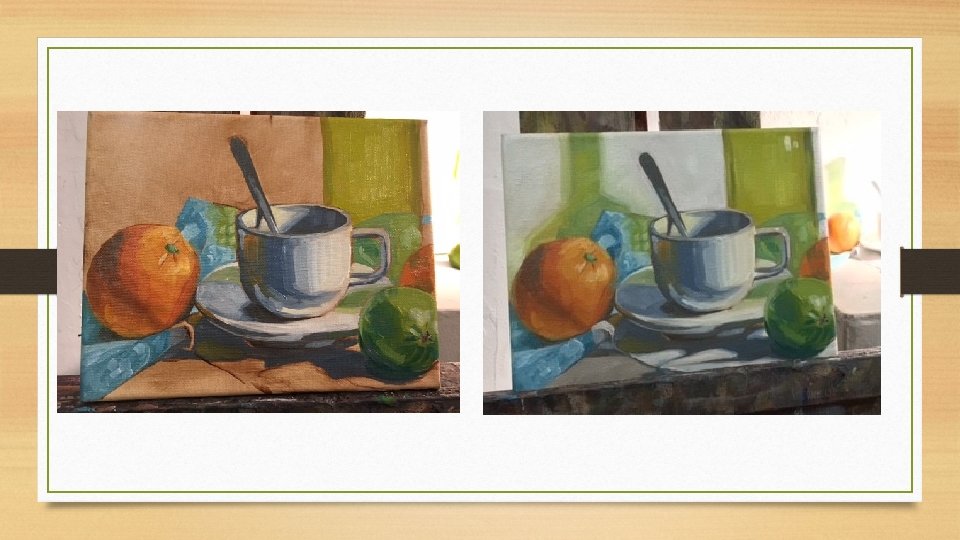
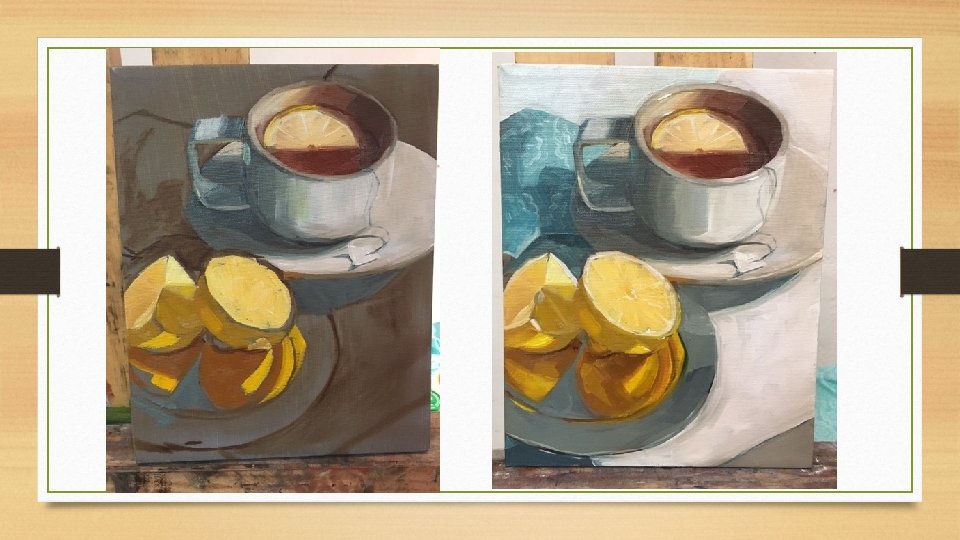
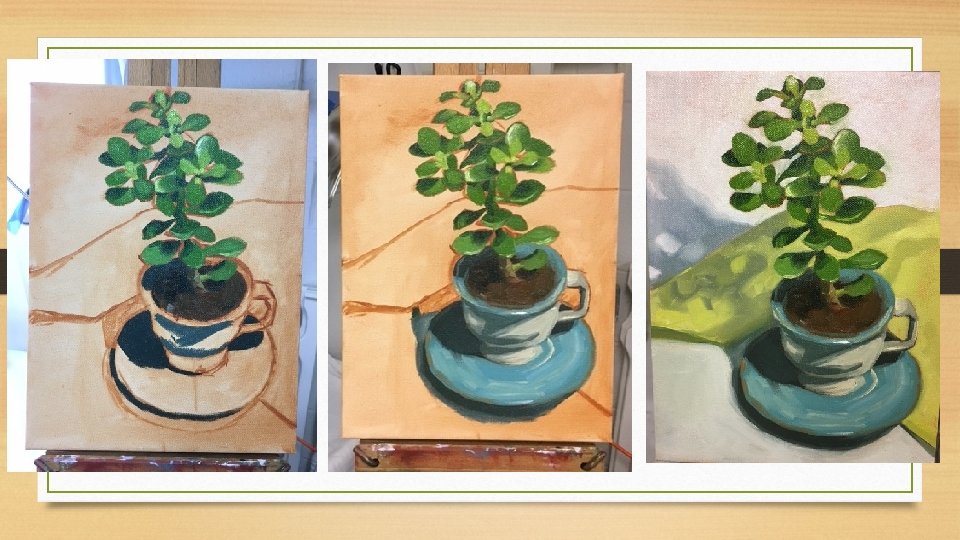
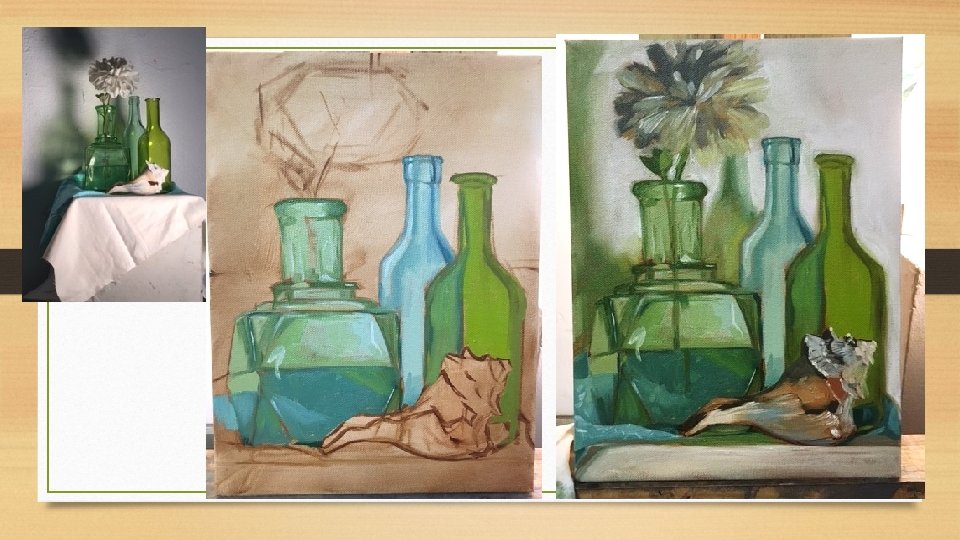
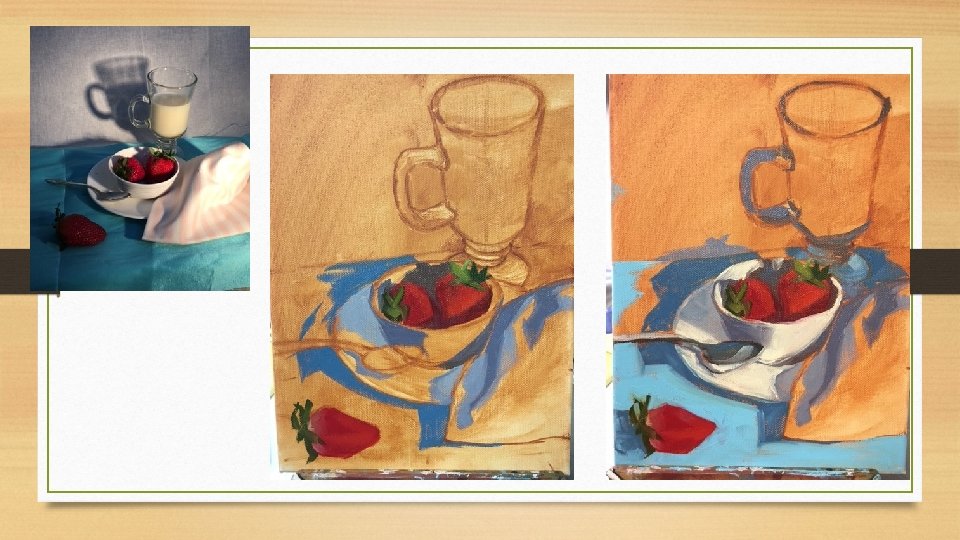
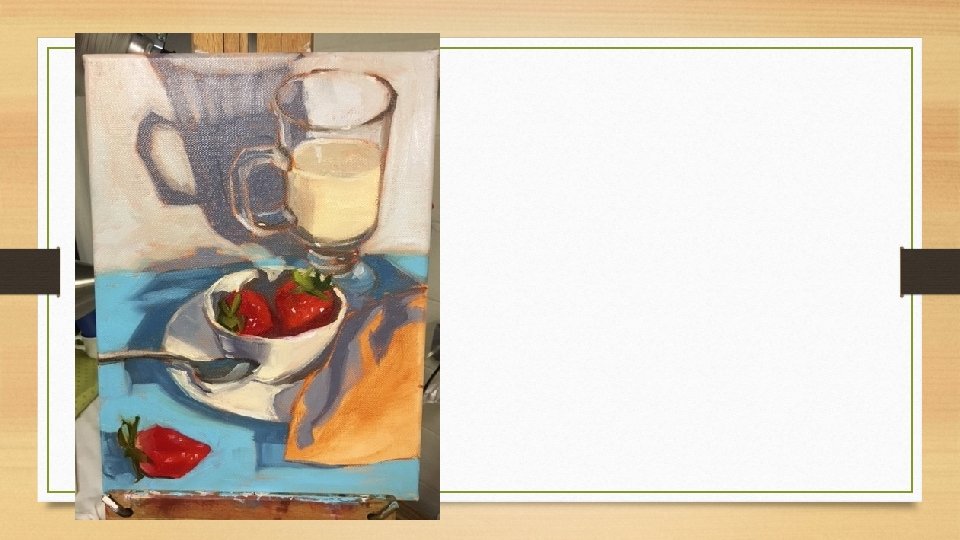
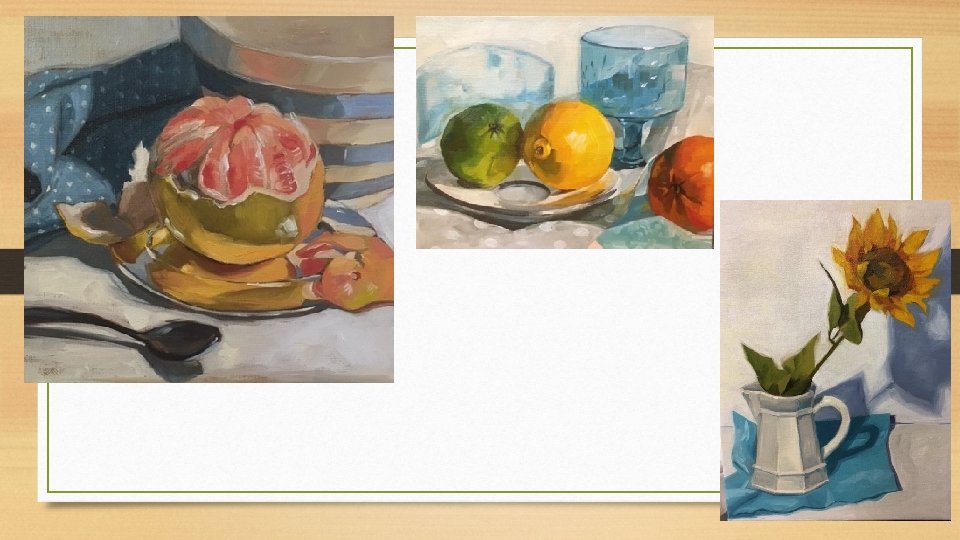
Student Work
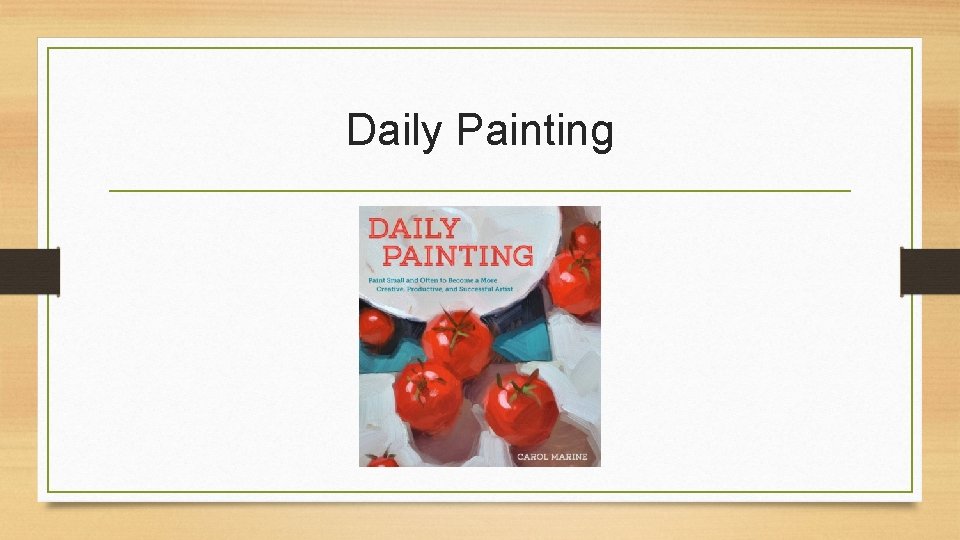
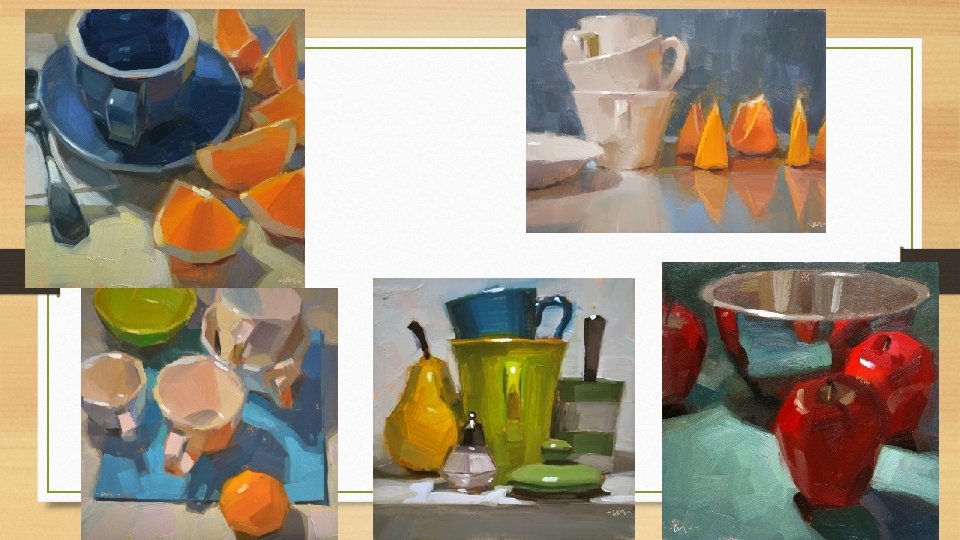
Daily Painting
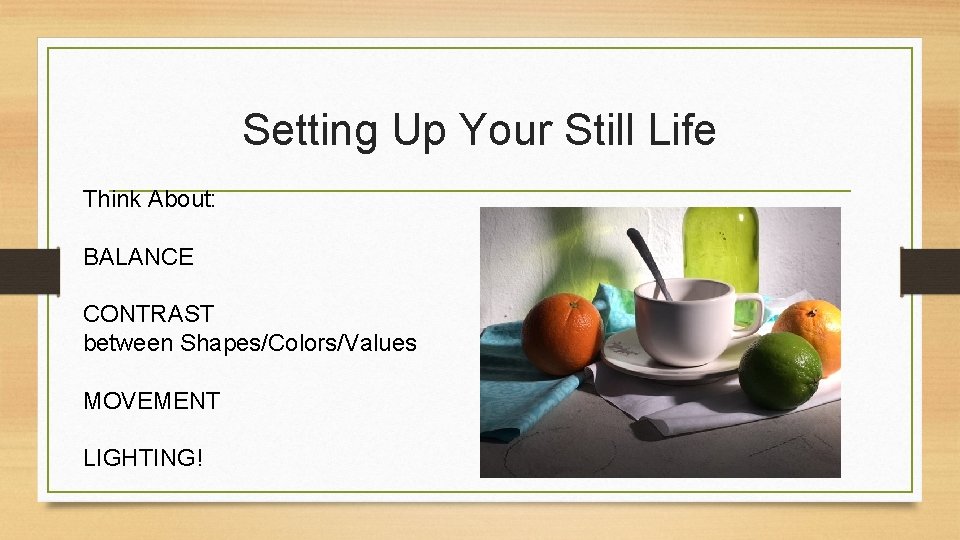
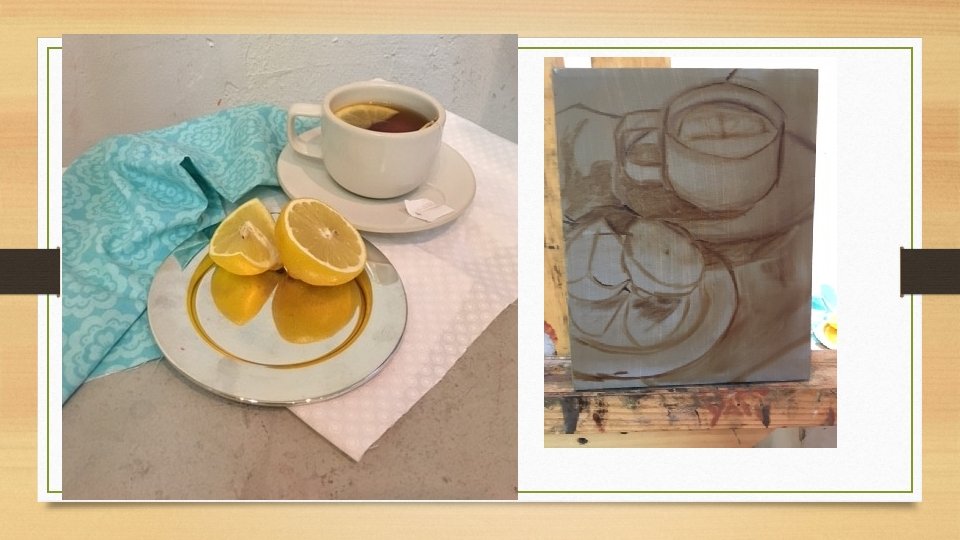
Setting Up Your Still Life Think About: BALANCE CONTRAST between Shapes/Colors/Values MOVEMENT LIGHTING!
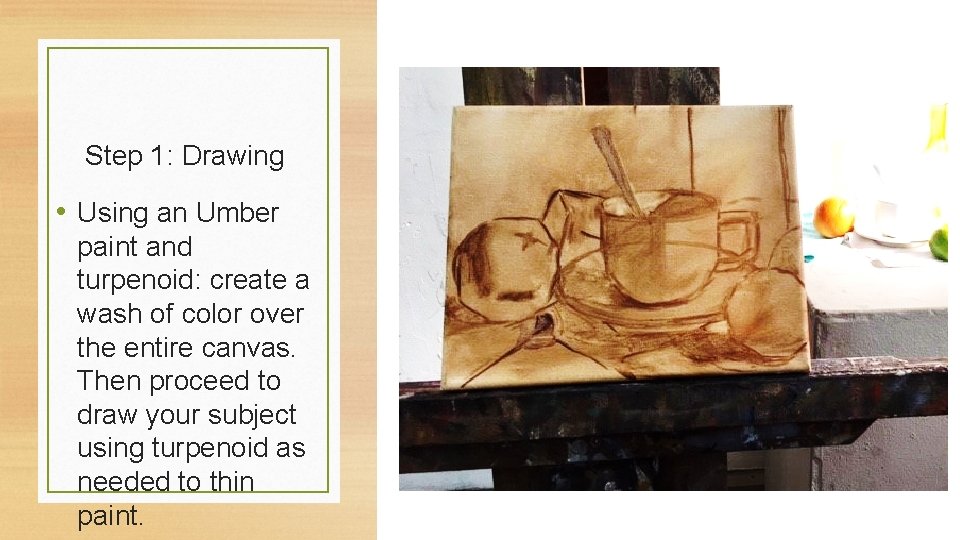
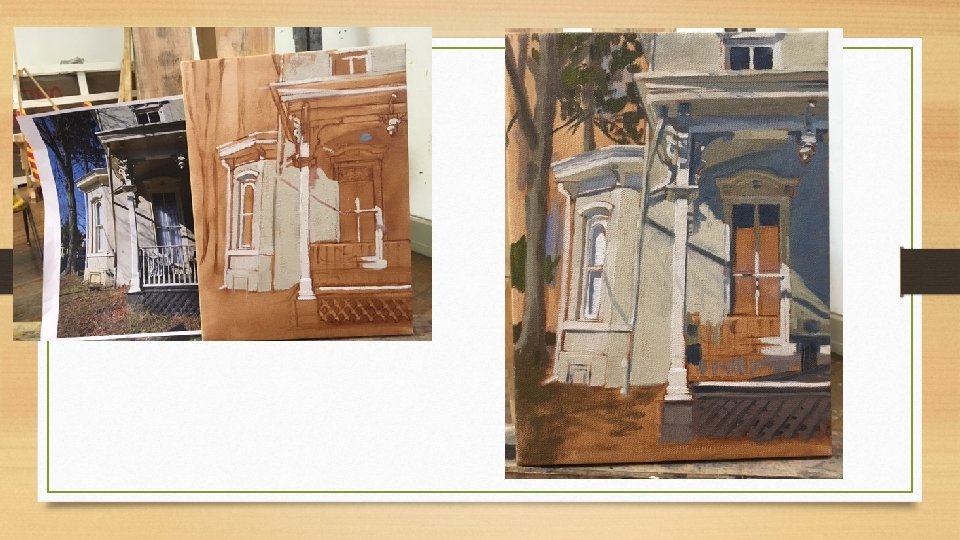
Step 1: Drawing • Using an Umber paint and turpenoid: create a wash of color over the entire canvas. Then proceed to draw your subject using turpenoid as needed to thin paint.
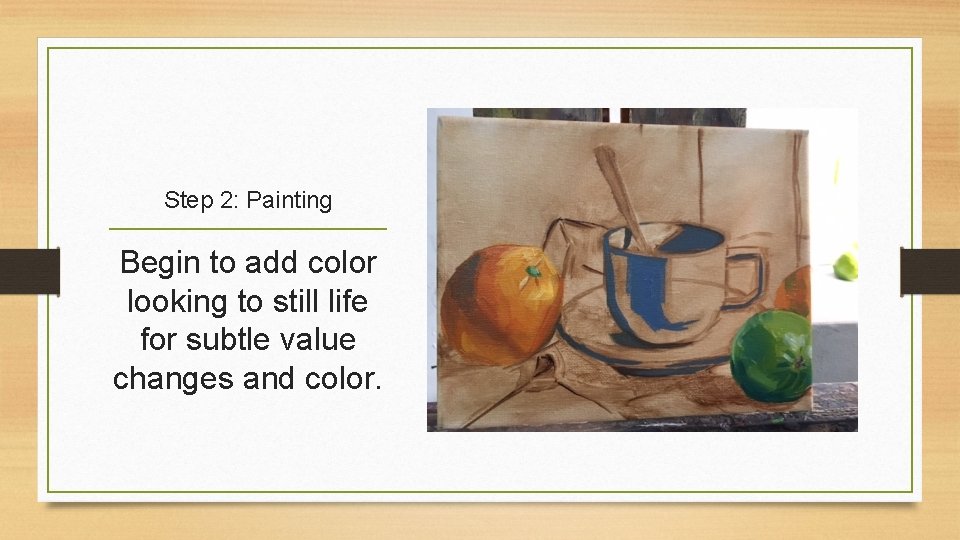
Step 2: Painting Begin to add color looking to still life for subtle value changes and color.
https: //www. youtube. com/watch? v=Lr 3 QC 9 MMx. NU