
OECD The Programme for International Student Assessment PISA
- Slides: 21
OECD The Programme for International Student Assessment (PISA)
• What PISA is. • What PISA assesses. • Method of assessment. • Participating countries.
OECD’s Programme for International Student Assessment (PISA) What PISA seeks to accomplish How PISA works
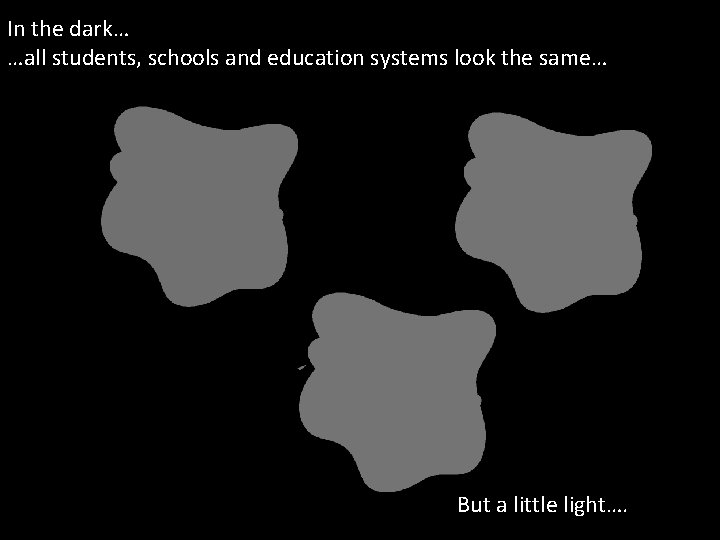
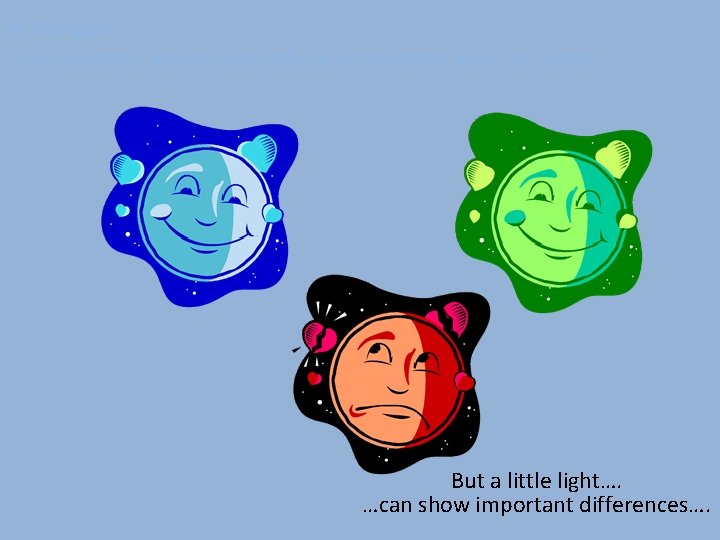
In the dark… …all students, schools and education systems look the same… But a little light….
In the dark… …all students, schools and education systems look the same… But a little light…. …can show important differences….
(PISA) is an internationally standardised assessment that was jointly developed by participating countries and administered to 15 year-olds in schools.
What PISA Assesses • PISA assesses how far students near the end of compulsory education have acquired some of the knowledge and skills that are essential for full participation in society. • In all cycles, the domains of reading, mathematical and scientific literacy are covered , but in terms of important knowledge and skills needed in adult life.
Method of Assessment • Pencil-and-paper tests are used, with assessments lasting a total of two hours for each student. • The items are organised in groups based on a passage setting out a real-life situation. • A total of about seven hours of test items is covered, with different students taking different combinations of test items.
OECD’s Programme for International Student Assessment (PISA) Participating Countries
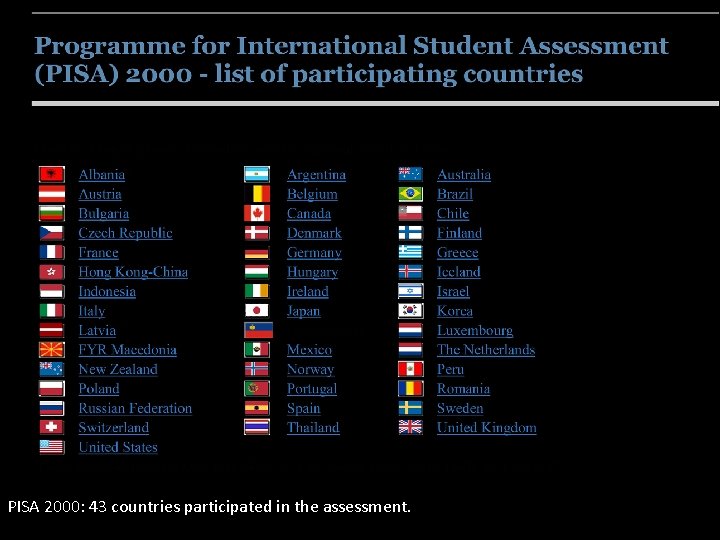
PISA 2000: 43 countries participated in the assessment.
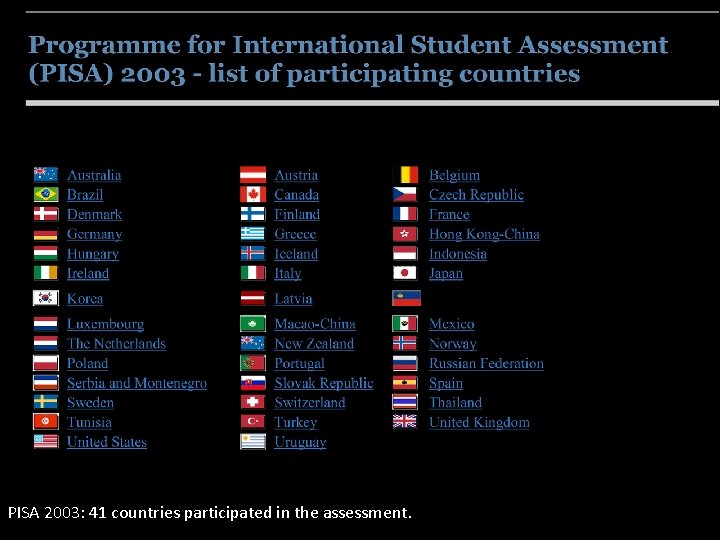
PISA 2003: 41 countries participated in the assessment.
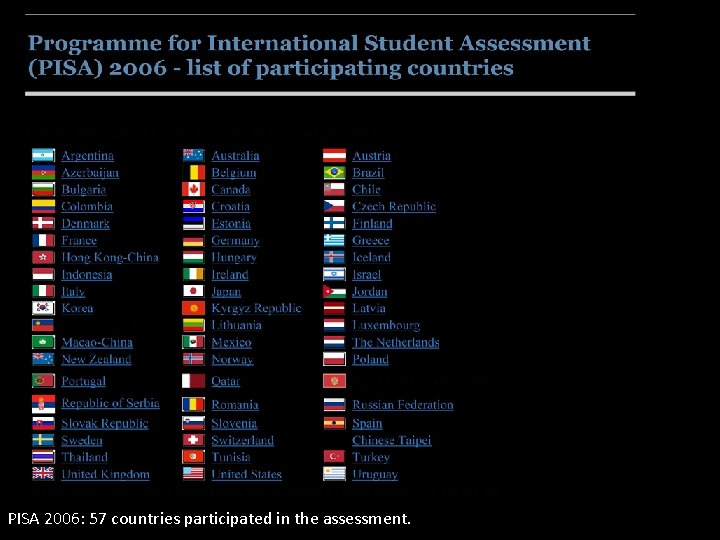
PISA 2006: 57 countries participated in the assessment.
PISA 2009
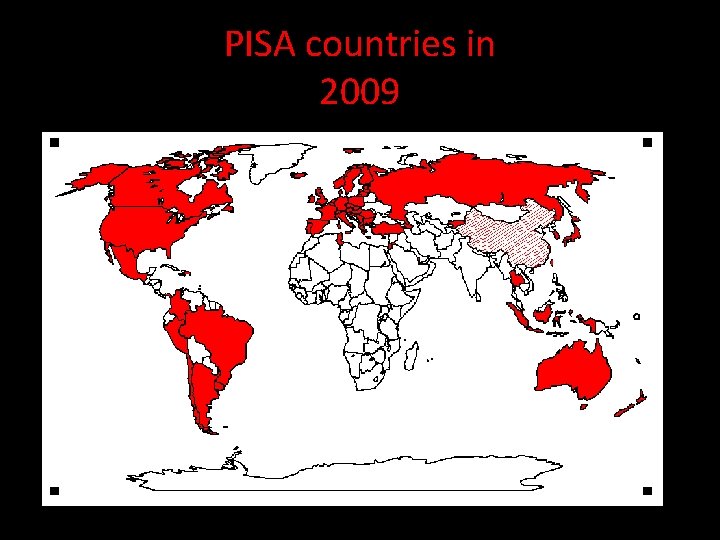
PISA countries in 2009
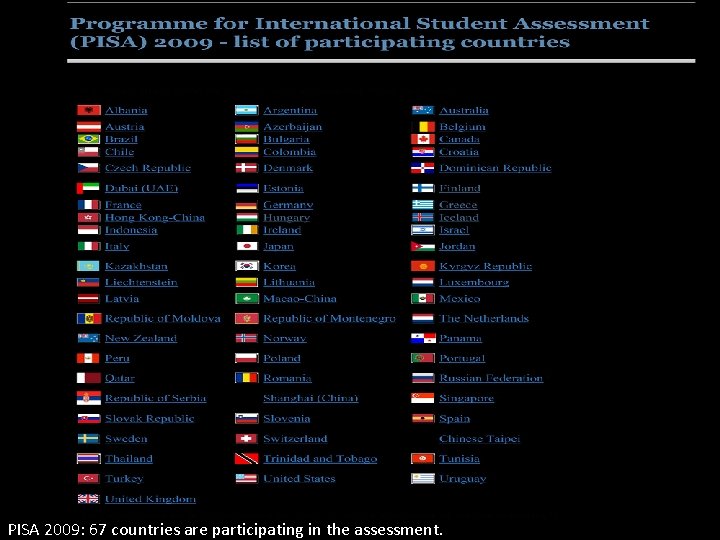
PISA 2009: 67 countries are participating in the assessment.
• How PISA works • Who benefits from PISA and who pays !?
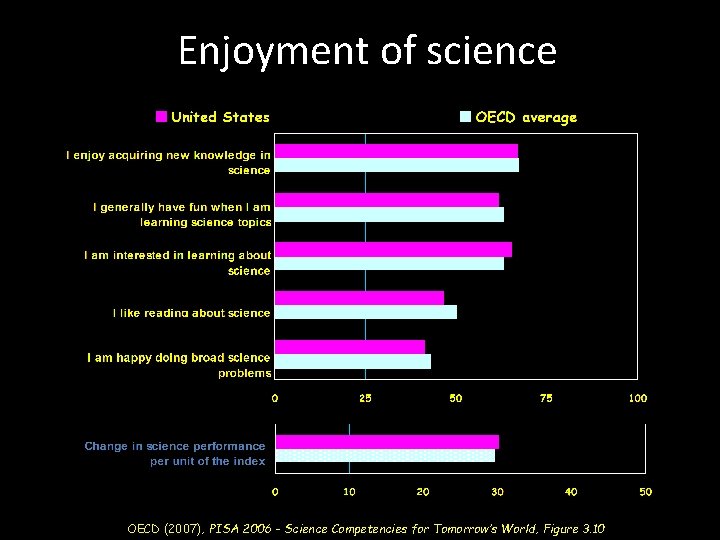
Enjoyment of science OECD (2007), PISA 2006 – Science Competencies for Tomorrow’s World, Figure 3. 10
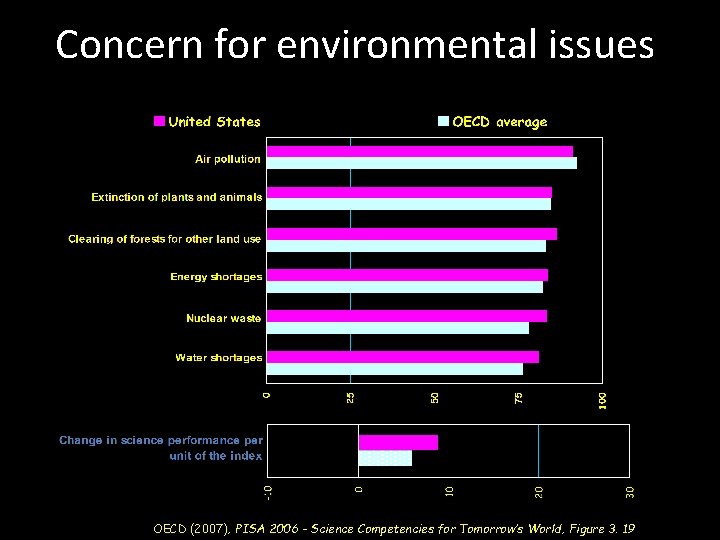
Concern for environmental issues OECD (2007), PISA 2006 – Science Competencies for Tomorrow’s World, Figure 3. 19
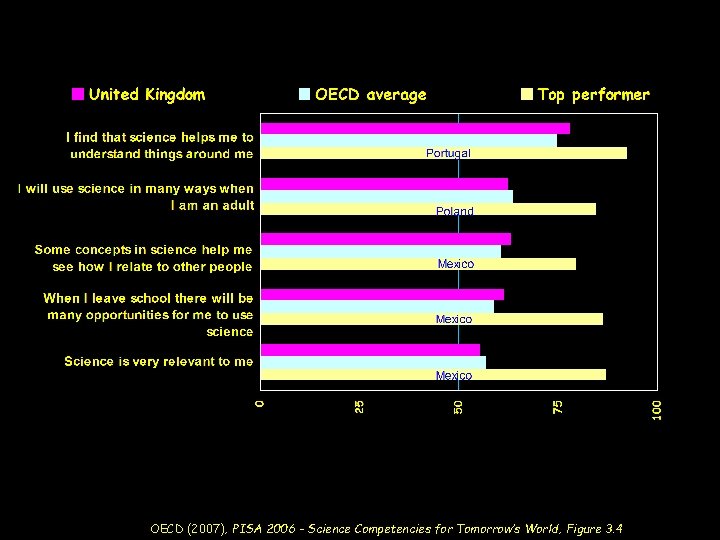
OECD (2007), PISA 2006 – Science Competencies for Tomorrow’s World, Figure 3. 4
References: • www. oecd. org • www. pisa. oecd. org email: pisa@oecd. org
Presented By • Loaloa Riad • Ingy Srour.