
Ode on a Grecian Urn by John Keats
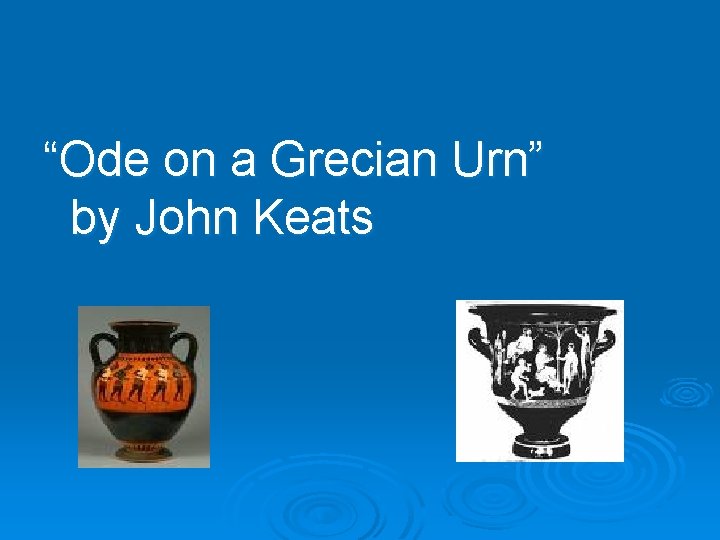
“Ode on a Grecian Urn” by John Keats
Journal Topic Permanence vs. Change -Change is an unavoidable part of life. What are some changes that you are currently facing? Think about the next 4 months.
Topic What are some positive aspects of change? Example: I know that change can lead to personal growth. When I graduated from high school I moved to Santa Barbara. I met people from all over the country. I was exposed to different lifestyles and cultures. The change from high school to college gave me new life experiences and ultimately made me a better person. Change is a positive aspect of life because______.
Historical Background What is a urn? Ø Urns are antique Greek vases. Ø Traditionally used as containers or for burial (ashes). Ø Usually show Gods, Goddess, heros and mortals in a adventure.
What is a Ode? Ø Text written in praise of or dedicated to someone or something. “Ode to My Family” by the Cranberries “Ode to Joy”- Beethoven
“Ode on a Grecian Urn” there are two scenes Scene 1 Ø Gods or men pursue maidens in the forest while musicians play. Ø Mood is exciting. Ø Scene 2 Ø A crowd of people and priest lead a cow to sacrifice. Ø Mood is solemn and mournful. Ø
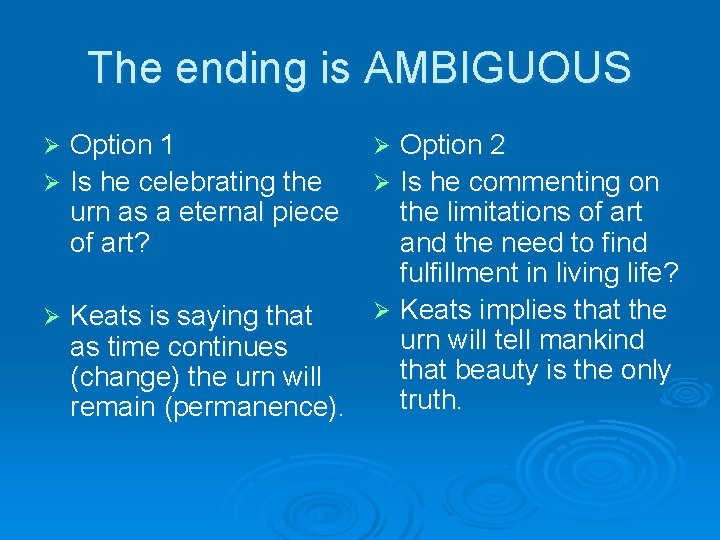
The ending is AMBIGUOUS Option 1 Ø Is he celebrating the urn as a beautiful, eternal piece of art? Ø Option 2 Ø Is he commenting on the limitations of art and the need to find fulfillment in living life? Ø
Vocabulary Ø Flowery (adj. )-full of detailed expressions. Ø He gave a flowery description of his trip to the Bahamas.
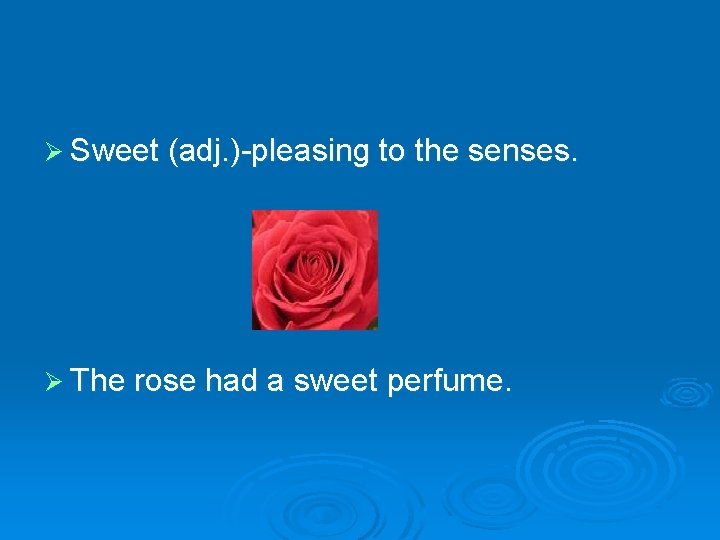
Ø Sweet (adj. )-pleasing to the senses. Ø The rose had a sweet perfume.
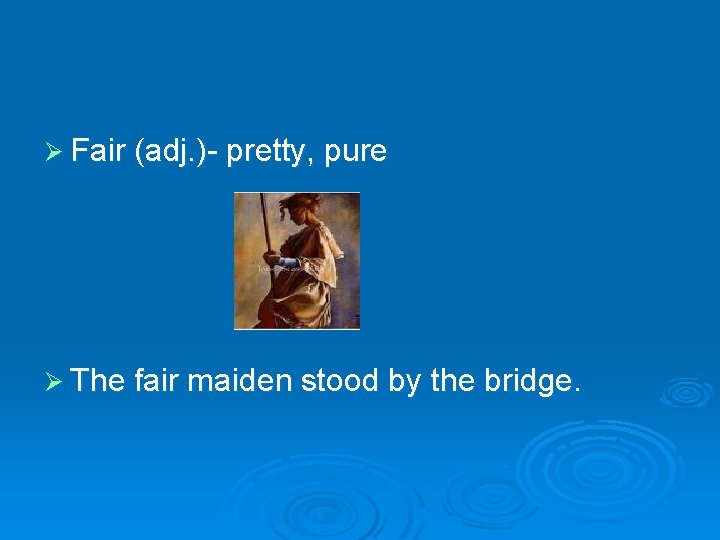
Ø Fair (adj. )- pretty, pure Ø The fair maiden stood by the bridge.
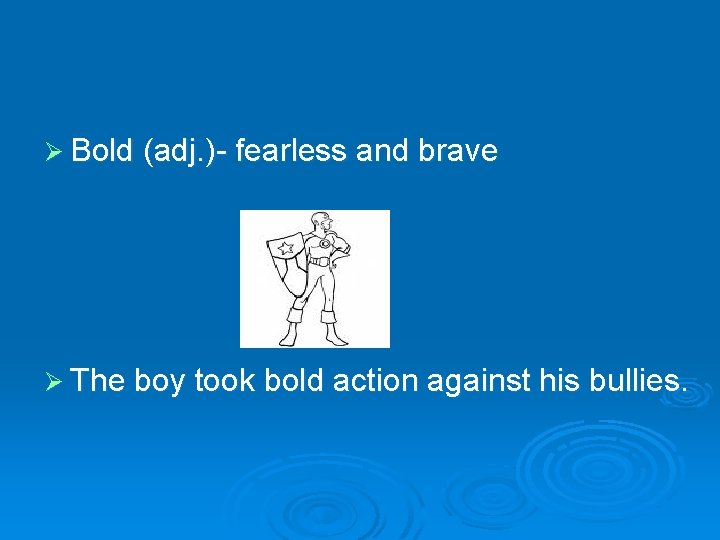
Ø Bold (adj. )- fearless and brave Ø The boy took bold action against his bullies.
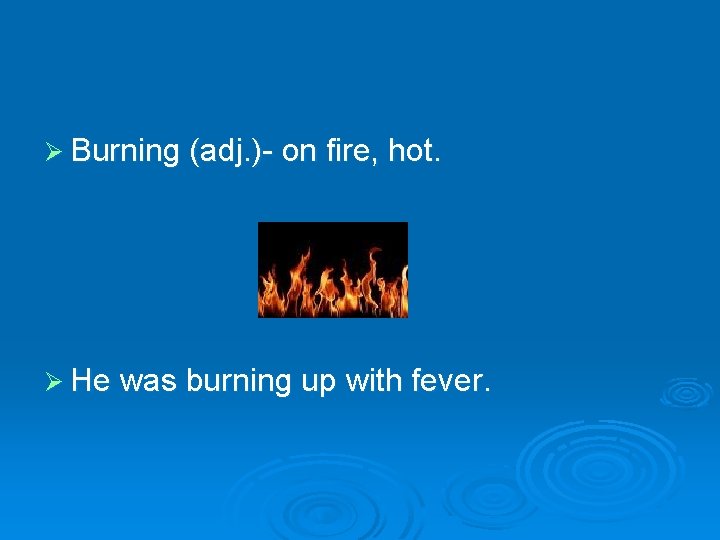
Ø Burning (adj. )- on fire, hot. Ø He was burning up with fever.
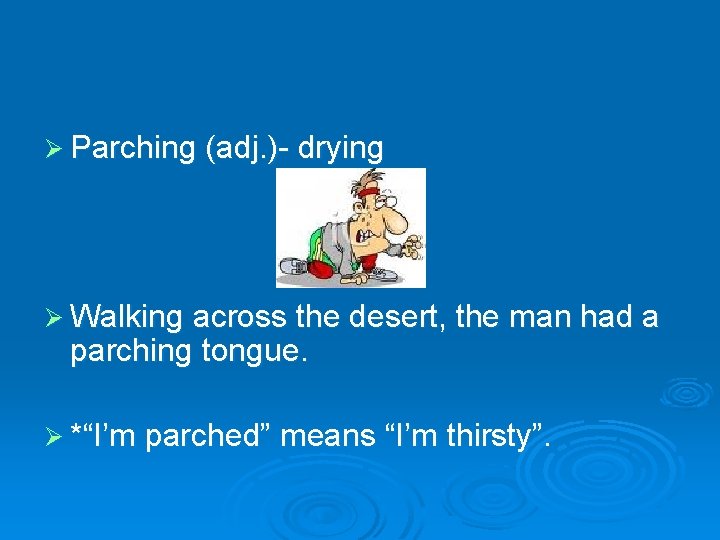
Ø Parching (adj. )- drying Ø Walking across the desert, the man had a parching tongue. Ø *“I’m parched” means “I’m thirsty”.
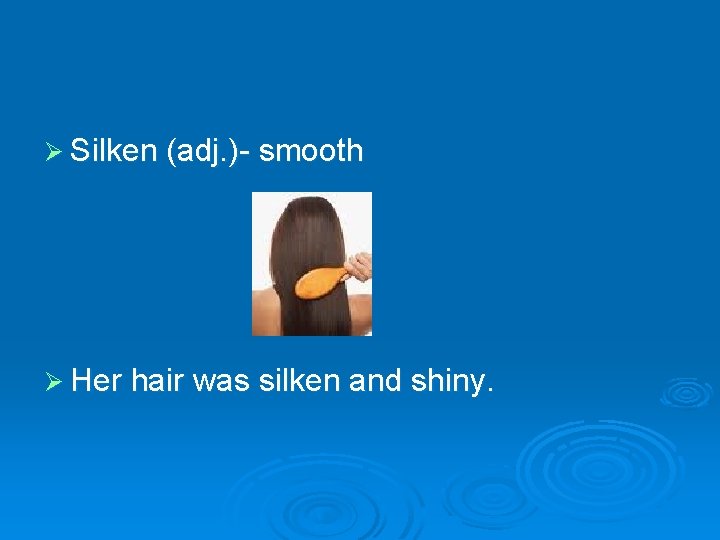
Ø Silken (adj. )- smooth Ø Her hair was silken and shiny.
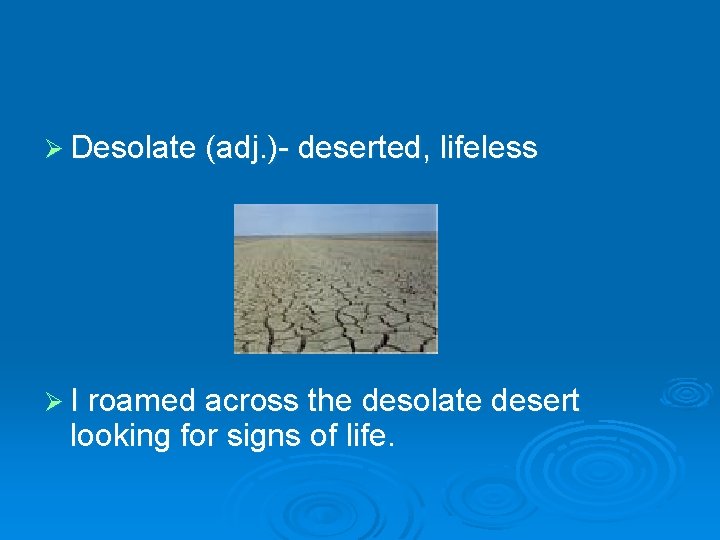
Ø Desolate (adj. )- deserted, lifeless Ø I roamed across the desolate desert looking for signs of life.
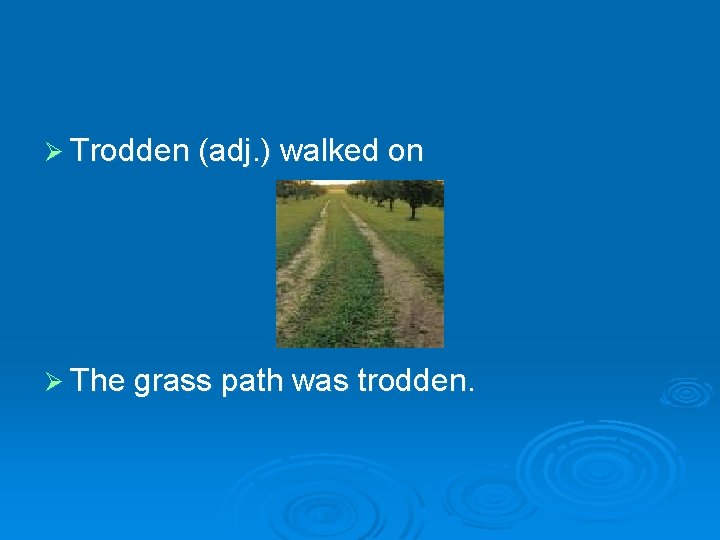
Ø Trodden (adj. ) walked on Ø The grass path was trodden.
“Ode on a Grecian Urn” Ø With your partner read “Before You Read” on Page 191 in IR. Take turns reading paragraphs then answer theses questions by underlining the answers in your IR. What is a metaphor? 2) Give one example of a metaphor used on page 191. 3) What is imagery? 1)
First Example of a Metaphor Line 1 “still unravished bride of quietness” Ø Two things compared: urn, unravished bride. Ø Ravish-to seize and carry off by force. Ø Unravished= virgin bride Ø Keats is comparing the urn to a virgin bride. Meaning the urn has been untouched. Ø He adds “of quietness” to say the urn has been silent and has been awaiting contact with the world. Ø
Page 192 in your IR Ø Interpret: underline the following Ø Still unravished bride of quietness, Ø Thou foster child of silence and slow time, Ø Sylvan (of the forest) historian,
Identify this is the ambiguous ending! Ø Underline: Thou shalt remain Ø A friend to man Ø Keats is saying that as time continues (change) the urn will remain (permanence). Ø Circle: Beauty is truth, truth beauty Ø Keats implies that the urn will tell mankind that beauty is the only truth.
The ending is AMBIGUOUS Option 1 Ø Is he celebrating the urn as a eternal piece of art? Option 2 Ø Is he commenting on the limitations of art and the need to find fulfillment in living life? Ø Keats implies that the Ø Keats is saying that urn will tell mankind as time continues that beauty is the only (change) the urn will truth. remain (permanence). Ø Ø
- Slides: 21