
Odd one out Which is the odd one

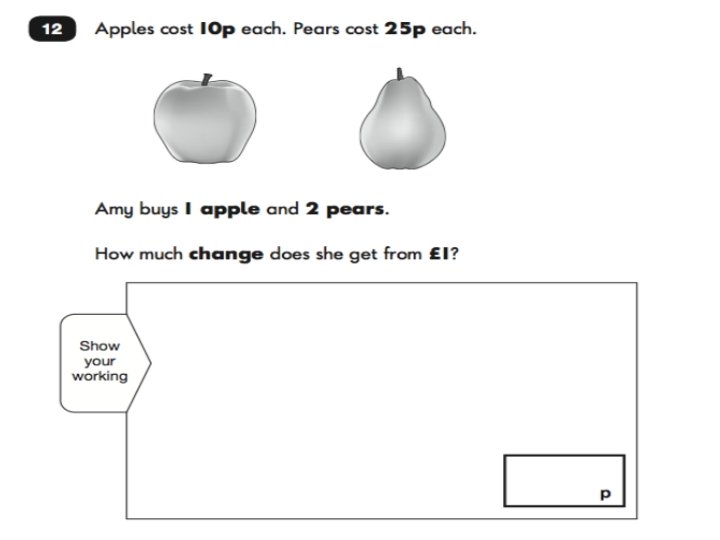

- Slides: 35
Odd one out Which is the odd one out? Why? 6, 15, 28, 36, 66
Curriculum 2014 To raise standards in maths, with the aim that the large majority of pupils will achieve mastery of the subject.
Broken down into: Number and place value Addition and subtraction Multiplication and division Fractions, decimals and percentages
Measures Measurement Geometry Properties of shape Position and direction Statistics
Changes What’s out? • A separate strand for using and applying mathematics • Calculators • Informal written methods for calculation
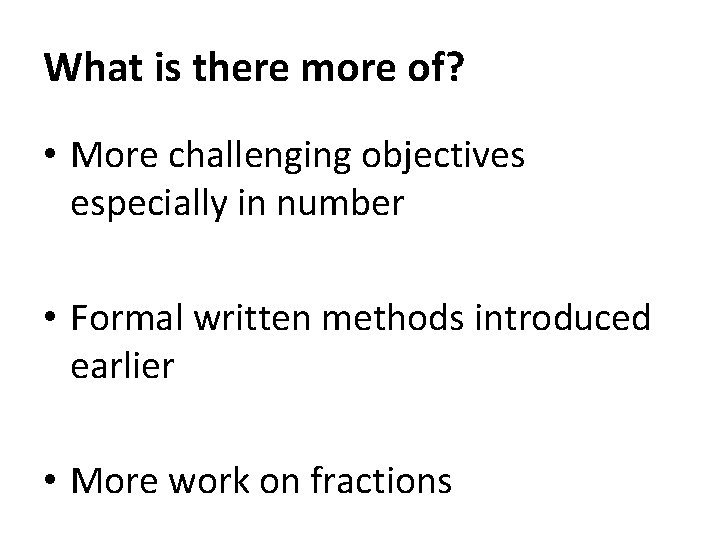
What is there more of? • More challenging objectives especially in number • Formal written methods introduced earlier • More work on fractions
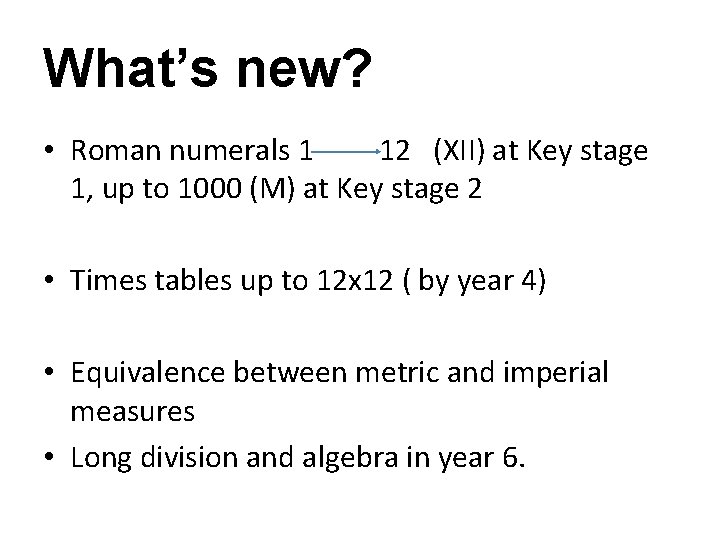
What’s new? • Roman numerals 1 12 (XII) at Key stage 1, up to 1000 (M) at Key stage 2 • Times tables up to 12 x 12 ( by year 4) • Equivalence between metric and imperial measures • Long division and algebra in year 6.
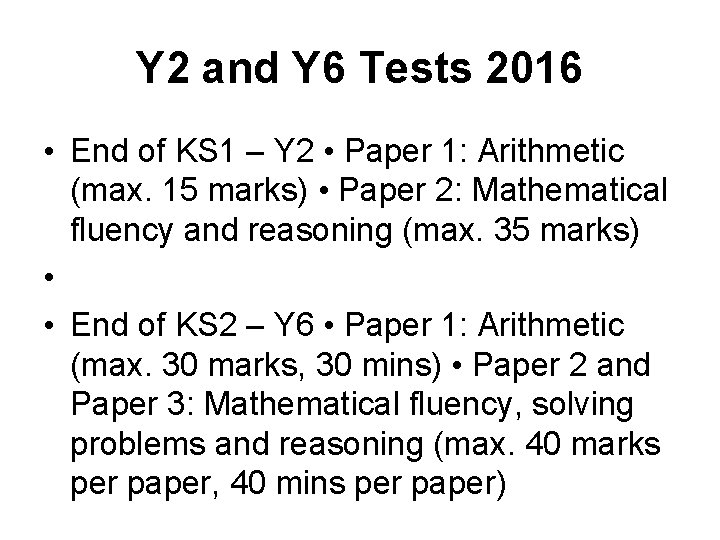
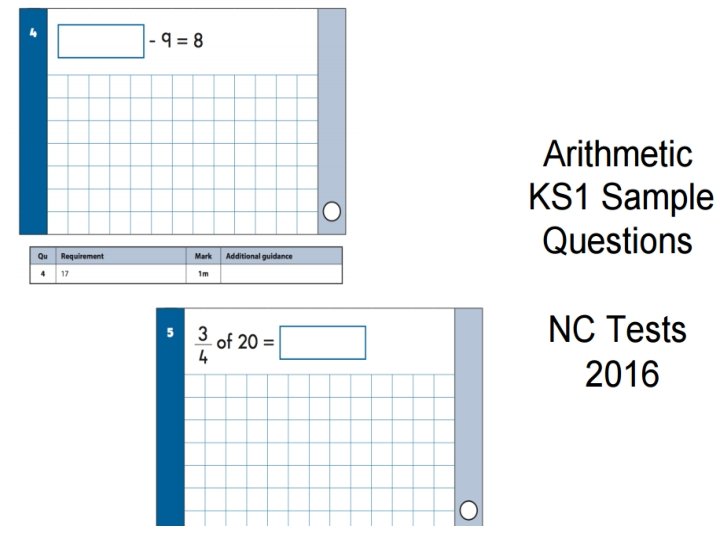
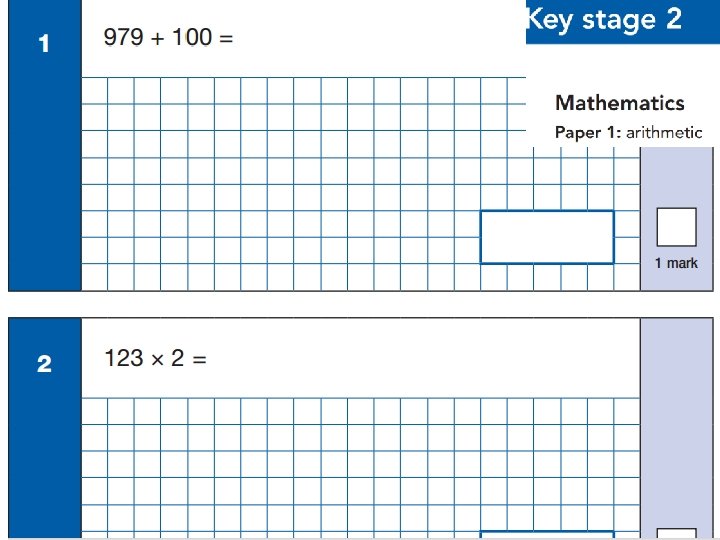
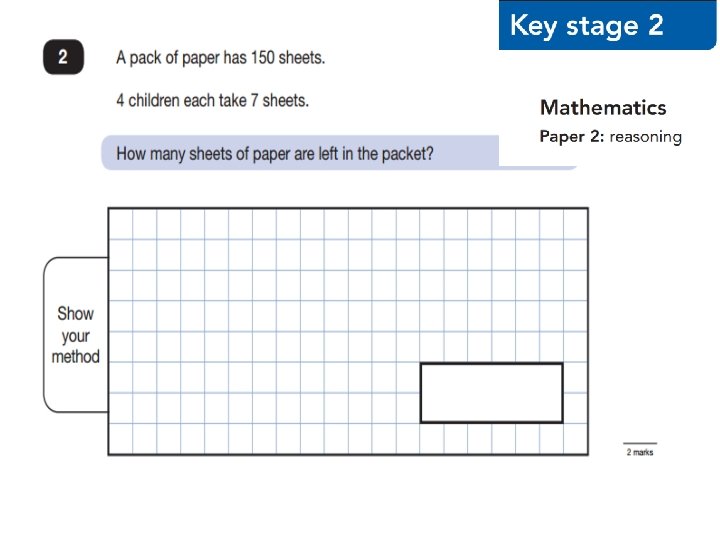
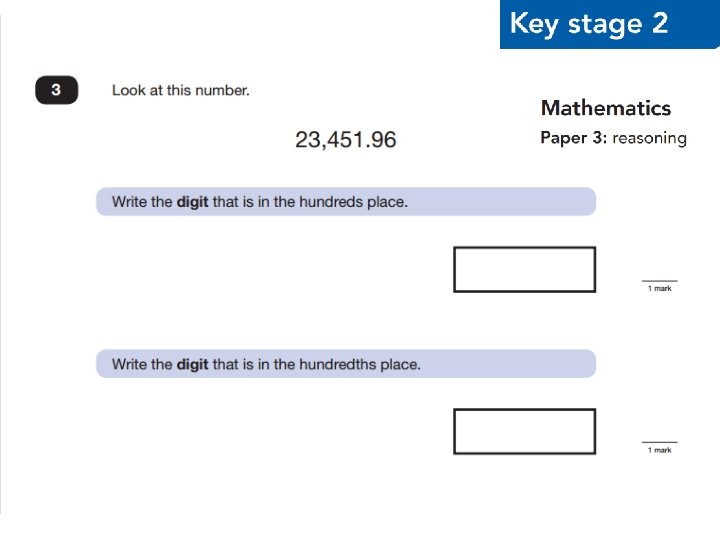
Y 2 and Y 6 Tests 2016 • End of KS 1 – Y 2 • Paper 1: Arithmetic (max. 15 marks) • Paper 2: Mathematical fluency and reasoning (max. 35 marks) • • End of KS 2 – Y 6 • Paper 1: Arithmetic (max. 30 marks, 30 mins) • Paper 2 and Paper 3: Mathematical fluency, solving problems and reasoning (max. 40 marks per paper, 40 mins per paper)
Developing Fluency • Pupils become fluent in the fundamentals of mathematics, including through varied and frequent practice with increasingly complex problems over time, so that pupils develop conceptual understanding and the ability to recall and apply knowledge rapidly and accurately.
Mathematical reasoning • Pupils reason mathematically by following a line of enquiry, conjecturing relationships and generalisations, and developing an argument, justification or proof using mathematical language.
Problem solving Pupils can solve problems by applying their mathematics to a variety of routine and non-routine problems with increasing sophistication, including breaking down problems into a series of simpler steps and persevering in seeking solutions.
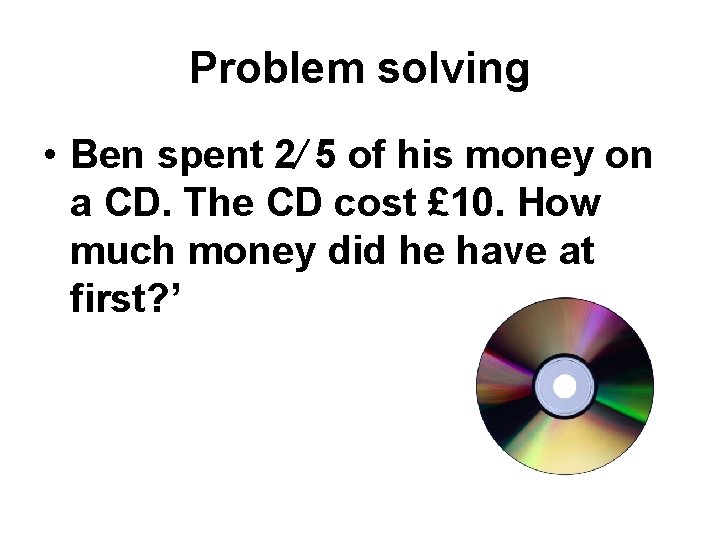
Problem solving • Ben spent 2⁄ 5 of his money on a CD. The CD cost £ 10. How much money did he have at first? ’
Ready to progress • The expectation is that the majority of pupils will move through the programmes of study at broadly the same pace. When to progress should always be based on the security of pupils’ understanding and their readiness to progress to the next stage.
High Achievers • Pupils who grasp concepts rapidly should be challenged through rich and sophisticated problems before any acceleration through new content
Moving On Those pupils who are not sufficiently fluent with earlier material should consolidate their understanding, including through additional practice, before moving on.
Supporting our children • Wave 1 - differentiation • Wave 2 - small groups in class/ assembly sessions • Wave 3 - Springboard Gifted&Talented
Conceptual understanding Models, images and manipulatives remain key to securing understanding and fluency. The use of resources will support your explanations so that children understand the mathematics and are not just taught ’tricks’.
Mum and dad’s written method
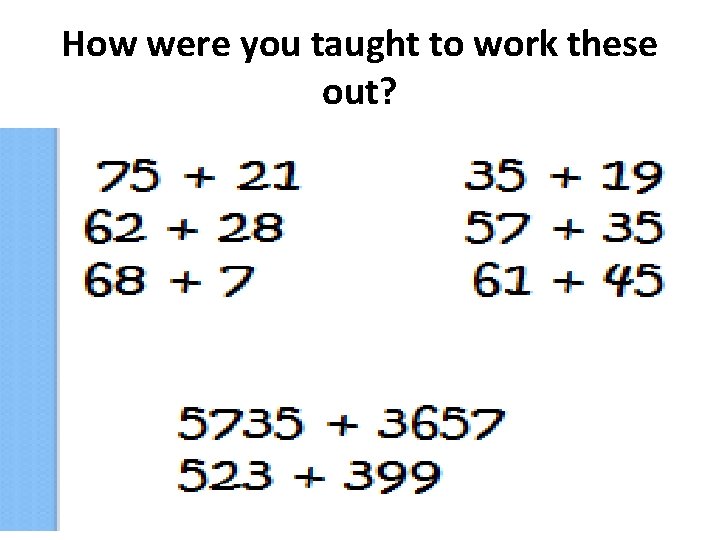
How were you taught to work these out?
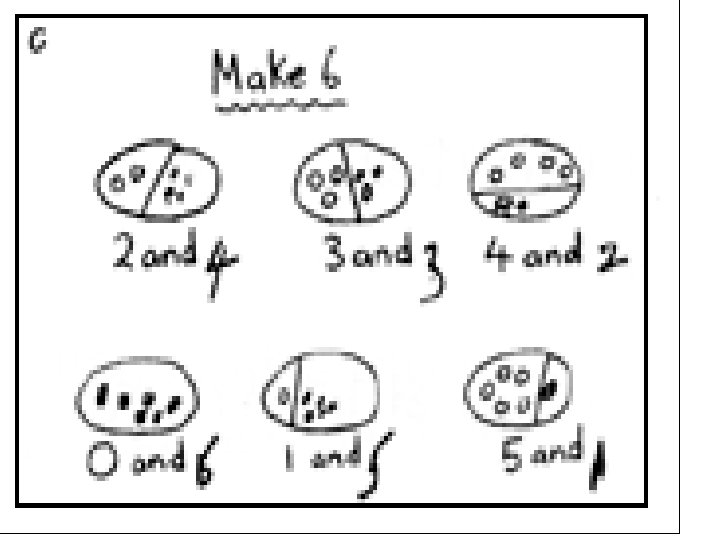
The first stage in written addition • There is a large emphasis on counting and knowing what numbers look like, for example knowing that two counters is the value ‘two’. • Children are encouraged to develop a mental picture of the number system in their heads to use for calculation. They develop ways of recording calculations using pictures, etc.
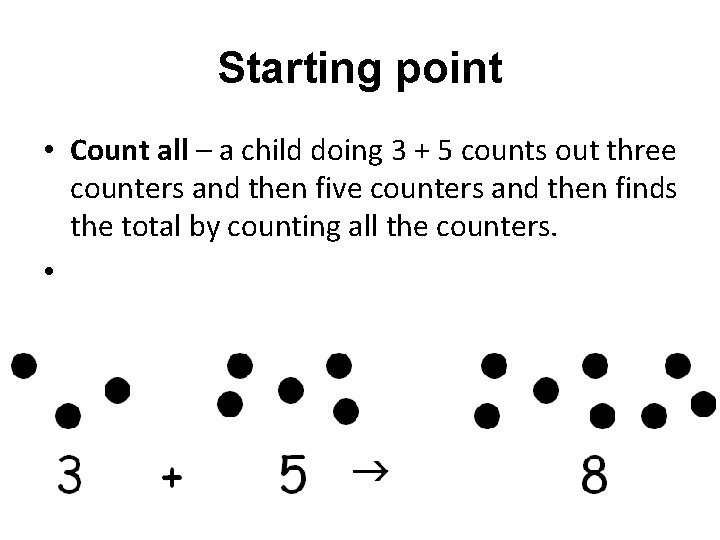
Starting point • Count all – a child doing 3 + 5 counts out three counters and then five counters and then finds the total by counting all the counters. •
Number line
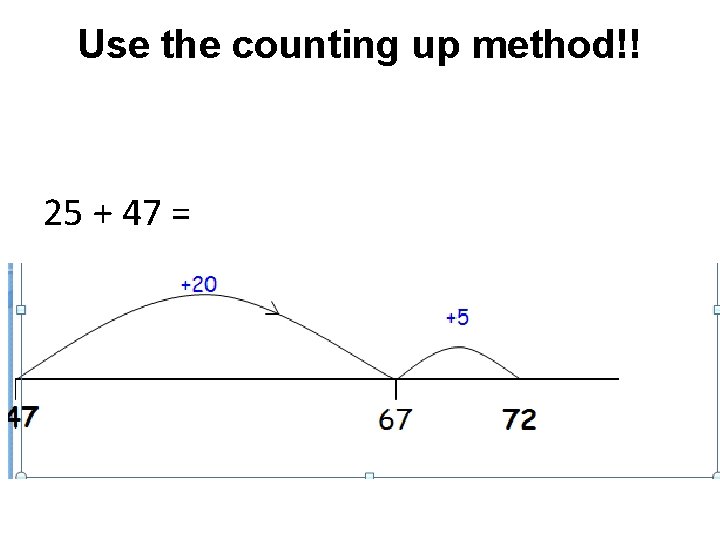
Use the counting up method!! 25 + 47 =
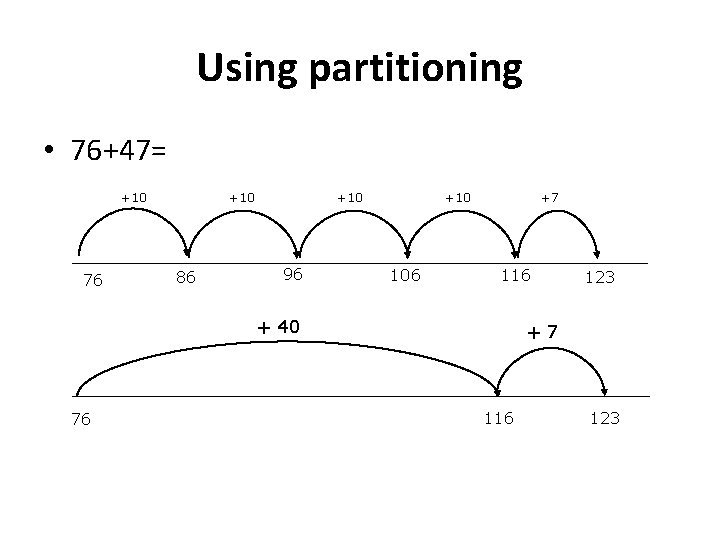
Using partitioning • 76+47= +10 76 +10 86 +10 96 +10 106 +7 116 + 40 76 123 +7 116 123
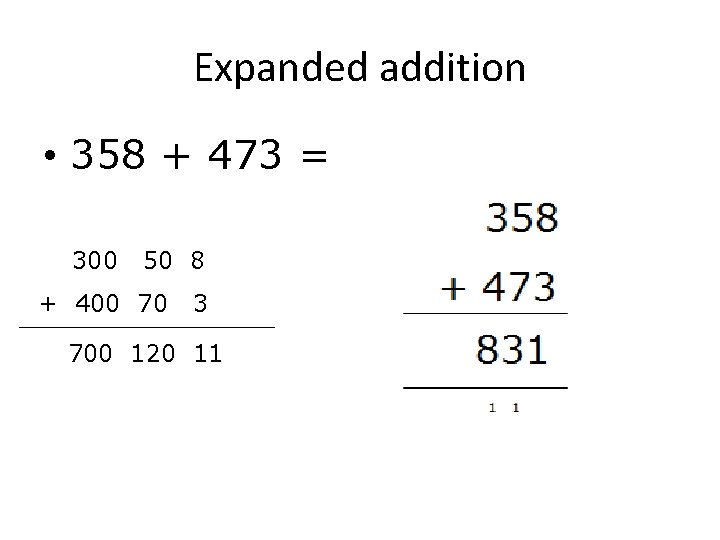
Expanded addition • 358 + 473 = 300 50 8 + 400 70 3 700 120 11
How to help at home • • When your child has begun to learn a table, practise the table for five minutes each day with them. It is important to say the whole table, not just the answers, again and again! Break down each table into manageable chunks. For example, ask them 1 x 6, 2 x 6 and 5 x 6 until they know the answers. Then add the next one. Work on pairs of tables, for example if your child is learning the two times table they can use their doubling facts to calculate the four times tables. Test your child by firing questions at them, out of order reminding them that they can use facts that they are confident with to work out trickier ones. For example if they know 4 x 6=24 just double to find 8 x 6. Keep checking that they still know the facts they have learnt and revisit previously learnt facts. Use a range of vocabulary—times, multiply, lots of, sets of. . .
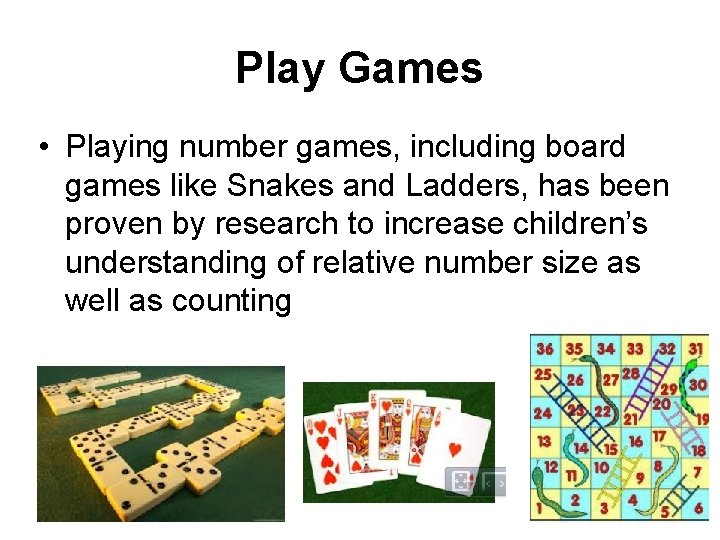
Play Games • Playing number games, including board games like Snakes and Ladders, has been proven by research to increase children’s understanding of relative number size as well as counting
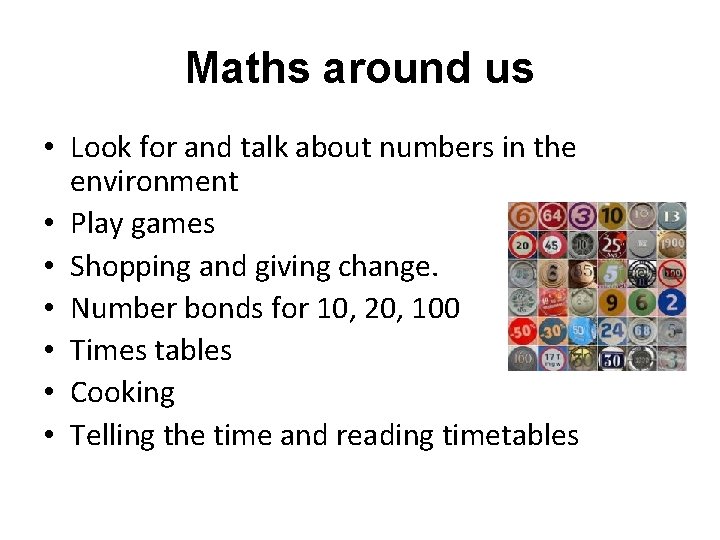
Maths around us • Look for and talk about numbers in the environment • Play games • Shopping and giving change. • Number bonds for 10, 20, 100 • Times tables • Cooking • Telling the time and reading timetables