
October 20 HOMEWORK CHECK Ecology SYMBIOSIS Three Types
October 20 HOMEWORK CHECK!!
Ecology SYMBIOSIS
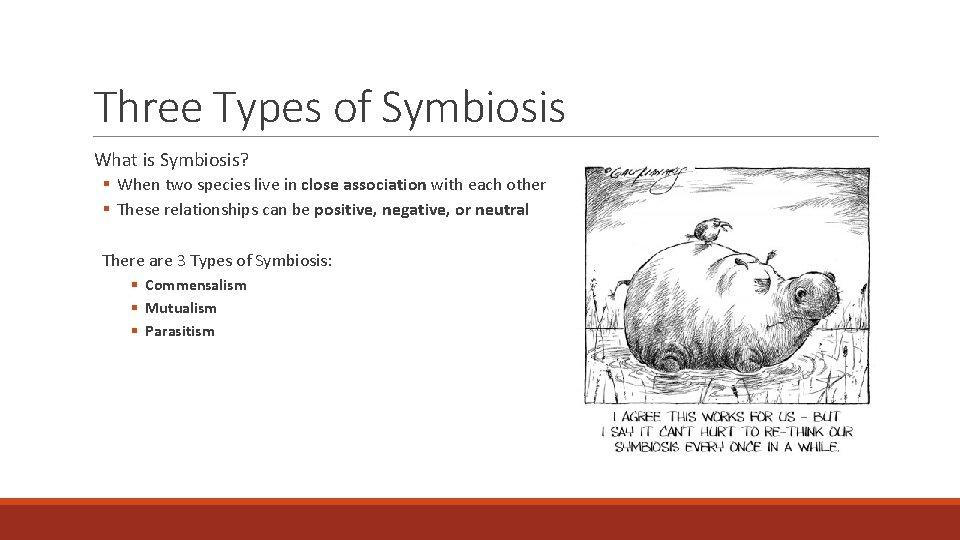
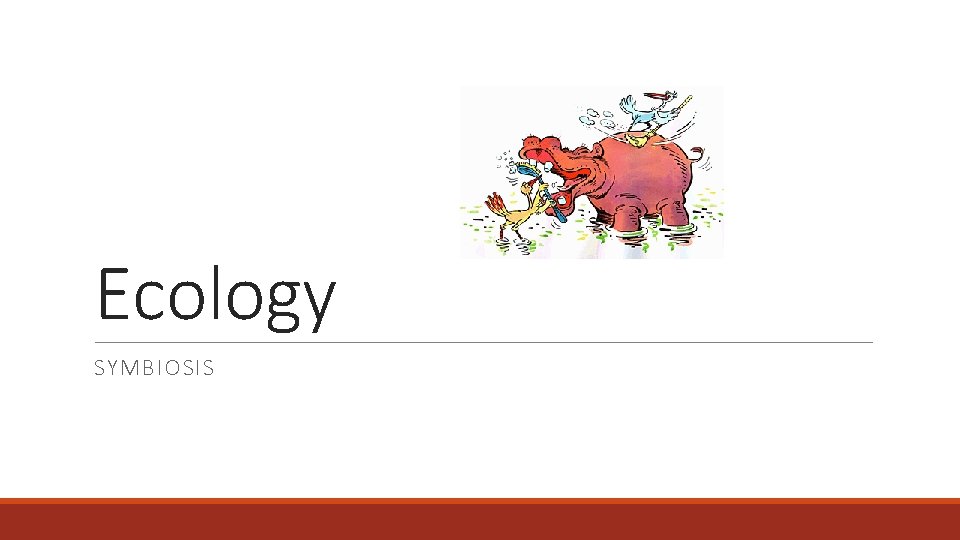
Three Types of Symbiosis What is Symbiosis? § When two species live in close association with each other § These relationships can be positive, negative, or neutral There are 3 Types of Symbiosis: § Commensalism § Mutualism § Parasitism
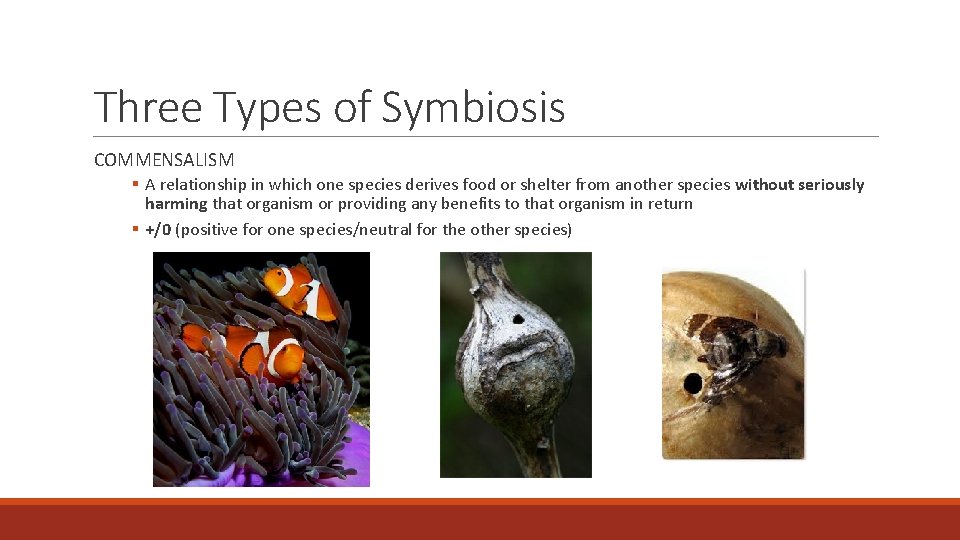
Three Types of Symbiosis COMMENSALISM § A relationship in which one species derives food or shelter from another species without seriously harming that organism or providing any benefits to that organism in return § +/0 (positive for one species/neutral for the other species)
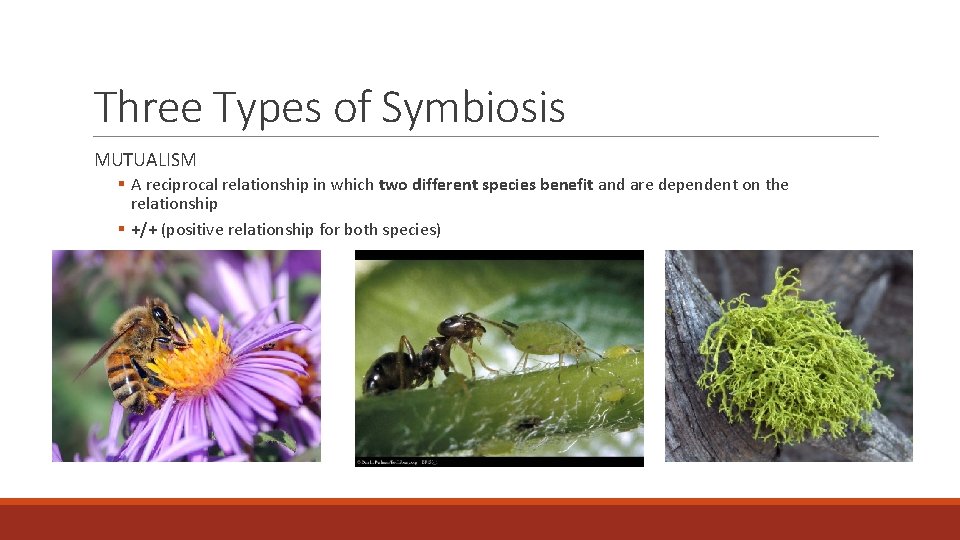
Three Types of Symbiosis MUTUALISM § A reciprocal relationship in which two different species benefit and are dependent on the relationship § +/+ (positive relationship for both species)
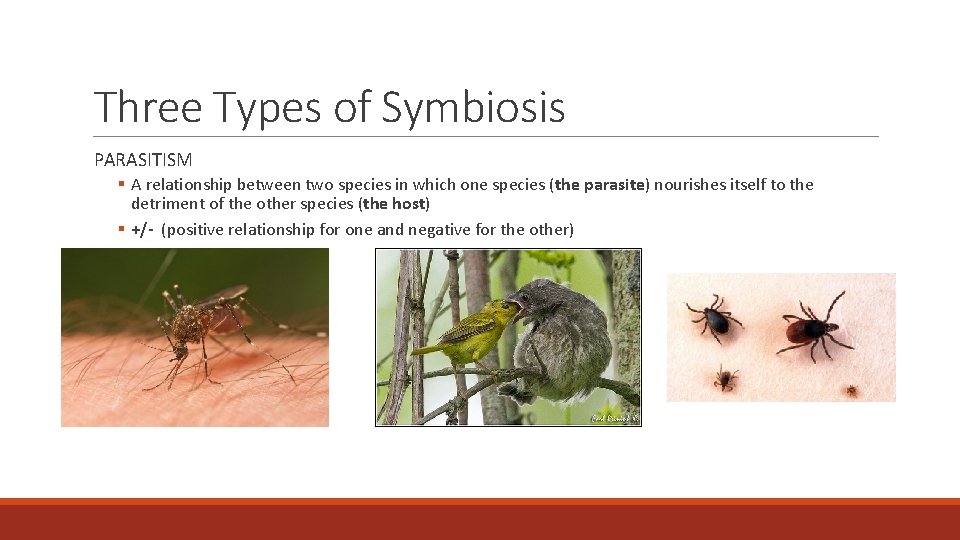
Three Types of Symbiosis PARASITISM § A relationship between two species in which one species (the parasite) nourishes itself to the detriment of the other species (the host) § +/- (positive relationship for one and negative for the other)
Good Buddies! A little matching activity! Draw a card from the deck and find your symbiosis buddy! What symbiotic relationship do you have with your buddy? Let’s play a game!!
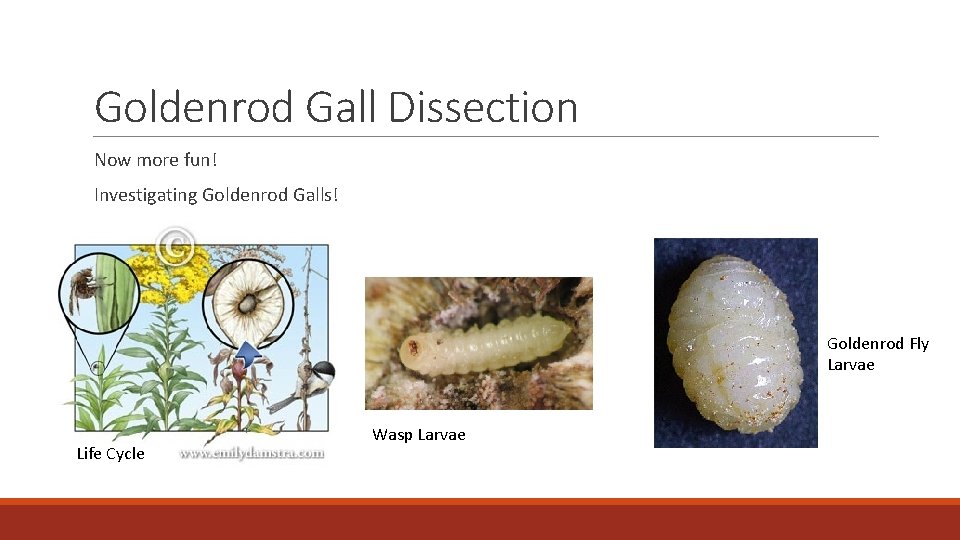
Goldenrod Gall Dissection Now more fun! Investigating Goldenrod Galls! Goldenrod Fly Larvae Life Cycle Wasp Larvae
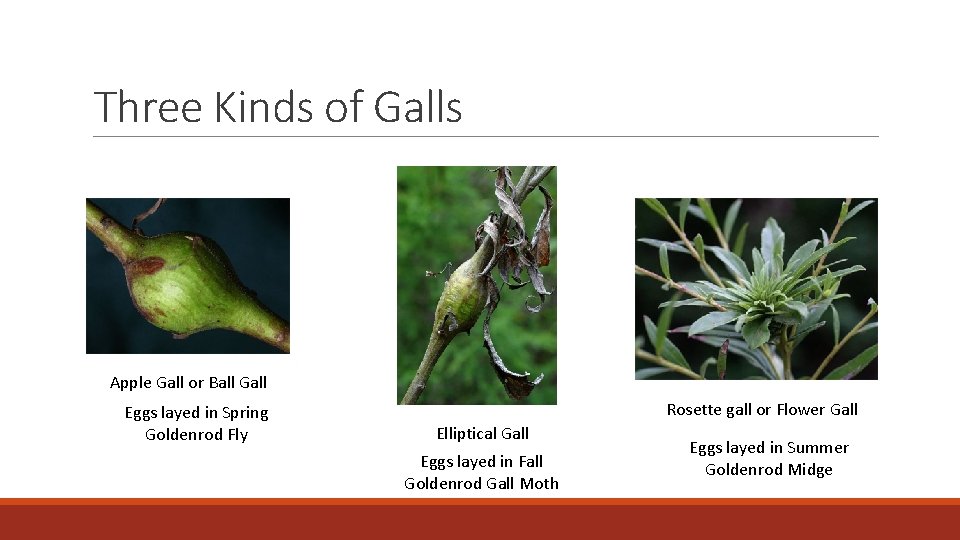
Three Kinds of Galls Apple Gall or Ball Gall Eggs layed in Spring Goldenrod Fly Rosette gall or Flower Gall Elliptical Gall Eggs layed in Fall Goldenrod Gall Moth Eggs layed in Summer Goldenrod Midge
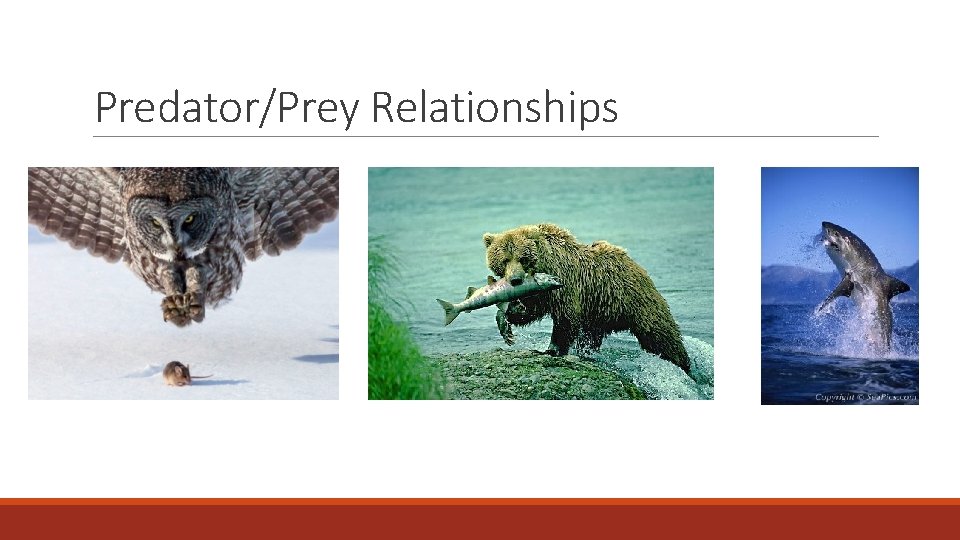
Predator/Prey Relationships
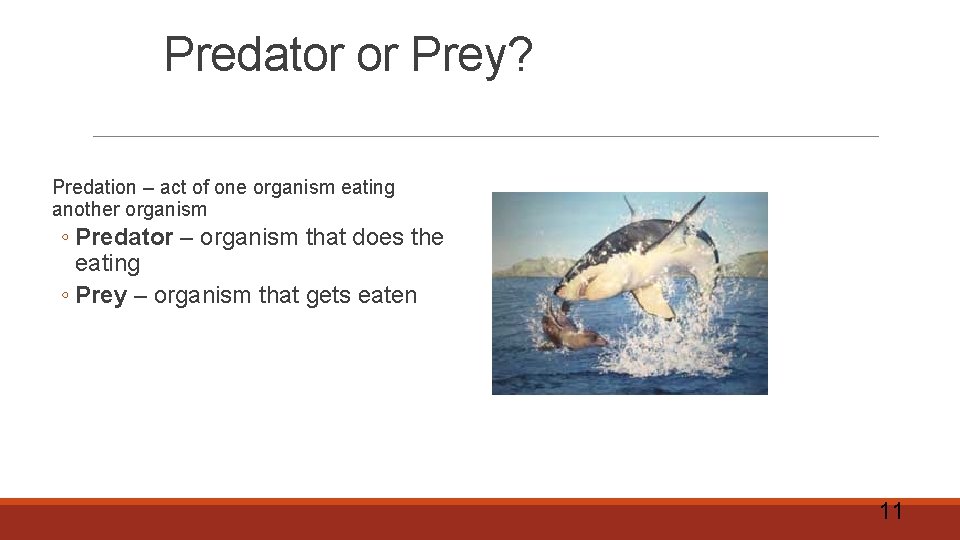
Predator or Prey? Predation – act of one organism eating another organism ◦ Predator – organism that does the eating ◦ Prey – organism that gets eaten 11
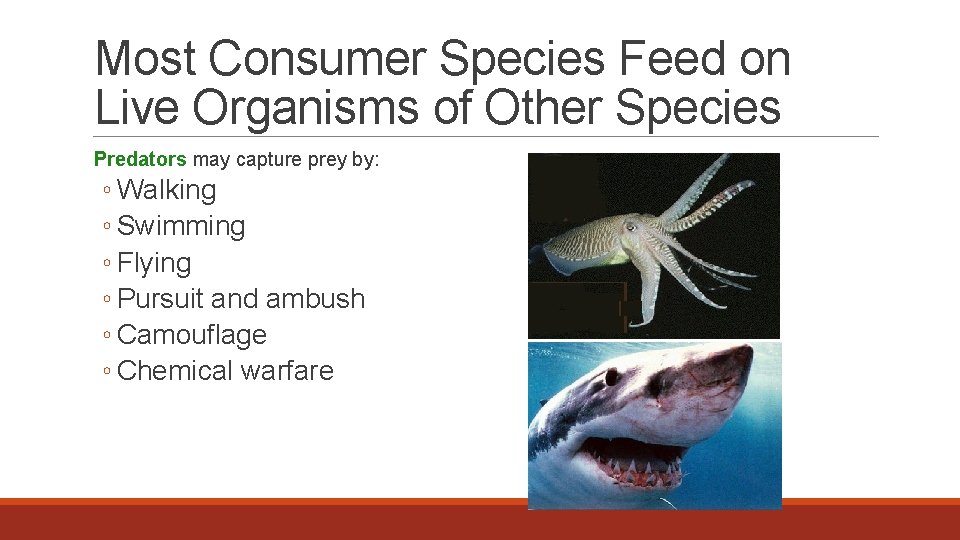
Most Consumer Species Feed on Live Organisms of Other Species Predators may capture prey by: ◦ Walking ◦ Swimming ◦ Flying ◦ Pursuit and ambush ◦ Camouflage ◦ Chemical warfare
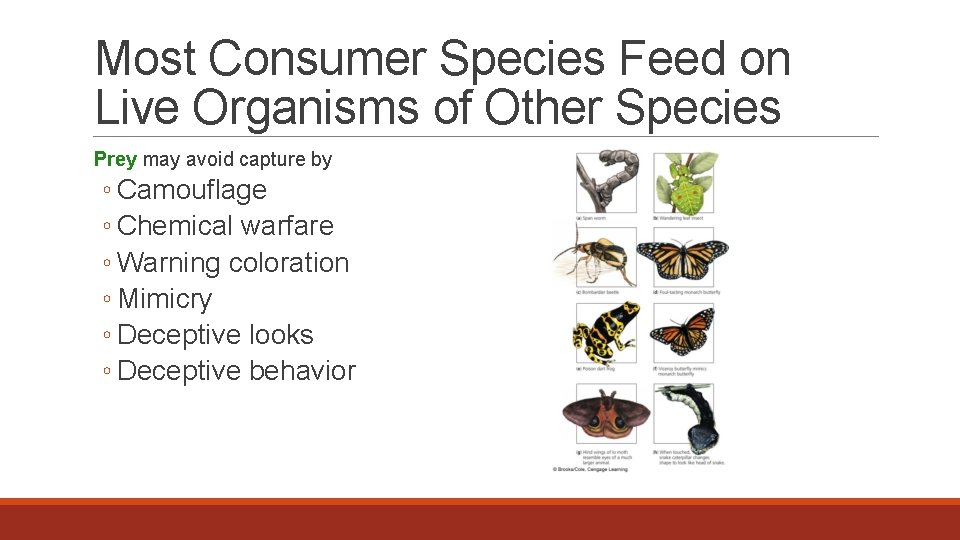
Most Consumer Species Feed on Live Organisms of Other Species Prey may avoid capture by ◦ Camouflage ◦ Chemical warfare ◦ Warning coloration ◦ Mimicry ◦ Deceptive looks ◦ Deceptive behavior
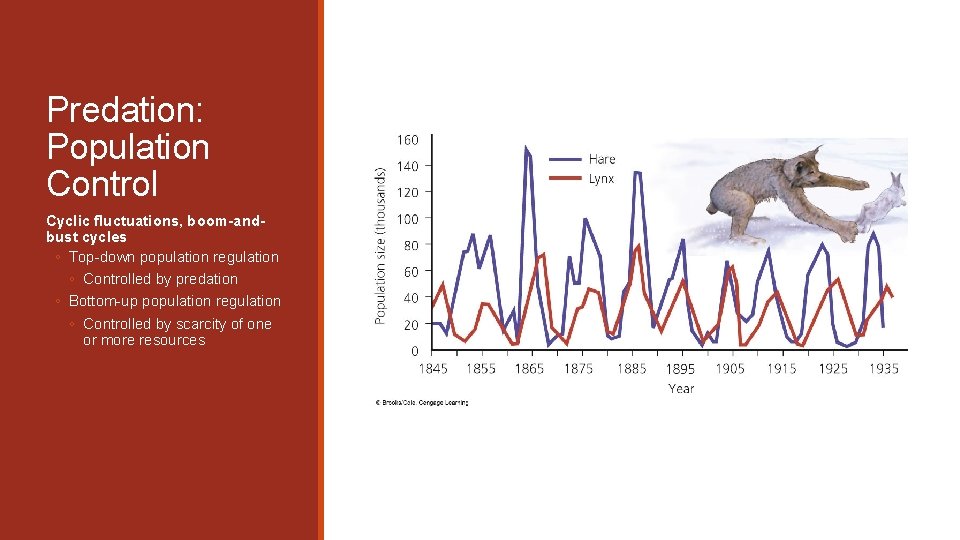
Predation: Population Control Cyclic fluctuations, boom-andbust cycles ◦ Top-down population regulation ◦ Controlled by predation ◦ Bottom-up population regulation ◦ Controlled by scarcity of one or more resources
- Slides: 14