
OCEANOGRAPHY Ch 15 History Ancient History Early peoples





- Slides: 32
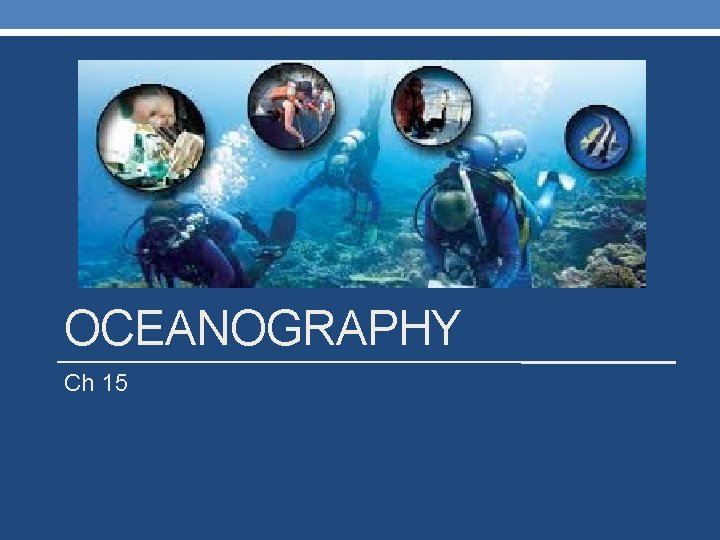
OCEANOGRAPHY Ch 15
History
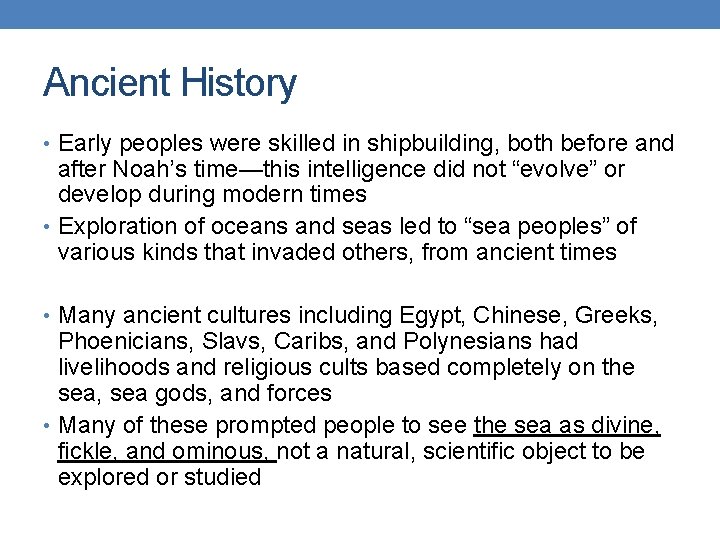
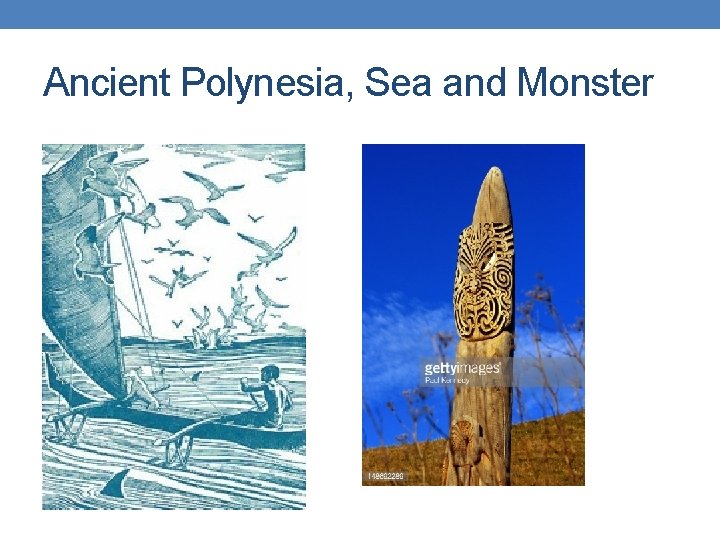
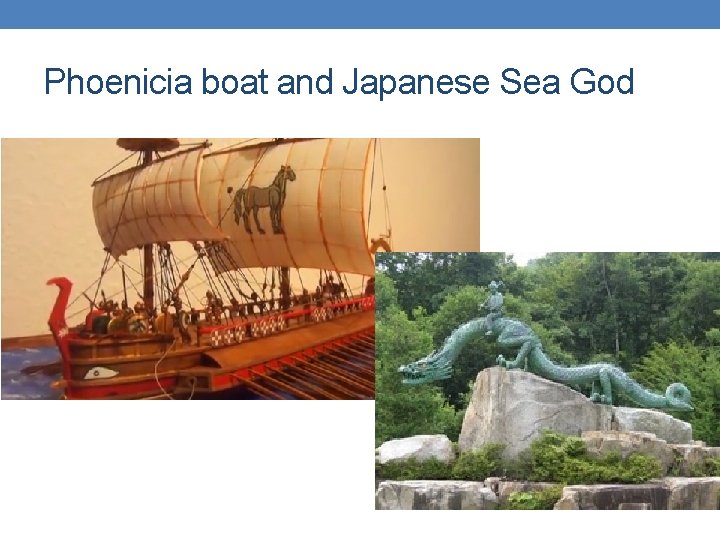
Ancient History • Early peoples were skilled in shipbuilding, both before and after Noah’s time—this intelligence did not “evolve” or develop during modern times • Exploration of oceans and seas led to “sea peoples” of various kinds that invaded others, from ancient times • Many ancient cultures including Egypt, Chinese, Greeks, Phoenicians, Slavs, Caribs, and Polynesians had livelihoods and religious cults based completely on the sea, sea gods, and forces • Many of these prompted people to see the sea as divine, fickle, and ominous, not a natural, scientific object to be explored or studied
Ancient Polynesia, Sea and Monster
Phoenicia boat and Japanese Sea God
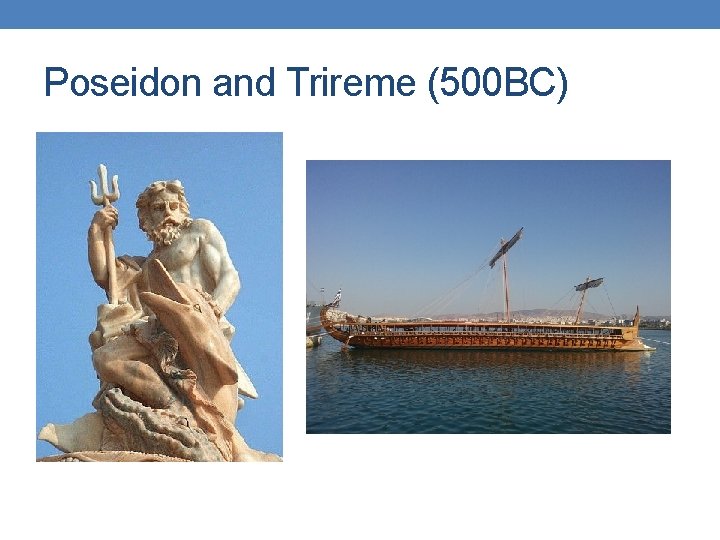
Poseidon and Trireme (500 BC)
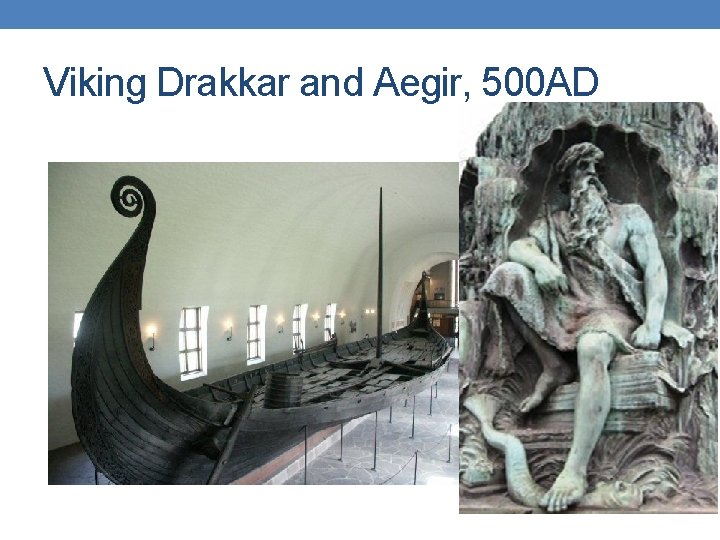
Viking Drakkar and Aegir, 500 AD
History • Catholics in the Middle Ages were quite interested with astronomy and earth science—got into astronomy, geometry, the mathematics of the earth, geology, as well as agronomy and soil study • Chinese invent the magnetic compass around 1000 AD • The Age of Discovery began in the mid-1400 s with Portuguese ships being able to navigate and explore more thoroughly • Angola and slavery • Da Gama and Henry the Navigator • Indonesia and Spice Islands • Columbus • Ships began with just a few scientists and scientifically trained friars but grew to carry more as trade and colonialism heated up.
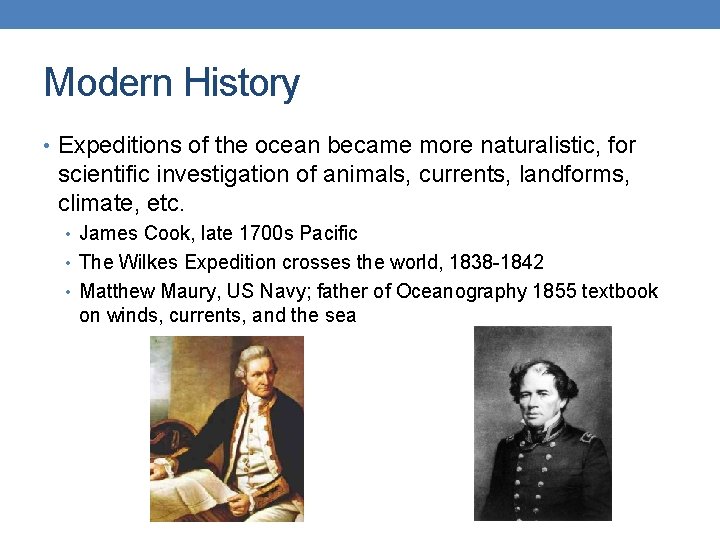
Modern History • Expeditions of the ocean became more naturalistic, for scientific investigation of animals, currents, landforms, climate, etc. • James Cook, late 1700 s Pacific • The Wilkes Expedition crosses the world, 1838 -1842 • Matthew Maury, US Navy; father of Oceanography 1855 textbook on winds, currents, and the sea
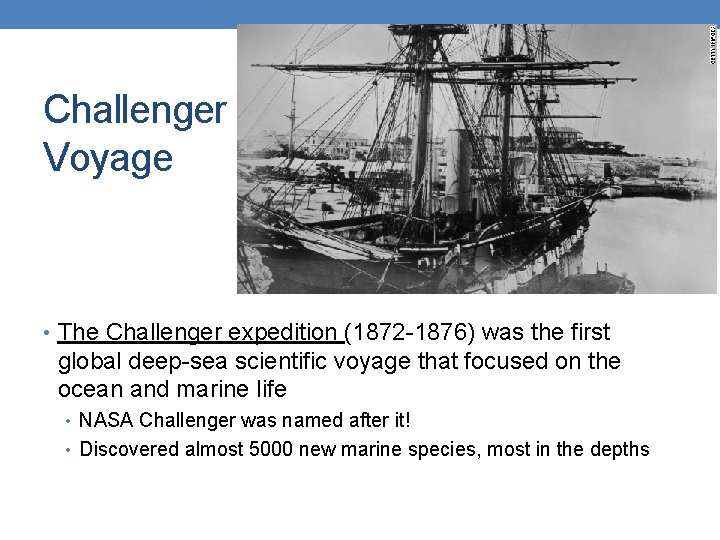
Challenger Voyage • The Challenger expedition (1872 -1876) was the first global deep-sea scientific voyage that focused on the ocean and marine life • NASA Challenger was named after it! • Discovered almost 5000 new marine species, most in the depths
Modern History • The industrial revolution and ensuing technological breakthroughs in the WW period permitted more tools, vessels, instruments, and supplies to help scientific study be safe, accurate, and repeatable. • The Cold War also accelerated funding and interest in water/space research. Breakthroughs in one area helped other areas. • Challenger II found the deepest part of the ocean in the Marianas Trench (1951) • The digital revolution has continued this trajectory, along with increasing interest in environmentalism.
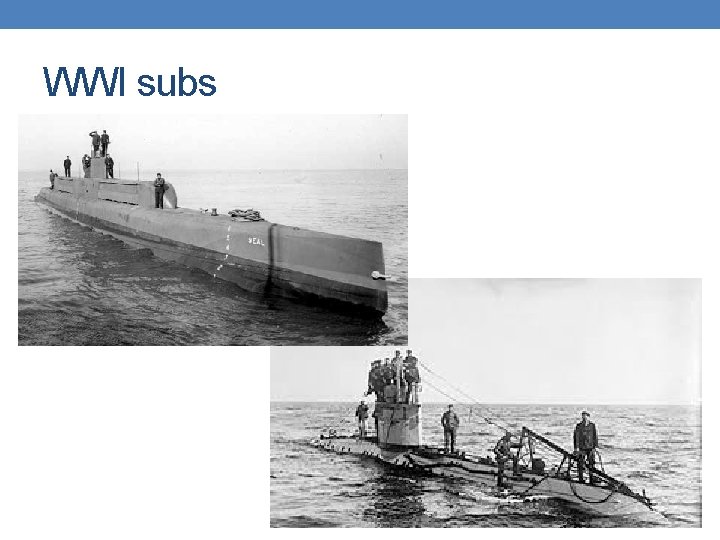
WWI subs
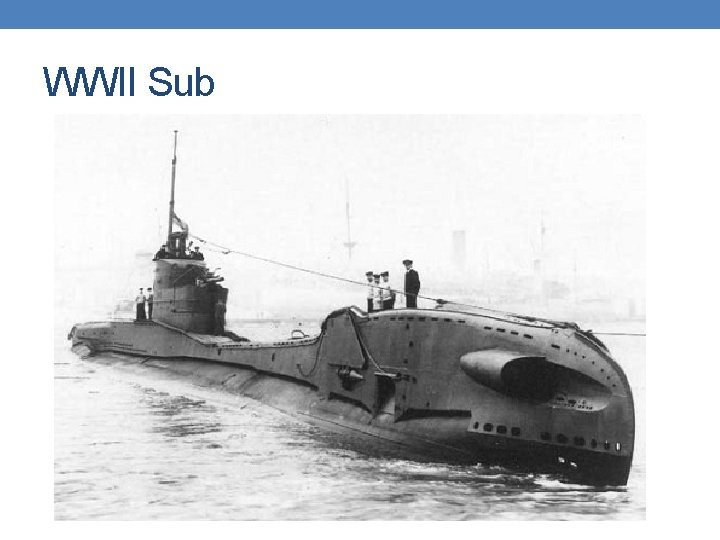
WWII Sub
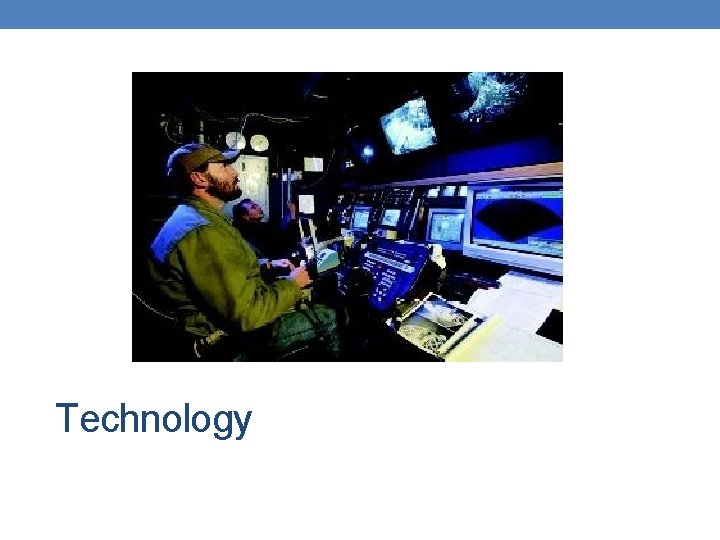
Technology
First observations • Water depths • Seawater chemistry • Temperature • Clarity • Samples of water from the floor • Samples of marine life sighted, caught, grabbed, or washed up on shore
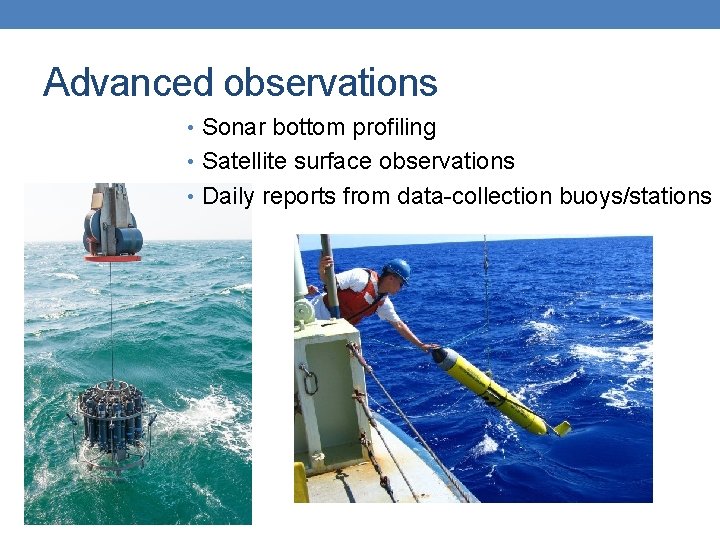
Advanced observations • Sonar bottom profiling • Satellite surface observations • Daily reports from data-collection buoys/stations
Research & Monitoring Stations
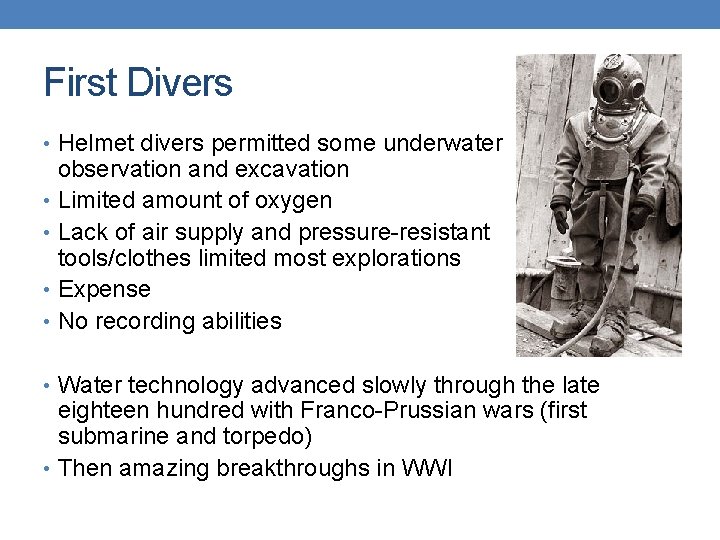
First Divers • Helmet divers permitted some underwater observation and excavation • Limited amount of oxygen • Lack of air supply and pressure-resistant tools/clothes limited most explorations • Expense • No recording abilities • Water technology advanced slowly through the late eighteen hundred with Franco-Prussian wars (first submarine and torpedo) • Then amazing breakthroughs in WWI
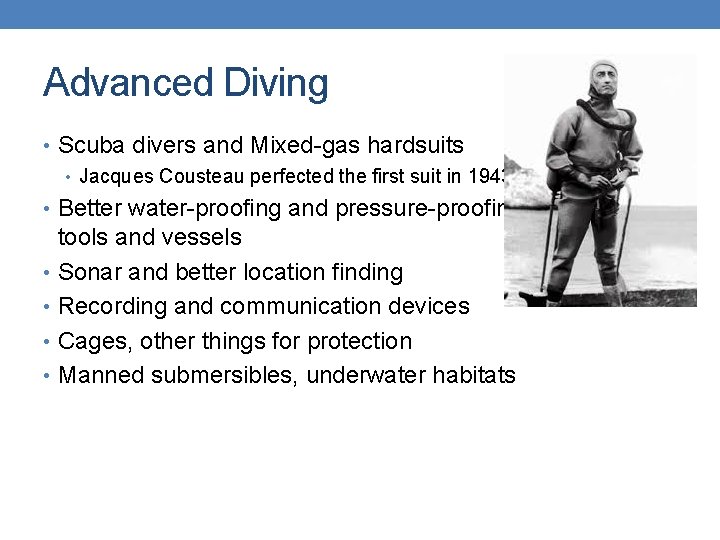
Advanced Diving • Scuba divers and Mixed-gas hardsuits • Jacques Cousteau perfected the first suit in 1943 • Better water-proofing and pressure-proofing tools and vessels • Sonar and better location finding • Recording and communication devices • Cages, other things for protection • Manned submersibles, underwater habitats
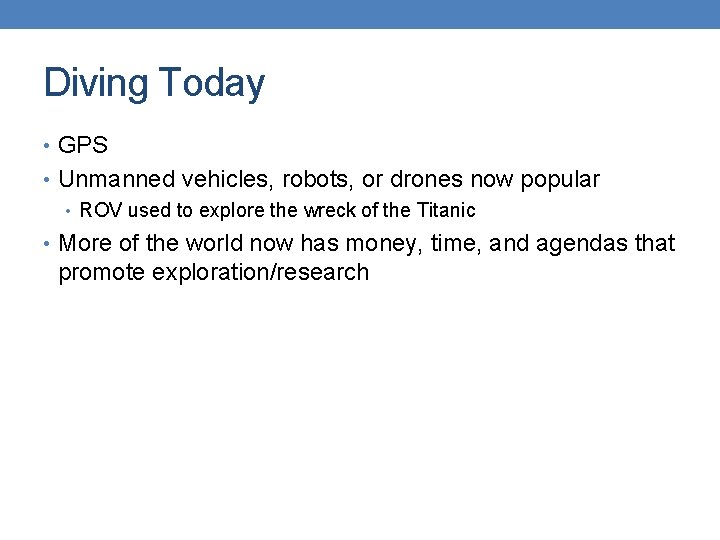
Diving Today • GPS • Unmanned vehicles, robots, or drones now popular • ROV used to explore the wreck of the Titanic • More of the world now has money, time, and agendas that promote exploration/research
Scuba Diving
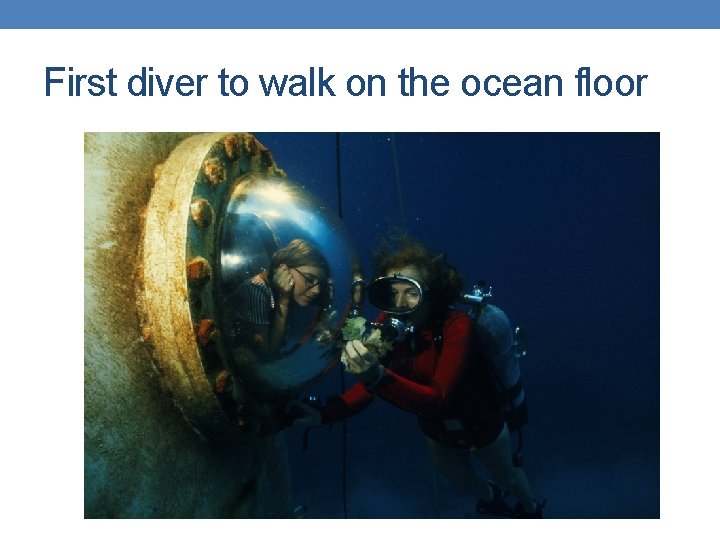
First diver to walk on the ocean floor
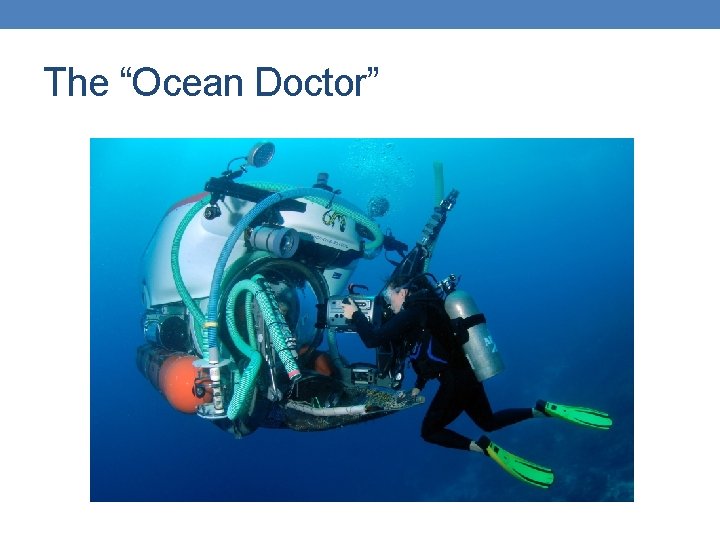
The “Ocean Doctor”
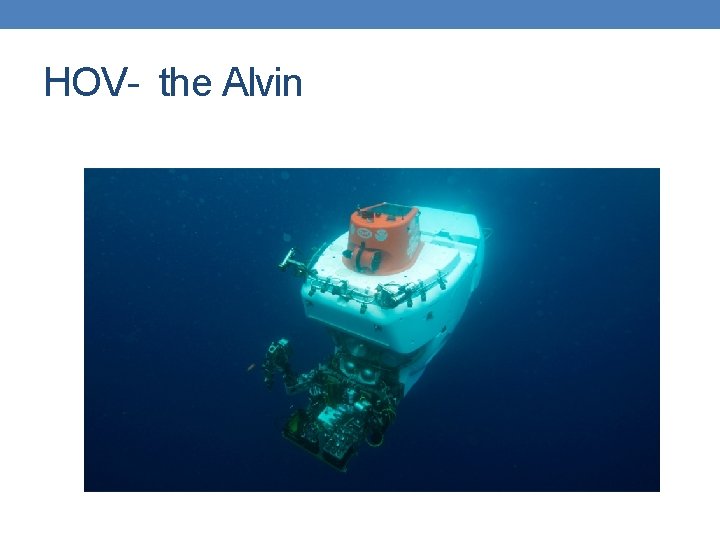
HOV- the Alvin
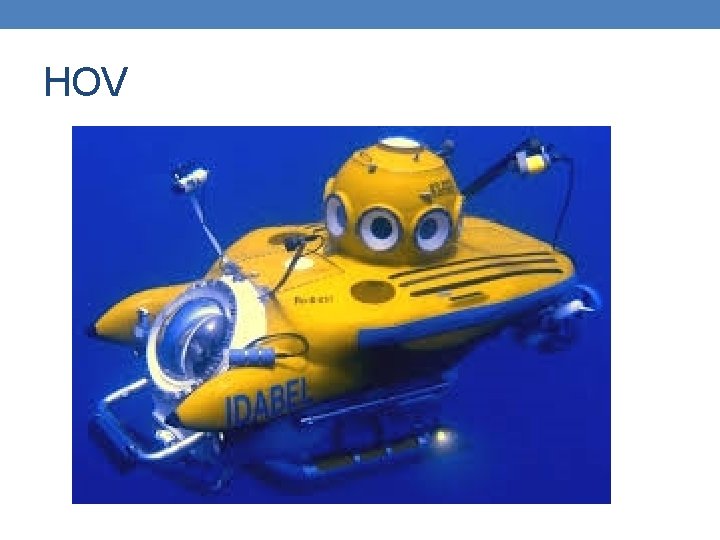
HOV
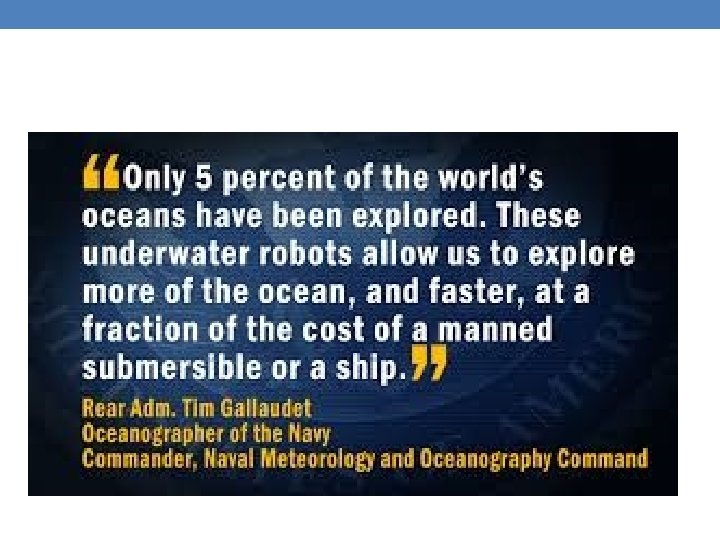
The unmanned frontier! • Exploring the depths of the ocean is more dangerous than outer space! • Predators, life • Toxins, bacteria • Volcanoes, activity • Complete darkness, limited observability • Pressure requires even better construction than spacecraft • Communication with the bottom is harder; interference
The Johnson-Sea-Link Robot
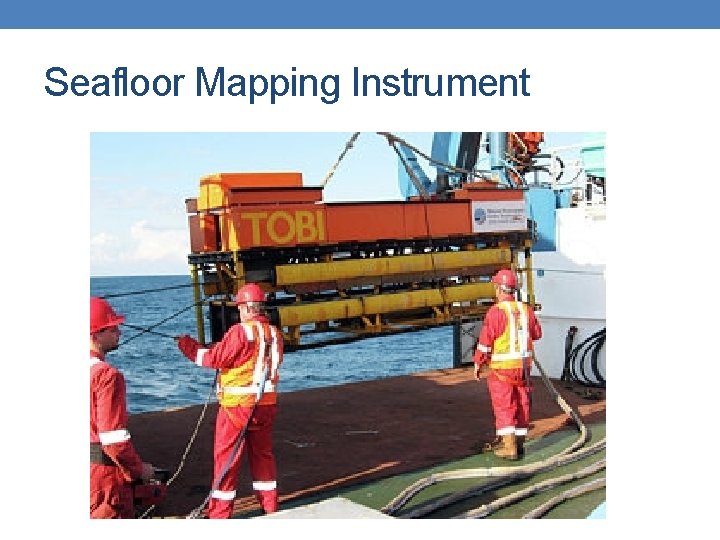
Seafloor Mapping Instrument
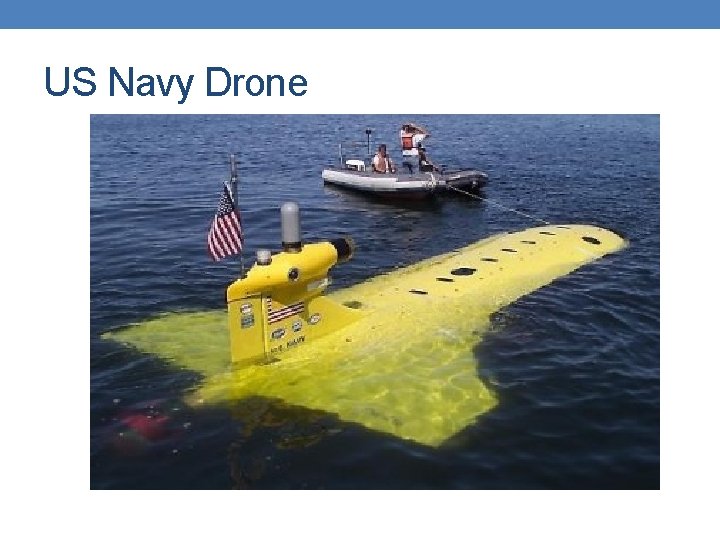
US Navy Drone
HTTP: //SLIDEPLAYER. COM /SLIDE/10803595/ For more information and review