
Ocean Currents and How They Impact Weather and
- Slides: 29
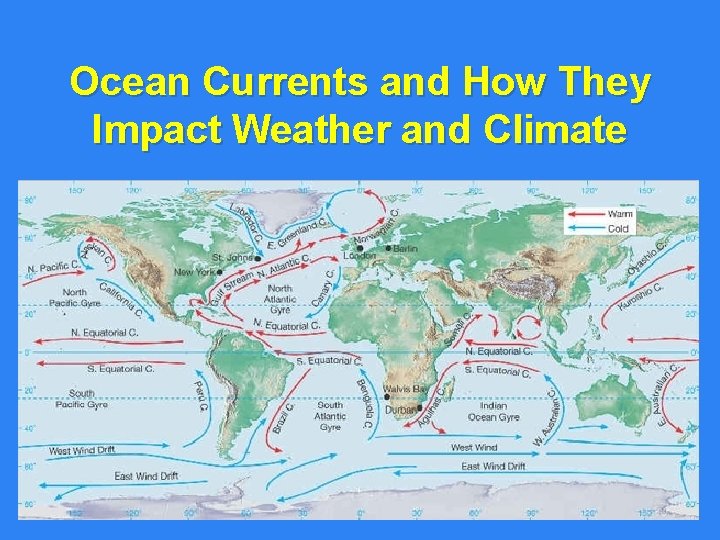
Ocean Currents and How They Impact Weather and Climate
Oceans hold more heat energy than the atmosphere Because of this they influence the climate on land in many ways The Oceans
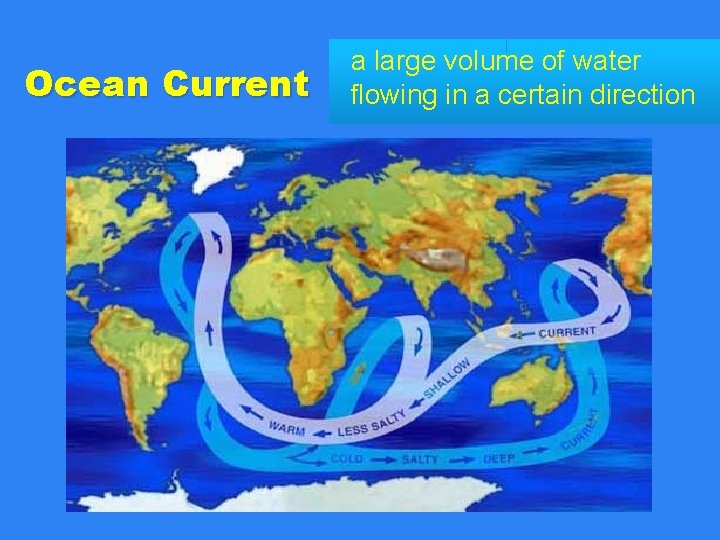
Ocean Current a large volume of water flowing in a certain direction
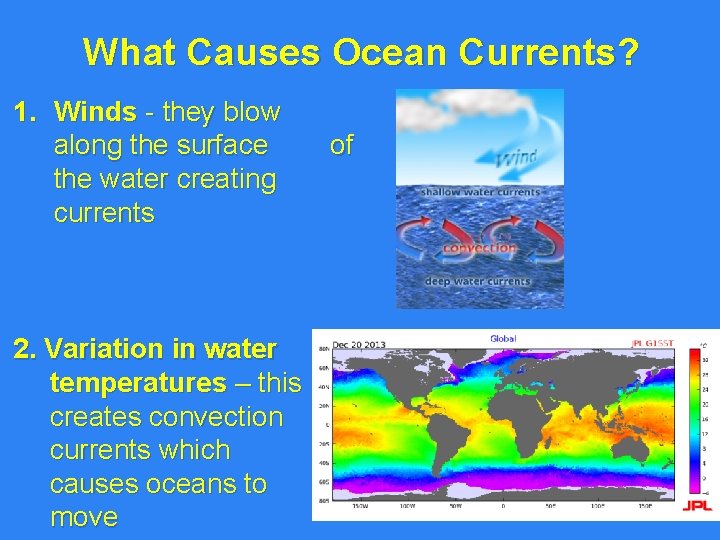
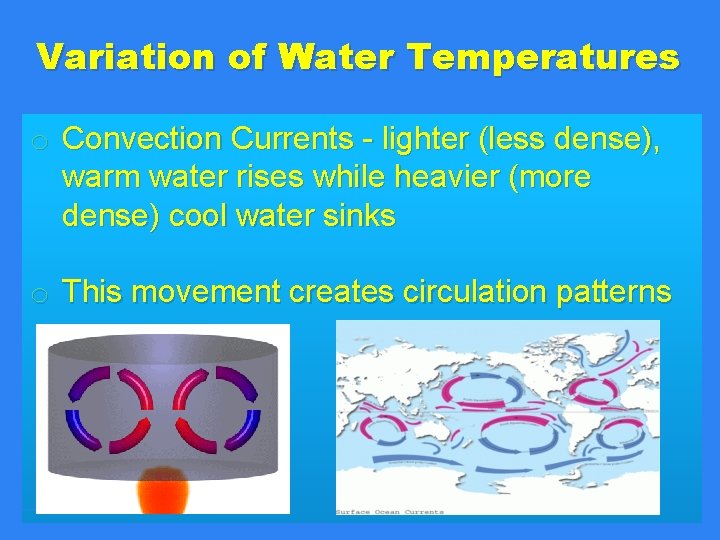
What Causes Ocean Currents? 1. Winds - they blow along the surface the water creating currents 2. Variation in water temperatures – this creates convection currents which causes oceans to move of
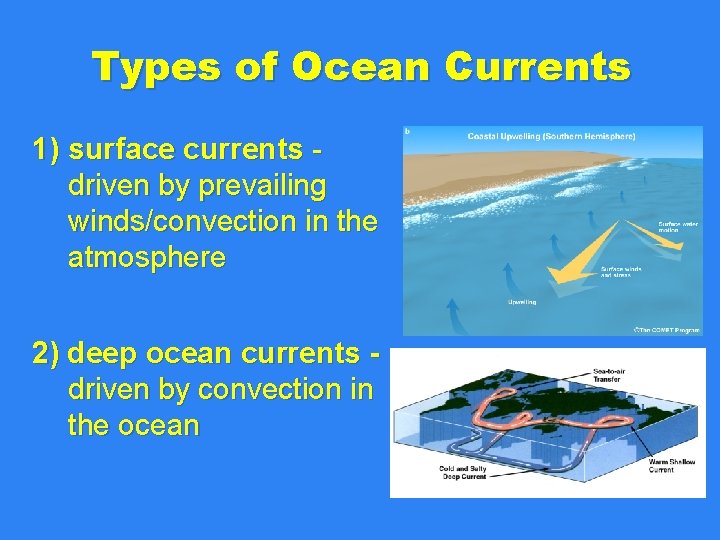
Types of Ocean Currents 1) surface currents driven by prevailing winds/convection in the atmosphere 2) deep ocean currents driven by convection in the ocean
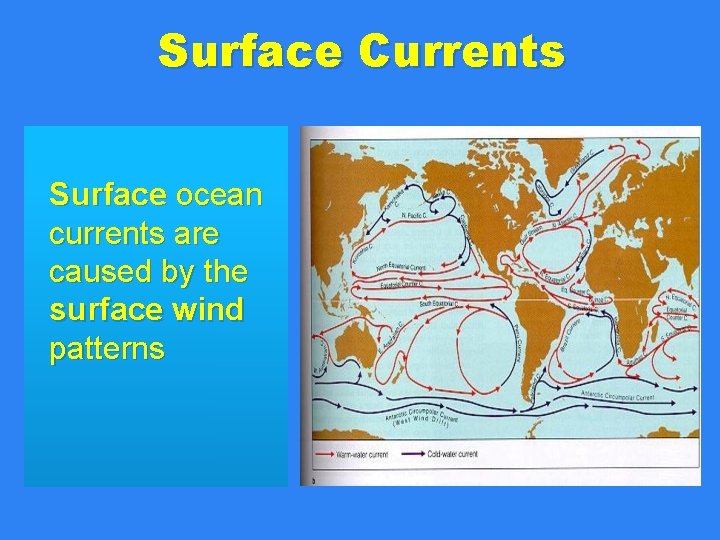
Surface Currents Surface ocean currents are caused by the surface wind patterns
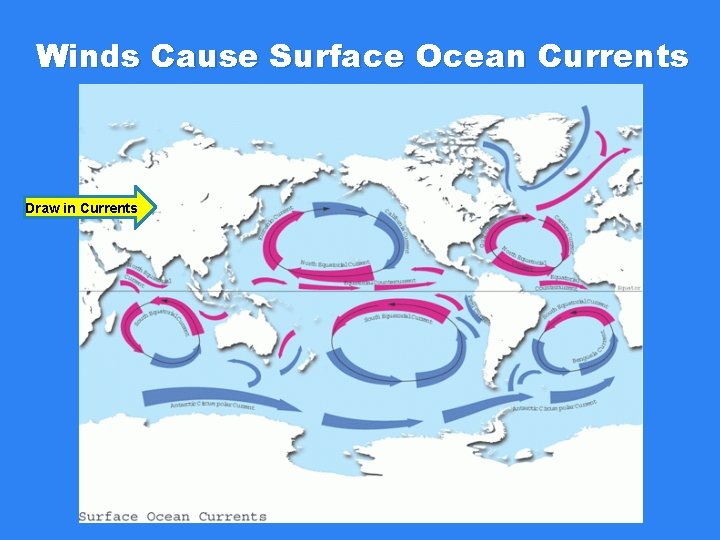
Winds Cause Surface Ocean Currents Draw in Currents
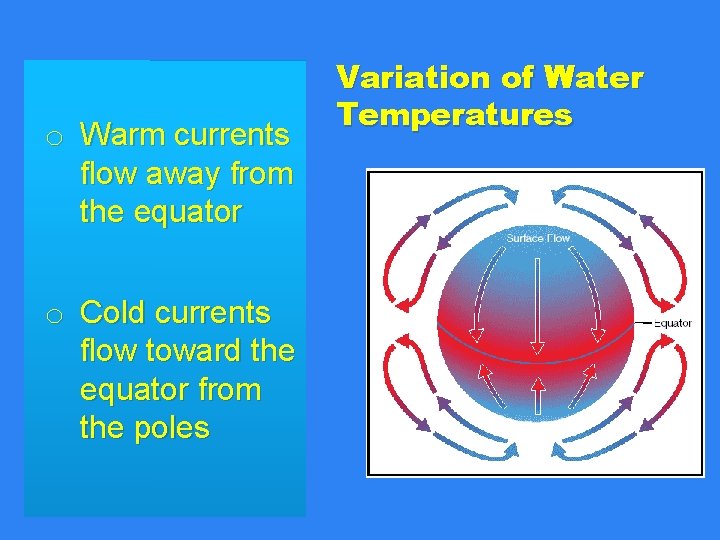
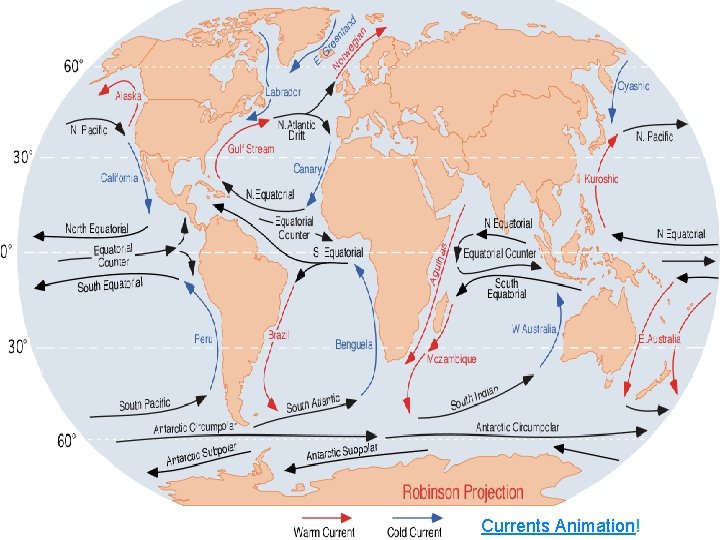
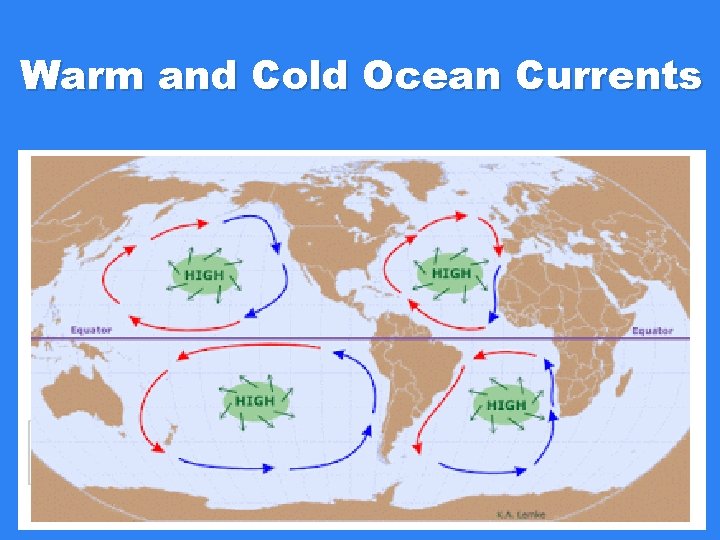
o Warm currents flow away from the equator o Cold currents flow toward the equator from the poles Variation of Water Temperatures
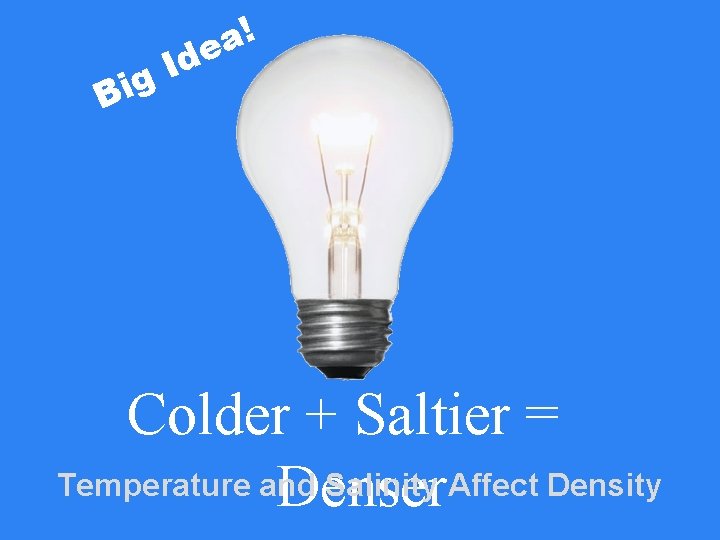
Variation of Water Temperatures o Convection Currents - lighter (less dense), warm water rises while heavier (more dense) cool water sinks o This movement creates circulation patterns
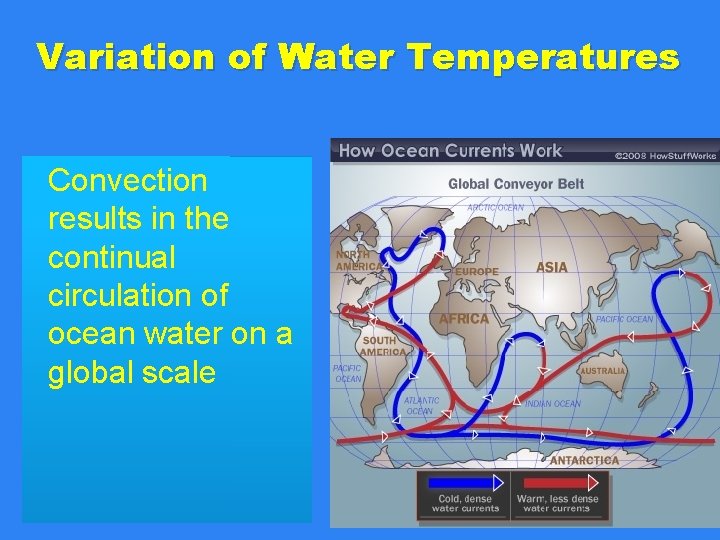
Variation of Water Temperatures Convection results in the continual circulation of ocean water on a global scale
Currents Animation!
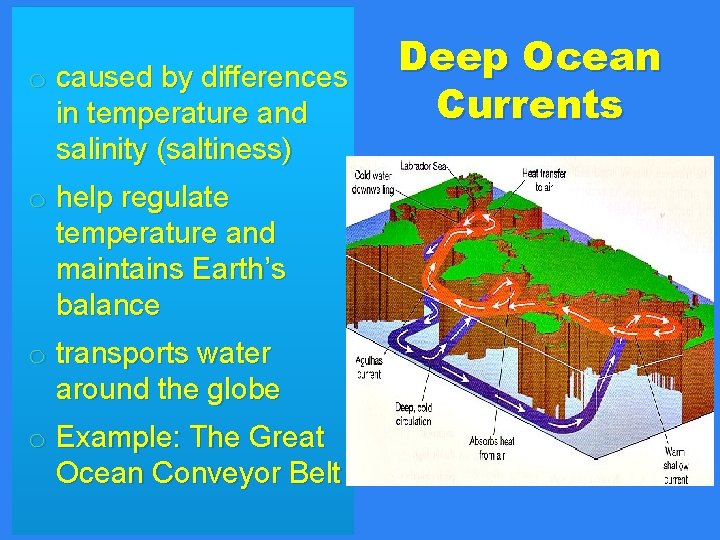
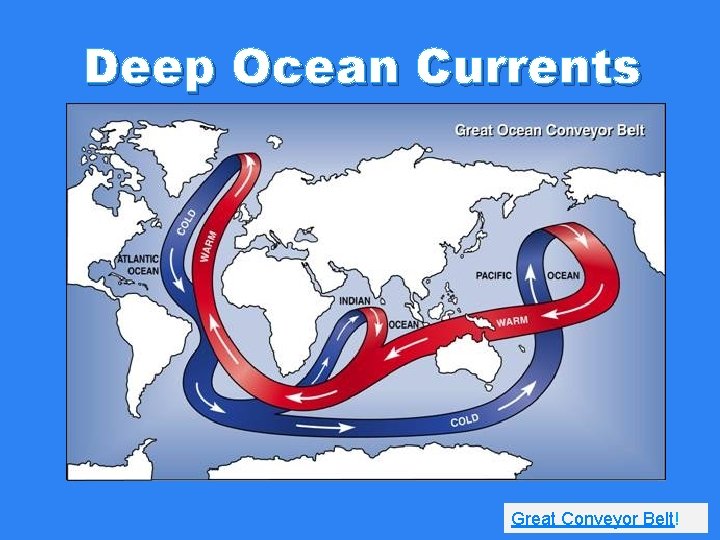
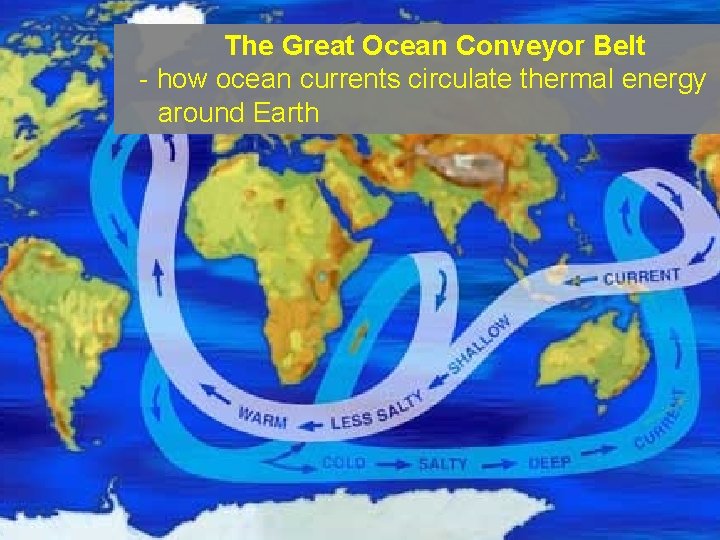
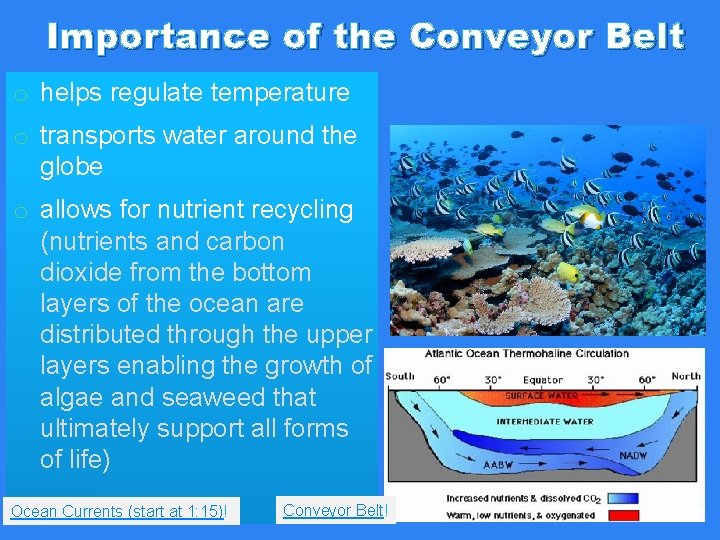
o caused by differences in temperature and salinity (saltiness) o help regulate temperature and maintains Earth’s balance o transports water around the globe o Example: The Great Ocean Conveyor Belt Deep Ocean Currents
Deep Ocean Currents Great Conveyor Belt!
The Great Ocean Conveyor Belt - how ocean currents circulate thermal energy around Earth
g i B ! a e d I Colder + Saltier = Temperature and Salinity Affect Density Denser
Interesting Fact: o The Great Conveyor Belt moves much more slowly than surface currents o it takes one section of the belt about 1, 000 years to complete one full circuit of the globe
Importance of the Conveyor Belt o helps regulate temperature o transports water around the globe o allows for nutrient recycling (nutrients and carbon dioxide from the bottom layers of the ocean are distributed through the upper layers enabling the growth of algae and seaweed that ultimately support all forms of life) Ocean Currents (start at 1: 15)! Conveyor Belt!
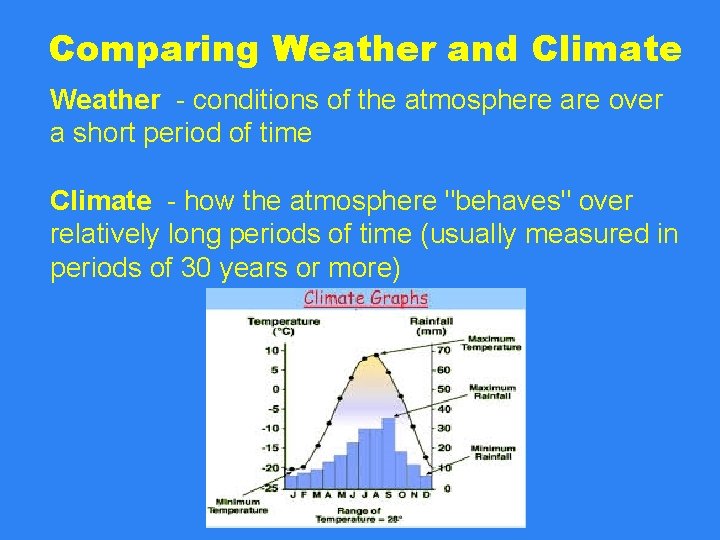
Comparing Weather and Climate Weather - conditions of the atmosphere are over a short period of time Climate - how the atmosphere "behaves" over relatively long periods of time (usually measured in periods of 30 years or more)
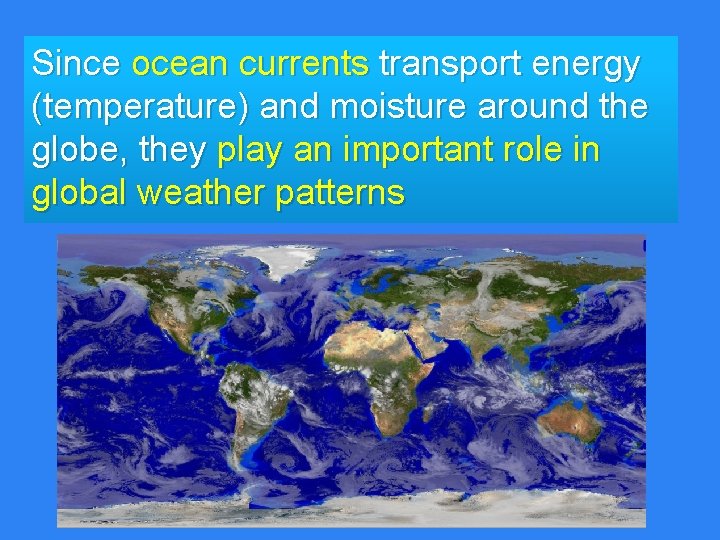
Since ocean currents transport energy (temperature) and moisture around the globe, they play an important role in global weather patterns
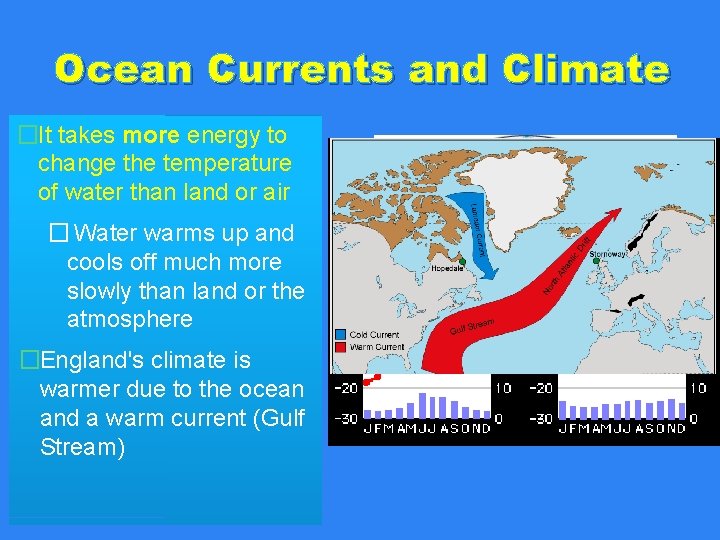
Ocean Currents and Climate �It takes more energy to change the temperature of water than land or air � Water warms up and cools off much more slowly than land or the atmosphere �England's climate is warmer due to the ocean and a warm current (Gulf Stream)
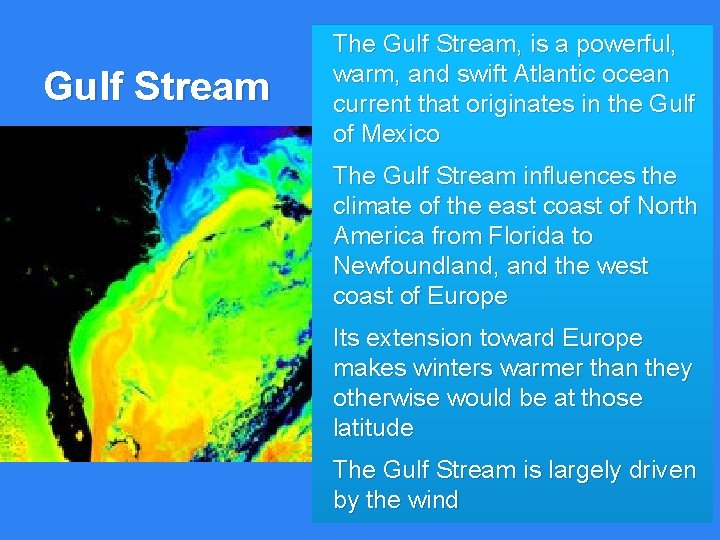
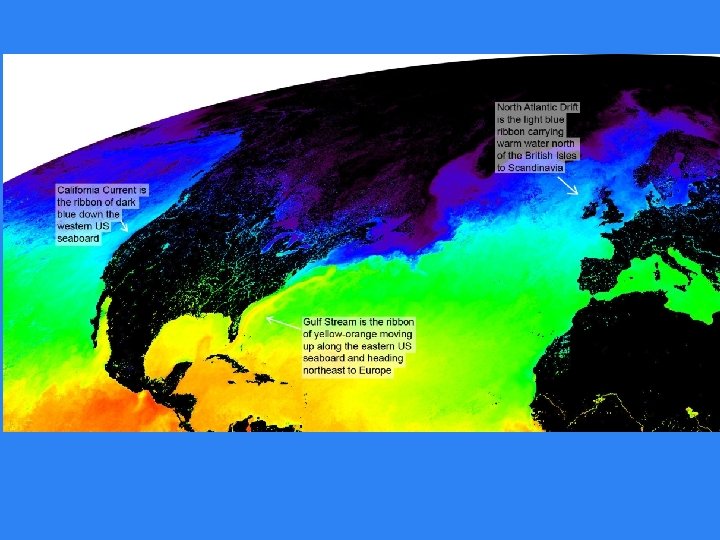
Gulf Stream The Gulf Stream, is a powerful, warm, and swift Atlantic ocean current that originates in the Gulf of Mexico The Gulf Stream influences the climate of the east coast of North America from Florida to Newfoundland, and the west coast of Europe Its extension toward Europe makes winters warmer than they otherwise would be at those latitude The Gulf Stream is largely driven by the wind
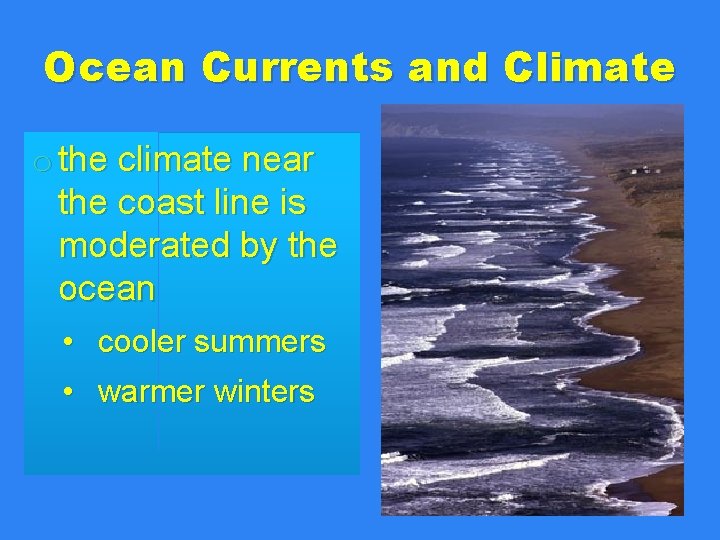
Ocean Currents and Climate o the climate near the coast line is moderated by the ocean • cooler summers • warmer winters
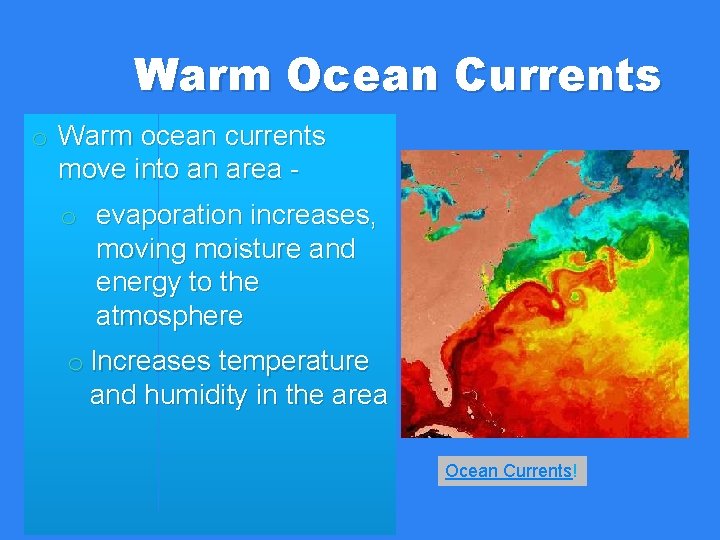
Warm Ocean Currents o Warm ocean currents move into an area o evaporation increases, moving moisture and energy to the atmosphere o Increases temperature and humidity in the area Ocean Currents!
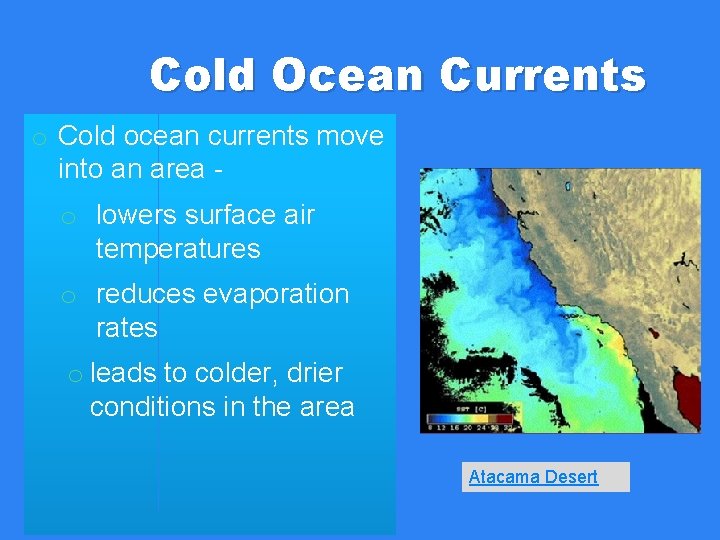
Cold Ocean Currents o Cold ocean currents move into an area o lowers surface air temperatures o reduces evaporation rates o leads to colder, drier conditions in the area Atacama Desert
Warm and Cold Ocean Currents
Ocean’s Role �Oceans influence weather systems (local and short-term) and climate (regional and long-term) �The temperature of the water affects the temperature of the air above it - air moves around heating up or cooling off the land nearby �Water is harder to heat up and cool off than land � land near the sea tends to be milder, not getting as hot or cold as inland climates �Ocean currents distribute heat and cold around the Earth, thus making climates less extreme at the poles and equator
Big Ideas • atmosphere and oceans experience convection currents due to temperature differences (density differences) • oceans have moderating effects on climate in coastal areas