
Occupational dyskinesia Diseases of the peripheral nervous system



- Slides: 41
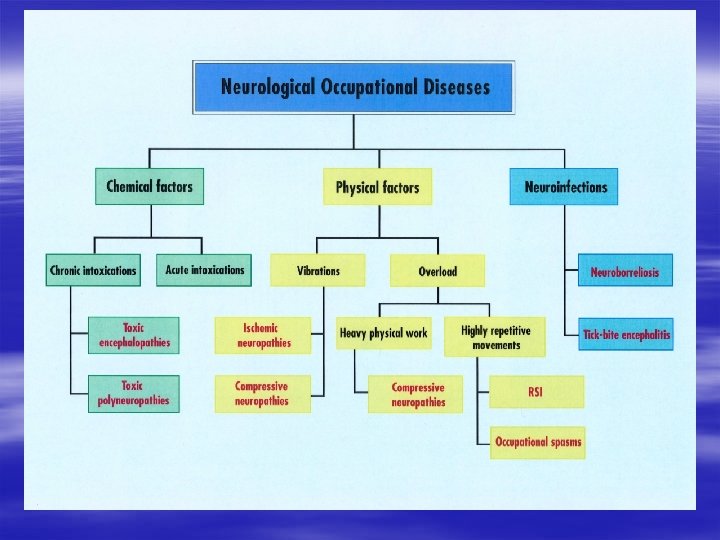
Occupational dyskinesia. Diseases of the peripheral nervous system. Diseases of the musculoskeletal system and connective tissue
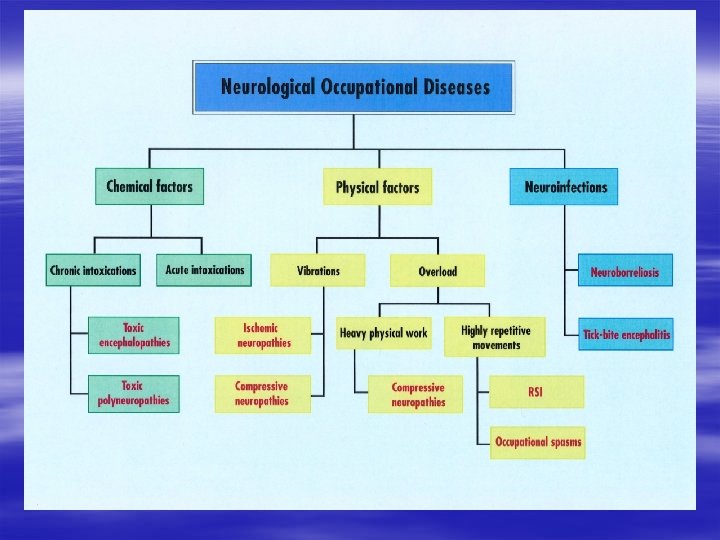
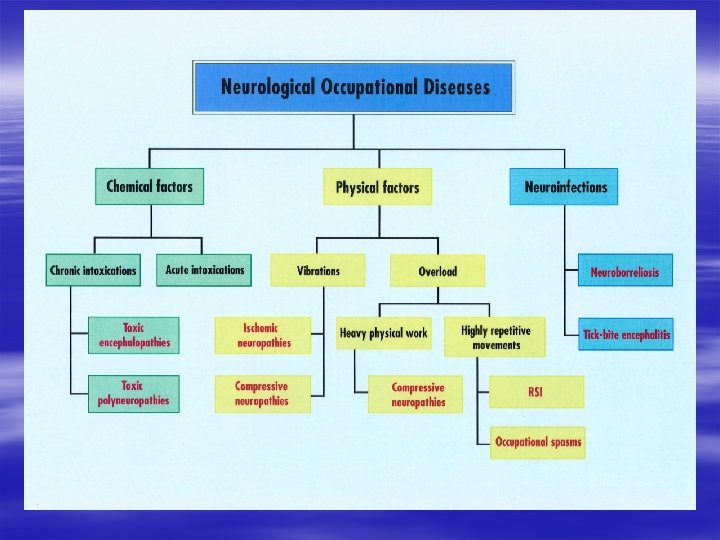
(1)Long-term overload of extremities by physical work (2)Working with vibrating tools
(1)Long-term overload of extremities by physical work (1) Heavy physical work (2) Highly repetitive movements
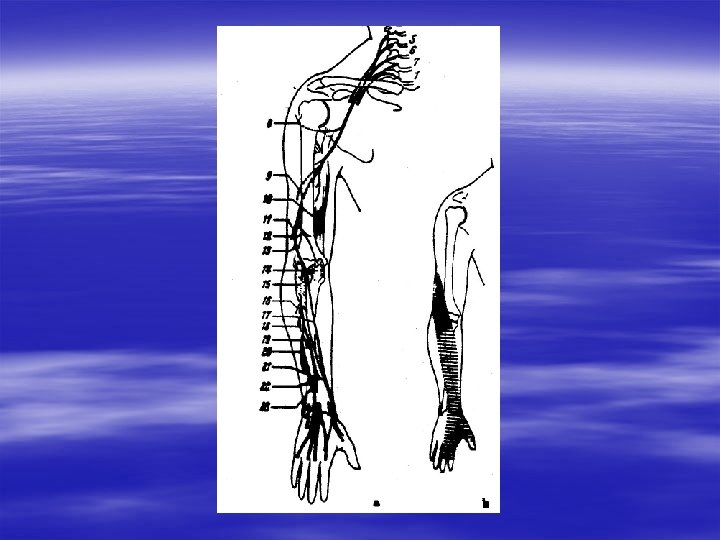
Occupation-Related Compressive Neuropathies
§ Upper extremities – Median nerve § Pronator teres syndrome § Carpal tunnel syndrome
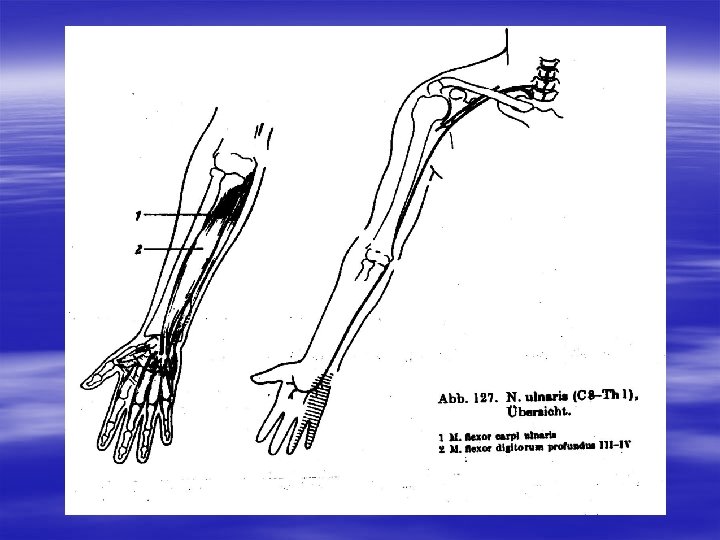
§ Upper extremities – Median nerve § Pronator teres syndrome § Carpal tunnel syndrome – Ulnar nerve § Cubital tunnel syndrome § Canalis Guyoni syndrome
§ Upper extremities – Median nerve § Pronator teres syndrome § Carpal tunnel syndrome – Ulnar nerve § Cubital tunnel syndrome § Canalis Guyoni syndrome – Radial nerve § Supinator syndrome
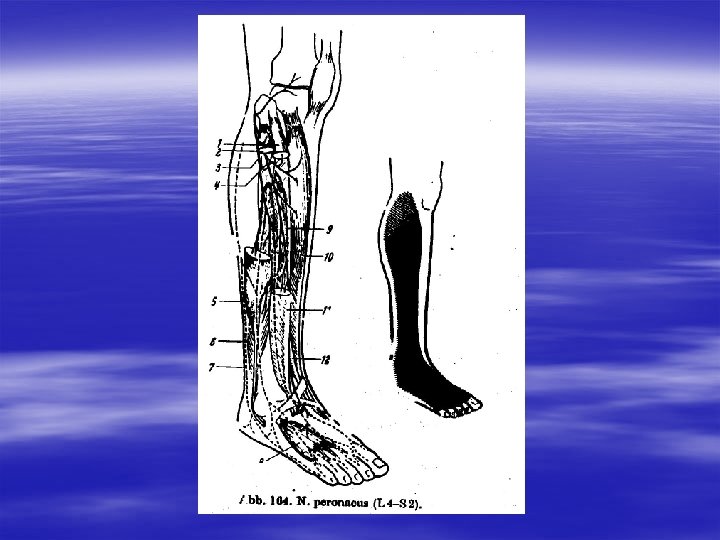
§ Upper extremities – Median nerve § Pronator teres syndrome § Carpal tunnel syndrome – Ulnar nerve § Cubital tunnel syndrome § Canalis Guyoni syndrome – Radial nerve § Supinator syndrome § Lower extremities – Fibular nerve
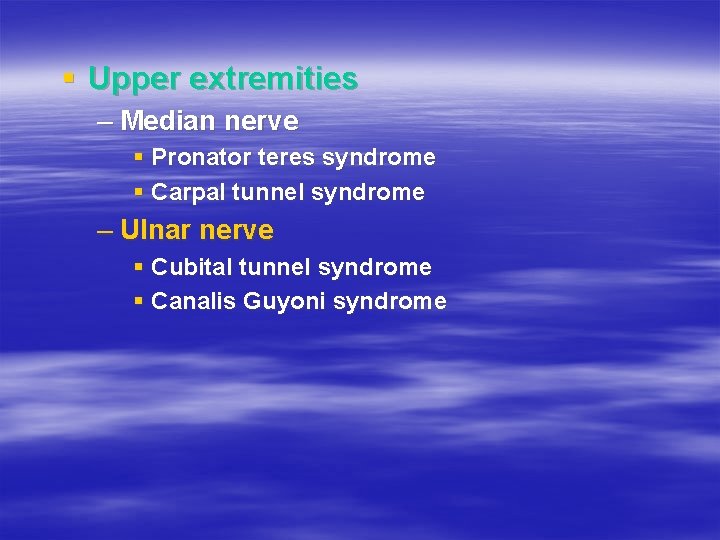
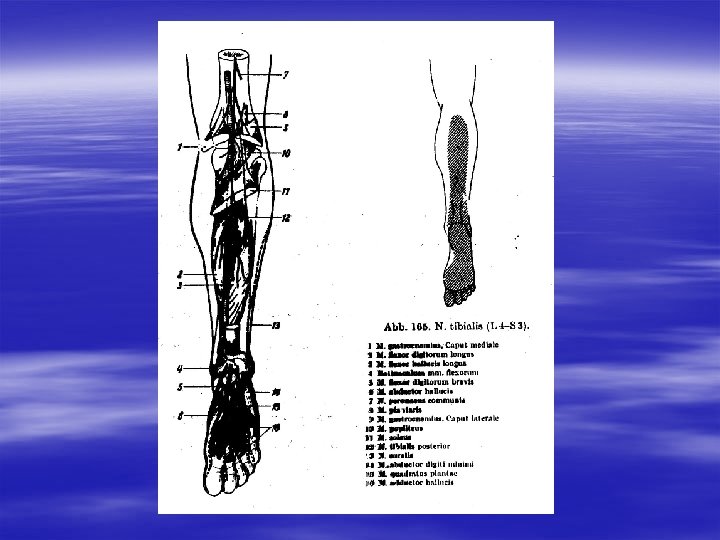
§ Upper extremities – Median nerve § Pronator teres syndrome § Carpal tunnel syndrome – Ulnar nerve § Cubital tunnel syndrome § Canalis Guyoni syndrome – Radial nerve § Supinator syndrome § Lower extremities – Fibular nerve – Tibial nerve § Tarsal tunnel syndrome
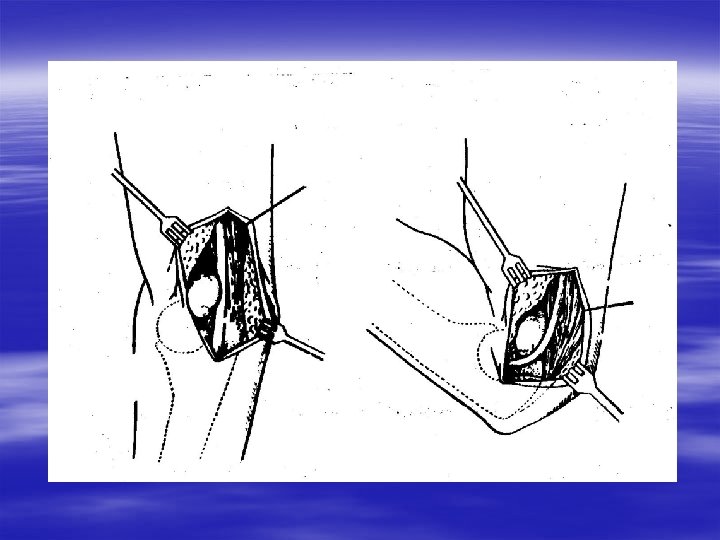
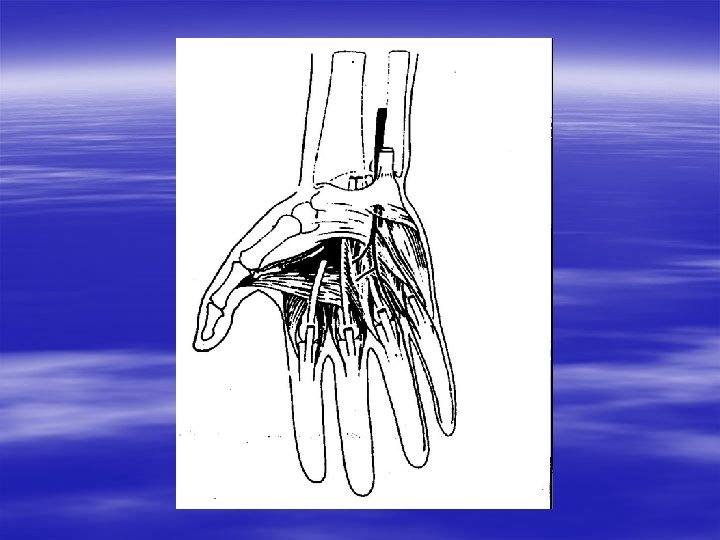
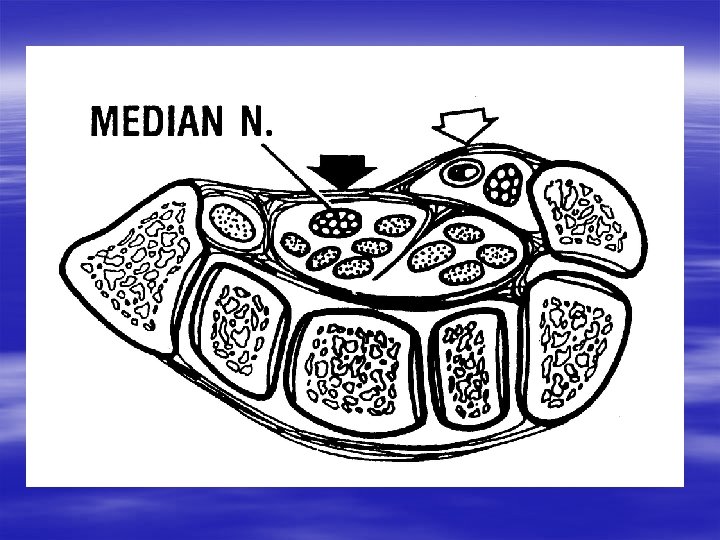
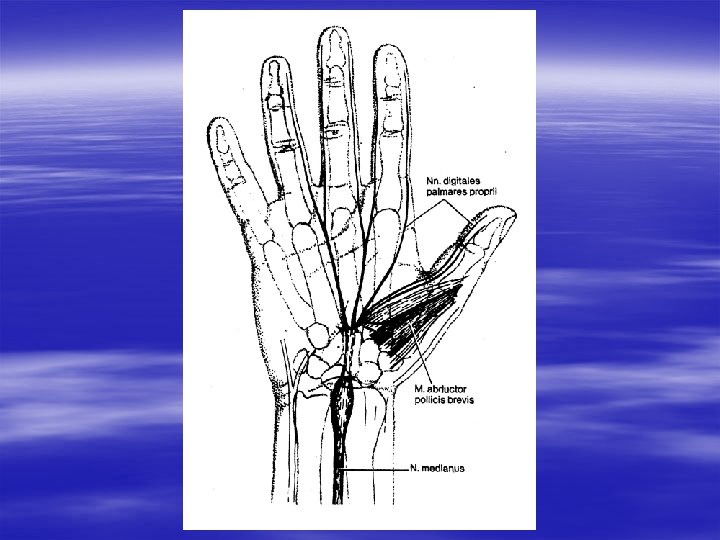
Carpal Tunnel Syndrome
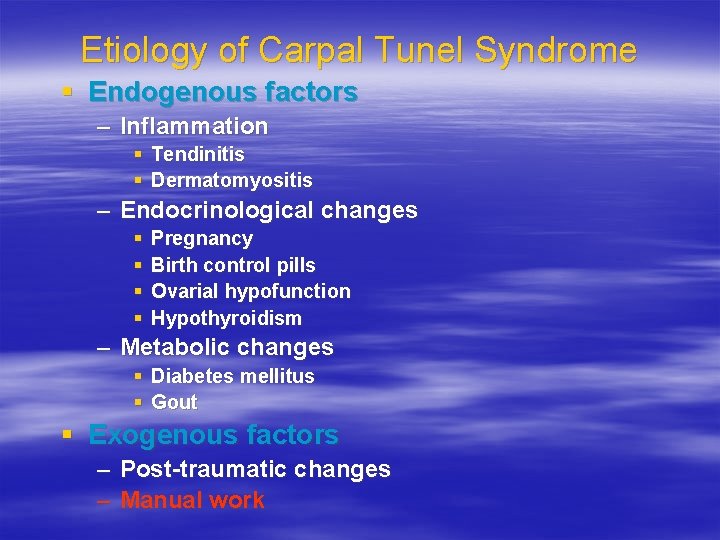
Etiology of Carpal Tunel Syndrome § Endogenous factors – Inflammation § Tendinitis § Dermatomyositis – Endocrinological changes § § Pregnancy Birth control pills Ovarial hypofunction Hypothyroidism – Metabolic changes § Diabetes mellitus § Gout § Exogenous factors – Post-traumatic changes – Manual work
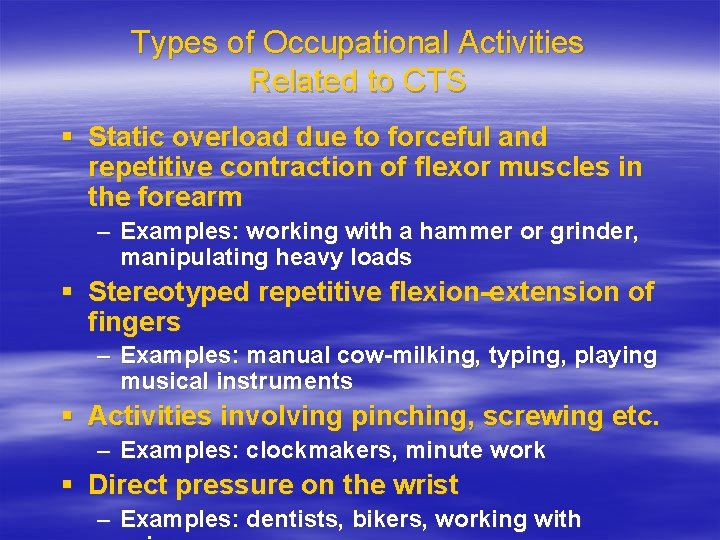
Types of Occupational Activities Related to CTS § Static overload due to forceful and repetitive contraction of flexor muscles in the forearm – Examples: working with a hammer or grinder, manipulating heavy loads § Stereotyped repetitive flexion-extension of fingers – Examples: manual cow-milking, typing, playing musical instruments § Activities involving pinching, screwing etc. – Examples: clockmakers, minute work § Direct pressure on the wrist – Examples: dentists, bikers, working with
Subjective Symptoms of CTS § Numbness upon awaking § Nocturnal paresthesiae (“Brachialgia paresthetica nocturna”) § Daily paresthesiae § Clumsy hand movements
Objective Signs of CTS § Hypesthesia in the distal median area
Objective Signs of CTS § Hypesthesia in the distal median area § Weakness of the abductor pollicis brevis muscle § Muscle and skin trophic changes § Local findings – Punctum dolorosum – Pseudoneuroma
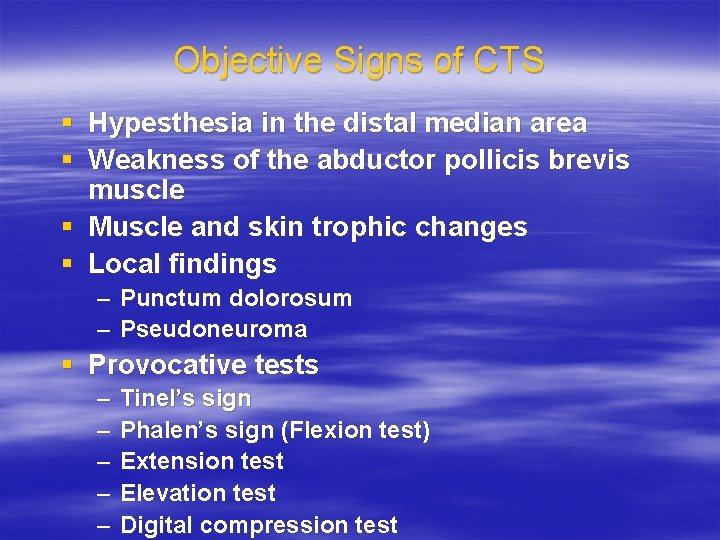
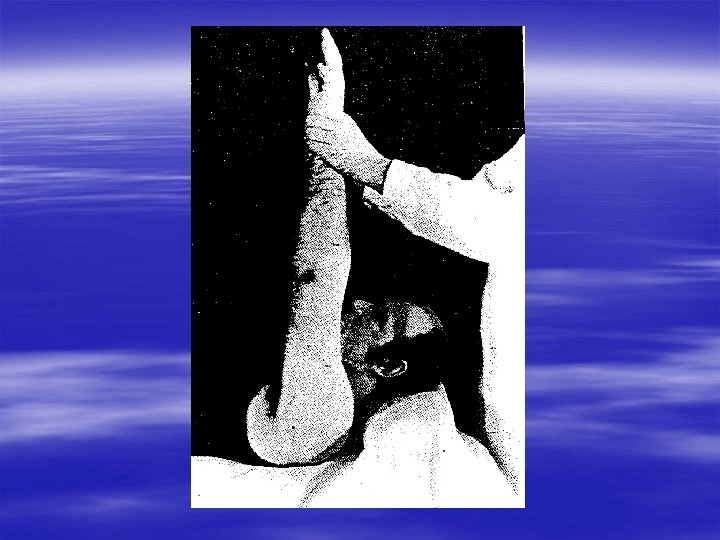
Objective Signs of CTS § Hypesthesia in the distal median area § Weakness of the abductor pollicis brevis muscle § Muscle and skin trophic changes § Local findings – Punctum dolorosum – Pseudoneuroma § Provocative tests – – – Tinel’s sign Phalen’s sign (Flexion test) Extension test Elevation test Digital compression test
Laboratory Diagnostic Tests for CTS § § § X-ray examination CT, NMR Quantitative sensory testing Nerve conduction studies Needle electromyography
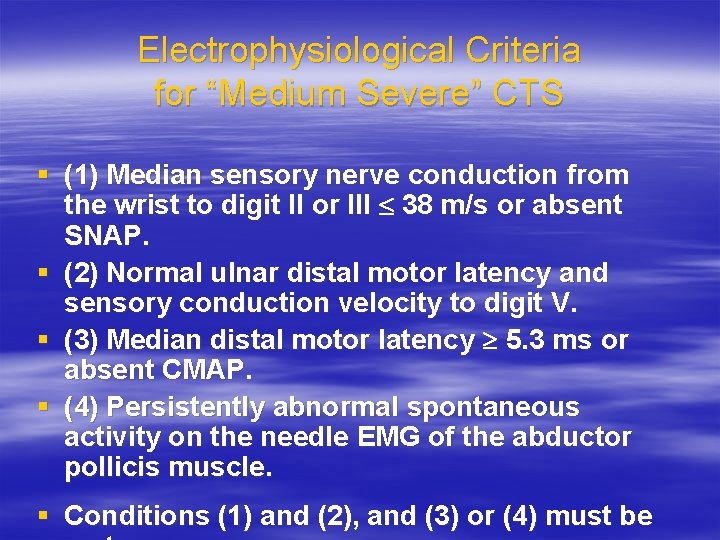
Electrophysiological Criteria for “Medium Severe” CTS § (1) Median sensory nerve conduction from the wrist to digit II or III 38 m/s or absent SNAP. § (2) Normal ulnar distal motor latency and sensory conduction velocity to digit V. § (3) Median distal motor latency 5. 3 ms or absent CMAP. § (4) Persistently abnormal spontaneous activity on the needle EMG of the abductor pollicis muscle. § Conditions (1) and (2), and (3) or (4) must be
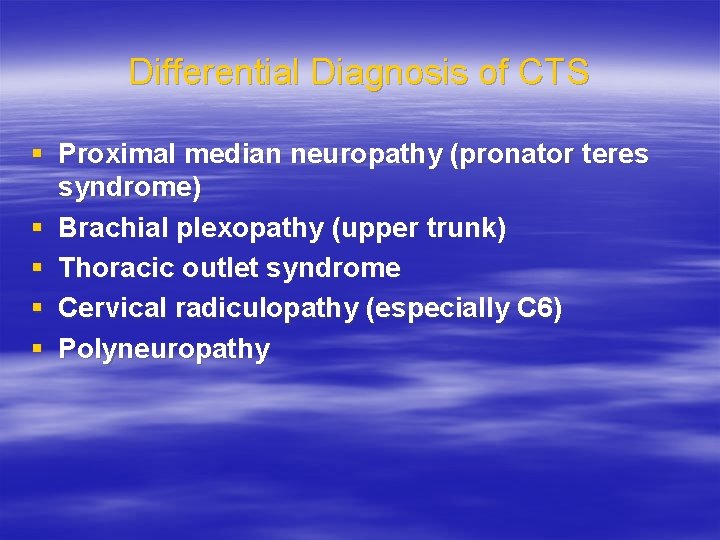
Differential Diagnosis of CTS § Proximal median neuropathy (pronator teres syndrome) § Brachial plexopathy (upper trunk) § Thoracic outlet syndrome § Cervical radiculopathy (especially C 6) § Polyneuropathy
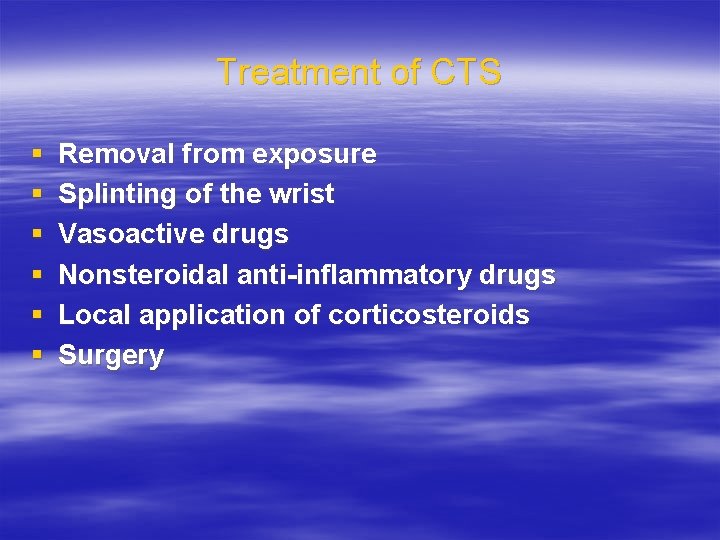
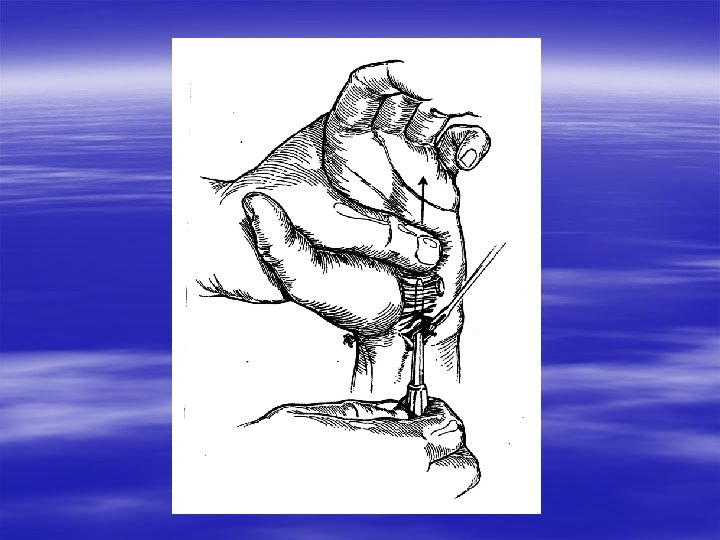
Treatment of CTS § § § Removal from exposure Splinting of the wrist Vasoactive drugs Nonsteroidal anti-inflammatory drugs Local application of corticosteroids Surgery
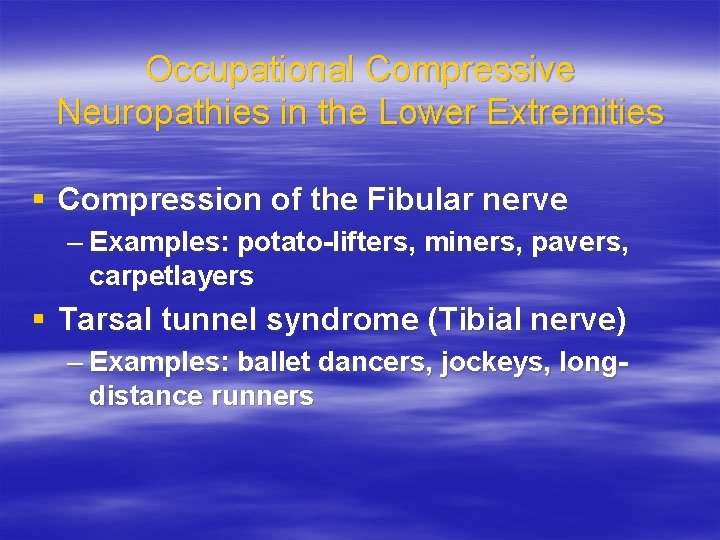
Occupational Compressive Neuropathies in the Lower Extremities § Compression of the Fibular nerve – Examples: potato-lifters, miners, pavers, carpetlayers § Tarsal tunnel syndrome (Tibial nerve) – Examples: ballet dancers, jockeys, longdistance runners
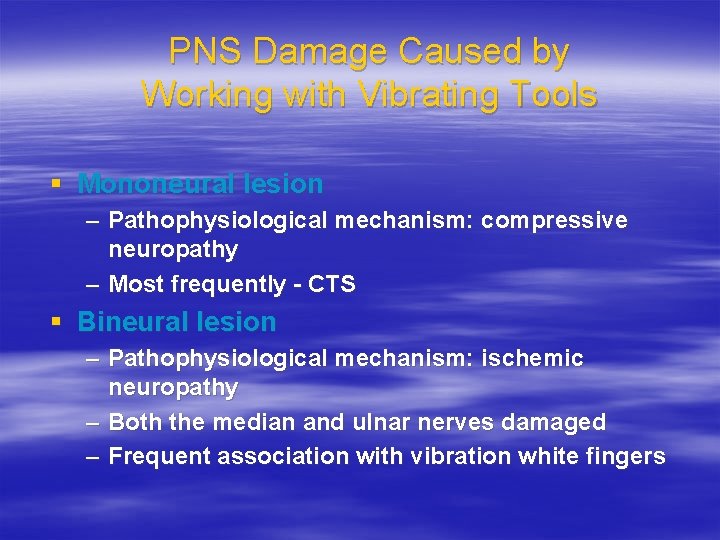
PNS Damage Caused by Working with Vibrating Tools § Mononeural lesion – Pathophysiological mechanism: compressive neuropathy – Most frequently - CTS § Bineural lesion – Pathophysiological mechanism: ischemic neuropathy – Both the median and ulnar nerves damaged – Frequent association with vibration white fingers
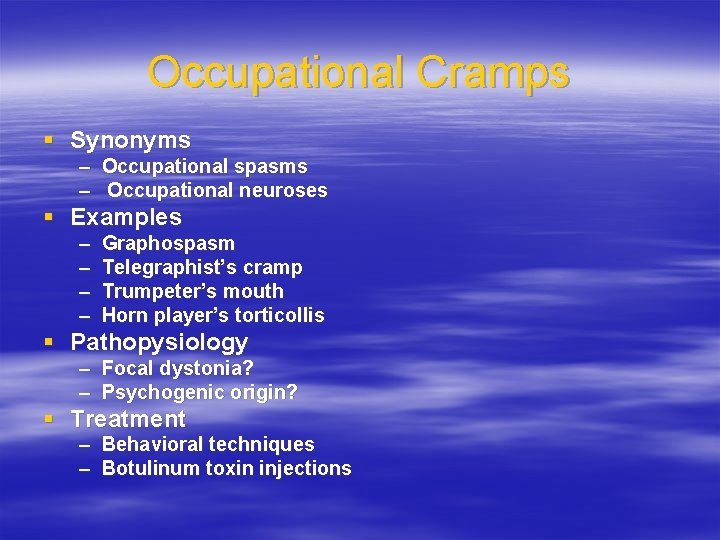
Occupational Cramps § Synonyms – Occupational spasms – Occupational neuroses § Examples – – Graphospasm Telegraphist’s cramp Trumpeter’s mouth Horn player’s torticollis § Pathopysiology – Focal dystonia? – Psychogenic origin? § Treatment – – Behavioral techniques Botulinum toxin injections
www. szu. cz/chpnp/index. php? cat=education&page=vyuka