
OBSTRUCTIVE AIRWAY DISEASE Asthma COPD Rachel Ventre FY
OBSTRUCTIVE AIRWAY DISEASE Asthma & COPD Rachel Ventre FY 1
SPIROMETRY/ PFT Obstructive – FEV 1/FVC ratio Asthma COPD Bronchiectasis CF Restrictive – FVC & FEV 1. Normal or ratio. Kyphosis/Scoliosis ILD Connective tissue diseases Infection - pneumonia
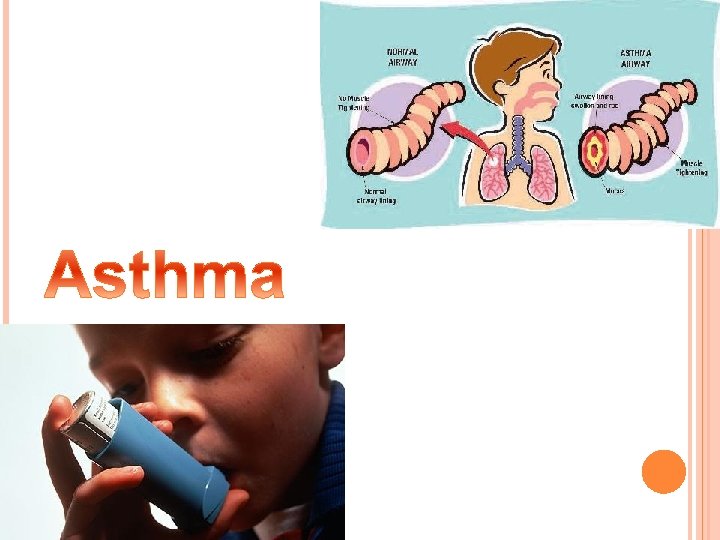
DEFINITIONS Asthma Common, chronic inflammatory airway disease, characterised by variable (diurnal) reversible airflow obstruction, airway hyper-responsiveness, bronchial inflammation and bronchospasm.
AETIOLOGY Environment maternal smoking during pregnancy low air quality (pollution) sterile environment (Hygiene hypothesis) occupational allergens (isocyanates, epoxy resins) Genetic FHx of atopy. +ve twin studies.

Asthma Triggers?
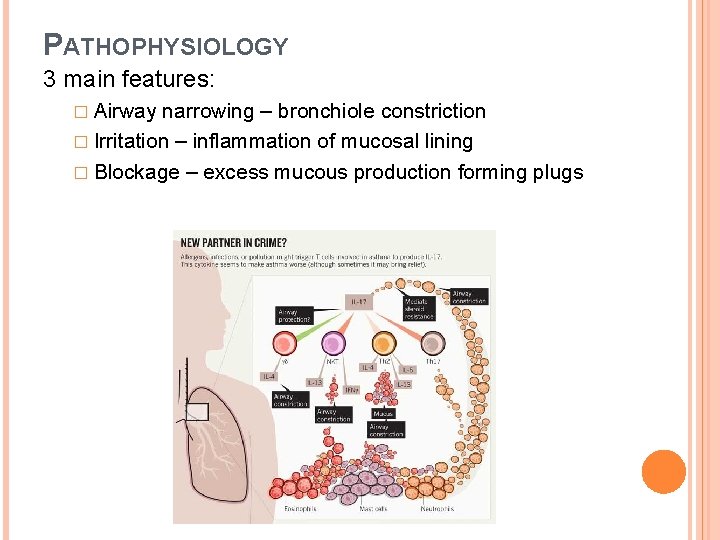
PATHOPHYSIOLOGY 3 main features: � Airway narrowing – bronchiole constriction � Irritation – inflammation of mucosal lining � Blockage – excess mucous production forming plugs
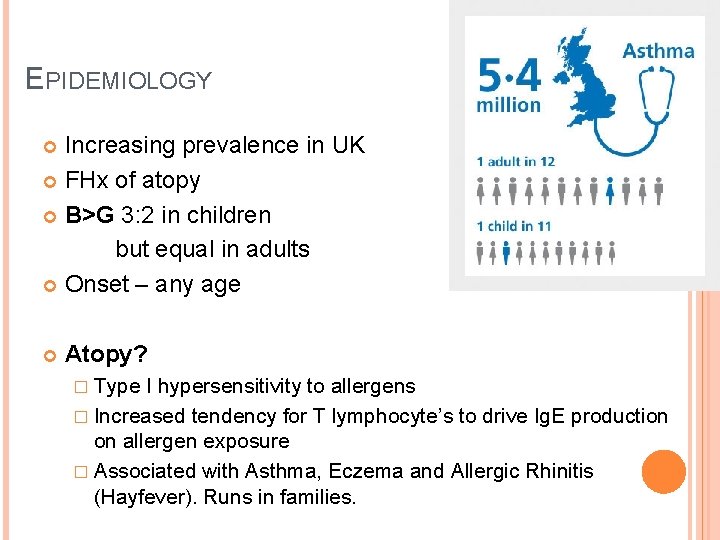
EPIDEMIOLOGY Increasing prevalence in UK FHx of atopy B>G 3: 2 in children but equal in adults Onset – any age Atopy? � Type I hypersensitivity to allergens � Increased tendency for T lymphocyte’s to drive Ig. E production on allergen exposure � Associated with Asthma, Eczema and Allergic Rhinitis (Hayfever). Runs in families.
PRESENTATION Symptoms Signs • • • • Cough Wheeze Chest tightness Occasional sputum production Dyspnoea (mild – severe) Pattern worse at night, exacerbated by exercise, cold, allergens and physiological stress. Drugs (NSAIDs and βblockers) • Common allergens animal dander, cats, dust mites, flour, paints, varnishes and detergents Tachypnoea Accessory muscle use Audible wheeze polyphonic Hyperinflated chest Hyperesonant percussion Reduced air entry Prolonged expiratory phase
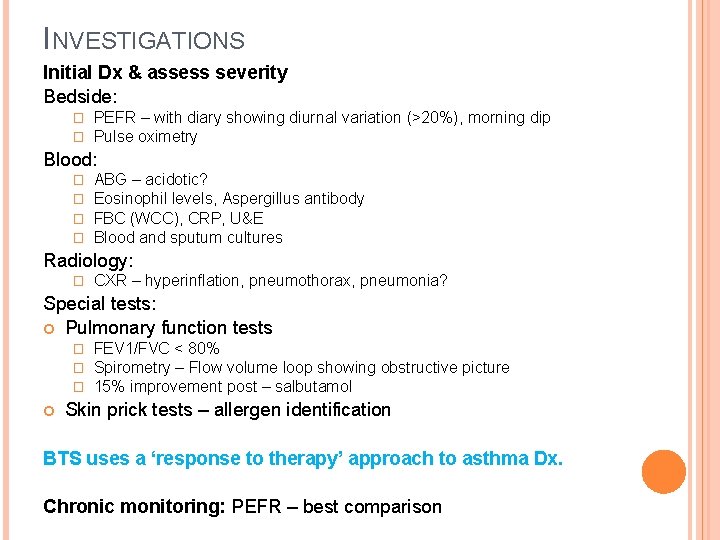
INVESTIGATIONS Initial Dx & assess severity Bedside: � � PEFR – with diary showing diurnal variation (>20%), morning dip Pulse oximetry Blood: � � ABG – acidotic? Eosinophil levels, Aspergillus antibody FBC (WCC), CRP, U&E Blood and sputum cultures Radiology: � CXR – hyperinflation, pneumothorax, pneumonia? Special tests: Pulmonary function tests � � � FEV 1/FVC < 80% Spirometry – Flow volume loop showing obstructive picture 15% improvement post – salbutamol Skin prick tests – allergen identification BTS uses a ‘response to therapy’ approach to asthma Dx. Chronic monitoring: PEFR – best comparison
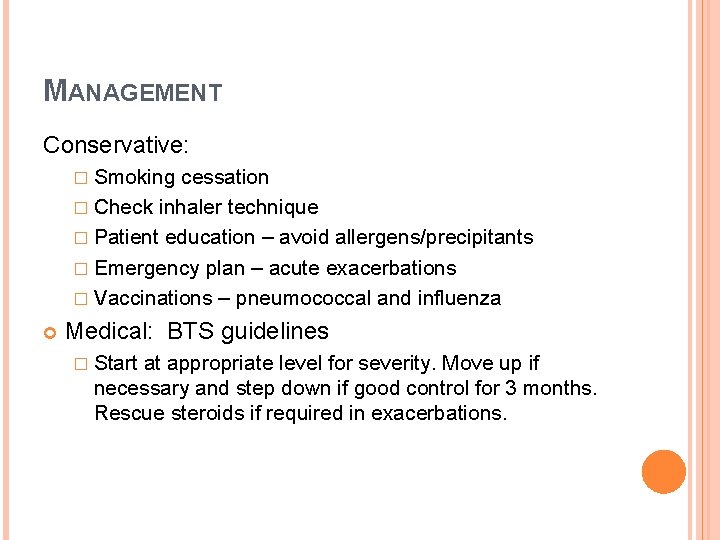
MANAGEMENT Conservative: � Smoking cessation � Check inhaler technique � Patient education – avoid allergens/precipitants � Emergency plan – acute exacerbations � Vaccinations – pneumococcal and influenza Medical: BTS guidelines � Start at appropriate level for severity. Move up if necessary and step down if good control for 3 months. Rescue steroids if required in exacerbations.
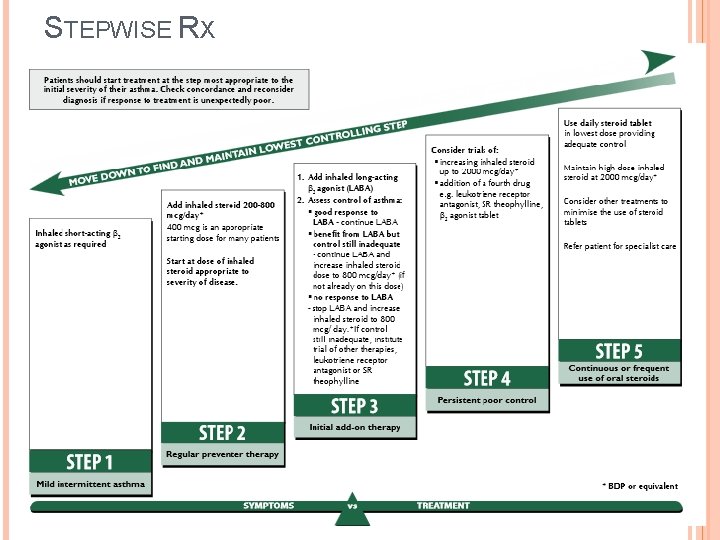
STEPWISE RX
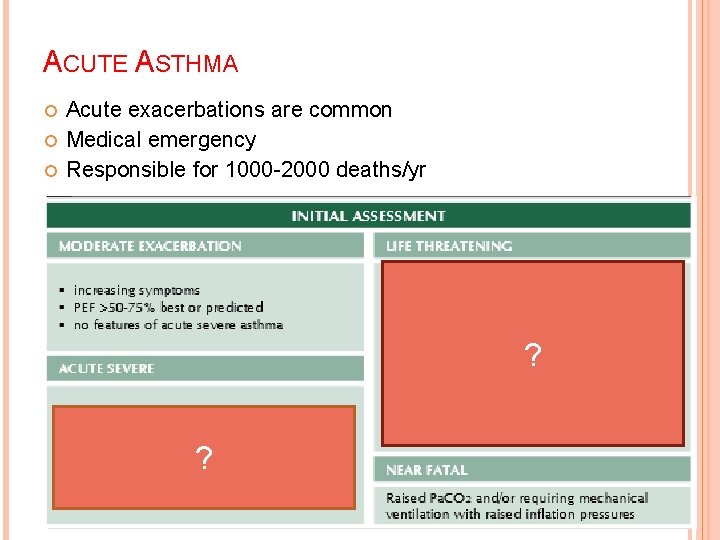
ACUTE ASTHMA Acute exacerbations are common Medical emergency Responsible for 1000 -2000 deaths/yr ? ?
MANAGEMENT Resuscitate ABCDE Monitor O 2 sats, ABG and PEFR High flow 100% Oxygen (15 L via non-rebreathable mask) aim sats 9498% Nebulisers � Systemic corticosteroids � Aminophylline or Salbutamol Assess severity (ventilation) � � � hydrocortisone 100 -200 mg IV then Prednisalone 40 mg PO for 5/7 Magnesium sulphate 2 g over 20 mins IV Bronchodilators IV (ITU only, need cardiac monitoring) � SABA (Salbutamol 5 mg continuously then 2 -4 hourly) + Ipatropium Bromide 0. 5 mg QDS Consider ITU or intubation if worsening hypoxia and PEFR despite Rx Hypercapnia, resp acidosis, coma, resp drepression/arrest. Also if patient is tiring! Consider patient performance status (poor ITU prognosis) Rx underlying cause – infection (ABx) or pneumothorax.
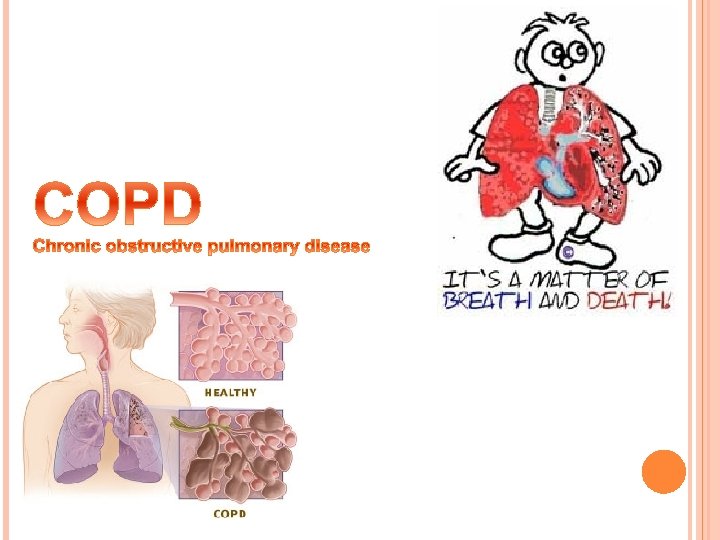
DEFINITIONS COPD Chronic progressive lung disorder, characterised by (mostly) irreversible airflow obstruction, FEV 1 <80% predicted and FEV 1/FVC ratio <70%. Chronic bronchitis = clinical Cough & sputum, most days, 3/12 over 2 years Chronic inflam of bronchi (medium) Emphysema = histopathological, CXR/CT changes Permanent destructive enlargement of airspaces Distal to terminal bronchioles (alveolar) = bullae
AETIOLOGY Bronchial and alveolar damage caused by environmental toxins Cigarette smoking � Process not fully understood. Processes causing lung damage include: Persistent airway inflammation Oxidant/antioxidant capacity imbalance Protease/antiprotease imbalance in lungs Cytokine release due to inflammation, body responds to irritant particles Oxidative stress produced by high free radical concentration in tobacco smoke Smoke and free radicals impair activity of antiprotease enzymes (e. g. Alpha 1 antitrypsin). Proteases damage lung. Genetic � Alpha 1 antitrypsin deficiency (<1%) Emphysema
EPIDEMIOLOGY Very common, many undiagnosed More common in lower socioeconomic status (relates to smoking prevalence) Presents in middle age or later M>F due to smoking tendencies in past
PRESENTATION Symptoms Chronic productive cough Following colds and in winter months Increase severity and frequency over time Sputum – can be blood stained in advanced disease Recurrent respiratory infections Exertional dyspnoea & reduced exercise tolerance Regular morning cough Wheeze
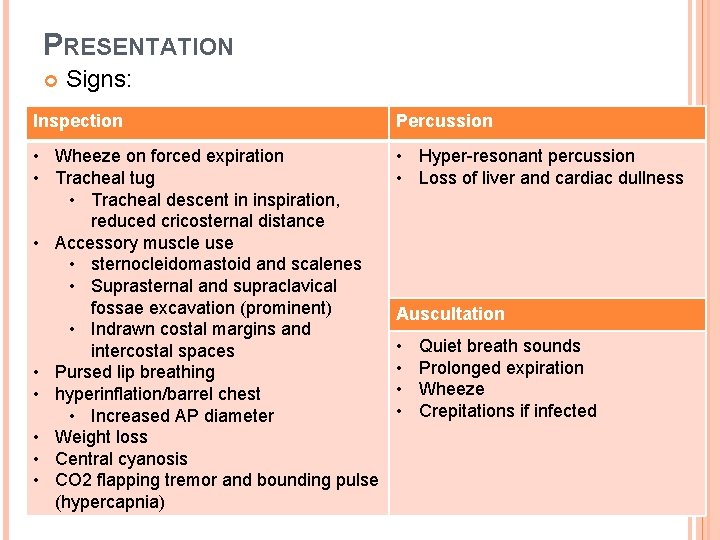
PRESENTATION Signs: Inspection Percussion • Wheeze on forced expiration • Tracheal tug • Tracheal descent in inspiration, reduced cricosternal distance • Accessory muscle use • sternocleidomastoid and scalenes • Suprasternal and supraclavical fossae excavation (prominent) • Indrawn costal margins and intercostal spaces • Pursed lip breathing • hyperinflation/barrel chest • Increased AP diameter • Weight loss • Central cyanosis • CO 2 flapping tremor and bounding pulse (hypercapnia) • Hyper-resonant percussion • Loss of liver and cardiac dullness Auscultation • • Quiet breath sounds Prolonged expiration Wheeze Crepitations if infected
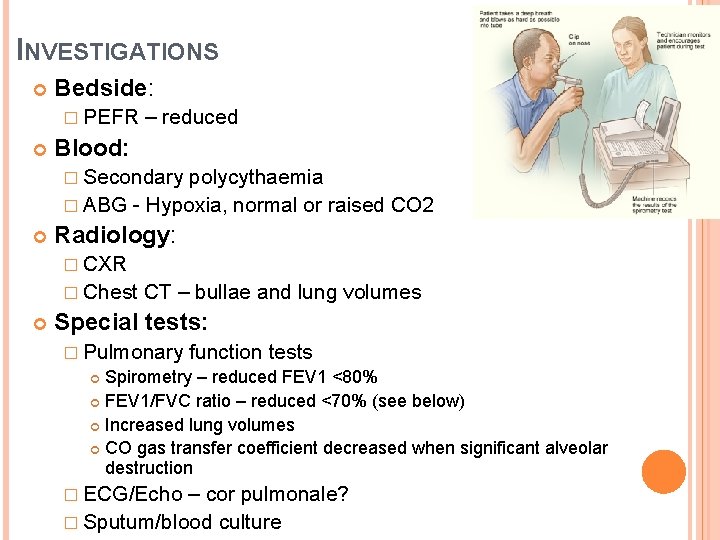
INVESTIGATIONS Bedside: � PEFR – reduced Blood: � Secondary polycythaemia � ABG - Hypoxia, normal or raised CO 2 Radiology: � CXR � Chest CT – bullae and lung volumes Special tests: � Pulmonary function tests Spirometry – reduced FEV 1 <80% FEV 1/FVC ratio – reduced <70% (see below) Increased lung volumes CO gas transfer coefficient decreased when significant alveolar destruction � ECG/Echo – cor pulmonale? � Sputum/blood culture
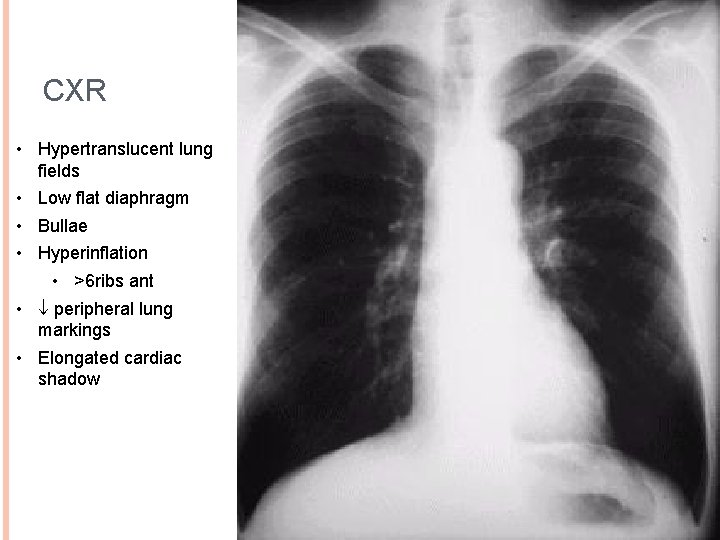
CXR • Hypertranslucent lung fields • Low flat diaphragm • Bullae • Hyperinflation • >6 ribs ant • peripheral lung markings • Elongated cardiac shadow
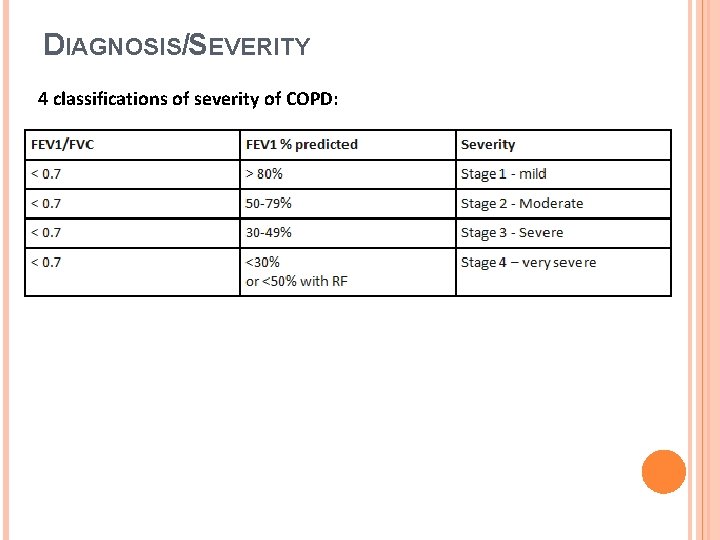
DIAGNOSIS/SEVERITY 4 classifications of severity of COPD:
MANAGEMENT Conservative: Avoid bronchial irritation Smoking cessation limits FEV 1 decline Occupational allergens Exercise Pulmonary rehabilitation Weight loss – correct obesity, nutritional improvement Rx depression/social isolation – often associated
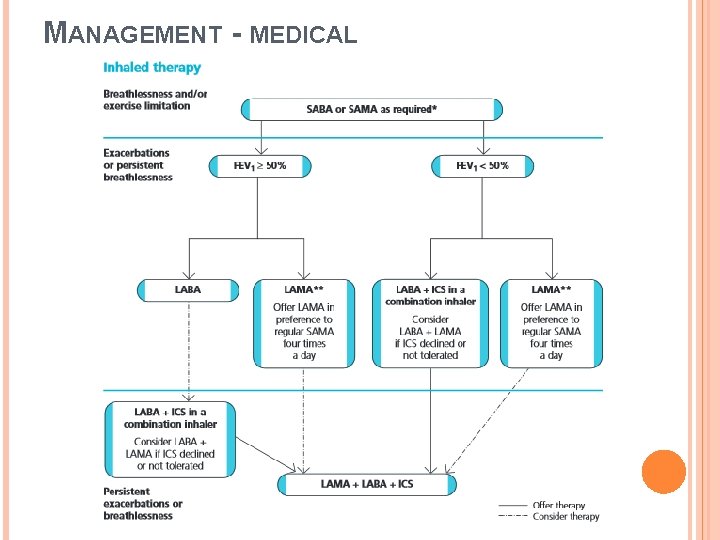
MANAGEMENT - MEDICAL
MANAGEMENT Surgery: Lung transplant in lung patients with alpha 1 antitrypsin deficiency Bullaectomy lung volume reduction surgery (Lobectomy – now close off the lobe using a filter)
ACUTE COPD MX Rescusitation – ABCDE 24% O 2, 2 L via nasal cannula or non-variable flow venture mask. If Type II resp failure target 88 -92% Nebulisers - bronchodilators Corticosteroids (oral/IV) Fluids Theophylline IV Empirical ABx IV if infection (+/- pseudomonal cover? Tazocin, Meropenum, Gentamycin) Consider ventilation Consider NIV, intubation or ITU in severe cases. Indication for NIV persistent hypercapnia type II RF, deterioration despite 1 hr best medical Rx and patient tiring.
VIDEO BY ASTHMA UK PEFR http: //www. youtube. com/watch? v=Dx. BDfq. Pma. ZU
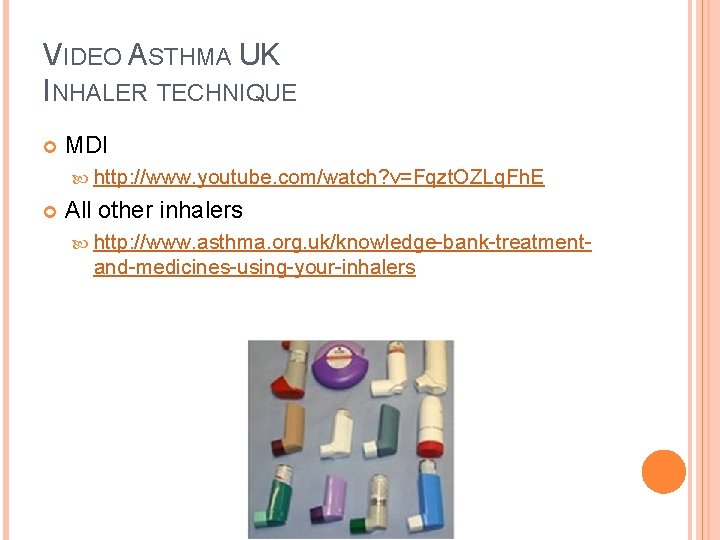
VIDEO ASTHMA UK INHALER TECHNIQUE MDI http: //www. youtube. com/watch? v=Fqzt. OZLq. Fh. E All other inhalers http: //www. asthma. org. uk/knowledge-bank-treatment- and-medicines-using-your-inhalers
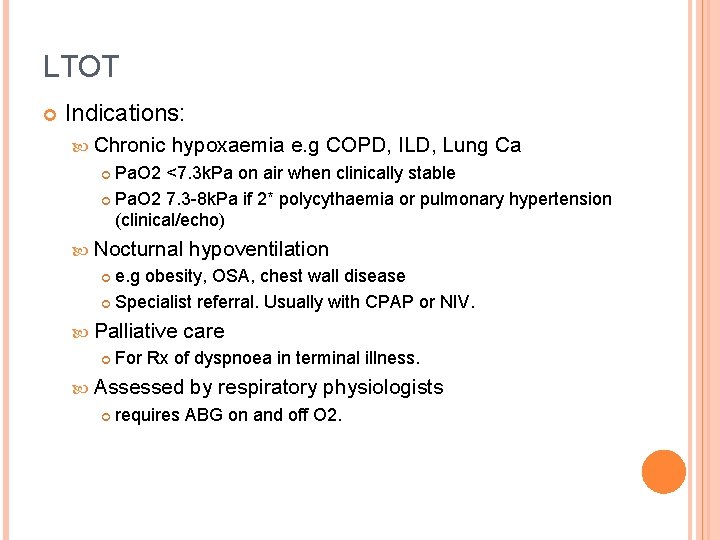
LTOT Indications: Chronic hypoxaemia e. g COPD, ILD, Lung Ca Pa. O 2 <7. 3 k. Pa on air when clinically stable Pa. O 2 7. 3 -8 k. Pa if 2* polycythaemia or pulmonary hypertension (clinical/echo) Nocturnal hypoventilation e. g obesity, OSA, chest wall disease Specialist referral. Usually with CPAP or NIV. Palliative care For Rx of dyspnoea in terminal illness. Assessed by respiratory physiologists requires ABG on and off O 2.

ANY QUESTIONS
REFERENCES BTS guidelines asthma - http: //www. britthoracic. org. uk/Portals/0/Guidelines/Asthma. Guidelines/qrg 101%202011. pdf BTS guideline COPD http: //www. nice. org. uk/nicemedia/live/13029/49399. pdf BTS guidlein LTOT - http: //www. britthoracic. org. uk/Portals/0/Clinical%20 Information/Home%20 Oxygen%20 Service/clinical%20 adultoxygenjan 06. pdf Spirometry guideline - http: //www. britthoracic. org. uk/Portals/0/Clinical%20 Information/COPD%20 Cons ortium/spirometry_in_practice 051. pdf Asthma UK Patient. co. uk – professional Acutemed. co. uk http: //www. eguidelines. co. uk/eguidelinesmain/gip/vol_13/aug_10/jones_ copd_aug 10. php#. Ulq. Ce. BDZIa 8 Good books for finals: Clinical cases uncovered
- Slides: 32