
Obstetrical Emergencies Prepared by Shane Barclay MD Disclaimer
Obstetrical Emergencies Prepared by Shane Barclay MD
Disclaimer There are many causes of pain, bleeding and cardiovascular collapse in pregnancy. This does not address them all and several that are discussed are not covered in detail. But you should be aware of potential causes in you ‘mental differential’ as some scenarios can have specific treatments which you may have available. In a rural setting you may not be able to determine the cause in many cases. However, initial management - resuscitation – is the same.
OB ER - Outline This presentation will cover: 1. Shock and critical illness in pregnancy 2. Vaginal bleeding in pregnancy. 3. Eclampsia 4. Trauma and cardiac arrest in pregnancy.
OB Emergencies 1. Shock and critical illness in Pregnancy 2. Vaginal bleeding in pregnancy 3. Eclampsia 4. Trauma and cardiac arrest in pregnancy
Shock and Critical Illness in Pregnancy Pregnant women who end up in ICU from what ever cause have a high mortality rate. Ranges up to 15%. Role of rural physicians is to recognize, stabilize and transport as soon as possible.
Shock and Critical Illness in Pregnancy Several conditions can lead to shock, but this will focus on the following 3 topics: 1. Respiratory Failure 2. Peripartum cardiomyopathy 3. Infection/sepsis
Shock and Critical Illness in Pregnancy Other pregnancy related conditions causing shock in pregnancy can include: Thrombotic Thrombocytopenic Purpura Hemolytic uremic syndrome Posterior Reversible Encephalopathy syndrome These are rare, not included in this presentation, but one should be aware of them.
Shock and Critical Illness in Pregnancy 1. Acute Respiratory Failure 2. Peripartum cardiomyopathy 3. Infection/sepsis
Respiratory Failure in Pregnancy Conditions that cause acute respiratory failure can be pregnancy related or not. - Asthma exacerbation - Pneumonia - Pulmonary embolus (thrombus, amniotic fluid) - Aspiration - Acute pulmonary edema
Respiratory Failure in Pregnancy Treatment initially is the same for all conditions. 1. Oxygen. Delivery depends on need. 2. Goal is to keep Sp. O 2 > 95% for fetal oxygenation. 3. Intubate only as last resort. - can be difficult due to laryngeal edema. - target Pa. CO 2 is 30 – 32 mm. Hg
Respiratory Failure in Pregnancy - Asthma exacerbation - Pneumonia - Pulmonary embolus (thrombus, amniotic fluid) - Aspiration - Acute pulmonary edema
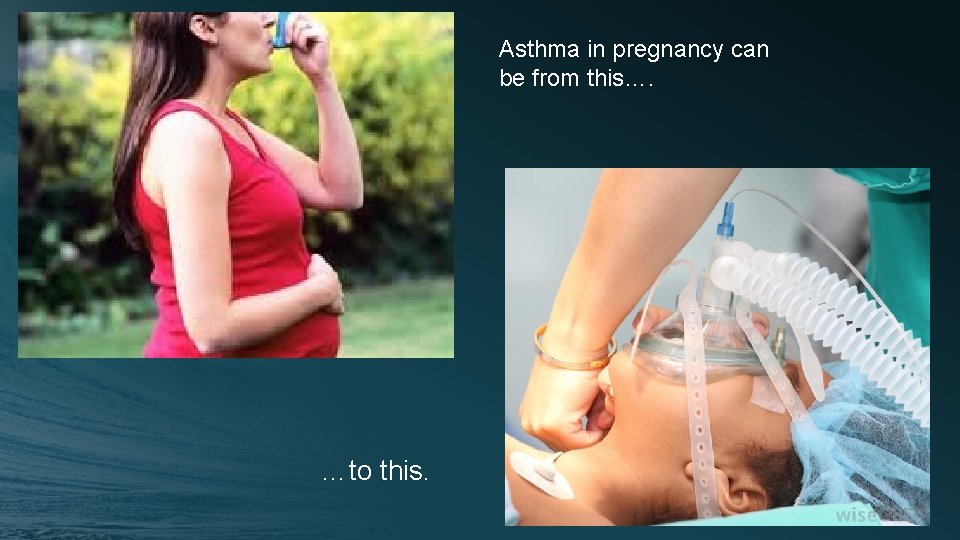
Asthma in pregnancy can be from this…. …to this.
Asthma in Pregnancy Up to 30% of pregnant women with asthma will have exacerbations during pregnancy. Asthma in pregnancy generally is associated with increased risk of: lower birth weight pre-term delivery preeclampsia.
Asthma in Pregnancy Management: Is the same as for non pregnant patients: Beta agonists Systemic steroids Theophylline IV Probably NOT Magnesium Sulfate (no safety studies)
Respiratory Failure in Pregnancy - Asthma exacerbation - Pneumonia - Pulmonary embolus (thrombus, amniotic fluid) - Aspiration - Acute pulmonary edema
Pneumonia in Pregnancy Etiological agents and management are the same as for non pregnant women. However, lowered immunity in late pregnancy can worsen pneumonia and make for even atypical pathogens to be a cause.
Respiratory Failure in Pregnancy - Asthma exacerbation - Pneumonia - Pulmonary embolus (venous thrombus, amniotic fluid) - Aspiration - Acute pulmonary edema
Pulmonary Embolus in Pregnancy 1. Venous thrombus Risk of PE is up to 6 times higher than for non pregnant women. Treatment same as for non pregnant women.
Pulmonary Embolus in Pregnancy 2. Amniotic fluid embolism
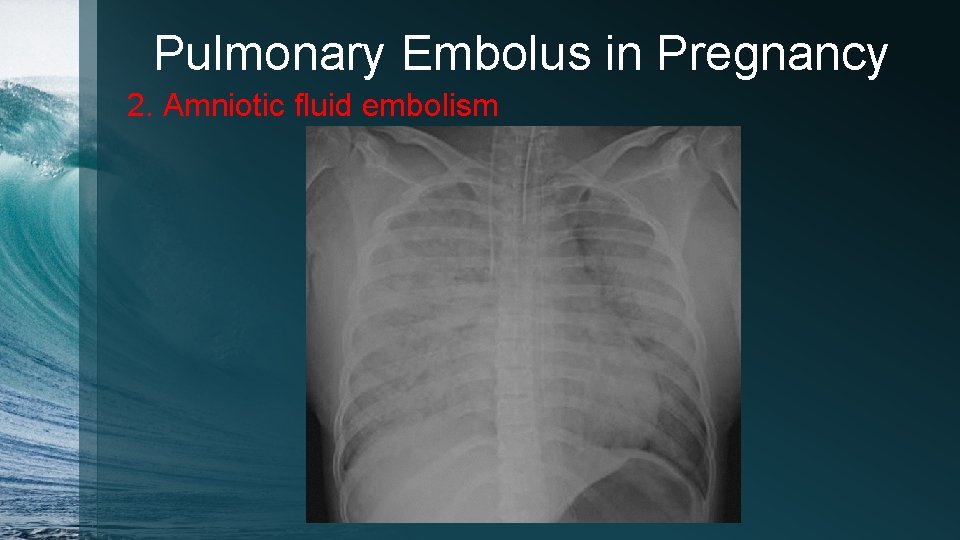
Pulmonary Embolus in Pregnancy 2. Amniotic fluid embolism Rare but often fatal. Usually occurs during labor. Onset often with chills, nausea, agitation then sudden development of respiratory failure and shock. Other features can be hemorrhage/DIC, tonic clonic seizures and stroke. Can lead to cardiac arrest. Treatment is CV support, +/- vasopressors (Norepi), inotropes, mechanical ventilation, delivery. Maternal mortalities are up to 90%, neonatal up to 60%.
Respiratory Failure in Pregnancy - Asthma exacerbation - Pneumonia - Pulmonary embolus (thrombus, amniotic fluid) - Aspiration - Acute pulmonary edema
Aspiration in Pregnancy Usually occurs during delivery and is of stomach contents. Treatment as for non pregnant aspiration pneumonia, which is largely supportive. Aspiration may cause acute bronchospasm, which can be treated as for asthma.
Respiratory Failure in Pregnancy - Asthma exacerbation - Pneumonia - Pulmonary embolus (thrombus, amniotic fluid) - Aspiration - Acute pulmonary edema
Pulmonary edema in Pregnancy Causes are: - Tocolytic therapy (beta blockers, Mg. SO 4, CCB) to inhibit preterm labor. - Eclampsia - Iatrogenic fluid overload. Treatment is to stop tocolytics and manage as per eclampsia and pulmonary edema protocols.
Shock and Critical Illness in Pregnancy 1. Acute Respiratory Failure 2. Peripartum cardiomyopathy 3. Infection/sepsis
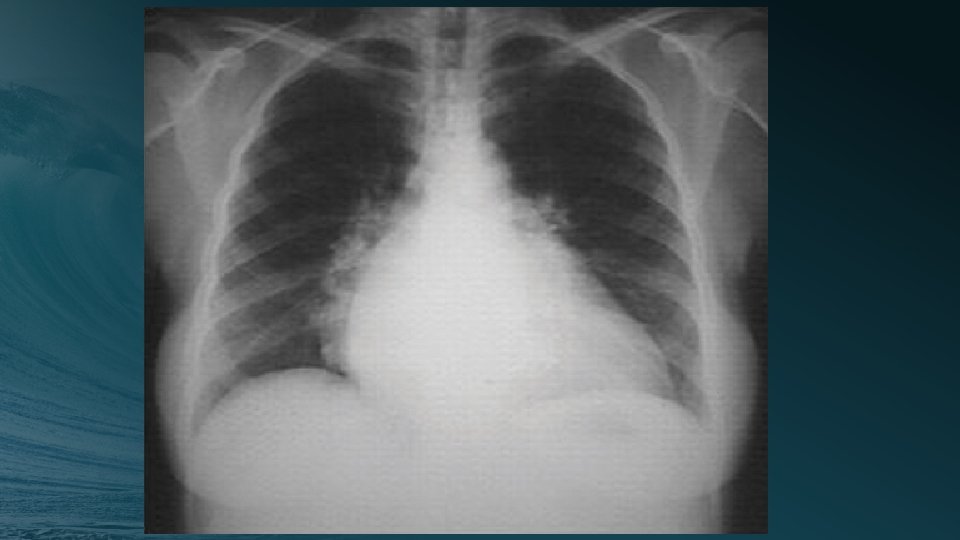
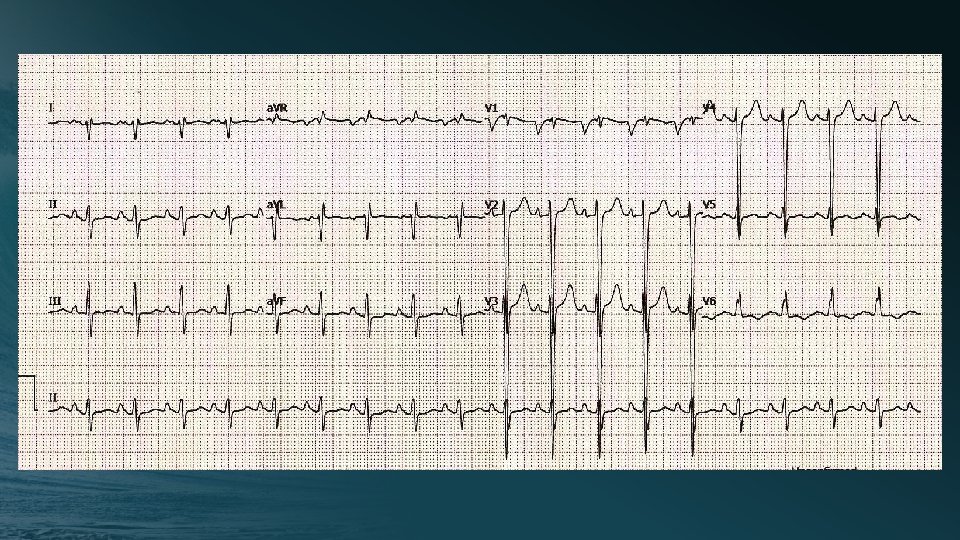
Peripartum Cardiomyopathy Peripartum cardiomyopathy (PPCM) is a rare condition (fortunately) causing heart failure in late pregnancy or within 5 months post partum. Cause is unknown. Indistinguishable from other causes of heart failure. However, treatment is the same regardless of cause.
Assessment of PPCM Clinical presentation: 1. Dyspnea 2. Cough 3. PND and orthopnea 4. Pedal edema Note: many of these can be seen normally in late pregnancy.
Assessment of PPCM 5. ECG – more to rule out other causes. 6. BNP – given time for results, may be of limited value in a rural setting. 7. CXR/pleural ultrasound.
Management of PPCM Unless the patient presents in acute pulmonary failure, these patients should be transferred to an urban critical care setting. Consult obstetrics/ICU. If acute, management can be as for pulmonary edema.
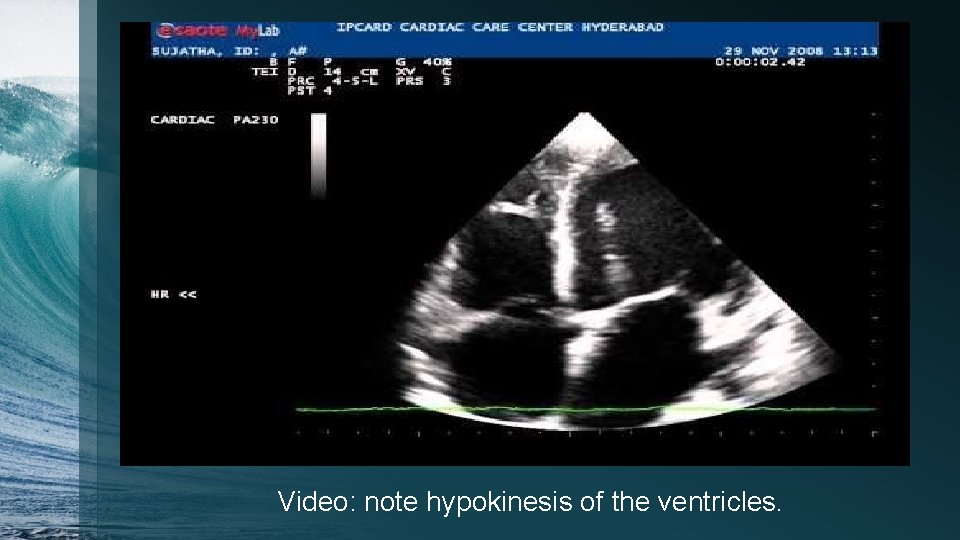
Video: note hypokinesis of the ventricles.
Shock and Critical Illness in Pregnancy 1. Acute Respiratory Failure 2. Peripartum cardiomyopathy 3. Infection/sepsis
Sepsis in Pregnancy Although uncommon, has a high mortality. Leading causes: septic abortion chorioamnionitis complicated pyelonephritis pneumonia post partum endometritis other – wound infections, pelvic abscess etc
Sepsis in Pregnancy Management is as for sepsis. IV, antibiotics, transfer.

Ok, take a breath!
OB Emergencies 1. Shock and critical illness in Pregnancy 2. Vaginal bleeding in pregnancy 3. Eclampsia 4. Trauma and cardiac arrest in pregnancy
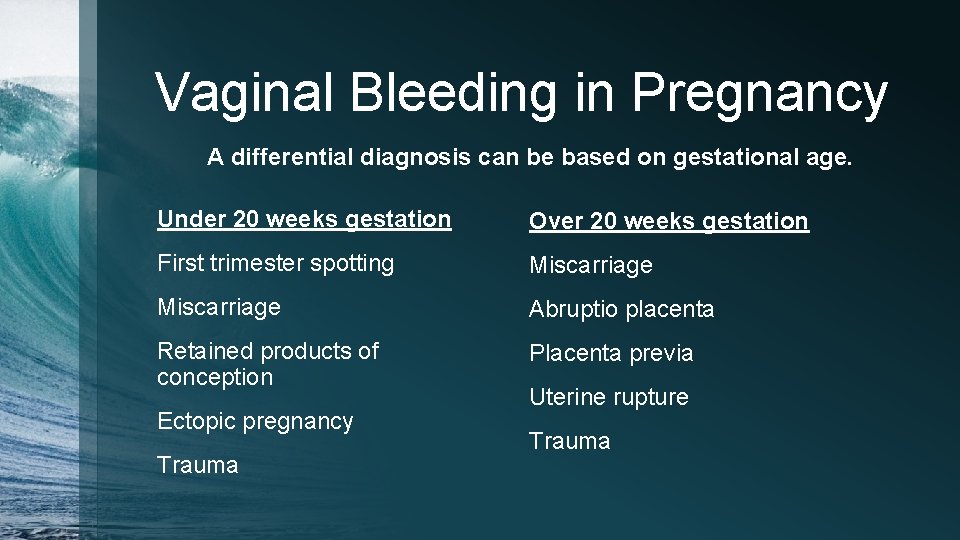
Vaginal Bleeding in Pregnancy A differential diagnosis can be based on gestational age. Under 20 weeks gestation Over 20 weeks gestation First trimester spotting Miscarriage Abruptio placenta Retained products of conception Placenta previa Ectopic pregnancy Trauma Uterine rupture Trauma
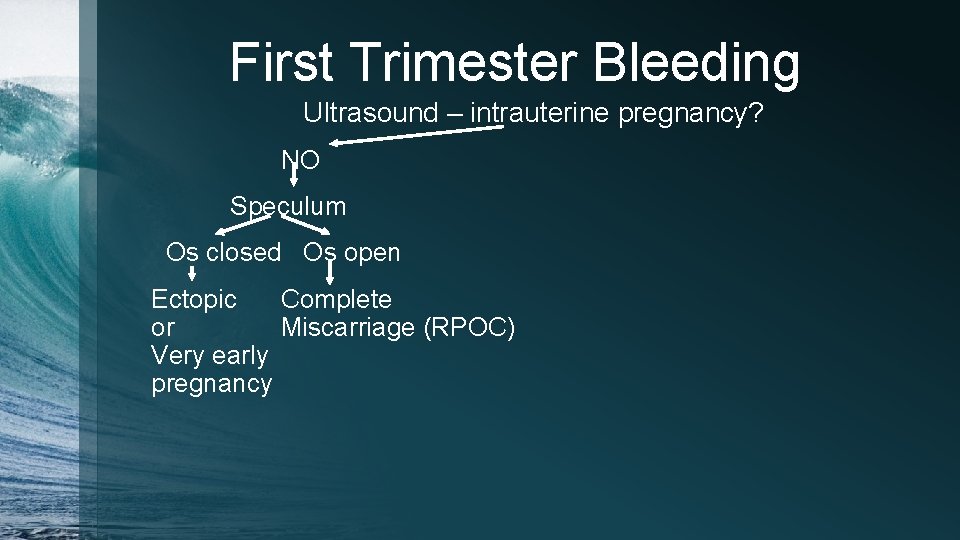
First Trimester Bleeding Ultrasound – intrauterine pregnancy? NO Speculum Os closed Os open Ectopic Complete or Miscarriage (RPOC) Very early pregnancy
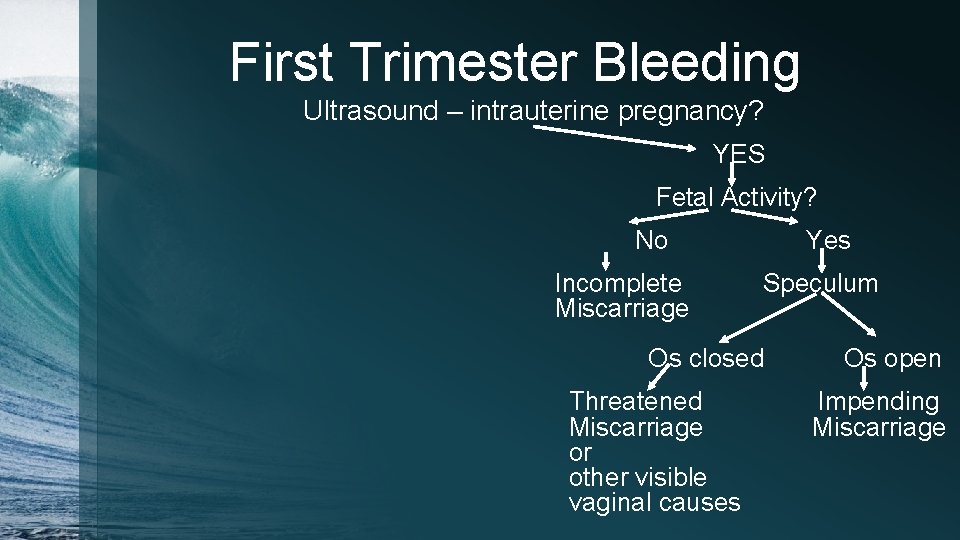
First Trimester Bleeding Ultrasound – intrauterine pregnancy? YES Fetal Activity? No Incomplete Miscarriage Yes Speculum Os closed Threatened Miscarriage or other visible vaginal causes Os open Impending Miscarriage
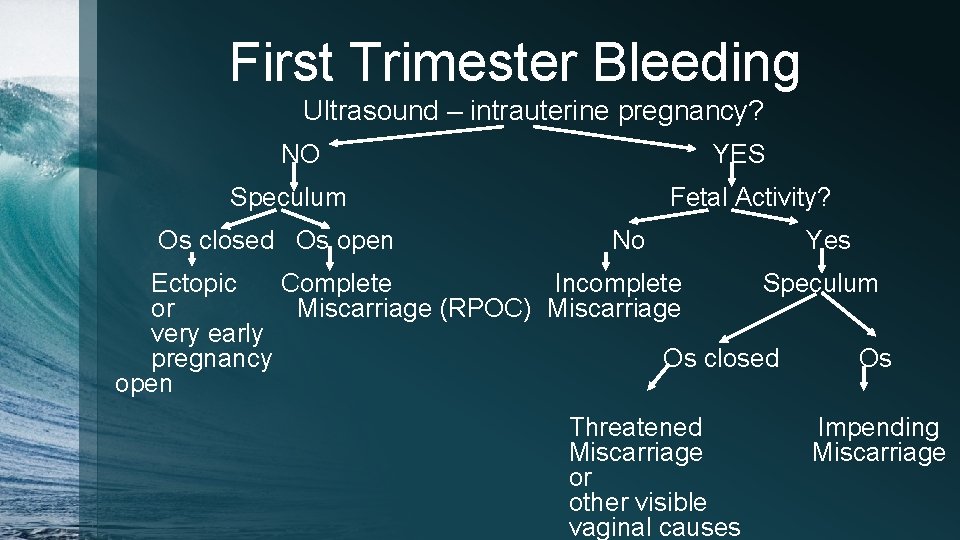
First Trimester Bleeding Ultrasound – intrauterine pregnancy? NO YES Speculum Os closed Os open Fetal Activity? No Yes Ectopic Complete Incomplete Speculum or Miscarriage (RPOC) Miscarriage very early pregnancy Os closed Os open Threatened Miscarriage or other visible vaginal causes Impending Miscarriage
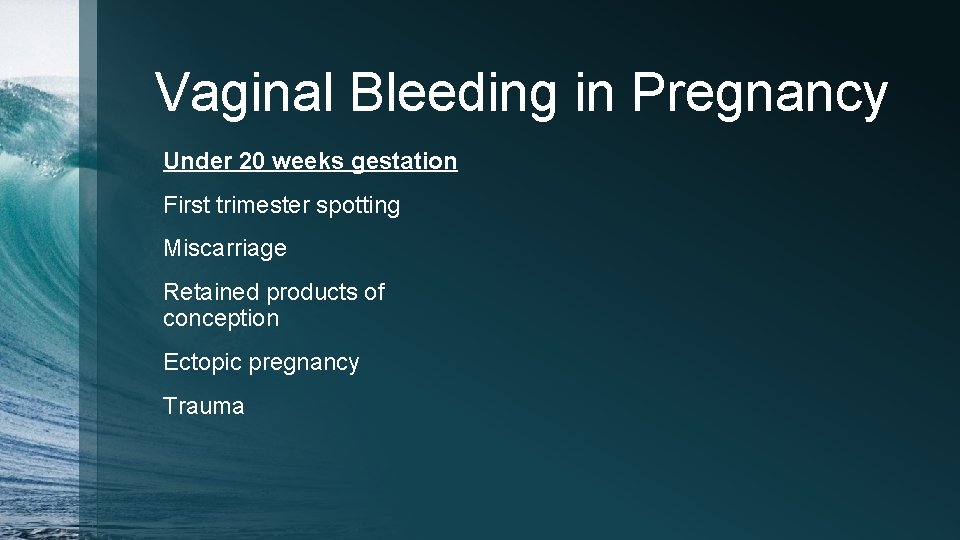
Vaginal Bleeding in Pregnancy Under 20 weeks gestation First trimester spotting Miscarriage Retained products of conception Ectopic pregnancy Trauma
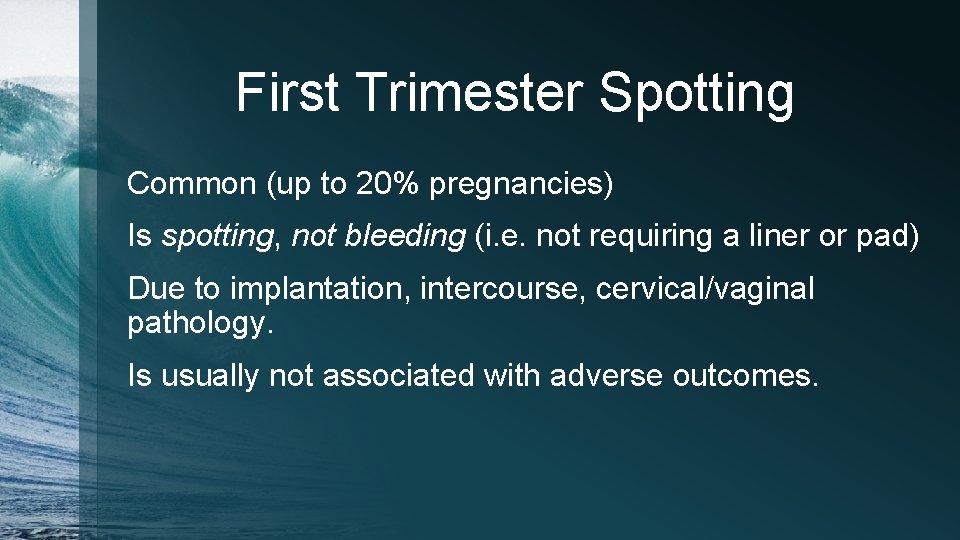
First Trimester Spotting Common (up to 20% pregnancies) Is spotting, not bleeding (i. e. not requiring a liner or pad) Due to implantation, intercourse, cervical/vaginal pathology. Is usually not associated with adverse outcomes.
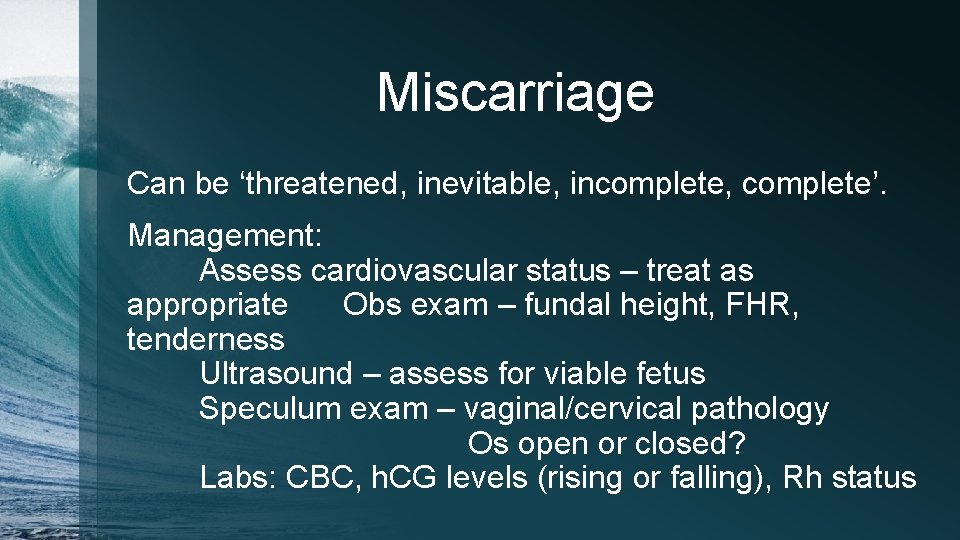
Miscarriage Can be ‘threatened, inevitable, incomplete, complete’. Management: Assess cardiovascular status – treat as appropriate Obs exam – fundal height, FHR, tenderness Ultrasound – assess for viable fetus Speculum exam – vaginal/cervical pathology Os open or closed? Labs: CBC, h. CG levels (rising or falling), Rh status
Miscarriage Threatened Miscarriage: Viable fetus on exam and a closed Os. Over 90% do not miscarry. Inevitable Miscarriage: Non-Viable fetus on exam and open Os. Usually heavier bleeding and cramping.
Miscarriage Incomplete Miscarriage: Membranes and fetus have passed, but placental tissue can be retained. Most common in late first trimester. Often require obstetrical assessment. Complete Miscarriage: Examination of tissue will reveal fetal contents and chorionic villi on histological examination. Should have falling h. CG levels and decreasing bleeding.
Retained Products of Conception Retained products of conception usually relate to gestations under 20 weeks. Post partum hemorrhage relates to gestations over 20 weeks. Both can be variable in bleeding, but both can be catastrophic and life threatening.
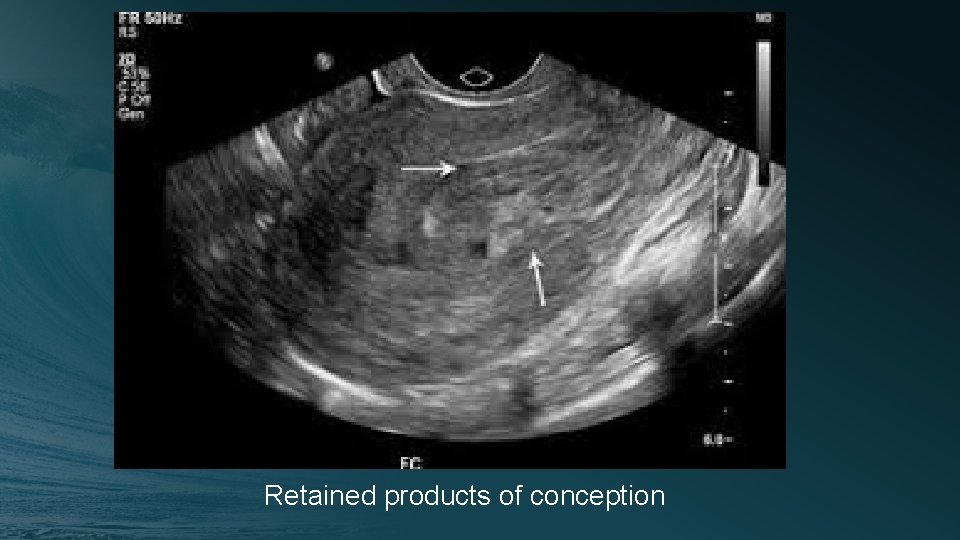
Retained products of conception
Post Partum Hemorrhage PPH is defined as bleeding within 24 hours of delivery. Stoppage of blood loss after delivery is usually due to the uterus contracting causing simple mechanical compression of vessels and a series of clotting/hemostatic factors. Most common cause of PPH is lack of uterine contraction (uterine atony)
Post Partum Hemorrhage Although usually considered a consequence following a ‘normal’ delivery, can be related to late miscarriage (referred to as ‘retained products of conception’) Causes: 1. General atony/flaccid uterus 2. Retained products of conception. 3. Trauma – cervical/uterine lacerations, uterine rupture 4. Coagulopathy – inherited, amniotic fluid embolism/DIC, preeclampsia, abruptio, HELLP.
Assessment of PPH ‘Normal’ signs of shock (BP drop, tachycardia) may not occur initially due to higher blood volumes in pregnancy. Do not wait for these signs to begin resuscitation if there is significant blood loss.
Management of PPH 1. Large bore IV. Fluids (R/L) 2. PRC (O neg) prn. Use with any/first signs of shock. 3. Oxygen. 4. Foley catheter. 5. Uterine massage/manual evacuation of products. 6. Oxytocin: 10 units IM or IV (slowly) then 10 units/hr. Total dose 40 units.
Management of PPH 7. Tranexamic acid: 1 gm IV over 10 minutes. Then infusion of 1 gm over 8 hours. May repeat bolus x 1 after 30 minutes. 8. Consider Misoprostol 400 mcg sl, buccal, rectal. 9. Transport as soon as possible.
Ectopic Pregnancy Women in early pregnancy with vaginal bleeding and pain are assumed to have an ectopic pregnancy until proven otherwise.
Ectopic Pregnancy In rural sites, diagnosis: h. CG - an h. CG greater than 6000 IU/L and - absence of an intrauterine pregnancy on abdominal POCUS, strongly suggests an ectopic pregnancy. - if you are confident in transvaginal POCUS, an greater than 2000 IU/l and no intrauterine pregnancy suggests an ectopic. Management: Stabilize and gynecological referral.
Vaginal Bleeding in Pregnancy Over 20 weeks gestation Miscarriage Abruptio placenta Placenta previa Uterine rupture Trauma
Miscarriage over 20 weeks The criteria and diagnosis is the same as for under 20 weeks. The only issue is bleeding can be more significant.
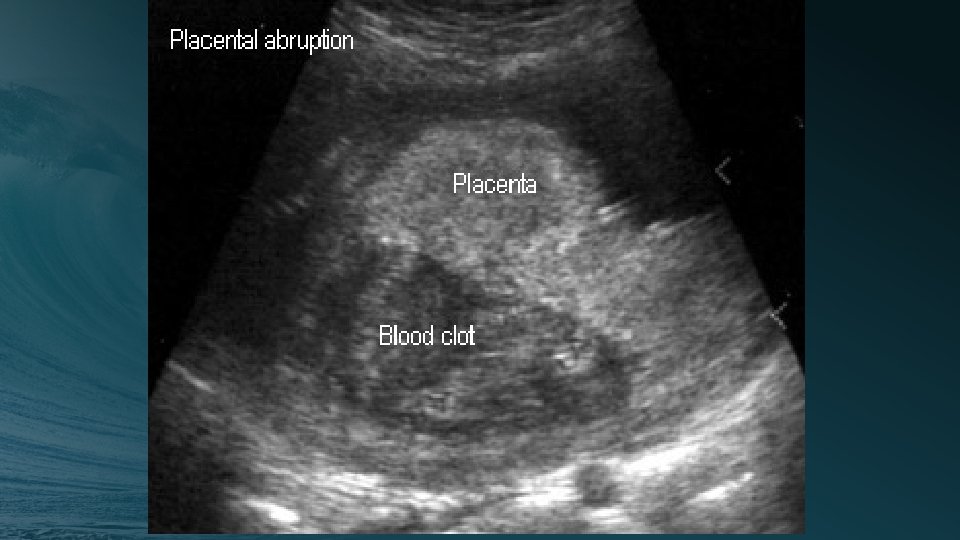
Abruptio Placenta Accounts for ~ 30% of gestational bleeding over 20 weeks. Can be spontaneous or trauma related. Clinically: vaginal bleeding and uterine tenderness. Beware as bleeding can be internal. This can be a difficult diagnosis as abruptio is often not seen on ultrasound, unless there is subchorionic hematoma. Management is CV support and gynecological referral.
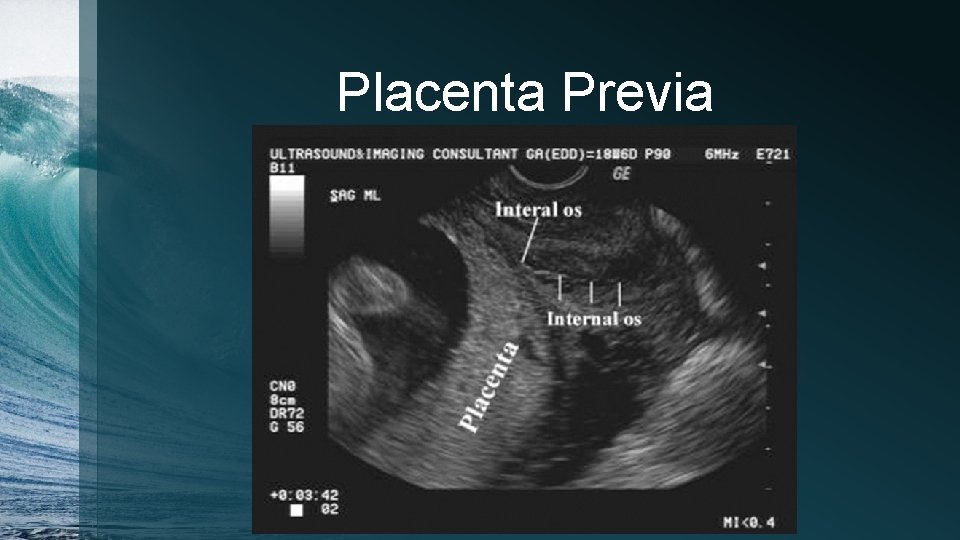
Placenta Previa
Placenta Previa Accounts for ~ 20% of gestational bleeding over 20 weeks. Due to placental tissue extending over the internal os. ‘Usually’ have vaginal bleeding and no abdominal pain or uterine contractions. Need CV support, urgent ultrasound and obstetric referral.
Uterine Rupture Rare and usually occurs during labor. Usually related to prior c-section or uterine surgery. This is an obstetrical emergency.

Ok, take another breath!
OB Emergencies 1. Shock and critical illness in Pregnancy 2. Vaginal bleeding in pregnancy 3. Eclampsia 4. Trauma and cardiac arrest in pregnancy

One minute ….

… and the next
Pre-eclampsia and Eclampsia Will not review pre-eclampsia in detail, as this is a prenatal issue, not an ER issue. Pre-eclampsia refers to pregnant patients > 20 weeks with: Onset of hypertension (> 140/90) (and proteinuria) and/or end organ dysfunction.
Definition of Eclampsia is the occurrence of new-onset, generalized, tonic-clonic seizures or coma in a woman with preeclampsia.
Clinical Features In a patient who has pre-eclampsia and seizure, other features can include: 1. Hypertension: systolic > 160, diastolic >110. 2. Severe headache. 3. Photopsia, scotoma, retinal vasospasm. 4. RUQ pain (hepatic dysfunction). 3. Altered mental status. 4. Pulmonary edema. 6. Thrombocytopenia. 7. Asymptomatic – 25%
Clinical Features Most women will have ‘premonitory symptoms’ in the hours leading up to the seizure. With onset of seizure, most woman will initially become unconscious, then after a minute or so, start having a tonic-clonic seizure lasting one to two minutes. Post ictal phase of gradual wakening can last 15 – 20 minutes. Often will have severe headache. ~ 5 - 10% can have recurrent seizure, even with treatment.
Management 1. Protect the airway and prevent hypoxia 2. Treat BP 3. Prevent recurrent seizure 4. Prompt delivery
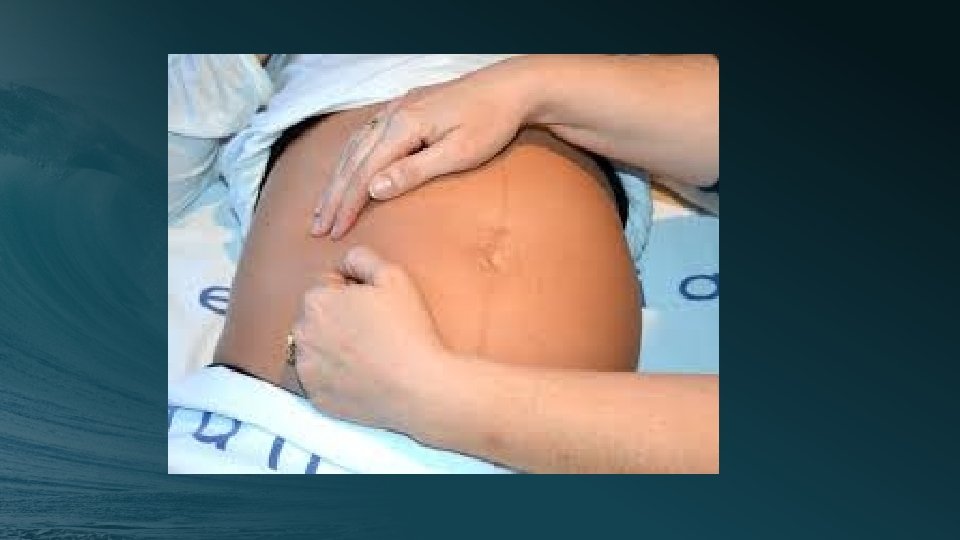
Protect the Airway 1. Prevent aspiration if vomiting/seizing by log rolling patient on to their left side. 2. Administer supplemental oxygen. May not need intubation as they will recover from the seizure. 3. If patient is rolled back supine, best if someone maintains traction of the uterus to the left side to decompress the vena cava. (uterine distraction)
Treat Hypertension Lowering BP can reduce risk of hypertensive stroke. 1. Labetalol 20 mg IV over 2 minutes. May re-bolus at 20 mg increments q 10 minutes as needed to maximum total dose of 300 mg. Or Use infusion of 1 -2 mg/min. 2. Hydralazine 5 mg IV over 2 minutes. (not used much anymore) 3. Nifedipine immediate release: 10 mg po. 4. (Best drug would be Nicardipine, but not in Canada yet!)
Prevent further Seizures ~ 10 % women will have recurrent seizures. 1. Magnesium Sulfate: 8 – 10 gm in IM (ie 5 gm in each buttock) or 6 gm IV over 15 minutes. followed by 1 - 2 gm/hr IV infusion.
Prevent further Seizures If patient has recurrent seizure, then give additional bolus of Mg. S 04 2 gm IV. If more than 2 seizures can then use benzodiazepines. (lorazepam 4 mg IV, midazolam 1 – 2 mg IV)
Prompt delivery Ideally the baby should be delivered within 24 hours. Induction of women over 32 -34 weeks is an option. Rarely is emergency C-Section needed unless mother goes into cardiac arrest.

And one final time!
OB Emergencies 1. Shock and critical illness in Pregnancy 2. Vaginal bleeding in pregnancy 3. Eclampsia 4. Trauma and cardiac arrest in pregnancy
Trauma in Pregnancy Motor vehicle accidents and domestic violence are the 2 leading causes of trauma in pregnancy.
Trauma in Pregnancy Management: (in a rural setting) Contact patient transfer/obstetrics/trauma service. Initial management is as for any trauma care (ABCDE) however preference of maternal survival is pre-eminent over the fetus. Use aggressive fluid infusion as signs of shock are not predictable. Try to avoid vasopressors (constricts uterine vessels)
Trauma in Pregnancy Management: (in a rural setting) Maintain uterine distraction to the left side. Fetal assessment with FHR and ultrasound should be done as soon as feasible in the resuscitation. Always consider: abruptio placentae. Rh status
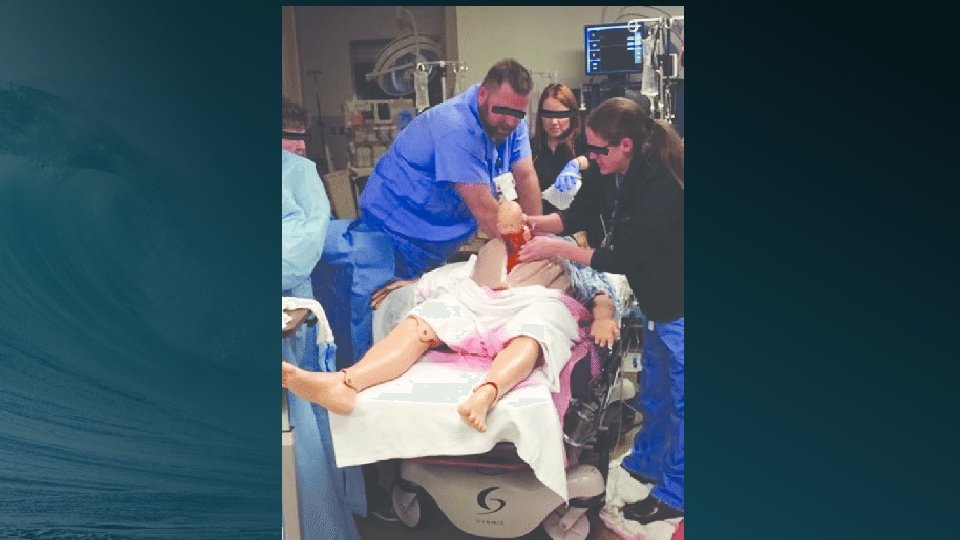
Trauma in Pregnancy Management: (in a rural setting) Emergency Delivery (c-section) Indicated if maternal death is imminent and > 24 wks gestation. If the mother goes into cardiac arrest, peri-mortem cesarean for women over 24 weeks should be done. Should be done within 4 minutes for any fetal benefit. This increases maternal survival rates.
So what if…. you have to do a peri-mortem Cesarean section? link to Peri-mortem C-section on Remstarbc. ca http: //remstarbc. ca/peri-mortem-c-section. php
Some Summary Points 1. Critically ill maternal patients need transfer, but in the interim instigate normal resuscitative measures. 2. Signs of shock are often delayed in pregnancy. Treat early and aggressively. Try to avoid pressors. 3. DVT/PE are common in pregnancy. 4. The common serious causes of vaginal bleeding under 20 wks gestation – ectopic, miscarriage, RPOC. 5. The common serious causes of vaginal bleeding over 20 weeks gestation – abruptio, previa, PPH, miscarriage
Some Summary Points 6. Eclampsia treatment – labetalol, Mg. SO 4. 7. For resuscitation in pregnancy, the priority is saving the mom. Babies best chance for survival is usually mom’s survival. 8. Always remember uterine distraction in resuscitation. 9. Read up on how to do a perimortem c-section.

The END
- Slides: 89