
Observations vs Inferences A test of your observation
Observations vs. Inferences A test of your observation skills…
Observations *Use one or more of the 5 senses to gather information *A noting and recording of…. FACTS!!! *Example: There is one TV in the room.
Inferences • Logical interpretation based upon prior knowledge and experience • Based upon observations • Example: When you entered the room, you most likely inferred that the individual in the front of the room is the teacher.
Note the Differences • During an investigation, we record observations NOT inferences • Inferences may be used when writing the conclusion in your lab report. • Let’s test your observation skills…

Take a GOOD look at this picture!
Questions • Are there cars parked on the sides of the road? • What color is the pickup truck driving in the road? • Any minivans around? • What does the blue sign say? • What's the speed limit? • Are there any pedestrians on the road?

Answers • • • Yes Blue Yes Yard Sale 35 mph No
Observations vs. Inferences On the next slide, state whether the statement is an observation or an inference.

n n n 1. There is a representation of a face on one side of the coin. 2. The Latin word "Dei" means "God. " 3. The coin was made by deeply religious people. 4. The date 1722 is printed on one side of the coin. 5. The coin was made in 1722. 6. The face on the coin is a representation of the nation's president.
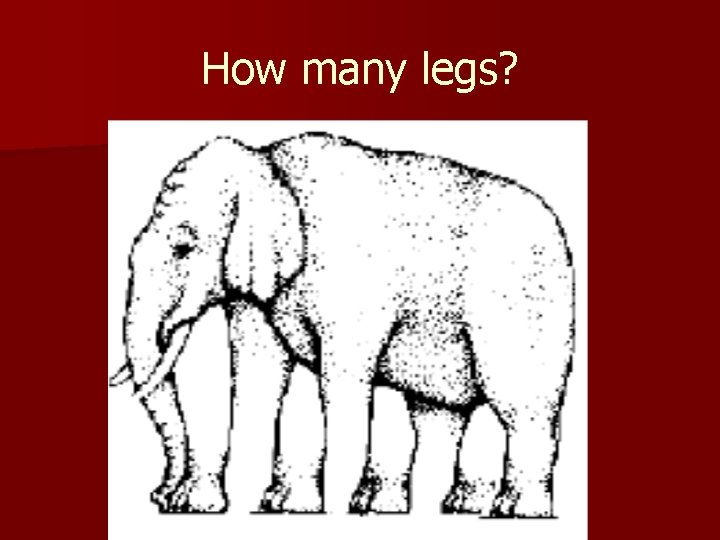
How many legs?
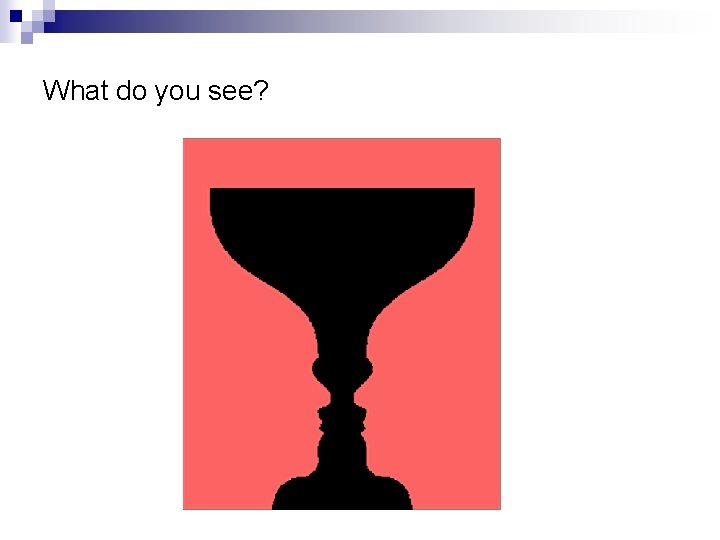
What do you see?

Who do you see?
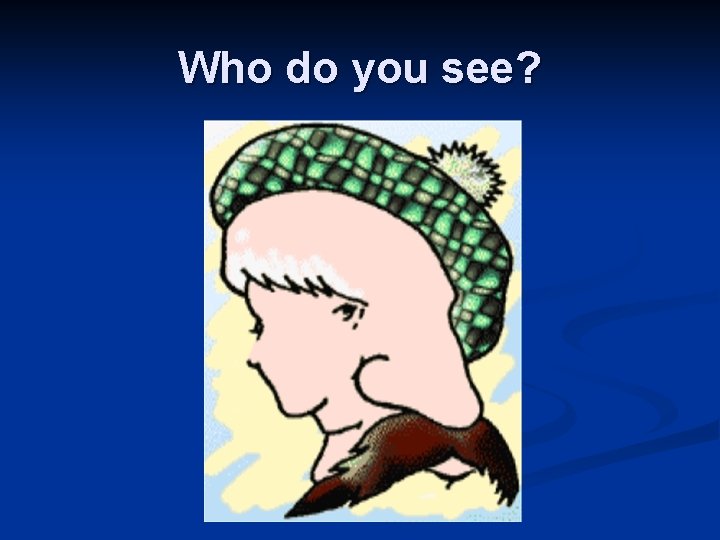
Who do you see?
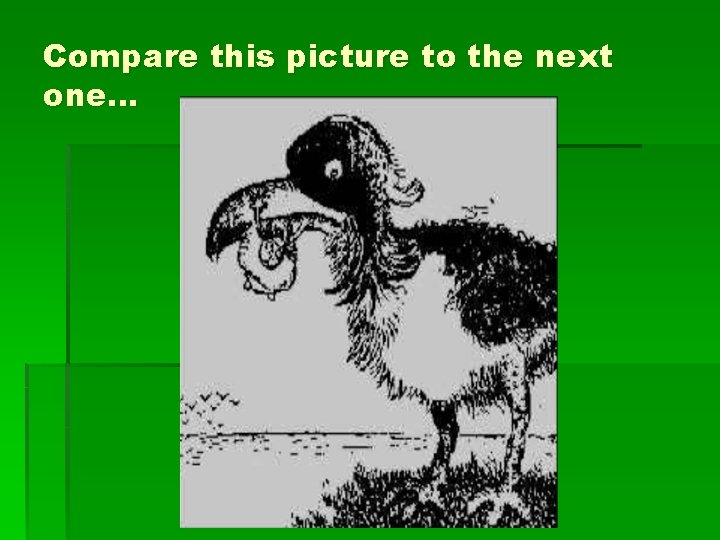
Compare this picture to the next one…
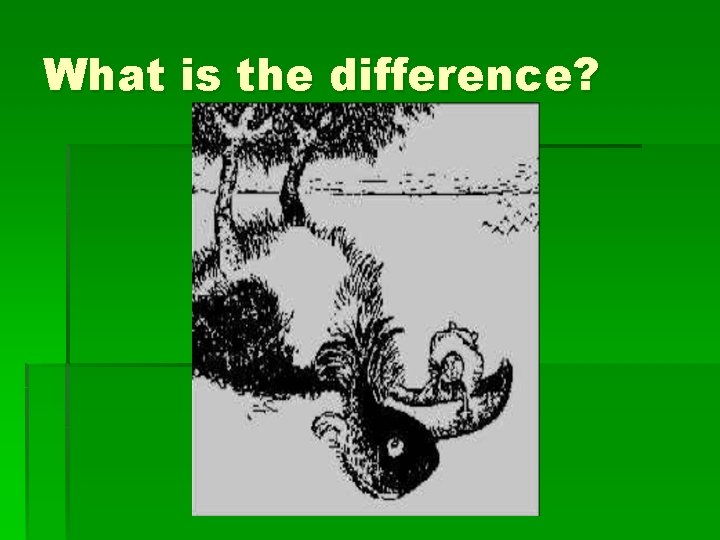
What is the difference?

Read this sign!

What do you see?
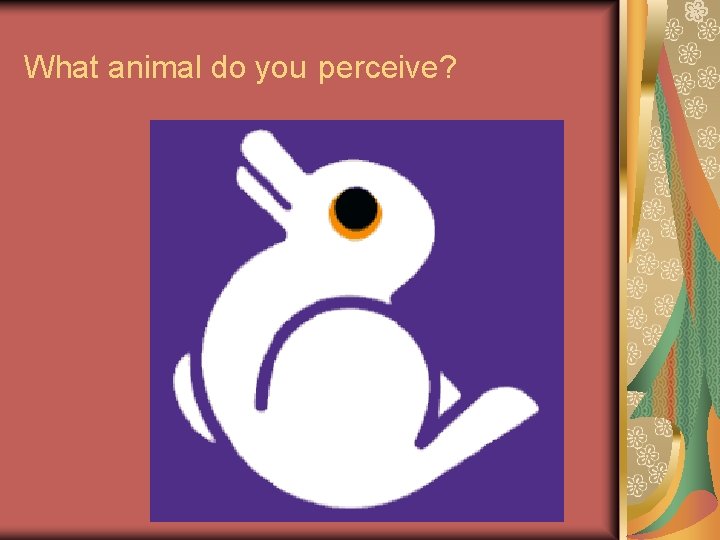
What animal do you perceive?

►This image contains a picture and a word. Do you see them both?
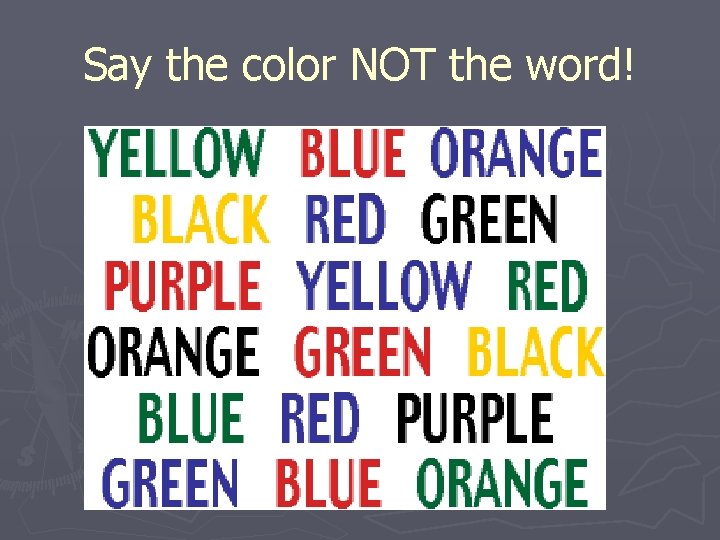
Say the color NOT the word!
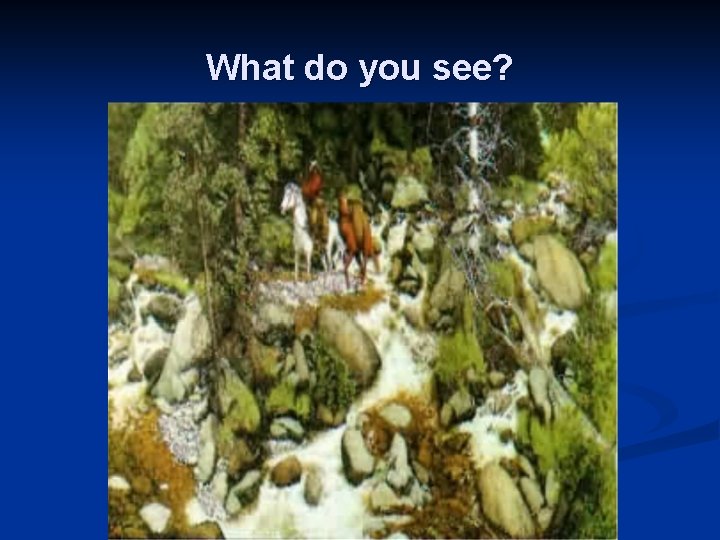
What do you see?

The circles are NOT moving!
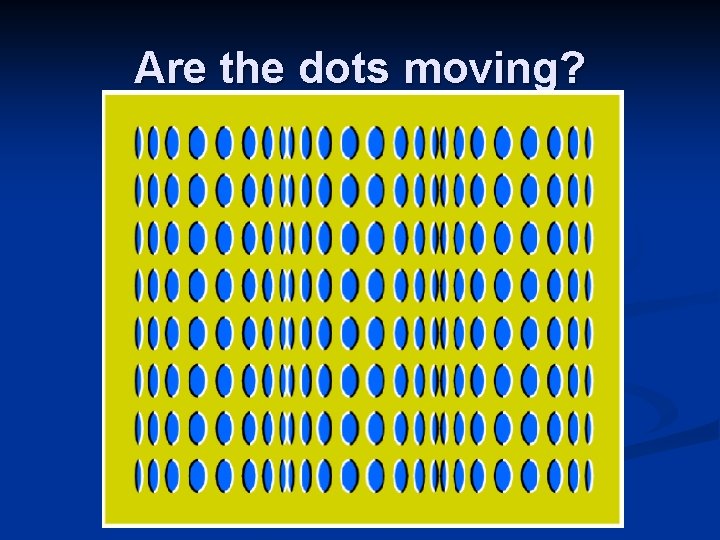
Are the dots moving?
Quantitative vs Qualitative Observations n Observations are information we collect with our senses. Observations are either quantitative or qualitative.
Quantitative Observations n Observations that are quantitative are measurable. This means that they are countable. Examples of quantitative data are amounts or measurements such as: 200 g, 50 meters long, 25 ml of water, or 35 degrees C.
Qualitative Observations n Observations that are qualitative, are describable and not measurable. Examples of qualitative data use describing words (adjectives) such as: tastes bitter, color is bright yellow, feels smooth, or smells like vinegar.
- Slides: 27