
Objectives Why to study obesity What is obesity


Objectives * Why to study obesity? * What is obesity? * Body weight regulation? * Why do people come obese? * How to manage obesity?

Obesity and mortality
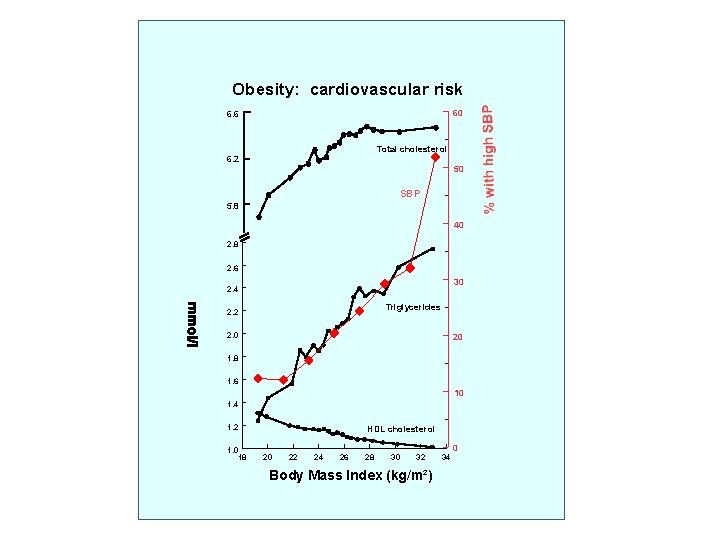
Obesity: cardiovascular risk 60 6. 6 Total cholesterol 6. 2 50 SBP 5. 8 40 2. 8 2. 6 30 2. 4 Triglycerides 2. 2 2. 0 20 1. 8 1. 6 10 1. 4 1. 2 1. 0 18 HDL cholesterol 0 20 22 24 26 28 30 32 34 Body Mass Index (kg/m²) Data from British Regional Heart Survey.
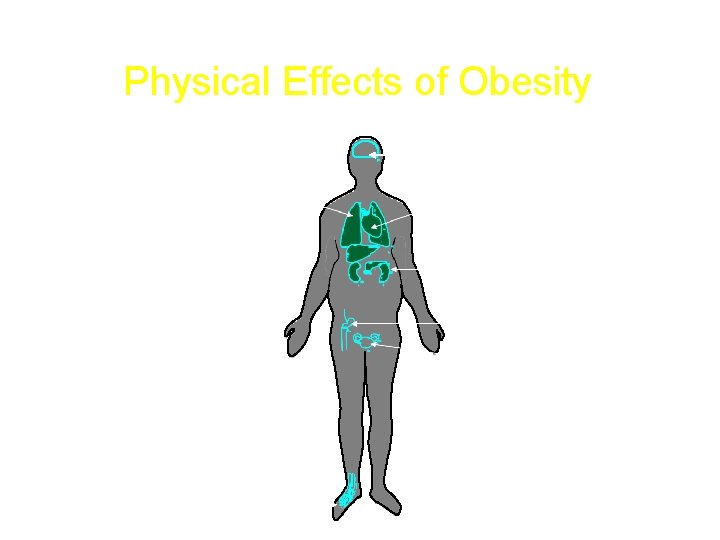
Physical Effects of Obesity Respiratory disease Stroke Cardiovascular Gall bladder disease Hormonal abnormalities Diabetes Osteoarthritis Cancer Hyperuricaemia and gout
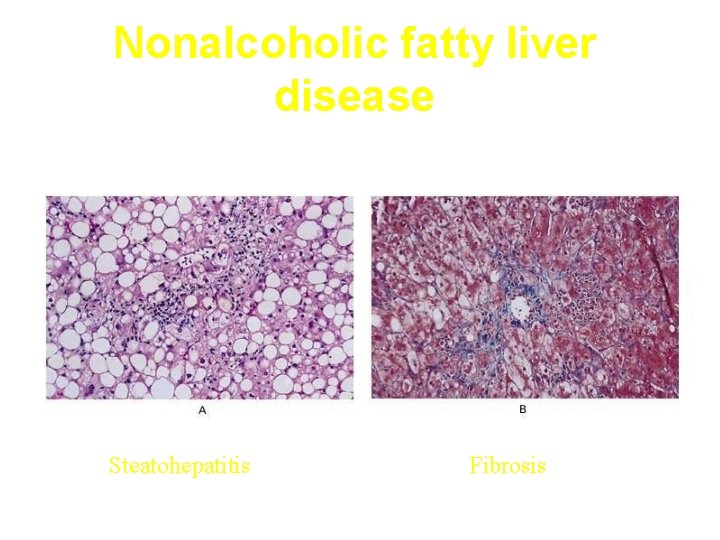
Nonalcoholic fatty liver disease Steatohepatitis Fibrosis NEJM 2002; 346: 1221 -1230
Obesity • WHO: “Abnormal or excessive fat accumulation in adipose tissue, to the extent that health is impaired” • Presence of an abnormal absolute amount or relative proportion of body fat. (1, 2) 1. WHO. Obesity: Preventing and Managing the Global Epidemic. Technical report 894. Geneva: WHO, 2000; 256 2. Garrow JS. Obesity and Related Diseases. Edinburgh: Churchill Livingstone, 1998.
Amount of adipose tissue in human body • • Possible Difficult Time consuming Expensive
Surrogate measures of adiposity • • • Ideal body weight Weight Anthropometric measures Body mass index (BMI): Recommended by WHO Relatively reliable except in: - Extremes of age or height - Very fit individuals with muscular build Physical status: the use and interpretation of anthropometry. Report of a WHO expert committee. Geneva: WHO, 1995; 329
WHO recommended definition of obesity (2000) Classification Underweight BMI(kg/m 2) Risk of comorbidities Low (but risk of other <18. 5 clinical problems increased) Normal range 18. 5 -24. 9 Average Overweight >25. 0 25 -29. 9 Mildly increase Pre-obese
WHO recommended definition of obesity (2000) Classification BMI(kg/m 2) Obese >30 Class I 30 -34. 9 Class III 35 -39. 9 >40. 0 Risk of comorbidities Moderate Severe Very severe WHO. Obesity: Preventing and Managing the Global Epidemic. Technical report 894. Geneva: WHO, 2000
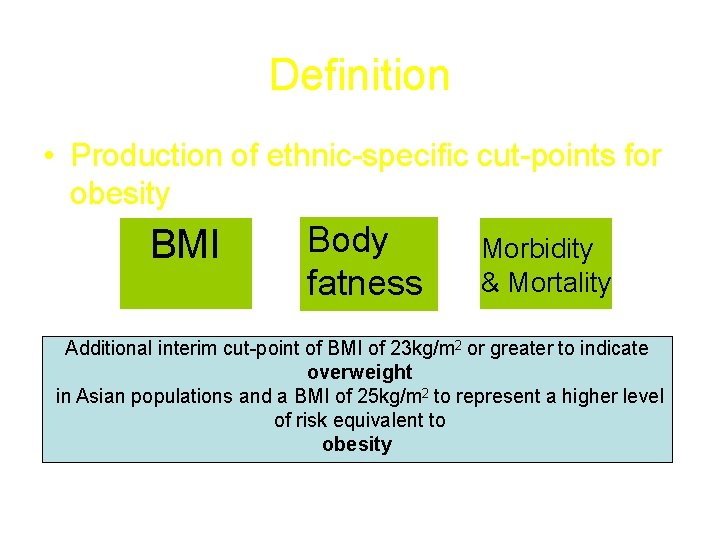
Definition • Production of ethnic-specific cut-points for obesity BMI Body fatness Morbidity & Mortality Additional interim cut-point of BMI of 23 kg/m 2 or greater to indicate overweight in Asian populations and a BMI of 25 kg/m 2 to represent a higher level of risk equivalent to obesity WHO (Western Pacific Region), International Obesity Taskforce and International Association for the Study of Obesity. The Asia-Pacific Perspective: Redefining obesity and its Treatment. Sydney: Health Communication, 2000

Central Obesity • Central or visceral obesity is associated with more metabolic disease: - DM 2 - Hypertension - Dyslipidemia ? How to assess central or visceral obesity?
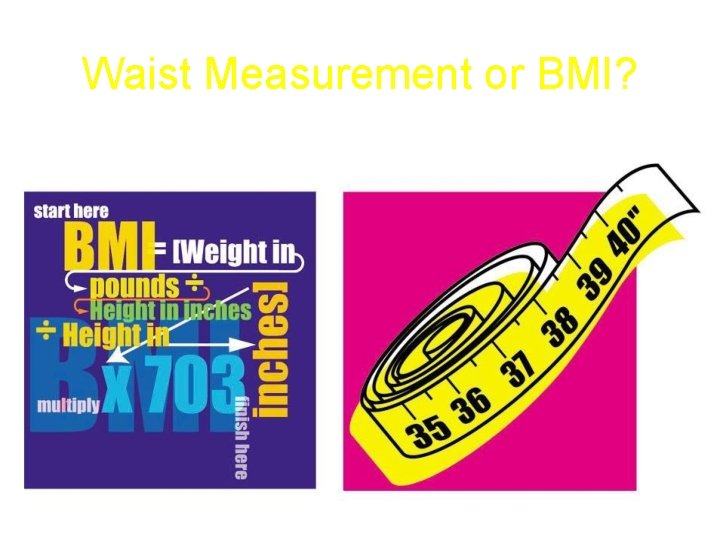
Waist Measurement or BMI?
Central Obesity • • • MRI Dual X-ray absorptiometry (DEXA) Single CT slice L 4/L 5 Waist: hip ratio Waist circumference The narrowest circumference midway between the lower border of the ribs and the upper border of the iliac crest, taken from the side
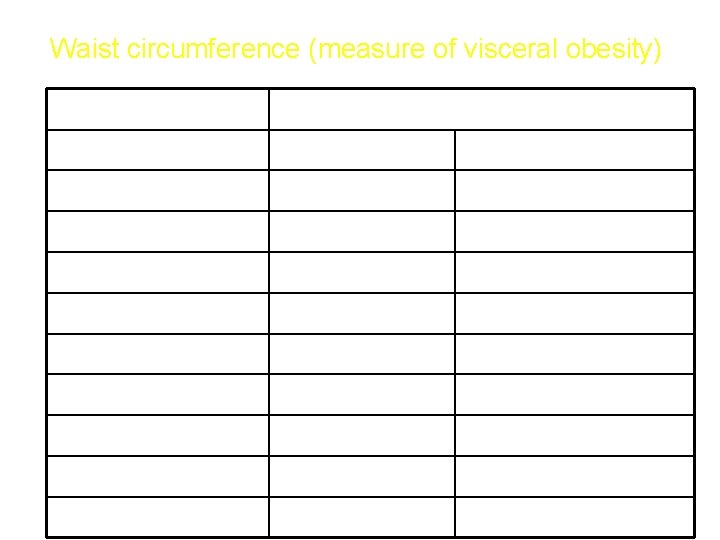
Waist circumference (measure of visceral obesity) Population Risk of metabolic complications of obesity Increased Substantially Increased >94 cm >80 cm >102 cm >88 cm Caucasian (WHO) Men Women Asia (IASO/IOTF/WHO) Men Women >90 cm >80 cm China (WGOC) Men Women >85 cm >80 cm
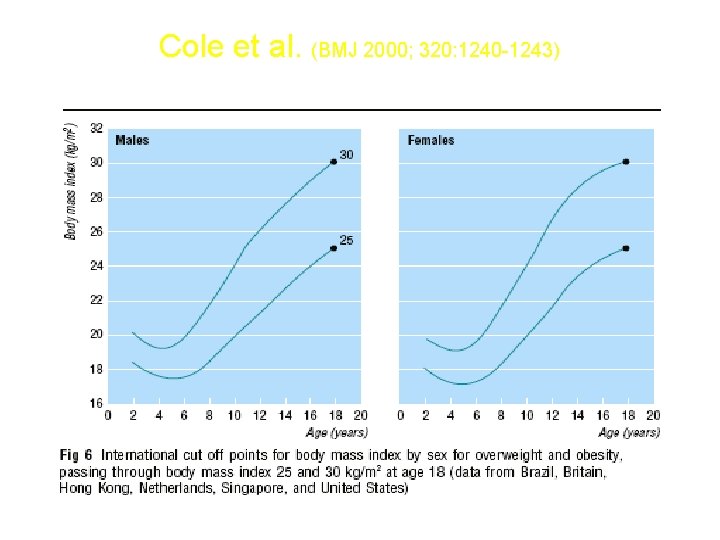
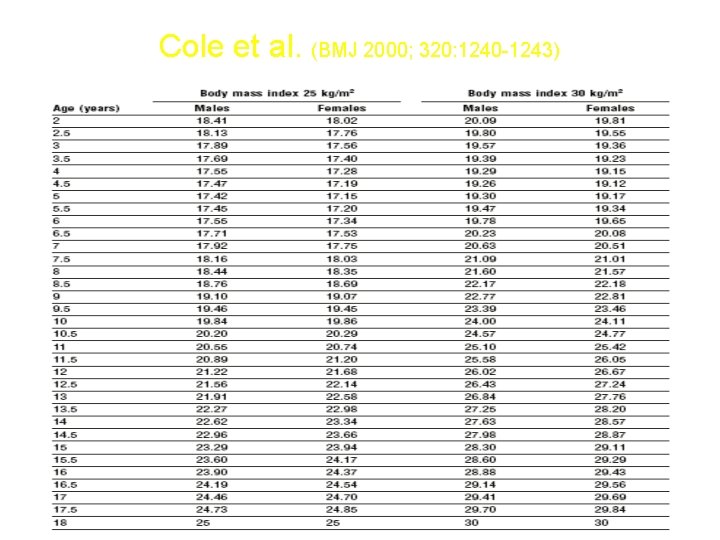
Obesity in children • Growth charts • BMI-for-age reference charts • “International standard” BMI-for-age: - Cole et al. (BMJ 2000; 320: 1240 -1243) - Combined sample of seven countries - By tracking the percentile representing a BMI of 25 kg/m 2 and 30 kg/m 2 at 18 years backthrough to birth. - It’s use will provide a standard definition and enable meaningful comparisons to be made between countries.
Cole et al. (BMJ 2000; 320: 1240 -1243)
Cole et al. (BMJ 2000; 320: 1240 -1243)
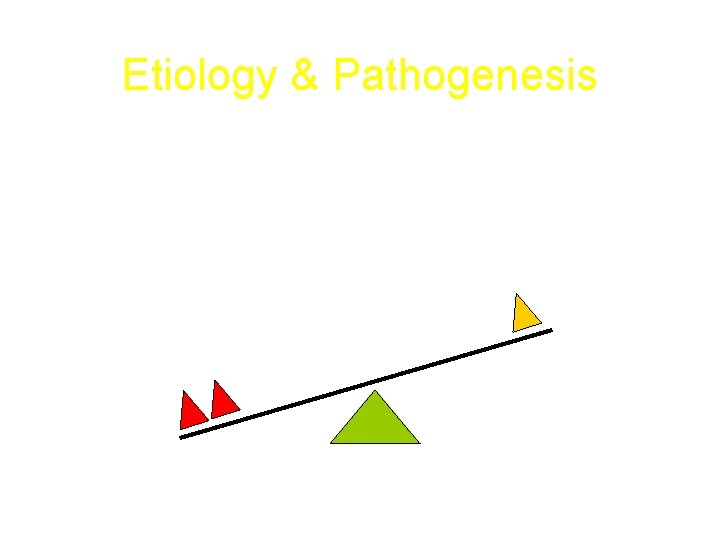
Etiology & Pathogenesis • Multifactorial • Biochemical/Dietary/behavioral pathways. • Imbalance between energy intake and energy expenditure Caloric intake Diet composition Energy expenditure
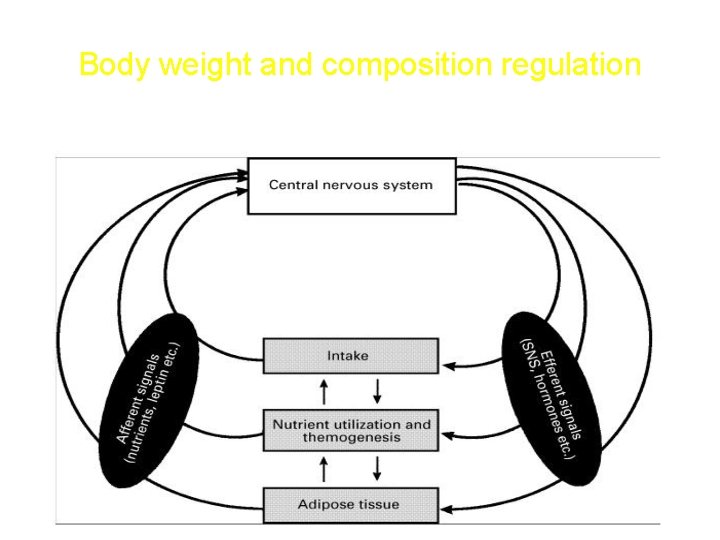
Body weight and composition regulation
Hypothalamic modulators of food intake Orexigenic Anorexigenic NPY CART AGRP CCK MCH CRH Galanin MSH Orexin Insulin Ghrelin GLP-1 Noradrenaline PYY 3 -36 Endocannabinoids Leptin к Opioids Urocortin Neurotransmitters Bombesin

Etiology & Pathogenesis • • Body weight is ultimately determined by the interaction of: Genetic Environmental and Psychosocial factors Acting through several physiological mediators of food intake and energy expenditure 1997; Cooling et al. 1998; Weinsier et al. 1998). (Jebb,
Etiological classification of obesity • • • Neuroendocrine disease Drug-induced Dietary Reduced energy expenditure Genetic factors
Neuroendocrine obesity • • Ventromedial hypothalamus damage: Tumors Inflammatory lesions Other hypothalamic disease Cushing disease
Drug-induced obesity • • Hyperinsulinism Insulin Sulfonylureas Antidepressants Antiepileptics Neuroleptics
Dietary obesity • High carbohydrate diet • Hi fat diet
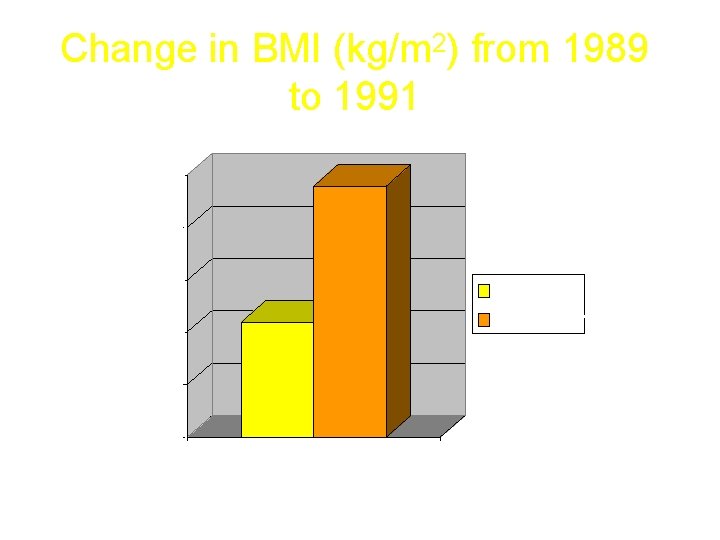
Change in BMI (kg/m 2) from 1989 to 1991 0. 25 0. 2 0. 15 0. 1 LO FAT HIGH FAT 0. 05 0 S Paeratakul, et al. Int J Obesity (1998) 22, 424 -431
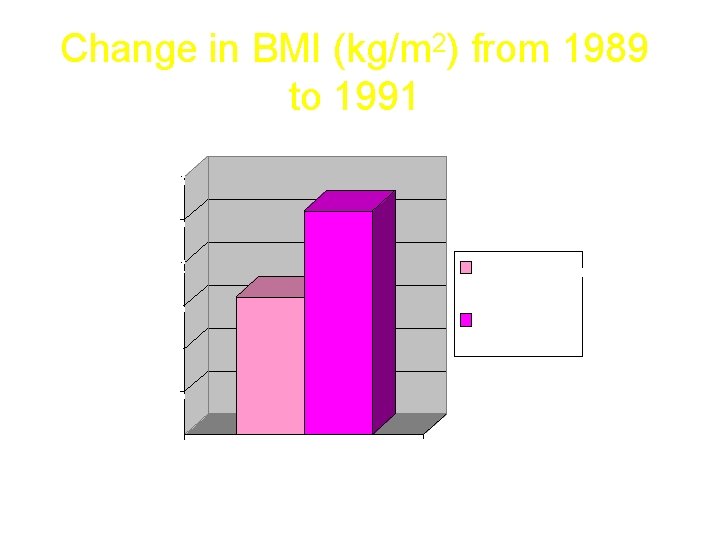
Change in BMI (kg/m 2) from 1989 to 1991 0. 3 0. 25 0. 2 0. 15 Same or Inc. P/E Dec. P/E 0. 1 0. 05 0 S Paeratakul, et al. Int J Obesity (1998) 22, 424 -431
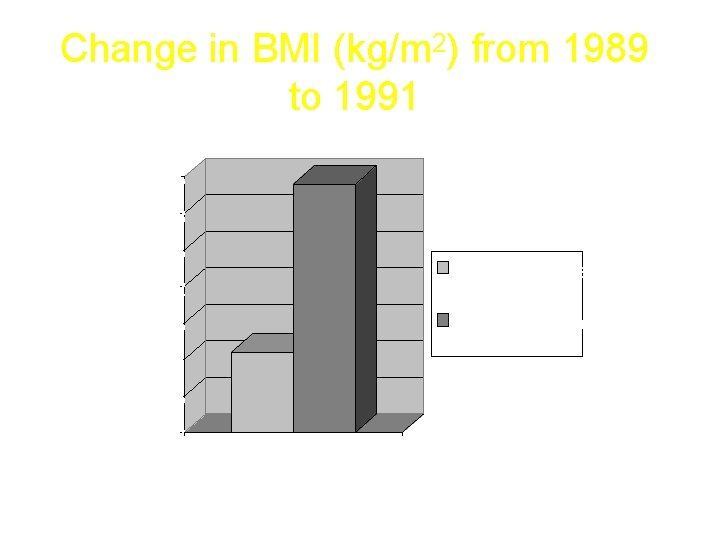
Change in BMI (kg/m 2) from 1989 to 1991 0. 35 0. 3 0. 25 0. 2 0. 15 0. 1 LO fat & same or inc. P/E HIGH fat & dec P/E 0. 05 0 S Paeratakul, et al. Int J Obesity (1998) 22, 424 -431

Energy expenditure • - Resting metabolism: 800 to 900 kcal/m 2/24 hr Females < Males Declines with age • Physical exercise: - ~ 1/3 of daily energy expenditure - Most easily manipulated

Energy expenditure • Dietary thermogenesis (thermic effect of food): - Energy expenditure which follow the ingestion of meal - May dissipate ~ 10% of the ingested calories - In the obese, thermic effects of food are reduced (especially in patients with diabetes) • Adaptive thermogenesis: - With acute over – or underfeeding - Shift in overall metabolism as large as 20%
Genetic factors in obesity • - Dysmorphic or syndromic obesity: Bardet-Biel syndrome Alström syndrome Carpenter syndrome Cohen syndrome Prader-Willi syndrome
Genetic factors in obesity • • Single-gene cause of obesity: Leptin and leptin gene deficiency POMC deficiency Genetic defects with nonsyndromic obesity: - Melanocortin receptor system abnormalities
Genetic factors in obesity • Genetic susceptibility to obesity: - If both parents are obese ~ 80% of the offspring will be obese - If only one parent ~ 10% of the offspring will be obese - Studies with identical twins: - Hereditary factors account ~ 70% - Environmental (diet, physical inactivity, or both) account ~ 30% of the variation in the body weight
Genetic factors in obesity • The notion that obesity is a genetic disorder is misleading: - The prevalence of obesity has increased markedly, world-wide, in recent years, yet genes have not changed. - Changes occur within population when migration occurs. Phenotypic expression of genes for obesity are environment specific Obesity is a disorder of gene-environment interaction
METABOLIC CONSEQUENCES O F DELETING THE MITOCHONDRIAL GLYCEROL 3 PHOSPHATE DEHYDROGENASE GENE IN MICE
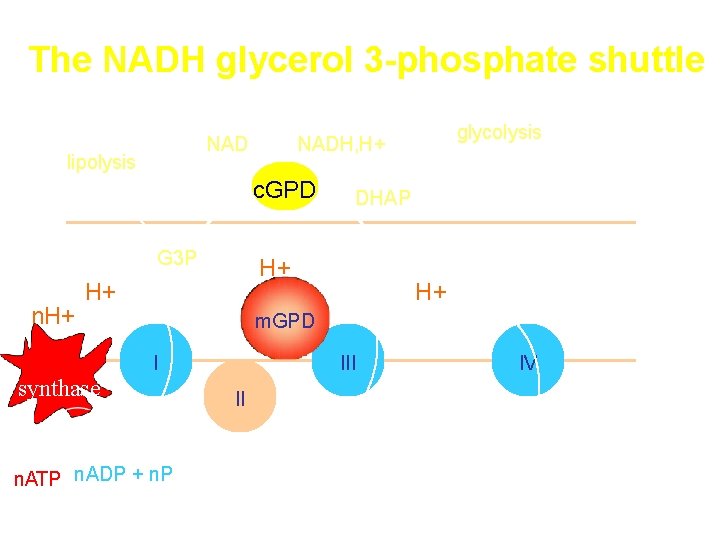
The NADH glycerol 3 -phosphate shuttle NAD lipolysis c. GPD G 3 P n. H+ ATP synthase Cytoplasm DHAP H+ H+ glycolysis NADH, H+ H+ m. GPD I III IV II Mitochondrial Matrix n. ATP n. ADP + n. P
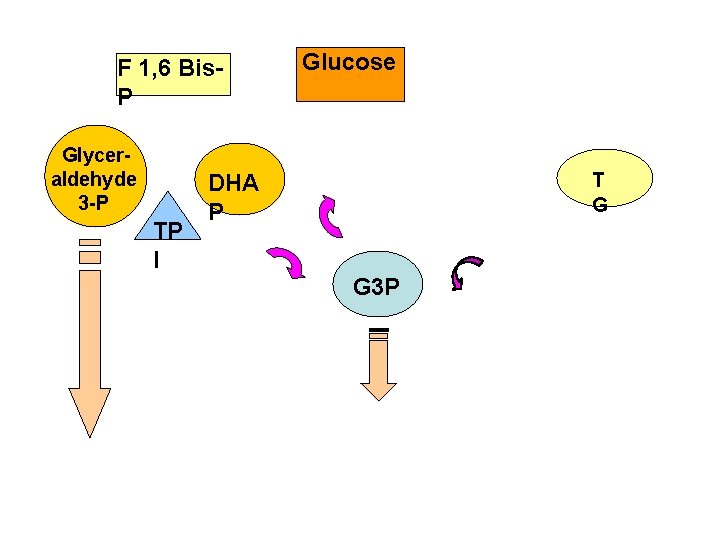
F 1, 6 Bis. P Glyceraldehyde 3 -P TP I DHA P FADH 2 m. GPD FAD NADH+H+ c. GPD NAD Transfers electrons to the respiratory chain Glucose + Glycerol GK G 3 P TRIGLYCERID ES GLYCOLYSIS AT P ADP T G FF A

Objectives We studied the consequences of deleting the m. GPD gene regarding: • Responses to fat- or carbohydrate-rich diets. • Tolerance and responses to caloric restriction and fasting.
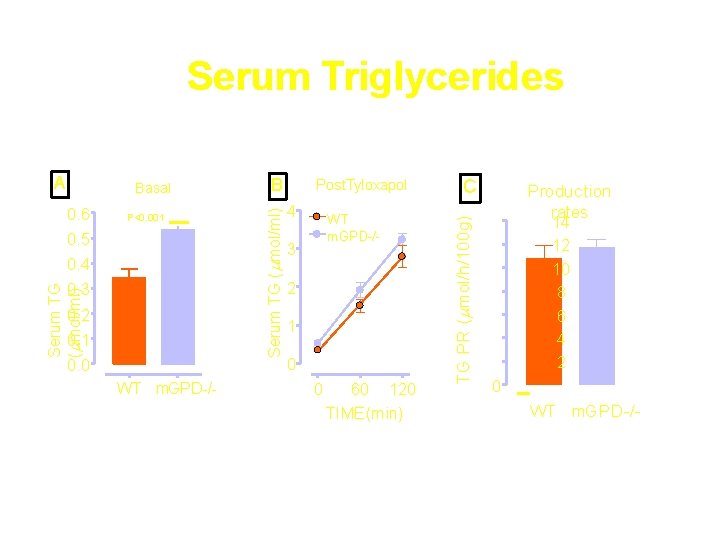
Serum Triglycerides 0. 6 P<0. 001 0. 5 0. 4 Serum TG ( mol/ml) 0. 3 0. 2 0. 1 0. 0 WT m. GPD-/- B Post. Tyloxapol 4 WT m. GPD-/- 3 2 1 0 0 60 120 TIME(min) C TG PR ( mol/h/100 g) Basal Serum TG ( mol/ml) A Production rates 14 12 10 8 6 4 2 0 WT m. GPD-/- Alfadda, et al. Am J Phy Reg Comp Phy 287: R 147 -R 156, 2004
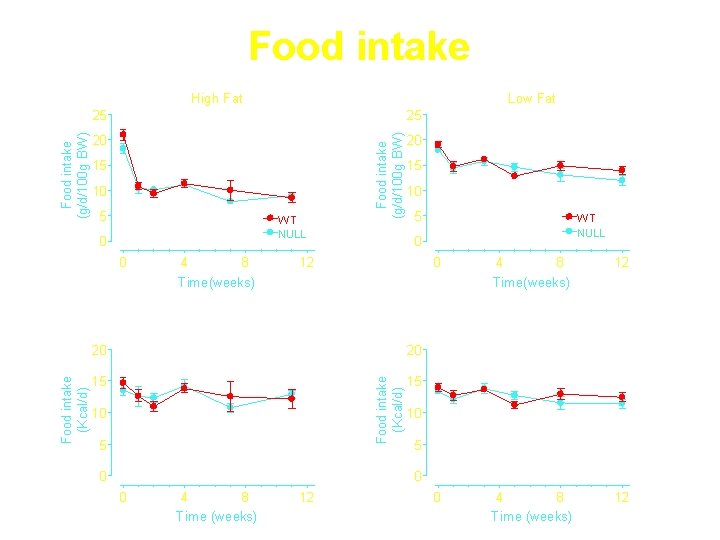
Food intake High Fat Low Fat 25 20 15 10 5 WT NULL 0 4 8 Time(weeks) 20 15 10 5 12 20 20 15 15 10 5 WT NULL 0 Food intake (Kcal/d) 0 Food intake (g/d/100 g BW) 25 0 4 8 Time(weeks) 12 0 4 8 Time (weeks) 12 10 5 0 0 0 4 8 Time (weeks) 12
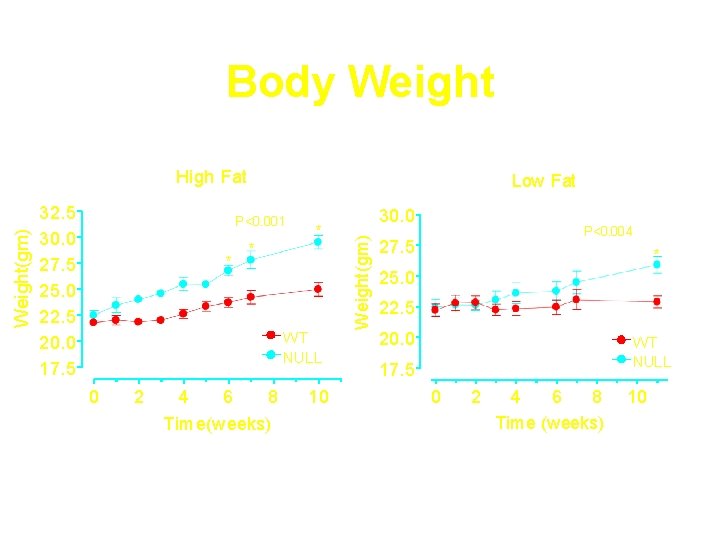
Body Weight 32. 5 30. 0 27. 5 25. 0 22. 5 20. 0 17. 5 Low Fat P<0. 001 * * * WT NULL 0 2 4 6 8 Time(weeks) 10 30. 0 Weight(gm) High Fat P<0. 004 27. 5 * 25. 0 22. 5 20. 0 WT NULL 17. 5 0 2 4 6 8 Time (weeks) 10 Alfadda, et al. Am J Phy Reg Comp Phy 287: R 147 -R 156, 2004
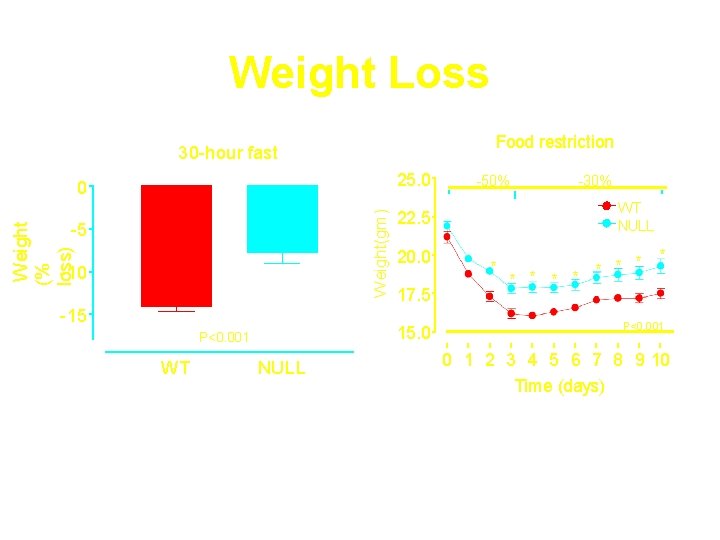
Weight Loss Food restriction 30 -hour fast 25. 0 Weight(gm) 0 Weight (% loss) -5 -10 -15 WT 20. 0 17. 5 NULL -30% WT NULL 22. 5 15. 0 P<0. 001 -50% * * * * * P<0. 001 0 1 2 3 4 5 6 7 8 9 10 Time (days) Alfadda, et al. Am J Phy Reg Comp Phy 287: R 147 -R 156, 2004
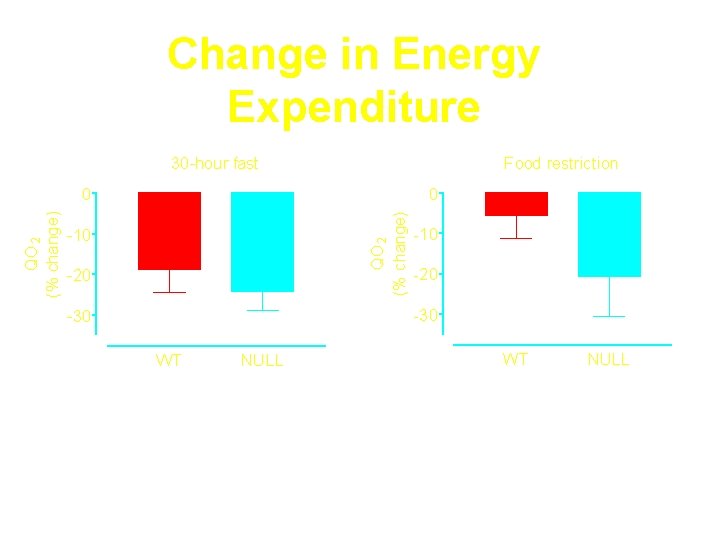
Change in Energy Expenditure 30 -hour fast Food restriction 0 QO 2 (% change) 0 -10 -20 -30 WT NULL Alfadda, et al. Am J Phy Reg Comp Phy 287: R 147 -R 156, 2004
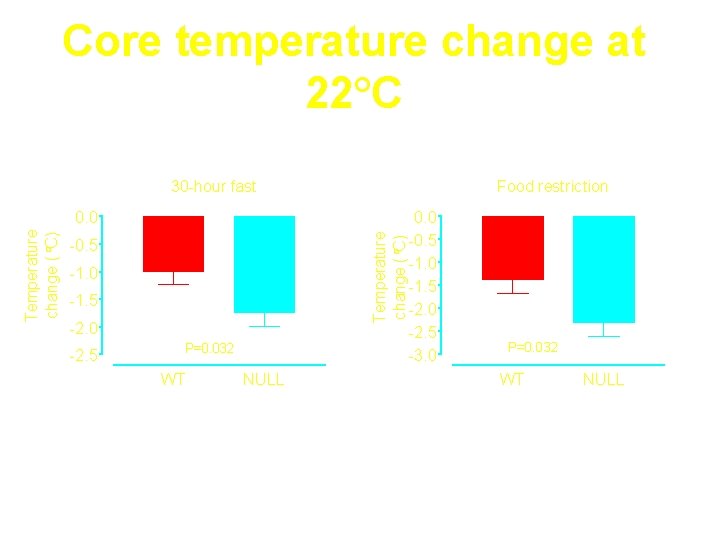
Core temperature change at 22°C Food restriction 30 -hour fast 0. 0 -0. 5 -1. 0 -1. 5 -2. 0 -2. 5 -3. 0 Temperature change ( C) 0. 0 -0. 5 -1. 0 -1. 5 -2. 0 -2. 5 P=0. 032 WT NULL Alfadda, et al. Am J Phy Reg Comp Phy 287: R 147 -R 156, 2004

Conclusions Thus, The m. GPD can be considered a spendthrift enzyme that significantly contributes to obligatory thermogenesis Alfadda, et al. Am J Phy Reg Comp Phy 287: R 147 -R 156, 2004

Conclusions • The m. GPD gene may play a role in the development of obesity if we consider the readiness with which some patients gain weight, and the difficulties the have to lose weight when undergoing a low calorie diets Alfadda, et al. Am J Phy Reg Comp Phy 287: R 147 -R 156, 2004
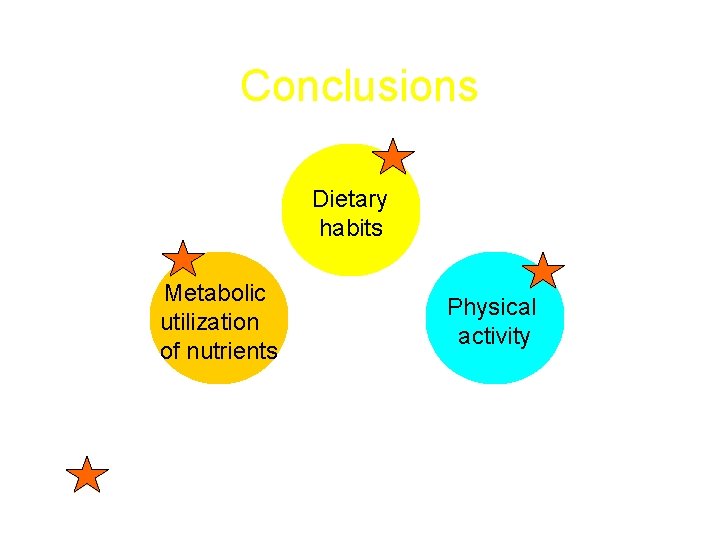
Conclusions Dietary habits Metabolic utilization of nutrients Physical activity Factors participating in body-weight maintenance • = Susceptibility genes
Obesity Management
Diet • Careful Training in : Selection of lower fat, lower carb foods Modified food guide pyramid Increase fruits & vegetables Lower fat preparation techniques Estimation of portion size
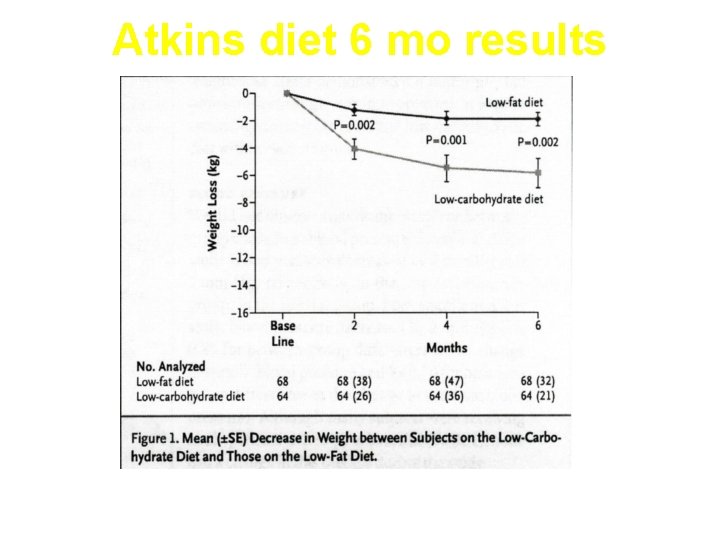
Atkins diet 6 mo results BMI 42. 9, 40% diabetic. TG, insulin, glucose; p<0. 01. NEJM 2003; 348: 2074
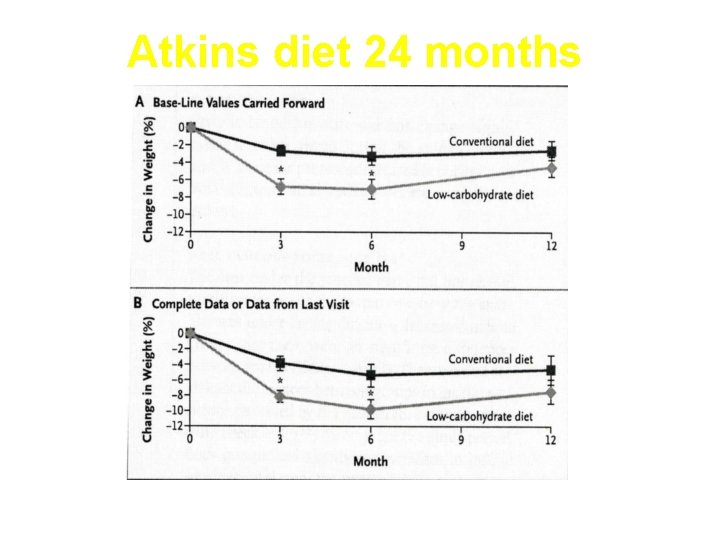
Atkins diet 24 months 33 each group; 1/3 dropouts; no diabetics, BMI 33; G HDL NEJM 2003; 348: 2082
Dangers of Atkins diet • High saturated fat and cholesterol: CVD • High protein: decline in renal function, urinary calcium losses (osteoporosis) • Lack of fiber: increase colon cancer risk • Avoidance of carbs results in decreased intakes of essential vitamins (thiamin, folate, B 6) and anti-oxidant phytochemicals
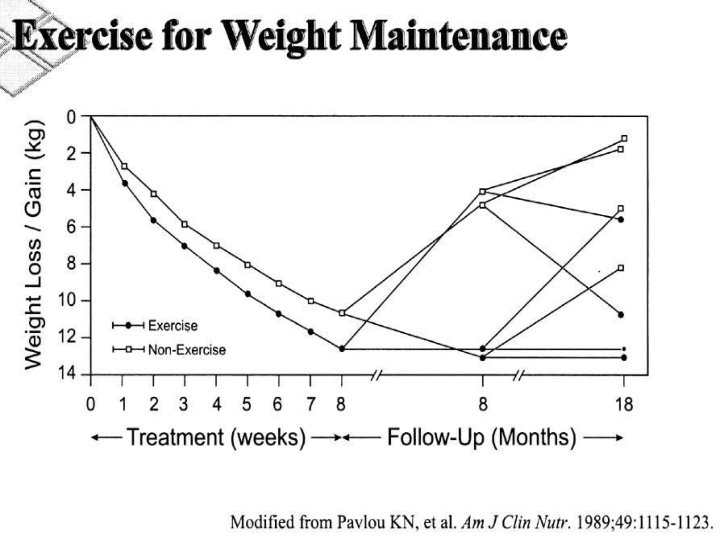

Orlistat • • - A lipase inhibitor, reduces the absorption of dietary fat Lowers Cholesterol (4 -11%) & LDL (5 -10%) Major C/I: Chronic malabsorption syndrome Cholestasis Pregnancy and breast feeding Dose: 120 mg/ immediately before, during, or up to 1 hour after each main meal (up to max. 360 mg/day) - Max. period of treatment is 2 year
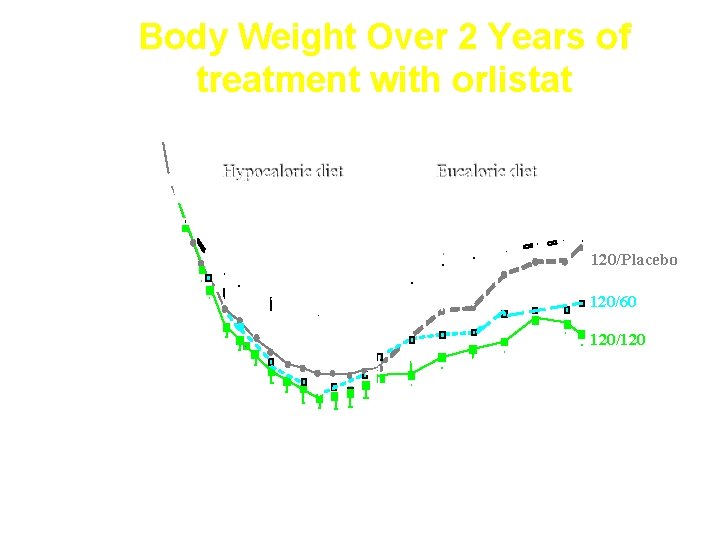
Body Weight Over 2 Years of treatment with orlistat % change from initial weight 0 Year 2: Eucaloric diet Year 1: Hypocaloric diet -2 Placebo/Placeb o 120/Placebo -4 -6 120/60 -8 120/120 -12 -4 0 16 32 48 Week 64 80 104 JAMA. 1999; 281: 235 -242
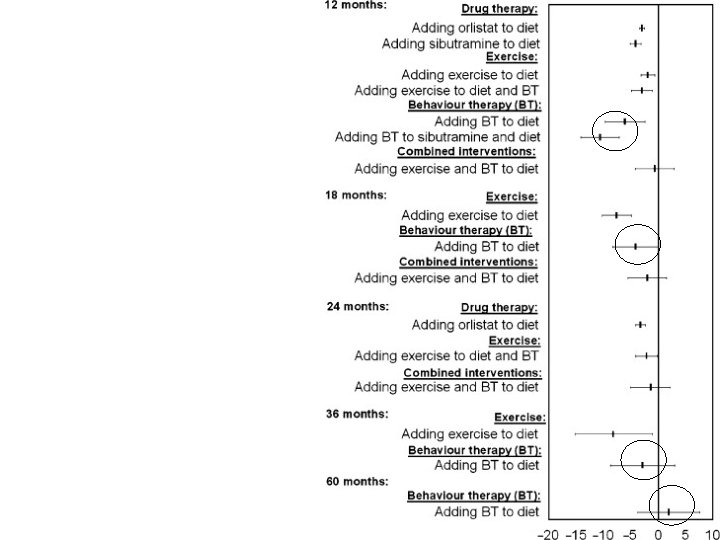
What interventions should we add to weight reducing diets in adults with obesity? A systematic review of randomized controlled trials of adding drug therapy, exercise, behaviour therapy or combinations of these interventions Avenell, at al. The British Dietetic Association Ltd 2004. J Hum Nutr Dietet, 17, pp. 293– 316

For Those Who Don’t Lose Weight • Reassess: -Understanding and compliance with diet, physical activity, and drug regimen - Accuracy of weight recordings - Possible Fluid retention (salt intake, etc) - Changes in medical condition - Motivation for change - Social and personal stress - Is the provider of health care the root of the problem ?

For Those Who Don’t Lose Weight and There is no Cause Except Noncompliance with Diet & Exercise • Consider changing medication • consider referral to: Dietitian Behavioral counselor Exercise professional • Reconsider goal: i. e. simple maintenance or a rest from weight loss efforts • Discuss surgical options if medically or psychologically indicated
Obesity Surgery
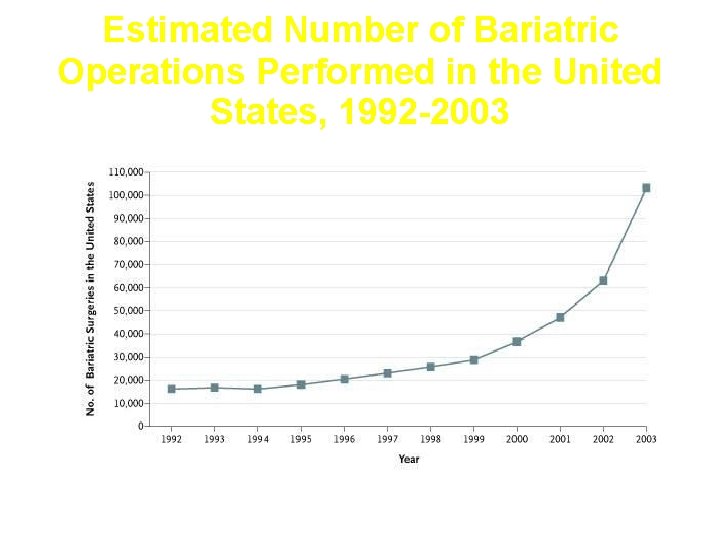
Estimated Number of Bariatric Operations Performed in the United States, 1992 -2003 Steinbrook, R. N Engl J Med 2004; 350: 1075 -1079
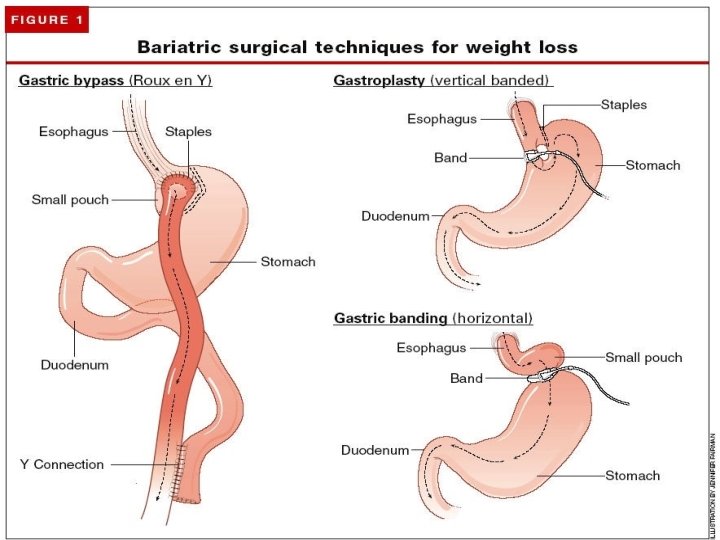
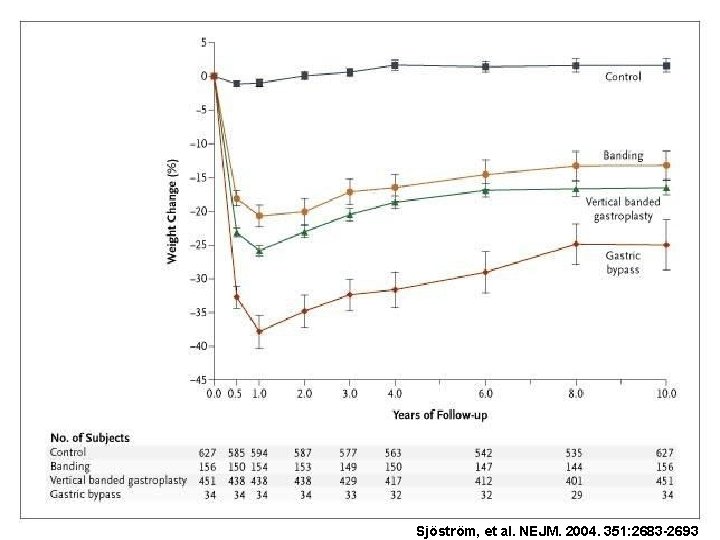
Sjöström, et al. NEJM. 2004. 351: 2683 -2693
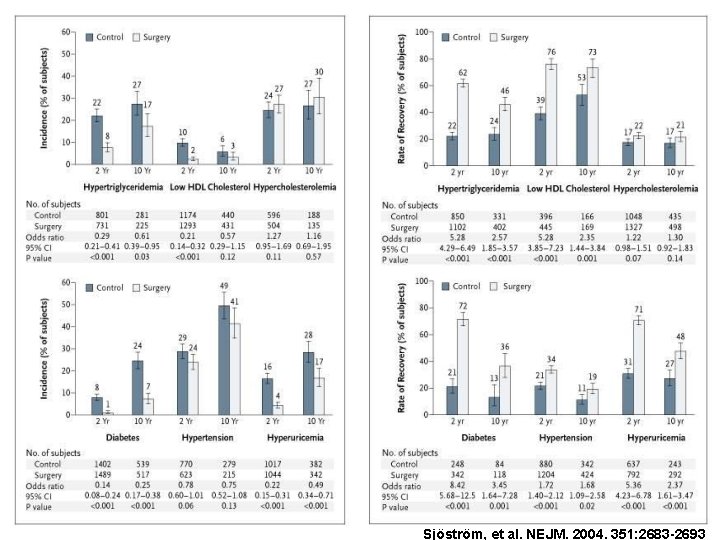
Sjöström, et al. NEJM. 2004. 351: 2683 -2693
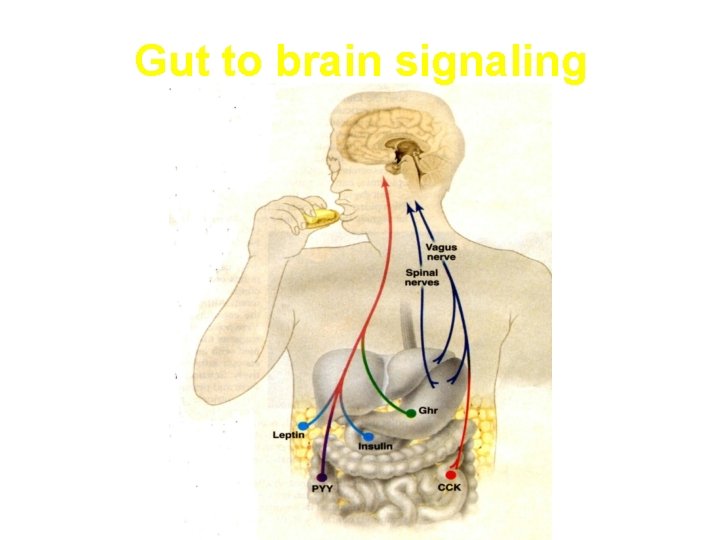
Gut to brain signaling

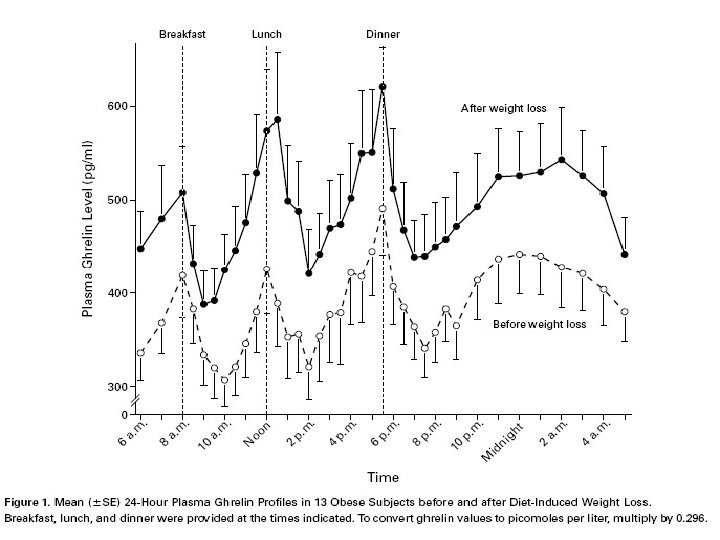
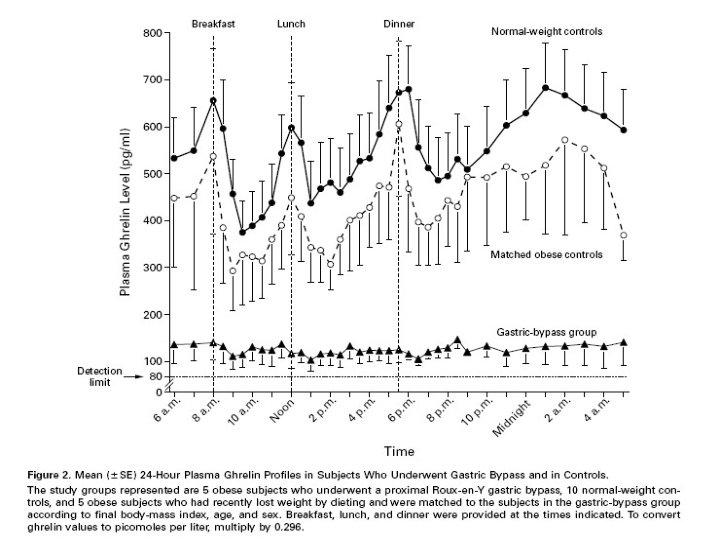
Ghrelin • Ghrelin is a recently discovered orexigenic hormone • Secreted primarily by the stomach and duodenum • Has been implicated in both mealtime hunger and the long-term regulation of body weight
![(A) Acute effects of intraperitoneally administered [D-Lys-3]-GHRP-6 (200 nmol/mouse) on cumulative food intake in](http://slidetodoc.com/presentation_image_h2/2069047792f80f14249b04067b45db48/image-70.jpg "(A) Acute effects of intraperitoneally administered [D-Lys-3]-GHRP-6 (200 nmol/mouse) on cumulative food intake in")
(A) Acute effects of intraperitoneally administered [D-Lys-3]-GHRP-6 (200 nmol/mouse) on cumulative food intake in food deprived ob/ob obese mice: *p<0. 05, **p<0. 01 compared with physiological saline treated controls. (B) Chronic effects of [D-Lys- 3]-GHRP-6 administered intraperitoneally (20– 200 nmol/mouse every 12 hours for six days) on body weight gain innon-food deprived ob/ob obese mice. Asakawa et al. Gut. 52 (7): 947. (2003)

- Slides: 71