
Objectives Explain the elements of project management and

Objectives Explain the elements of project management and the responsibilities of a project manager Describe how the UP disciplines of business modeling and environment relate to the inception phase Describe the project management activities that are done during the inception phase Develop a project schedule using a work breakdown structure (WBS) and PERT and Gantt charts Object-Oriented Analysis and Design with the Unified Process 2
Objectives (continued) Use Microsoft Project to build the project schedule Perform a risk analysis of potential project risks Develop a cost/benefit analysis using net present value calculations List the key deliverables and activities of the end of the inception phase Discuss three techniques for monitoring and controlling a system development project Object-Oriented Analysis and Design with the Unified Process 3
Overview Unified Process (UP) development methodology ◦ Consists of phases, iterations, and disciplines ◦ Provides framework for project definition and execution Project management: critical support discipline Project Management prominent in inception phase Tasks include monitoring and controlling projects Object-Oriented Analysis and Design with the Unified Process 4
Project Management Development project artifacts (products) ◦ Development of a new software system ◦ Enhancement or upgrade of an existing system ◦ Integration of software into existing environment Projects constrained by schedule and resources Project novelty presents great challenges ◦ Different products are produced ◦ Different activities required for varying schedules ◦ Different resources are used Object-Oriented Analysis and Design with the Unified Process 5
Project Success Factors Development projects produce software systems Projects are wide ranging ◦ Simple Web sites ◦ Implementation of real-time business applications Issues complicating project management ◦ Sophisticated business needs ◦ Changing technology ◦ Integrating OS, support programs, and new systems Project success rate very low: 28 percent as of 2000 Object-Oriented Analysis and Design with the Unified Process 6
The Role of the Project Manager Project manager coordinates project development Specifications in a detailed plan at project inception ◦ Activities that must take place ◦ The deliverables that must be produced ◦ Resources needed Project manager accountable for success or failure Project manager has internal/external responsibilities Many career paths lead to project management Object-Oriented Analysis and Design with the Unified Process 7
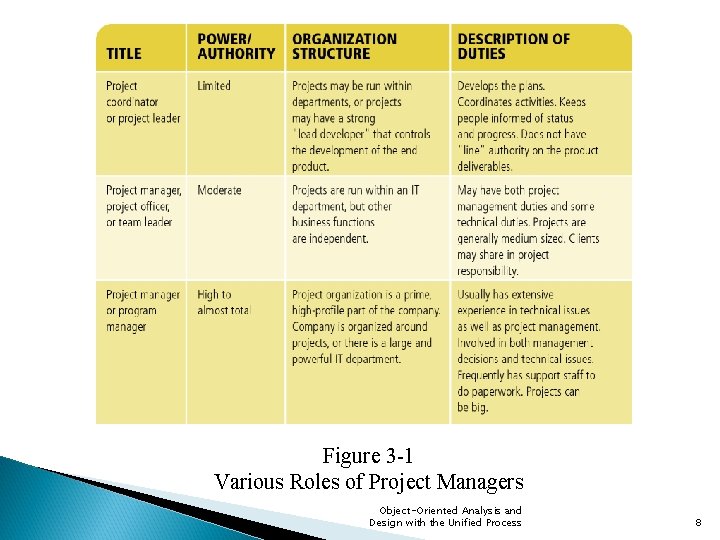
Figure 3 -1 Various Roles of Project Managers Object-Oriented Analysis and Design with the Unified Process 8
Project Management Knowledge Areas The Project Management Institute (PMI) ◦ Professional organization promotes project management ◦ PMI provides extensive support material and training ◦ Defines specialist’s body of knowledge (BOK) PMBOK organized into nine knowledge areas PMBOK principles to be applied to iteration activities Object-Oriented Analysis and Design with the Unified Process 9
Project Management within the Unified Process Project management is a support business discipline Project management tasks prominent at inception Other important disciplines of inception phase ◦ ◦ Business modeling Environment Requirements Design Object-Oriented Analysis and Design with the Unified Process 10
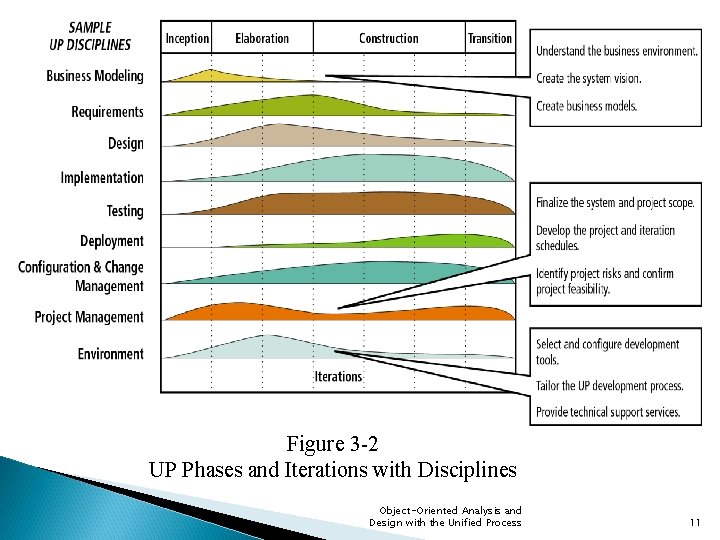
Figure 3 -2 UP Phases and Iterations with Disciplines Object-Oriented Analysis and Design with the Unified Process 11
The Unified Process and the Inception Phase Inception phase of the UP has (5) objectives ◦ Identify the business need for the project ◦ Establish the vision for the solution ◦ Identify scope of the new system and the project ◦ Develop preliminary schedules and cost estimates ◦ Develop the business case for the project Inception phase may be completed in one iteration Object-Oriented Analysis and Design with the Unified Process 12
Business Modeling and the Inception Phase Primary purpose: understand business needs Chief activities ◦ Understand the business environment ◦ Create the system vision ◦ Create business models Business modeling interwoven with requirements Object-Oriented Analysis and Design with the Unified Process 13
Understanding the Business Environment Objective: understand project operational context Initial document: statement of business problem Two follow-up activities ◦ Considering needed interfaces to other systems ◦ Evaluating existing architecture Criticality of performing stakeholder analysis Stakeholders: people with an interest in the system ◦ Users, sponsors and support staff Object-Oriented Analysis and Design with the Unified Process 14
The Stakeholders for Rocky Mountain Outfitters Identify all of the stakeholders Most important executive stakeholders ◦ RMO project sponsor: VP William Mc. Dougal ◦ Executive stakeholders: John and Liz Blankens Other stakeholders ◦ Operational users such as sales reps and mail ◦ Warehouse workers ◦ Technical staff Object-Oriented Analysis and Design with the Unified Process 15
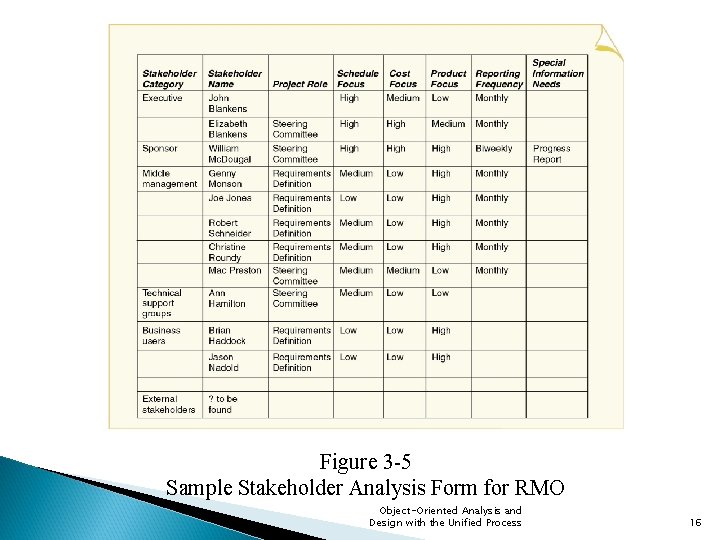
Figure 3 -5 Sample Stakeholder Analysis Form for RMO Object-Oriented Analysis and Design with the Unified Process 16
Creating the System Vision Purpose: justify strategic importance of new system Clear vision statement includes (3) essential pieces ◦ Precisely specified objective(s) ◦ Concrete (dollar value) benefits tailored to sponsors ◦ System capabilities meeting objective(s) Project charter: defines need, objective, benefits, scope ◦ System vision ◦ Statement of business need ◦ Stakeholder analysis form Object-Oriented Analysis and Design with the Unified Process 17
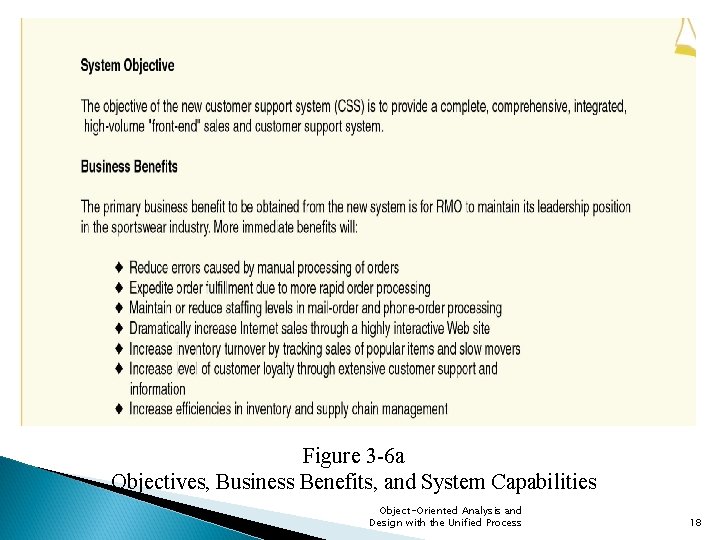
Figure 3 -6 a Objectives, Business Benefits, and System Capabilities Object-Oriented Analysis and Design with the Unified Process 18
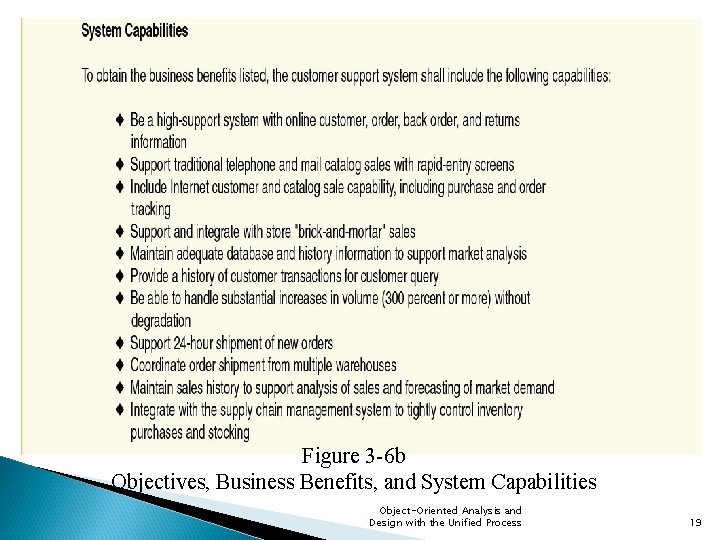
Figure 3 -6 b Objectives, Business Benefits, and System Capabilities Object-Oriented Analysis and Design with the Unified Process 19
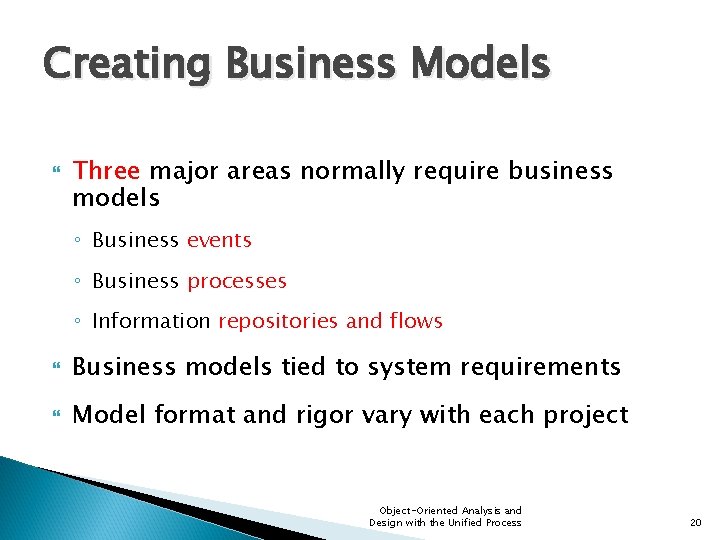
Creating Business Models Three major areas normally require business models ◦ Business events ◦ Business processes ◦ Information repositories and flows Business models tied to system requirements Model format and rigor vary with each project Object-Oriented Analysis and Design with the Unified Process 20
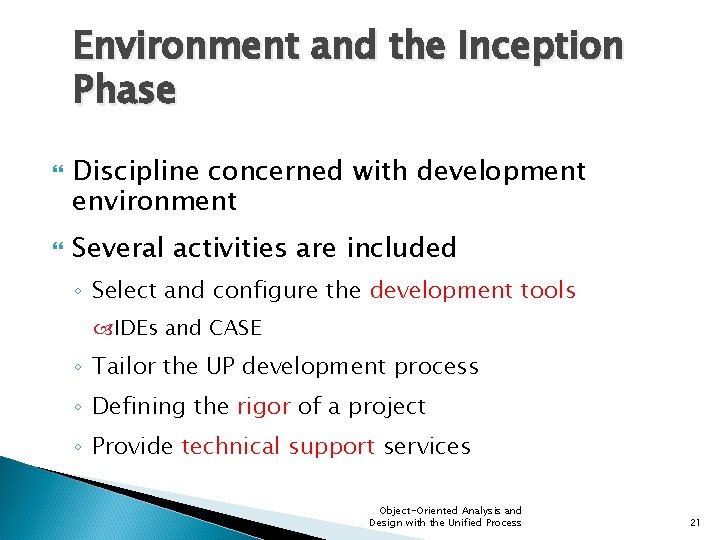
Environment and the Inception Phase Discipline concerned with development environment Several activities are included ◦ Select and configure the development tools IDEs and CASE ◦ Tailor the UP development process ◦ Defining the rigor of a project ◦ Provide technical support services Object-Oriented Analysis and Design with the Unified Process 21
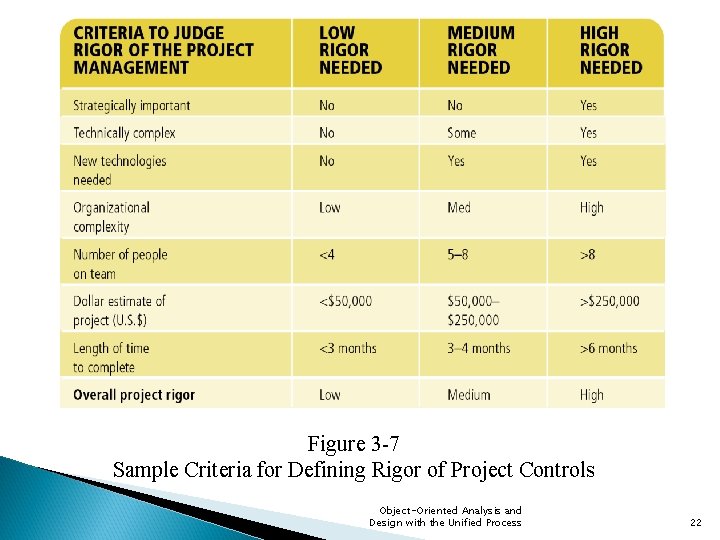
Figure 3 -7 Sample Criteria for Defining Rigor of Project Controls Object-Oriented Analysis and Design with the Unified Process 22
Finalizing the System and Project Scope System scope: defines capabilities of new system Project scope: describes how project is to be built ◦ Provides disposition toward staff training ◦ Provides data conversion information ◦ Sets parameters for quality control System scope is part of the larger project scope Essential use case model helps delineate scope Essential use case list attached to the project Object-Oriented Analysis and Design with the Unified Process 23
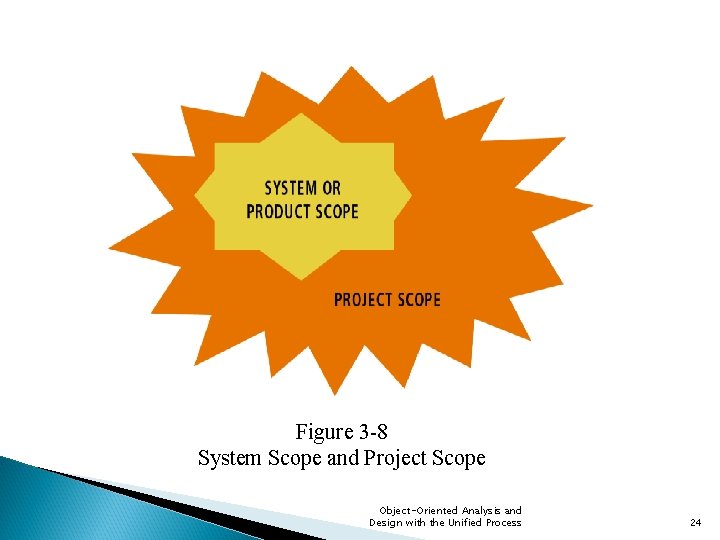
Figure 3 -8 System Scope and Project Scope Object-Oriented Analysis and Design with the Unified Process 24
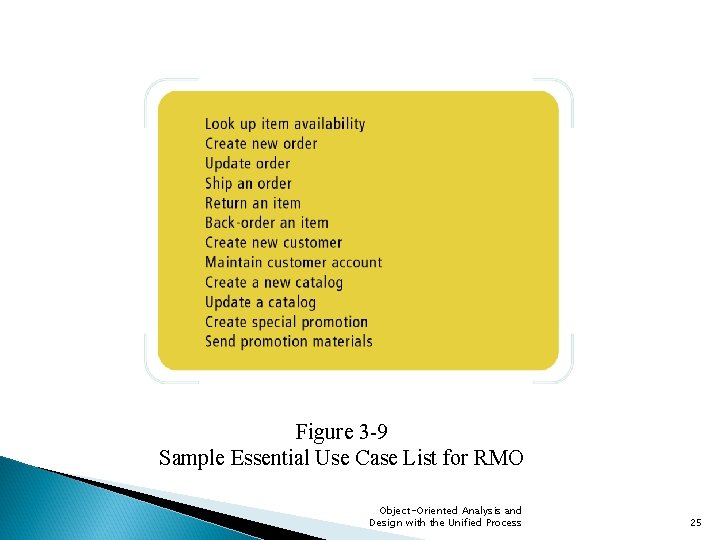
Figure 3 -9 Sample Essential Use Case List for RMO Object-Oriented Analysis and Design with the Unified Process 25
Developing the Project and Iteration Schedule Development team sets schedule for project and iterations Tasks involved in scheduling: ◦ Develop the work breakdown structure (WBS) ◦ Develop the schedule ◦ Develop resource requirements and staffing plan Object-Oriented Analysis and Design with the Unified Process 26
Developing the WBS Two general approaches for building a WBS ◦ By deliverable timeline ◦ By a sequential timeline Four techniques for identifying WBS tasks ◦ ◦ Top-down: Identify major activities first Bottom-Up: List all tasks first and organize later Template: Use standard template of tasks Analogy: Copy tasks of similar completed project Object-Oriented Analysis and Design with the Unified Process 27
Developing the Schedule Project schedule orders all activities and tasks Building the schedule ◦ Identify dependencies between the tasks on WBS ◦ Estimate the effort that each task will require Dependencies: identify related tasks ◦ Finish-start relationships ◦ Start-start relationships ◦ Finish-finish relationships Scheduling tool: Microsoft Project Object-Oriented Analysis and Design with the Unified Process 28
Entering the WBS into MS Project Two types of charts used to show project schedule ◦ PERT/CPM chart ◦ Gantt chart Charts show same information in different formats Key metrics ◦ Critical path ◦ Slack time, or float ◦ Milestones Object-Oriented Analysis and Design with the Unified Process 29
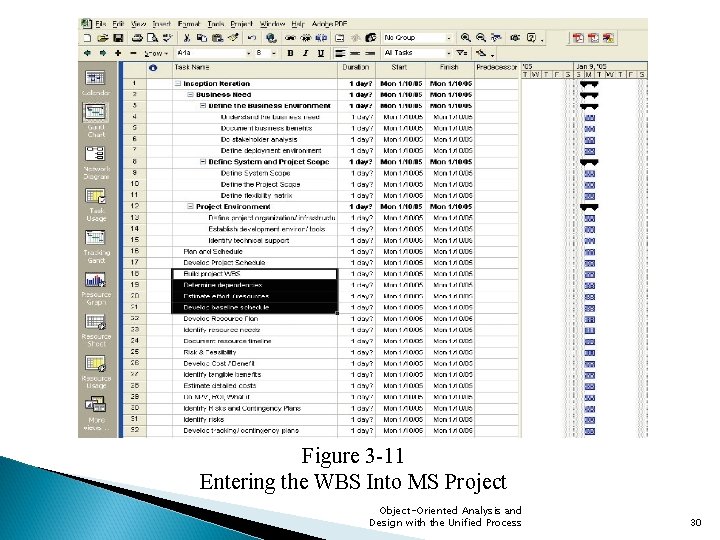
Figure 3 -11 Entering the WBS Into MS Project Object-Oriented Analysis and Design with the Unified Process 30
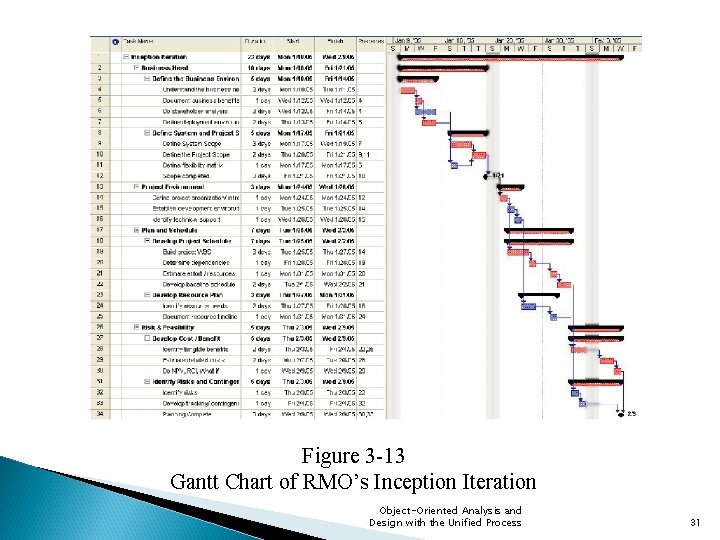
Figure 3 -13 Gantt Chart of RMO’s Inception Iteration Object-Oriented Analysis and Design with the Unified Process 31
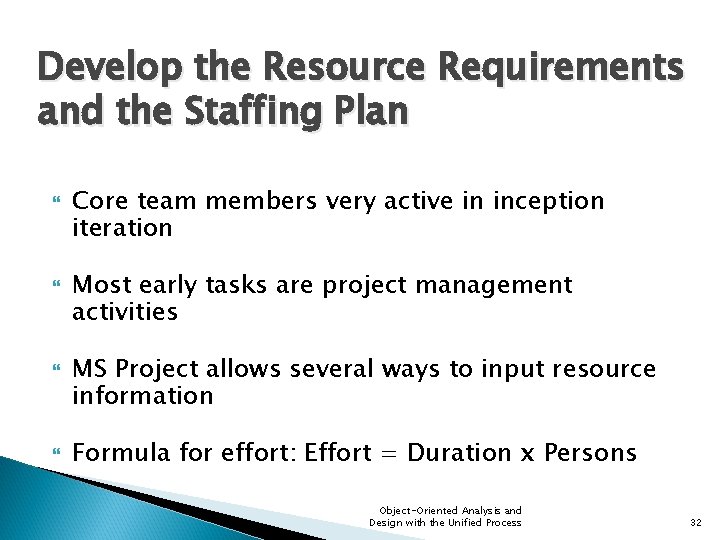
Develop the Resource Requirements and the Staffing Plan Core team members very active in inception iteration Most early tasks are project management activities MS Project allows several ways to input resource information Formula for effort: Effort = Duration x Persons Object-Oriented Analysis and Design with the Unified Process 32
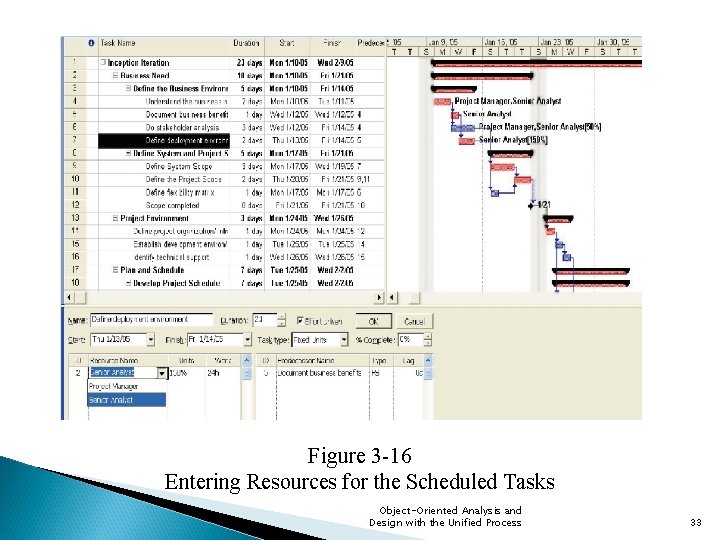
Figure 3 -16 Entering Resources for the Scheduled Tasks Object-Oriented Analysis and Design with the Unified Process 33
Identify Project Risks and Confirm Project Feasibility analysis: verifies project viability Activities used to evaluate a project’s feasibility ◦ ◦ ◦ Assess the risk to the project (risk management) Determine the organizational/cultural feasibility Evaluate the technological feasibility Determine the schedule feasibility Assess the resource feasibility Perform cost/benefit (economic) analysis Object-Oriented Analysis and Design with the Unified Process 34
Assessing the Risks to the Project (Risk Management) Feasibility analysis also includes risk management Risk management: identify potential trouble spots Organize potential problems in risk matrix Project manager bases two strategies on matrix ◦ Preventing the negative event ◦ Developing a contingency plan Object-Oriented Analysis and Design with the Unified Process 35
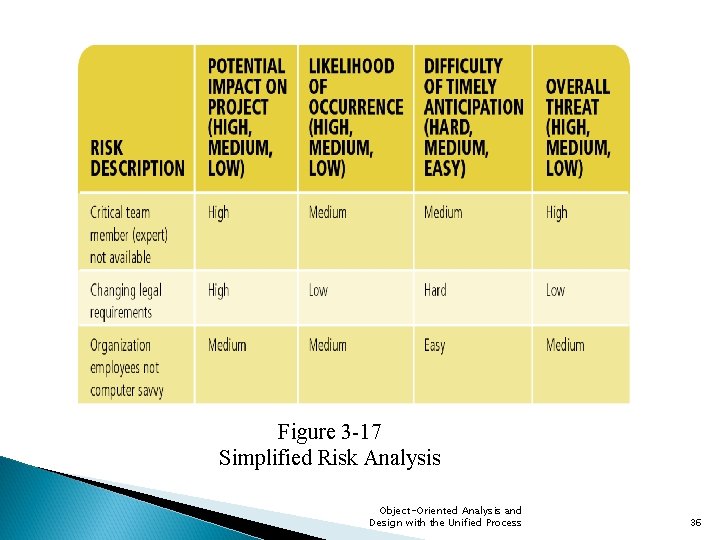
Figure 3 -17 Simplified Risk Analysis Object-Oriented Analysis and Design with the Unified Process 36
Determining Organizational and Cultural Feasibility Identify organizational and cultural risks Some potential human risks impacting new system ◦ Low level of computer competency among employees ◦ Perceived shifting of organizational power ◦ Fear of employment loss due to increased automation ◦ Reversal of long-standing work procedures One way to counter risks: training sessions Object-Oriented Analysis and Design with the Unified Process 37
Evaluating the Technological Feasibility Staffing should have technological proficiency Solutions to problem are straightforward ◦ Provide additional training ◦ Hire consultants ◦ Hire more experienced employees ◦ Possibly alter scope and approach of the project Realistic assessments speedup corrective response Object-Oriented Analysis and Design with the Unified Process 38
Determining the Schedule Feasibility Development of project schedule involves high risk Assumptions and estimates made without adequate information Adaptive projects very susceptible to schedule risks Project managers use milestones to evaluate pace and compensate for slippage Contingency plans help reduce the risk of slippage Object-Oriented Analysis and Design with the Unified Process 39
Assessing the Resource Feasibility Human and other resources to assess Primary resource consists of team members Systems analysts, system technicians, users ◦ Support staff ◦ Computer resources and physical facilities Factors adversely impacting human resource ◦ Lack of required people skill sets ◦ Relocations or departures Object-Oriented Analysis and Design with the Unified Process 40
Determining the Economic Feasibility Economic feasibility consists of two questions ◦ Does anticipated value of benefits exceed project costs? ◦ Is there adequate cash flow to fund the project? Cost/benefit analysis determines economic feasibility Developing cost/benefit analysis is a three-step process ◦ Estimate anticipated development and operational costs ◦ Estimate the anticipated financial benefits ◦ Subtract costs from benefits MS Project supports cost/benefit analysis Object-Oriented Analysis and Design with the Unified Process 41
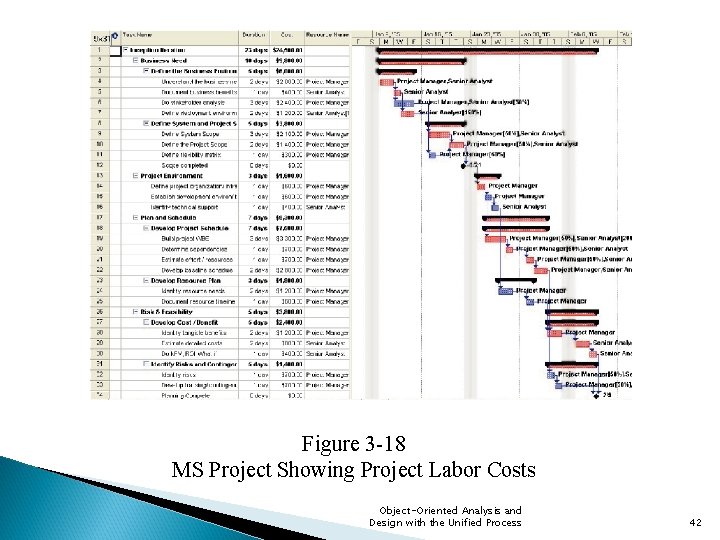
Figure 3 -18 MS Project Showing Project Labor Costs Object-Oriented Analysis and Design with the Unified Process 42
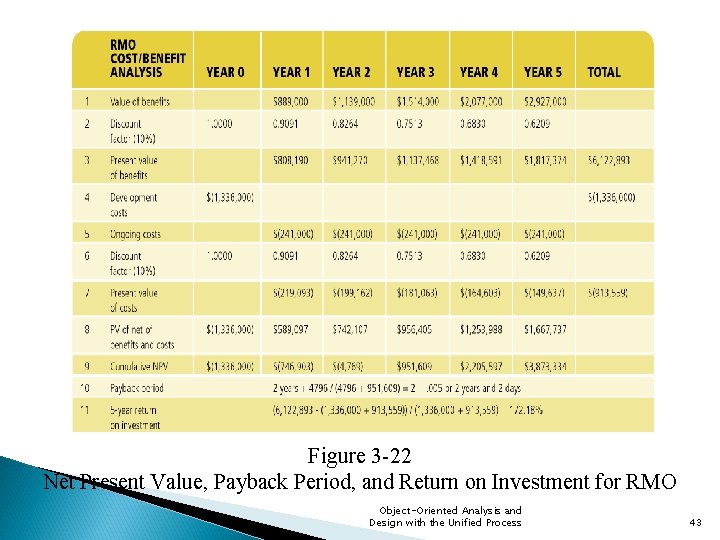
Figure 3 -22 Net Present Value, Payback Period, and Return on Investment for RMO Object-Oriented Analysis and Design with the Unified Process 43
Completing the Inception Phase Inception activities are project foundation Summary of key deliverables of inception ◦ ◦ ◦ Project charter package Essential use case list Project schedule Cost/benefit analysis Project feasibility and risk analysis General scope and approach should be clearly defined Scope and essential use case lead to elaboration phase Object-Oriented Analysis and Design with the Unified Process 44
Project Monitoring and Control Maintaining pace requires periodic adjustments Methods for overseeing UP phases ◦ Manage and control plan (schedule and deliverables) ◦ Manage and control internal/external communications ◦ Manage and control the risks and outstanding issues Schedules should balance flexibility with firm targets Project manager is communication gateway or nexus Project manager should maintain log of open issues Object-Oriented Analysis and Design with the Unified Process 45
Summary ¥ Project management processes: initiating, planning, monitoring, controlling, closing ¥ Project manager is liaison and project focal point ¥ Project Management Institute divides knowledge into nine major areas (PMBOK) ¥ Develop skills managing integration, scope, cost, quality, communication, human resources, risk, and procurement Object-Oriented Analysis and Design with the Unified Process 46
Summary (continued) ¥ Unified Process (UP): methodology for software development ¥ UP basic premise: software developed in iterations ¥ Iteration: mini-project ¥ Four phases: inception, elaboration, construction, and transition ¥ Phases include development activities, called disciplines Object-Oriented Analysis and Design with the Unified Process 47
Summary (continued) ¥ Nine disciplines in UP ¥ Chief inception phase disciplines: (1) business modeling (2) environment (3) project management ¥ After inception, project manager tracks and controls project Object-Oriented Analysis and Design with the Unified Process 48
- Slides: 48