
Objectives 1 Identify the roles of the President

Objectives 1. Identify the roles of the President in the political system. 2. Evaluate the achievements of a President of your choice. 3. Compare the plural executive of California with the more centralized executive branch in Washington.
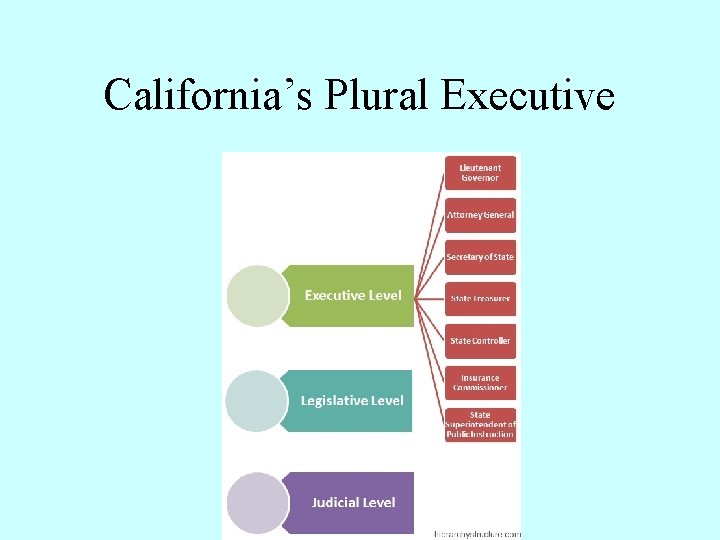
California’s Plural Executive
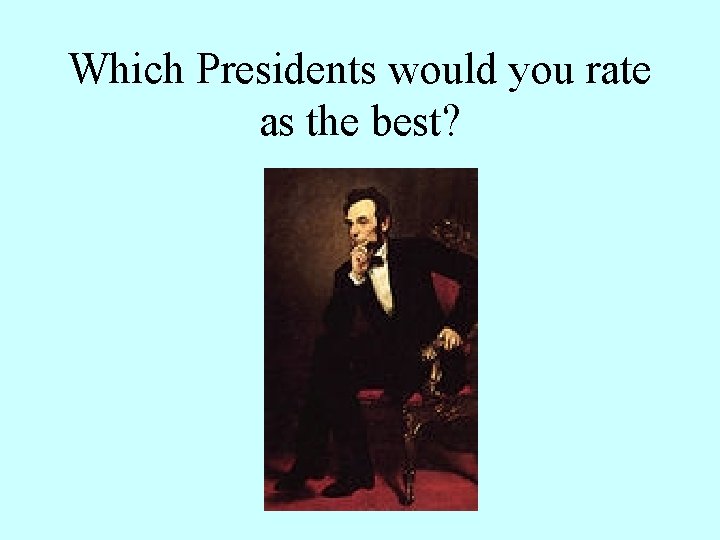
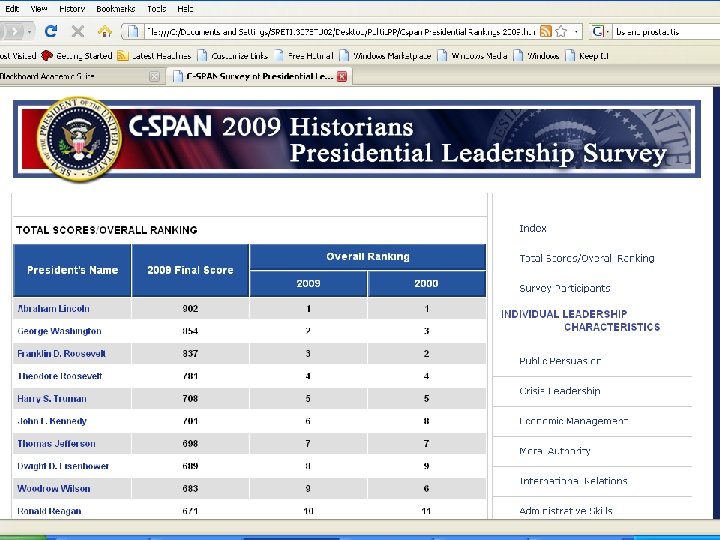
Which Presidents would you rate as the best?
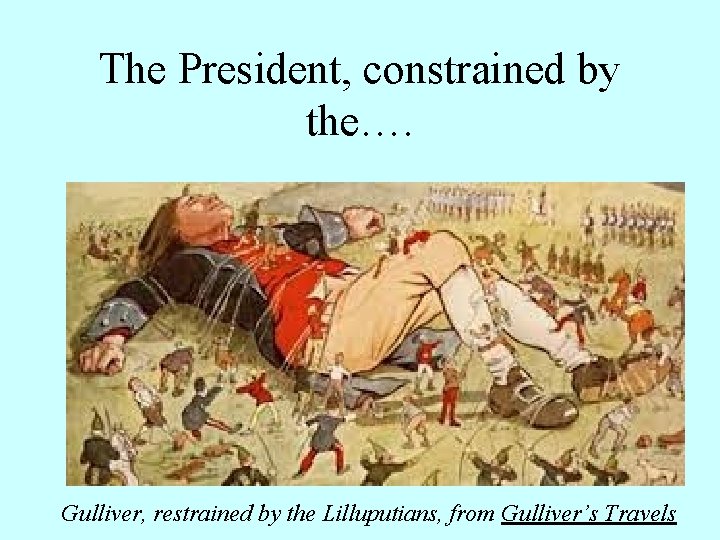
The President, constrained by the…. Gulliver, restrained by the Lilluputians, from Gulliver’s Travels
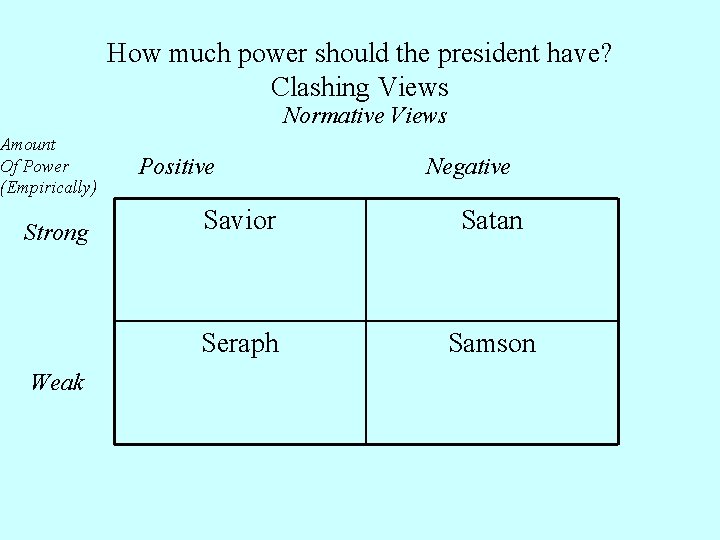
How much power should the president have? Clashing Views Normative Views Amount Of Power (Empirically) Strong Weak Positive Negative Savior Satan Seraph Samson
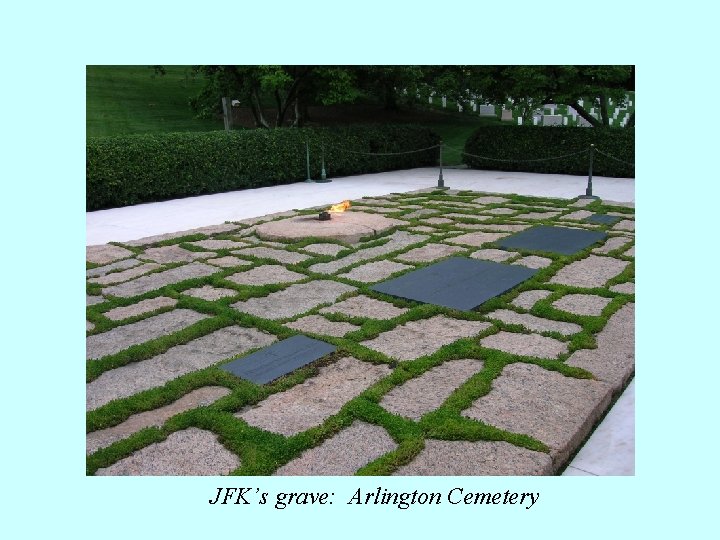
JFK’s grave: Arlington Cemetery
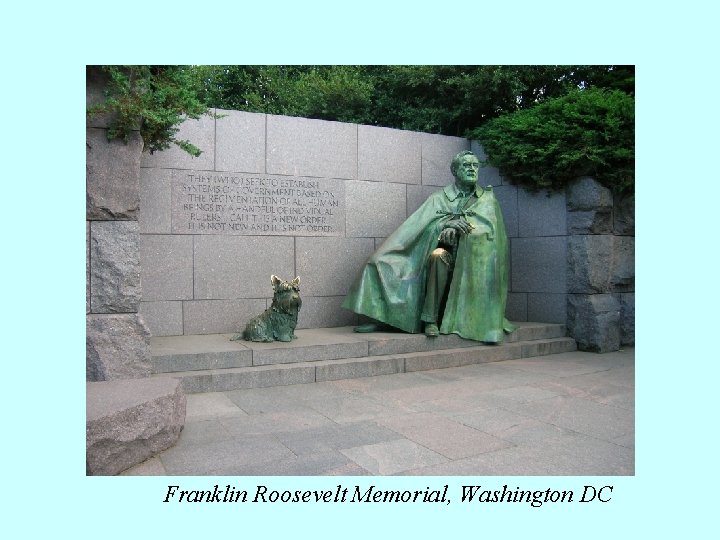
Franklin Roosevelt Memorial, Washington DC
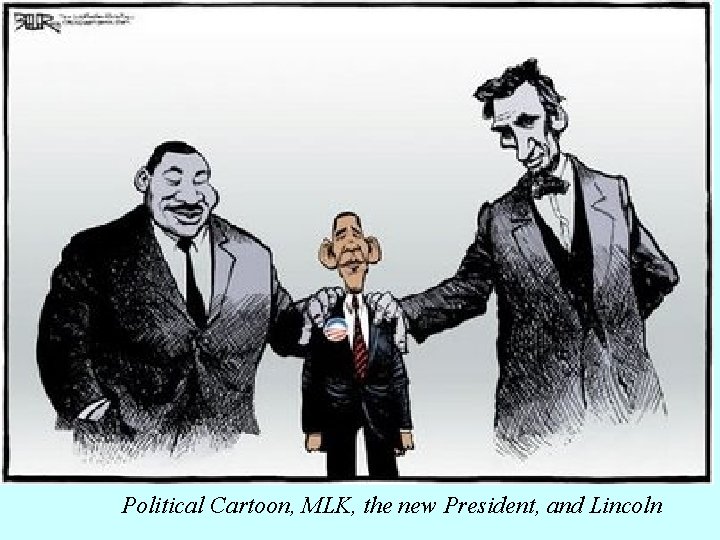
Political Cartoon, MLK, the new President, and Lincoln

Who is selected to be President? • Constitutional Requirements (Article II) – U. S. born citizen, thirty-five years old, lived in US for minimum of fourteen years • Background of the Presidency – Governors --Generals – Vice Presidents – Senators
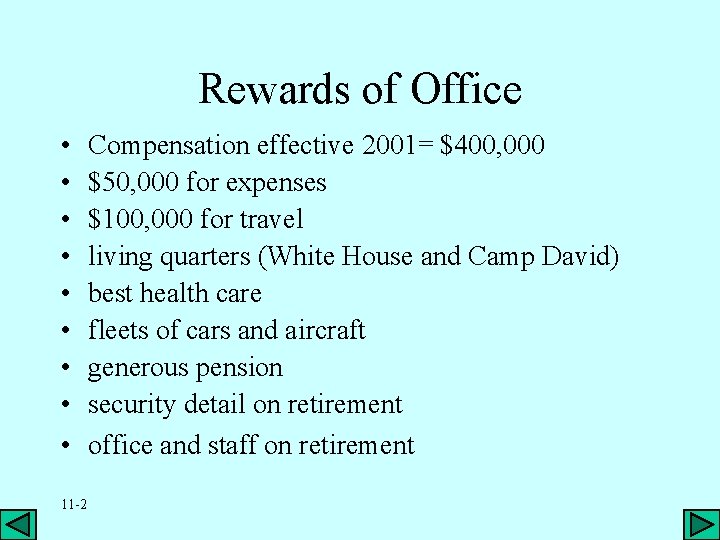
Rewards of Office • • • 11 -2 Compensation effective 2001= $400, 000 $50, 000 for expenses $100, 000 for travel living quarters (White House and Camp David) best health care fleets of cars and aircraft generous pension security detail on retirement office and staff on retirement
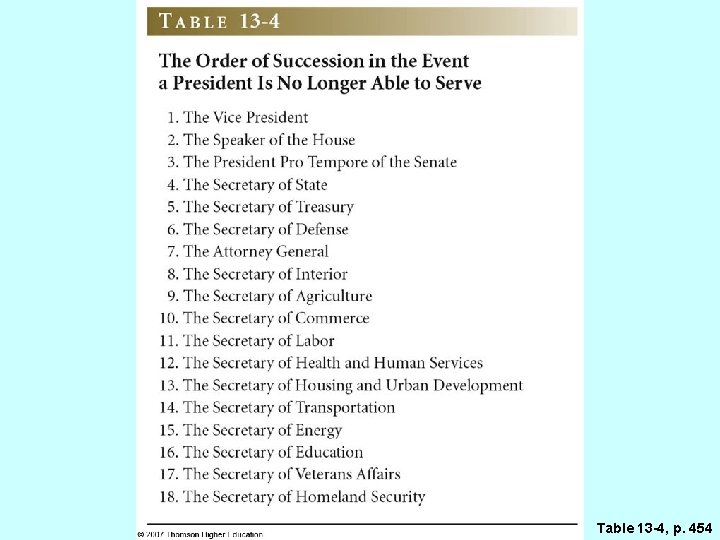
Table 13 -4, p. 454
The Roles of the President • • • Chief of state: Commander in Chief: Chief diplomat: Chief executive: Chief legislator:
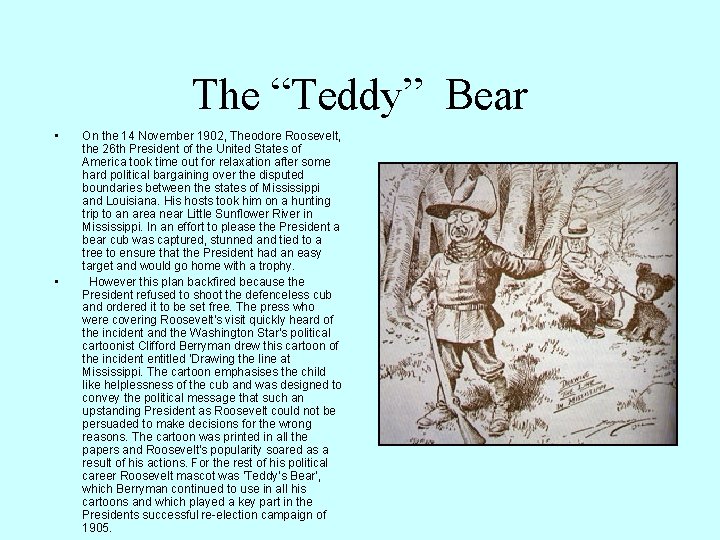
The “Teddy” Bear • • On the 14 November 1902, Theodore Roosevelt, the 26 th President of the United States of America took time out for relaxation after some hard political bargaining over the disputed boundaries between the states of Mississippi and Louisiana. His hosts took him on a hunting trip to an area near Little Sunflower River in Mississippi. In an effort to please the President a bear cub was captured, stunned and tied to a tree to ensure that the President had an easy target and would go home with a trophy. However this plan backfired because the President refused to shoot the defenceless cub and ordered it to be set free. The press who were covering Roosevelt's visit quickly heard of the incident and the Washington Star's political cartoonist Clifford Berryman drew this cartoon of the incident entitled 'Drawing the line at Mississippi. The cartoon emphasises the child like helplessness of the cub and was designed to convey the political message that such an upstanding President as Roosevelt could not be persuaded to make decisions for the wrong reasons. The cartoon was printed in all the papers and Roosevelt's popularity soared as a result of his actions. For the rest of his political career Roosevelt mascot was 'Teddy's Bear', which Berryman continued to use in all his cartoons and which played a key part in the Presidents successful re-election campaign of 1905.
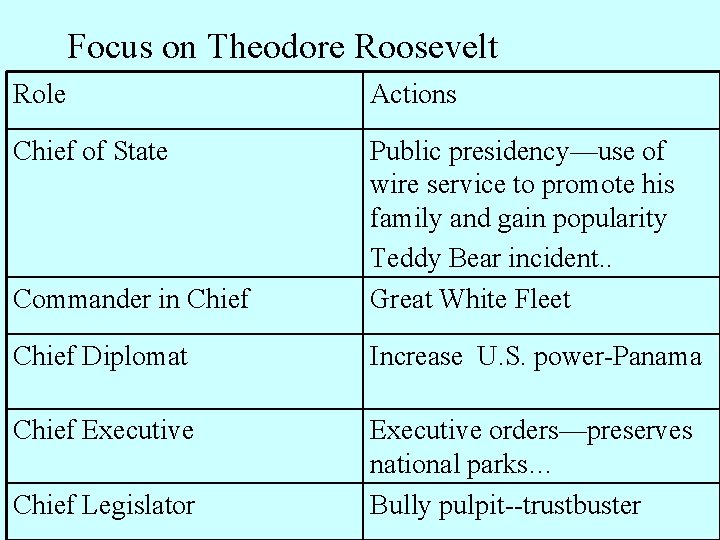
Focus on Theodore Roosevelt Role Actions Chief of State Commander in Chief Public presidency—use of wire service to promote his family and gain popularity Teddy Bear incident. . Great White Fleet Chief Diplomat Increase U. S. power-Panama Chief Executive orders—preserves national parks… Bully pulpit--trustbuster Chief Legislator
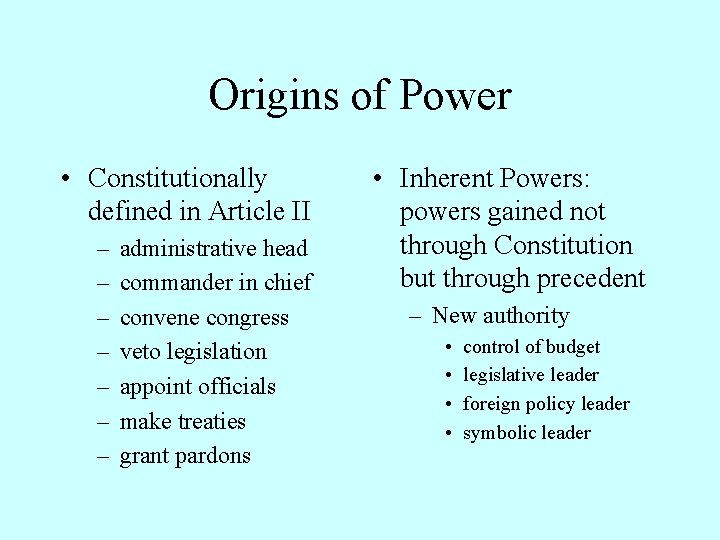
Origins of Power • Constitutionally defined in Article II – – – – administrative head commander in chief convene congress veto legislation appoint officials make treaties grant pardons • Inherent Powers: powers gained not through Constitution but through precedent – New authority • • control of budget legislative leader foreign policy leader symbolic leader
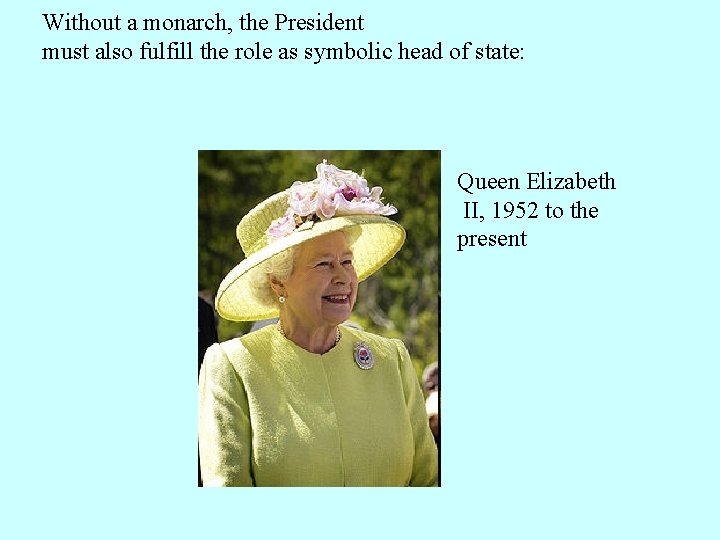
Without a monarch, the President must also fulfill the role as symbolic head of state: Queen Elizabeth II, 1952 to the present
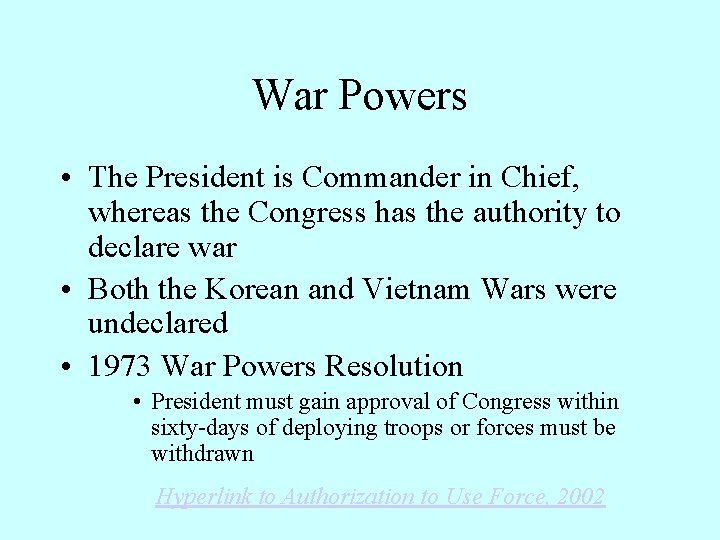
War Powers • The President is Commander in Chief, whereas the Congress has the authority to declare war • Both the Korean and Vietnam Wars were undeclared • 1973 War Powers Resolution • President must gain approval of Congress within sixty-days of deploying troops or forces must be withdrawn Hyperlink to Authorization to Use Force, 2002

Chief Diplomat • President negotiates treaties, but the Senate must ratify them with a two-thirds majority. • President can negotiate executive agreements that do not require Senate’s approval
Chief Legislator • Agenda-Setting role: State of the Union Address • President can: – Sign a bill – Veto a bill (but Congress can override veto with a twothirds vote) – Not sign a bill and it becomes law after ten days – Pocket veto: not sign a bill and Congress adjourns within ten days

Measuring Legislative Leadership
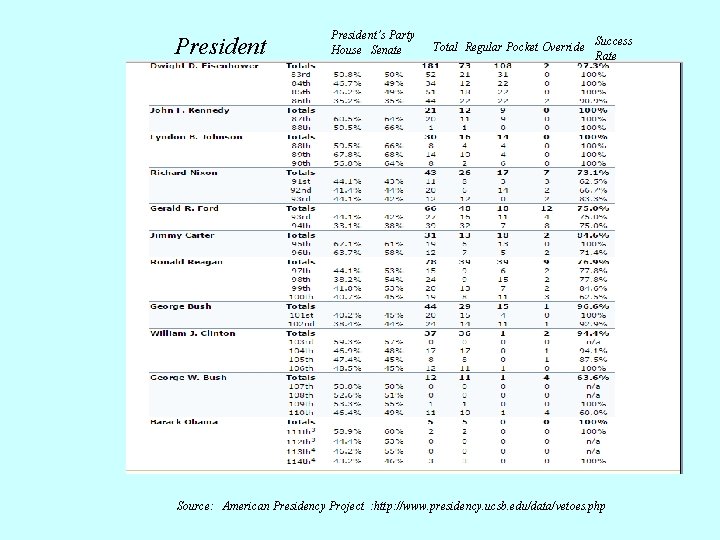
President’s Party House Senate Total Regular Pocket Override Success Rate Source: American Presidency Project : http: //www. presidency. ucsb. edu/data/vetoes. php
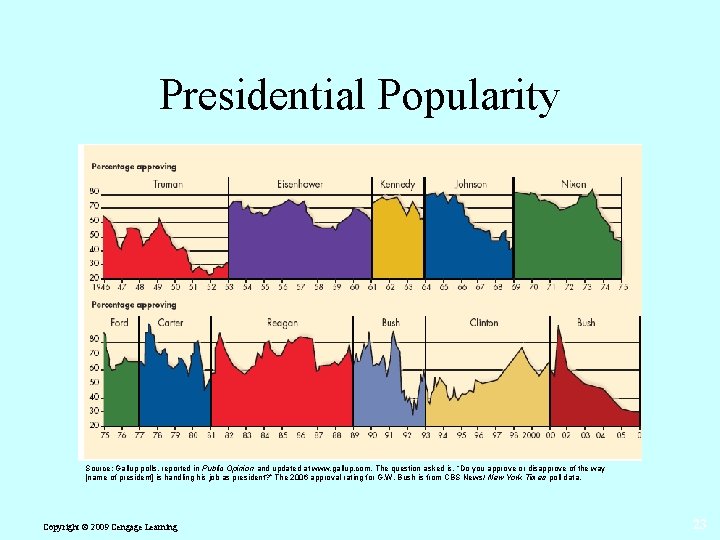
Presidential Popularity Source: Gallup polls, reported in Public Opinion and updated at www. gallup. com. The question asked is, “Do you approve or disapprove of the way [name of president] is handling his job as president? ” The 2006 approval rating for G. W. Bush is from CBS News/ New York Times poll data. Copyright © 2009 Cengage Learning 23
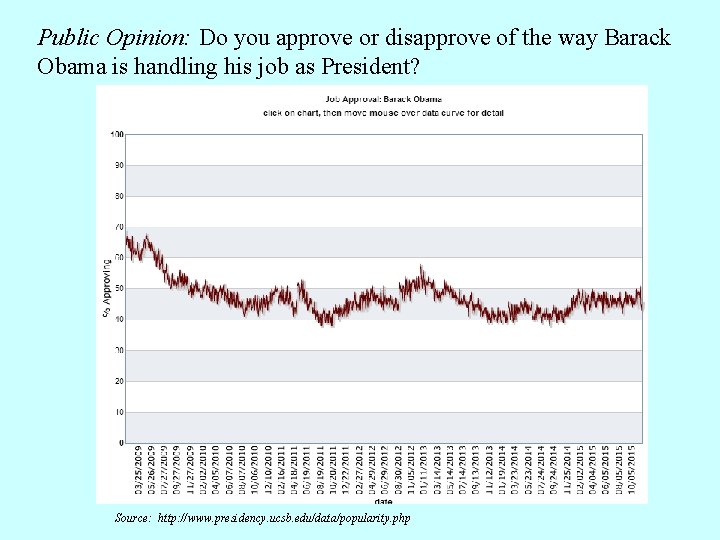
Public Opinion: Do you approve or disapprove of the way Barack Obama is handling his job as President? Source: http: //www. presidency. ucsb. edu/data/popularity. php
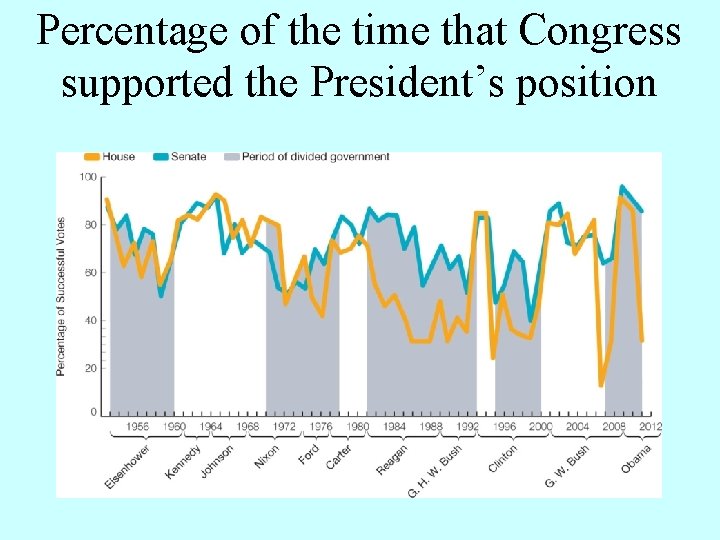
Percentage of the time that Congress supported the President’s position
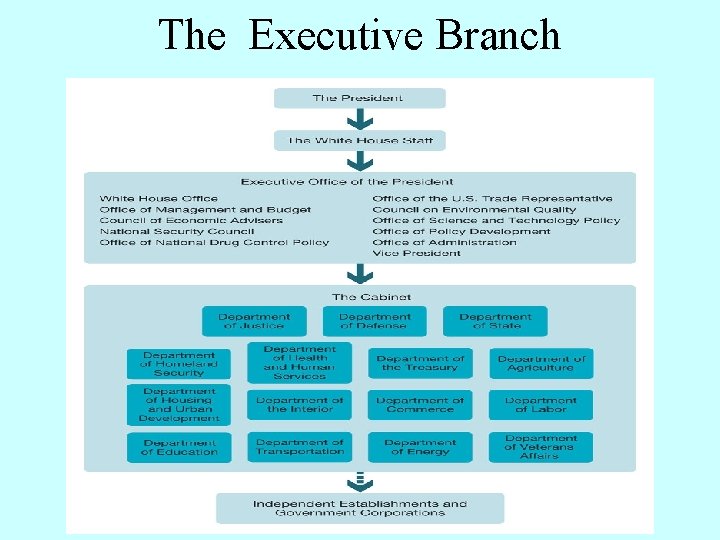
The Executive Branch
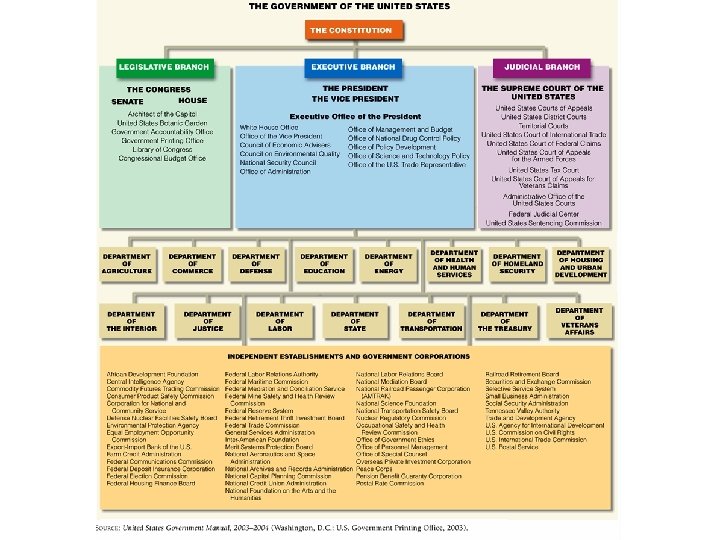
Copyright © 2009 Cengage Learning 27
Kinds of bureaucracies • Executive Departments: the largest subunits of the executive branch, headed by a “secretary” who is appointed by President, confirmed by Senate, and member of cabinet – Example: Department of State, Secretary of State John Kerry • Independent Agencies: outside department structure, President appoints head – NASA • Government Corporations: like a private business charging for a market service – US Postal Service, Amtrak

The President’s Cabinet

Executive Departments
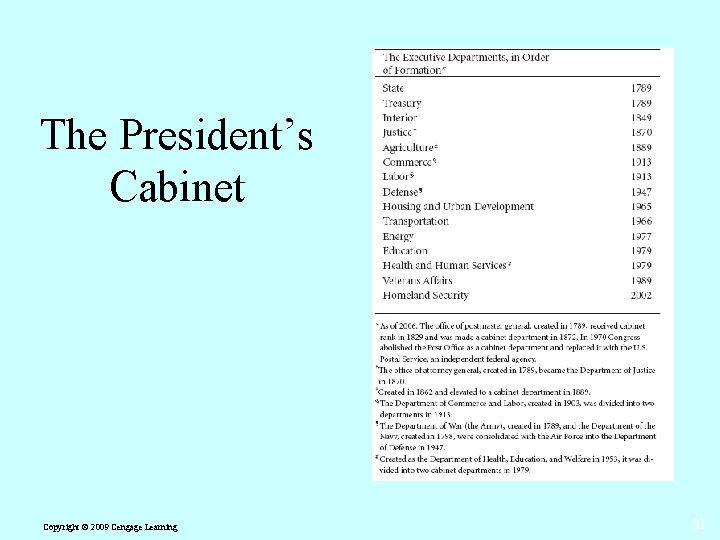
The President’s Cabinet Copyright © 2009 Cengage Learning 31
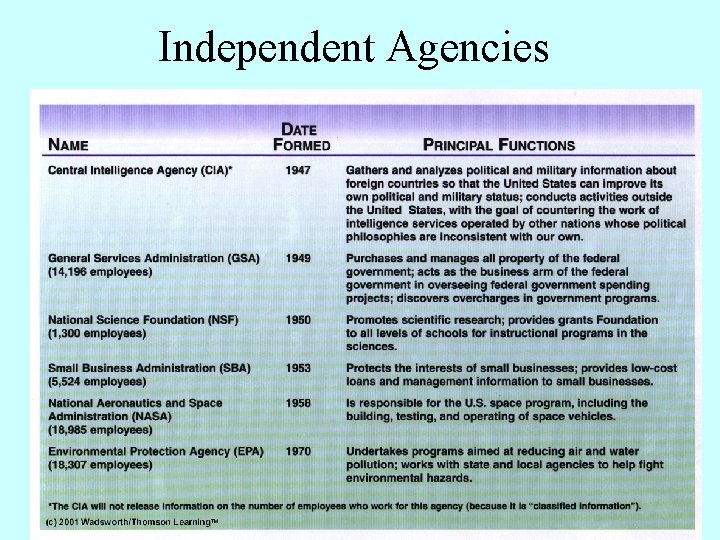
Independent Agencies
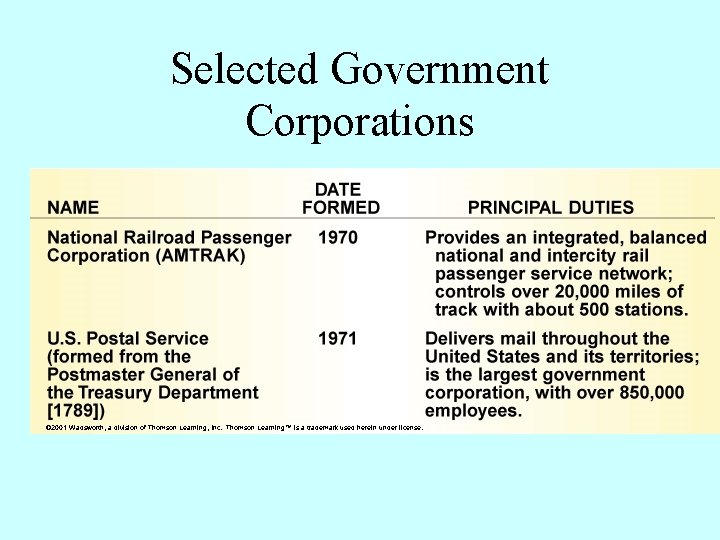
Selected Government Corporations
Bureaucracies engage in implementation • Implementation: Putting into practice the laws passed by Congress – Bureaucracy engages in interpretations of the law
Bureaucracy and Bureaucrats • The civil service – Spoils system: prior to the 1880 s, most federal jobs were given to political supporters of various officials until the next election. • Virtually no central bureaucracy at this time • Most jobs were with the post office or the courts. • Simple jobs, often used to reward political supporters.
Bureaucracy and Bureaucrats • On July 2, 1881, President Garfield was assassinated by a man upset that he was not given a patronage position. • Pendleton Civil Service Reform Act, 1883 – Covered positions must be obtained by passing an exam. – Civil servants cannot be fired without cause.
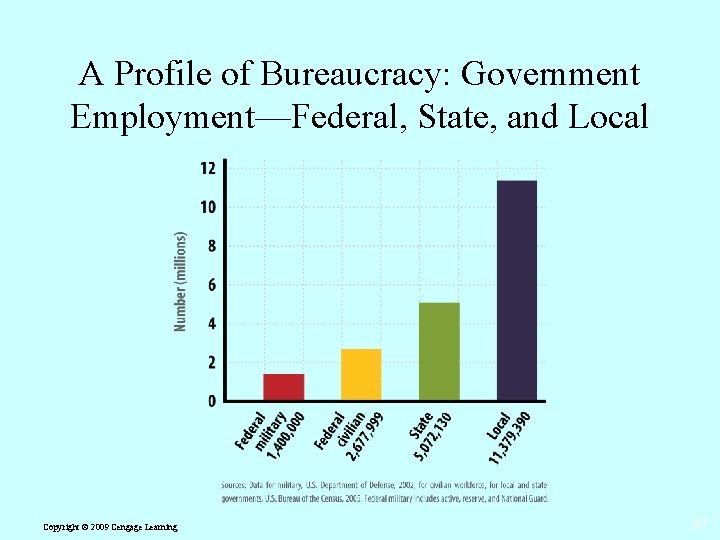
A Profile of Bureaucracy: Government Employment—Federal, State, and Local Copyright © 2009 Cengage Learning 37

Federal Agencies and Their Employees Copyright © 2009 Cengage Learning 38
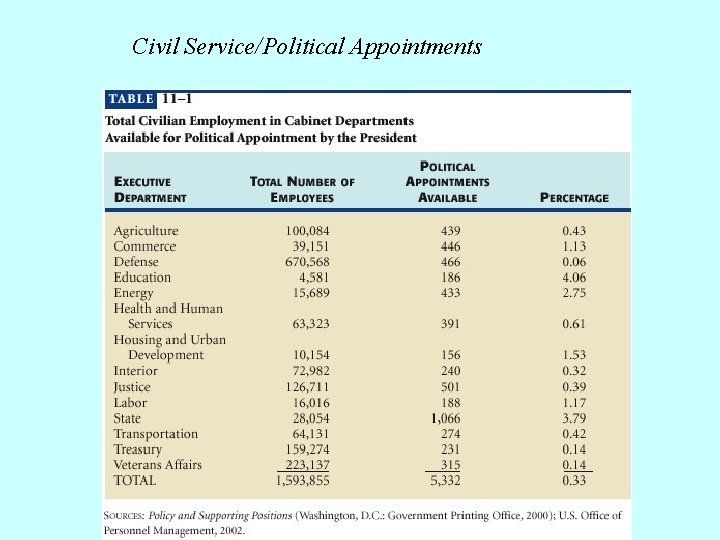
Civil Service/Political Appointments
Trends in Bureaucratic Management • Devolution to state and local government • Privatization (more at the local level) – reducing the scope of government
• • • General Problems with Bureaucracies Red tape Imperialism: the agencies just keep on growing… Waste: agency spends more than necessary to buy some product Duplication Conflicts between bureaucracies
Are bureaucracies compatible with democratic rule? • The problem of bureaucratic legitimacy/accountability – Example: Federal Reserve • The problem of capture by interest groups
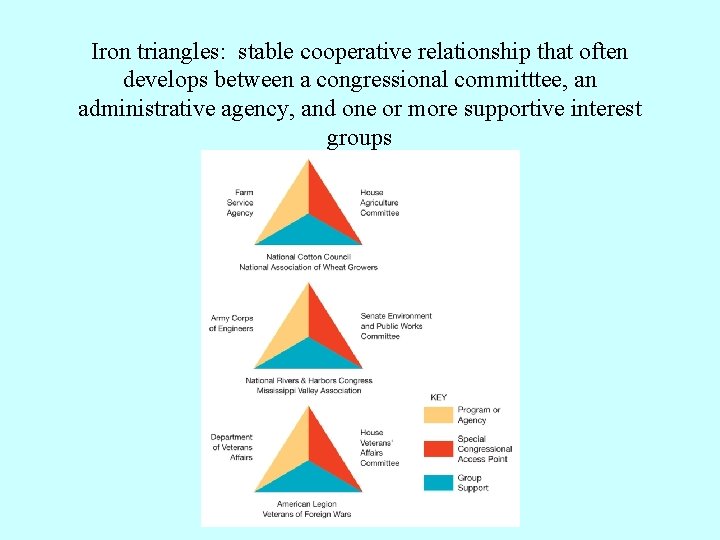
Iron triangles: stable cooperative relationship that often develops between a congressional committtee, an administrative agency, and one or more supportive interest groups
What determines Presidential Greatness? Hypothesis 1: Good presidents have the right philosophy regarding their power in relation to the Constitution. Hypothesis 2: Good presidents have the appropriate psychological disposition for their office. Hypothesis 3: Good presidents successfully meet the challenges of the day
Richard Neustadt’s definition of Presidential Power • “Presidential Power is the Power to Persuade”
Neustadt’s The Presidential Power to Persuade Madisonian system created a system of “separated institutions sharing powers. ” Institutions include not just three branches of government, but parties, and the multiple levels of government, plus the press How can all these fragments be brought together? Through presidential persuasion—that a proposed action is good for others.
Power • Coercive • Persuasive – Bargaining – Power of argument, the power of symbolism
Evaluating Presidential Performance • Does the President fulfill the mandate of the people? Does he do what the people want? Does he successfully meet crises?
- Slides: 48