
Obesogenic Environments Exploring the Built and Food Environments
Obesogenic Environments: Exploring the Built and Food Environments 2 nd International Seminar On Nutrition “Obesogenic Environment: The Driving Force Behind Obesity Pandemic” Geok Lin Khor Ph. D Professor Emeritus, Universiti Putra Malaysia University of Indonesia, Depok Kampus 18 Nov 2017

Presentation outline • What is an ‘obesogenic environment’? • The built environment – focus on physical activity • The food environment – concept and dimensions • Concluding remarks

Background Unhealthy diet and inadequate physical activity are the primary factors contributing to obesity. Obesity is well recognised as a significant risk of noncommunicable diseases (NCDs). “Premature death from noncommunicable diseases (NCDs) continues to be one of the major development challenges of the 21 st century. NCDs kill 15 millions men & women between the ages 30 -70 years each year” (WHO, 2017). (Noncommunicable Diseases Progress Monitor, 2017. Geneva: World Health Organization; 2017. Licence: CC BY-NC-SA 3. 0 IGO)

• Prevention focusing on educational and behavioural interventions has met with limited overall success. • “US national surveillance data regarding changes in individual-level energy intake and expenditure do not appear sufficient to explain or prevent obesity” (Oakes, Forsyth & Schmitz, 2007). This has given rise for consideration of more "upstream" causes, including environmental factors, above and beyond an individual behaviour.

• The suggestion to investigate the obesogenic environments that promote high energy intake and sedentary behaviour was first mooted more than two decades ago. • The term “obesogenic environment” refers to “an environment that promotes gaining weight and one that is not conducive to weight loss” within the home or workplace (Swinburn, et al. , 1999). In other words, the obesogenic environment refers to an environment that contributes to obesity. This presentation focuses on two aspects of the obesogenic environments namely, the built and food environments.

What is the built environment? “Man-made surroundings that provide the setting for human activity; includes not only buildings, but the human-made spaces between buildings, such as parks, and the infrastructure that supports human activity such as transportation networks, telecommunications, utilities (electricity, water supply, sewage) ”encompasses all forms of building (housing, industrial, commercial, hospitals, schools, etc. ), and infrastructure, both above and below ground and includes the managed landscapes between and around buildings. ”

FOCUS on the Built Environment and Physical Activity • One way to influence physical activity is to encourage people to use “active transport”, including walking, cycling, and public transport. • Good planning can help make these options safe, comfortable and accessible.
• need to make sure that people have somewhere to walk and cycle to, and places to engage in more structured physical activity. • This normally means mixed-use zoning so that residential areas are interspersed with shops, services, schools and green open spaces. In brief, ‘Walkable Neighbourhoods’ that support physical activity provide: • adequate facilities for easy and active walking and cycling • quality infrastructures (well-maintained pavements, “fitness in the park”) • safe and pleasant surroundings (Kent J & M Daley, National Heart Foundation of Australia,
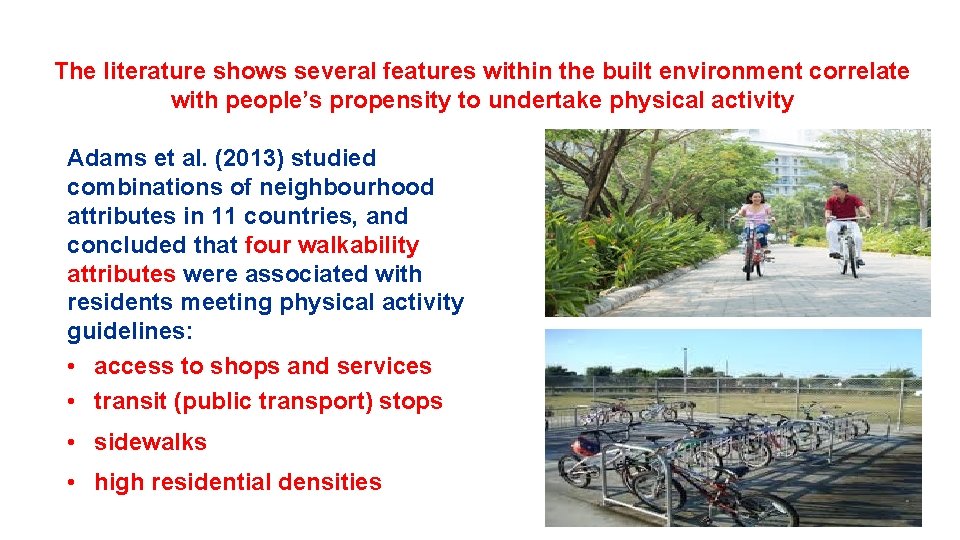
The literature shows several features within the built environment correlate with people’s propensity to undertake physical activity Adams et al. (2013) studied combinations of neighbourhood attributes in 11 countries, and concluded that four walkability attributes were associated with residents meeting physical activity guidelines: • access to shops and services • transit (public transport) stops • sidewalks • high residential densities
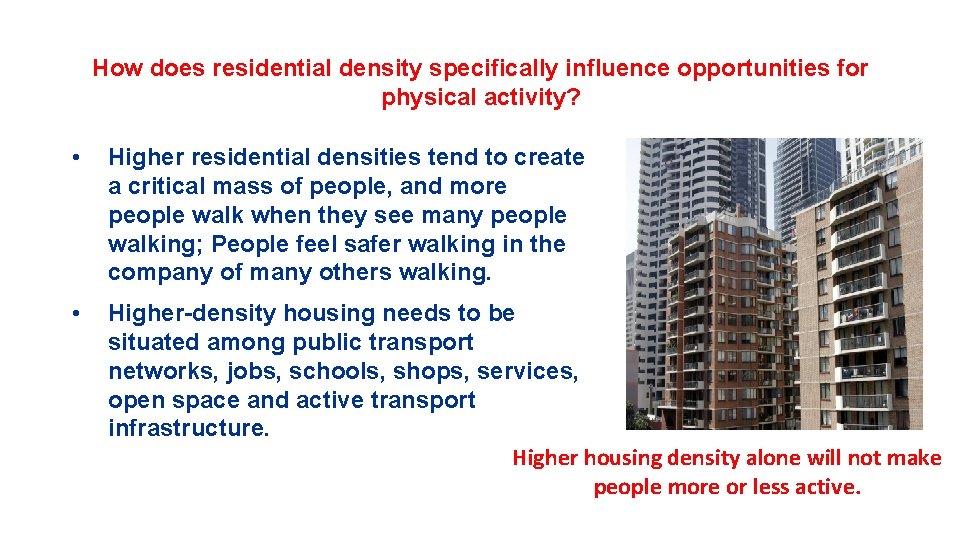
How does residential density specifically influence opportunities for physical activity? • Higher residential densities tend to create a critical mass of people, and more people walk when they see many people walking; People feel safer walking in the company of many others walking. • Higher-density housing needs to be situated among public transport networks, jobs, schools, shops, services, open space and active transport infrastructure. Higher housing density alone will not make people more or less active.
Negative aspects of higher residential density • Optimising neighbourhood walkability is desirable in built environments, however, the population health benefits of walkability may be offset by increased exposure to traffic related air pollution. • Too much density is associated with negative health outcomes, particularly in terms of mental health. • Higher-density can lead to stress, social isolation, exposure to pollutants, intrusive noise and fear of crime. • Badly constructed or poorly located higher-density housing can also cause problems through poor ventilation and insulation, lack of sunlight, insufficient public and private open space.
A study of 12 countries (Kerr et al. , 2016) found these attributes of neighbourhood environments correlated positively with walking for transport: • perceived residential density • street connectivity • land-use mix • safety (traffic & crime) Street networks that are more connected tend to increase walkability; Conversely, those that include longer blocks, fewer intersections, and more dead-ends are less conducive to walking. Street pattern or connectivity matters because it affects the • directness of travel • making travel more efficient • the number of alternative routes with implications for safety and convenience.
Land use mix Urban planning strategies that prioritize compact development, by placing residential and commercial areas in close proximity, can improve health by reducing the reliance on private motor vehicles and encouraging a shift towards healthier modes of travel”. (WHO Health and Sustainable Development) The indicator for Land use mix “measures the average neighborhoodlevel diversity of destinations across a metropolitan area based on the mix of eight different employment types (office, retail, industrial, service, entertainment, education, health, and public sector) within each block group in the metropolitan area”. (US Department of Transport)
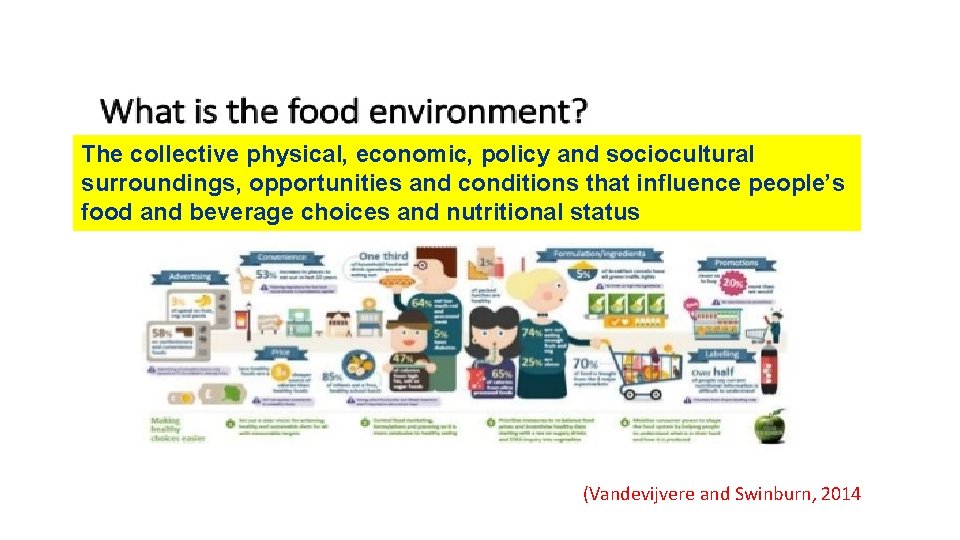
The collective physical, economic, policy and sociocultural surroundings, opportunities and conditions that influence people’s food and beverage choices and nutritional status (Vandevijvere and Swinburn, 2014
The Second International Conference on Nutrition (ICN 2) in Rome, 2014 • The Rome Declaration on Nutrition and Framework for Action. Both endorsed by FAO and WHO members • Stressed the importance of a food system approach – from production to processing, storage, transportation, marketing, retailing and consumption – as key to promoting healthy diets and improving nutrition. • Food environments are influenced by the food systems which supply them, and vice versa. Food systems encompass the entire range of activities, peoples and institutions involved in the production, processing, marketing, consumption and disposal of food (FAO, INFLUENCING FOOD ENVIRONMENTS FOR HEALTHY DIETS, 2016)
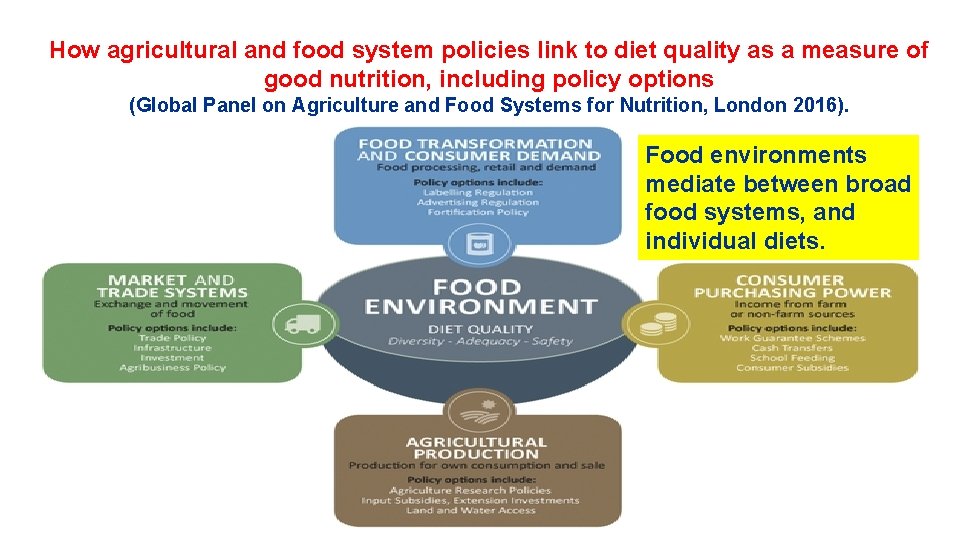
How agricultural and food system policies link to diet quality as a measure of good nutrition, including policy options (Global Panel on Agriculture and Food Systems for Nutrition, London 2016). Food environments mediate between broad food systems, and individual diets.
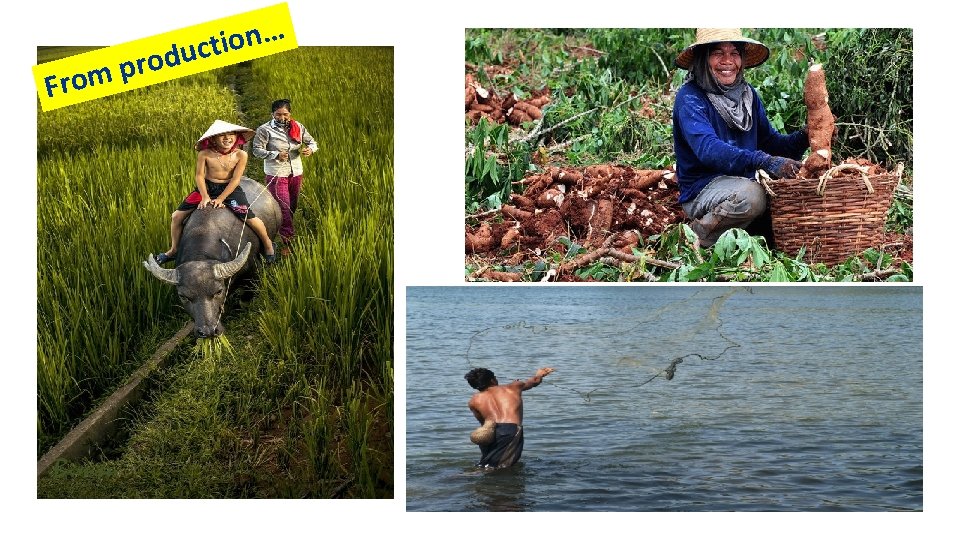
o r p From … n o i duct

to processing…
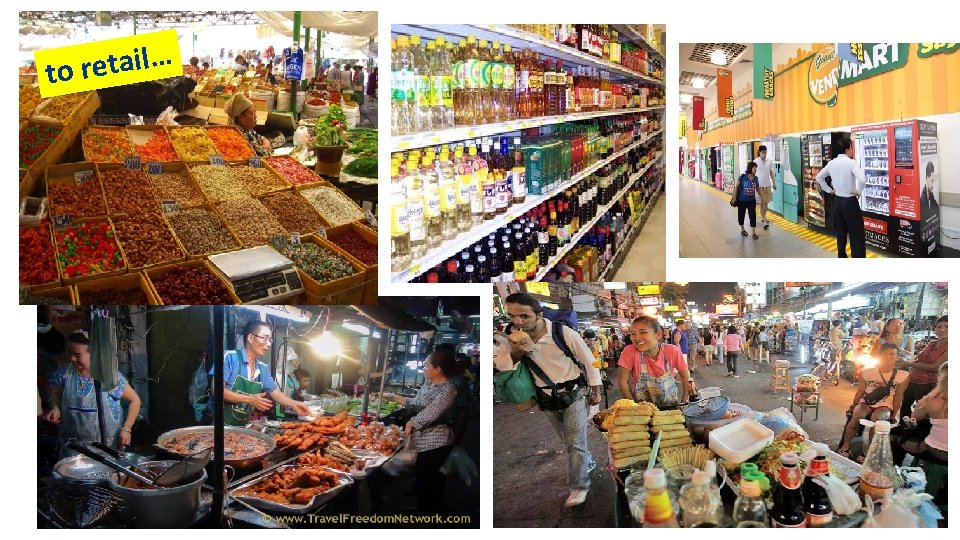
… l i a t e r to
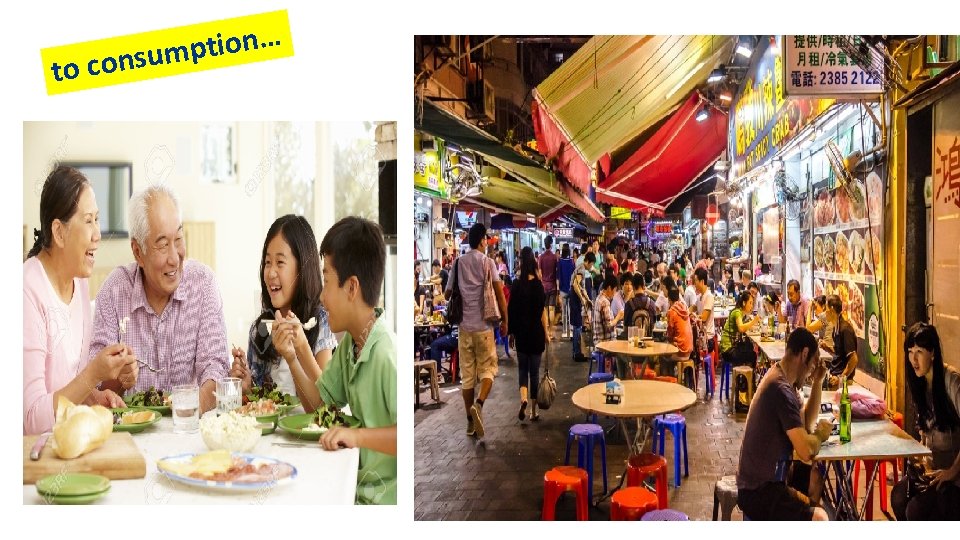
… n o i t p m u s n o c o t
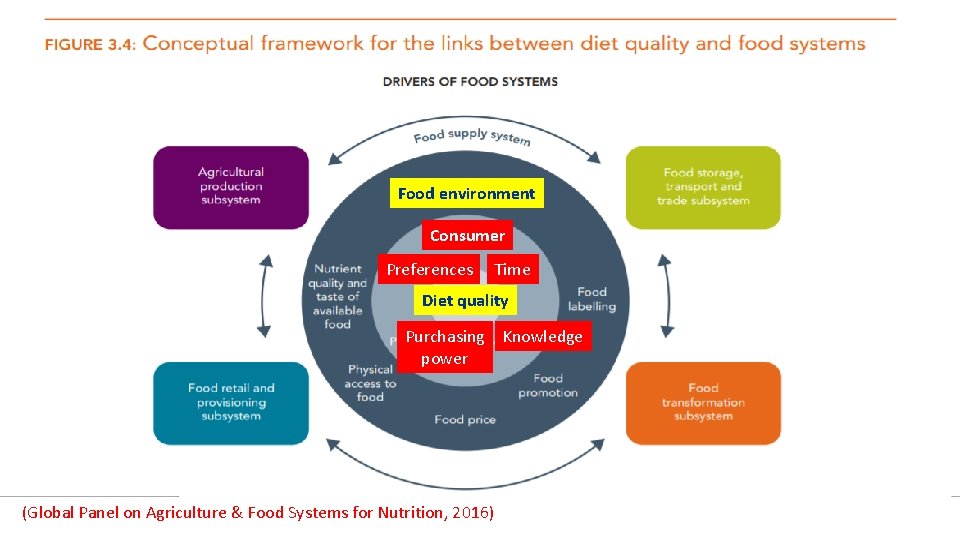
Food environment Consumer Preferences Time Diet quality Purchasing Knowledge power (Global Panel on Agriculture & Food Systems for Nutrition, 2016)
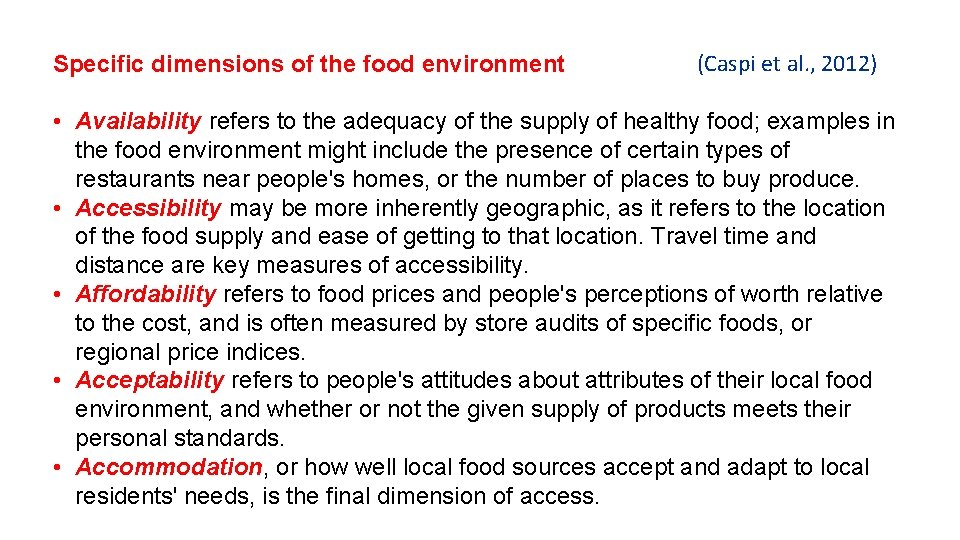
Specific dimensions of the food environment (Caspi et al. , 2012) • Availability refers to the adequacy of the supply of healthy food; examples in the food environment might include the presence of certain types of restaurants near people's homes, or the number of places to buy produce. • Accessibility may be more inherently geographic, as it refers to the location of the food supply and ease of getting to that location. Travel time and distance are key measures of accessibility. • Affordability refers to food prices and people's perceptions of worth relative to the cost, and is often measured by store audits of specific foods, or regional price indices. • Acceptability refers to people's attitudes about attributes of their local food environment, and whether or not the given supply of products meets their personal standards. • Accommodation, or how well local food sources accept and adapt to local residents' needs, is the final dimension of access.
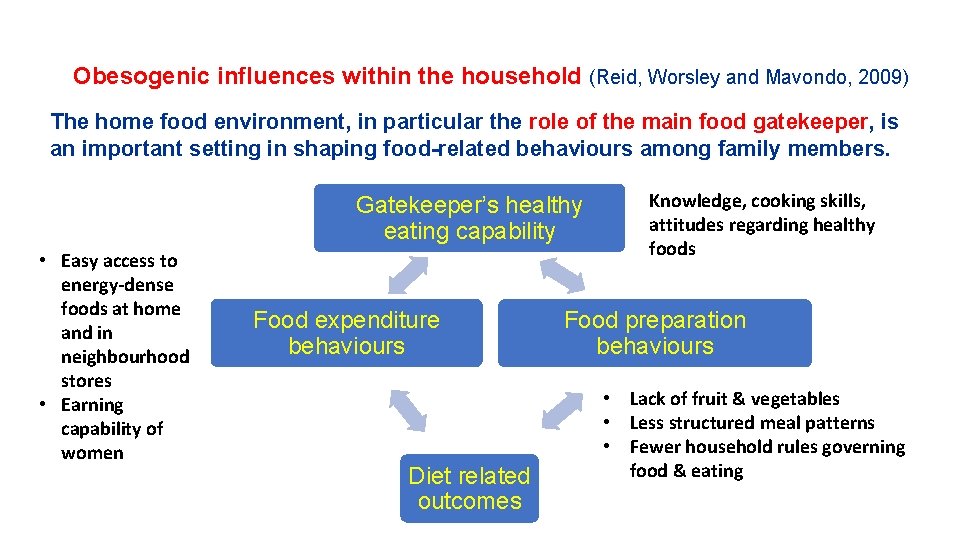
Obesogenic influences within the household (Reid, Worsley and Mavondo, 2009) The home food environment, in particular the role of the main food gatekeeper, is an important setting in shaping food-related behaviours among family members. Gatekeeper’s healthy eating capability • Easy access to energy-dense foods at home and in neighbourhood stores • Earning capability of women Food expenditure behaviours Diet related outcomes Knowledge, cooking skills, attitudes regarding healthy foods Food preparation behaviours • Lack of fruit & vegetables • Less structured meal patterns • Fewer household rules governing food & eating
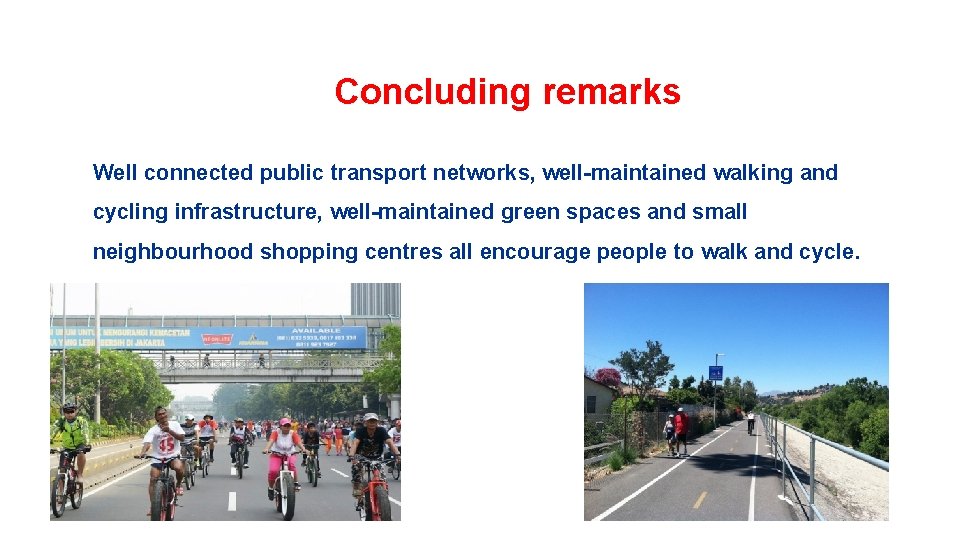
Concluding remarks Well connected public transport networks, well-maintained walking and cycling infrastructure, well-maintained green spaces and small neighbourhood shopping centres all encourage people to walk and cycle.
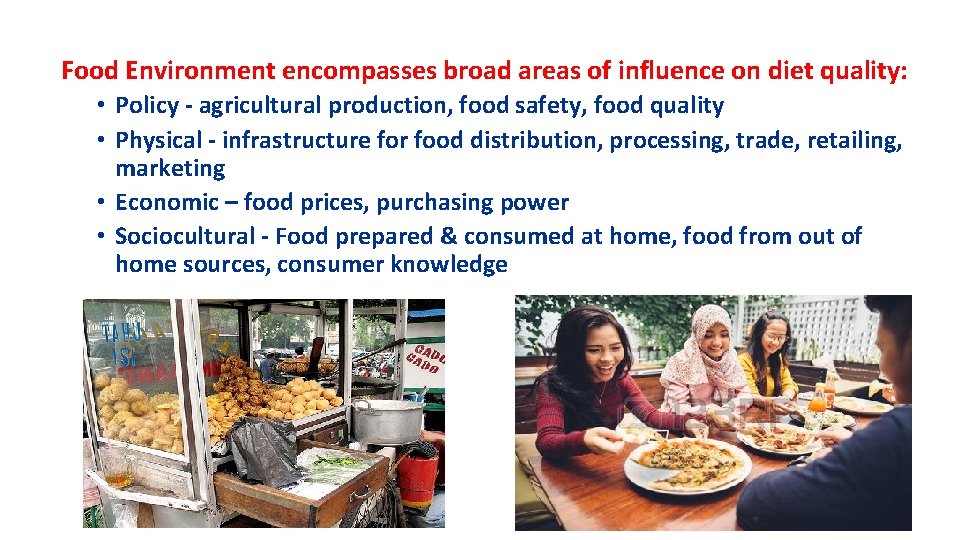
Food Environment encompasses broad areas of influence on diet quality: • Policy - agricultural production, food safety, food quality • Physical - infrastructure for food distribution, processing, trade, retailing, marketing • Economic – food prices, purchasing power • Sociocultural - Food prepared & consumed at home, food from out of home sources, consumer knowledge
Recommendations for research on food environment-diet relationships of children • Need for better validated dietary assessment tools in food environments –validation in children • Refining the measures to capture dimensions of food access • Measure both observable and perceived food environment for children • Geographical aspects, types of foods available, quality, prices and promotion in local outlets, food purchasing decisions • Shelf space measures of displays near checkouts of healthy and unhealthy foods, foods placed at child’s eye level. (Stringer et al. , 2014)
THANK YOU
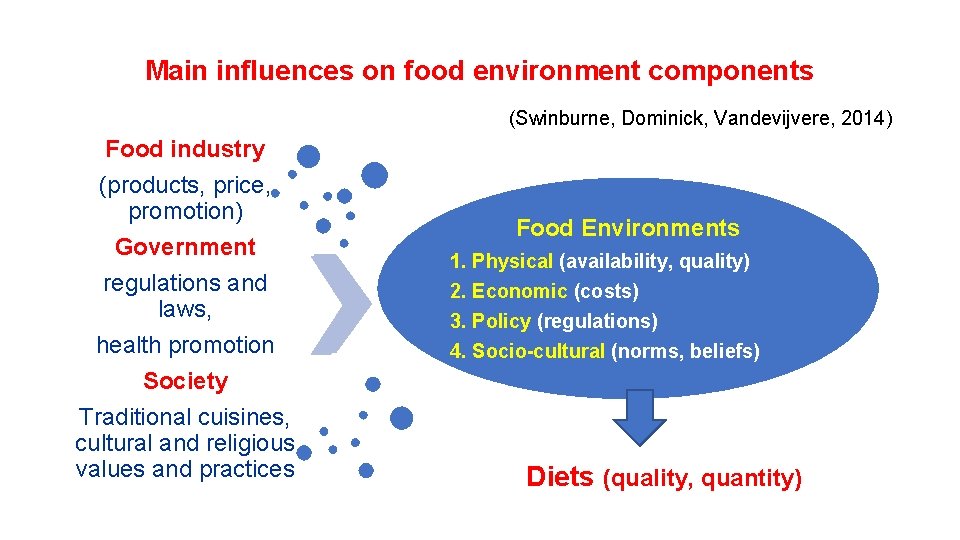
Main influences on food environment components (Swinburne, Dominick, Vandevijvere, 2014) Food industry (products, price, promotion) Government regulations and laws, health promotion Society Traditional cuisines, cultural and religious values and practices Food Environments 1. Physical (availability, quality) 2. Economic (costs) 3. Policy (regulations) 4. Socio-cultural (norms, beliefs) Diets (quality, quantity)
- Slides: 28