
Obesity Management in Primary Care Arya M Sharma
Obesity Management in Primary Care Arya M Sharma, MD, Ph. D, DSc. (h. c. ) FRCP(C) Professor of Medicine Research Chair for Obesity Research & Management University of Alberta Medical Director Alberta Obesity Prevention & Bariatric Care Strategy Edmonton, AB, Canada www. drsharma. ca
Disclosures Research Support: Heart and Stroke Foundation of Canada, Canadian Diabetes Association, Networks of Centres of Excellence, Canada Research Chair, University Hospital Foundation and Canadian Institutes of Health Research. I have also received research support, consulting and/or speaking honoraria from Abbott, Allergan, Amylin, Astra-Zeneca, Arena, Boehringer-Ingelheim, Bristol-Myer Squibb, Covidien, GSK, Johnson and Johnson, Merck, Neurosearch, Novartis, Novo-Nordisk, Sanofi-Aventis, Takeda, Pfizer, Roche.
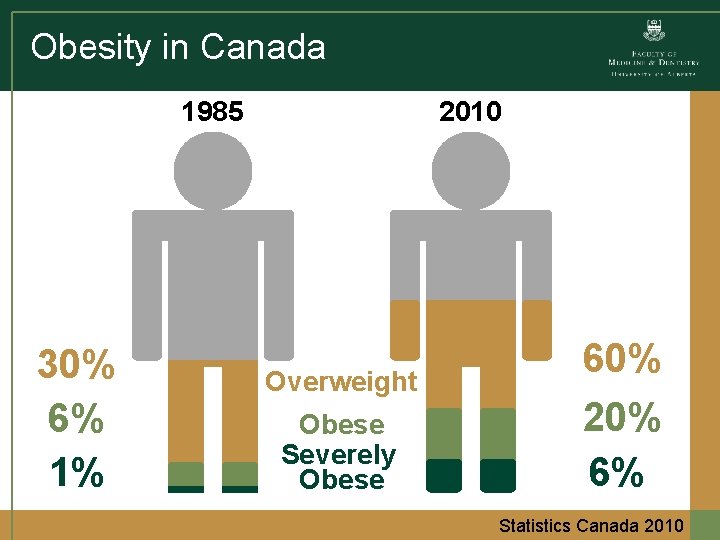
Obesity in Canada 1985 30% 6% 1% 2010 Overweight Obese Severely Obese 60% 20% 6% Statistics Canada 2010
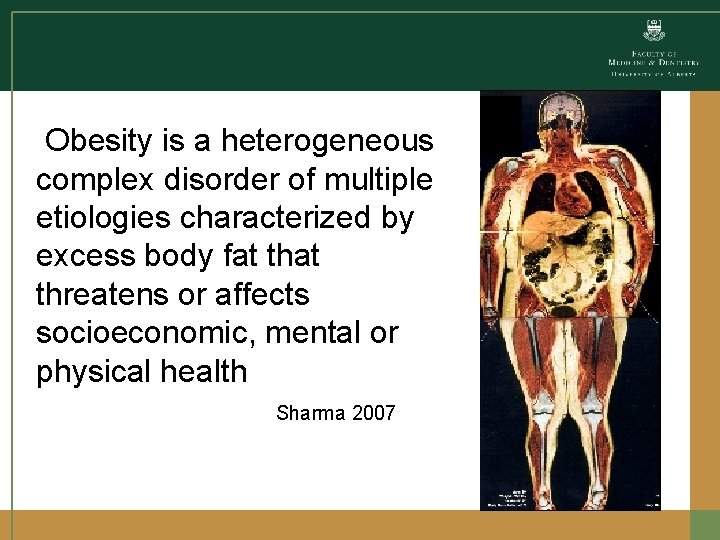
Obesity is a heterogeneous complex disorder of multiple etiologies characterized by excess body fat threatens or affects socioeconomic, mental or physical health Sharma 2007
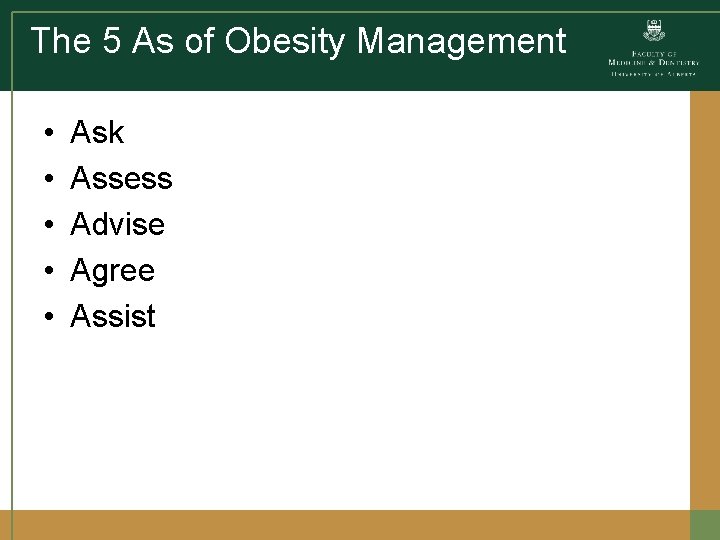
The 5 As of Obesity Management • • • Ask Assess Advise Agree Assist
Ask • Ask for permission to talk about weight
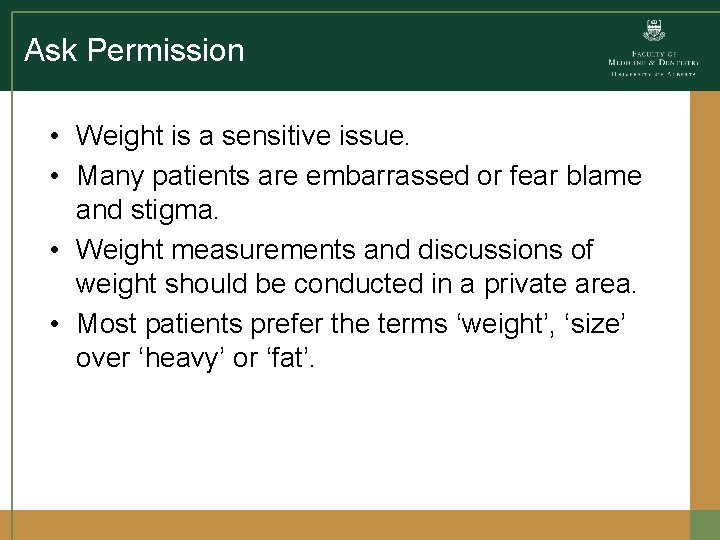
Ask Permission • Weight is a sensitive issue. • Many patients are embarrassed or fear blame and stigma. • Weight measurements and discussions of weight should be conducted in a private area. • Most patients prefer the terms ‘weight’, ‘size’ over ‘heavy’ or ‘fat’.
Ask • Ask for permission to talk about weight • Be non-judgmental
Be Non-Judgmental • Do no blame, threaten or provoke guilt in your patient. • Do not make assumptions about their lifestyles or motivation (your patient may already be on a diet or have lost weight). • Acknowledge that weight management is difficult and hard to sustain
Ask • Ask for permission to talk about weight • Be non-judgmental • Explore Readiness for Change
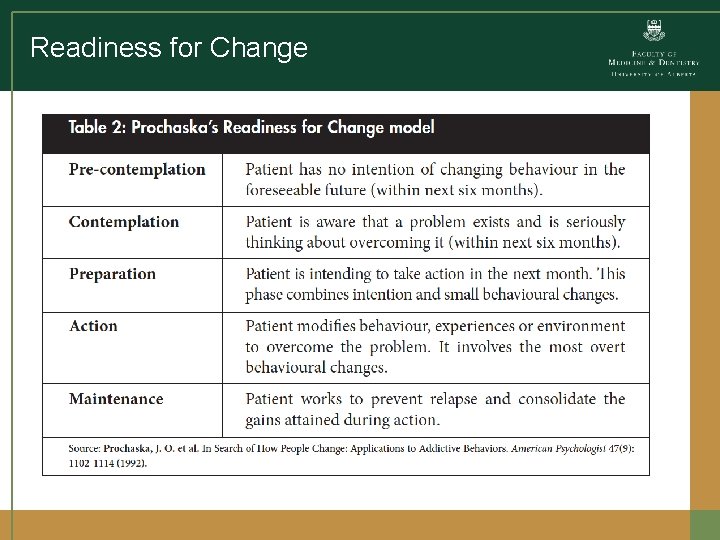
Readiness for Change
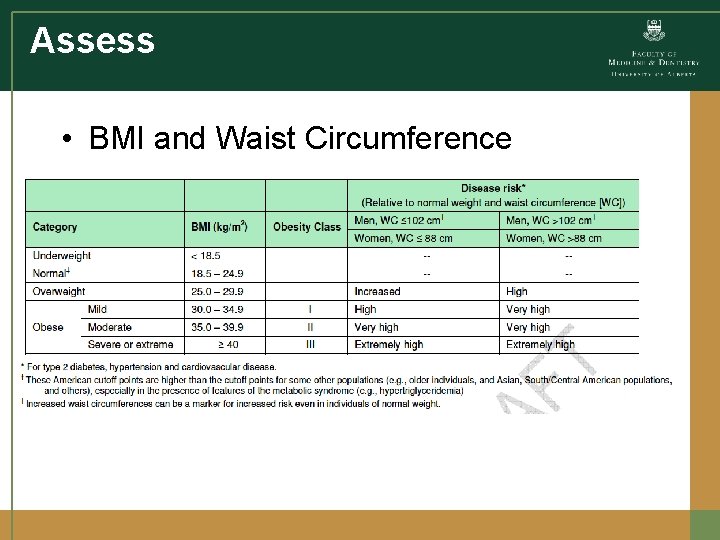
Assess • BMI and Waist Circumference
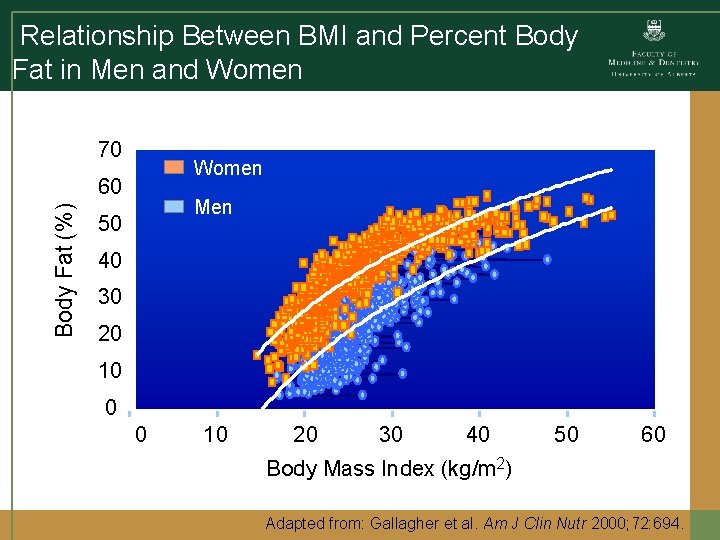
Relationship Between BMI and Percent Body Fat in Men and Women 70 Women Body Fat (%) 60 Men 50 40 30 20 10 0 0 10 20 30 40 50 60 Body Mass Index (kg/m 2) Adapted from: Gallagher et al. Am J Clin Nutr 2000; 72: 694.
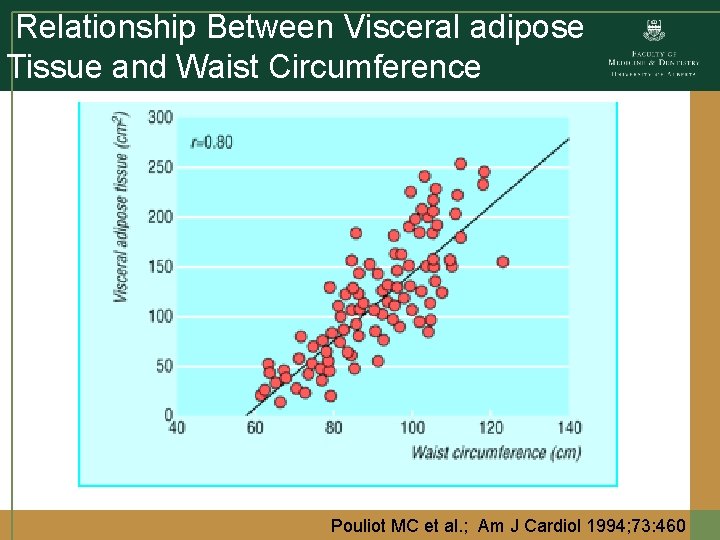
Relationship Between Visceral adipose Tissue and Waist Circumference Pouliot MC et al. ; Am J Cardiol 1994; 73: 460
Assess • BMI and Waist Circumference • Obesity Stage (EOSS)
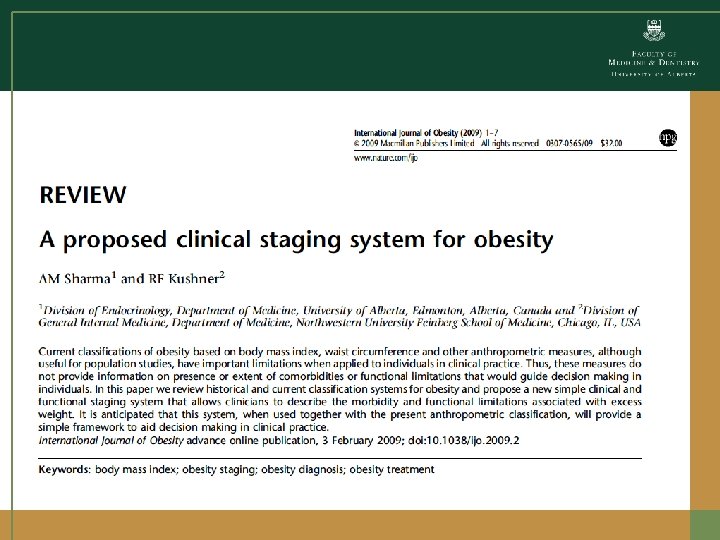
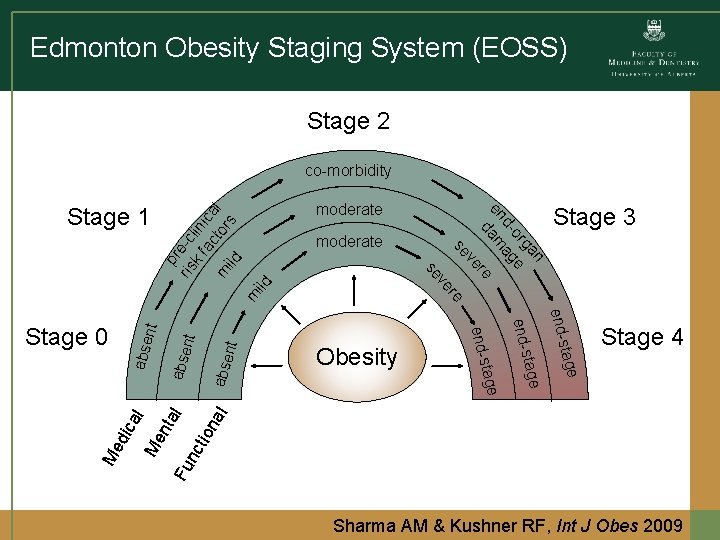
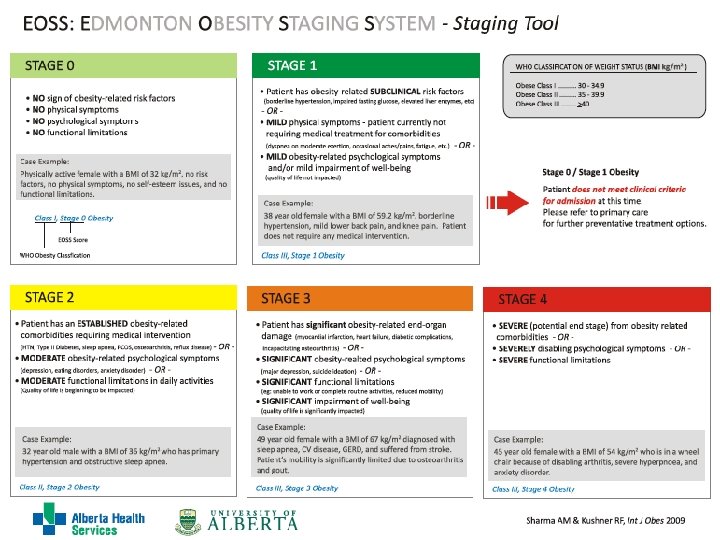
Edmonton Obesity Staging System (EOSS) Stage 2 moderate nt abse nt Me dic al Me nta l Fu nc tio na l abse nt Stage 4 age t end-s Obesity t end-s abse re m ild ve se Stage 0 Stage 3 se moderate n ga or e d- ag en m da re ve Stage 1 pr ris e-c k lin fa ic ct al or m s ild co-morbidity Sharma AM & Kushner RF, Int J Obes 2009
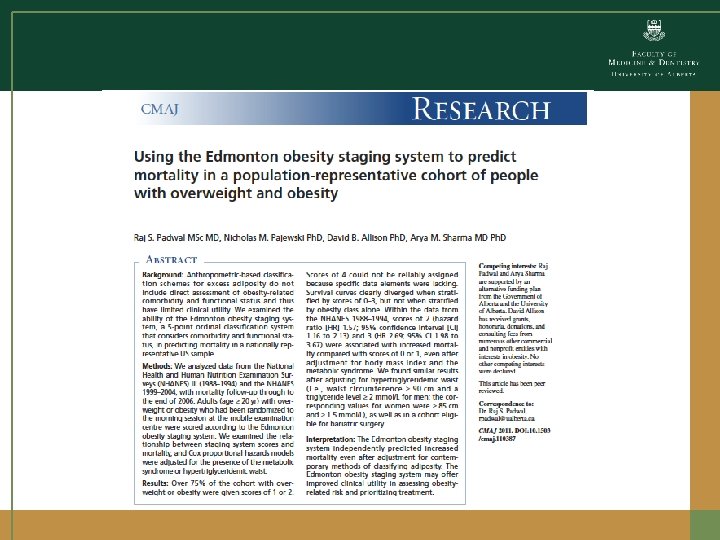
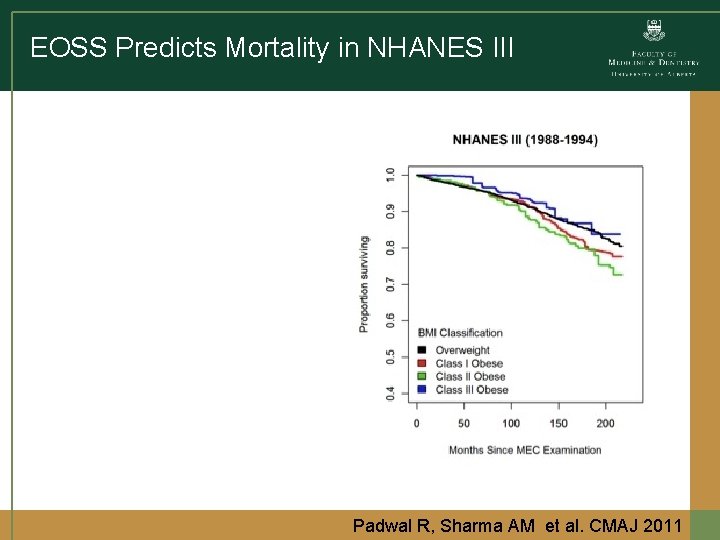
EOSS Predicts Mortality in NHANES III Padwal R, Sharma AM et al. CMAJ 2011
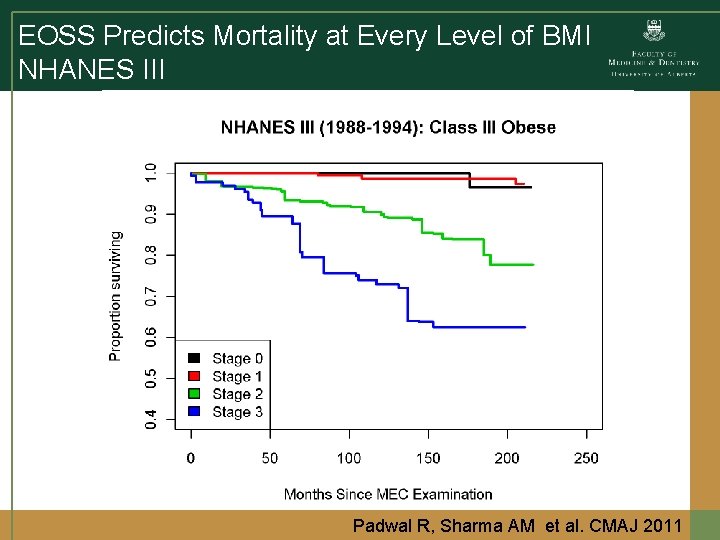
EOSS Predicts Mortality at Every Level of BMI NHANES III Overweight Padwal R, Sharma AM et al. CMAJ 2011
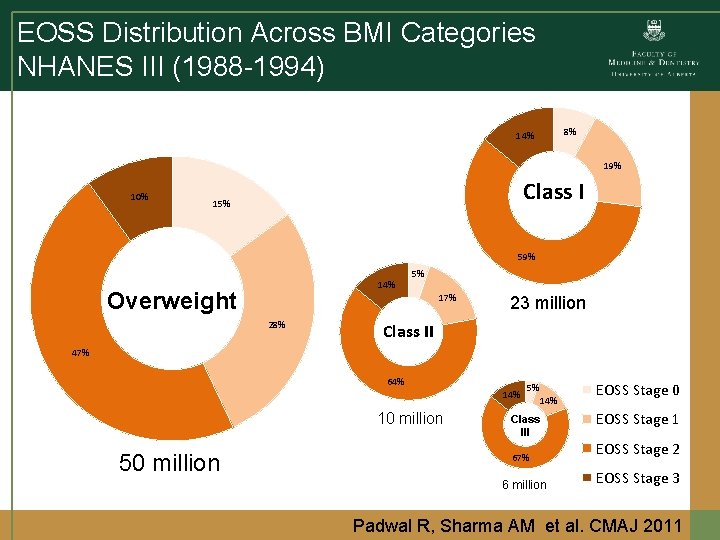
EOSS Distribution Across BMI Categories NHANES III (1988 -1994) 8% 14% 19% 10% Class I 15% 59% 14% Overweight 5% 17% 28% 23 million Class II 47% 64% 10 million 5% 14% Class III 67% 6 million EOSS Stage 0 EOSS Stage 1 EOSS Stage 2 EOSS Stage 3 Padwal R, Sharma AM et al. CMAJ 2011
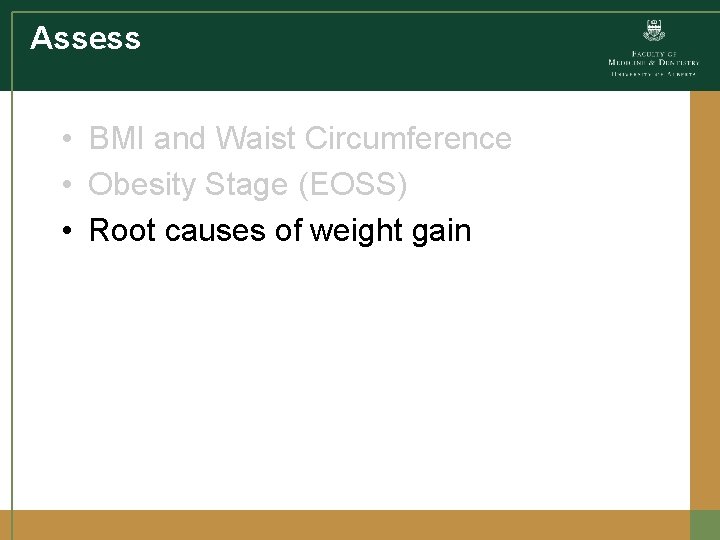
Assess • BMI and Waist Circumference • Obesity Stage (EOSS) • Root causes of weight gain
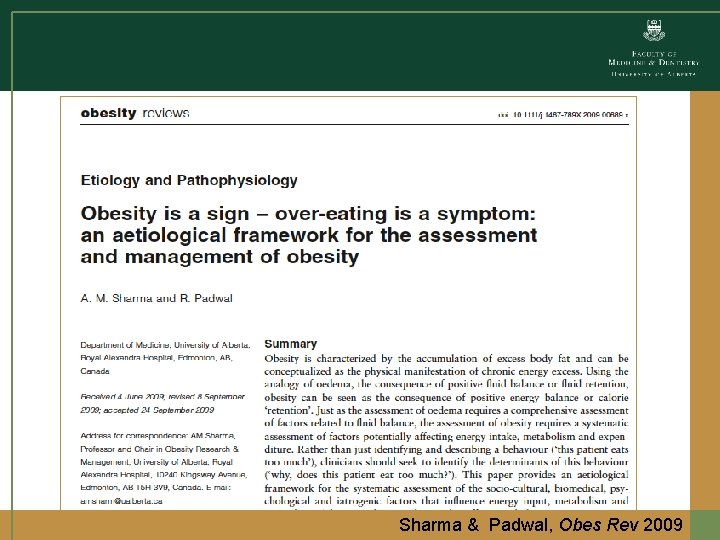
Sharma & Padwal, Obes Rev 2009
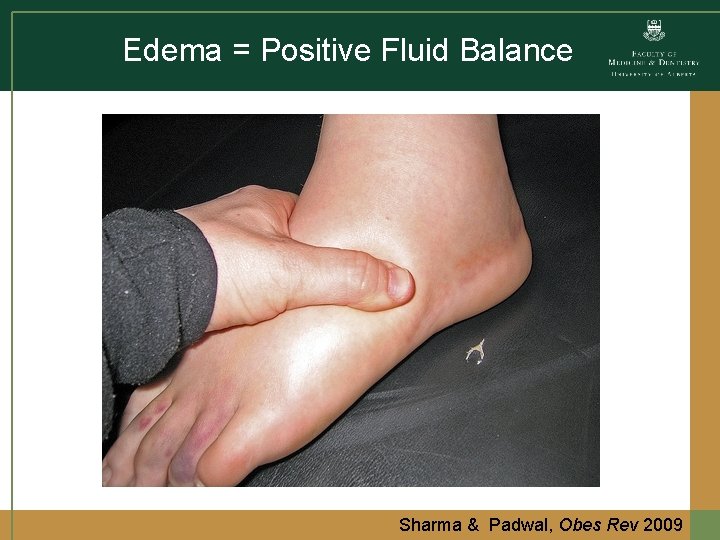
Edema = Positive Fluid Balance Sharma & Padwal, Obes Rev 2009
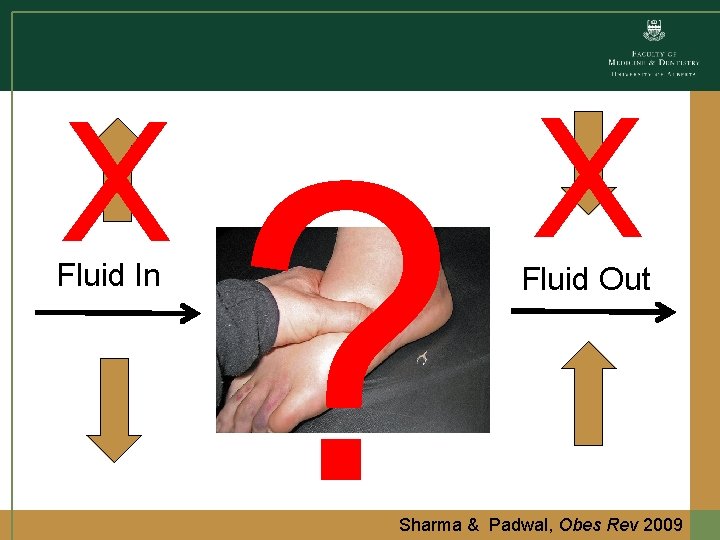
X Fluid In ? X Fluid Out Sharma & Padwal, Obes Rev 2009
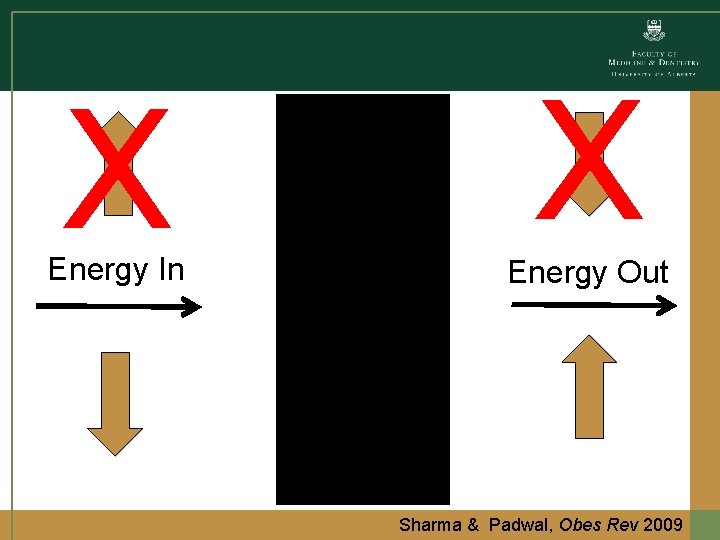
X Energy In X Energy Out Sharma & Padwal, Obes Rev 2009
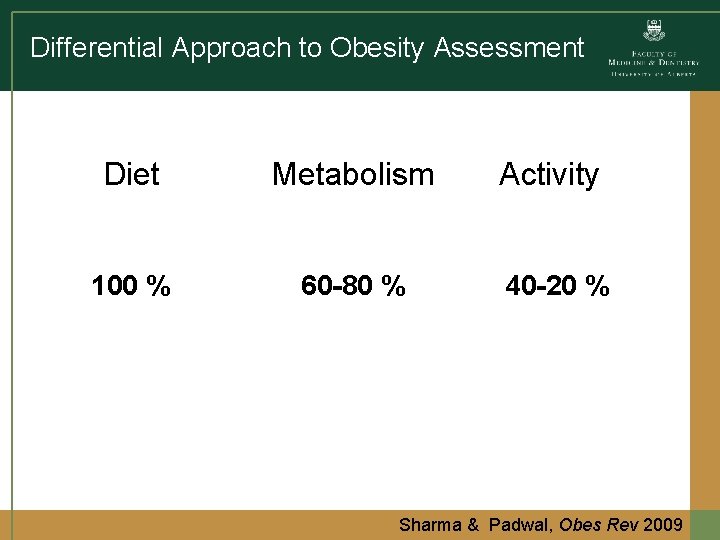
Differential Approach to Obesity Assessment Diet Metabolism Activity 100 % 60 -80 % 40 -20 % Sharma & Padwal, Obes Rev 2009
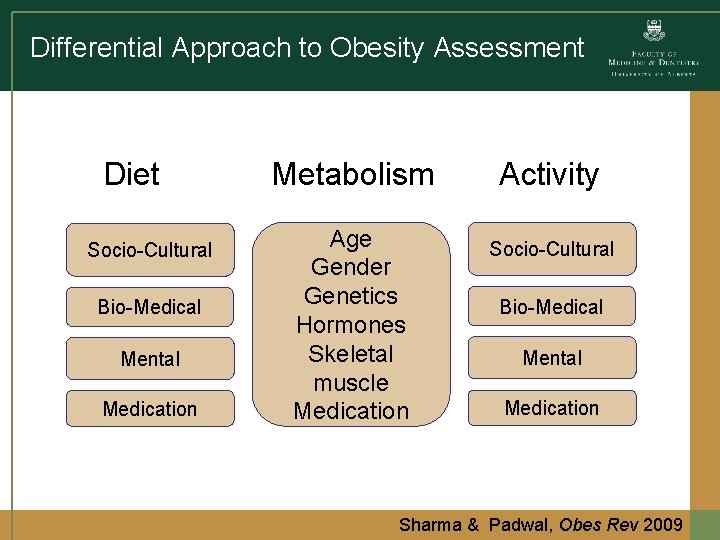
Differential Approach to Obesity Assessment Diet Socio-Cultural Bio-Medical Mental Medication Metabolism Age Gender Genetics Hormones Skeletal muscle Medication Activity Socio-Cultural Bio-Medical Mental Medication Sharma & Padwal, Obes Rev 2009
Advise on • Obesity risks
Advise on • Obesity risks • Benefits of modest weight loss
Advise on • Obesity risks • Benefits of modest weight loss • Need for long-term strategy
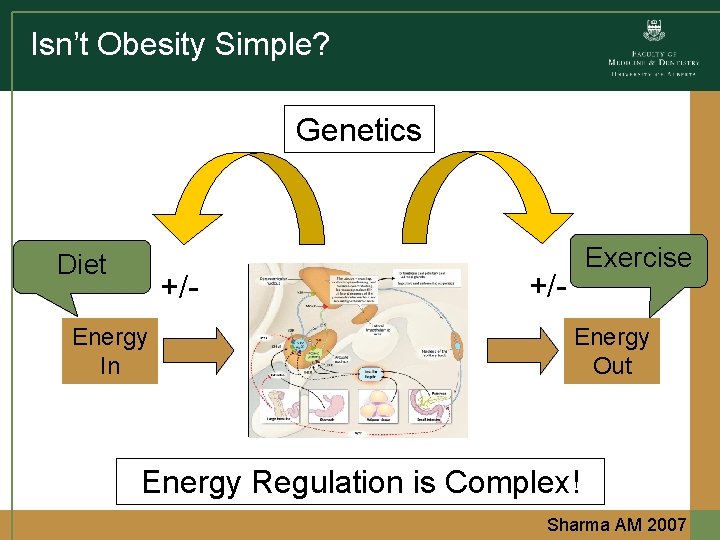
Isn’t Obesity Simple? Genetics Diet +/- Energy In Exercise +/- Energy Out Energy Regulation is Complex! Sharma AM 2007
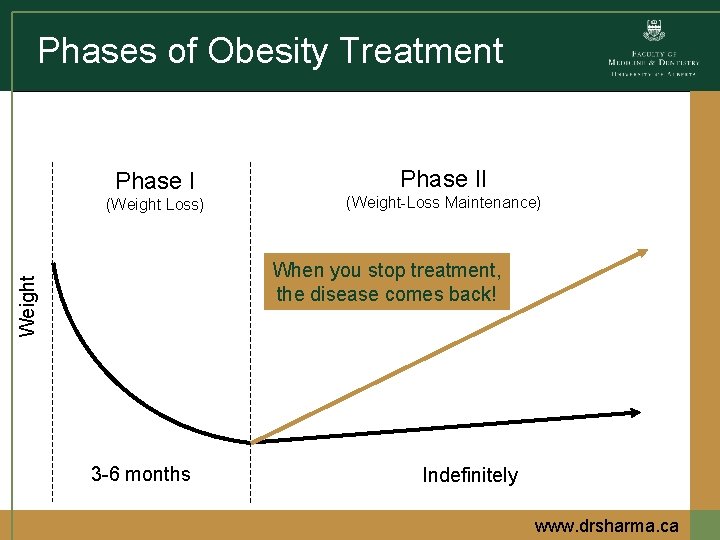
Phases of Obesity Treatment Phase I (Weight Loss) Phase II (Weight-Loss Maintenance) Weight When you stop treatment, the disease comes back! 3 -6 months Indefinitely www. drsharma. ca
Best Weight
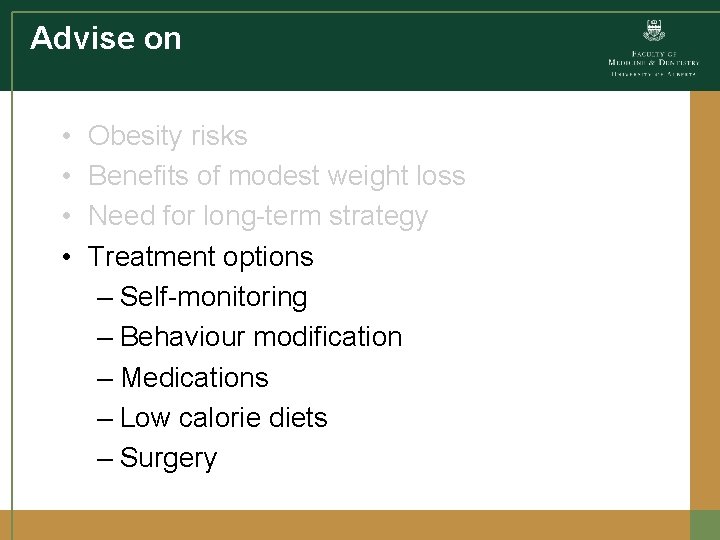
Advise on • • Obesity risks Benefits of modest weight loss Need for long-term strategy Treatment options – Self-monitoring – Behaviour modification – Medications – Low calorie diets – Surgery
Agree on • Weight loss expectations
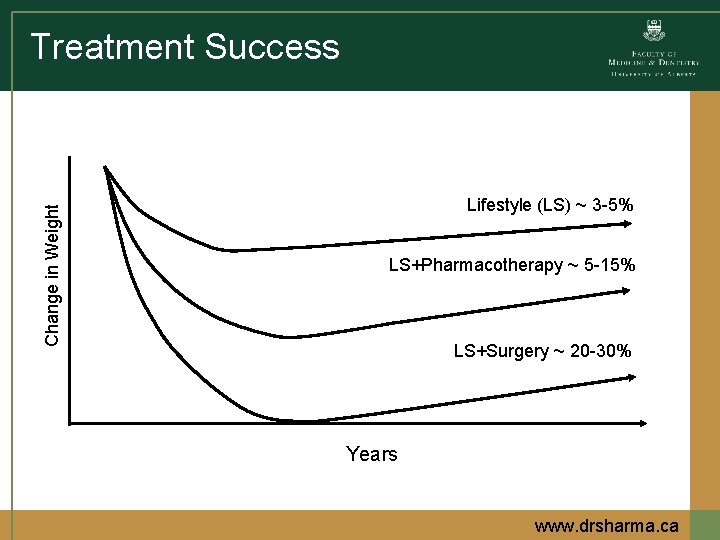
Change in Weight Treatment Success Lifestyle (LS) ~ 3 -5% LS+Pharmacotherapy ~ 5 -15% LS+Surgery ~ 20 -30% Years www. drsharma. ca
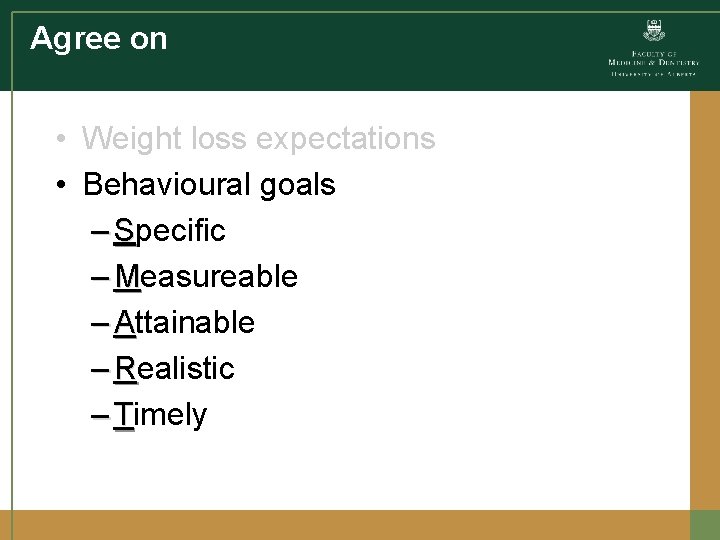
Agree on • Weight loss expectations • Behavioural goals – Specific – Measureable – Attainable – Realistic – Timely
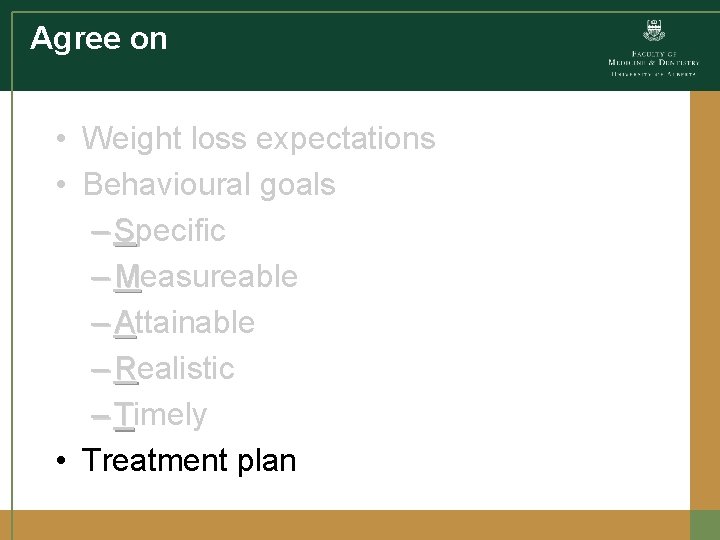
Agree on • Weight loss expectations • Behavioural goals – Specific – Measureable – Attainable – Realistic – Timely • Treatment plan
Assist • Identify drivers and barriers
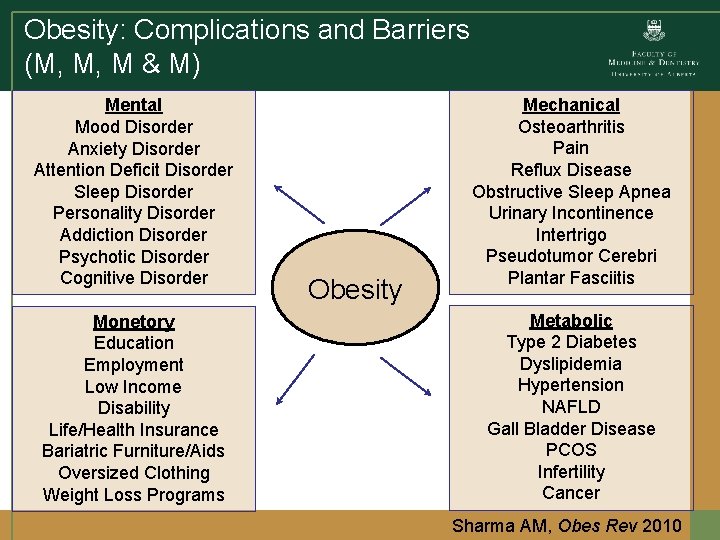
Obesity: Complications and Barriers (M, M, M & M) Mental Mood Disorder Anxiety Disorder Attention Deficit Disorder Sleep Disorder Personality Disorder Addiction Disorder Psychotic Disorder Cognitive Disorder Monetory Education Employment Low Income Disability Life/Health Insurance Bariatric Furniture/Aids Oversized Clothing Weight Loss Programs Obesity Mechanical Osteoarthritis Pain Reflux Disease Obstructive Sleep Apnea Urinary Incontinence Intertrigo Pseudotumor Cerebri Plantar Fasciitis Metabolic Type 2 Diabetes Dyslipidemia Hypertension NAFLD Gall Bladder Disease PCOS Infertility Cancer Sharma AM, Obes Rev 2010
Assist • Identify drivers and barriers • Provide resources
Assist • Identify drivers and barriers • Provide resources • Refer to program
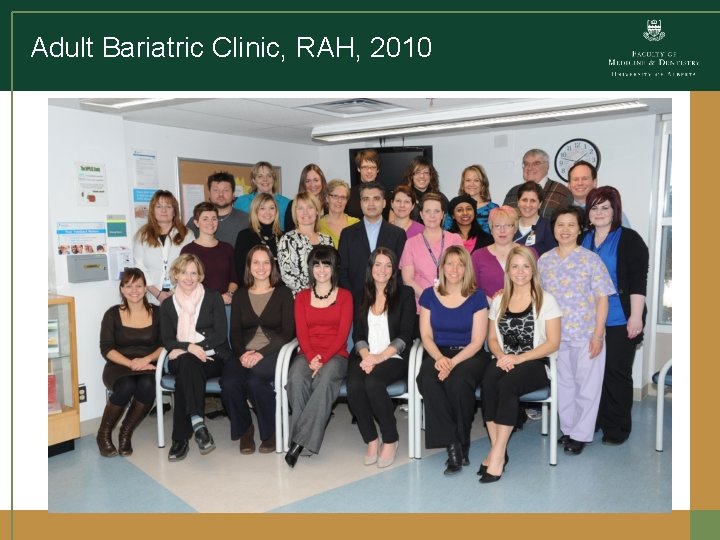
Adult Bariatric Clinic, RAH, 2010
Assist • • Identify drivers and barriers Provide resources Refer to program Follow-up
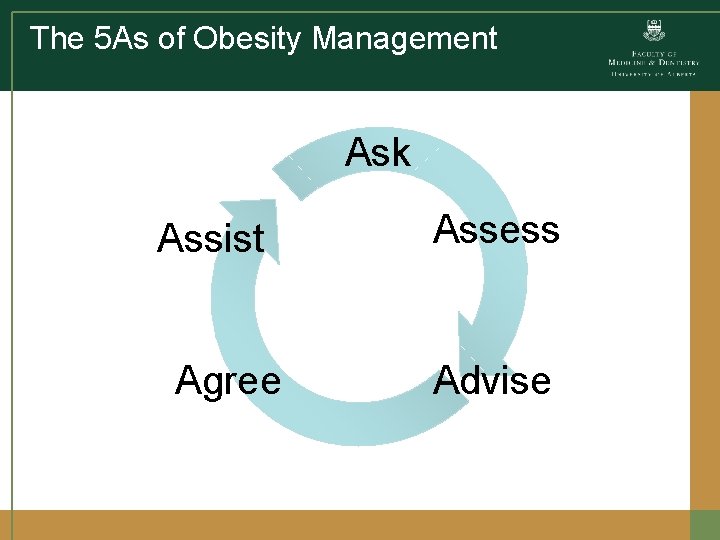
The 5 As of Obesity Management Ask Assist Agree Assess Advise
My Obesity Blog: www. drsharma. ca
- Slides: 48