
NVIS Antenna How to get saturation coverage in
- Slides: 61
NVIS Antenna How to get saturation coverage in the skip zone Tom Sanders, W 6 QJI Ed Bruette, N 7 NVP
Problem statement During disasters, WA communicators need to be able to reliably communicate with W 7 EMD at Camp Murray (State EOC) & other sites around the region via HF on 75 (Pri. ), 60 and 40 mtrs (Sec. )
Goal § Traffic quality statewide communications using a single transportable antenna and a 100 W transmitter without an external tuner
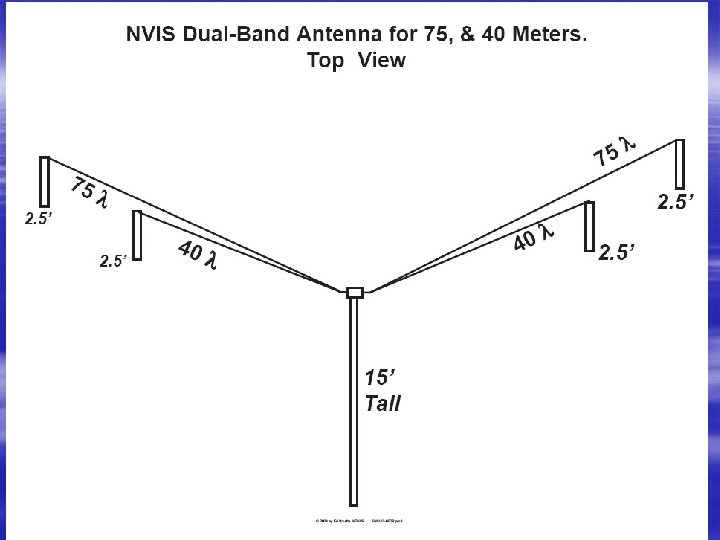
Desirable attributes § Resonant at 7245 k. Hz, 5373 k. Hz and 3985 k. Hz § Omni-directional § Coverage of WA, OR, ID and BC § Portable § Easy for one person to erect
What is NVIS? § § Near Vertical Incident Skywave § Cloud Warmer
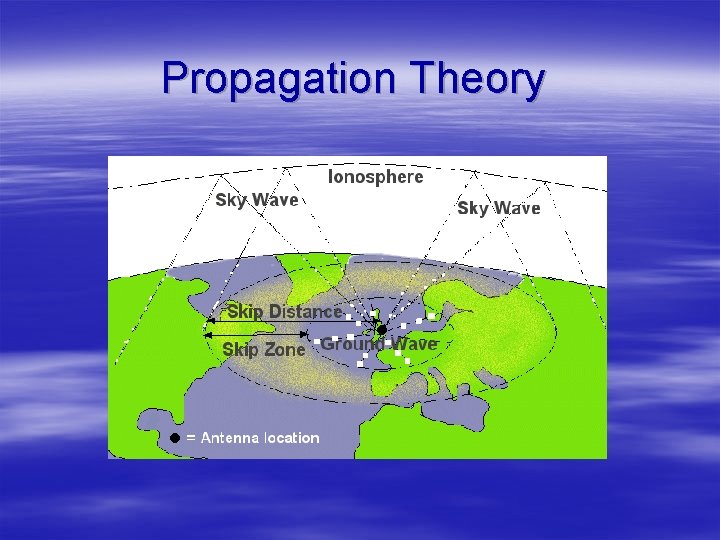
Propagation Theory
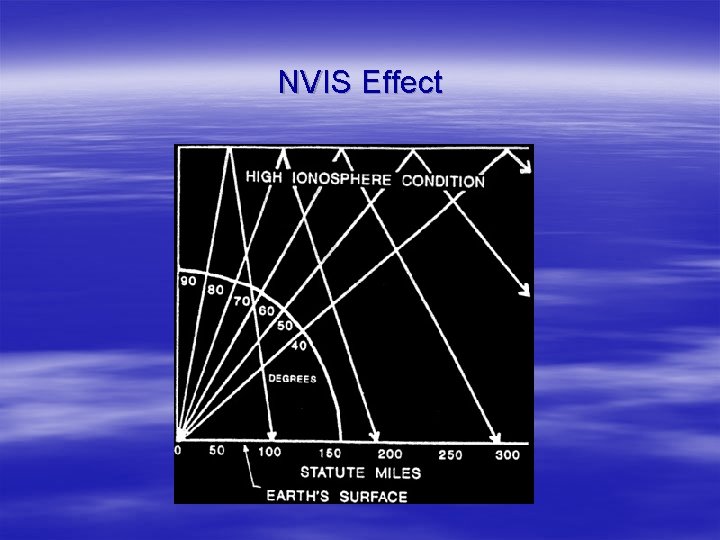
NVIS Effect
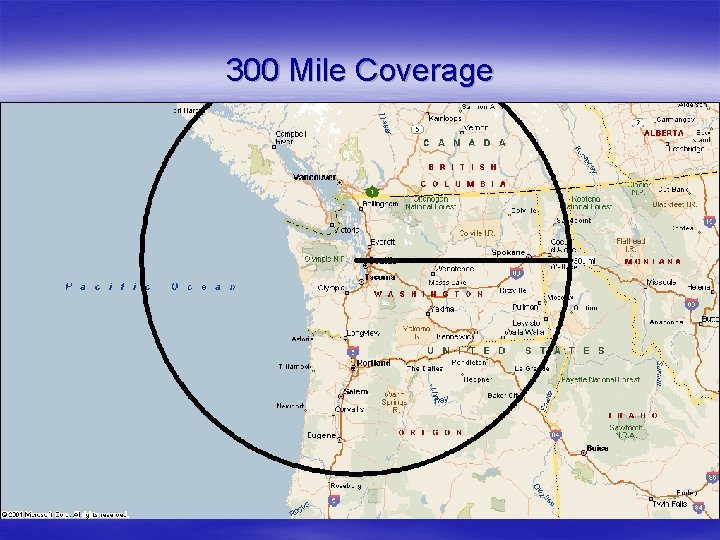
300 Mile Coverage
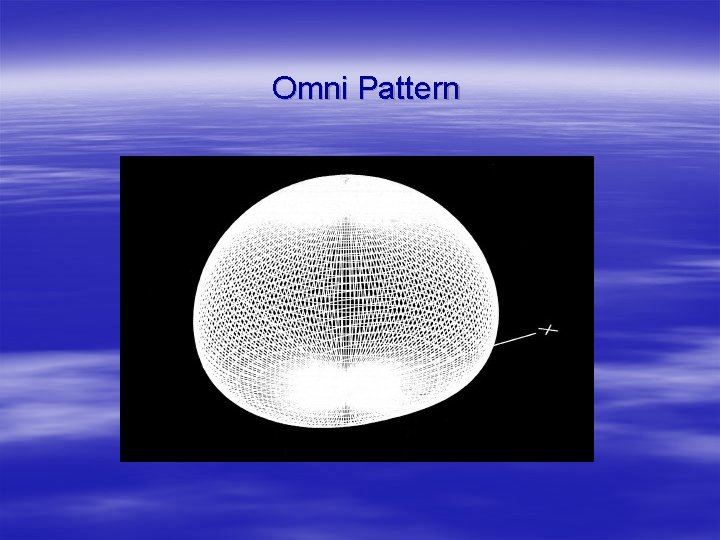
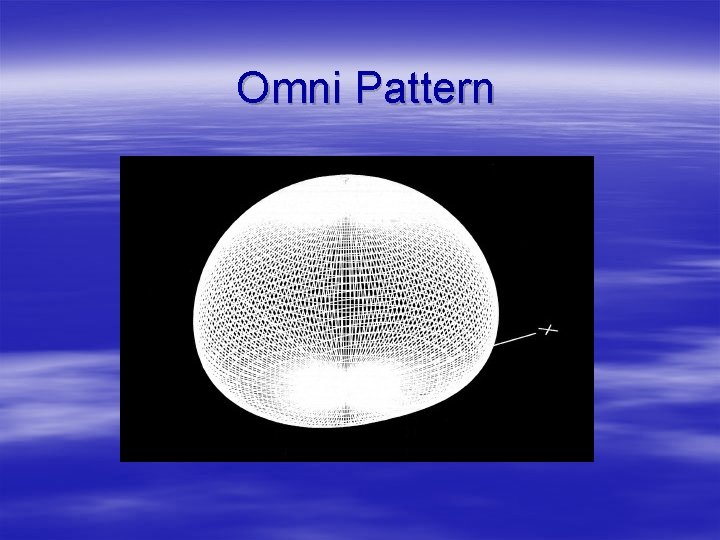
Omni Pattern
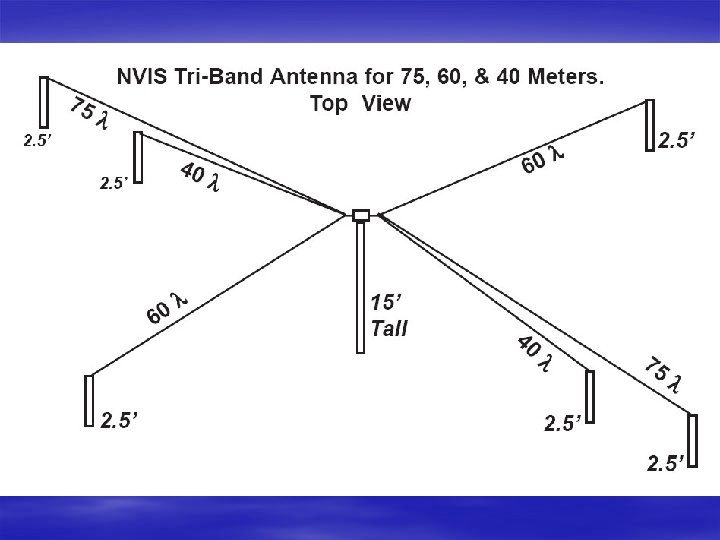
The Technical End Of Things § Dr. Jelinek’s design § Modifying the original design to work on 75, 60 & 40 meters without a tuner § Tweaking for optimum performance
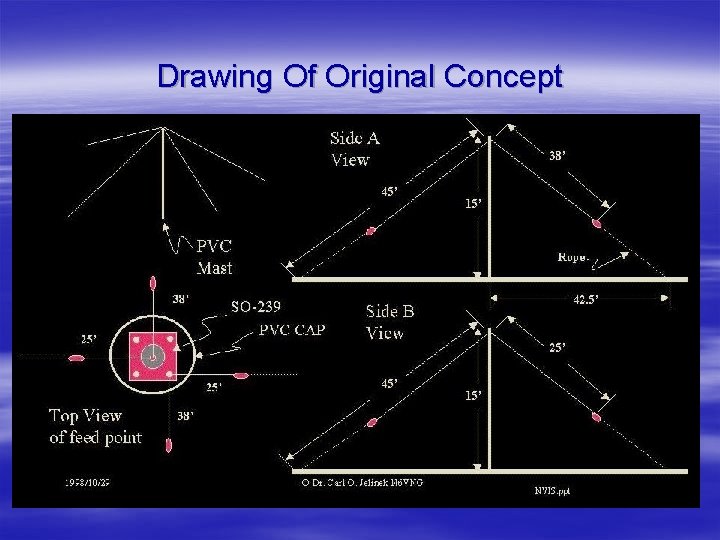
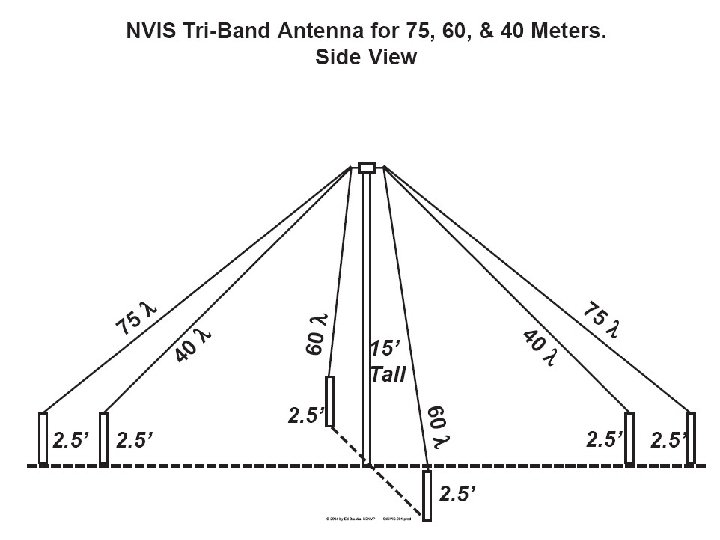
Drawing Of Original Concept
NEC 2 Considerations § Original design using EZNEC replaced by NEC 2 (Numerical Electromagnetic Code) § Derived from original NEC Provides accurate gain data for radiators very close to the ground § Gain figures vary with ground conditions
Propagation Considerations § “D” layer losses § Ionospheric scattering for vertical propagation § Importance of critical frequency
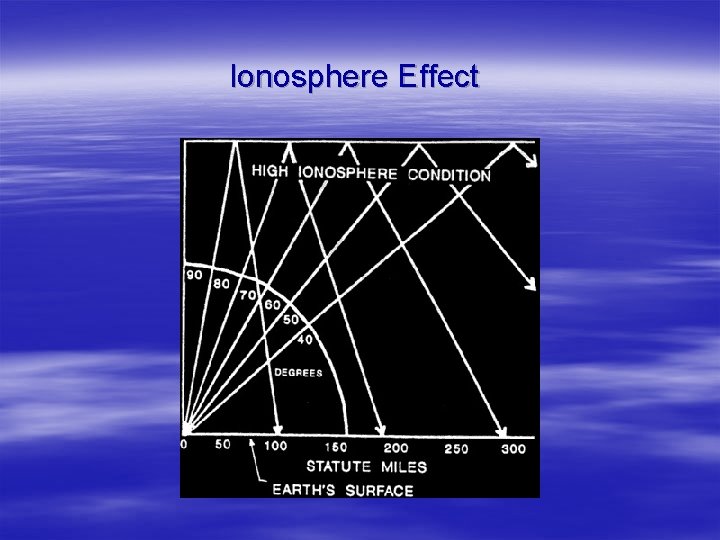
Ionosphere Effect
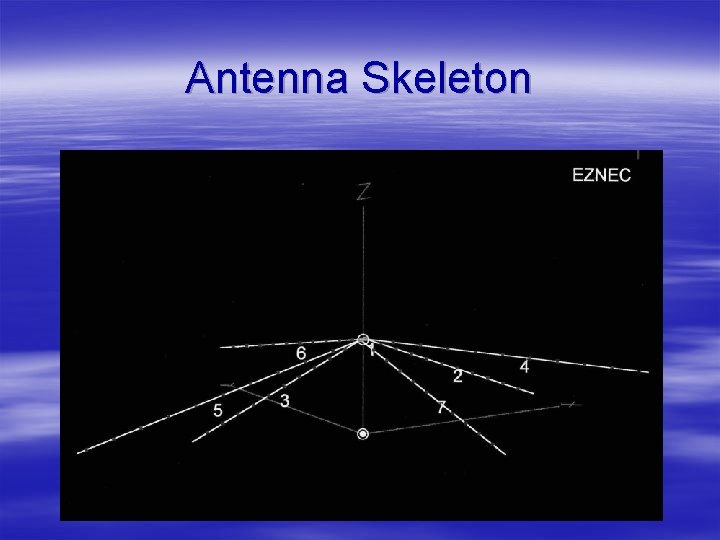
Antenna Skeleton
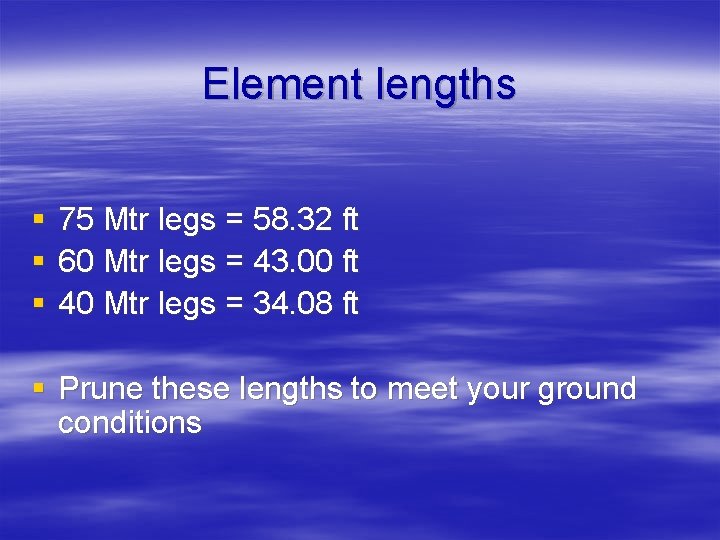
Element lengths § § § 75 Mtr legs = 58. 32 ft 60 Mtr legs = 43. 00 ft 40 Mtr legs = 34. 08 ft § Prune these lengths to meet your ground conditions
Omni Pattern
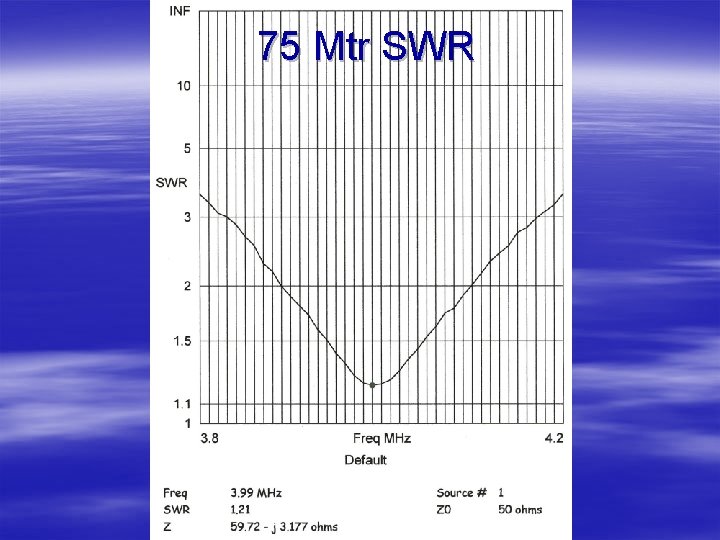
75 Mtr SWR
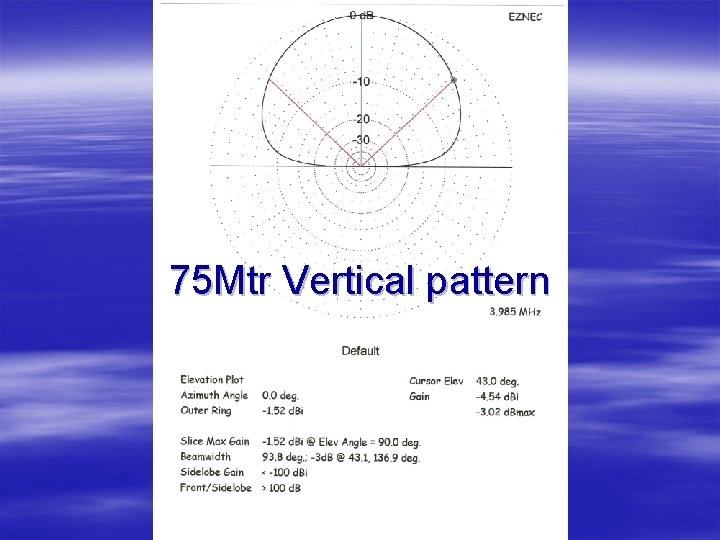
75 Mtr Vertical pattern
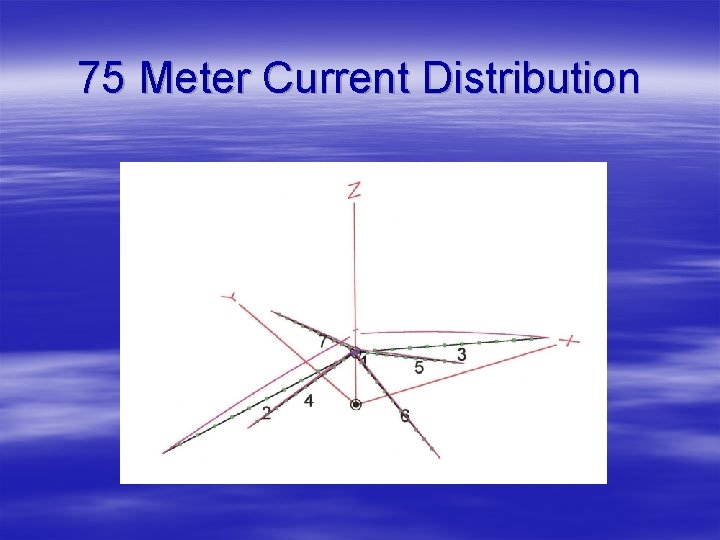
75 Meter Current Distribution
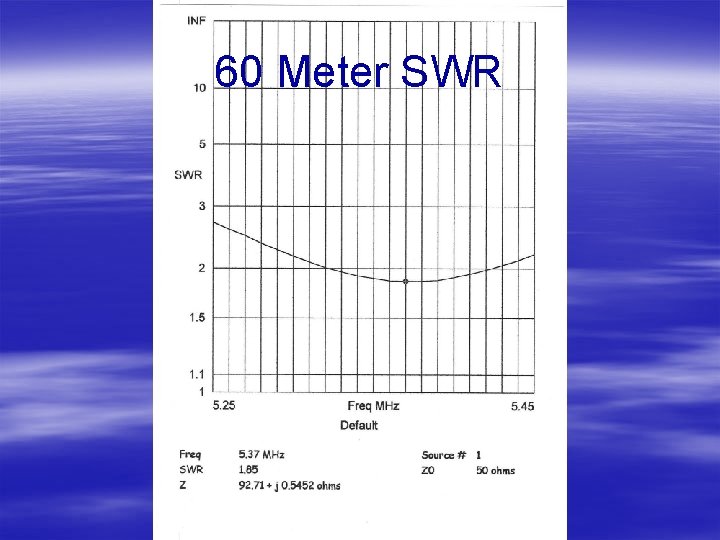
60 Meter SWR
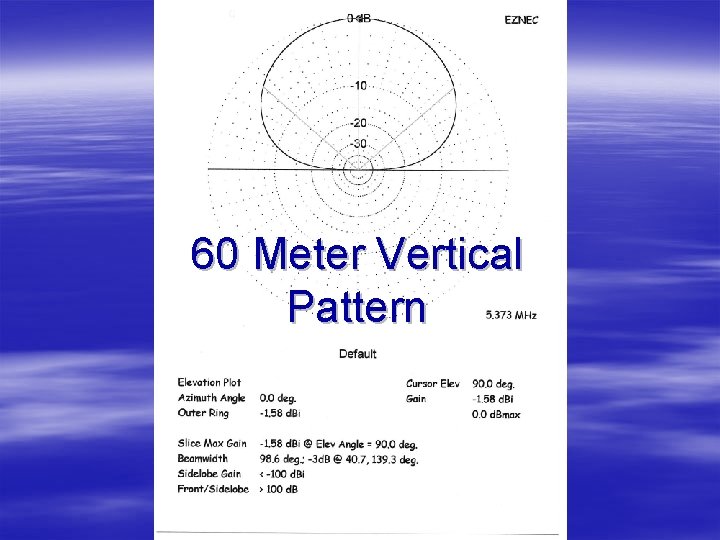
60 Meter Vertical Pattern
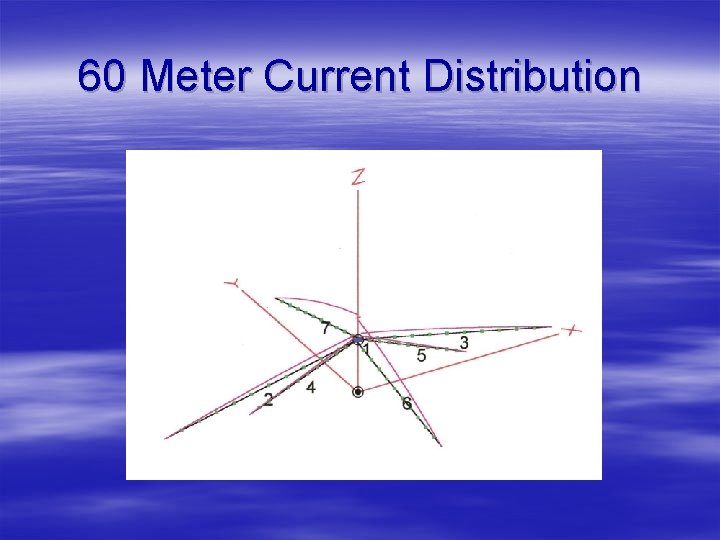
60 Meter Current Distribution
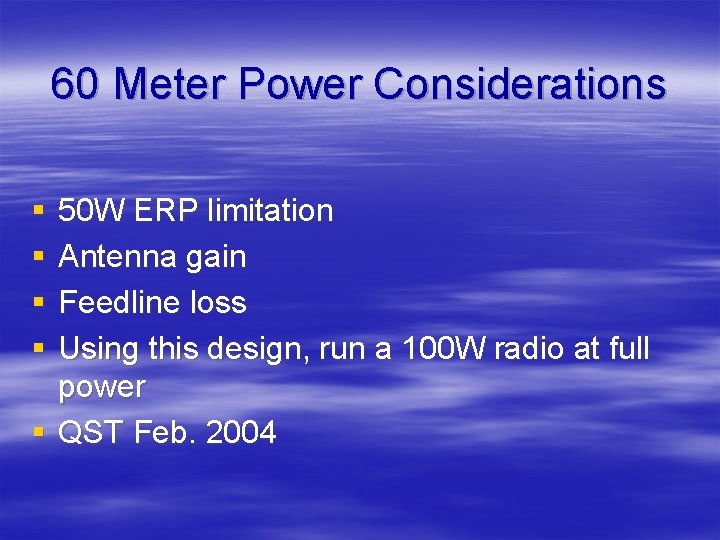
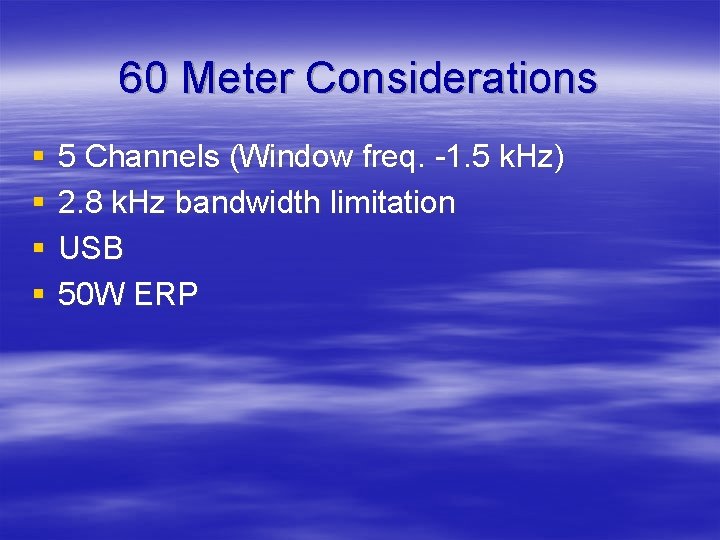
60 Meter Power Considerations § § 50 W ERP limitation Antenna gain Feedline loss Using this design, run a 100 W radio at full power § QST Feb. 2004
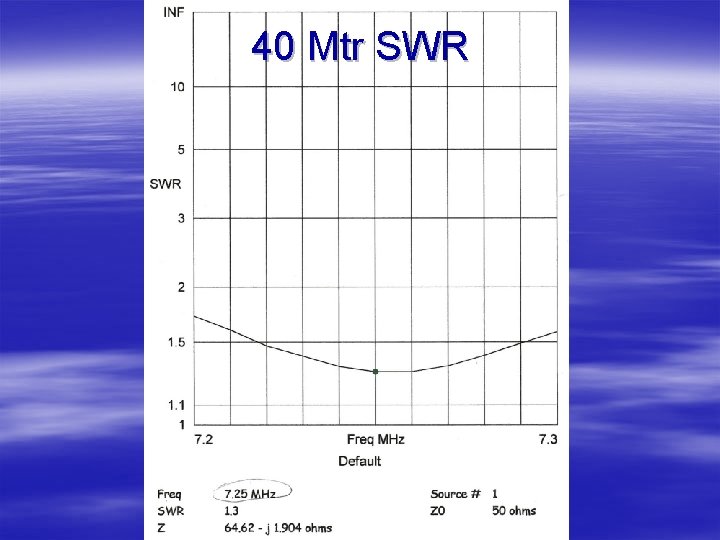
40 Mtr SWR
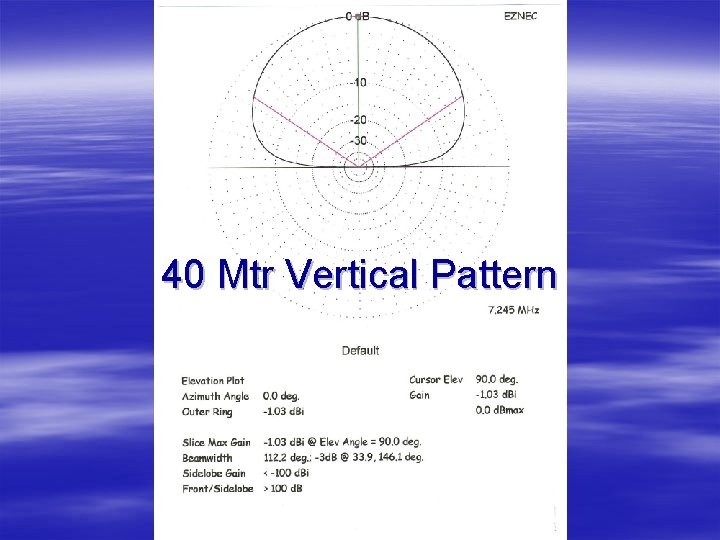
40 Mtr Vertical Pattern
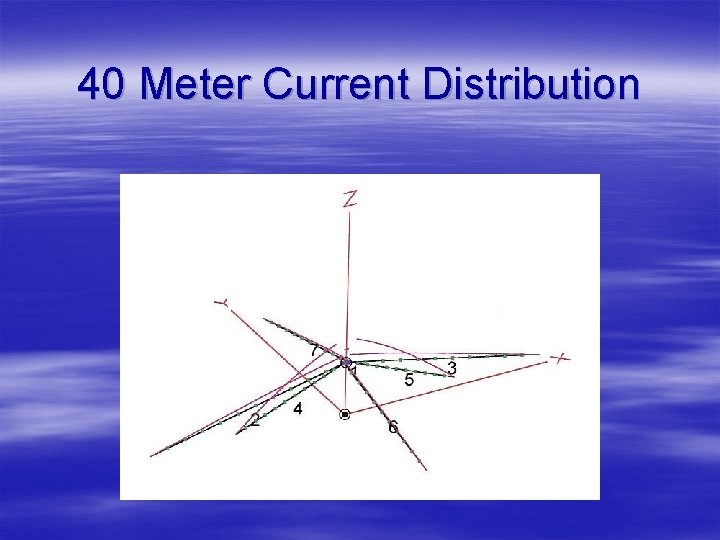
40 Meter Current Distribution
How it went together § § § Materials Construction Modifications
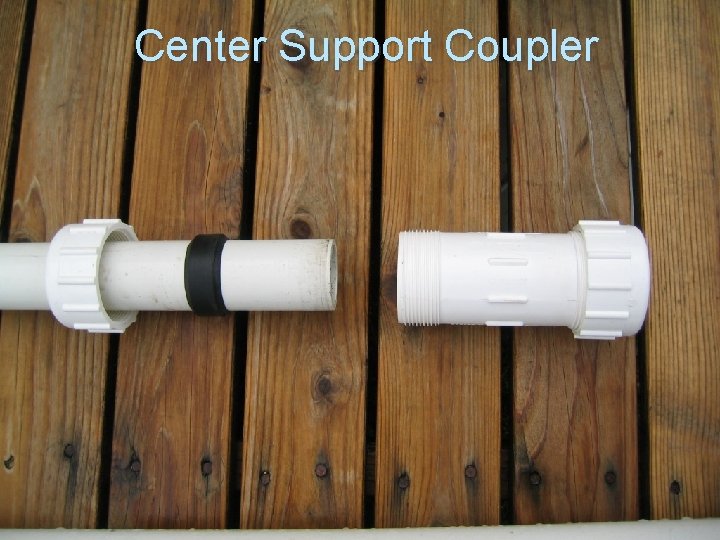
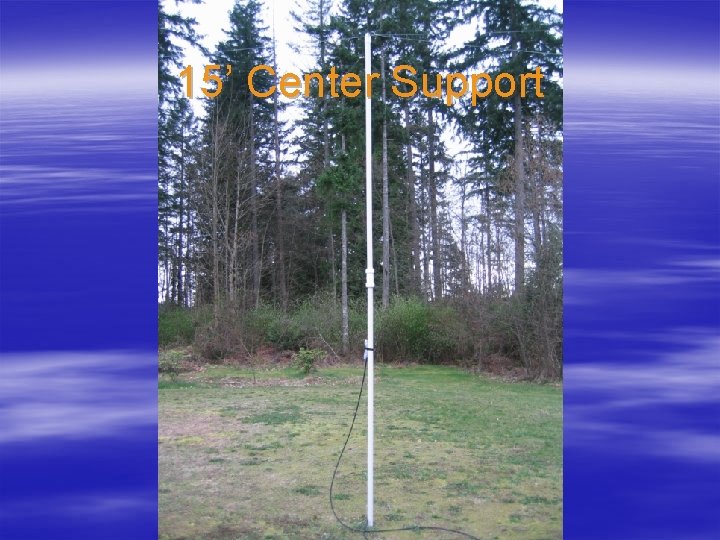
Center Support Coupler
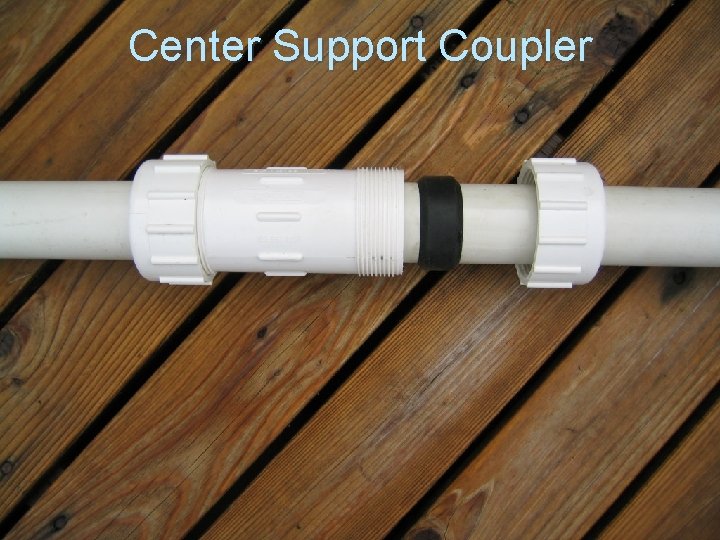
Center Support Coupler
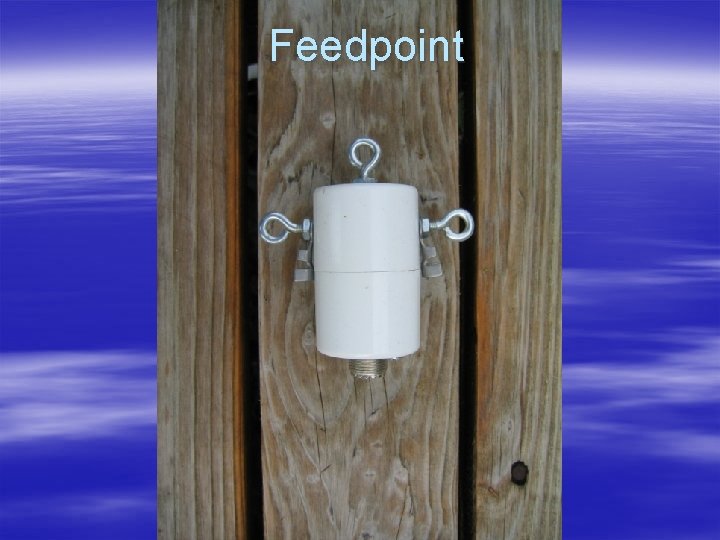
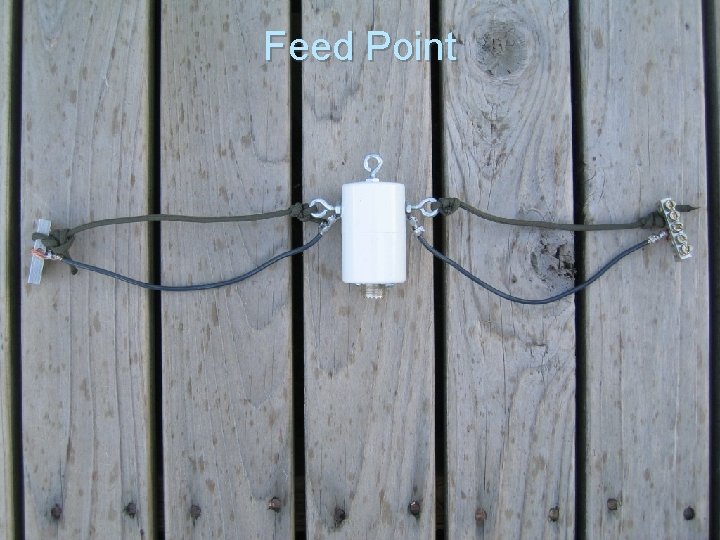
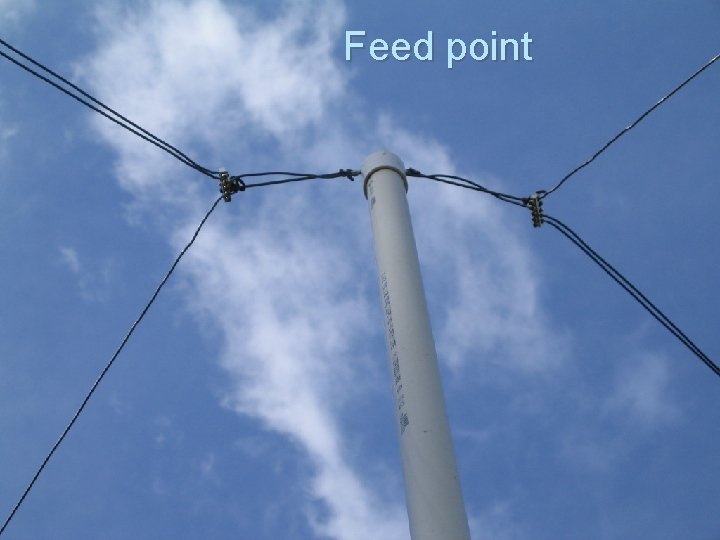
Feedpoint
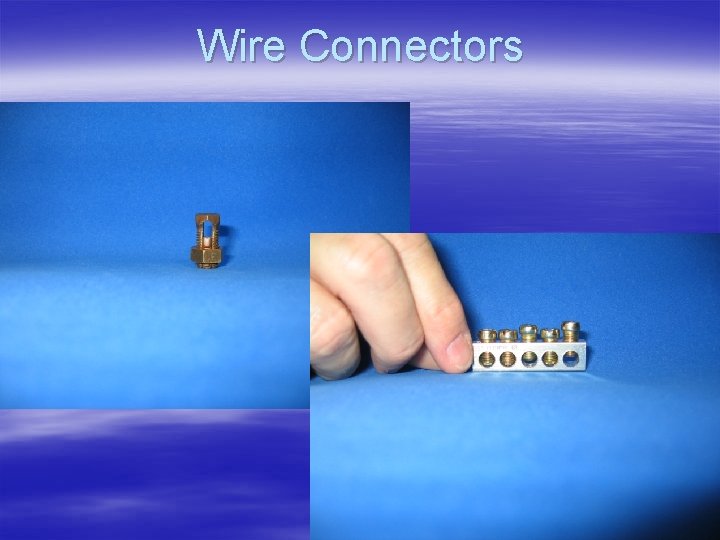
Wire Connectors
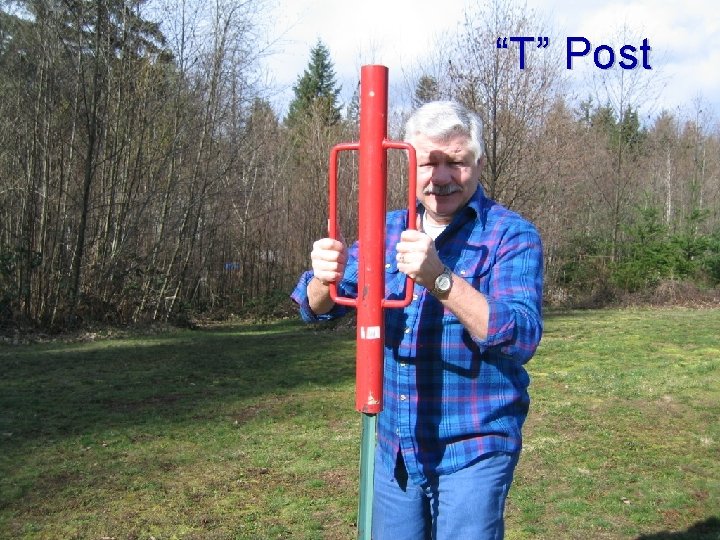
Parts list § 2 1. 5 in x 10 ft Schedule 40 PVC pipe – cut to 7. 5 ft lengths § 1 1. 5 in. compression coupler (joint connector) § 1 1. 5 in. slip coupler § 2 1 in x 10 ft Schedule 40 PVC pipe – cut to 2. 5 ft lengths (6 ea needed) § 6 1 in end caps § 6 5/8 in Schedule 20 PVC pipe – Cut to 6 in lengths – Drill hole for wire (6 ea needed) § 1 6 ft “T” fence post (fits inside center support)
Parts list (Cont. ) § 6 18 in metal stakes § 1 50 Ohm feed point (Dipole center insulator) § 275 ft antenna wire – insulated 14 ga. § 2 8. 5 in. wire pig tails – transition from feed point to wire elements § 2 Short non-conductive strain reliefs § 2 Split bolts or 5 hole grounding bars § Coax to reach the transmitter
Feed Point
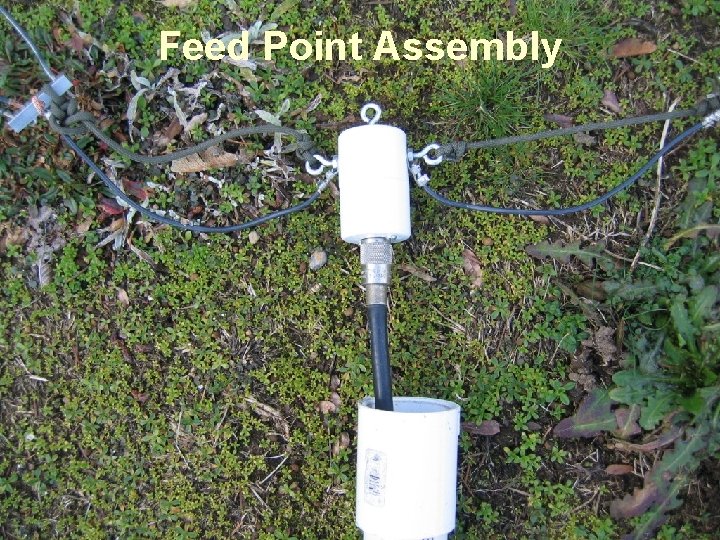
Feed Point Assembly
“T” Post
15’ Center Support
Feed point
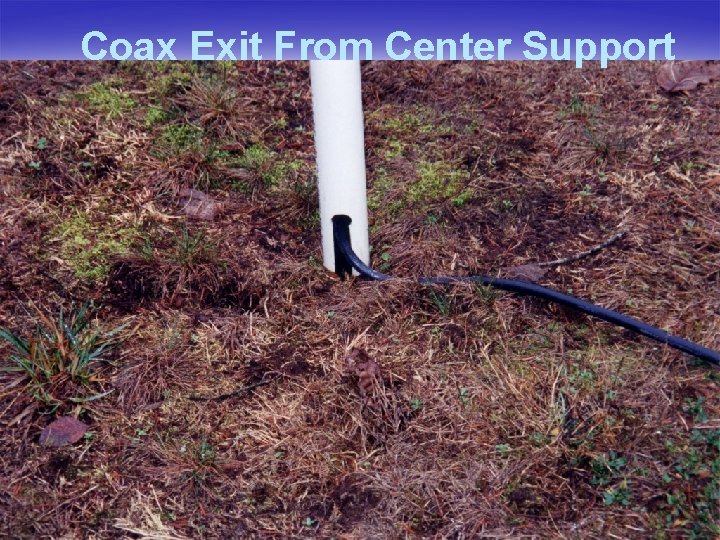
Coax Exit From Center Support
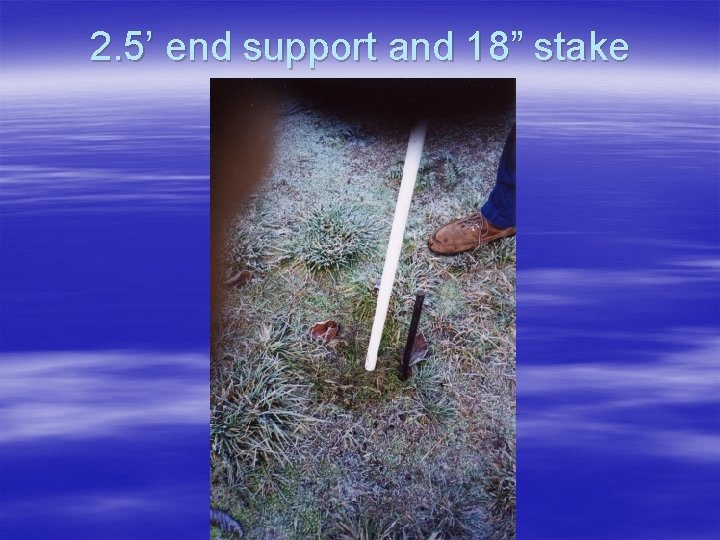
2. 5’ end support and 18” stake
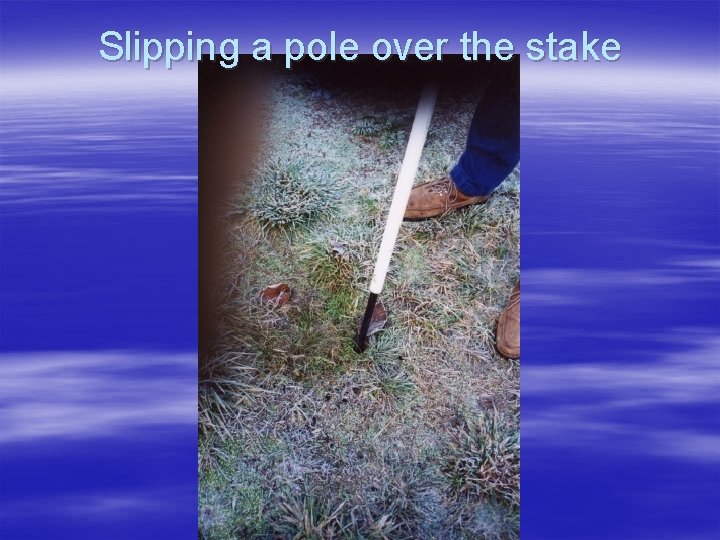
Slipping a pole over the stake
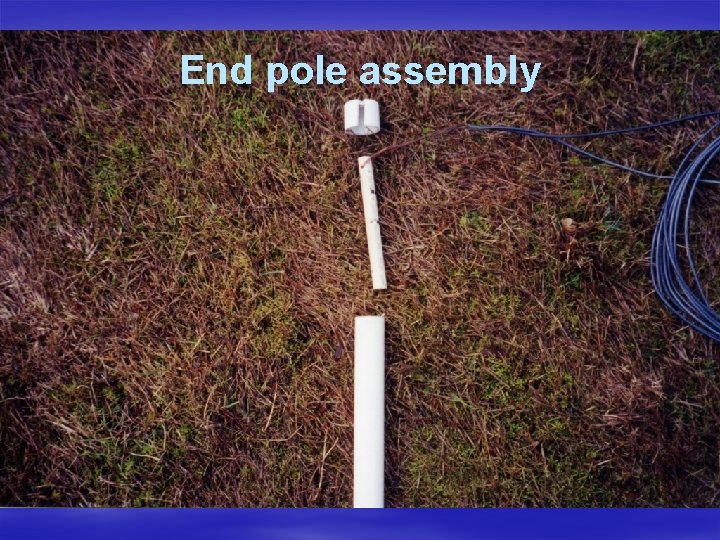
End pole assembly
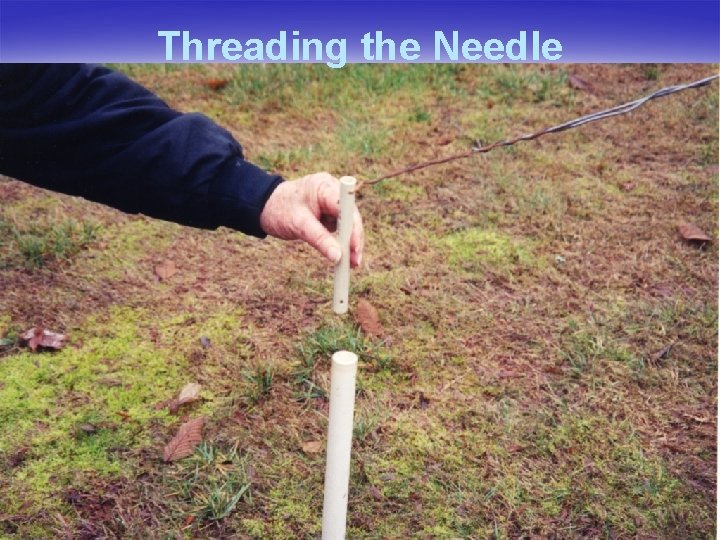
Threading the Needle
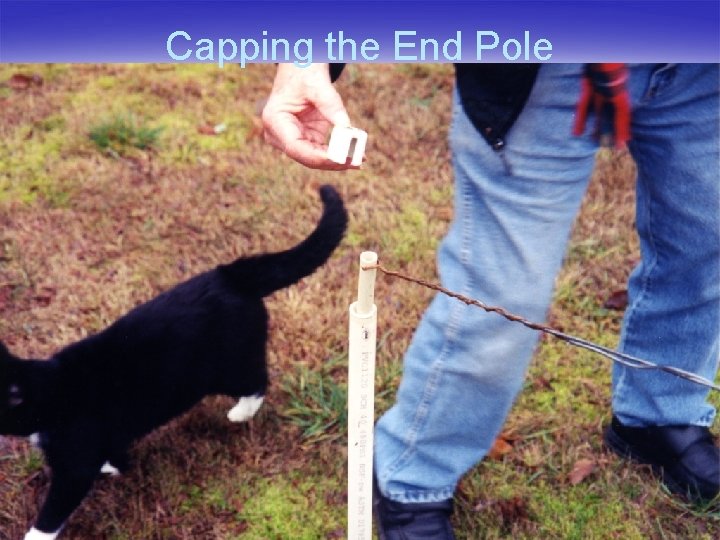
Capping the End Pole
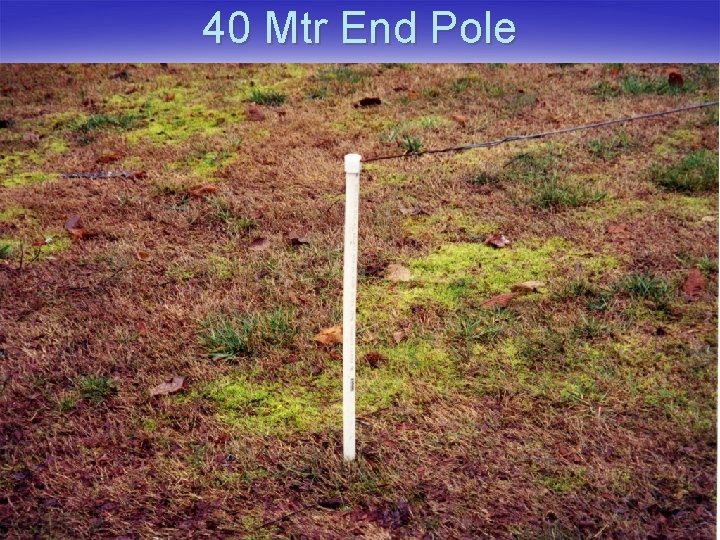
40 Mtr End Pole
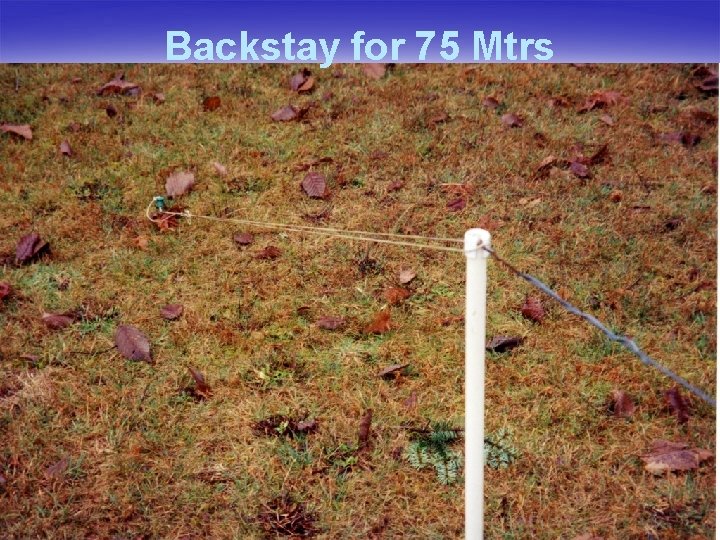
Backstay for 75 Mtrs
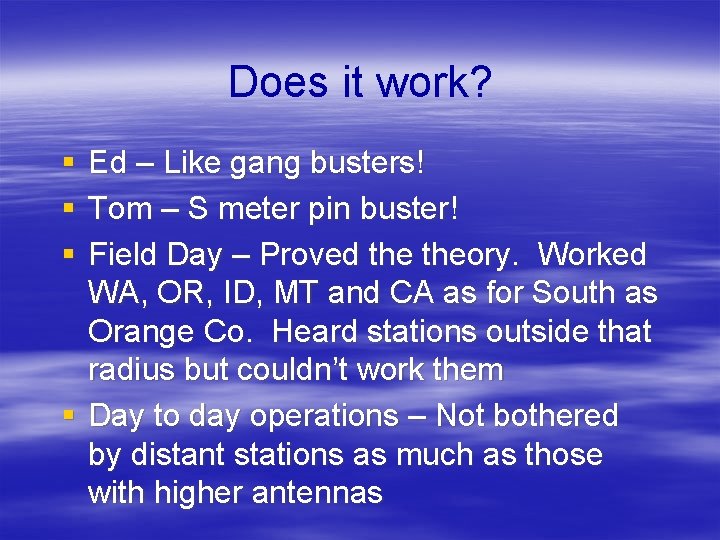
Does it work? § § § Ed – Like gang busters! Tom – S meter pin buster! Field Day – Proved theory. Worked WA, OR, ID, MT and CA as for South as Orange Co. Heard stations outside that radius but couldn’t work them § Day to day operations – Not bothered by distant stations as much as those with higher antennas
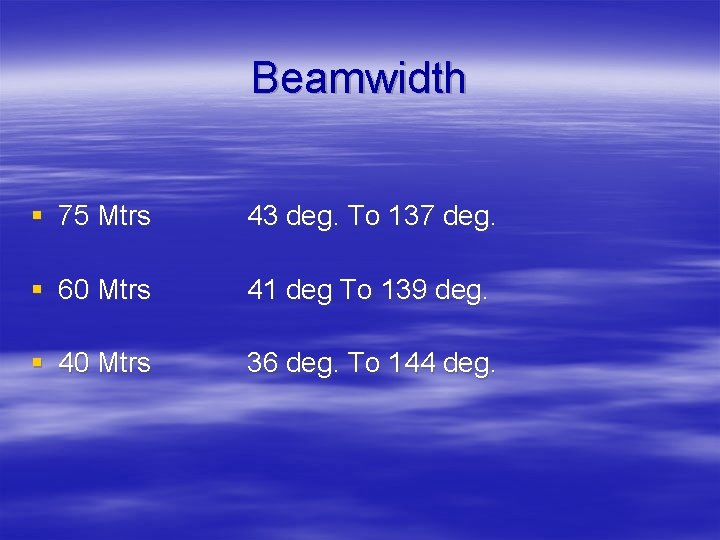
Beamwidth § 75 Mtrs 43 deg. To 137 deg. § 60 Mtrs 41 deg To 139 deg. § 40 Mtrs 36 deg. To 144 deg.
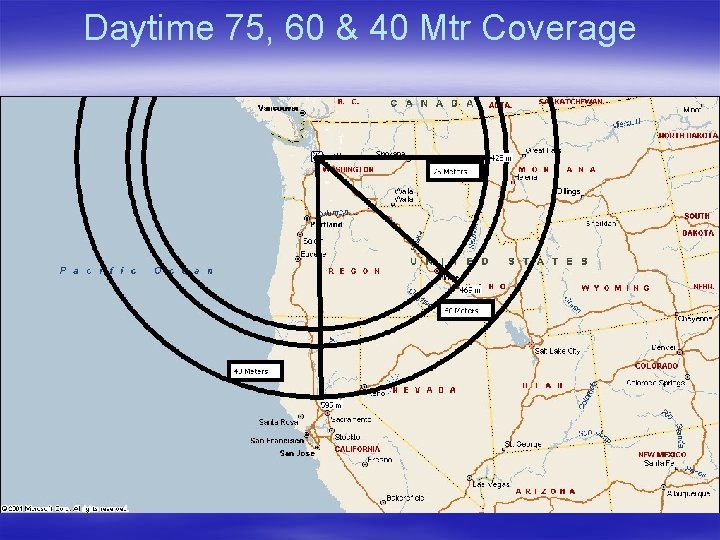
Daytime 75, 60 & 40 Mtr Coverage
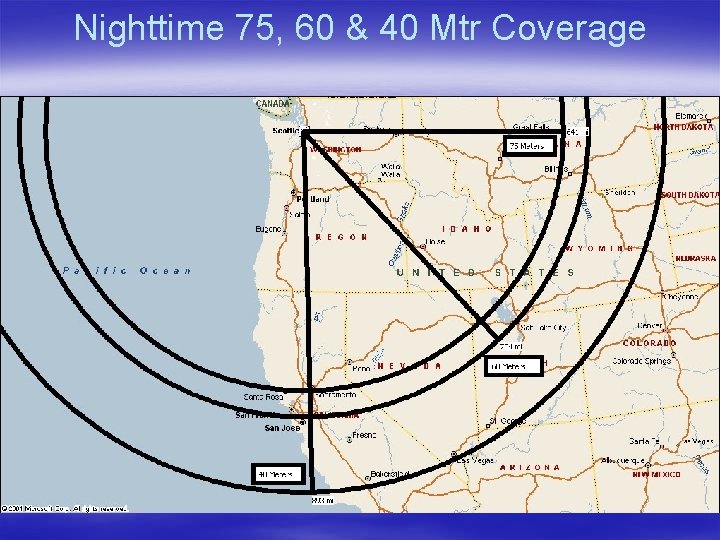
Nighttime 75, 60 & 40 Mtr Coverage
Does it work? (cont. ) § Slight resonant frequency shift with wet vs. dry conditions – lower when wet § Meets requirement for single person operation § Portability enhanced with use of nontangling wire § Permanent installations need to be reinforced against the wind
Tools required § § § Hammer Screwdriver That’s it! There ain’t no mo!
Hints & tips § Tin the feed point end of the wire – better mechanical fit for the ground bar § Dipole insulator has an eye bolt in the top for suspension from a tree or skyhook § When using suspension method, put 15’ mark on coax to ID the proper height § Coax should be perpendicular to the ground
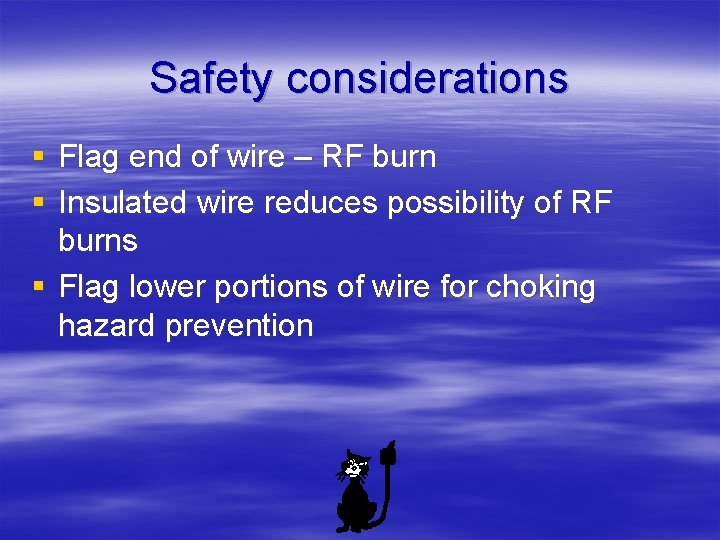
Safety considerations § Flag end of wire – RF burn § Insulated wire reduces possibility of RF burns § Flag lower portions of wire for choking hazard prevention
60 Meter Considerations § § 5 Channels (Window freq. -1. 5 k. Hz) 2. 8 k. Hz bandwidth limitation USB 50 W ERP
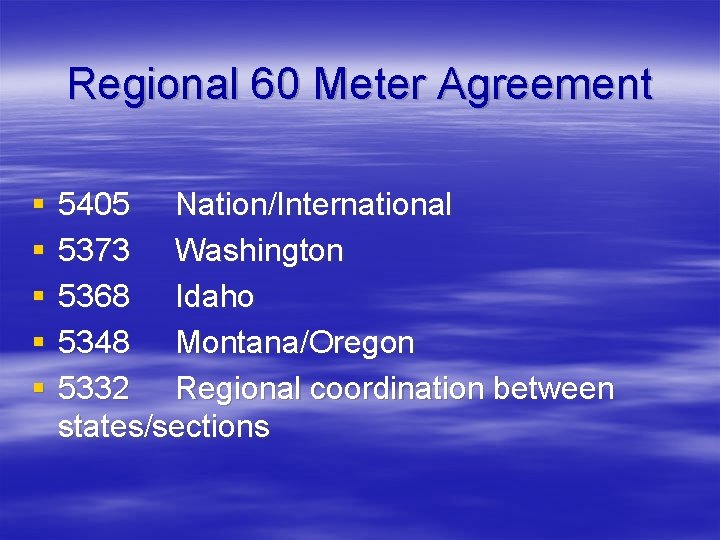
Regional 60 Meter Agreement § § § 5405 Nation/International 5373 Washington 5368 Idaho 5348 Montana/Oregon 5332 Regional coordination between states/sections
Thank you! de Ed & Tom