
Nutrition Through the Life Cycle Foods II What
- Slides: 17
Nutrition Through the Life Cycle Foods II
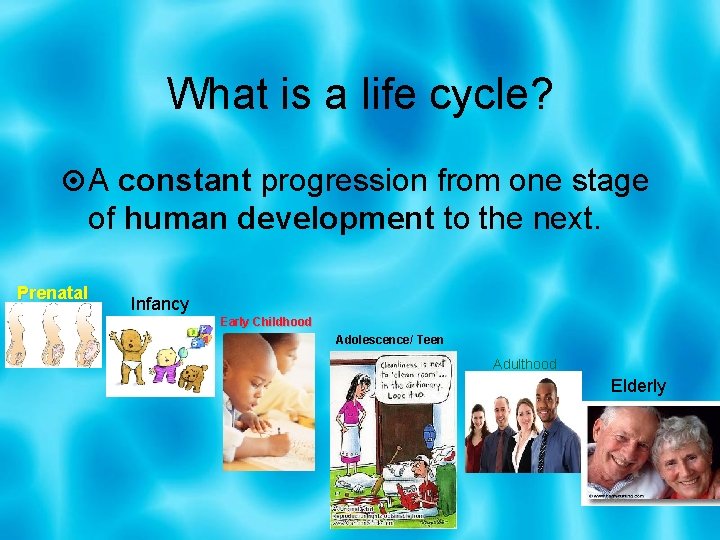
What is a life cycle? A constant progression from one stage of human development to the next. Prenatal Infancy Early Childhood Adolescence/ Teen Adulthood Elderly
The types and amounts of foods vary within each developmental stage. (More info. Later)
Basic Nutritional Needs Exercise and good nutrition helps the body resist disease, helps recuperation, and supplies energy Proper amounts of fiber in the diet is directly linked to preventing many health concerns
Many things influence our food choices: Physical Needs The nutrients you need Amount of exercise you need
Psychological Needs Security Belonging/comfort Enjoyment
Social Influences Culture Ethnicity Religion Parents/family Friends The Media (TV, internet, & advertising)
Available Resources Money Time Knowledge Equipment Store/supermarket
Personal Influences Your lifestyle Values and priorities Your emotions Where you live and work
Impact of our food choices Ultimately, the foods we choose to eat influence our health today and for the rest of our lives A lifetime of good or poor health depends on the small food decisions we make every day
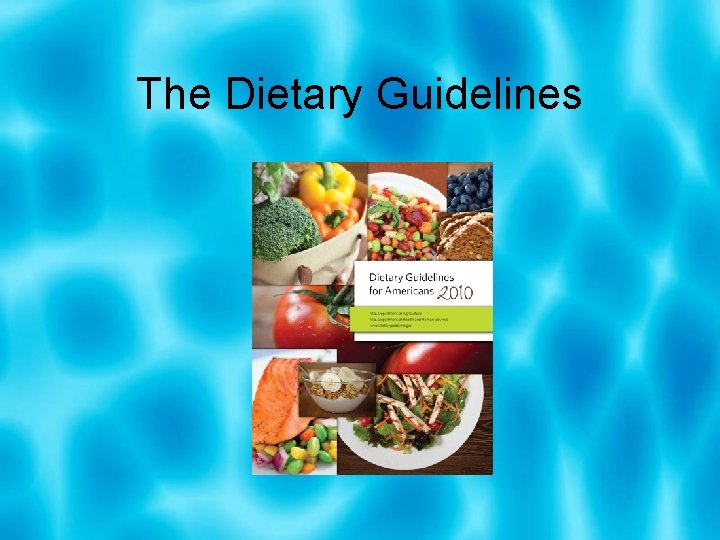
The Dietary Guidelines
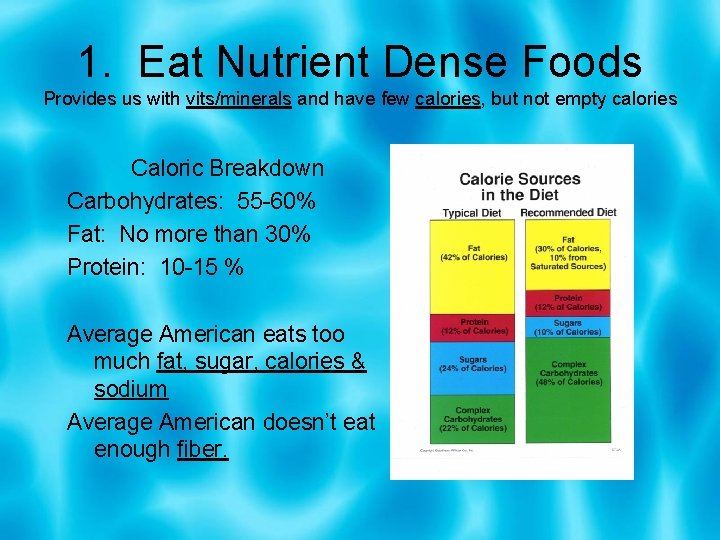
1. Eat Nutrient Dense Foods Provides us with vits/minerals and have few calories, but not empty calories Caloric Breakdown Carbohydrates: 55 -60% Fat: No more than 30% Protein: 10 -15 % Average American eats too much fat, sugar, calories & sodium Average American doesn’t eat enough fiber.
2. Balance calories to manage weight a. Monitor food and beverage intake, physical activity and body weight. b. Reduce portion sizes c. When eating out, make better choices d. Limit screen time (increase your activity, don’t watch so much TV or be on the computer so much)
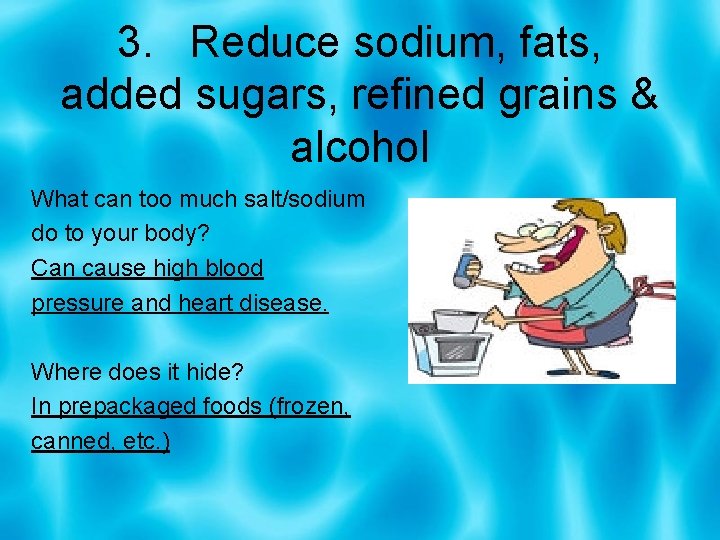
3. Reduce sodium, fats, added sugars, refined grains & alcohol What can too much salt/sodium do to your body? Can cause high blood pressure and heart disease. Where does it hide? In prepackaged foods (frozen, canned, etc. )
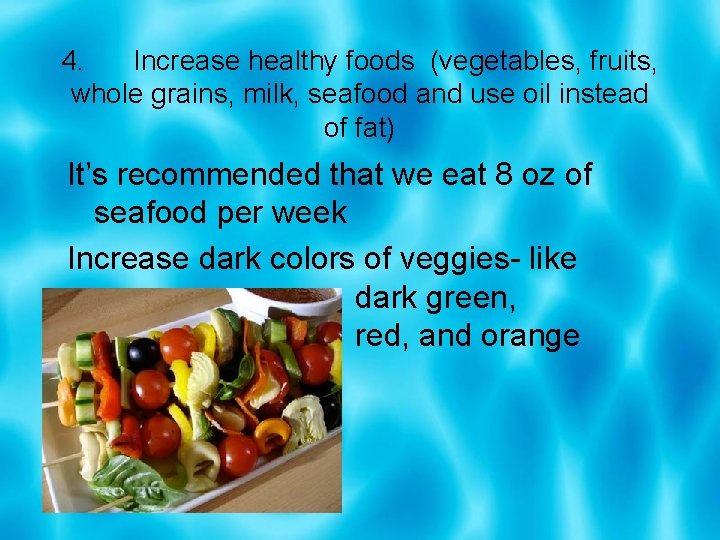
4. Increase healthy foods (vegetables, fruits, whole grains, milk, seafood and use oil instead of fat) It’s recommended that we eat 8 oz of seafood per week Increase dark colors of veggies- like dark green, red, and orange
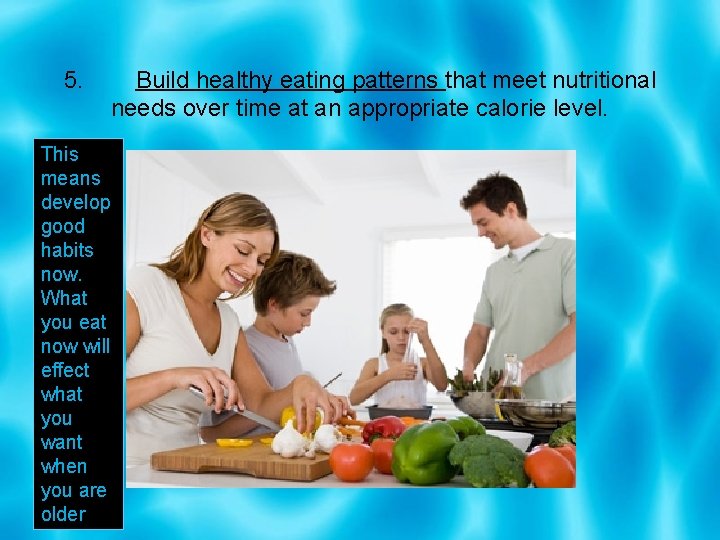
5. Build healthy eating patterns that meet nutritional needs over time at an appropriate calorie level. This means develop good habits now. What you eat now will effect what you want when you are older
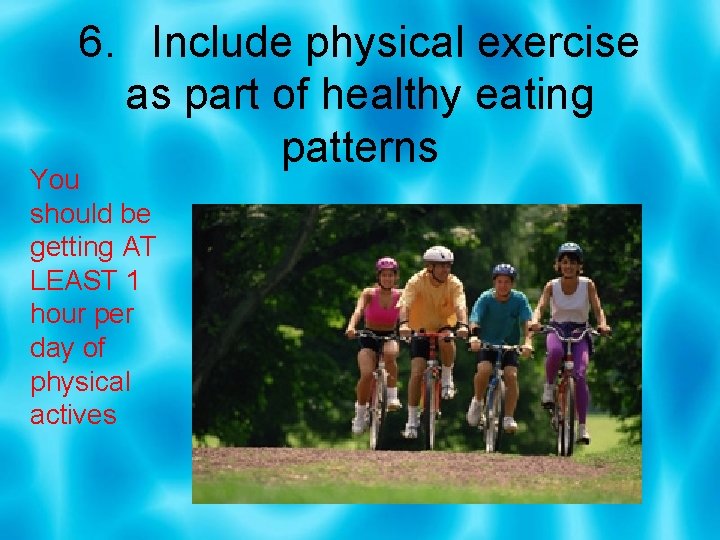
6. Include physical exercise as part of healthy eating patterns You should be getting AT LEAST 1 hour per day of physical actives