
NUTRITION LECTURE 4 CHEMISTRY OF NUTRIENTS PROTEIN AMINO

- Slides: 53
NUTRITION LECTURE 4 CHEMISTRY OF NUTRIENTS
PROTEIN & AMINO ACIDS
PROTEIN o o o from Greek word “primary, holding first place Mulder – proposed the name Has the unique function of building and repairing cell and tissues and no other nutrient can take its place.
PROTEIN o o Building units are called amino acids Linked together by peptide bonds Have elements: carbon, hydrogen and oxygen Contains 16% nitrogen
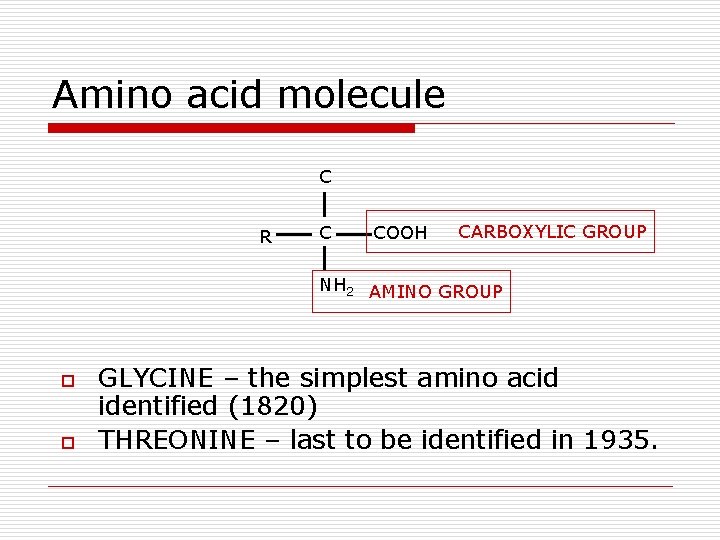
Amino acid molecule C R C COOH CARBOXYLIC GROUP NH 2 AMINO GROUP o o GLYCINE – the simplest amino acid identified (1820) THREONINE – last to be identified in 1935.
Classification of amino acids According to Essentiality: o EAA (essential amino acids) o SEAA (semi-essential amino acids) o NEAA (non-essential amino acids)
Classification of amino acids According to chemical composition of their side chains: o Basic Amino Acids (lysine) o Acidic Amino Acids (aspartic acid) o Neutral Amino Acids n n Aliphatic (threonine) Aromatic/cyclic (phenylalanine)
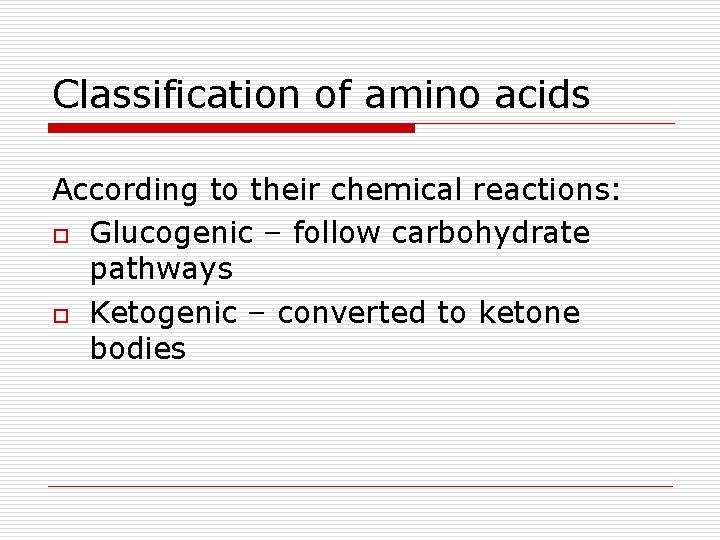
Classification of amino acids According to their chemical reactions: o Glucogenic – follow carbohydrate pathways o Ketogenic – converted to ketone bodies
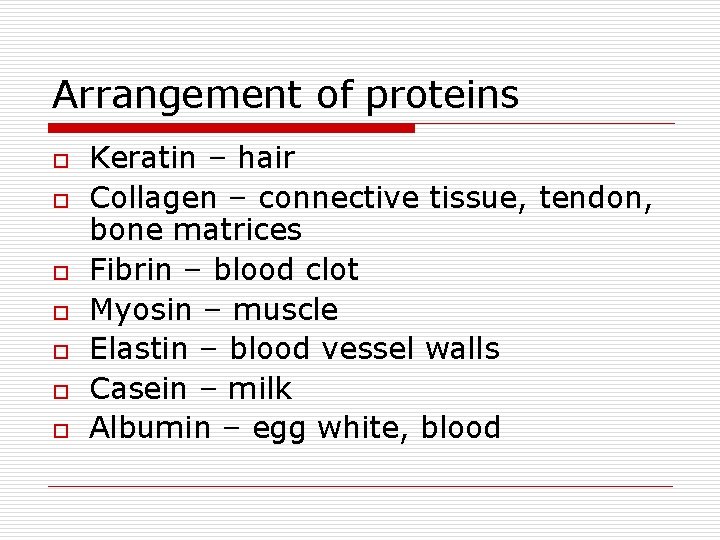
Arrangement of proteins o o o o Keratin – hair Collagen – connective tissue, tendon, bone matrices Fibrin – blood clot Myosin – muscle Elastin – blood vessel walls Casein – milk Albumin – egg white, blood
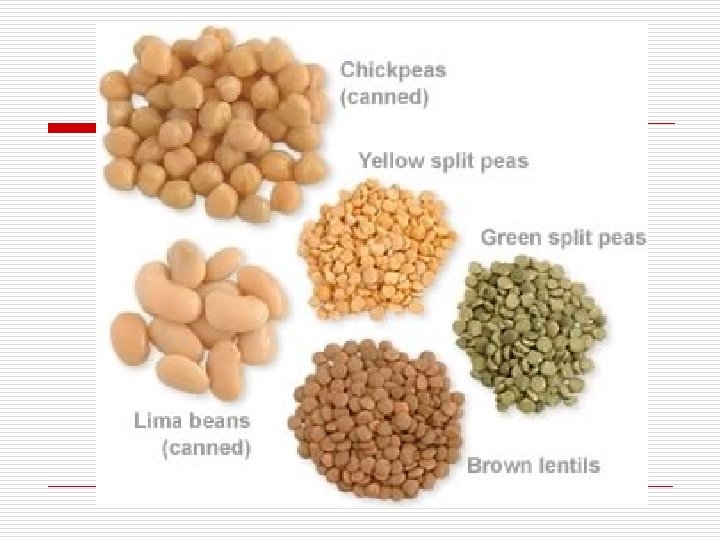
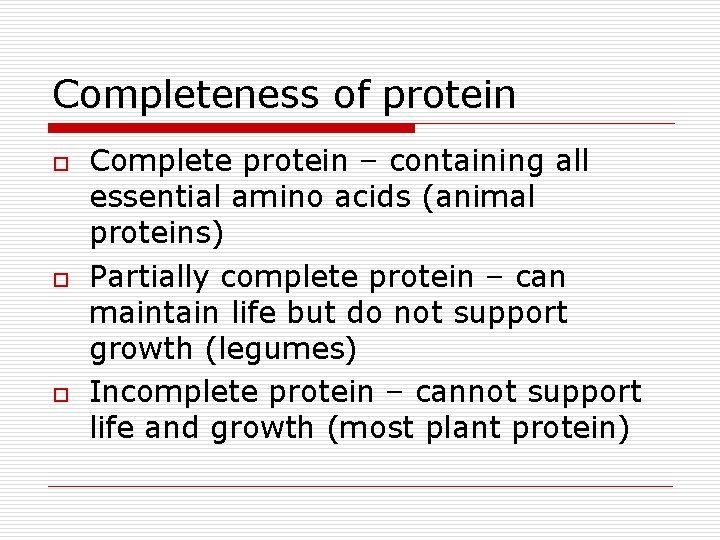
Completeness of protein o o o Complete protein – containing all essential amino acids (animal proteins) Partially complete protein – can maintain life but do not support growth (legumes) Incomplete protein – cannot support life and growth (most plant protein)
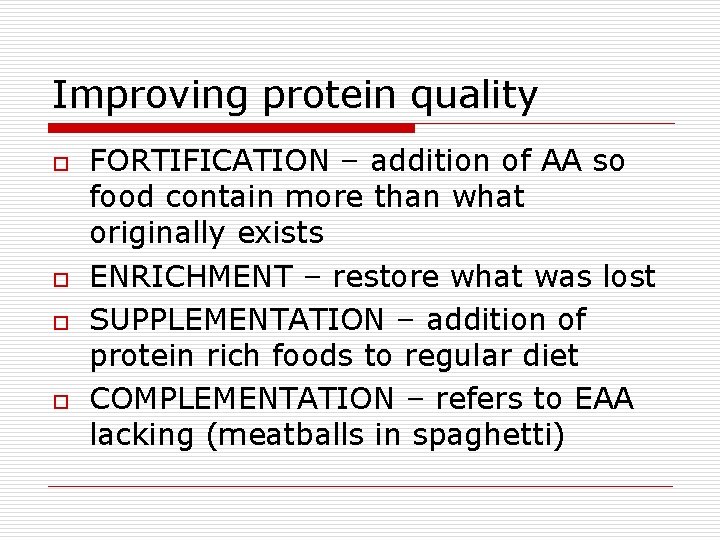
Improving protein quality o o FORTIFICATION – addition of AA so food contain more than what originally exists ENRICHMENT – restore what was lost SUPPLEMENTATION – addition of protein rich foods to regular diet COMPLEMENTATION – refers to EAA lacking (meatballs in spaghetti)
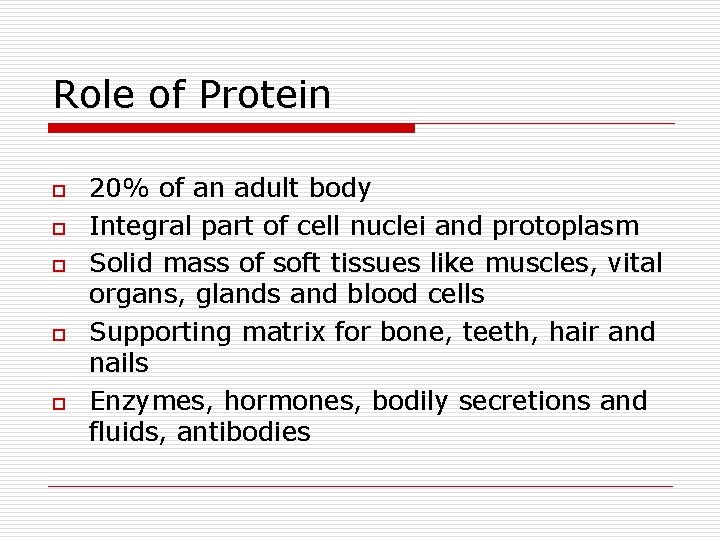
Role of Protein o o o 20% of an adult body Integral part of cell nuclei and protoplasm Solid mass of soft tissues like muscles, vital organs, glands and blood cells Supporting matrix for bone, teeth, hair and nails Enzymes, hormones, bodily secretions and fluids, antibodies
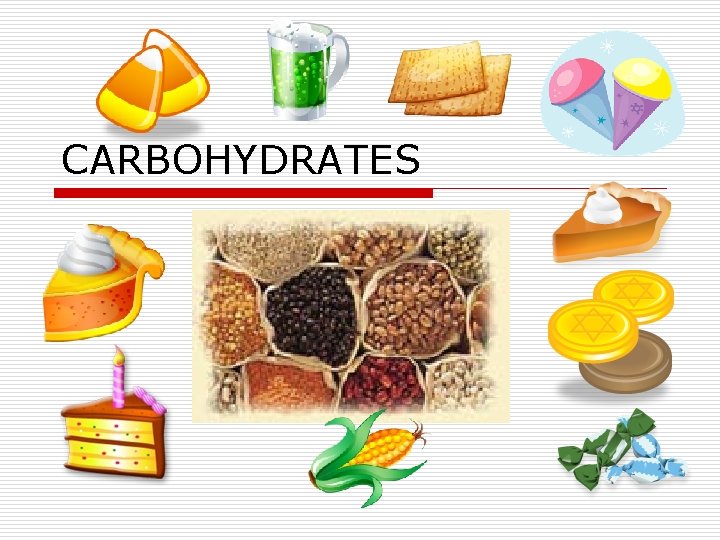
CARBOHYDRATES
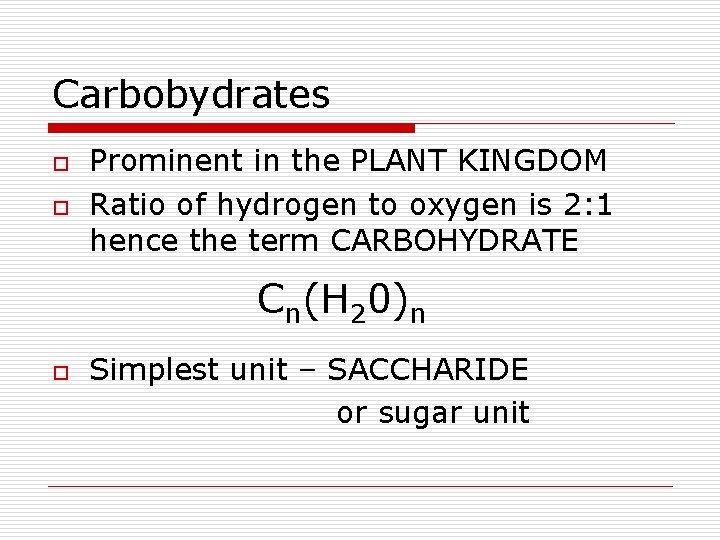
Carbobydrates o o Prominent in the PLANT KINGDOM Ratio of hydrogen to oxygen is 2: 1 hence the term CARBOHYDRATE Cn(H 20)n o Simplest unit – SACCHARIDE or sugar unit
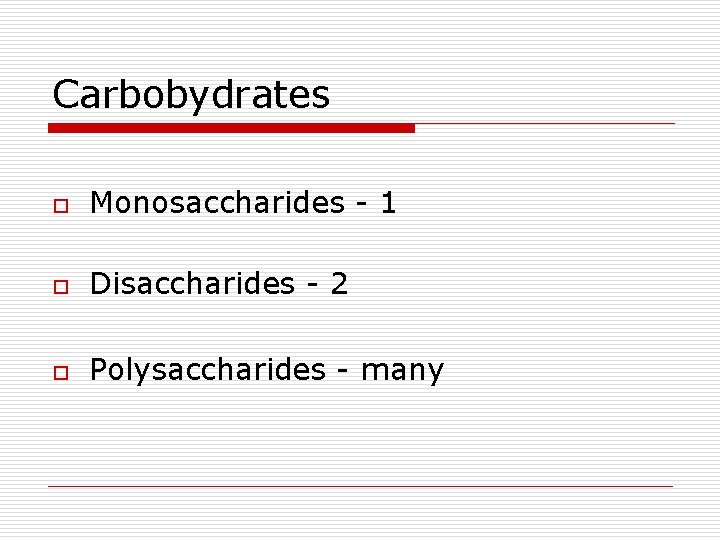
Carbobydrates o Monosaccharides - 1 o Disaccharides - 2 o Polysaccharides - many
Carbobydrates o Monosaccharides n n n Glucose – also known as dextrose, “physiologic sugar” Fructose – sweetest of all sugars (honey & ripe fruits) Galactose – hydrolyzed from lactose (milk sugar) Sugar alcohols: mannitol & sorbitol Pentoses – five carbon chains
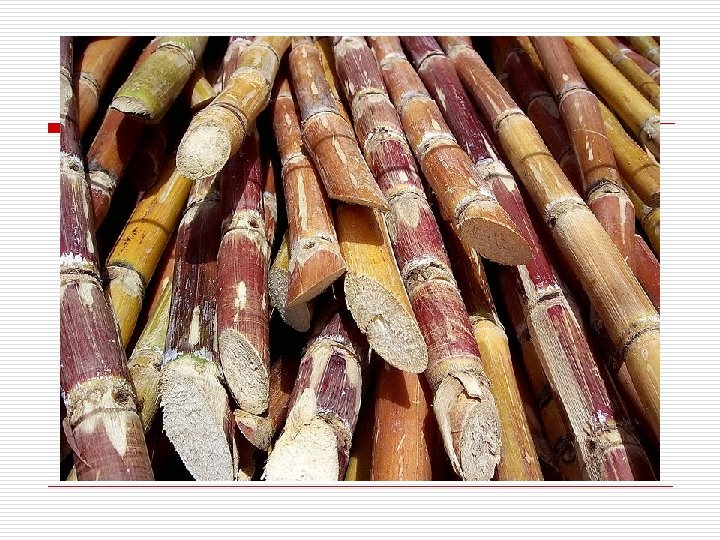
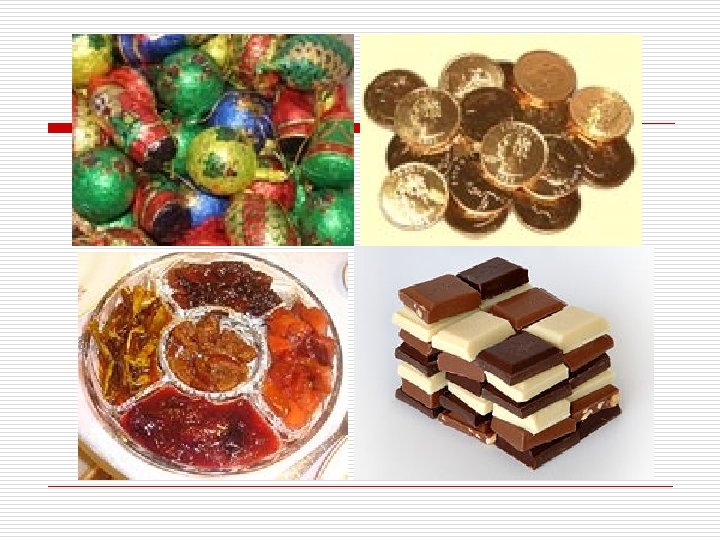
Carbobydrates o Disaccharides n n n Sucrose – most common sugar, called cane sugar or beet sugar Maltose – malt sugar, digestive from starch by enzyme Lactose – milk sugar found in milk and milk products
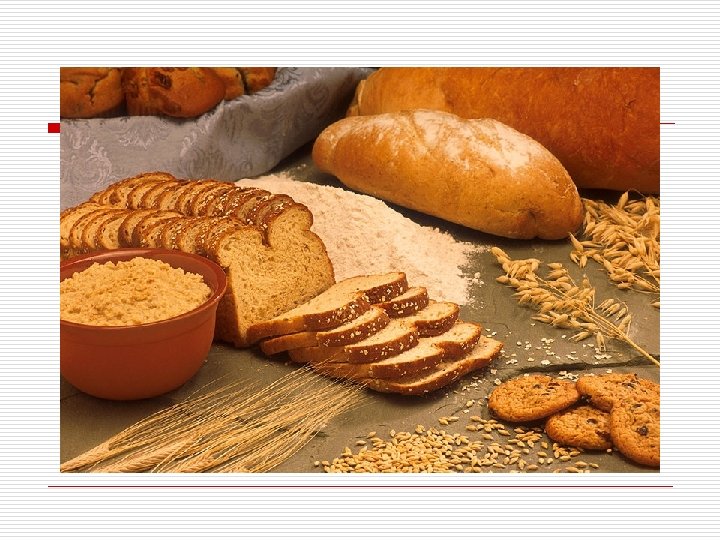
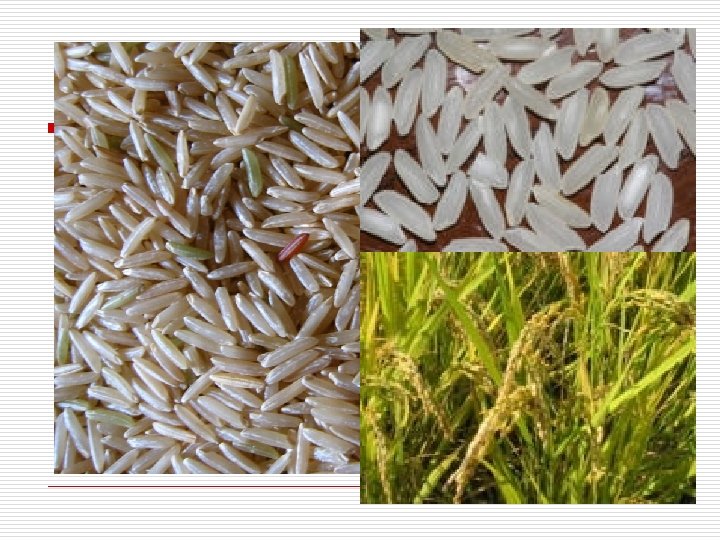
Carbobydrates o Polysaccharides n Starch – most abundant & cheap form of carbohydrate (grains, seeds, tubers, etc. ) o o n n n AMYLOSE - straight chain glucose units AMYLOPECTIN – branched chain Dextrin – action of dry heat on starch Glycogen – animal starch Dietary fiber – indigestible part of food
FATS & OTHER LIPIDS
Lipids o o o Larger group of organic compounds where true fats belong Insoluble in water, but soluble in fat solvents, like chloroform, ether and benzene. Has the elements CARBON, HYDROGEN and OXYGEN
Fat o o Hydrolysis yields three fatty acids and a molecule of glycerol The longer the carbon chain and the higher degree of unsaturation, the more LIQUID the fat or oil becomes FATS – solid at room temperature OIL – liquid at room temperature
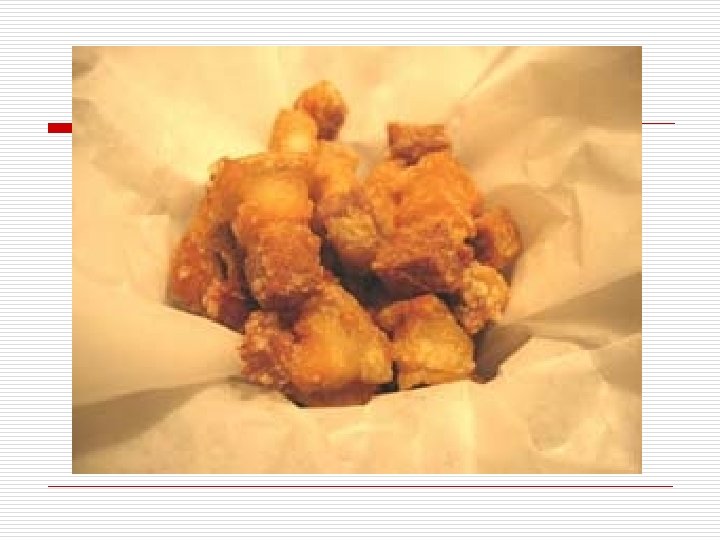
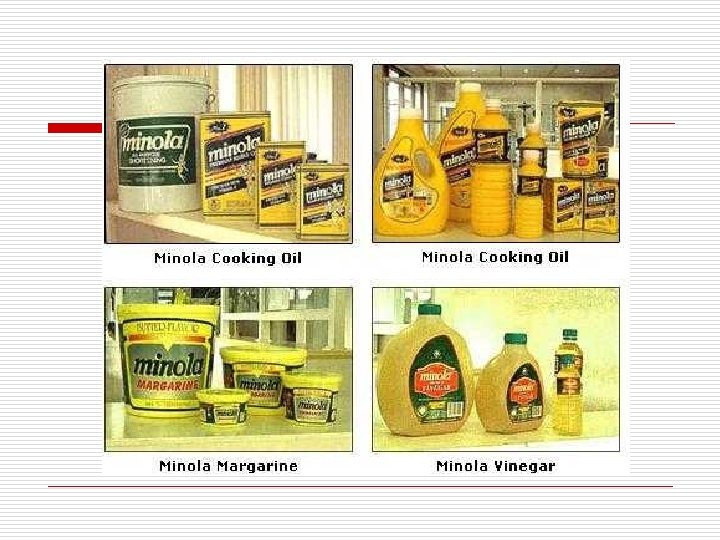
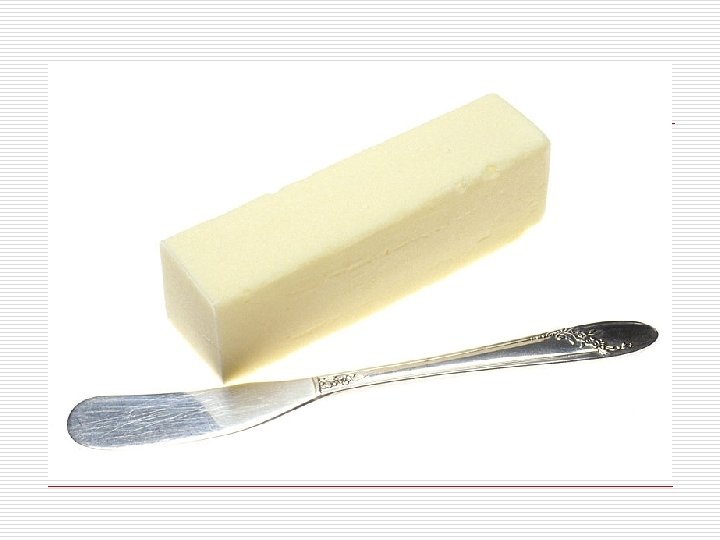
Classification o o According to complexity: simple, compound or derived According to physical appearance: n n Visible fats (butter, lard, cooking oil) Invisible fats (milk, egg yolk, avocado)
Fatty acids o o Cholesterol - common sterol in animals (bile, nerves and brain) when deposited in the blood vessels cause plaques associated with atherosclerosis. Omega 3 fatty acid (eicosapentaenoic acid) – found in seafoods, fish and fish oils)
Functions of fats o o Concentrated source of energy (9 Calories per gram) Storage form of energy (adipose tissue) – subcutaneous tissue, surrounding abdominal cavity, intramuscular tissue Structural component (beneath skin and around internal organs) Carrier of fat soluble vitamins – A, D, E, K
VITAMINS ADD PICTURE or structure
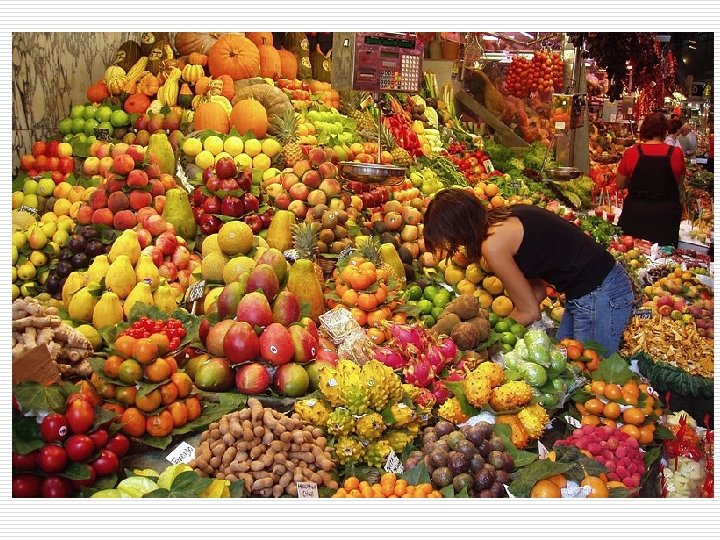
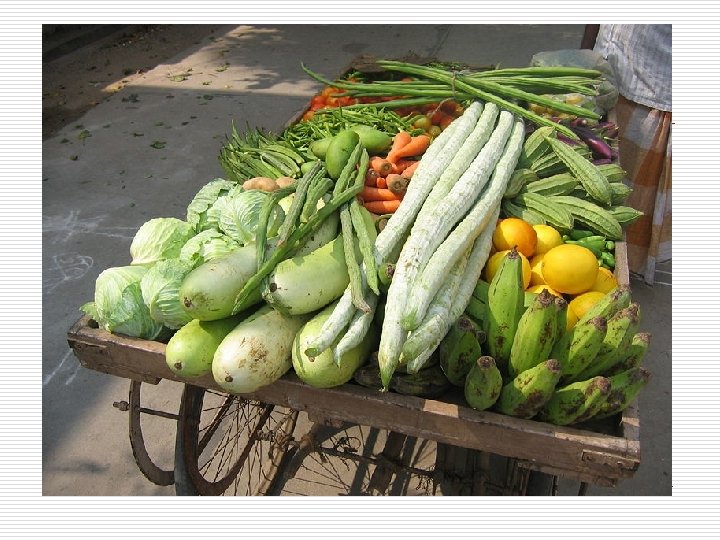
Vitamins o o o Derived from the words vital and amine. Act as catalyst and substrates in chemical reactions. Sources of vitamins: food, food supplement and pills.
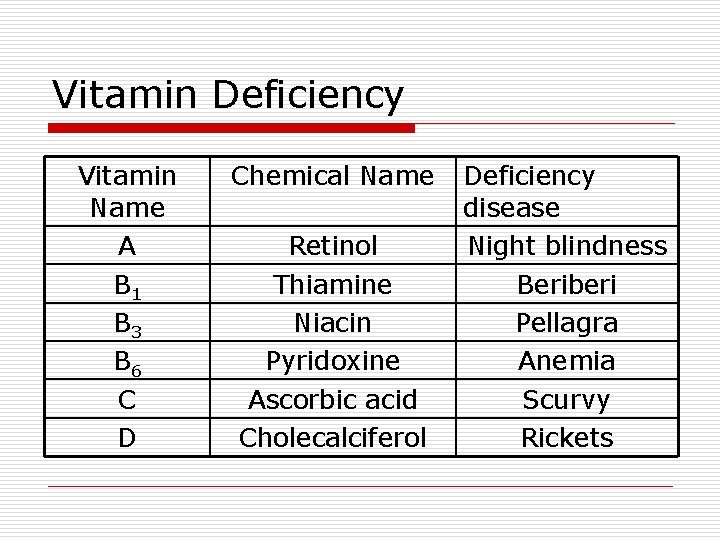
Vitamin Deficiency Vitamin Name A B 1 B 3 B 6 C D Chemical Name Retinol Thiamine Niacin Pyridoxine Ascorbic acid Cholecalciferol Deficiency disease Night blindness Beriberi Pellagra Anemia Scurvy Rickets
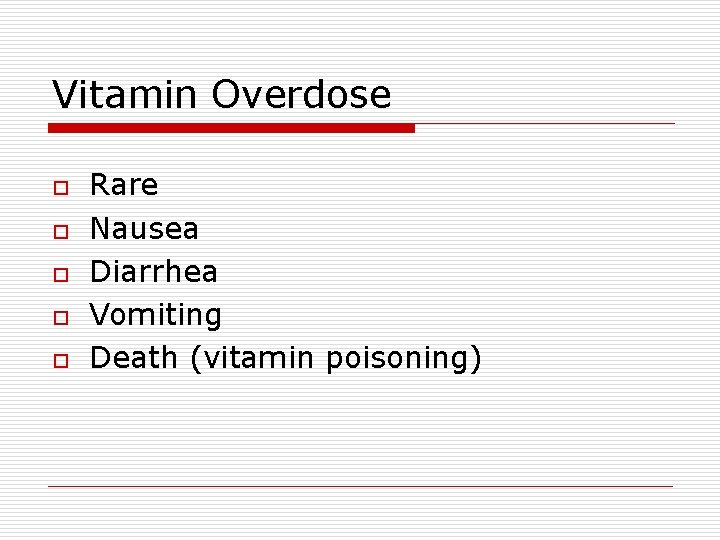
Vitamin Overdose o o o Rare Nausea Diarrhea Vomiting Death (vitamin poisoning)
MINERALS ADD PICTURE or structure
o o Macrominerals – “large” amounts Microminerals – trace amounts Calcium – bones Iron – oxygen, red blood cells Potassium – muscles and nervous system Zinc – cell growth, heal wounds
WATER AND ELECTROLYTE
Water o o o Main component of blood and cells. Too little water – dehydration Contains dissolved minerals (electrolyte – sodium, potassium, calcium) Body gets water from beverages and food Body loses water – urine (kidneys), sweat, faces and air.