
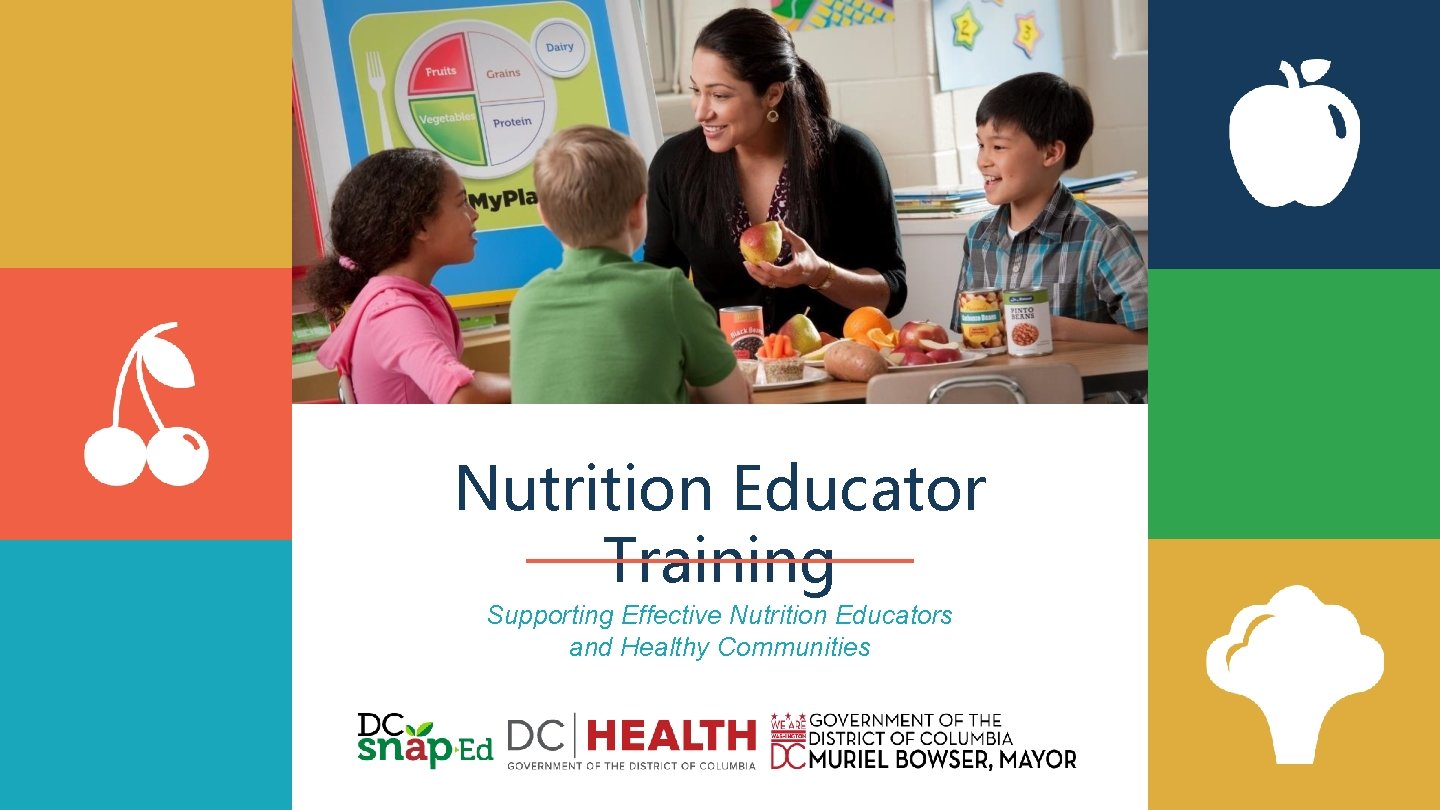
Nutrition Educator Training Supporting Effective Nutrition Educators and











- Slides: 46
Nutrition Educator Training Supporting Effective Nutrition Educators and Healthy Communities
PRETEST
Training Objectives By the end of this training, you will be able to: 1 4 Utilize key information from the Nutrition Educator Guide to prepare and deliver effective nutrition education. Identify three things to know about one’s audience before planning a lesson. 2 5 Complete at least one handout before delivering an effective nutrition education lesson. List two strategies for engaging participants with diverse classroom behavior and learning styles. 3 6 Write the purpose of nutrition education. Write one reason why it is helpful to set behavior change goals with participants.
Icebreaker Name Organization Favorite Childhood Food
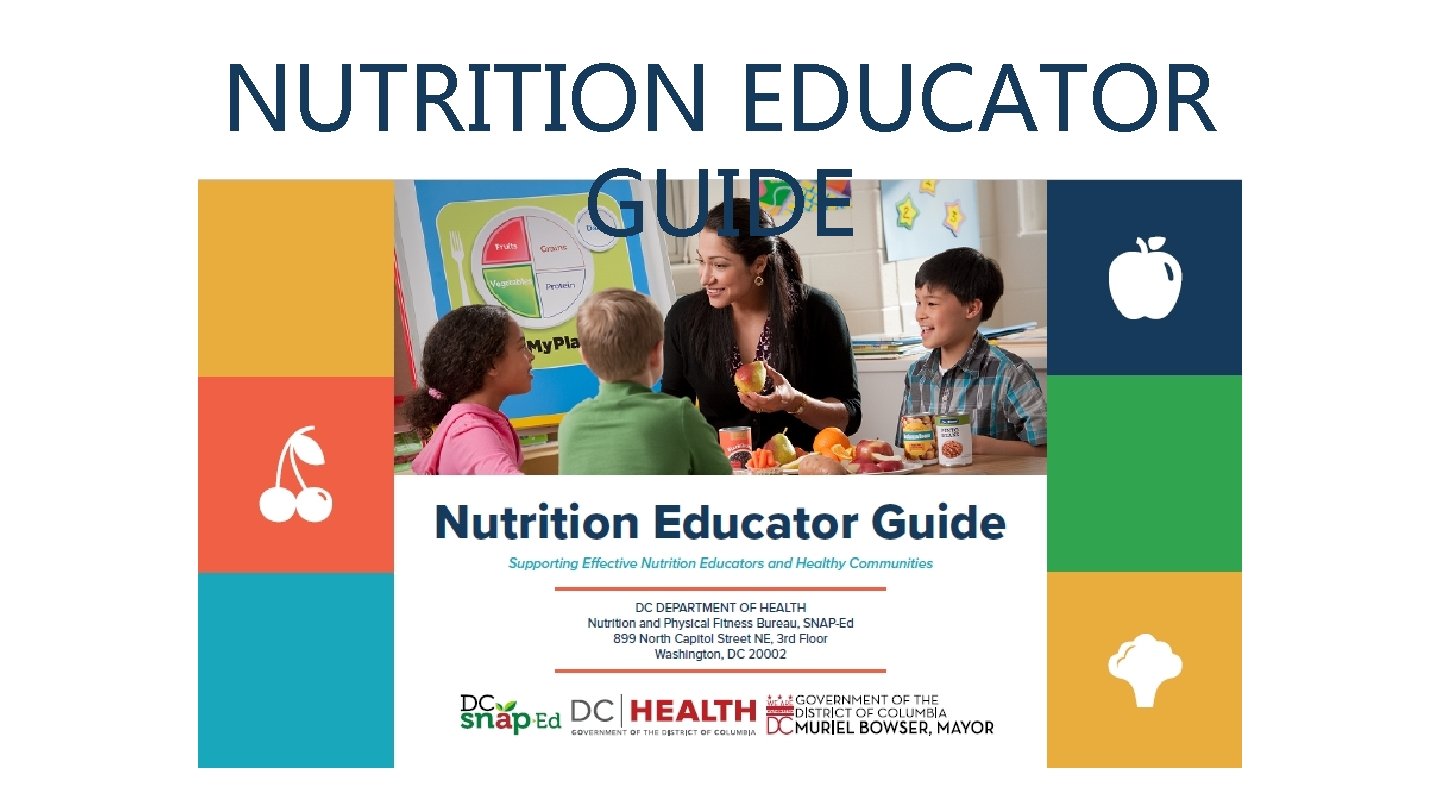
NUTRITION EDUCATOR GUIDE
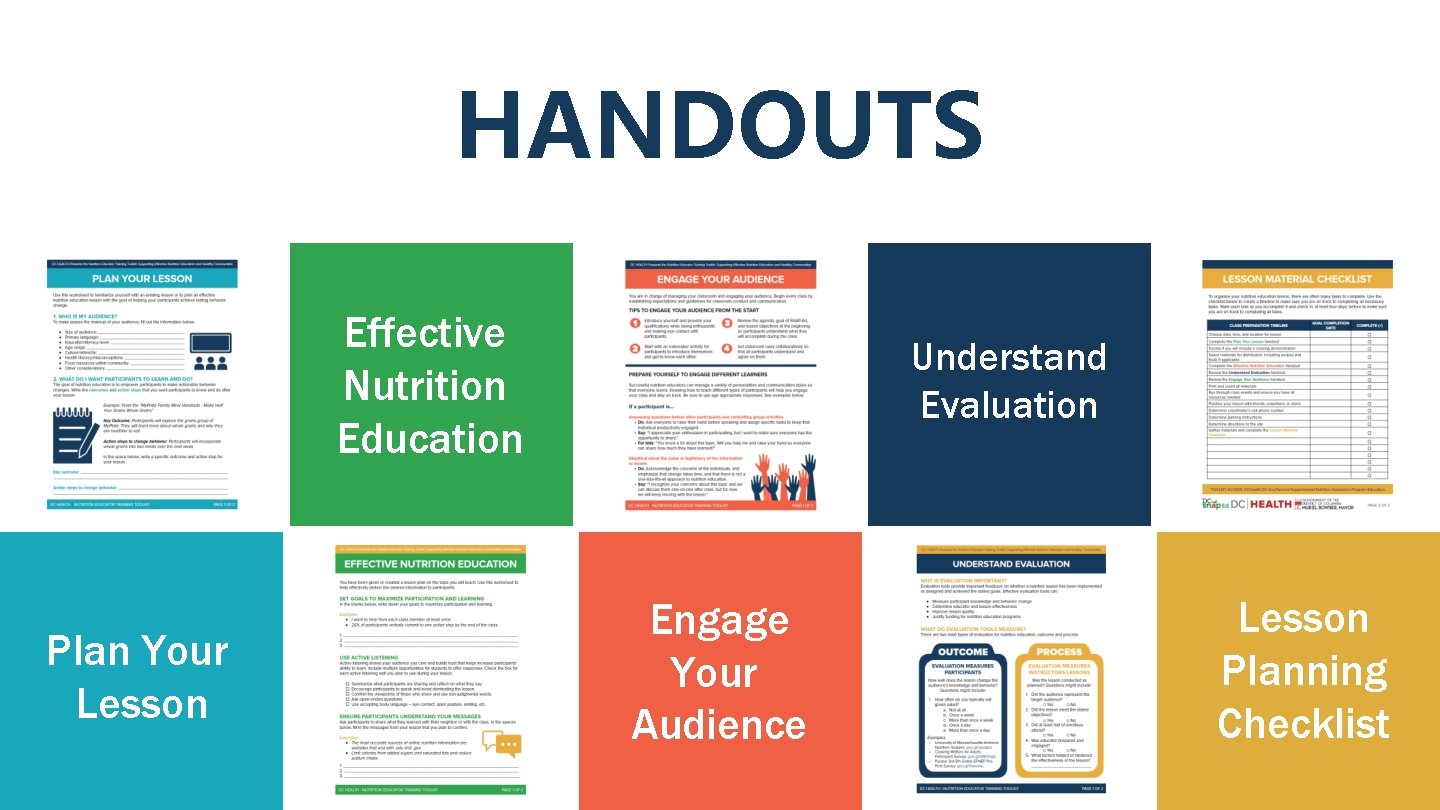
HANDOUTS Effective Nutrition Education Plan Your Lesson Understand Evaluation Engage Your Audience Lesson Planning Checklist
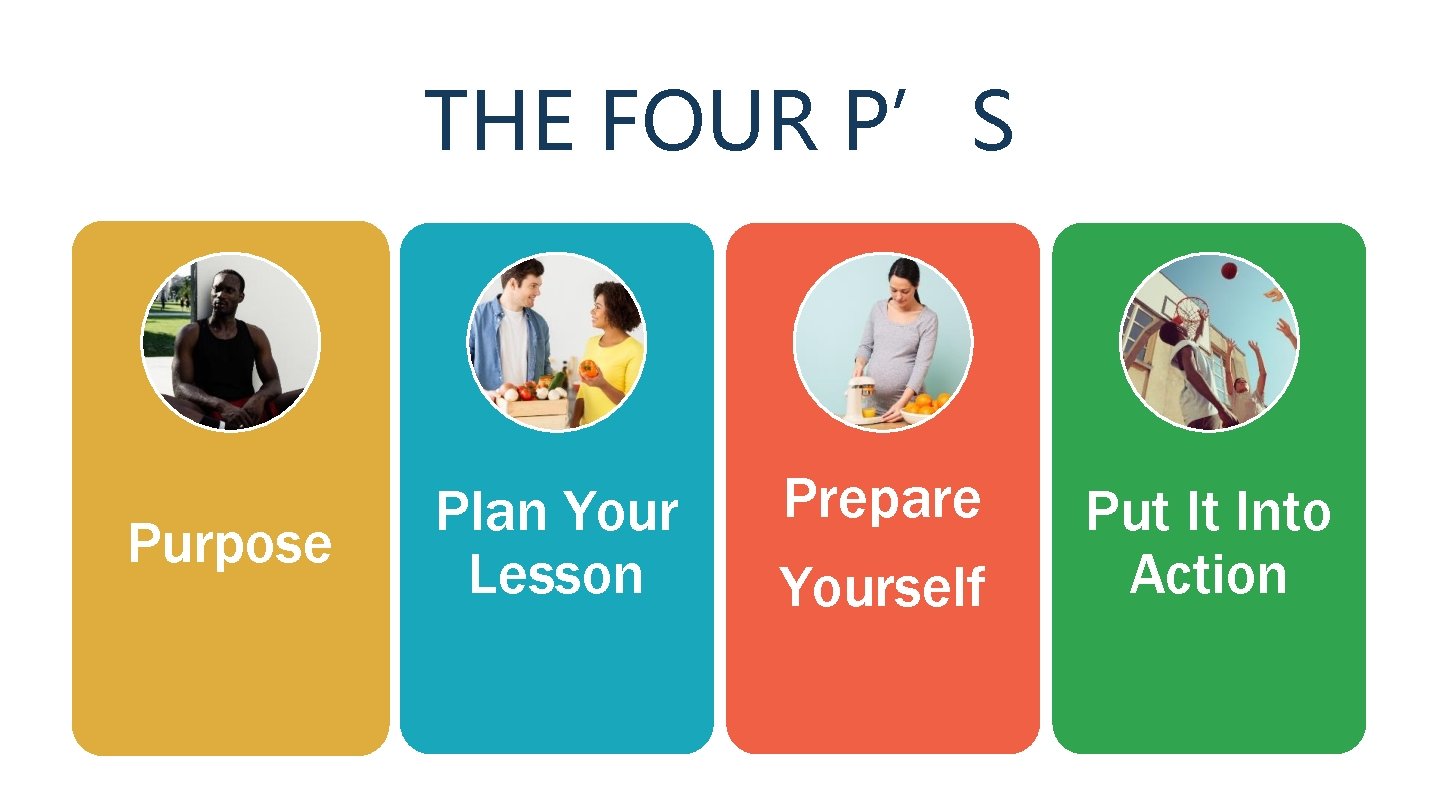
THE FOUR P’S Purpose Plan Your Lesson Prepare Yourself Put It Into Action
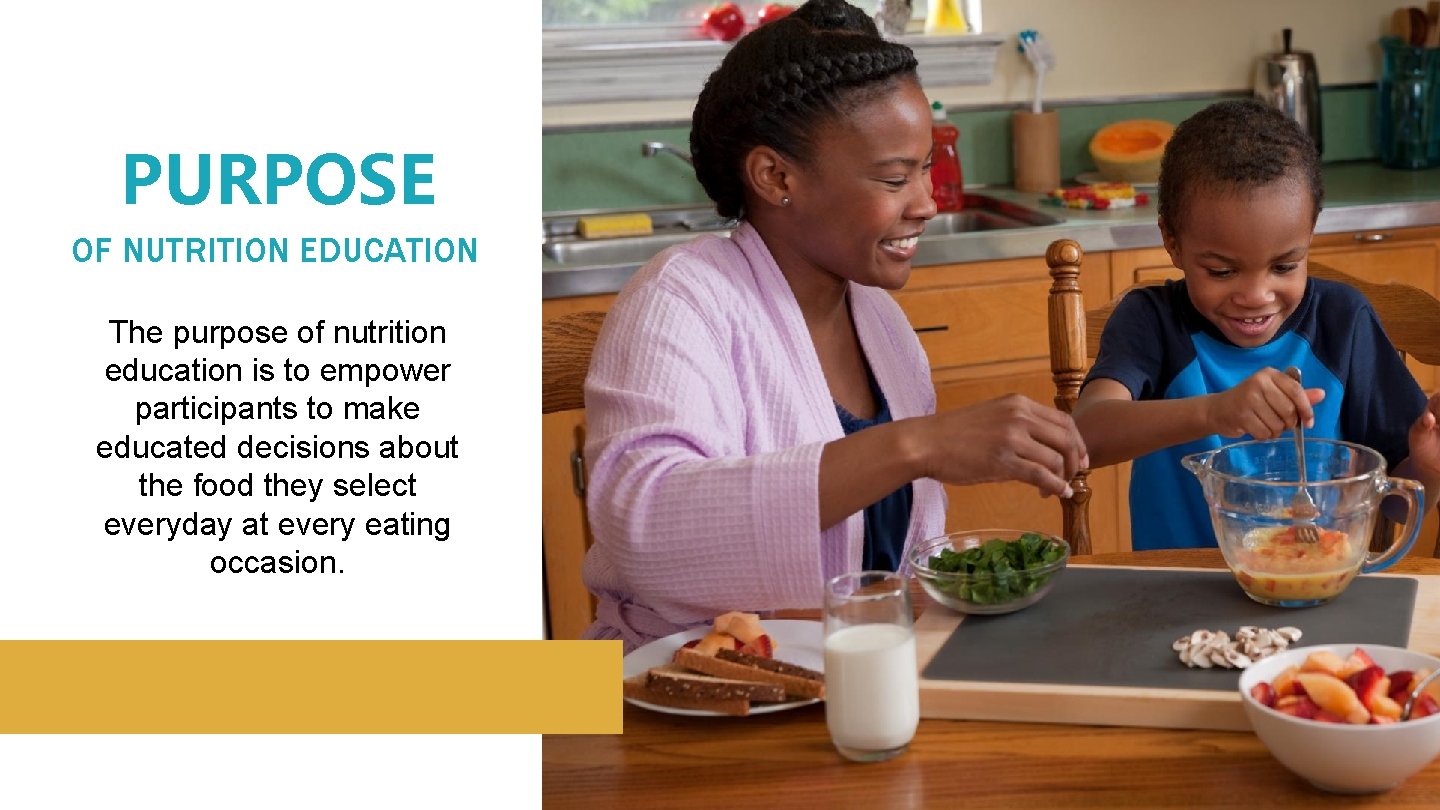
PURPOSE OF NUTRITION EDUCATION The purpose of nutrition education is to empower participants to make educated decisions about the food they select everyday at every eating occasion.
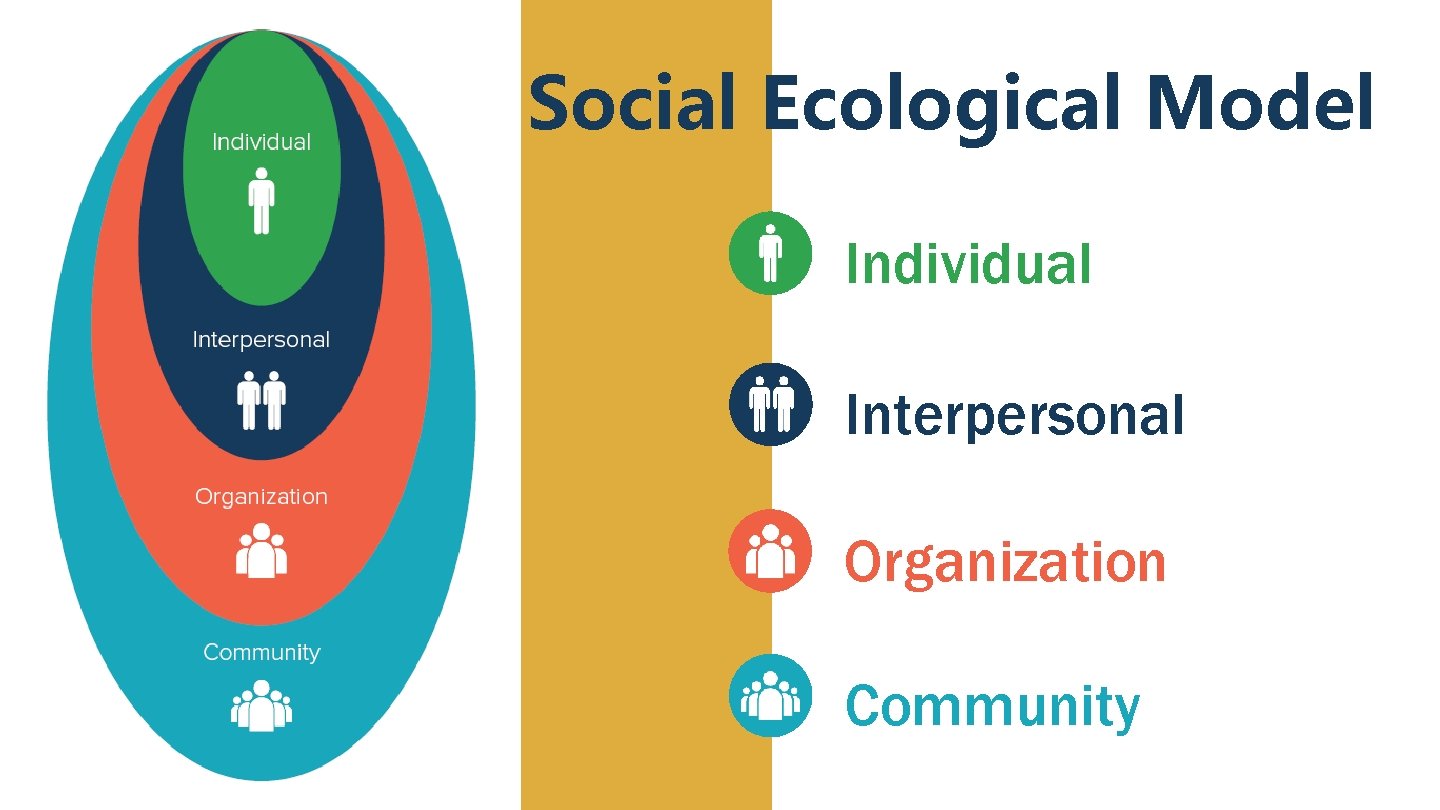
Social Ecological Model Individual Interpersonal Organization Community
Why do you want to be a nutrition educator?
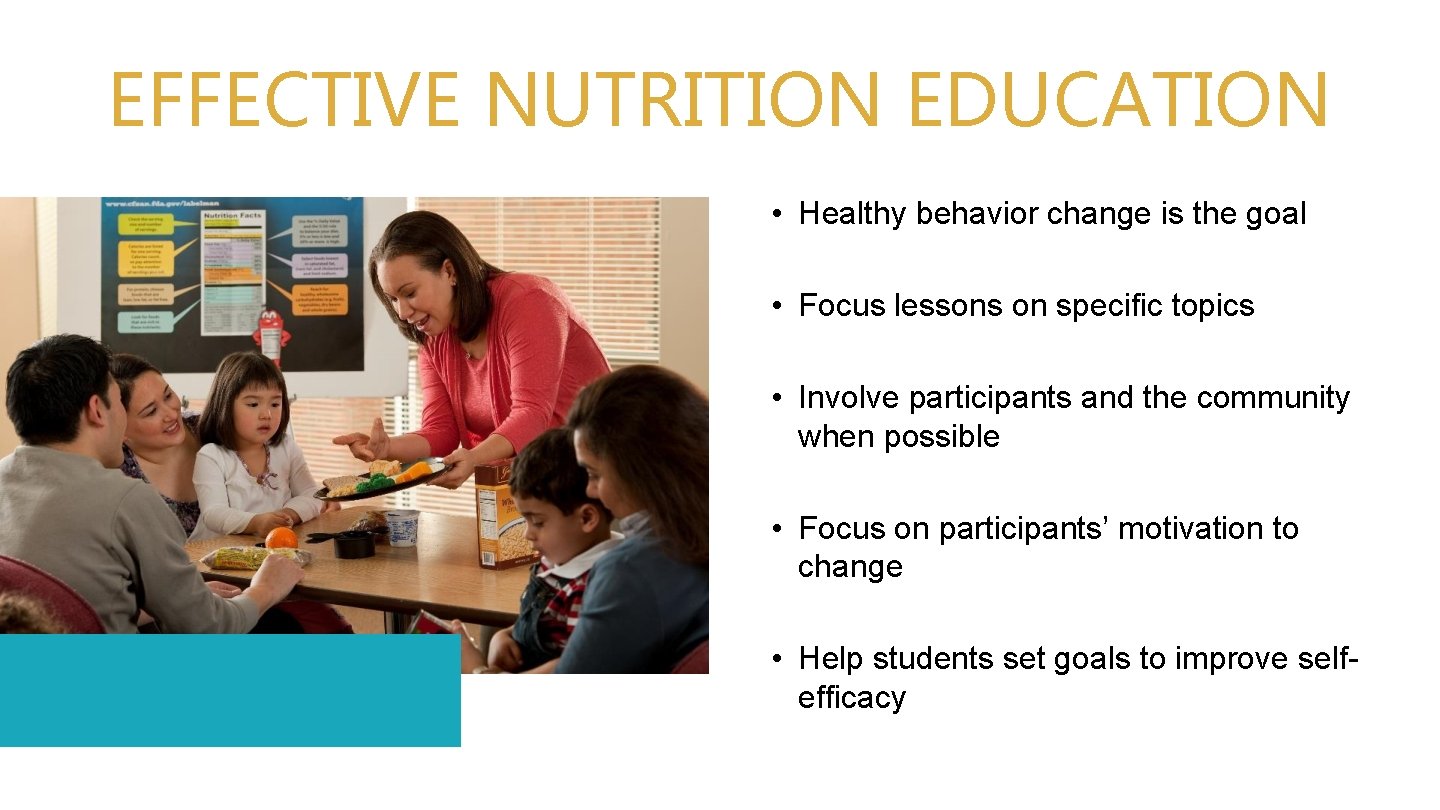
EFFECTIVE NUTRITION EDUCATION • Healthy behavior change is the goal • Focus lessons on specific topics • Involve participants and the community when possible • Focus on participants’ motivation to change • Help students set goals to improve selfefficacy
REVIEW: PURPOSE 1 What is the purpose of nutrition education? 2 Why does the Social Ecological Model matter for nutrition education? 3 What are the key elements of effective nutrition education? 4 Where can you find the Nutrition Educator Guide and handouts?
PLAN YOUR LESSON
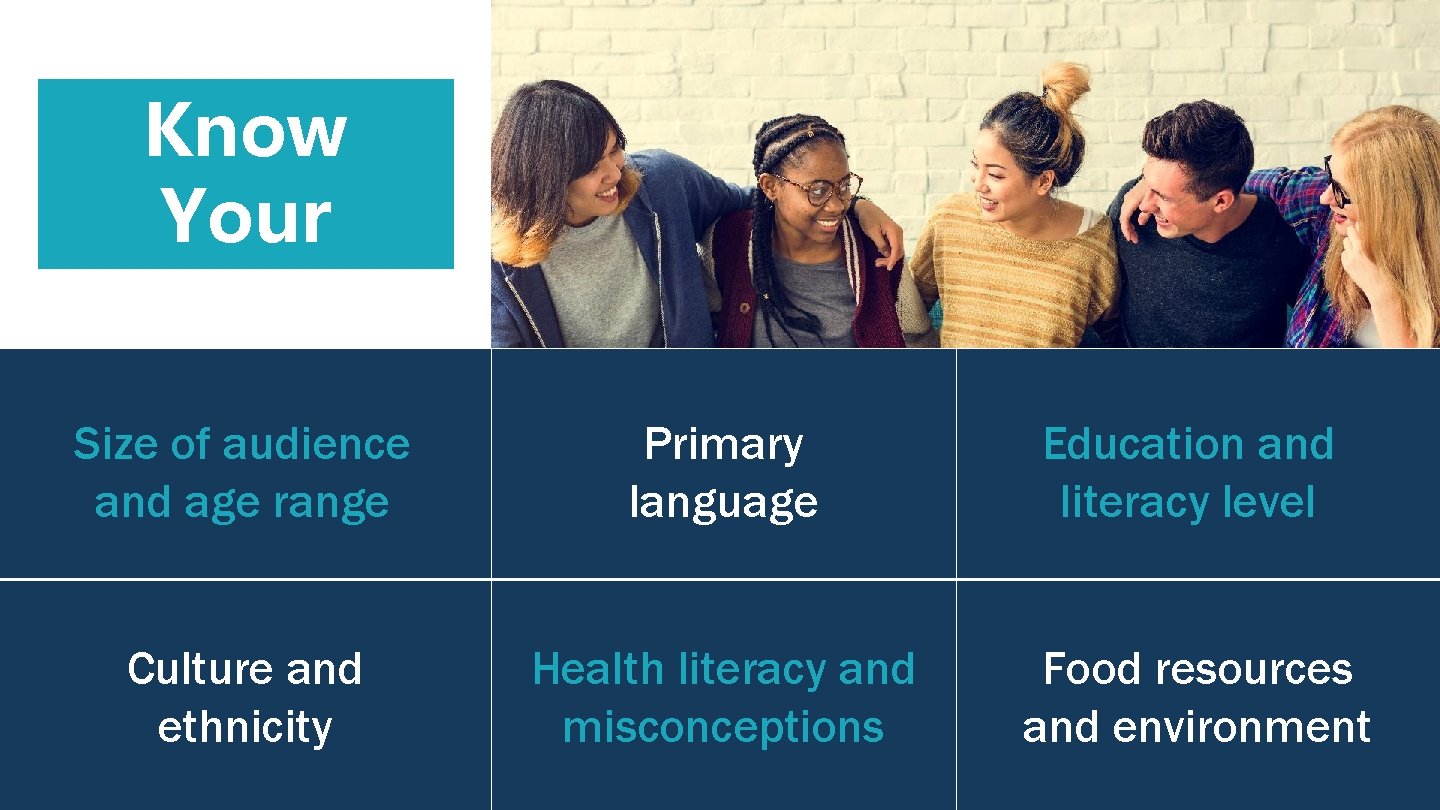
Know Your Audience Size of audience and age range Primary language Education and literacy level Culture and ethnicity Health literacy and misconceptions Food resources and environment
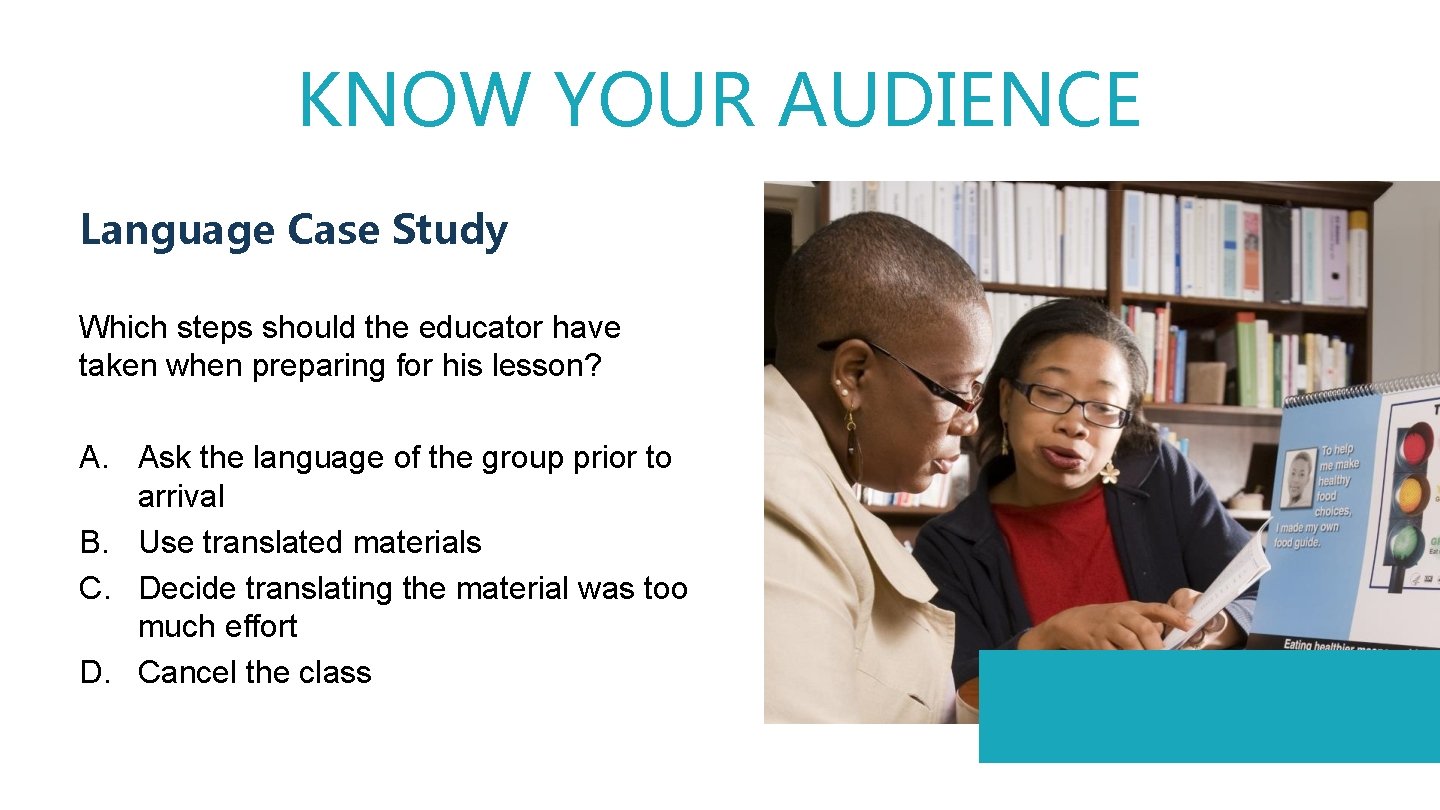
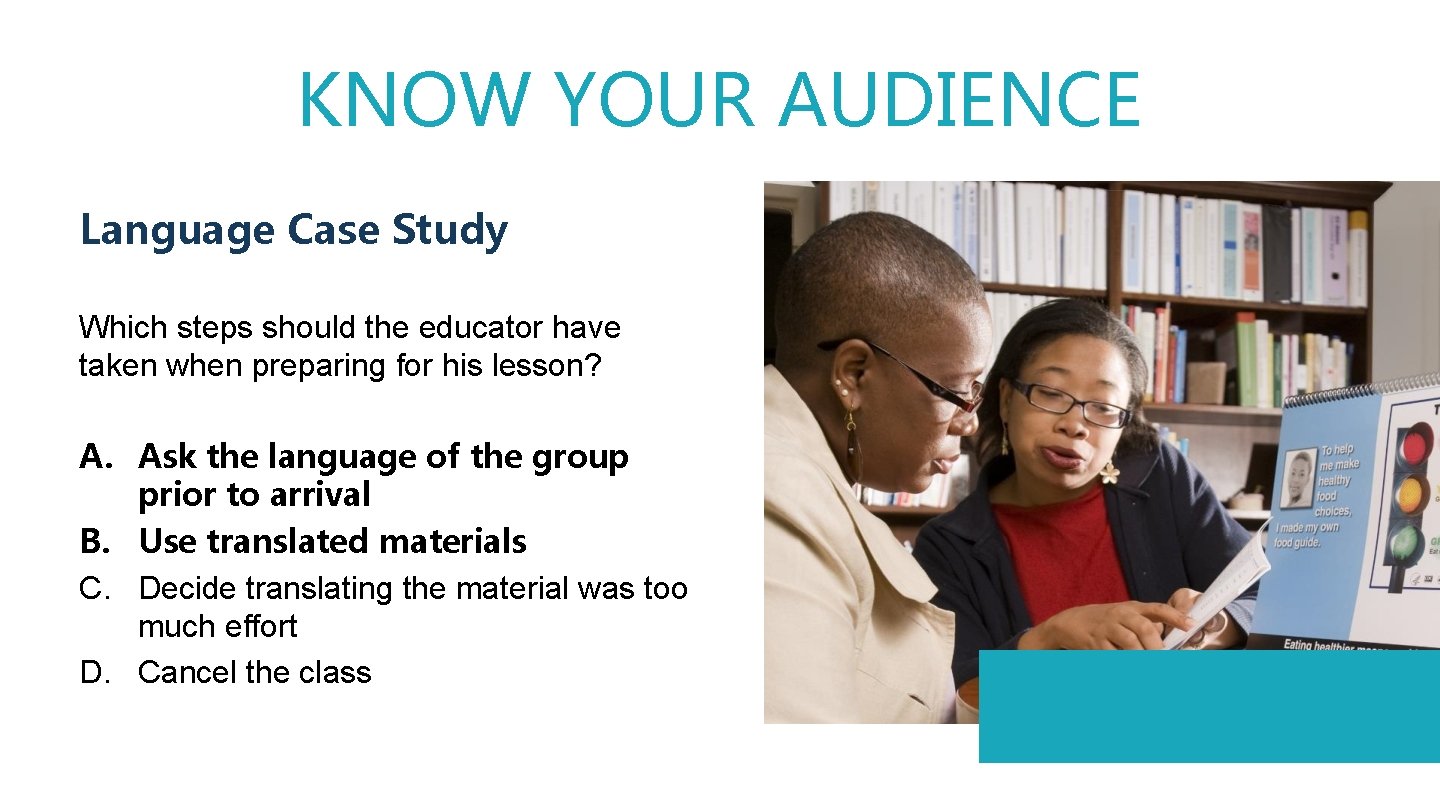
KNOW YOUR AUDIENCE Language Case Study Which steps should the educator have taken when preparing for his lesson? A. Ask the language of the group prior to arrival B. Use translated materials C. Decide translating the material was too much effort D. Cancel the class
KNOW YOUR AUDIENCE Language Case Study Which steps should the educator have taken when preparing for his lesson? A. Ask the language of the group prior to arrival B. Use translated materials C. Decide translating the material was too much effort D. Cancel the class
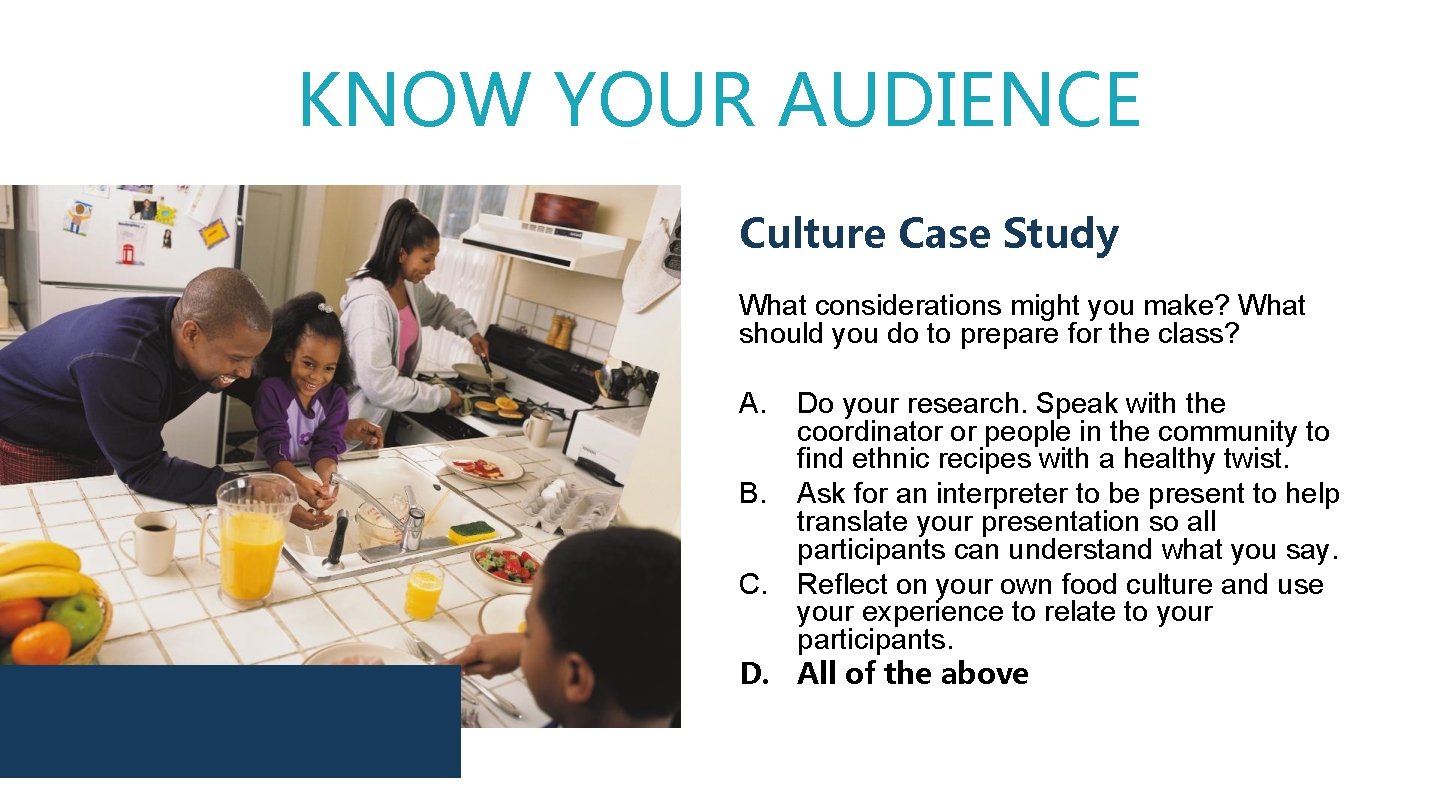
KNOW YOUR AUDIENCE Culture Case Study What considerations might you make? What should you do to prepare for the class? A. B. C. D. Do your research. Speak with the coordinator or people in the community to find ethnic recipes with a healthy twist. Ask for an interpreter to be present to help translate your presentation so all participants can understand what you say. Reflect on your own food culture and use your experience to relate to your participants. All of the above
KNOW YOUR AUDIENCE Culture Case Study What considerations might you make? What should you do to prepare for the class? A. Do your research. Speak with the coordinator or people in the community to find ethnic recipes with a healthy twist. B. Ask for an interpreter to be present to help translate your presentation so all participants can understand what you say. C. Reflect on your own food culture and use your experience to relate to your participants. D. All of the above
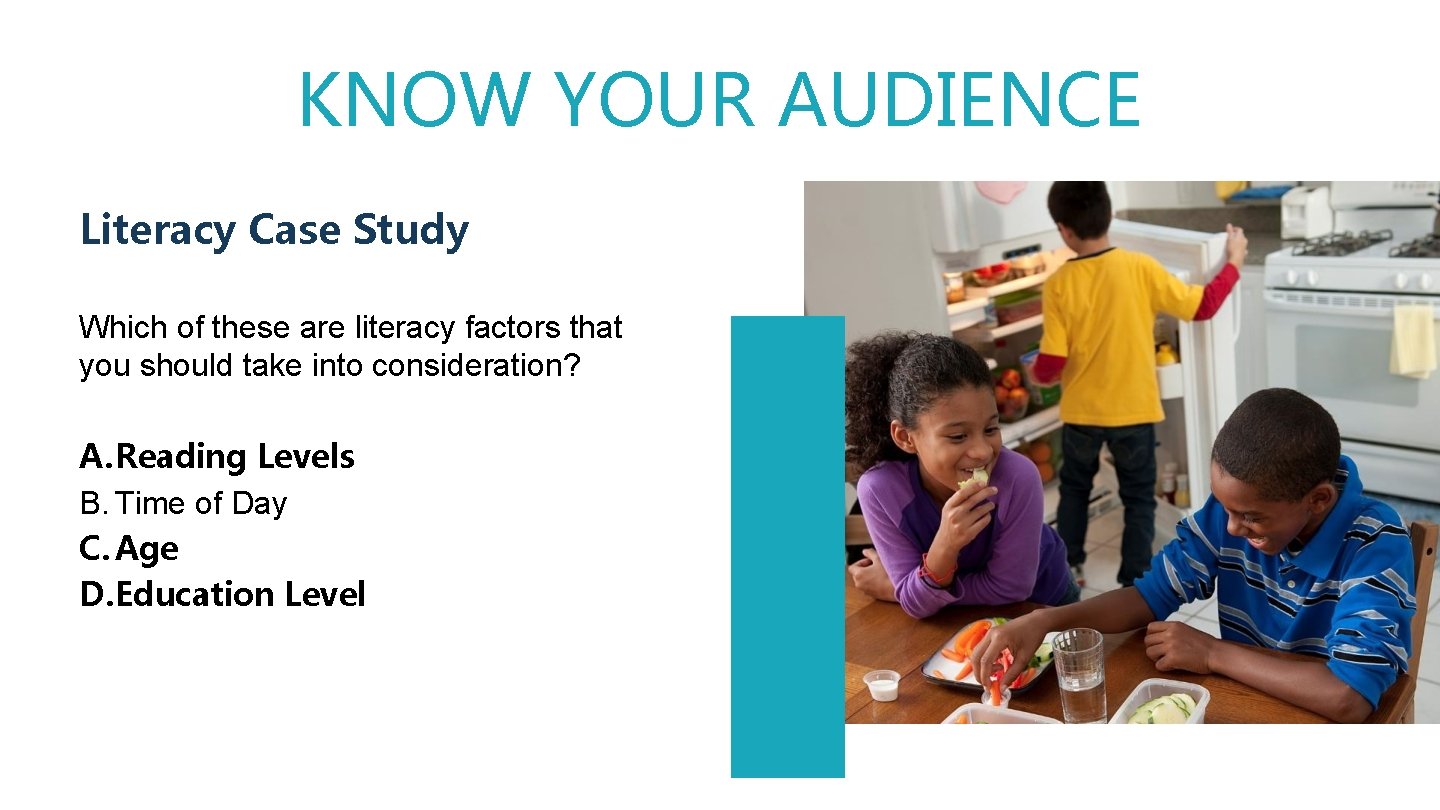
KNOW YOUR AUDIENCE Literacy Case Study Which of these are literacy factors that you should take into consideration? A. Reading Levels B. Time of Day C. Age D. Education Level
KNOW YOUR AUDIENCE Literacy Case Study Which of these are literacy factors that you should take into consideration? A. Reading Levels B. Time of Day C. Age D. Education Level
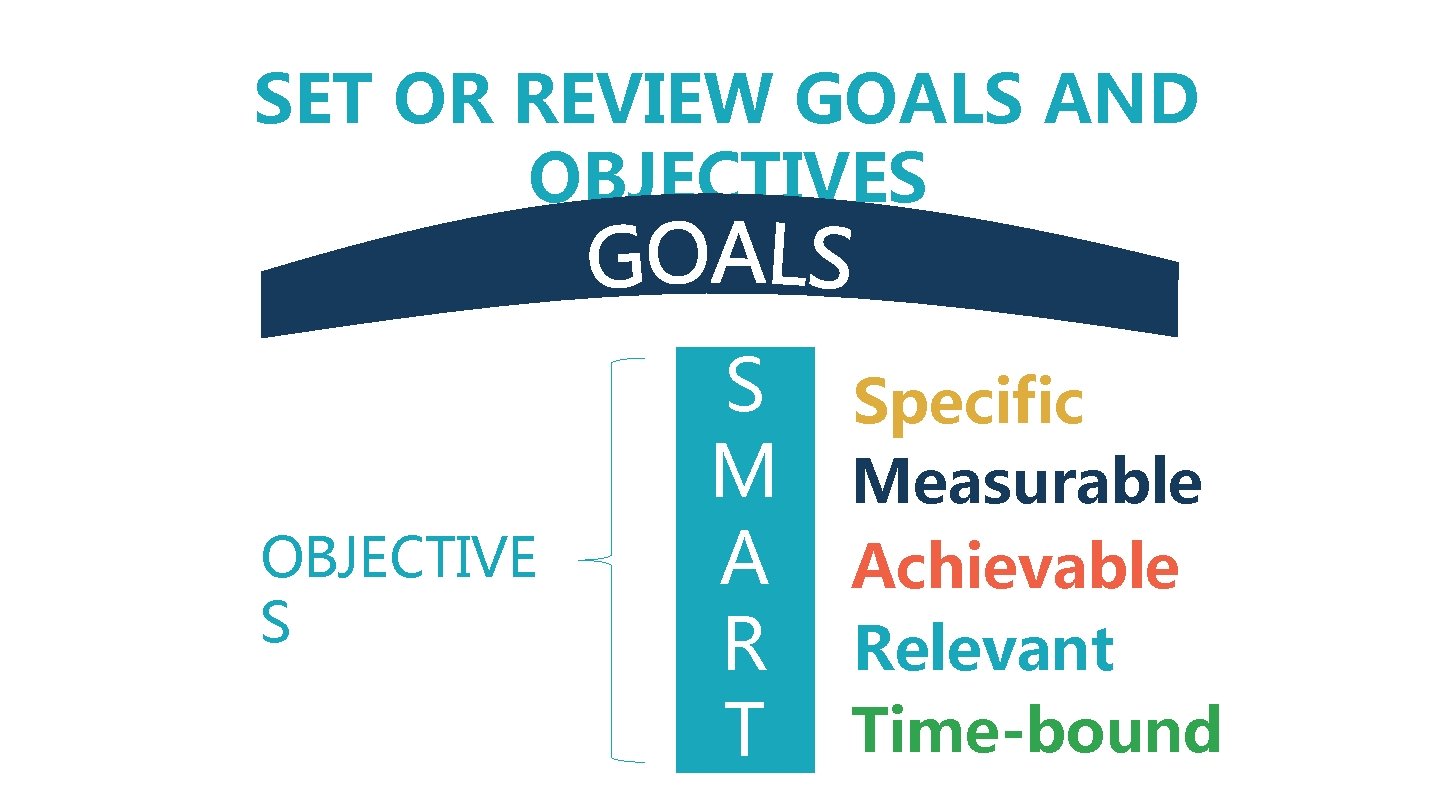
SET OR REVIEW GOALS AND OBJECTIVES OBJECTIVE S S Specific M Measurable A Achievable R Relevant T Time-bound
TIME TO PRACTICE Participants will learn about fruits and vegetables. Participants will change their mind about junk food. Participants will eat healthier.
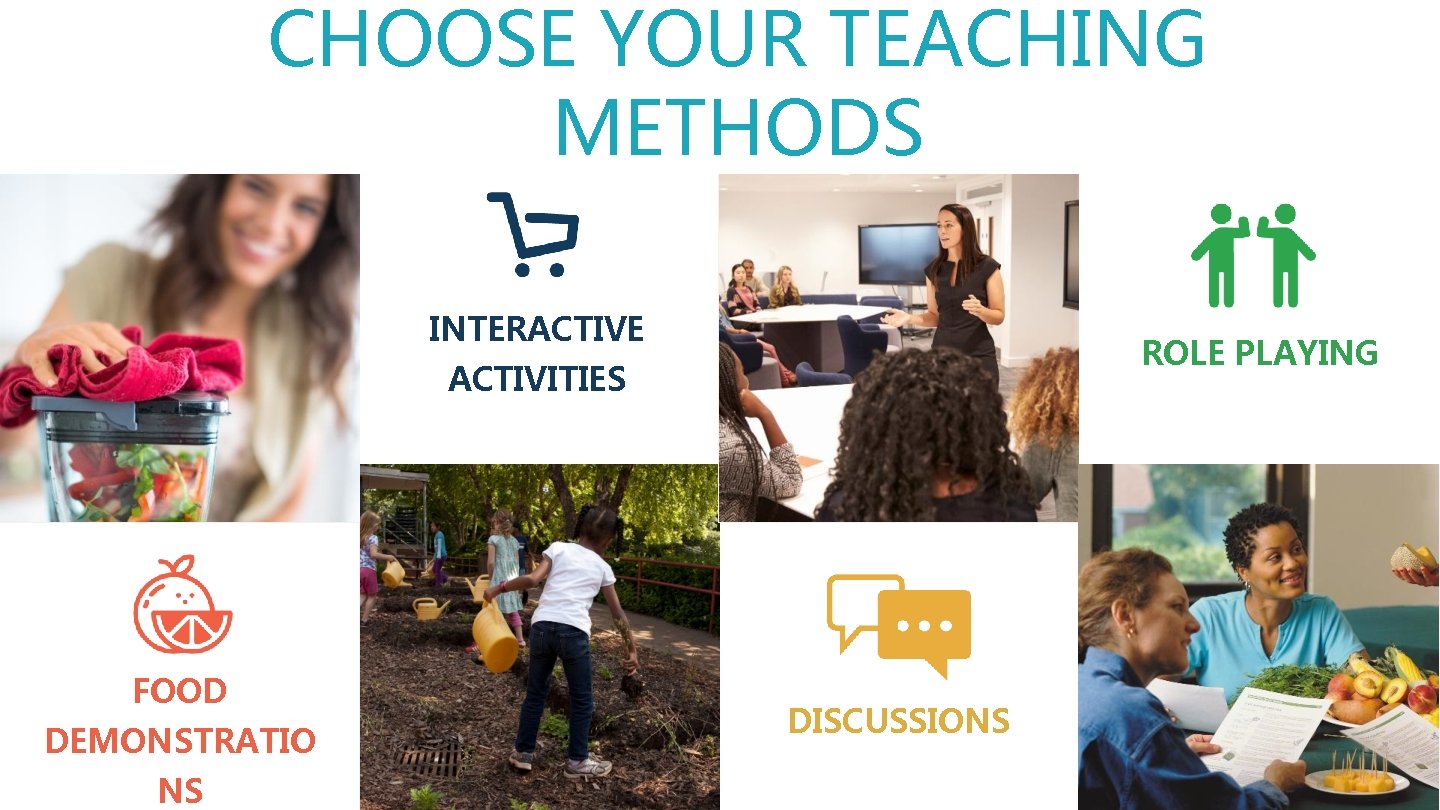
CHOOSE YOUR TEACHING METHODS INTERACTIVE ROLE PLAYING ACTIVITIES FOOD DEMONSTRATIO NS DISCUSSIONS
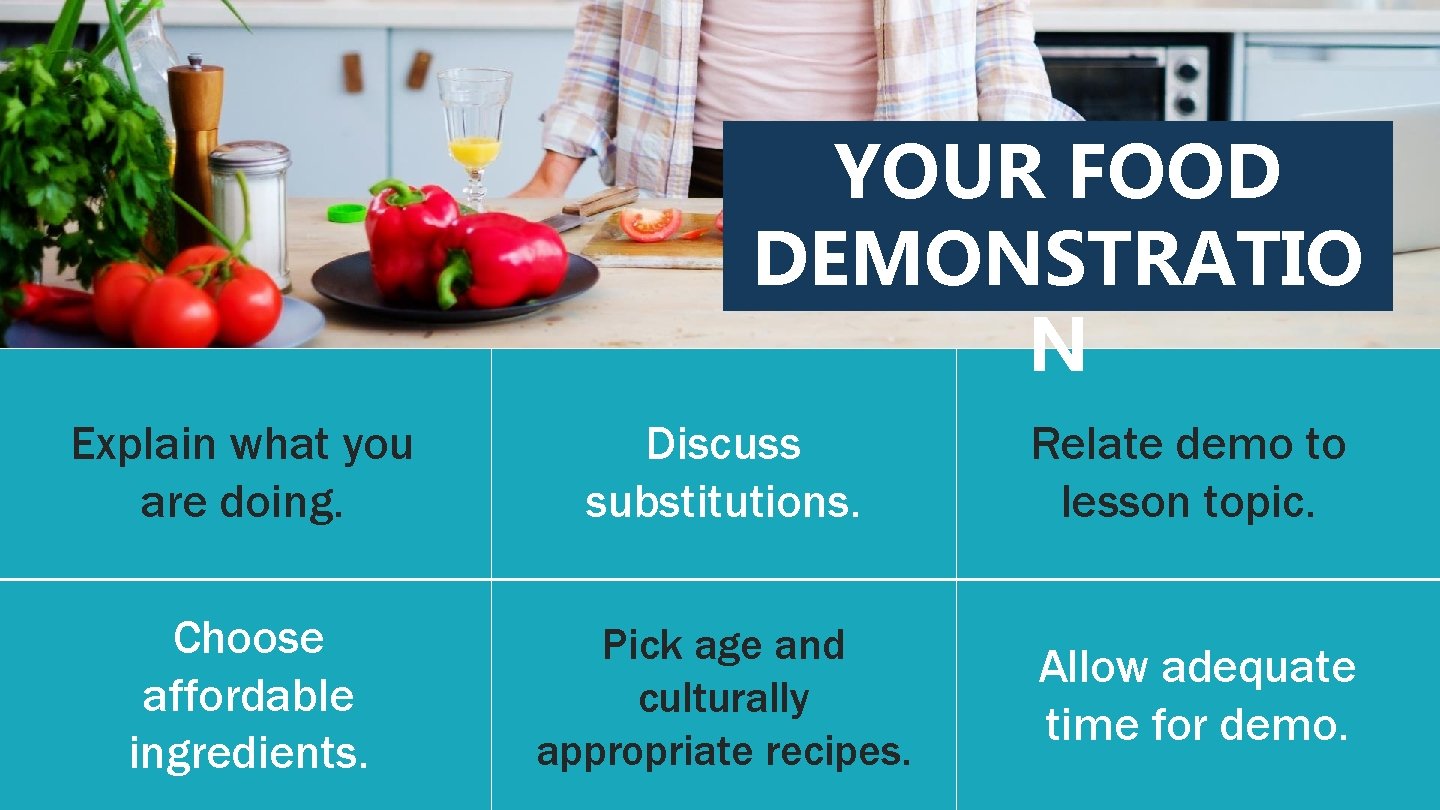
YOUR FOOD DEMONSTRATIO N Explain what you are doing. Discuss substitutions. Relate demo to lesson topic. Choose affordable ingredients. Pick age and culturally appropriate recipes. Allow adequate time for demo.
FOOD SAFETY
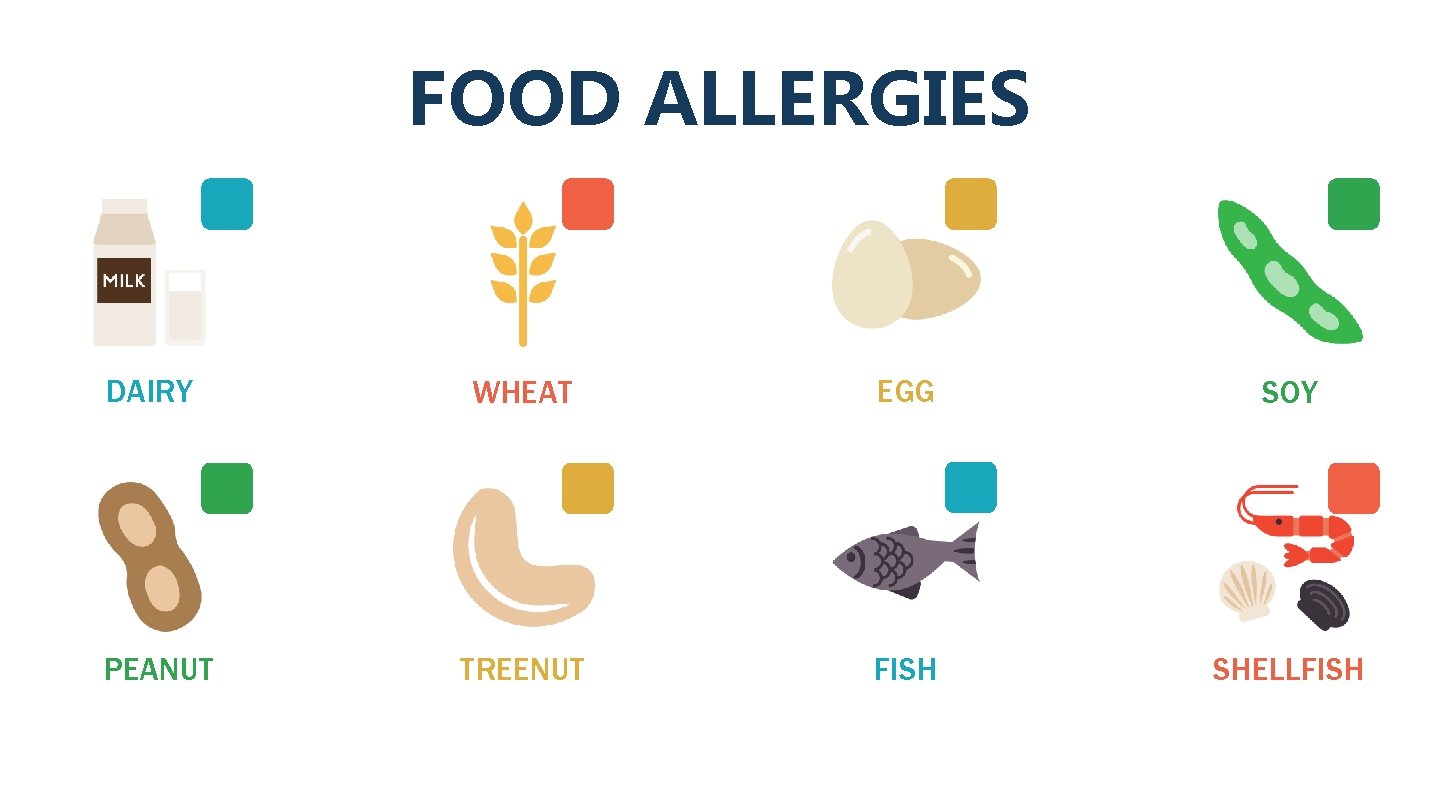
FOOD ALLERGIES DAIRY WHEAT EGG SOY PEANUT TREENUT FISH SHELLFISH
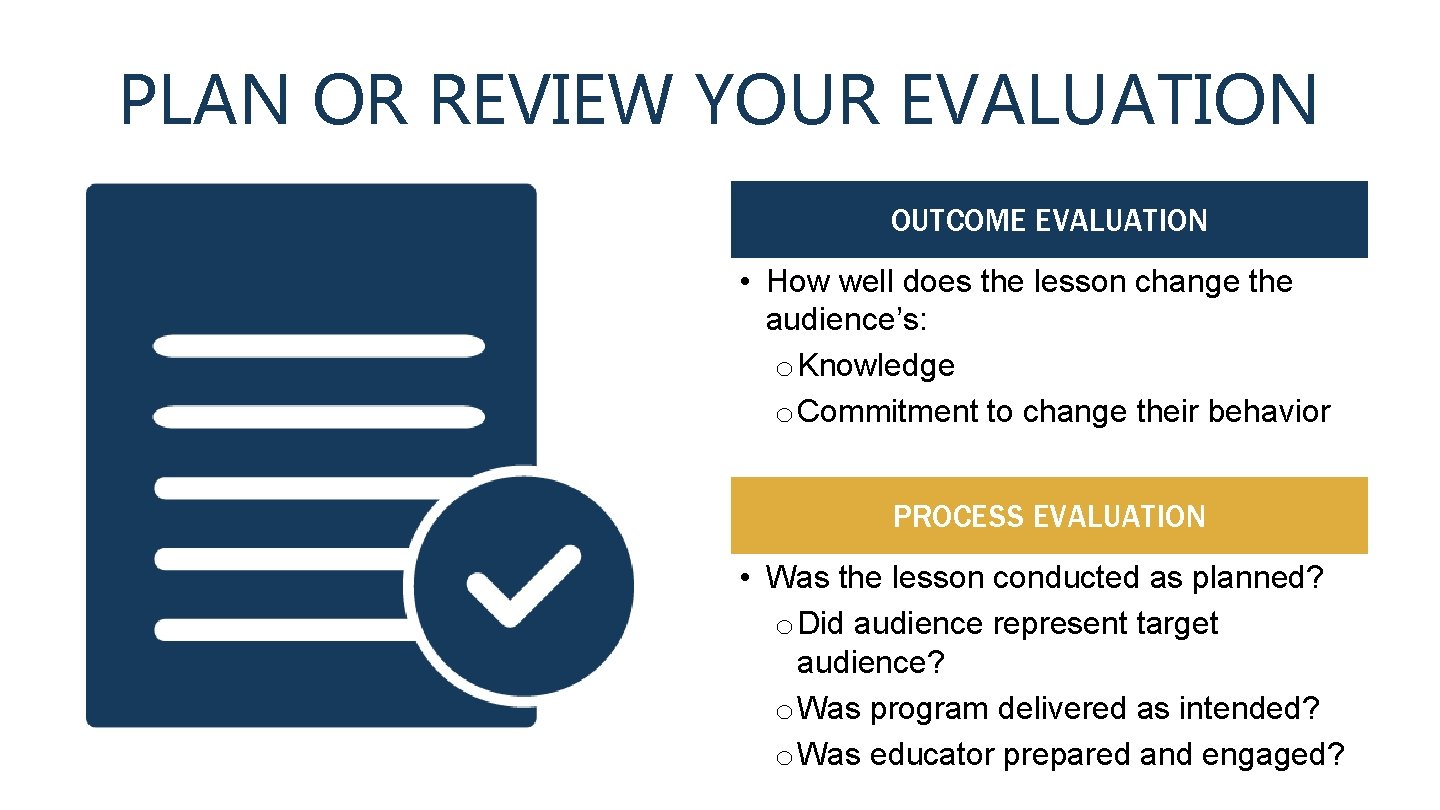
PLAN OR REVIEW YOUR EVALUATION OUTCOME EVALUATION • How well does the lesson change the audience’s: o Knowledge o Commitment to change their behavior PROCESS EVALUATION • Was the lesson conducted as planned? o Did audience represent target audience? o Was program delivered as intended? o Was educator prepared and engaged?
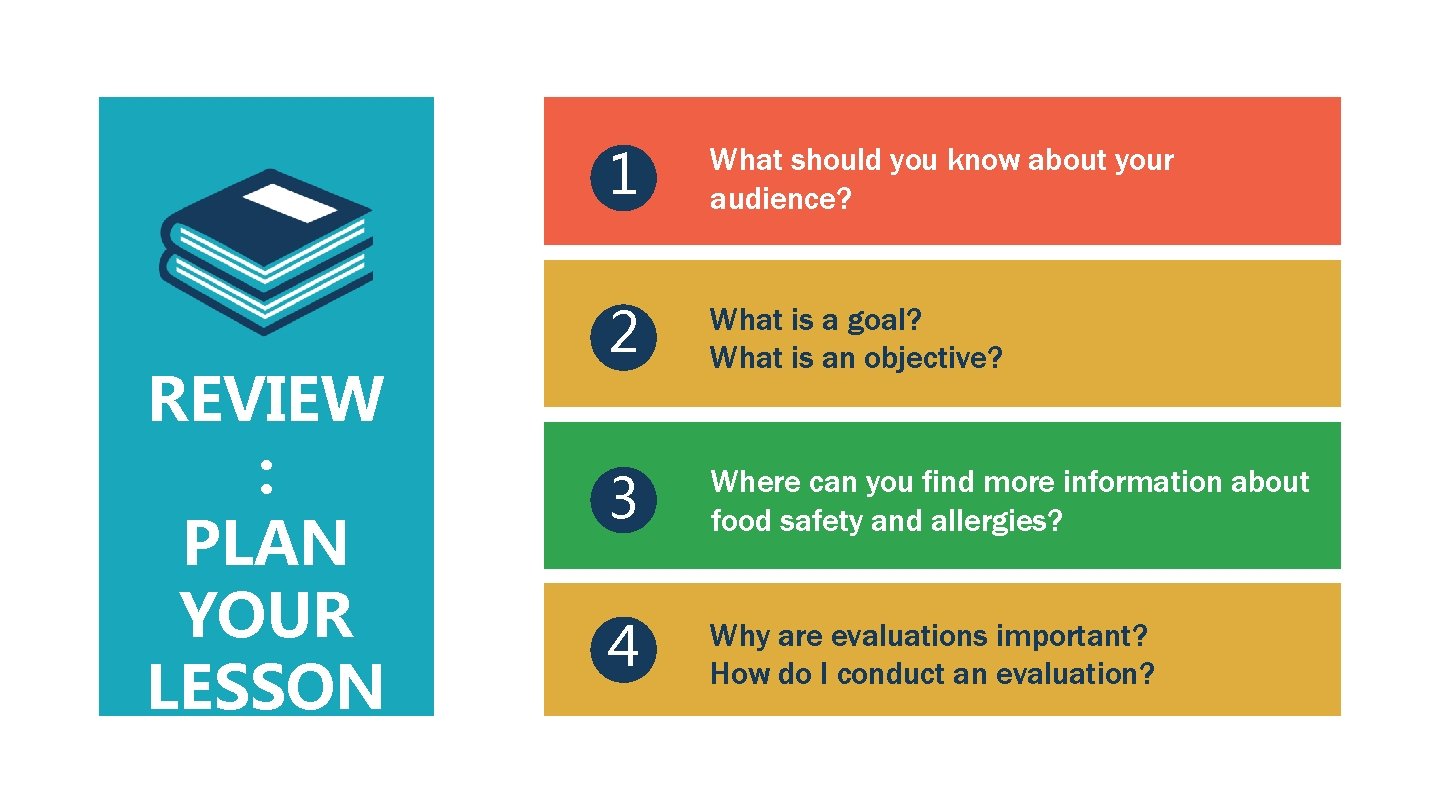
REVIEW : PLAN YOUR LESSON 1 What should you know about your audience? 2 What is a goal? What is an objective? 3 Where can you find more information about food safety and allergies? 4 Why are evaluations important? How do I conduct an evaluation?
BREAK
PREPARE YOURSELF
COMMUNICATION Share about yourself. Use nonjudgmental words and body language. Learn about Smile and make eye participants. contact. Establish classroom expectations. Be enthusiastic.
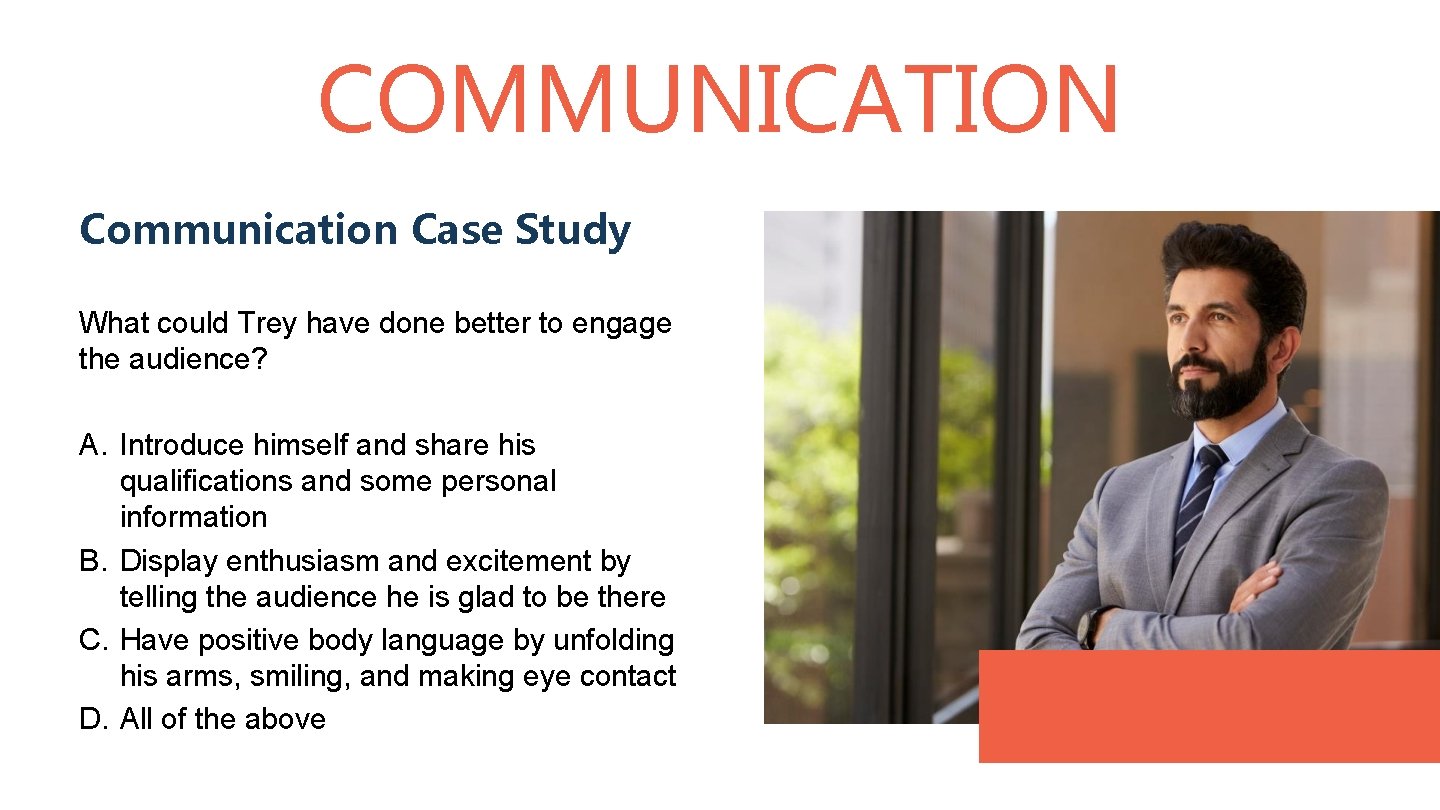
COMMUNICATION Communication Case Study What could Trey have done better to engage the audience? A. Introduce himself and share his qualifications and some personal information B. Display enthusiasm and excitement by telling the audience he is glad to be there C. Have positive body language by unfolding his arms, smiling, and making eye contact D. All of the above
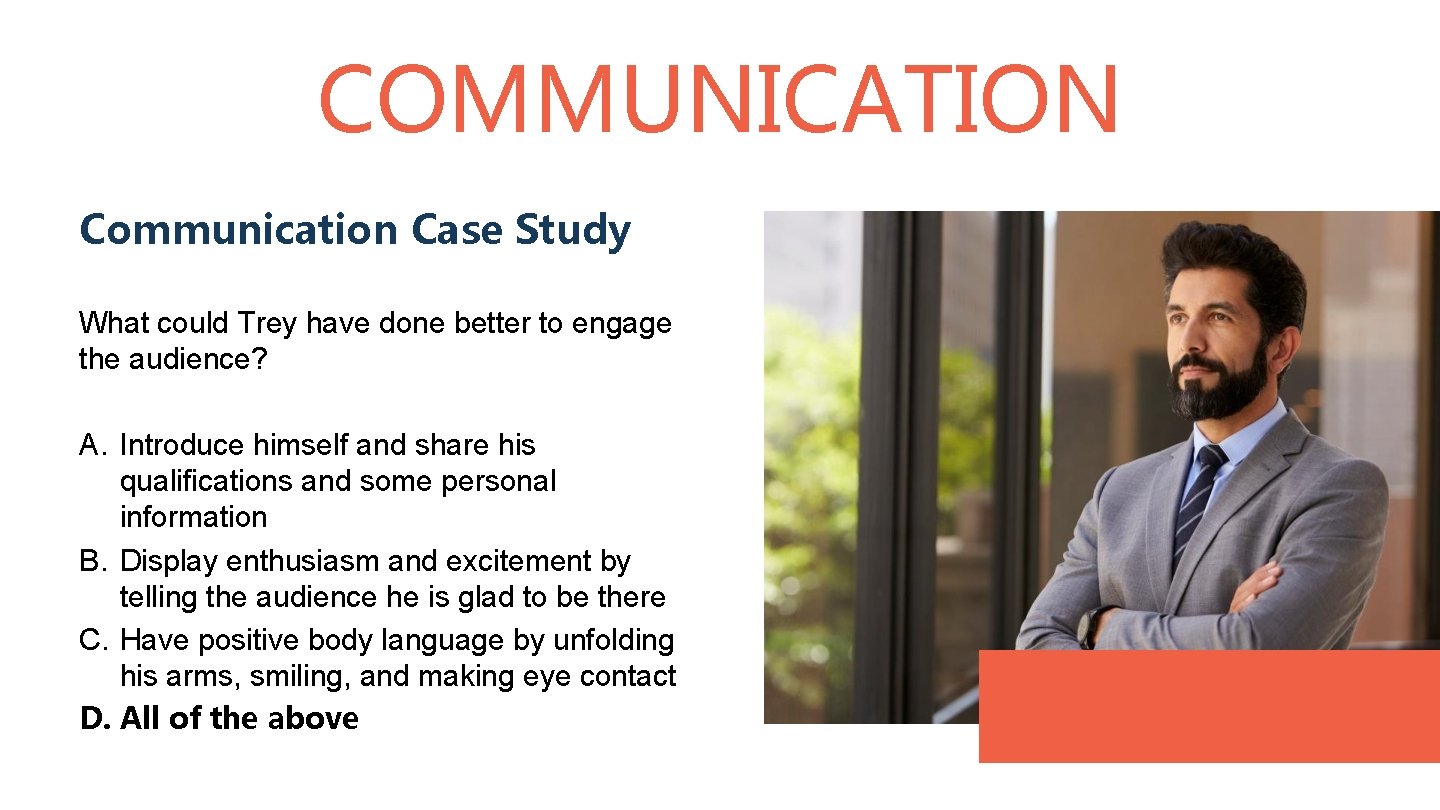
COMMUNICATION Communication Case Study What could Trey have done better to engage the audience? A. Introduce himself and share his qualifications and some personal information B. Display enthusiasm and excitement by telling the audience he is glad to be there C. Have positive body language by unfolding his arms, smiling, and making eye contact D. All of the above
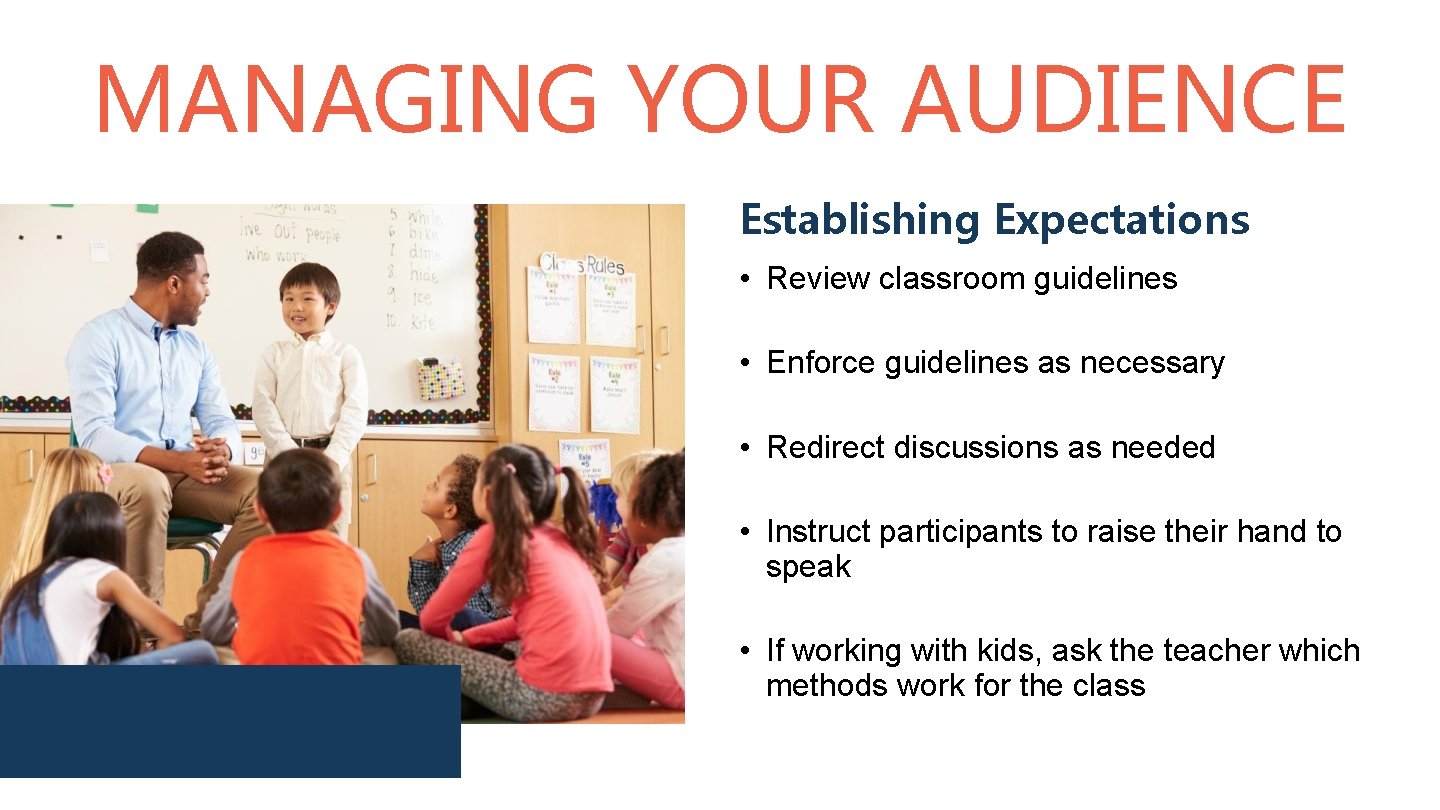
MANAGING YOUR AUDIENCE Establishing Expectations • Review classroom guidelines • Enforce guidelines as necessary • Redirect discussions as needed • Instruct participants to raise their hand to speak • If working with kids, ask the teacher which methods work for the class
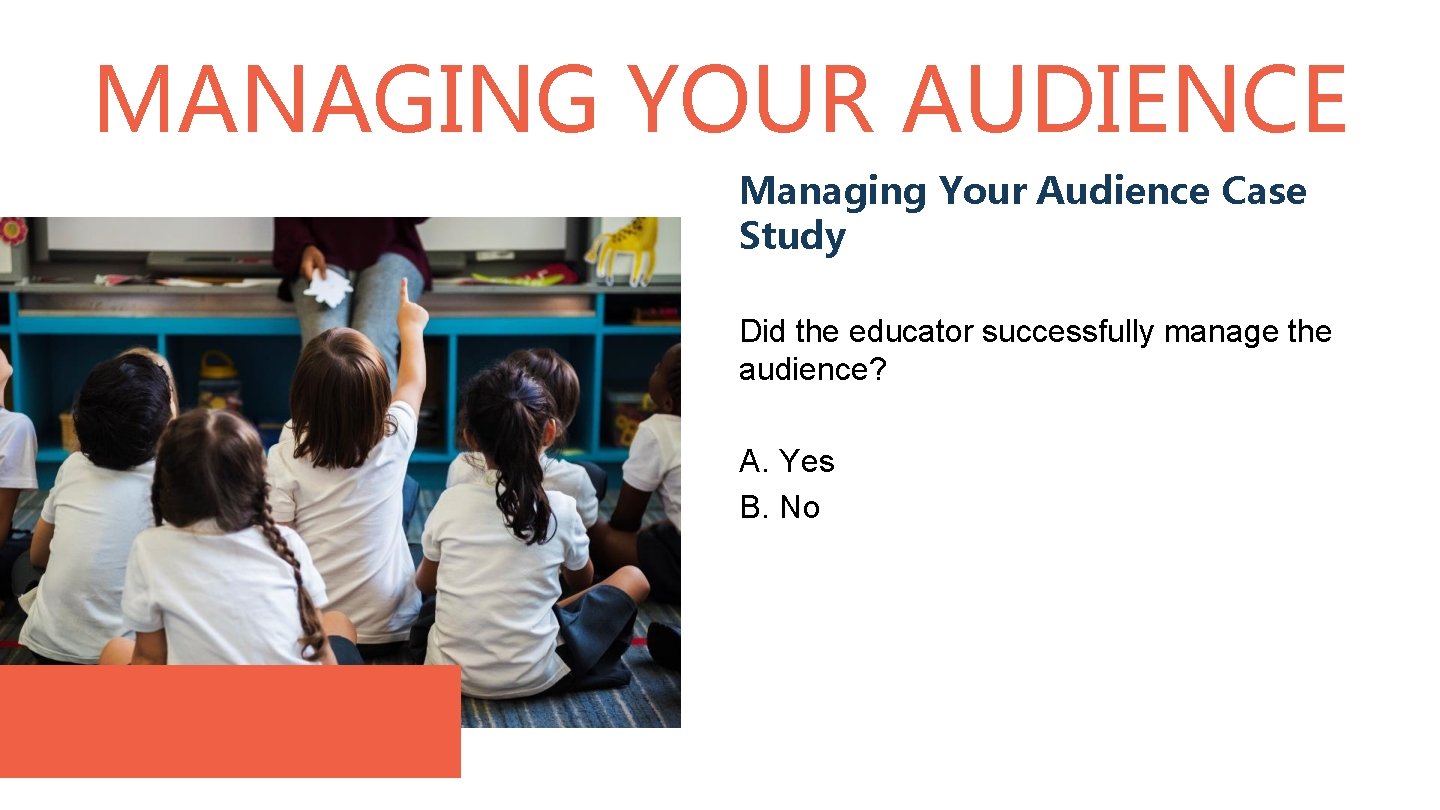
MANAGING YOUR AUDIENCE Managing Your Audience Case Study Did the educator successfully manage the audience? A. Yes B. No
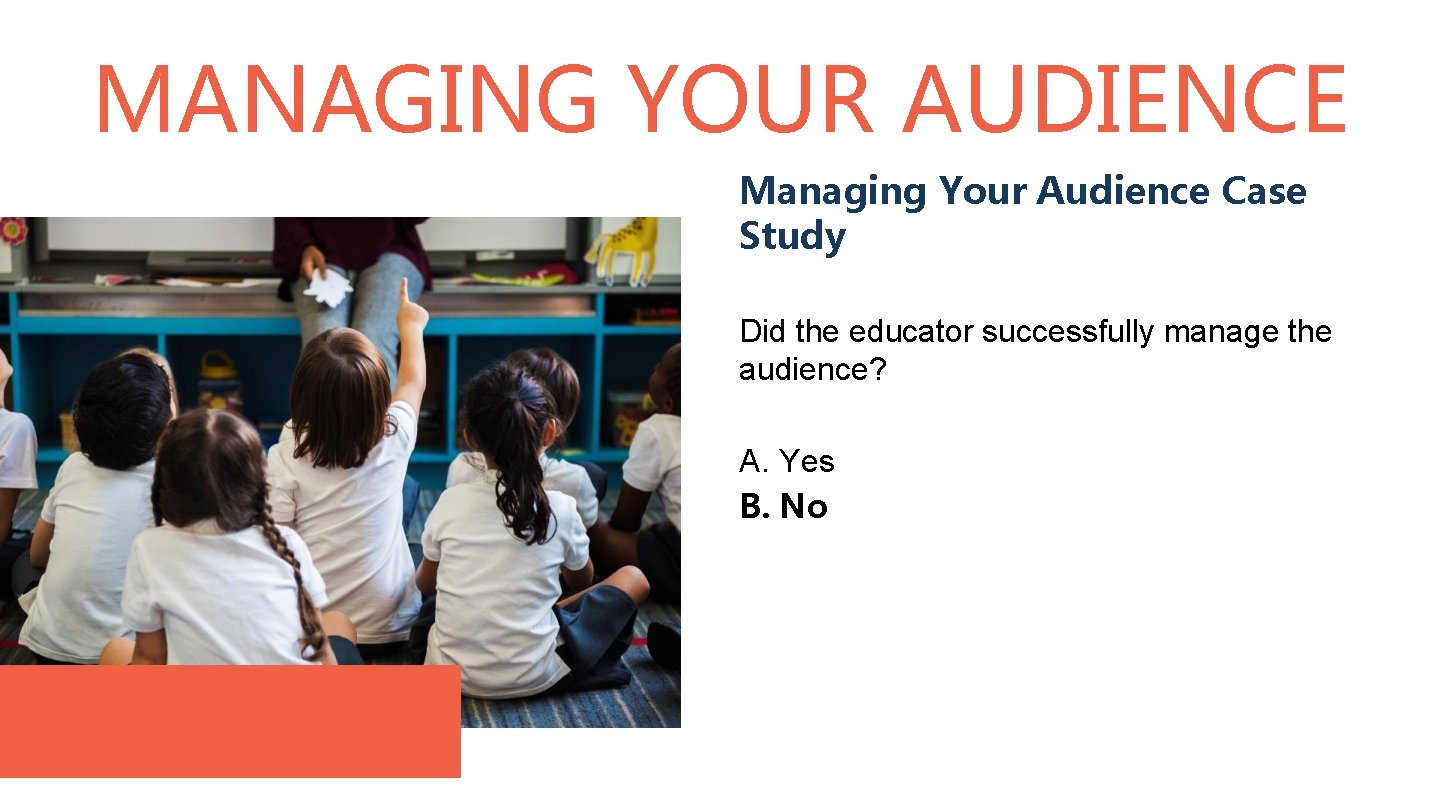
MANAGING YOUR AUDIENCE Managing Your Audience Case Study Did the educator successfully manage the audience? A. Yes B. No
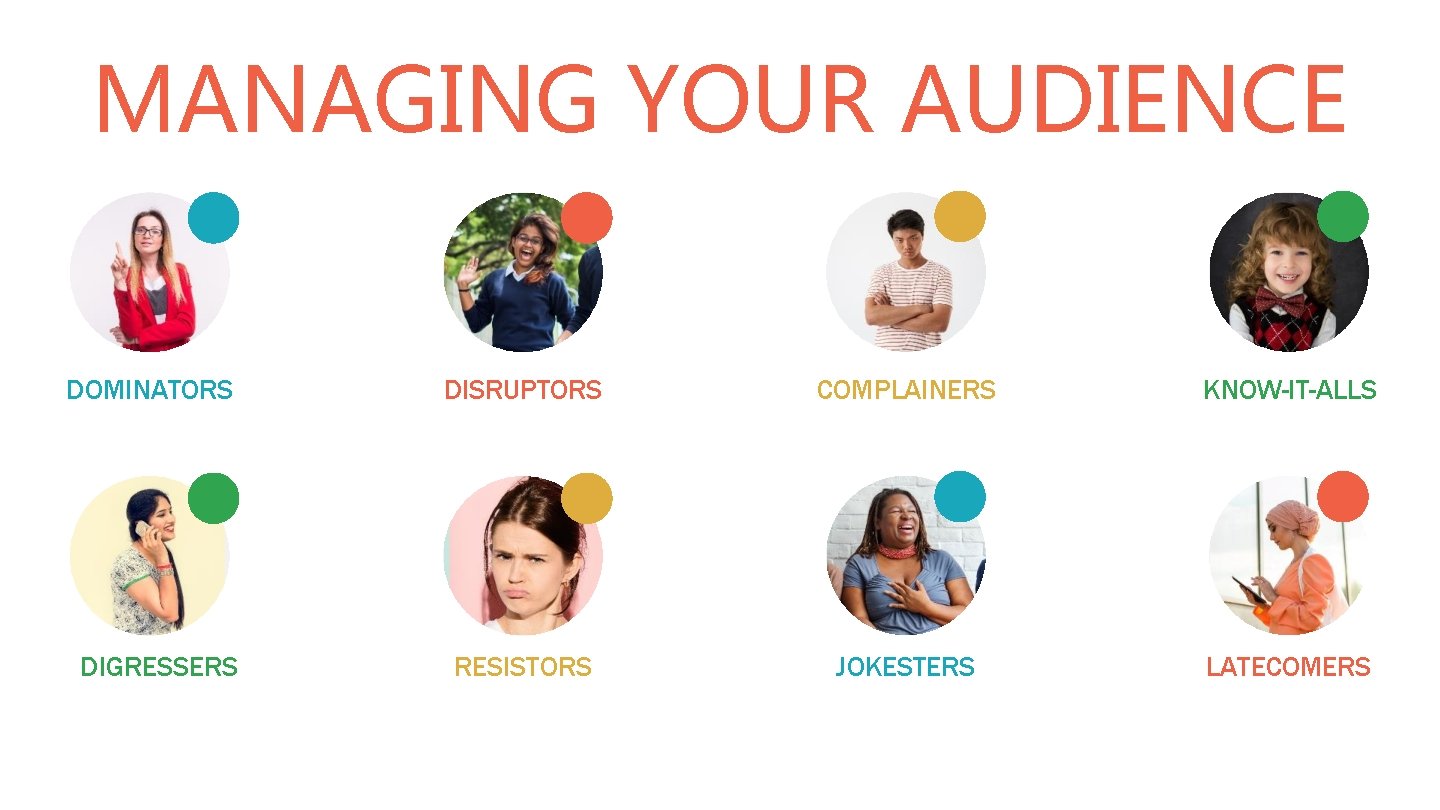
MANAGING YOUR AUDIENCE DOMINATORS DIGRESSERS DISRUPTORS COMPLAINERS KNOW-IT-ALLS RESISTORS JOKESTERS LATECOMERS
REVIEW: PREPARE YOURSEL F 1 What are some ways to engage your audience through your communications? 2 What are the different personalities you are likely to encounter in the classroom? 3 What are some strategies for dealing with disruptive participants?
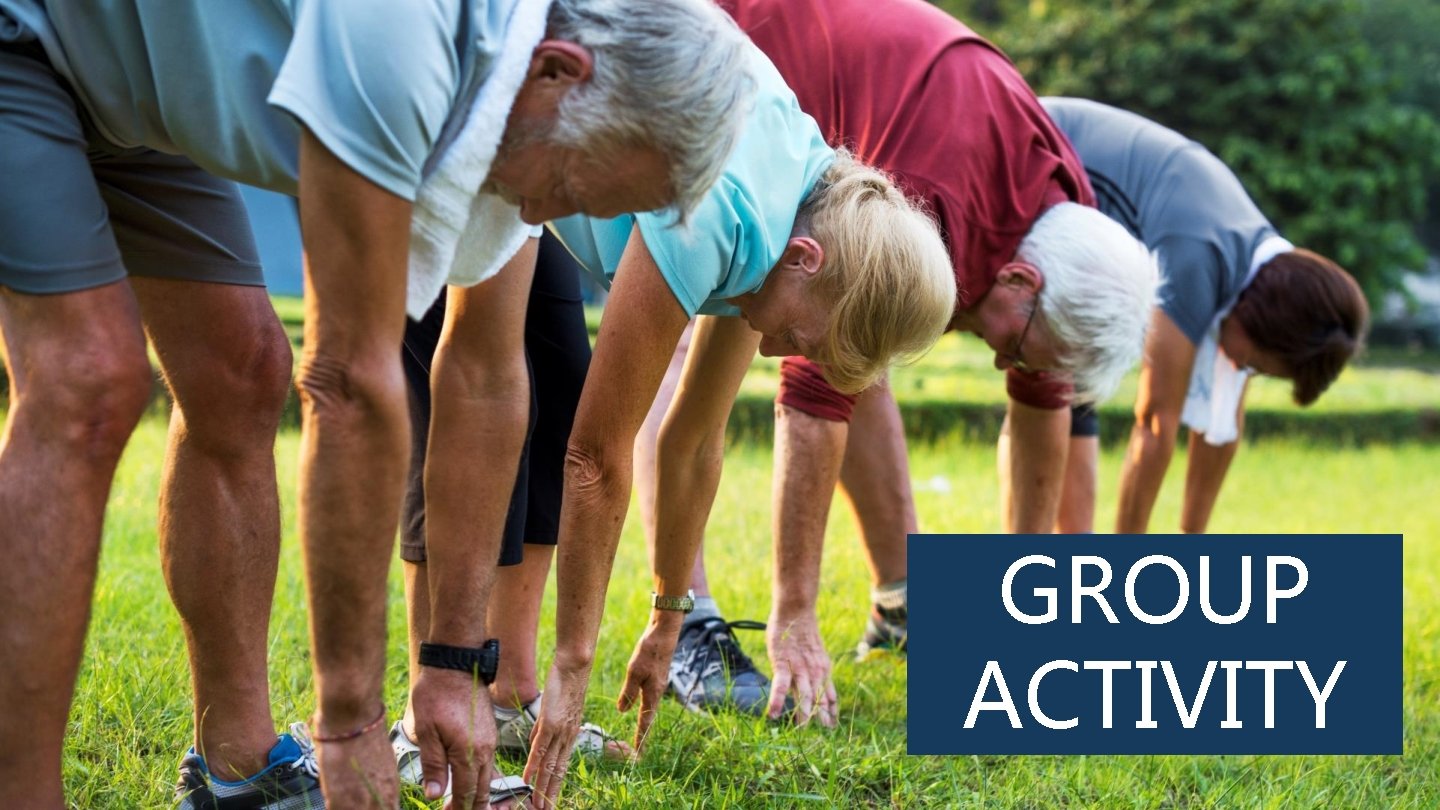
GROUP ACTIVITY
PUT IT INTO ACTION
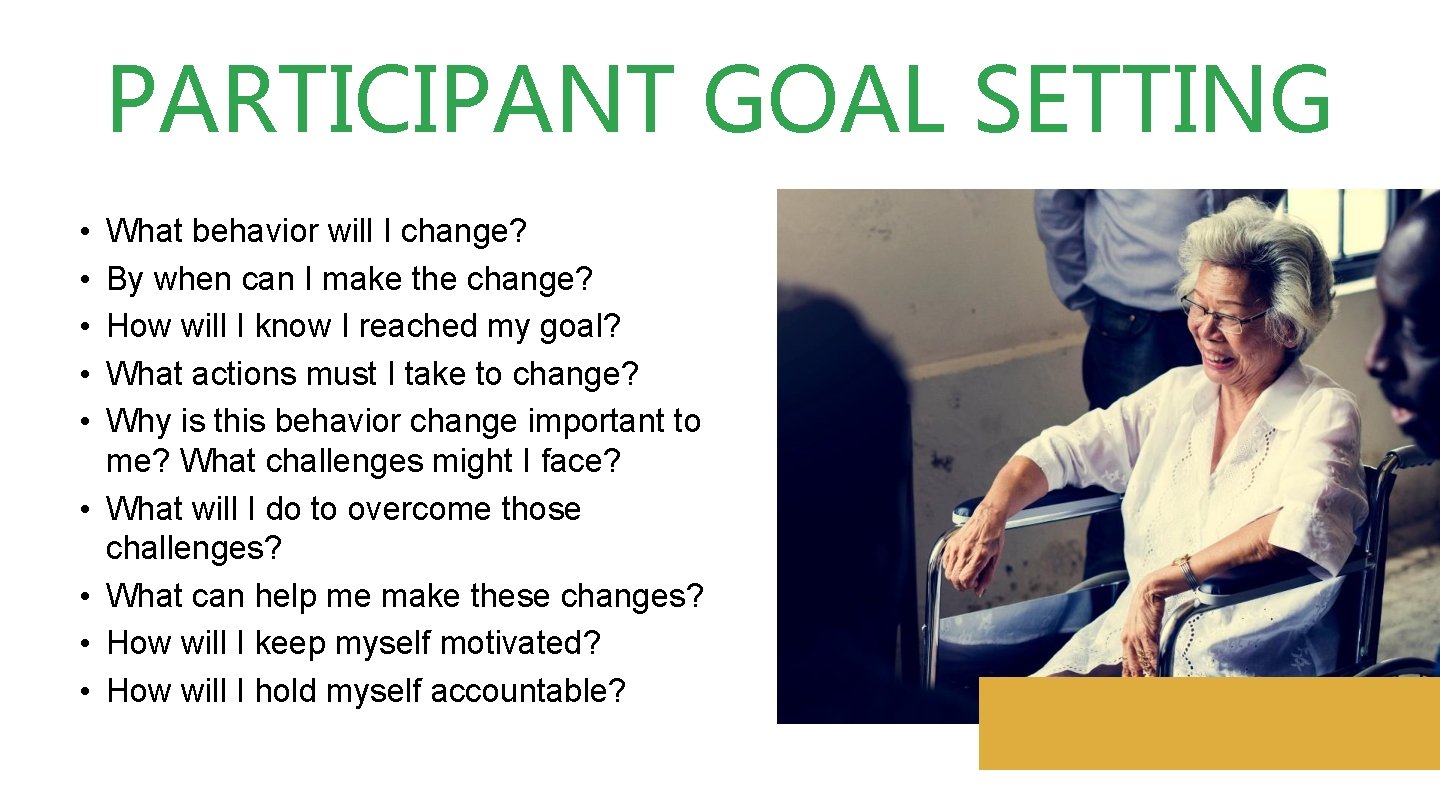
PARTICIPANT GOAL SETTING • • • What behavior will I change? By when can I make the change? How will I know I reached my goal? What actions must I take to change? Why is this behavior change important to me? What challenges might I face? What will I do to overcome those challenges? What can help me make these changes? How will I keep myself motivated? How will I hold myself accountable?
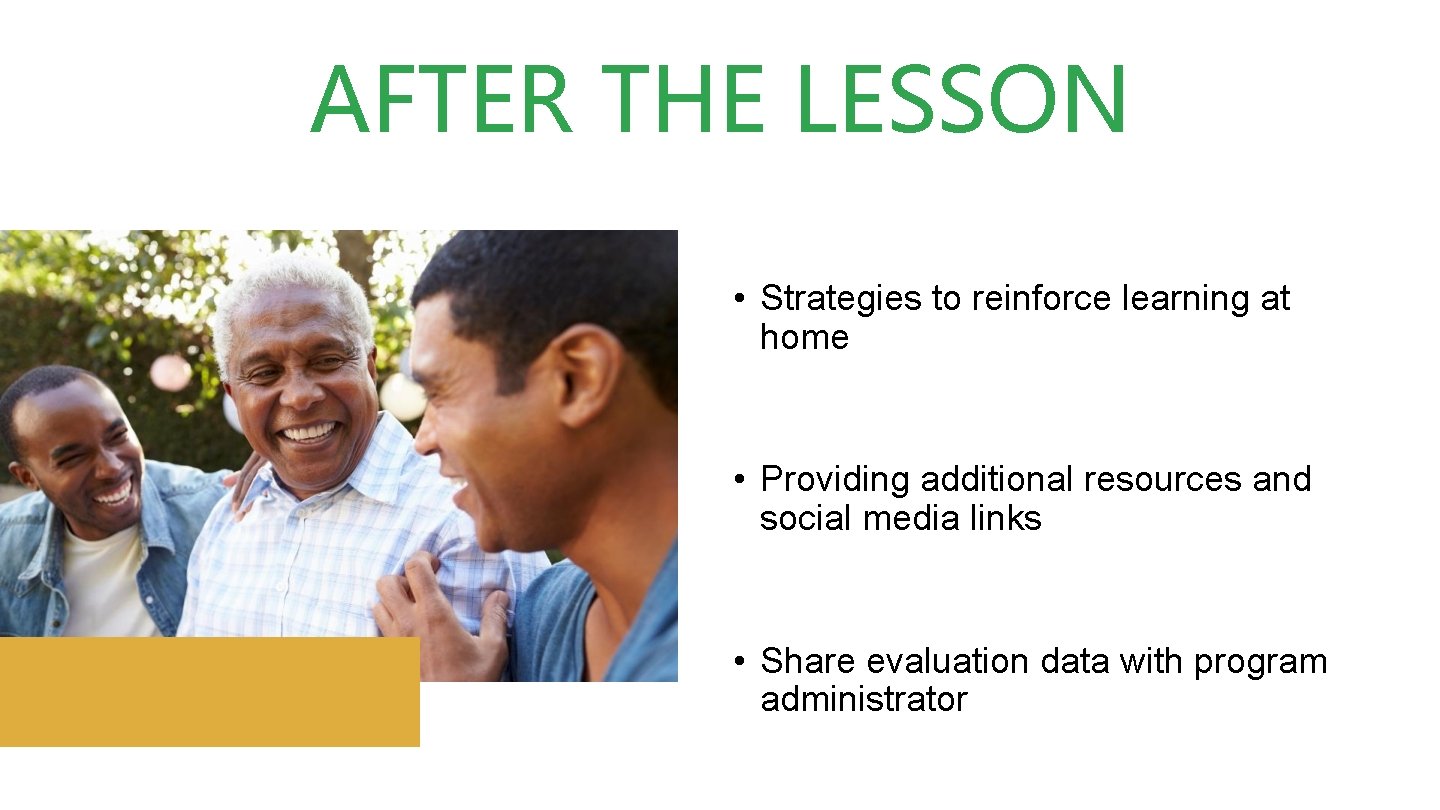
AFTER THE LESSON • Strategies to reinforce learning at home • Providing additional resources and social media links • Share evaluation data with program administrator
REVIEW: PUT IT INTO ACTION 1 What should you consider when setting goals with participants? 2 What actions must be taken after your nutrition lesson?
Training Objectives Review 1 4 How can you use information in the Nutrition Educator Guide to prepare and deliver effective nutrition education? What are three things you need to know about your audience before planning a lesson? 2 5 Which handouts would you complete before delivering an effective nutrition education lesson? What are two strategies for engaging participants with diverse classroom behavior and learning styles? 3 6 What is the purpose of nutrition education? Why is it helpful to set behavior change goals with participants?
POSTTEST
Thank You