
NSF ATE National Center for Nanotechnology Applications and
- Slides: 32
NSF ATE National Center for Nanotechnology Applications and Career Knowledge NACK Center The Pennsylvania State University January 2009
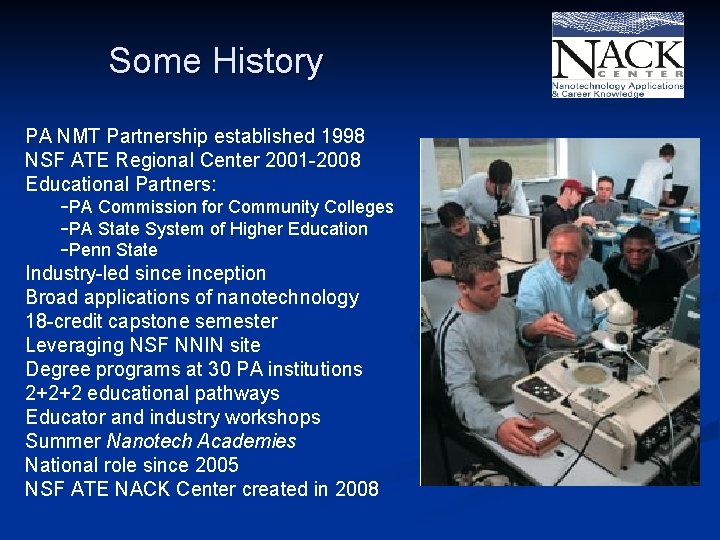
Some History PA NMT Partnership established 1998 NSF ATE Regional Center 2001 -2008 Educational Partners: –PA Commission for Community Colleges –PA State System of Higher Education –Penn State Industry-led sinception Broad applications of nanotechnology 18 -credit capstone semester Leveraging NSF NNIN site Degree programs at 30 PA institutions 2+2+2 educational pathways Educator and industry workshops Summer Nanotech Academies National role since 2005 NSF ATE NACK Center created in 2008
Regional Center Overarching Goals n n Develop a workforce for existing and emerging micro- and nanotechnologybased PA industries Bring the high-paying jobs of nanotechnology to Pennsylvanians Encourage the use of nanotechnology by PA industry Create a nanotechnology-knowledgeable PA citizenry
Regional Center Core Concepts n n Commitment to provide an affordable 18 -credit hands-on nanotechnology education experience to associate degree students anywhere in Pennsylvania Focus on associate degree education, with complementary programs for secondary and baccalaureate students, educators, and incumbent workers Emphasis on the full range of nanotechnology applications and a commitment to prepare students for work in any industry using micro- or nanotechnology Commitment to promote the sharing of nanotechnology expertise, research and education infrastructure across higher education institutions
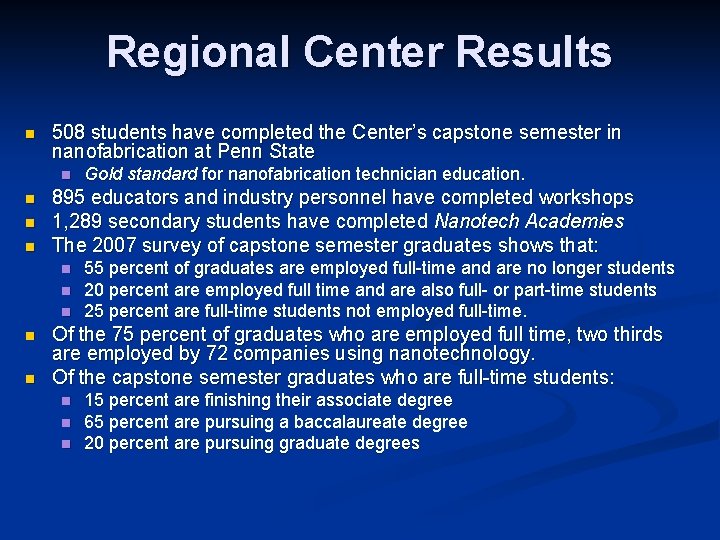
Regional Center Results n 508 students have completed the Center’s capstone semester in nanofabrication at Penn State n n 895 educators and industry personnel have completed workshops 1, 289 secondary students have completed Nanotech Academies The 2007 survey of capstone semester graduates shows that: n n n Gold standard for nanofabrication technician education. 55 percent of graduates are employed full-time and are no longer students 20 percent are employed full time and are also full- or part-time students 25 percent are full-time students not employed full-time. Of the 75 percent of graduates who are employed full time, two thirds are employed by 72 companies using nanotechnology. Of the capstone semester graduates who are full-time students: n n n 15 percent are finishing their associate degree 65 percent are pursuing a baccalaureate degree 20 percent are pursuing graduate degrees
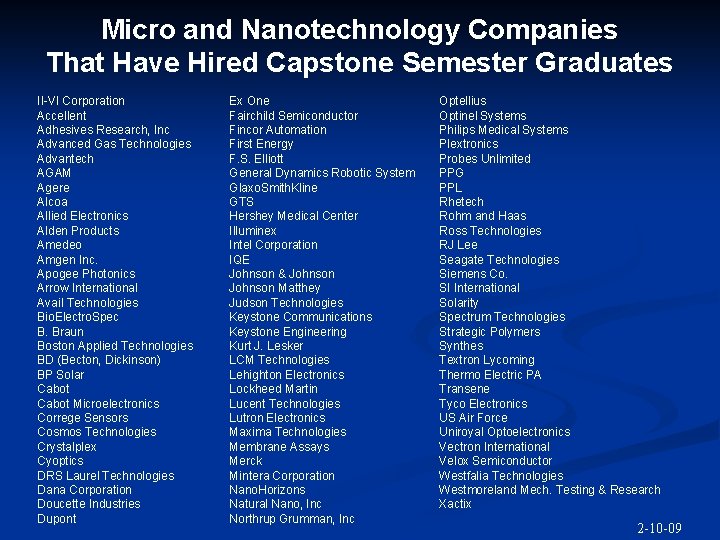
Micro and Nanotechnology Companies That Have Hired Capstone Semester Graduates II-VI Corporation Accellent Adhesives Research, Inc Advanced Gas Technologies Advantech AGAM Agere Alcoa Allied Electronics Alden Products Amedeo Amgen Inc. Apogee Photonics Arrow International Avail Technologies Bio. Electro. Spec B. Braun Boston Applied Technologies BD (Becton, Dickinson) BP Solar Cabot Microelectronics Correge Sensors Cosmos Technologies Crystalplex Cyoptics DRS Laurel Technologies Dana Corporation Doucette Industries Dupont Ex One Fairchild Semiconductor Fincor Automation First Energy F. S. Elliott General Dynamics Robotic System Glaxo. Smith. Kline GTS Hershey Medical Center Illuminex Intel Corporation IQE Johnson & Johnson Matthey Judson Technologies Keystone Communications Keystone Engineering Kurt J. Lesker LCM Technologies Lehighton Electronics Lockheed Martin Lucent Technologies Lutron Electronics Maxima Technologies Membrane Assays Merck Mintera Corporation Nano. Horizons Natural Nano, Inc Northrup Grumman, Inc Optellius Optinel Systems Philips Medical Systems Plextronics Probes Unlimited PPG PPL Rhetech Rohm and Haas Ross Technologies RJ Lee Seagate Technologies Siemens Co. SI International Solarity Spectrum Technologies Strategic Polymers Synthes Textron Lycoming Thermo Electric PA Transene Tyco Electronics US Air Force Uniroyal Optoelectronics Vectron International Velox Semiconductor Westfalia Technologies Westmoreland Mech. Testing & Research Xactix 2 -10 -09
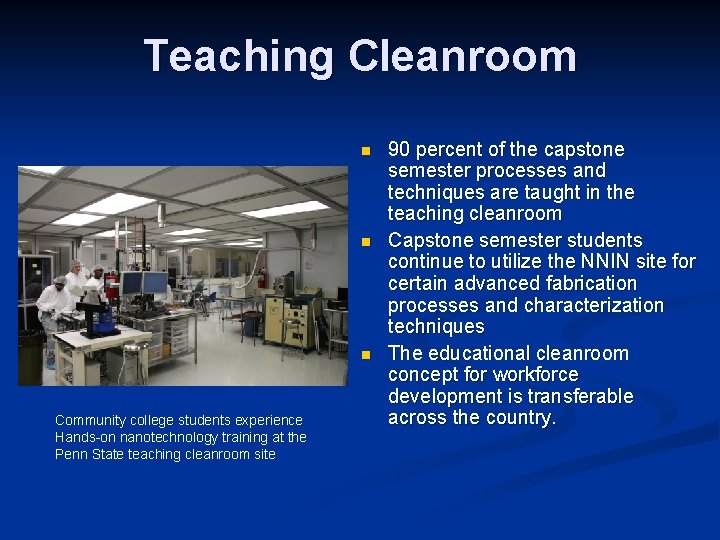
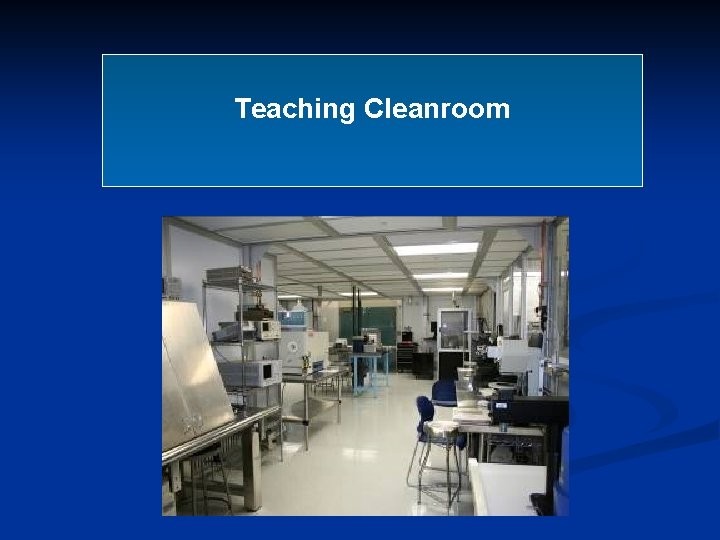
Teaching Cleanroom n n n Community college students experience Hands-on nanotechnology training at the Penn State teaching cleanroom site 90 percent of the capstone semester processes and techniques are taught in the teaching cleanroom Capstone semester students continue to utilize the NNIN site for certain advanced fabrication processes and characterization techniques The educational cleanroom concept for workforce development is transferable across the country.
NACK Overarching Goals n n n Develop a workforce for existing and emerging micro- and nanotechnology-based US industries Bring the high-paying jobs of micro- and nanotechnology to Americans Encourage the use of nanotechnology by industry Create a nanotechnology-knowledgeable citizenry. Continue the very successful, resource-sharing NMT model within PA
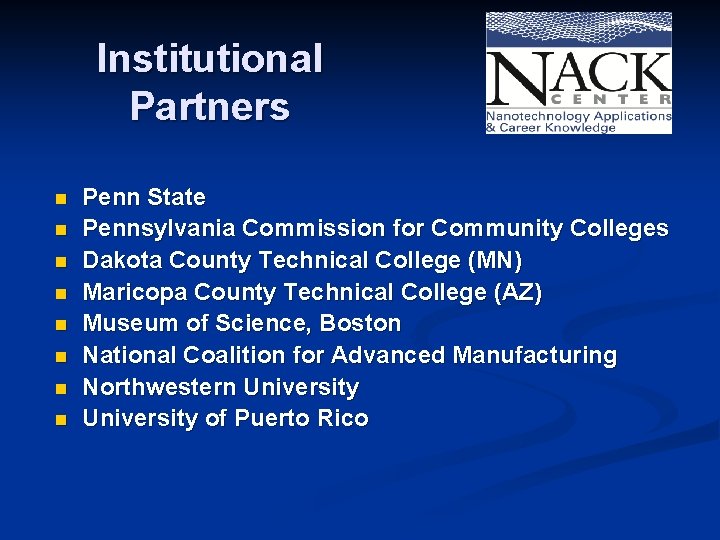
Institutional Partners n n n n Penn State Pennsylvania Commission for Community Colleges Dakota County Technical College (MN) Maricopa County Technical College (AZ) Museum of Science, Boston National Coalition for Advanced Manufacturing Northwestern University of Puerto Rico
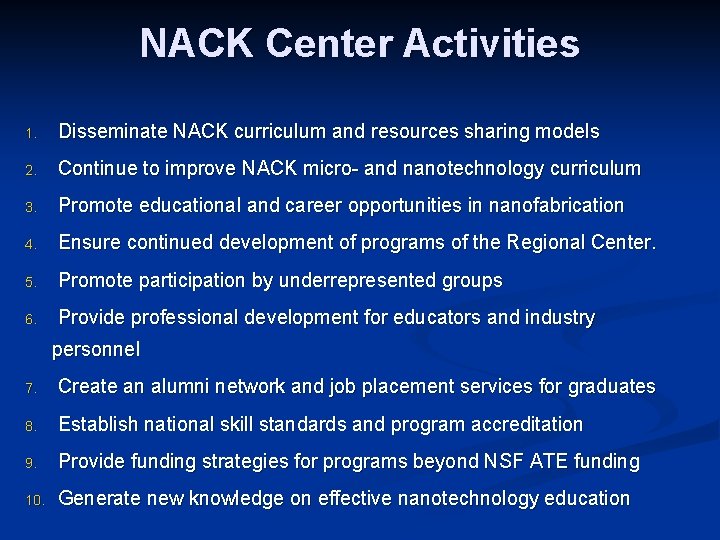
NACK Center Activities 1. Disseminate NACK curriculum and resources sharing models 2. Continue to improve NACK micro- and nanotechnology curriculum 3. Promote educational and career opportunities in nanofabrication 4. Ensure continued development of programs of the Regional Center. 5. Promote participation by underrepresented groups 6. Provide professional development for educators and industry personnel 7. Create an alumni network and job placement services for graduates 8. Establish national skill standards and program accreditation 9. Provide funding strategies for programs beyond NSF ATE funding 10. Generate new knowledge on effective nanotechnology education
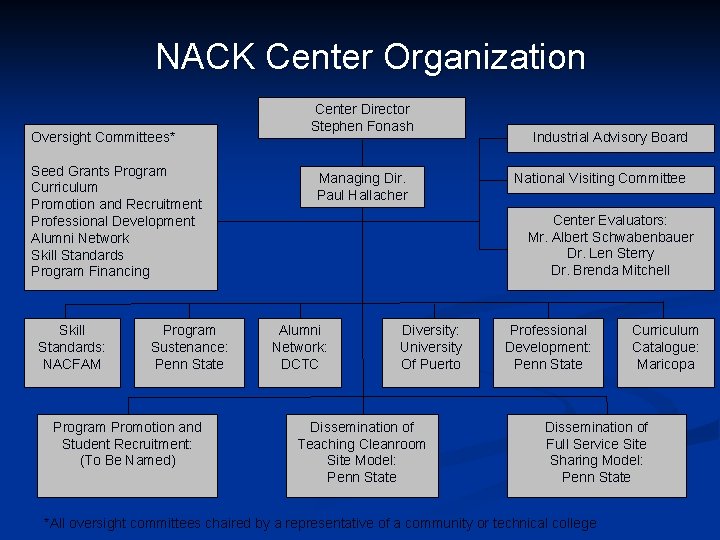
NACK Center Organization Oversight Committees* Seed Grants Program Curriculum Promotion and Recruitment Professional Development Alumni Network Skill Standards Program Financing Skill Standards: NACFAM Program Sustenance: Penn State Program Promotion and Student Recruitment: (To Be Named) Center Director Stephen Fonash Managing Dir. Paul Hallacher Industrial Advisory Board National Visiting Committee Center Evaluators: Mr. Albert Schwabenbauer Dr. Len Sterry Dr. Brenda Mitchell Alumni Network: DCTC Diversity: University Of Puerto Dissemination of Teaching Cleanroom Site Model: Penn State Professional Development: Penn State Curriculum Catalogue: Maricopa Dissemination of Full Service Site Sharing Model: Penn State *All oversight committees chaired by a representative of a community or technical college
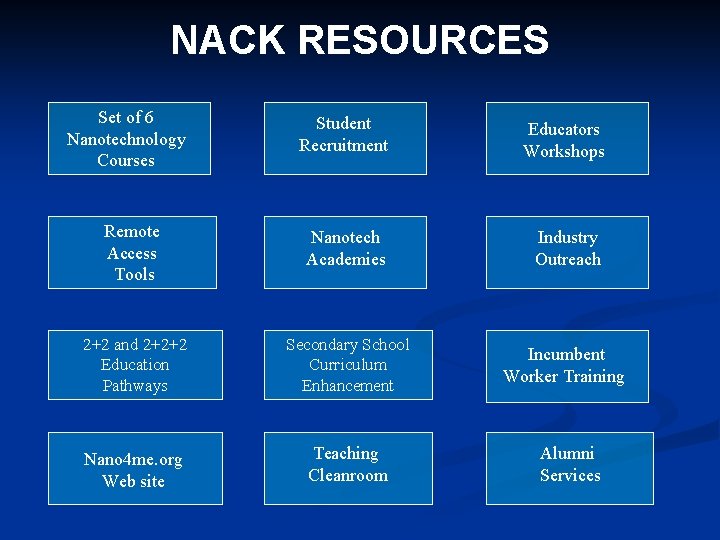
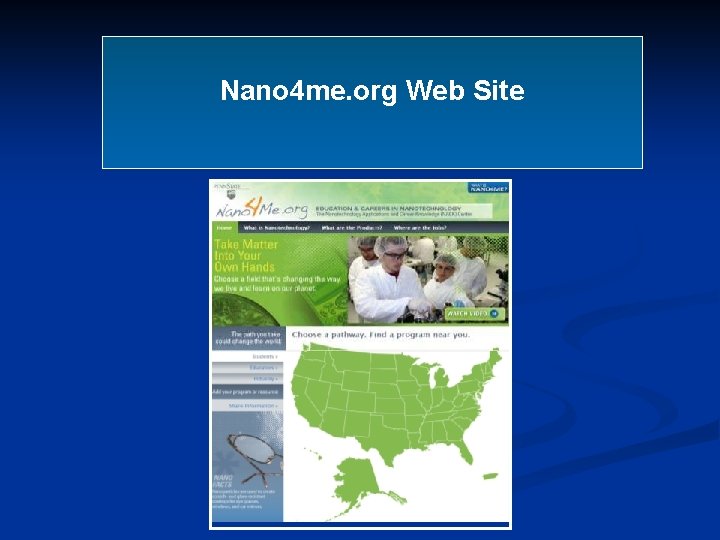
NACK RESOURCES Set of 6 Nanotechnology Courses Student Recruitment Educators Workshops Remote Access Tools Nanotech Academies Industry Outreach 2+2 and 2+2+2 Education Pathways Secondary School Curriculum Enhancement Incumbent Worker Training Nano 4 me. org Web site Teaching Cleanroom Alumni Services
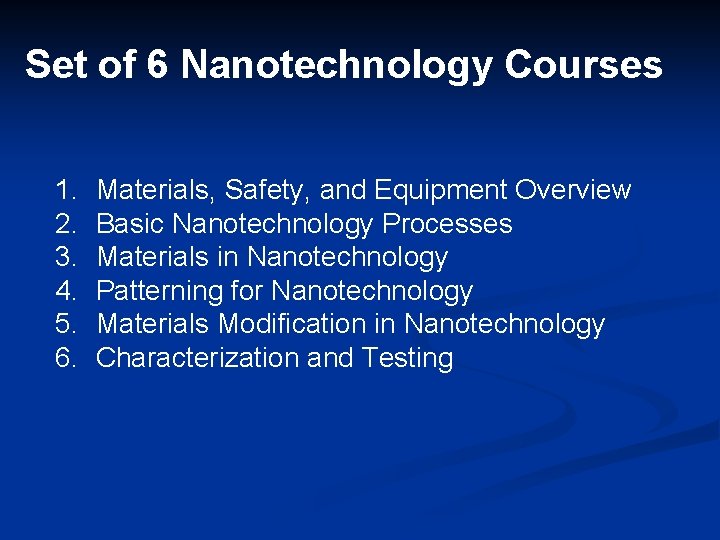
Set of 6 Nanotechnology Courses 1. 2. 3. 4. 5. 6. Materials, Safety, and Equipment Overview Basic Nanotechnology Processes Materials in Nanotechnology Patterning for Nanotechnology Materials Modification in Nanotechnology Characterization and Testing
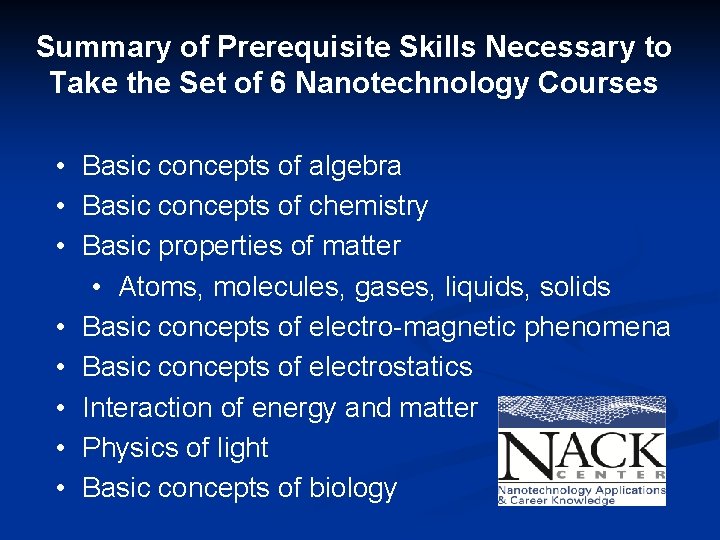
Summary of Prerequisite Skills Necessary to Take the Set of 6 Nanotechnology Courses • Basic concepts of algebra • Basic concepts of chemistry • Basic properties of matter • Atoms, molecules, gases, liquids, solids • Basic concepts of electro-magnetic phenomena • Basic concepts of electrostatics • Interaction of energy and matter • Physics of light • Basic concepts of biology
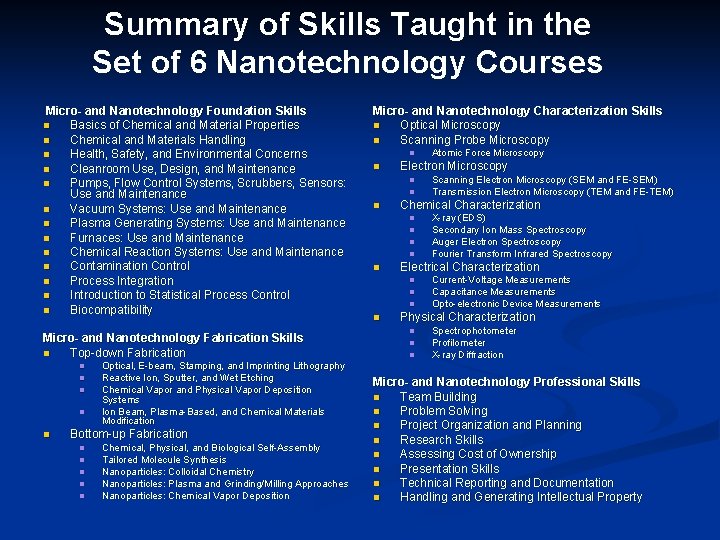
Summary of Skills Taught in the Set of 6 Nanotechnology Courses Micro- and Nanotechnology Foundation Skills n Basics of Chemical and Material Properties n Chemical and Materials Handling n Health, Safety, and Environmental Concerns n Cleanroom Use, Design, and Maintenance n Pumps, Flow Control Systems, Scrubbers, Sensors: Use and Maintenance n Vacuum Systems: Use and Maintenance n Plasma Generating Systems: Use and Maintenance n Furnaces: Use and Maintenance n Chemical Reaction Systems: Use and Maintenance n Contamination Control n Process Integration n Introduction to Statistical Process Control n Biocompatibility Micro- and Nanotechnology Fabrication Skills n Top-down Fabrication n n Optical, E-beam, Stamping, and Imprinting Lithography Reactive Ion, Sputter, and Wet Etching Chemical Vapor and Physical Vapor Deposition Systems Ion Beam, Plasma-Based, and Chemical Materials Modification Bottom-up Fabrication n n Chemical, Physical, and Biological Self-Assembly Tailored Molecule Synthesis Nanoparticles: Colloidal Chemistry Nanoparticles: Plasma and Grinding/Milling Approaches Nanoparticles: Chemical Vapor Deposition Micro- and Nanotechnology Characterization Skills n Optical Microscopy n Scanning Probe Microscopy n n n n X-ray (EDS) Secondary Ion Mass Spectroscopy Auger Electron Spectroscopy Fourier Transform Infrared Spectroscopy Electrical Characterization n n Scanning Electron Microscopy (SEM and FE-SEM) Transmission Electron Microscopy (TEM and FE-TEM) Chemical Characterization n n Atomic Force Microscopy Electron Microscopy Current-Voltage Measurements Capacitance Measurements Opto-electronic Device Measurements Physical Characterization n Spectrophotometer Profilometer X-ray Diffraction Micro- and Nanotechnology Professional Skills n Team Building n Problem Solving n Project Organization and Planning n Research Skills n Assessing Cost of Ownership n Presentation Skills n Technical Reporting and Documentation n Handling and Generating Intellectual Property
Resources Available • Course Notes for each course • Lab Manuals for each course
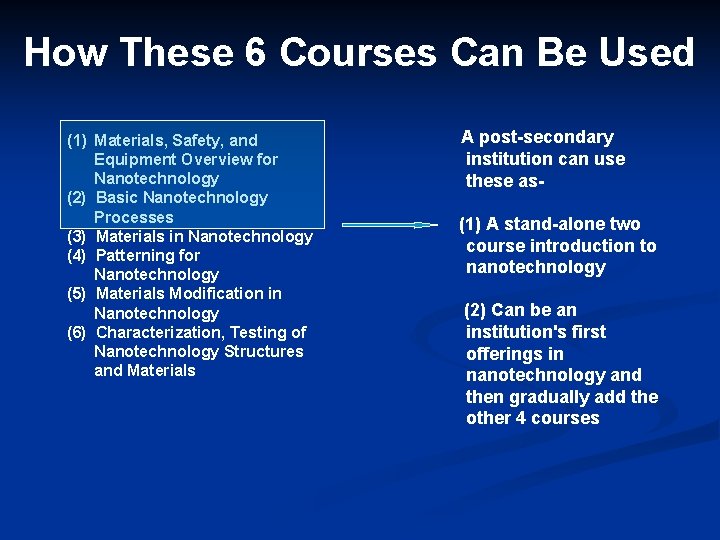
How These 6 Courses Can Be Used (1) Materials, Safety, and Equipment Overview for Nanotechnology (2) Basic Nanotechnology Processes (3) Materials in Nanotechnology (4) Patterning for Nanotechnology (5) Materials Modification in Nanotechnology (6) Characterization, Testing of Nanotechnology Structures and Materials A post-secondary institution can use these as(1) A stand-alone two course introduction to nanotechnology (2) Can be an institution's first offerings in nanotechnology and then gradually add the other 4 courses
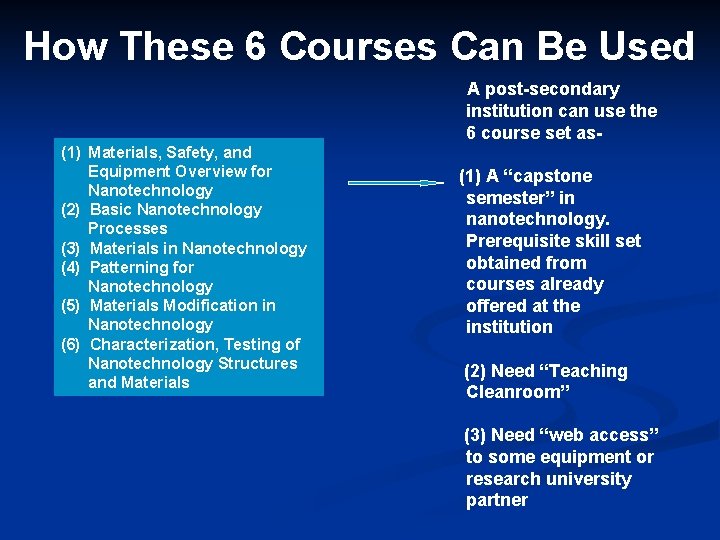
How These 6 Courses Can Be Used (1) Materials, Safety, and Equipment Overview for Nanotechnology (2) Basic Nanotechnology Processes (3) Materials in Nanotechnology (4) Patterning for Nanotechnology (5) Materials Modification in Nanotechnology (6) Characterization, Testing of Nanotechnology Structures and Materials A post-secondary institution can use the 6 course set as(1) A “capstone semester” in nanotechnology. Prerequisite skill set obtained from courses already offered at the institution (2) Need “Teaching Cleanroom” (3) Need “web access” to some equipment or research university partner
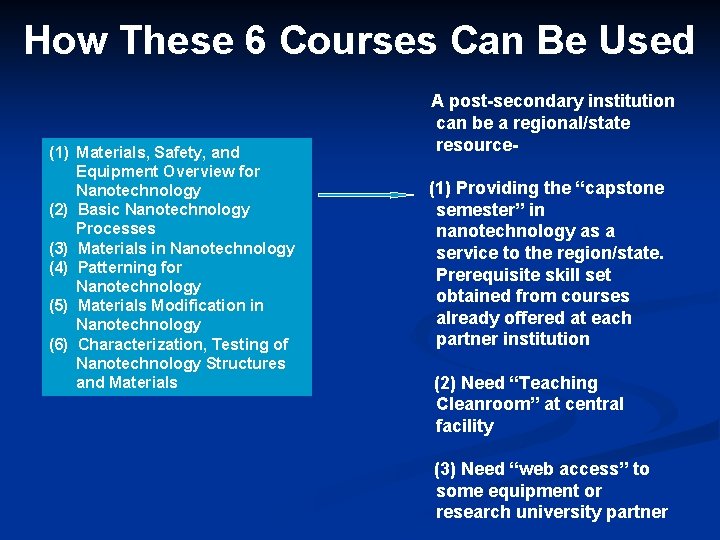
How These 6 Courses Can Be Used (1) Materials, Safety, and Equipment Overview for Nanotechnology (2) Basic Nanotechnology Processes (3) Materials in Nanotechnology (4) Patterning for Nanotechnology (5) Materials Modification in Nanotechnology (6) Characterization, Testing of Nanotechnology Structures and Materials A post-secondary institution can be a regional/state resource(1) Providing the “capstone semester” in nanotechnology as a service to the region/state. Prerequisite skill set obtained from courses already offered at each partner institution (2) Need “Teaching Cleanroom” at central facility (3) Need “web access” to some equipment or research university partner
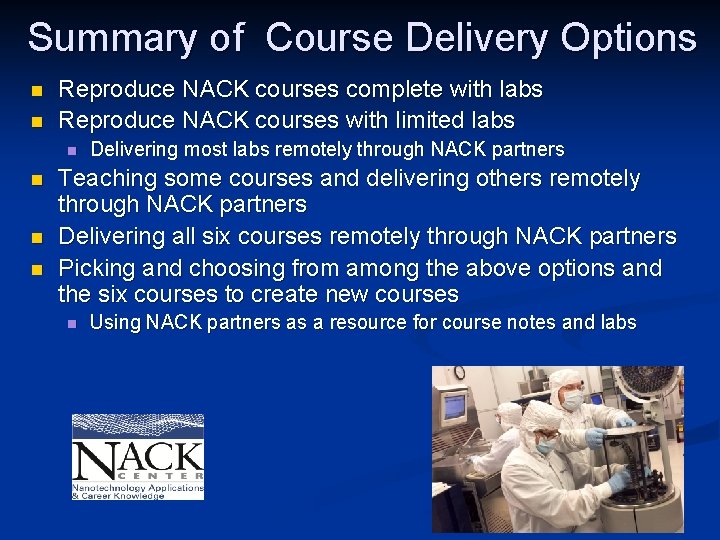
Summary of Course Delivery Options n n Reproduce NACK courses complete with labs Reproduce NACK courses with limited labs n n Delivering most labs remotely through NACK partners Teaching some courses and delivering others remotely through NACK partners Delivering all six courses remotely through NACK partners Picking and choosing from among the above options and the six courses to create new courses n Using NACK partners as a resource for course notes and labs
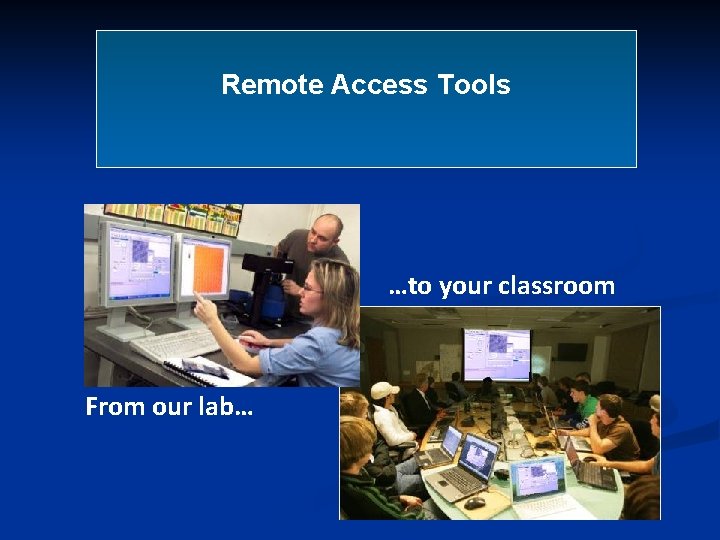
Remote Access Tools …to your classroom From our lab…
2+2 2+2+2 Education Pathways Pennsylvania Commission for Community Colleges (14 two-year institutions) The Pennsylvania College of Technology Allegany College of Maryland (PA Campuses) State System of Higher Education (14 four-year institutions) The Pennsylvania State University Local School Districts
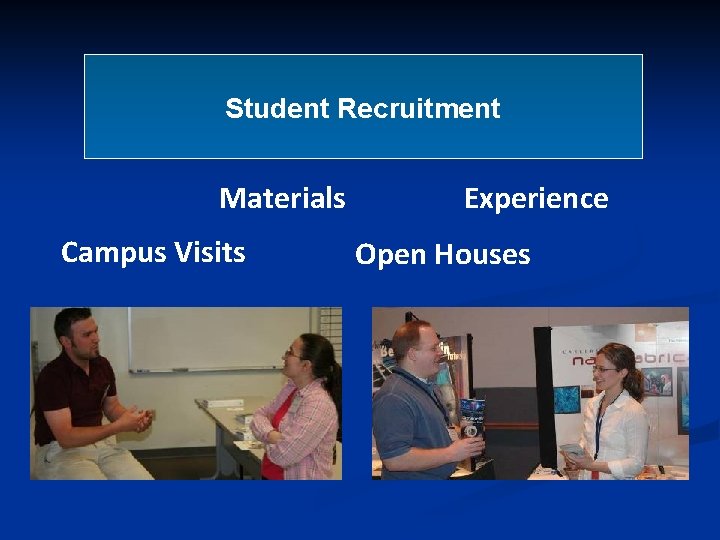
Student Recruitment Materials Campus Visits Experience Open Houses
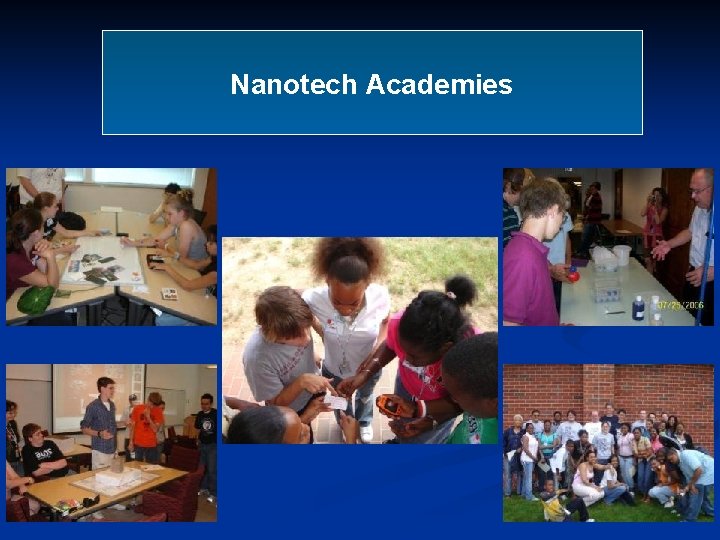
Nanotech Academies
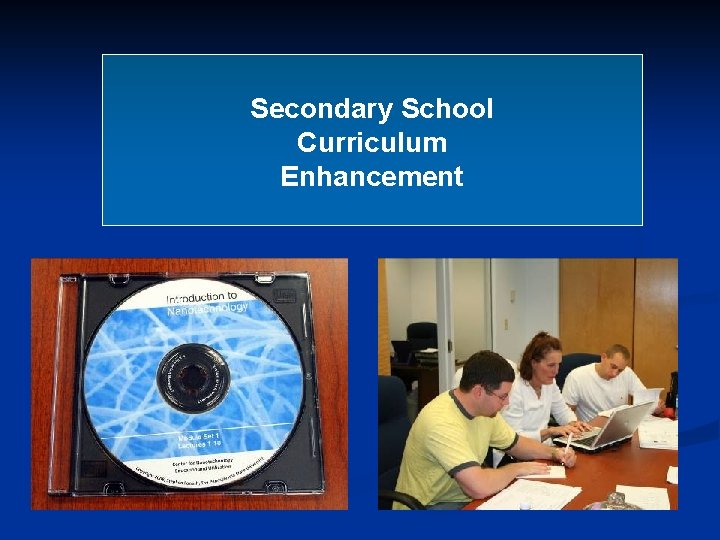
Secondary School Curriculum Enhancement
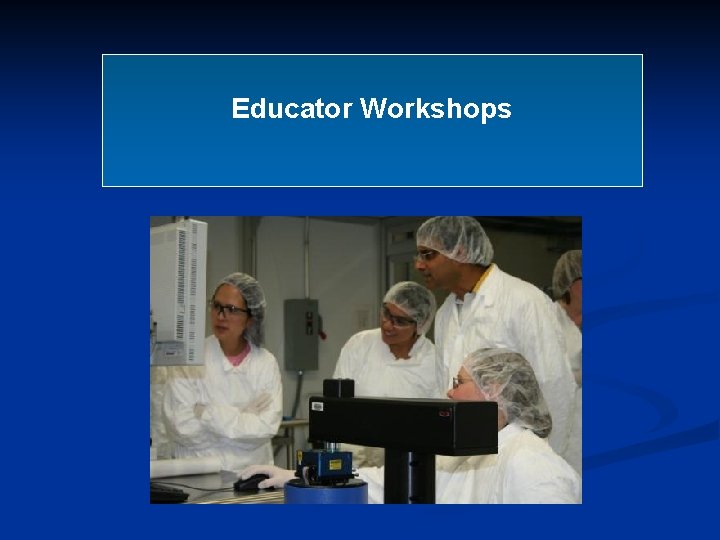
Educator Workshops
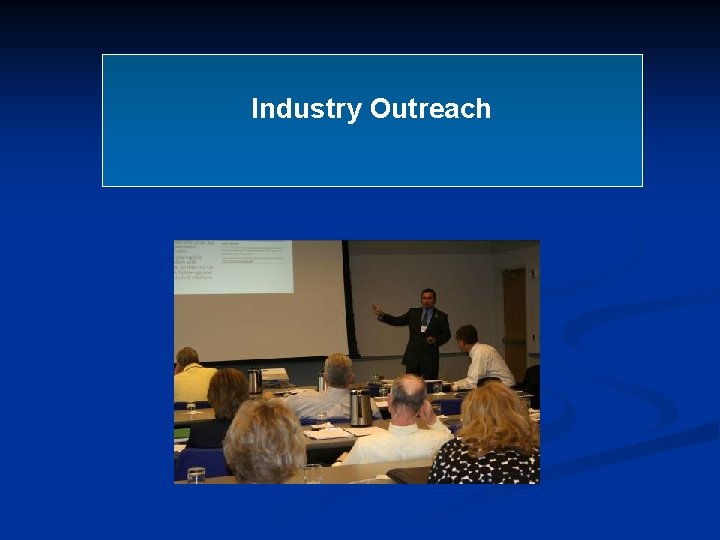
Industry Outreach
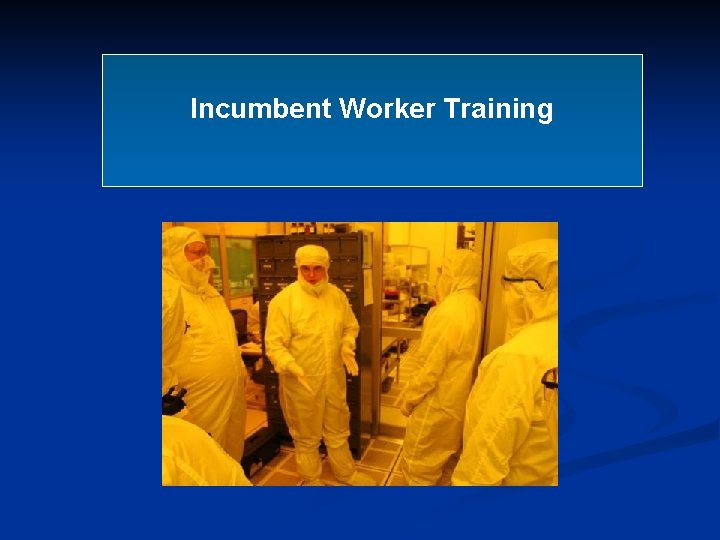
Incumbent Worker Training
Nano 4 me. org Web Site
Teaching Cleanroom
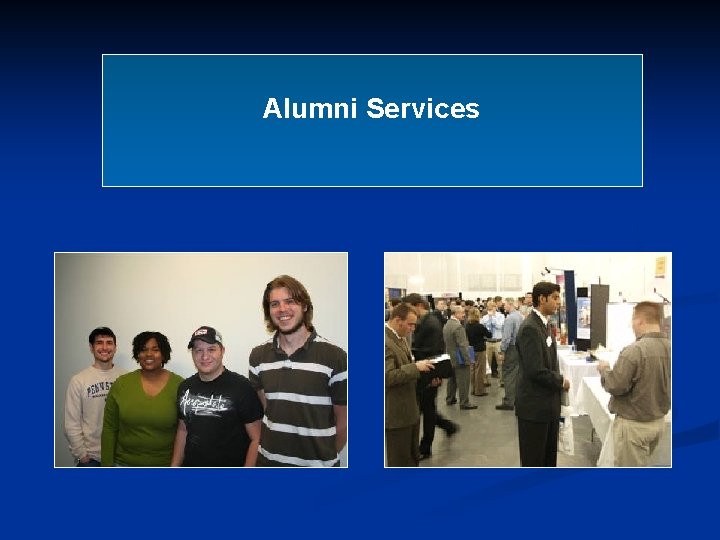
Alumni Services
Joint Further Development of These Resources We are asking you to: Make use of these resources as you wish n Promote their availability across the country n Work with us to evaluate these resources n Work together to improve these resources n Work together to additional resources n