
NSCLC localmente avanzato MARTA SCORSETTI M D Direttore

- Slides: 49
NSCLC localmente avanzato MARTA SCORSETTI M. D. Direttore Radioterapia e Radiochirurgia Istituto Clinico Humanitas marta. scorsetti@humanitas. it
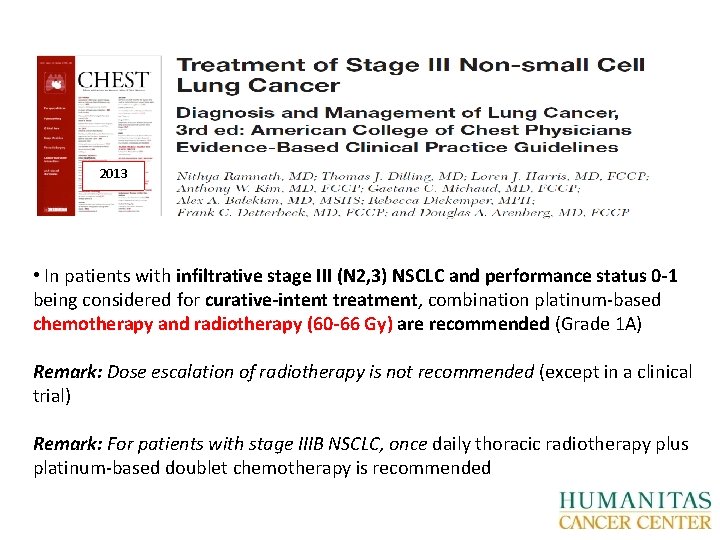
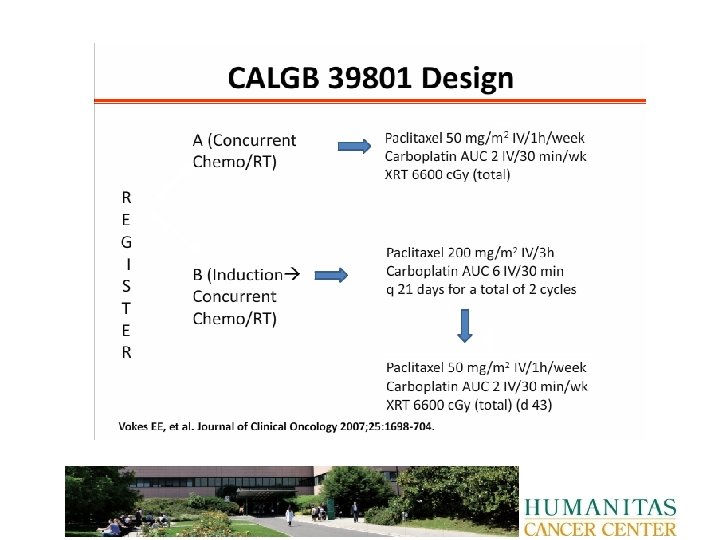
2013 • In patients with infiltrative stage III (N 2, 3) NSCLC and performance status 0 -1 being considered for curative-intent treatment, combination platinum-based chemotherapy and radiotherapy (60 -66 Gy) are recommended (Grade 1 A) Remark: Dose escalation of radiotherapy is not recommended (except in a clinical trial) Remark: For patients with stage IIIB NSCLC, once daily thoracic radiotherapy plus platinum-based doublet chemotherapy is recommended
W. J. Curran A. Bezjak H. Choy Why Did 74. 0 Gy Fail? Speculation and Conjecture Walter J Curran, Jr, MD Radiation Therapy Oncology Group Chairman Executive Director, Winship Cancer Institute of Emory University Georgia Research Alliance Eminent Scholar
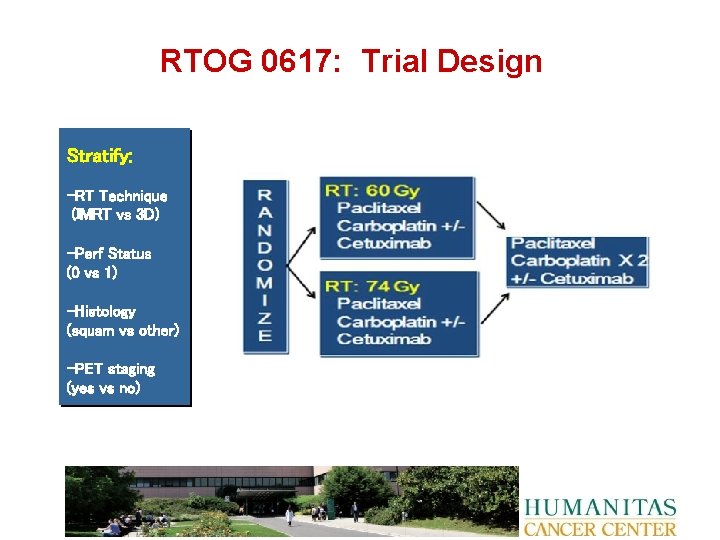
RTOG 0617 Primary Objective • To compare the overall survival of patients treated with high-dose versus standard-dose conformal radiation therapy with concurrent chemotherapy. • To compare the overall survival of patients treated with cetuximab versus without cetuximab with concurrent chemoradiotherapy.
RTOG 0617: Trial Design Stratify: -RT Technique (IMRT vs 3 D) -Perf Status (0 vs 1) -Histology (squam vs other) -PET staging (yes vs no)
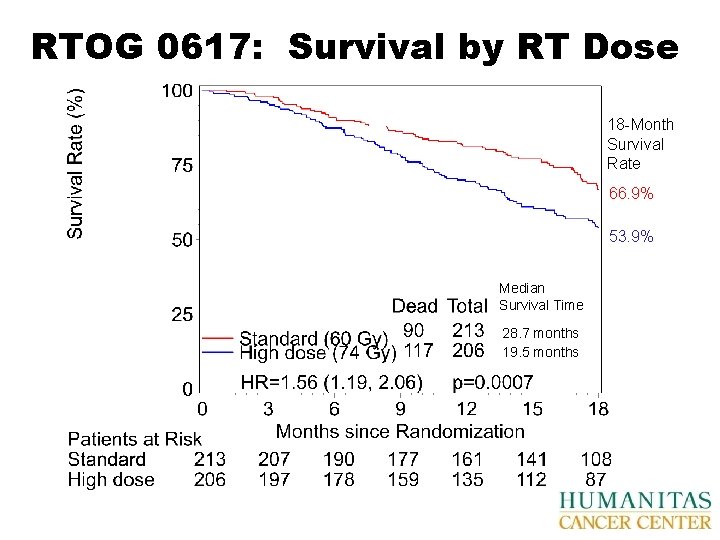
RTOG 0617: Survival by RT Dose 18 -Month Survival Rate 66. 9% 53. 9% Median Survival Time 28. 7 months 19. 5 months
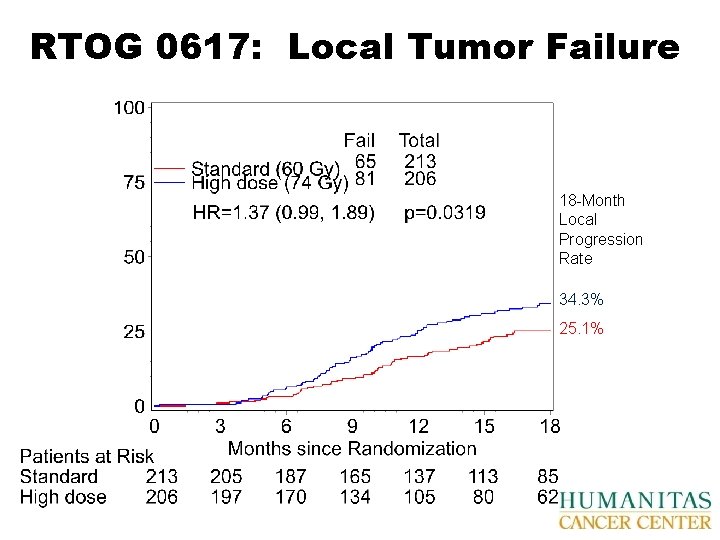
RTOG 0617: Local Tumor Failure 18 -Month Local Progression Rate 34. 3% 25. 1%
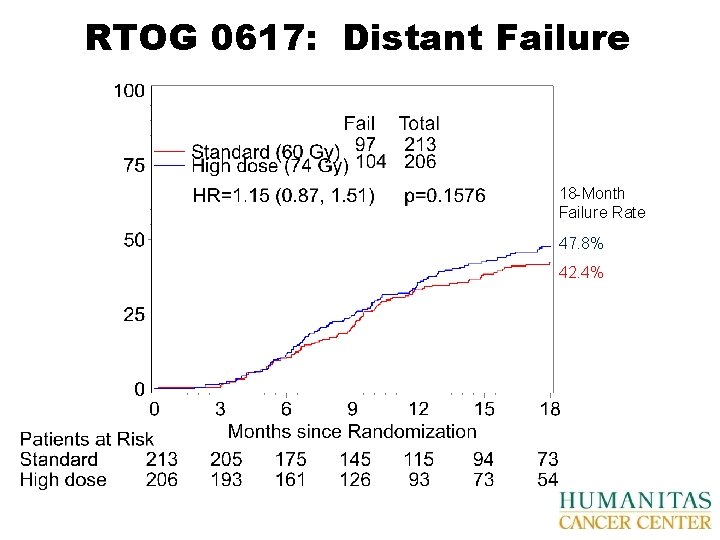
RTOG 0617: Distant Failure 18 -Month Failure Rate 47. 8% 42. 4%
Hypothesis 1: Unbalanced Arms Despite employing standard stratification features, some known or unknown features predictive for toxicity and/or treatment imbalanced between the arms. resistance were
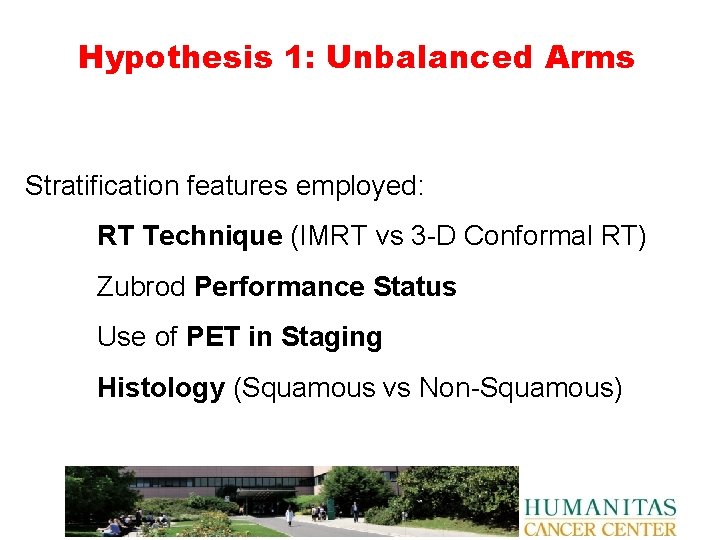
Hypothesis 1: Unbalanced Arms Stratification features employed: RT Technique (IMRT vs 3 -D Conformal RT) Zubrod Performance Status Use of PET in Staging Histology (Squamous vs Non-Squamous)
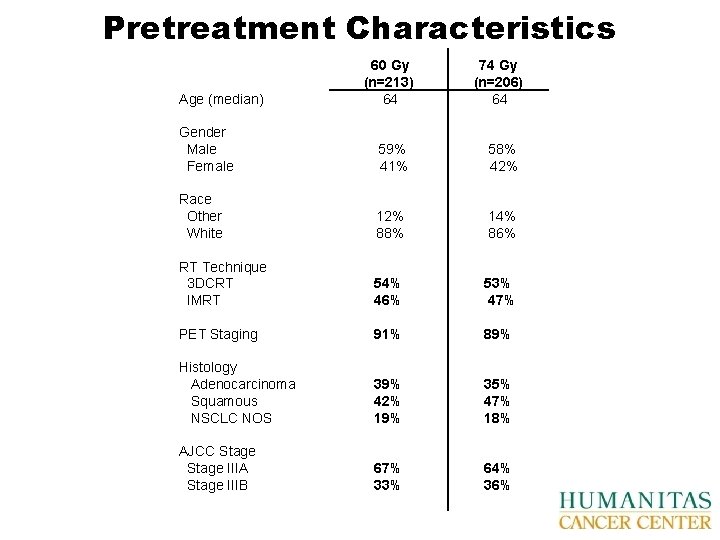
Pretreatment Characteristics 60 Gy (n=213) 64 74 Gy (n=206) 64 Gender Male Female 59% 41% 58% 42% Race Other White 12% 88% 14% 86% RT Technique 3 DCRT IMRT 54% 46% 53% 47% PET Staging 91% 89% Histology Adenocarcinoma Squamous NSCLC NOS 39% 42% 19% 35% 47% 18% 67% 33% 64% 36% Age (median) AJCC Stage IIIA Stage IIIB
Hypothesis 1: Unbalanced Arms Any Unknown Features in Play? Predictors of Treatment Resistance? Predictors of Sensitivity to Toxicity?
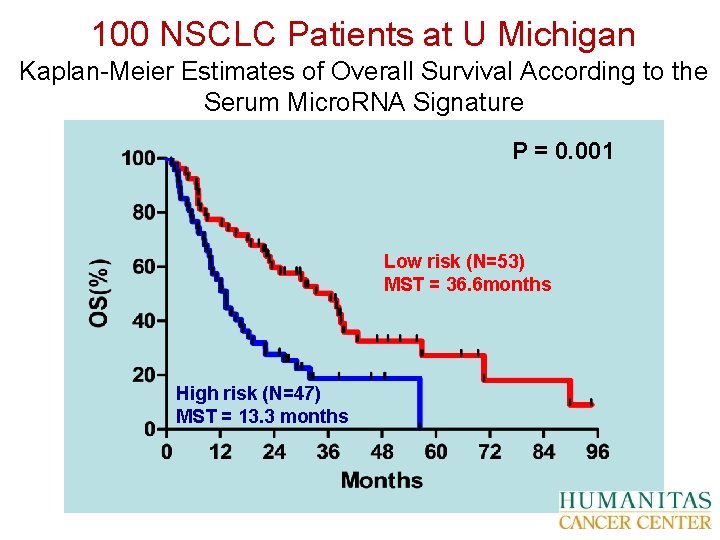
100 NSCLC Patients at U Michigan Kaplan-Meier Estimates of Overall Survival According to the Serum Micro. RNA Signature P = 0. 001 Low risk (N=53) MST = 36. 6 months High risk (N=47) MST = 13. 3 months
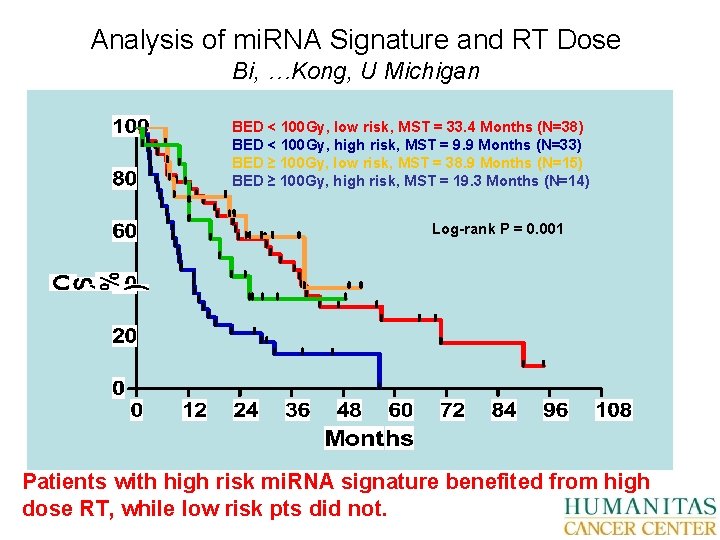
Analysis of mi. RNA Signature and RT Dose Bi, …Kong, U Michigan BED < 100 Gy, low risk, MST = 33. 4 Months (N=38) BED < 100 Gy, high risk, MST = 9. 9 Months (N=33) BED ≥ 100 Gy, low risk, MST = 38. 9 Months (N=15) BED ≥ 100 Gy, high risk, MST = 19. 3 Months (N=14) Log-rank P = 0. 001 Patients with high risk mi. RNA signature benefited from high dose RT, while low risk pts did not.
Hypothesis 2: RT Delivery Issues To meet RT dose constraints, less optimal RT was delivered to the 74 Gy arm patients, leading to poor RT dose distribution and an influence on toxicity and/or tumor control.
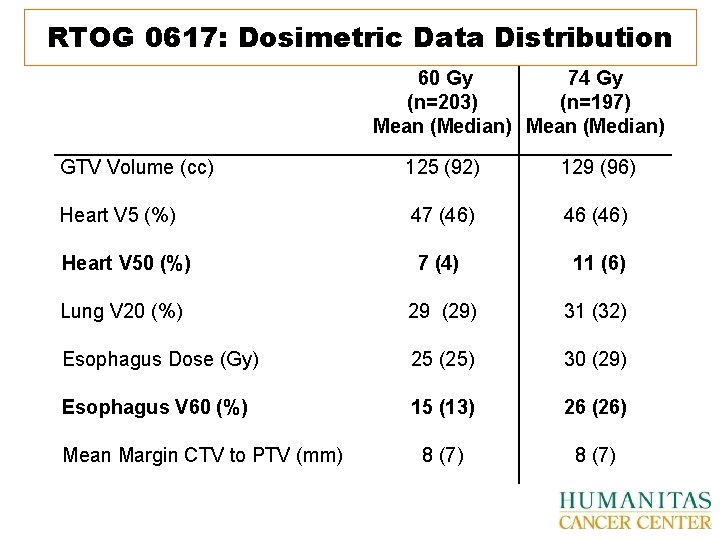
RTOG 0617: Dosimetric Data Distribution 60 Gy 74 Gy (n=203) (n=197) Mean (Median) GTV Volume (cc) 125 (92) 129 (96) Heart V 5 (%) 47 (46) 46 (46) 7 (4) 11 (6) 29 (29) 31 (32) Esophagus Dose (Gy) 25 (25) 30 (29) Esophagus V 60 (%) 15 (13) 26 (26) 8 (7) Heart V 50 (%) Lung V 20 (%) Mean Margin CTV to PTV (mm)
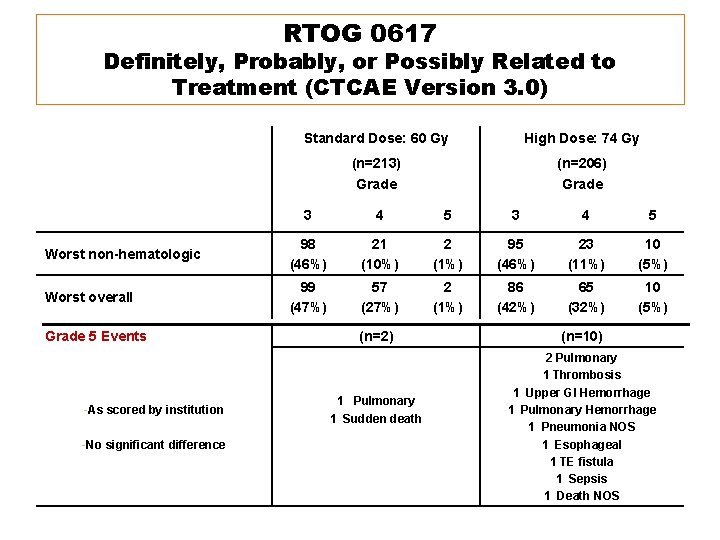
RTOG 0617 Definitely, Probably, or Possibly Related to Treatment (CTCAE Version 3. 0) Standard Dose: 60 Gy High Dose: 74 Gy (n=213) Grade (n=206) Grade 3 4 5 Worst non-hematologic 98 (46%) 21 (10%) 2 (1%) 95 (46%) 23 (11%) 10 (5%) Worst overall 99 (47%) 57 (27%) 2 (1%) 86 (42%) 65 (32%) 10 (5%) Grade 5 Events -As scored by institution -No significant difference (n=2) 1 Pulmonary 1 Sudden death (n=10) 2 Pulmonary 1 Thrombosis 1 Upper GI Hemorrhage 1 Pulmonary Hemorrhage 1 Pneumonia NOS 1 Esophageal 1 TE fistula 1 Sepsis 1 Death NOS
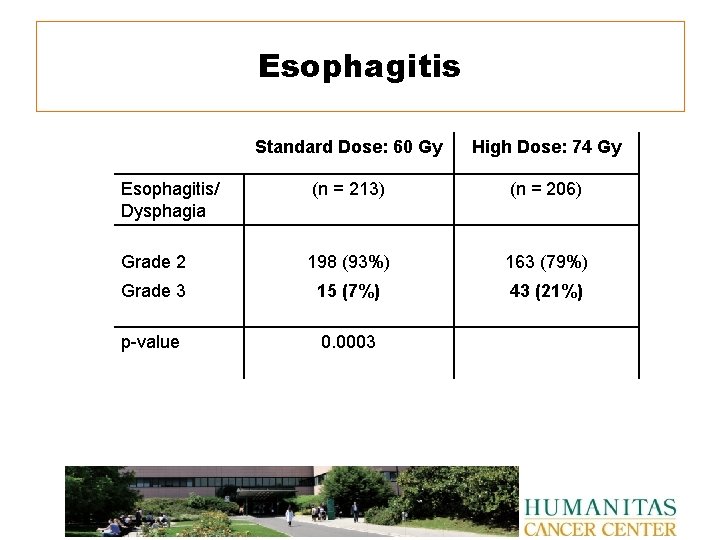
Esophagitis Standard Dose: 60 Gy High Dose: 74 Gy Esophagitis/ Dysphagia (n = 213) (n = 206) Grade 2 198 (93%) 163 (79%) Grade 3 15 (7%) 43 (21%) p-value 0. 0003
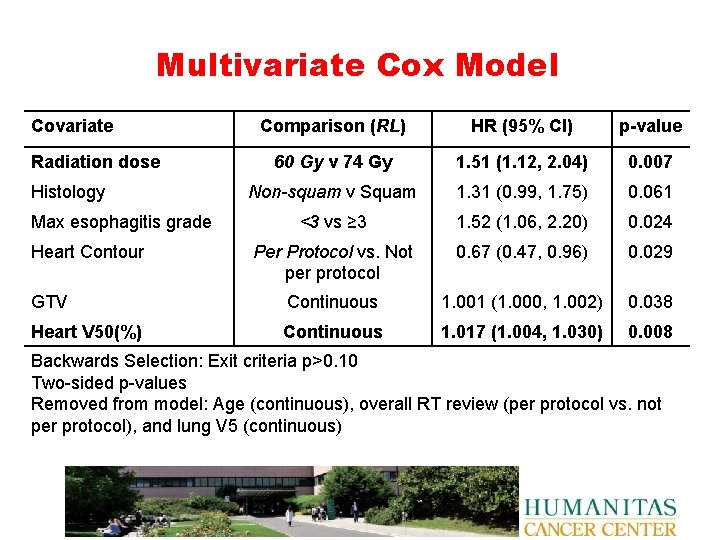
Multivariate Cox Model Covariate Comparison (RL) HR (95% CI) p-value 60 Gy v 74 Gy 1. 51 (1. 12, 2. 04) 0. 007 Non-squam v Squam 1. 31 (0. 99, 1. 75) 0. 061 <3 vs ≥ 3 1. 52 (1. 06, 2. 20) 0. 024 Per Protocol vs. Not per protocol 0. 67 (0. 47, 0. 96) 0. 029 GTV Continuous 1. 001 (1. 000, 1. 002) 0. 038 Heart V 50(%) Continuous 1. 017 (1. 004, 1. 030) 0. 008 Radiation dose Histology Max esophagitis grade Heart Contour Backwards Selection: Exit criteria p>0. 10 Two-sided p-values Removed from model: Age (continuous), overall RT review (per protocol vs. not per protocol), and lung V 5 (continuous)
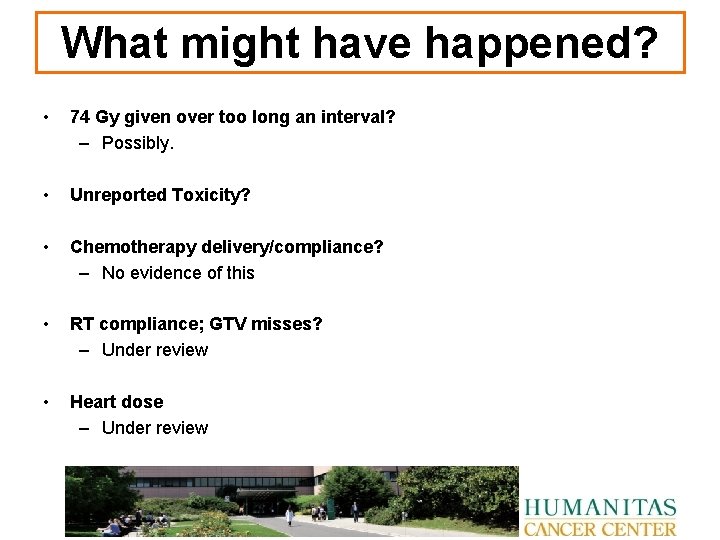
What might have happened? • 74 Gy given over too long an interval? – Possibly. • Unreported Toxicity? • Chemotherapy delivery/compliance? – No evidence of this • RT compliance; GTV misses? – Under review • Heart dose – Under review
Hypothesis 3: Pt-Reported Outcomes (PRO) may help Patient-reported outcomes were effectively collected in the trial and may be illuminating.
RTOG 0617 PRO Methods • QOL was collected prospectively via a validated lung cancer instrument: Functional Assessment of Cancer Therapy-Trial Outcome Index (FACT-TOI) • FACT-TOI = Physical Well Being (PWB) + Functional Well Being (FWB) + Lung Cancer Subscale (LCS) • Data was collected at baseline, 3 months & 12 months via clinically meaningful changes of >2 points for PWB, FWB or LCS, or >5 points for TOI
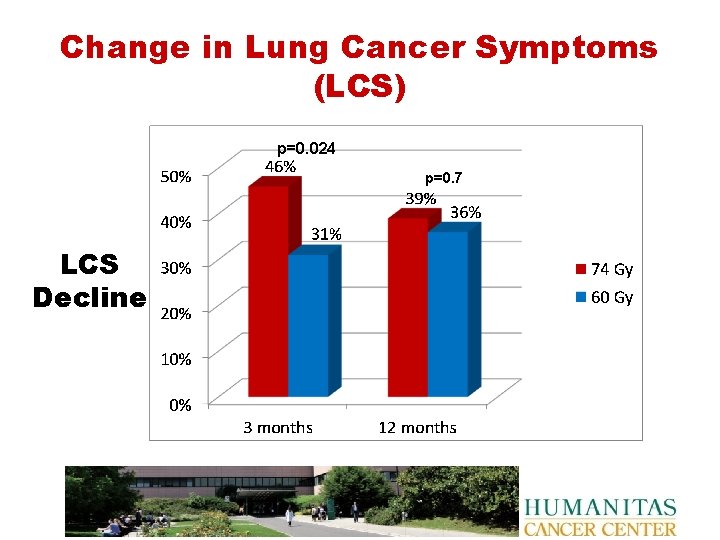
Change in Lung Cancer Symptoms (LCS) p=0. 024 p=0. 7 LCS Decline
Results: Baseline FACT and OS • Baseline QOL (whether PWB, FWB, or FACT-TOI) also predicted for survival in multivariate analysis, p=<0. 02 independent of RT dose assignment. • Every 10 points higher on the FACT-TOI at baseline corresponded to a 14% decreased risk of death • Is this the unknown variable not used in stratification?
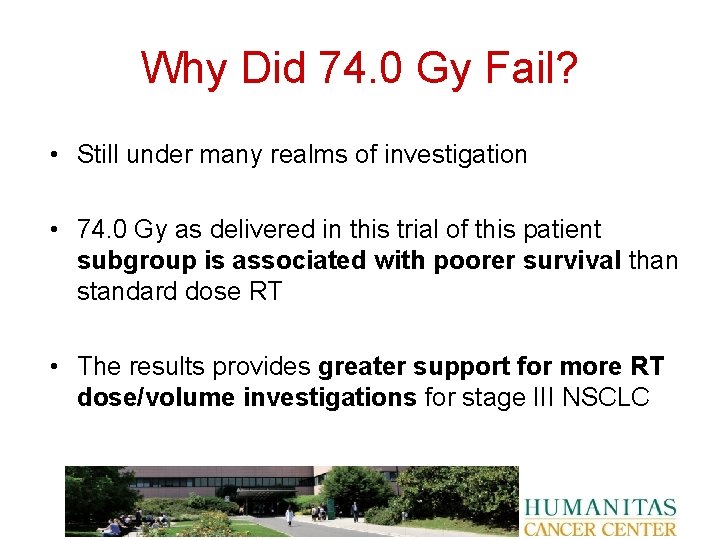
Why Did 74. 0 Gy Fail? • Still under many realms of investigation • 74. 0 Gy as delivered in this trial of this patient subgroup is associated with poorer survival than standard dose RT • The results provides greater support for more RT dose/volume investigations for stage III NSCLC
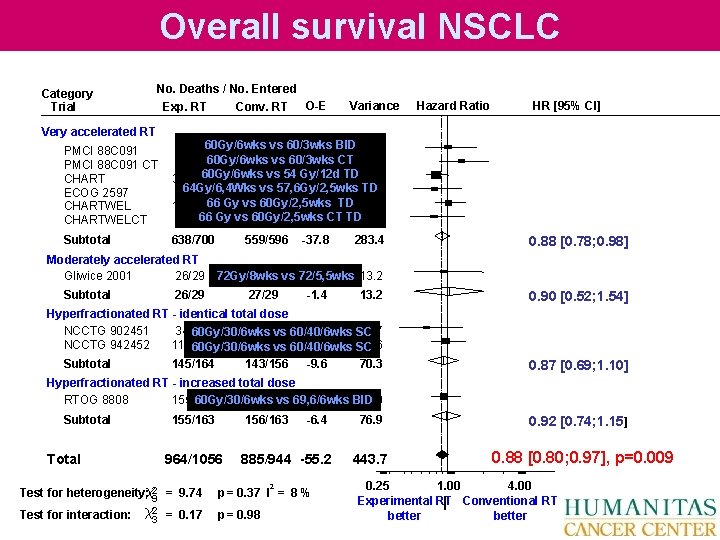
Cécile Le Péchoux Contrasting results of altered fractionation in randomised trials Ø Over the years, several randomized trials evaluating ≠ altered fractionation schedules: Ø Contrasting results Ø Necessity of an individual patient data meta-analysis (IPD) to evaluate a potential benefit from modified fractionation radiotherapy schedules – Hyperfractionnated: higher number of fractions with smaller dose per fraction compared with conventional RT – Accelerated: reduced overall treatment time (OTT) compared with conventional fractionation and – Hyperfractionated and accelerated
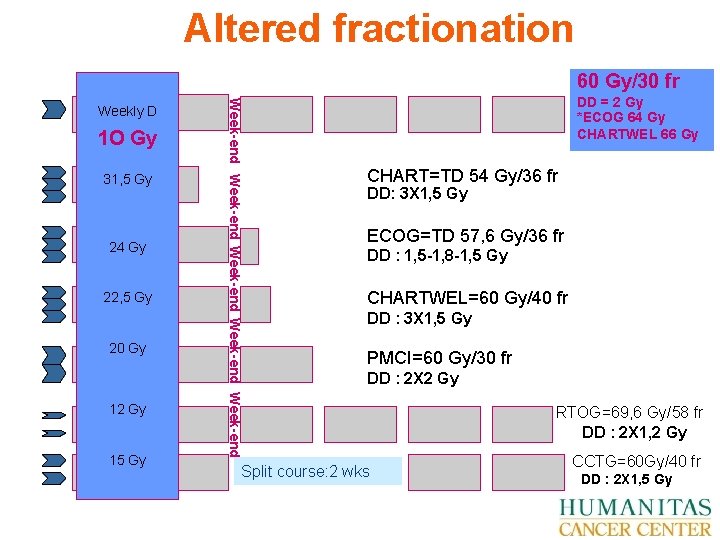
Altered fractionation 60 Gy/30 fr Week-end 1 O Gy 31, 5 Gy 24 Gy 22, 5 Gy 20 Gy 12 Gy 15 Gy Week-end Week-end Weekly D 5 days DD = 2 Gy *ECOG 64 Gy CHARTWEL 66 Gy CHART=TD 54 Gy/36 fr DD: 3 X 1, 5 Gy ECOG=TD 57, 6 Gy/36 fr DD : 1, 5 -1, 8 -1, 5 Gy CHARTWEL=60 Gy/40 fr DD : 3 X 1, 5 Gy PMCI=60 Gy/30 fr DD : 2 X 2 Gy Split course: 2 wks RTOG=69, 6 Gy/58 fr DD : 2 X 1, 2 Gy CCTG=60 Gy/40 fr DD : 2 X 1, 5 Gy
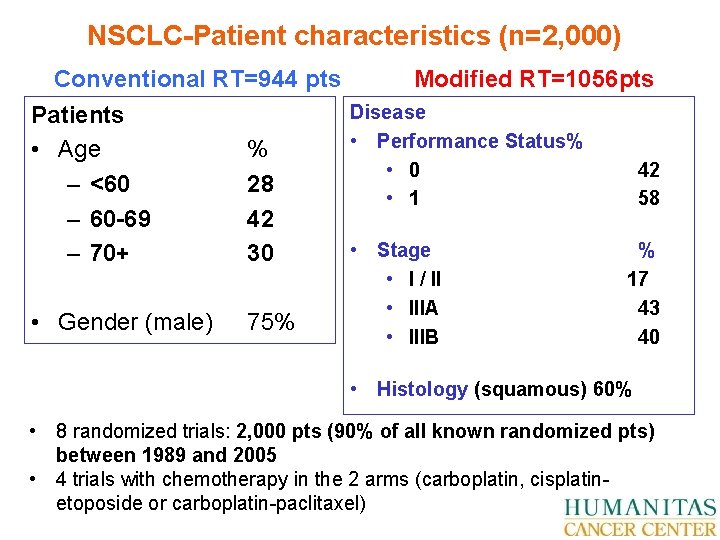
NSCLC-Patient characteristics (n=2, 000) Conventional RT=944 pts Modified RT=1056 pts Disease Patients • Performance Status% • Age % • 0 42 – <60 28 • 1 58 – 60 -69 42 • Stage % – 70+ 30 • Gender (male) 75% • I / II • IIIA • IIIB 17 43 40 • Histology (squamous) 60% • 8 randomized trials: 2, 000 pts (90% of all known randomized pts) between 1989 and 2005 • 4 trials with chemotherapy in the 2 arms (carboplatin, cisplatinetoposide or carboplatin-paclitaxel)
Overall survival NSCLC No. Deaths / No. Entered Exp. RT Conv. RT O-E Category Trial Very accelerated RT Variance PMCI 88 C 091 CT CHART ECOG 2597 CHARTWELCT vs 60/3 wks 48/4860 Gy/6 wks 52/53 -0. 8 BID 24. 3 60 Gy/6 wks vs 60/3 wks 51/51 56/56 6. 0 CT 25. 6 60 Gy/6 wks vs 54 Gy/12 d 316/338 217/225 -29. 4 TD 120. 7 64 Gy/6, 4 Wks vs 57, 6 Gy/2, 5 wks TD 51/60 55/59 -7. 4 25. 8 66 Gy vs 60 Gy/2, 5 wks TD 132/150 0. 2 65. 8 66 Gy vs 60 Gy/2, 5 wks CT TD 40/53 47/53 -6. 4 21. 2 Subtotal 638/700 Moderately accelerated RT Gliwice 2001 26/29 Subtotal 559/596 -37. 8 283. 4 Hazard Ratio HR [95% CI] 0. 88 [0. 78; 0. 98] 72 Gy/8 wks 27/29 vs 72/5, 5 wks -1. 4 13. 2 26/29 27/29 -1. 4 13. 2 0. 90 [0. 52; 1. 54] Hyperfractionated RT - identical total dose NCCTG 902451 34/39 35/35 vs 60/40/6 wks -7. 0 15. 7 60 Gy/30/6 wks SC NCCTG 942452 111/125 108/121 -2. 6 54. 6 60 Gy/30/6 wks vs 60/40/6 wks SC Subtotal 145/164 143/156 -9. 6 70. 3 0. 87 [0. 69; 1. 10] Hyperfractionated RT - increased total dose RTOG 8808 155/163 156/163 -6. 4 76. 9 60 Gy/30/6 wks vs 69, 6/6 wks BID Subtotal 155/163 Total 964/1056 Test for heterogeneity: 29 = 9. 74 Test for interaction: 156/163 2 3 = 0. 17 -6. 4 885/944 -55. 2 2 p = 0. 37 I = 8 % p = 0. 98 76. 9 443. 7 0. 92 [0. 74; 1. 15] 0. 88 [0. 80; 0. 97], p=0. 009 0. 25 1. 00 4. 00 Experimental RT | Conventional RT better
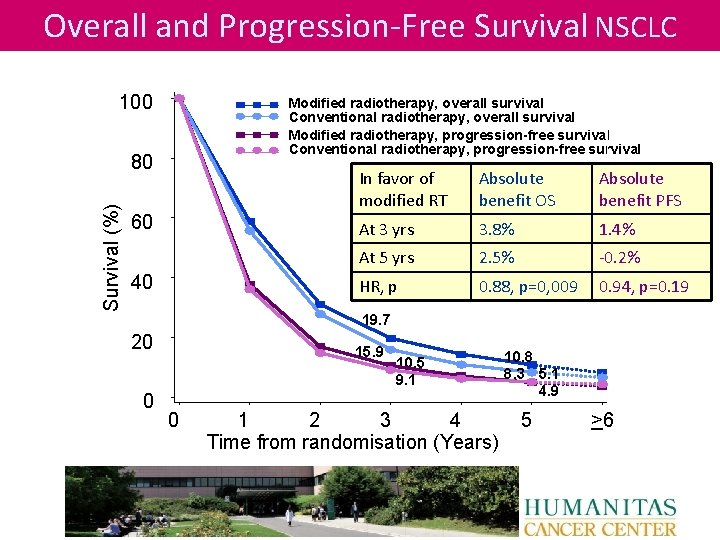
Overall and Progression-Free Survival NSCLC 100 Modified radiotherapy, overall survival Conventional radiotherapy, overall survival Modified radiotherapy, progression-free survival Conventional radiotherapy, progression-free survival Survival (%) 80 60 40 In favor of modified RT Absolute benefit OS Absolute benefit PFS At 3 yrs 3. 8% 1. 4% At 5 yrs 2. 5% -0. 2% HR, p 0. 88, p=0, 009 0. 94, p=0. 19 19. 7 20 0 15. 9 0 10. 5 9. 1 1 2 3 4 Time from randomisation (Years) 10. 8 8. 3 5. 1 4. 9 5 >6
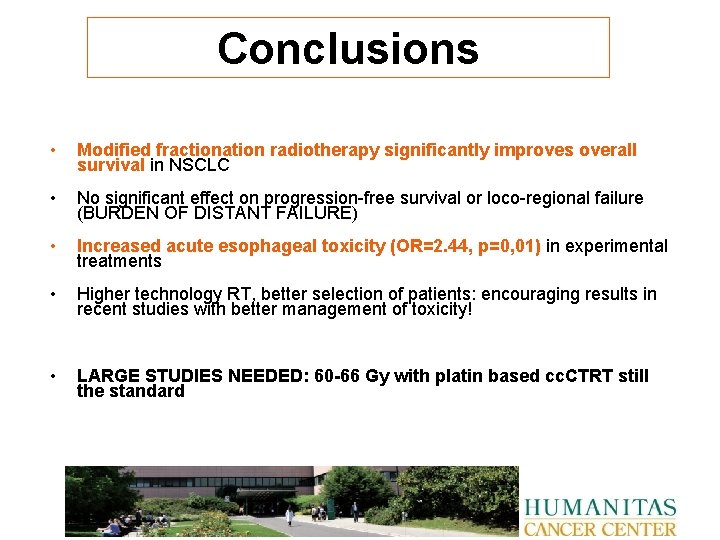
Conclusions • Modified fractionation radiotherapy significantly improves overall survival in NSCLC • No significant effect on progression-free survival or loco-regional failure (BURDEN OF DISTANT FAILURE) • Increased acute esophageal toxicity (OR=2. 44, p=0, 01) in experimental treatments • Higher technology RT, better selection of patients: encouraging results in recent studies with better management of toxicity! • LARGE STUDIES NEEDED: 60 -66 Gy with platin based cc. CTRT still the standard
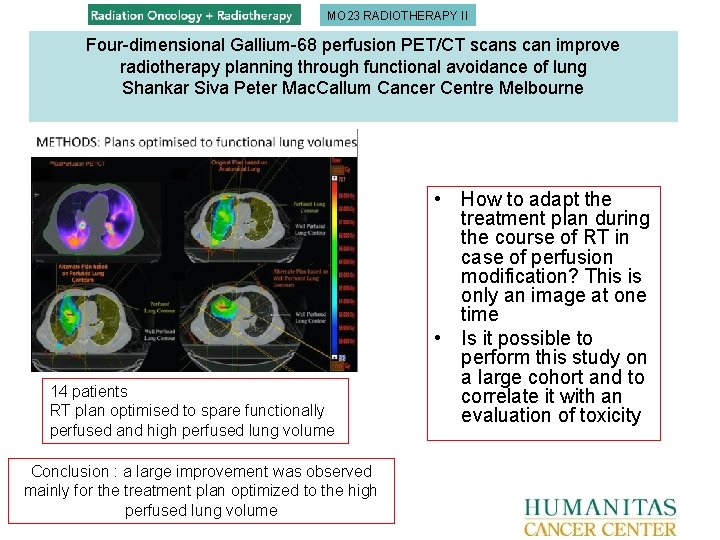
MO 23 RADIOTHERAPY II Four-dimensional Gallium-68 perfusion PET/CT scans can improve radiotherapy planning through functional avoidance of lung Shankar Siva Peter Mac. Callum Cancer Centre Melbourne 14 patients RT plan optimised to spare functionally perfused and high perfused lung volume Conclusion : a large improvement was observed mainly for the treatment plan optimized to the high perfused lung volume • How to adapt the treatment plan during the course of RT in case of perfusion modification? This is only an image at one time • Is it possible to perform this study on a large cohort and to correlate it with an evaluation of toxicity
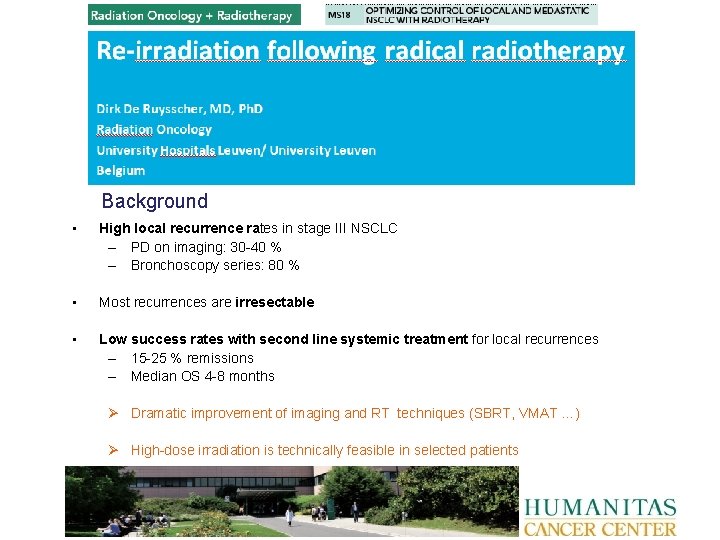
Background • High local recurrence rates in stage III NSCLC – PD on imaging: 30 -40 % – Bronchoscopy series: 80 % • Most recurrences are irresectable • Low success rates with second line systemic treatment for local recurrences – 15 -25 % remissions – Median OS 4 -8 months Ø Dramatic improvement of imaging and RT techniques (SBRT, VMAT …) Ø High-dose irradiation is technically feasible in selected patients
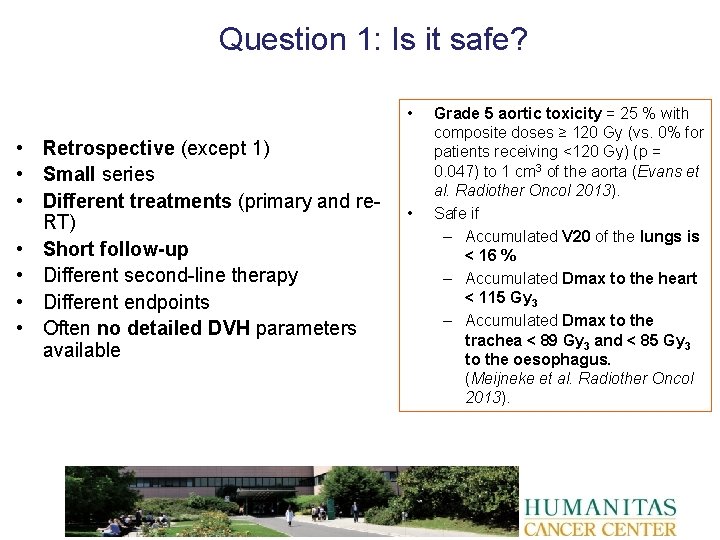
Question 1: Is it safe? • • Retrospective (except 1) • Small series • Different treatments (primary and re. RT) • Short follow-up • Different second-line therapy • Different endpoints • Often no detailed DVH parameters available • Grade 5 aortic toxicity = 25 % with composite doses ≥ 120 Gy (vs. 0% for patients receiving <120 Gy) (p = 0. 047) to 1 cm 3 of the aorta (Evans et al. Radiother Oncol 2013). Safe if – Accumulated V 20 of the lungs is < 16 % – Accumulated Dmax to the heart < 115 Gy 3 – Accumulated Dmax to the trachea < 89 Gy 3 and < 85 Gy 3 to the oesophagus. (Meijneke et al. Radiother Oncol 2013).
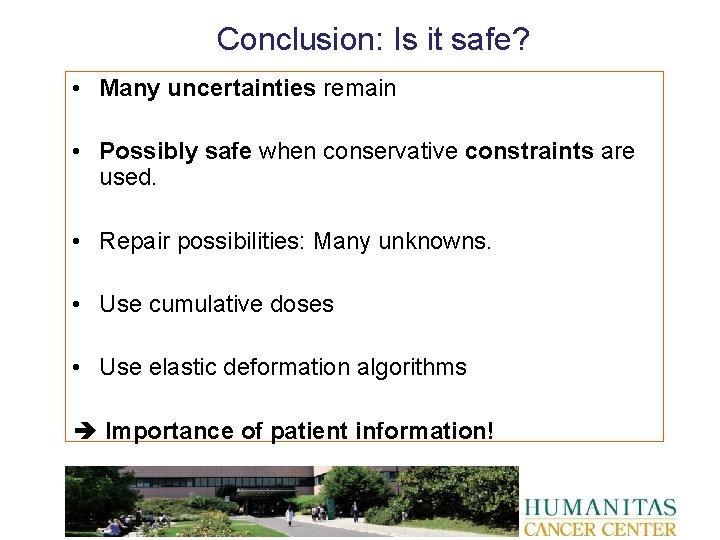
Conclusion: Is it safe? • Many uncertainties remain • Possibly safe when conservative constraints are used. • Repair possibilities: Many unknowns. • Use cumulative doses • Use elastic deformation algorithms Importance of patient information!
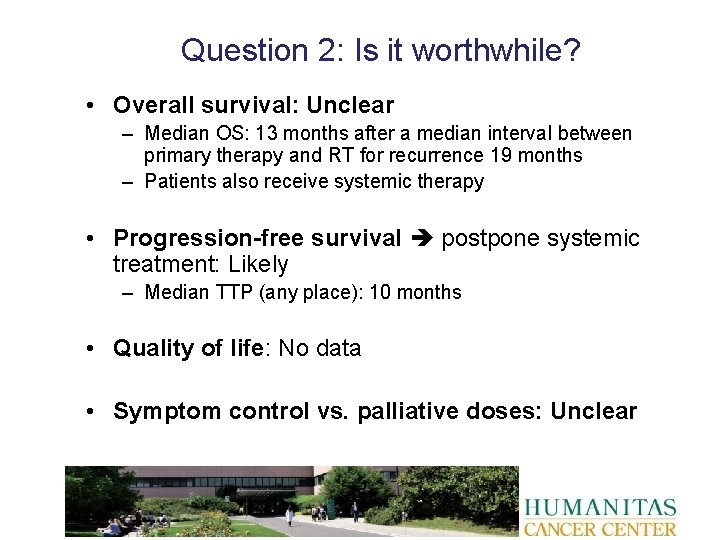
Question 2: Is it worthwhile? • Overall survival: Unclear – Median OS: 13 months after a median interval between primary therapy and RT for recurrence 19 months – Patients also receive systemic therapy • Progression-free survival postpone systemic treatment: Likely – Median TTP (any place): 10 months • Quality of life: No data • Symptom control vs. palliative doses: Unclear
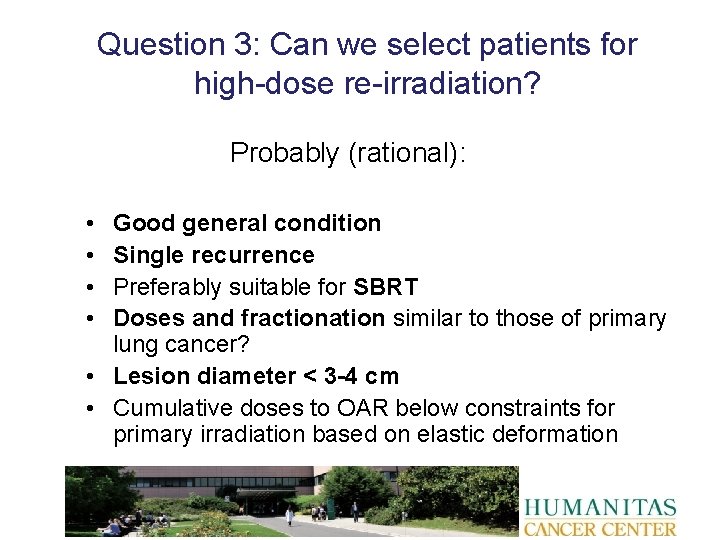
Question 3: Can we select patients for high-dose re-irradiation? Probably (rational): • • Good general condition Single recurrence Preferably suitable for SBRT Doses and fractionation similar to those of primary lung cancer? • Lesion diameter < 3 -4 cm • Cumulative doses to OAR below constraints for primary irradiation based on elastic deformation
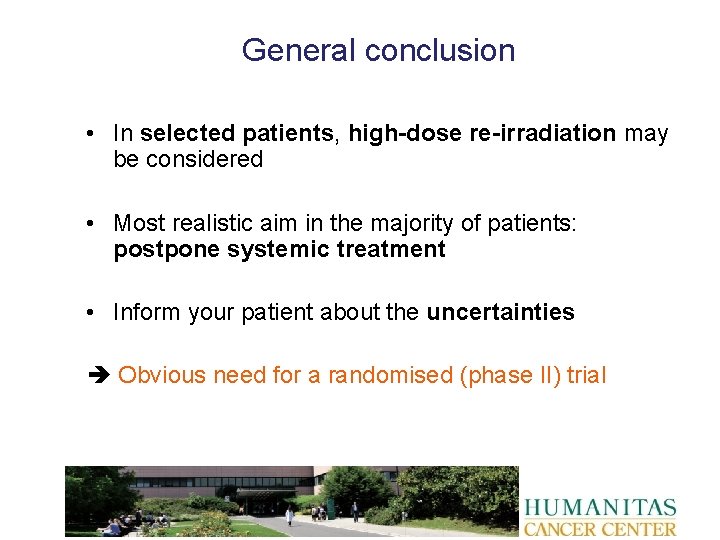
General conclusion • In selected patients, high-dose re-irradiation may be considered • Most realistic aim in the majority of patients: postpone systemic treatment • Inform your patient about the uncertainties Obvious need for a randomised (phase II) trial
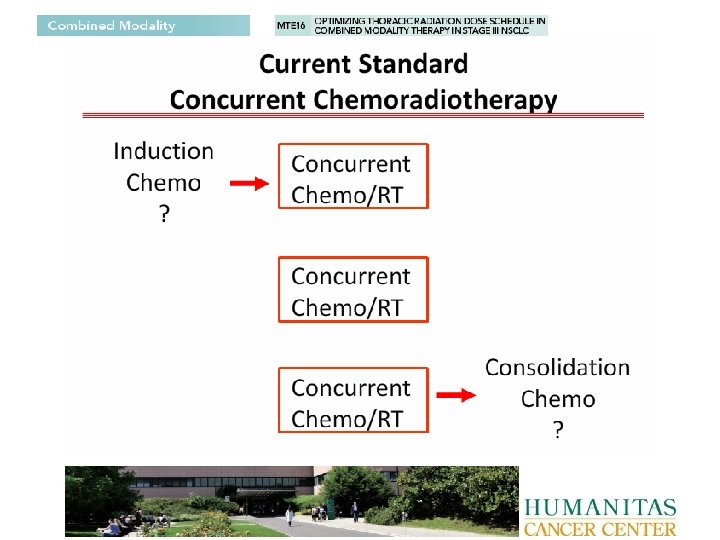
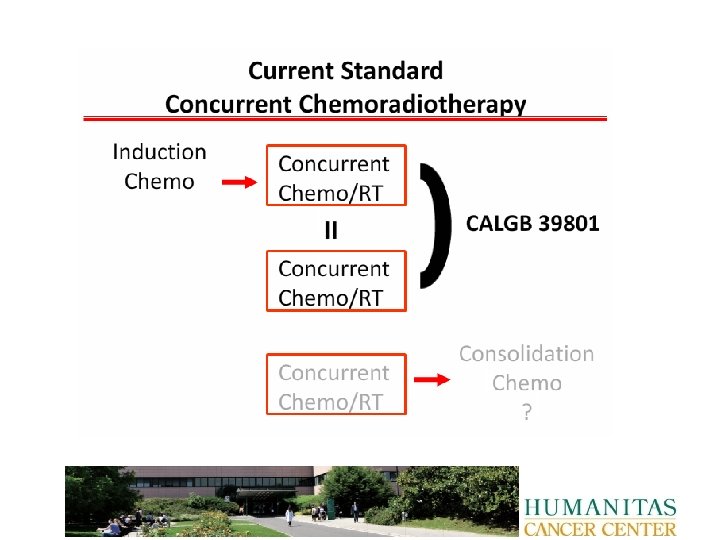
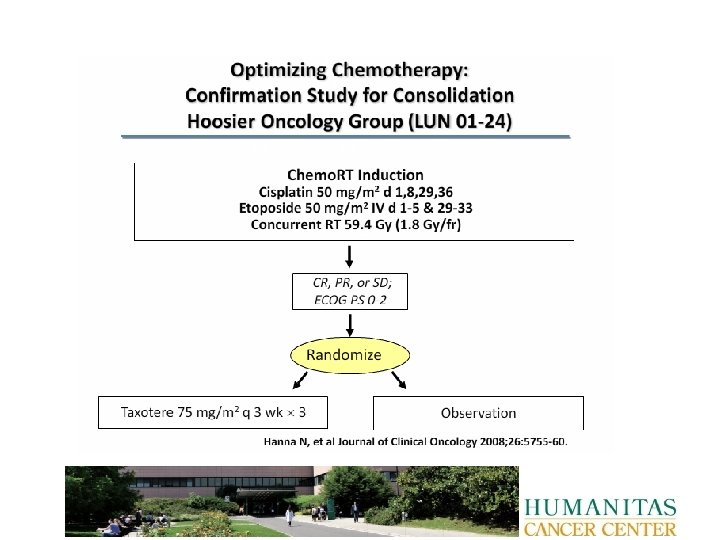
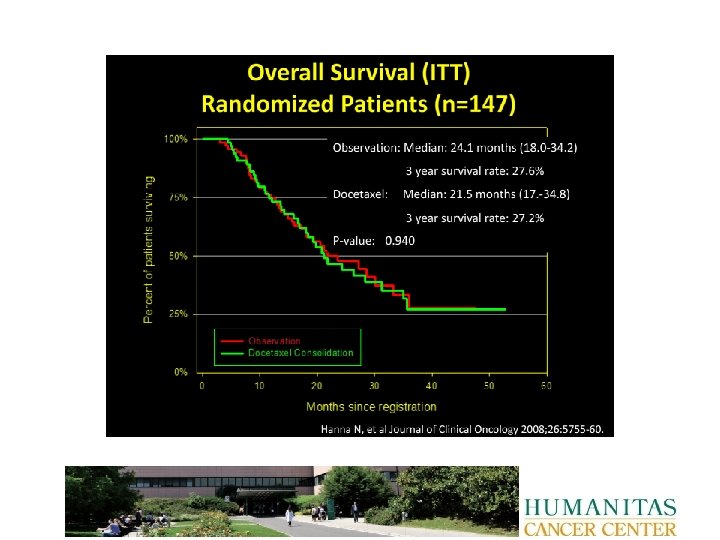
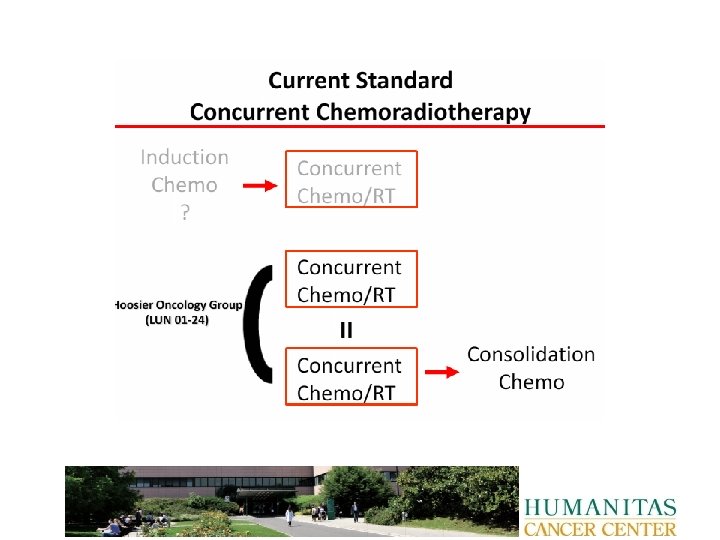
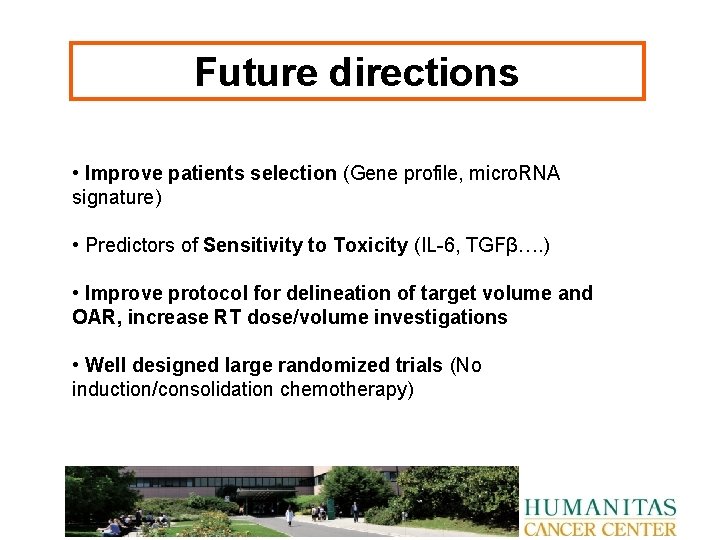
Future directions • Improve patients selection (Gene profile, micro. RNA signature) • Predictors of Sensitivity to Toxicity (IL-6, TGFβ…. ) • Improve protocol for delineation of target volume and OAR, increase RT dose/volume investigations • Well designed large randomized trials (No induction/consolidation chemotherapy)
PERSONALIZED MEDICINE: A PARADIGM SHIFT IN HEALTHCARE The right treatment At the right dose For the right patient At the right time For the best outcome