
Nouns and Noun Phrases Terminology Copy these terms
- Slides: 12
Nouns and Noun Phrases
Terminology • Copy these terms into your notes and make sure I cover them all. noun phrase headword determiner article
Definitions of Noun • Based on meaning: person, place, thing, animal, idea • Based on form: word that can be made plural and/or possessive
Phrases • Key to our understanding of grammar this year will be your ability to identify different kinds of phrases (noun, verb, prepositional). • A phrase is any word or group of words that function as a unit within a sentence – Will always have a headword and sometimes have modifiers of the headword – In a noun phrase the headword is the noun, in a verb phrase the headword is a verb, in a prepositional phrase the headword is a preposition
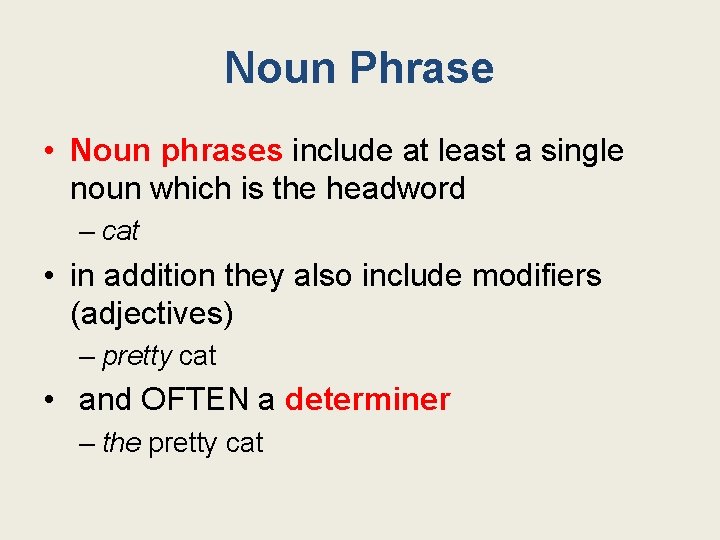
Noun Phrase • Noun phrases include at least a single noun which is the headword – cat • in addition they also include modifiers (adjectives) – pretty cat • and OFTEN a determiner – the pretty cat
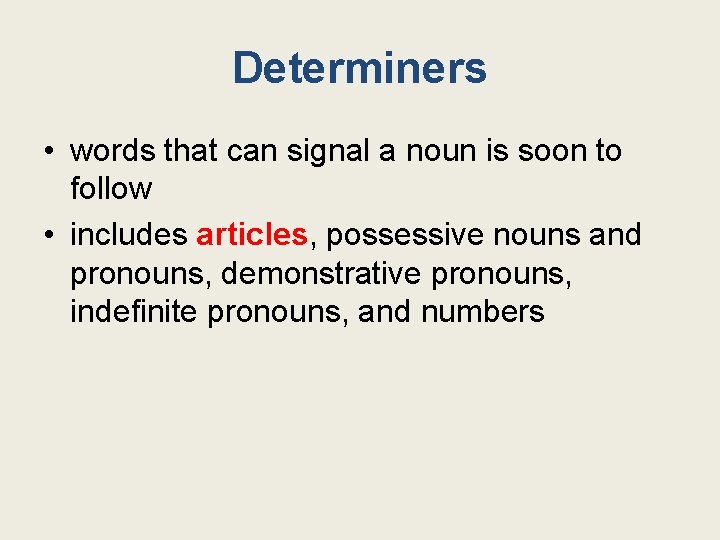
Determiners • words that can signal a noun is soon to follow • includes articles, possessive nouns and pronouns, demonstrative pronouns, indefinite pronouns, and numbers
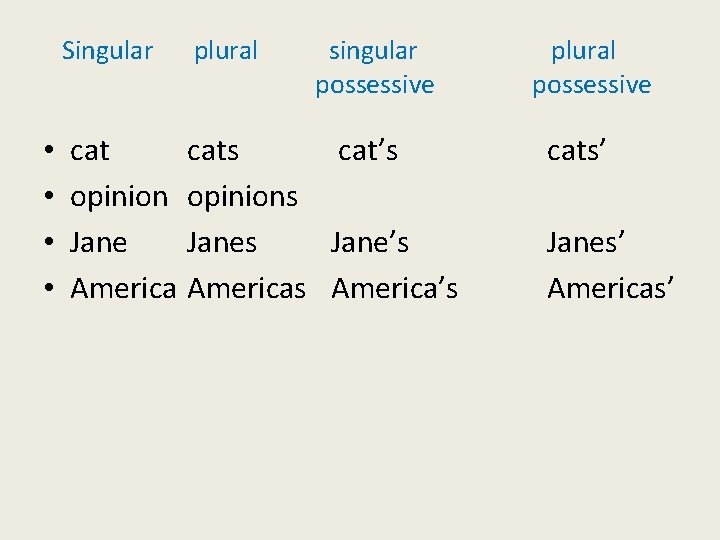
• • Singular plural singular possessive cat opinion Jane America cats cat’s opinions Jane’s America’s plural possessive cats’ Janes’ Americas’
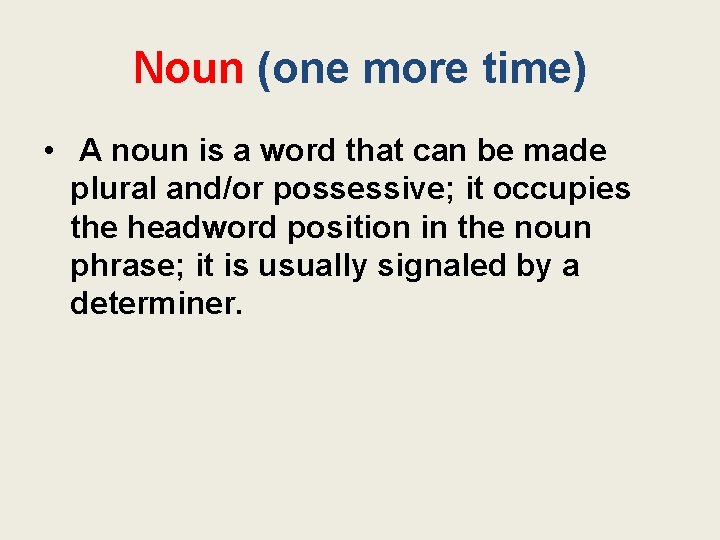
Noun (one more time) • A noun is a word that can be made plural and/or possessive; it occupies the headword position in the noun phrase; it is usually signaled by a determiner.
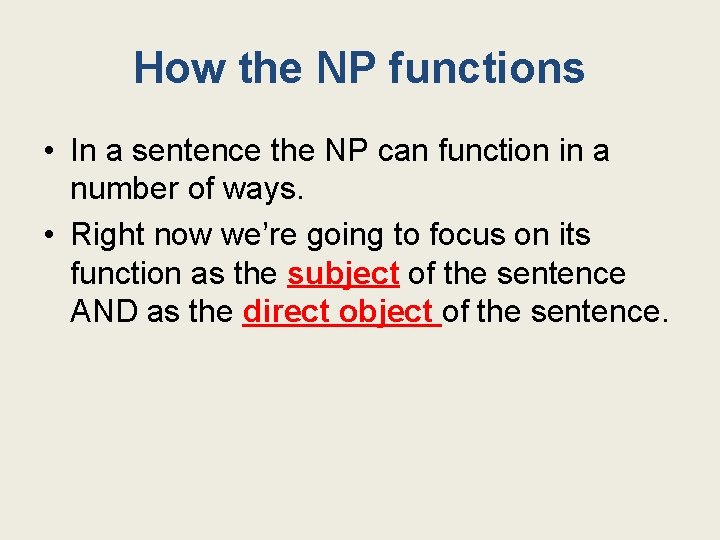
How the NP functions • In a sentence the NP can function in a number of ways. • Right now we’re going to focus on its function as the subject of the sentence AND as the direct object of the sentence.
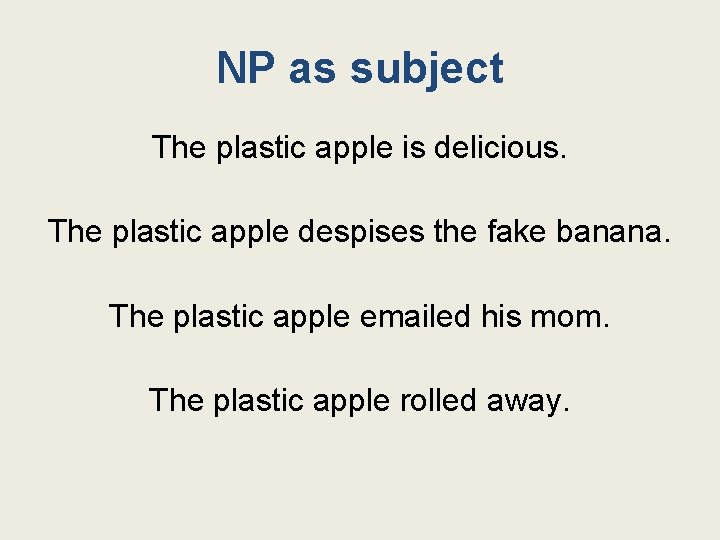
NP as subject The plastic apple is delicious. The plastic apple despises the fake banana. The plastic apple emailed his mom. The plastic apple rolled away.
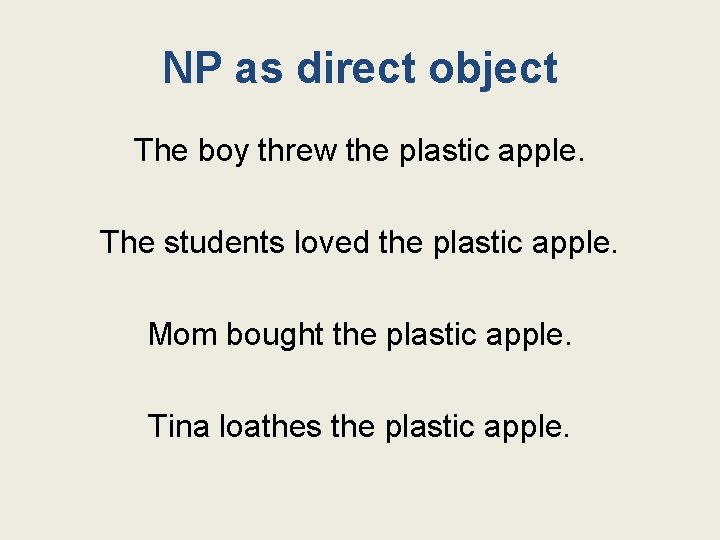
NP as direct object The boy threw the plastic apple. The students loved the plastic apple. Mom bought the plastic apple. Tina loathes the plastic apple.
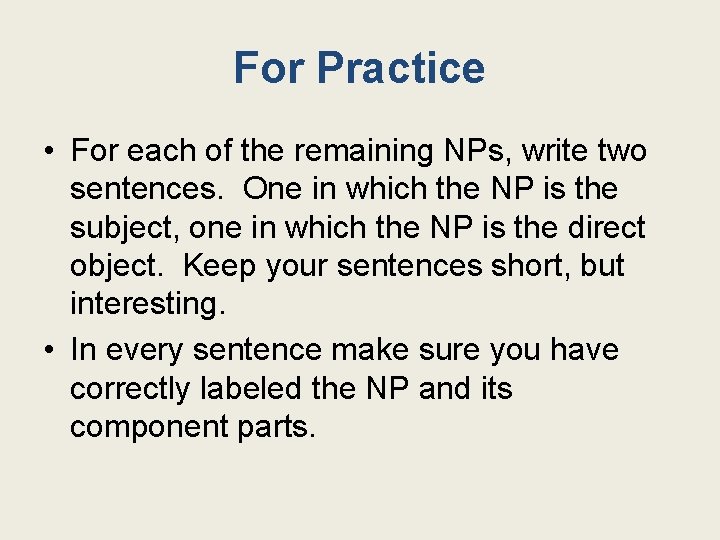
For Practice • For each of the remaining NPs, write two sentences. One in which the NP is the subject, one in which the NP is the direct object. Keep your sentences short, but interesting. • In every sentence make sure you have correctly labeled the NP and its component parts.