
NOTES CH 40 Introduction to Human Anatomy Physiology
- Slides: 65
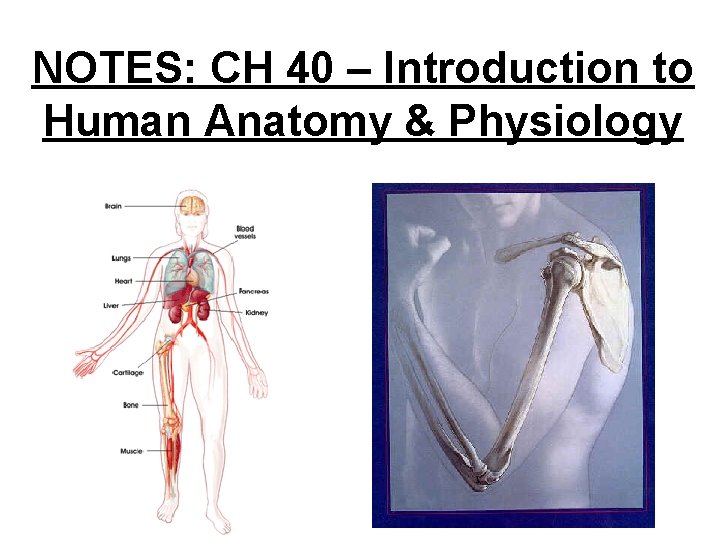
NOTES: CH 40 – Introduction to Human Anatomy & Physiology
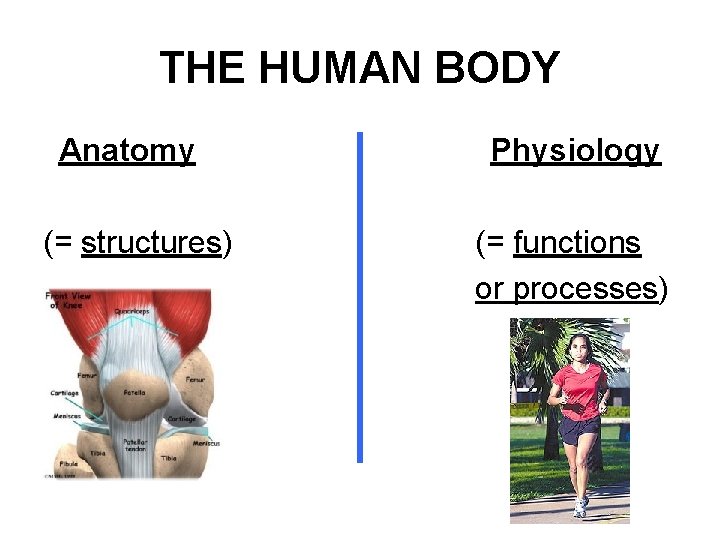
THE HUMAN BODY Anatomy (= structures) Physiology (= functions or processes)
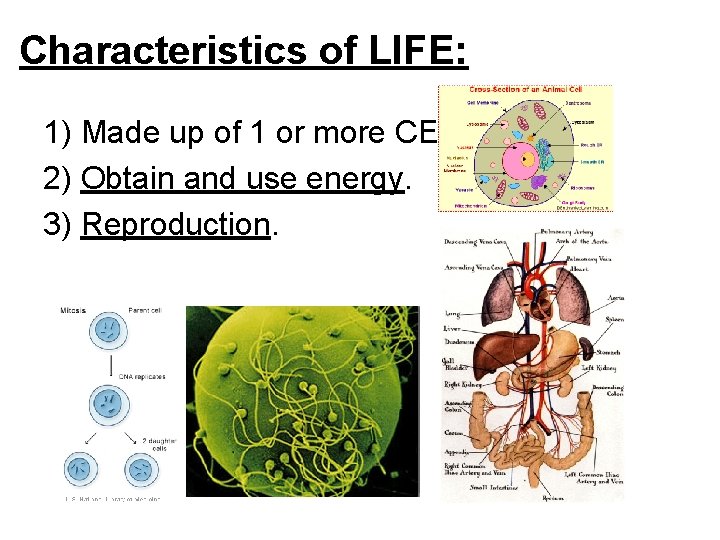
Characteristics of LIFE: 1) Made up of 1 or more CELLS. 2) Obtain and use energy. 3) Reproduction.
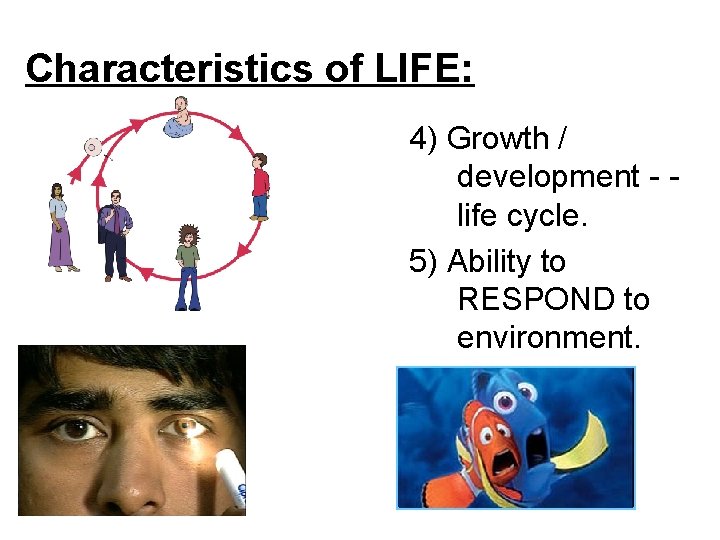
Characteristics of LIFE: 4) Growth / development - life cycle. 5) Ability to RESPOND to environment.
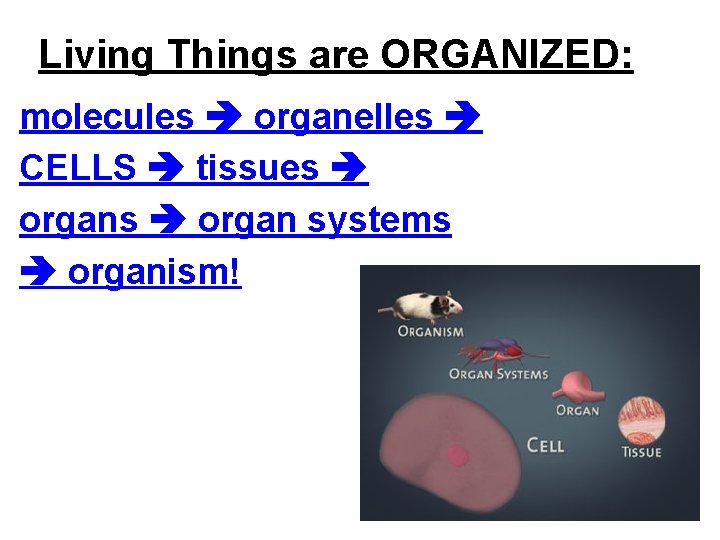
Living Things are ORGANIZED: molecules organelles CELLS tissues organ systems organism!
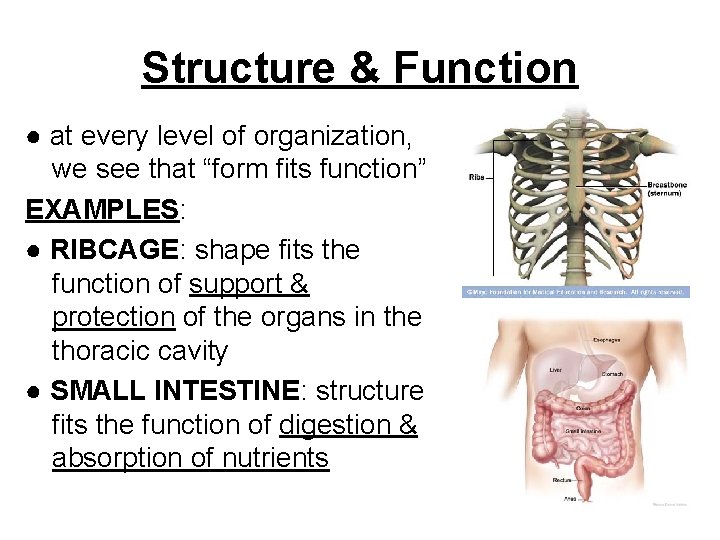
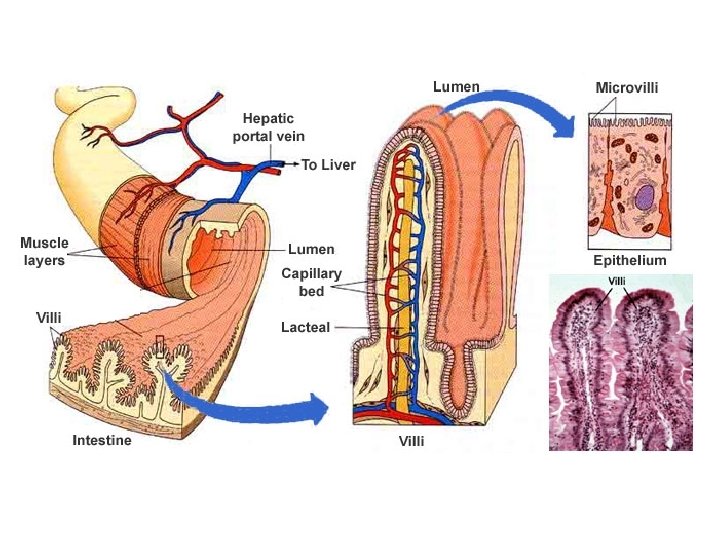
Structure & Function ● at every level of organization, we see that “form fits function” EXAMPLES: ● RIBCAGE: shape fits the function of support & protection of the organs in the thoracic cavity ● SMALL INTESTINE: structure fits the function of digestion & absorption of nutrients
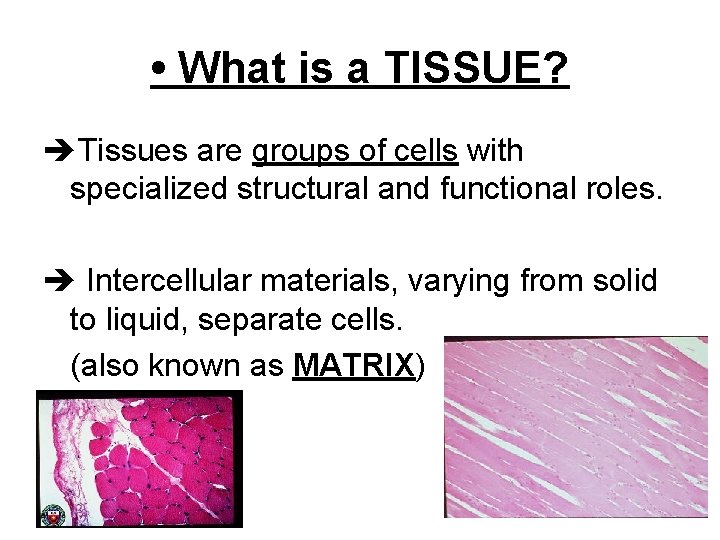
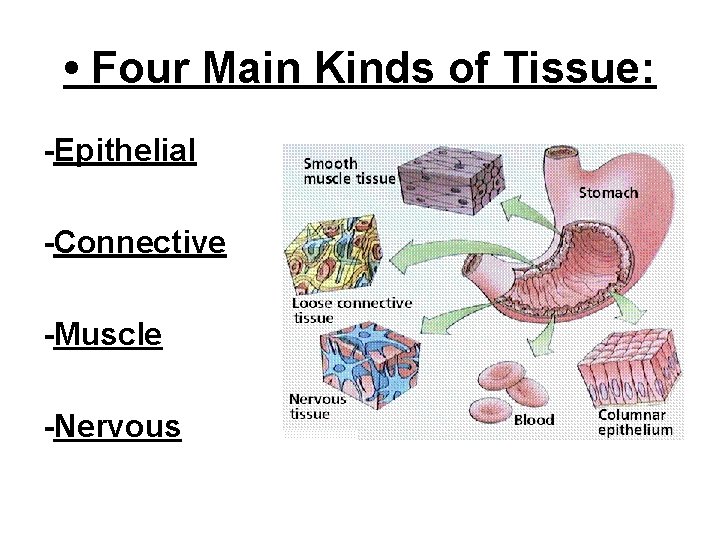
• What is a TISSUE? Tissues are groups of cells with specialized structural and functional roles. Intercellular materials, varying from solid to liquid, separate cells. (also known as MATRIX)
• Four Main Kinds of Tissue: -Epithelial -Connective -Muscle -Nervous
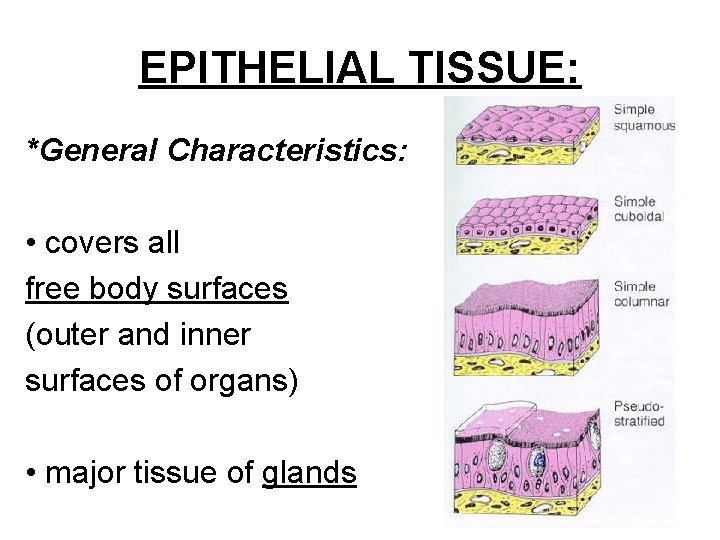
EPITHELIAL TISSUE: *General Characteristics: • covers all free body surfaces (outer and inner surfaces of organs) • major tissue of glands
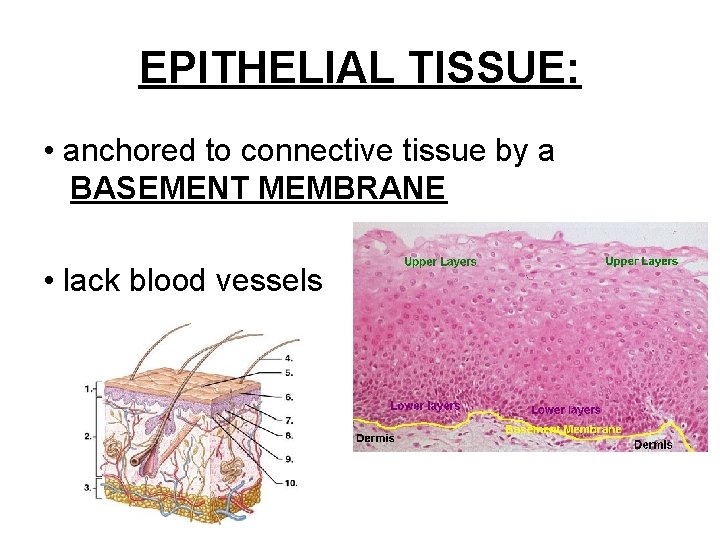
EPITHELIAL TISSUE: • anchored to connective tissue by a BASEMENT MEMBRANE • lack blood vessels
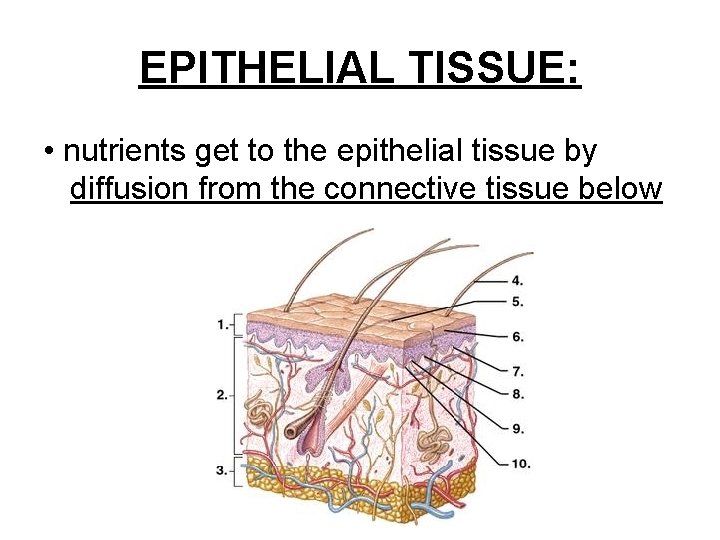
EPITHELIAL TISSUE: • nutrients get to the epithelial tissue by diffusion from the connective tissue below
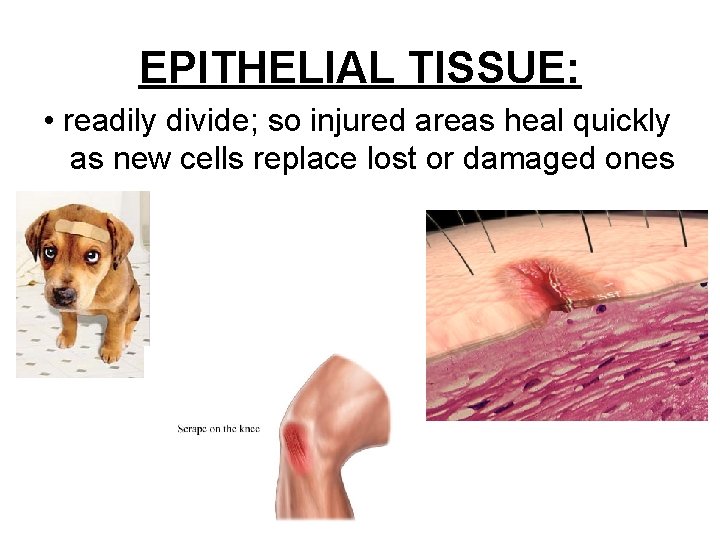
EPITHELIAL TISSUE: • readily divide; so injured areas heal quickly as new cells replace lost or damaged ones
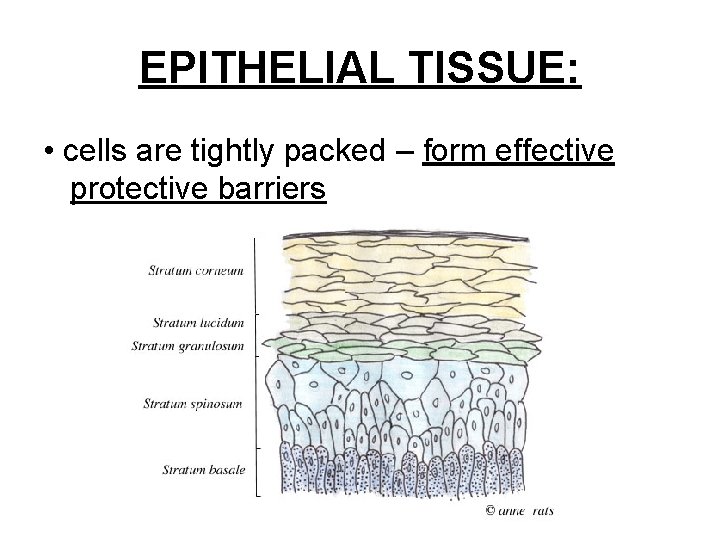
EPITHELIAL TISSUE: • cells are tightly packed – form effective protective barriers
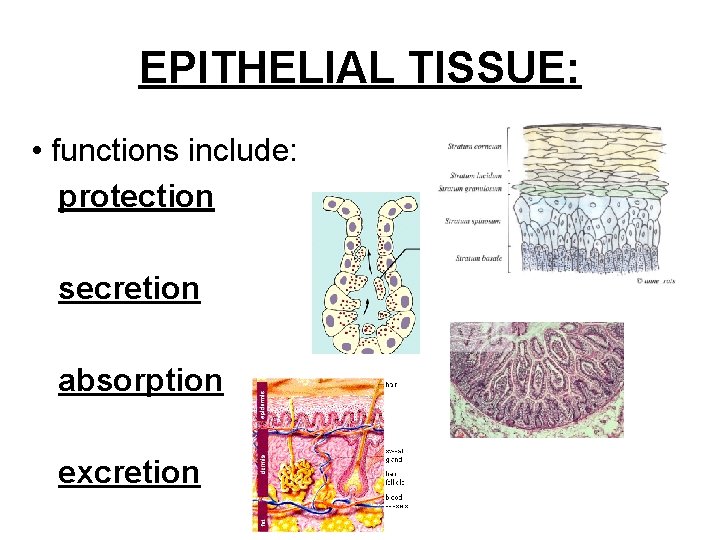
EPITHELIAL TISSUE: • functions include: protection secretion absorption excretion
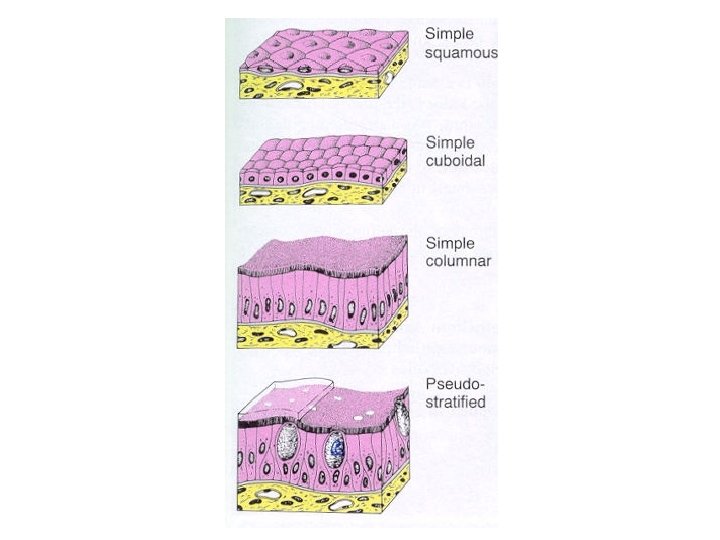
EPITHELIAL TISSUE: • cells are classified according to shape and number of layers of cells -simple = single layer of cells -stratified = two or more layers of cells -squamous = thin, flattened cells -cuboidal = cube-shaped cells -columnar = elongated cells
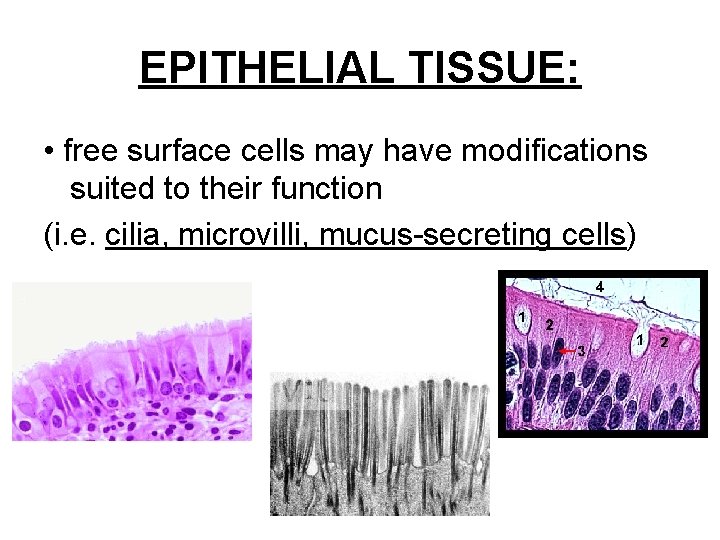
EPITHELIAL TISSUE: • free surface cells may have modifications suited to their function (i. e. cilia, microvilli, mucus-secreting cells)
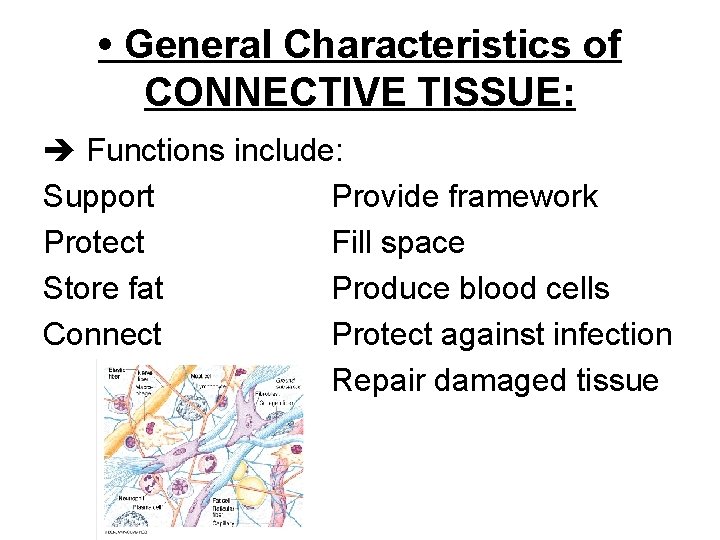
• General Characteristics of CONNECTIVE TISSUE: Functions include: Support Provide framework Protect Fill space Store fat Produce blood cells Connect Protect against infection Repair damaged tissue
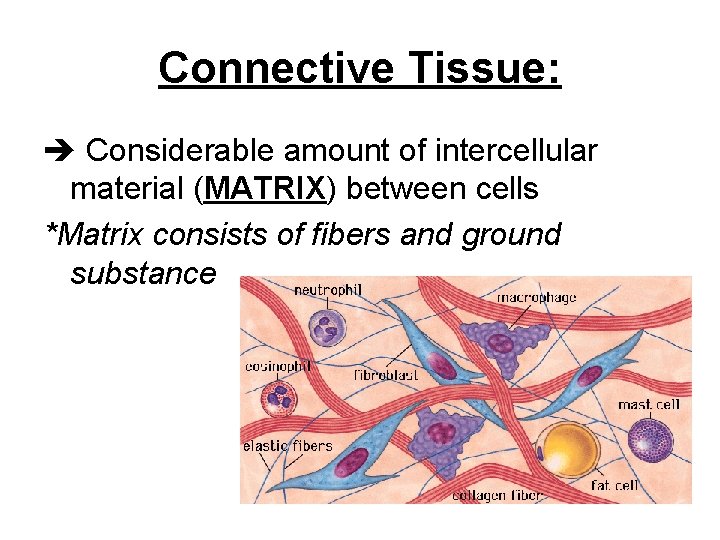
Connective Tissue: Considerable amount of intercellular material (MATRIX) between cells *Matrix consists of fibers and ground substance
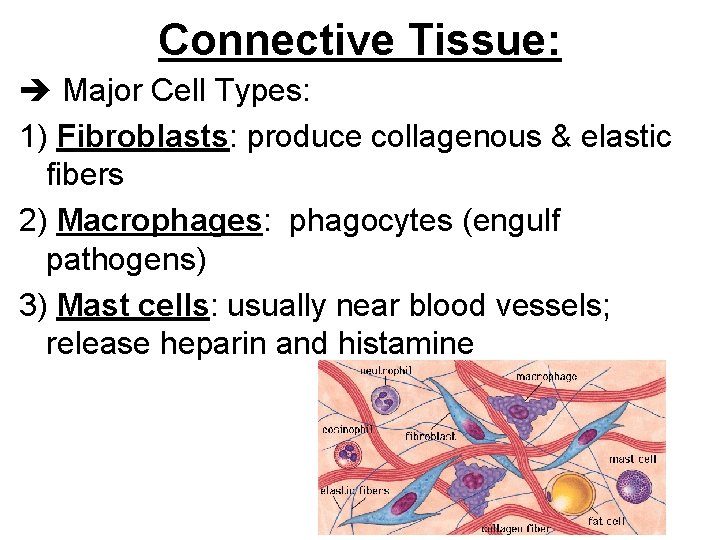
Connective Tissue: Major Cell Types: 1) Fibroblasts: produce collagenous & elastic fibers 2) Macrophages: phagocytes (engulf pathogens) 3) Mast cells: usually near blood vessels; release heparin and histamine
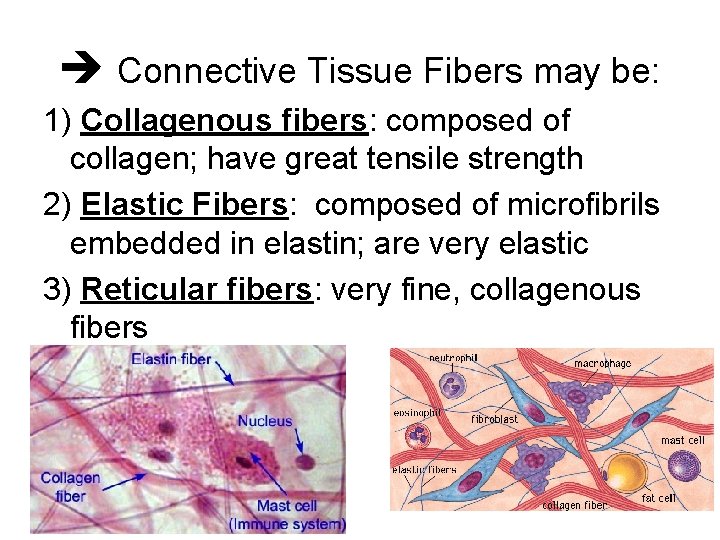
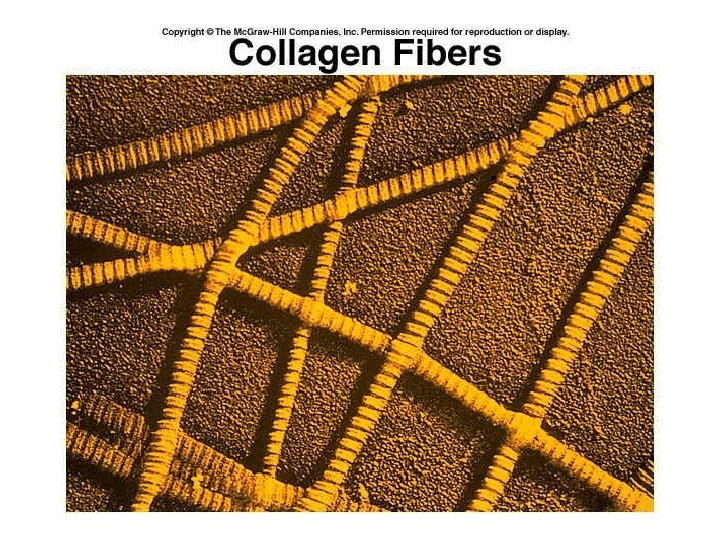
Connective Tissue Fibers may be: 1) Collagenous fibers: composed of collagen; have great tensile strength 2) Elastic Fibers: composed of microfibrils embedded in elastin; are very elastic 3) Reticular fibers: very fine, collagenous fibers
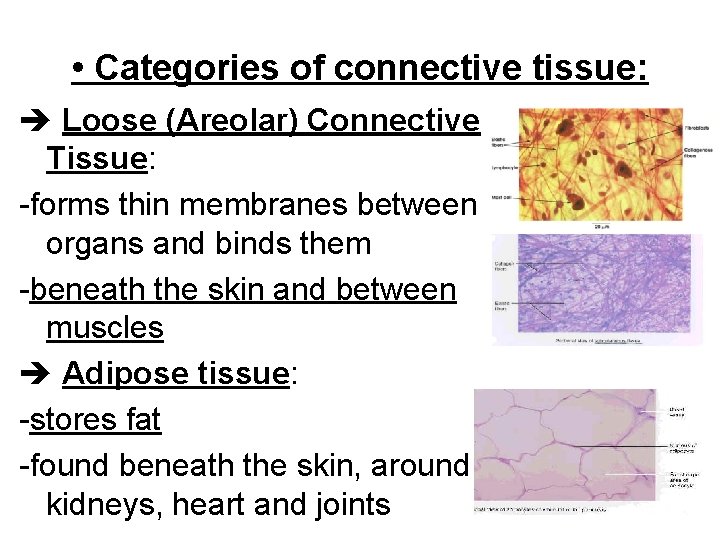
• Categories of connective tissue: Loose (Areolar) Connective Tissue: -forms thin membranes between organs and binds them -beneath the skin and between muscles Adipose tissue: -stores fat -found beneath the skin, around kidneys, heart and joints
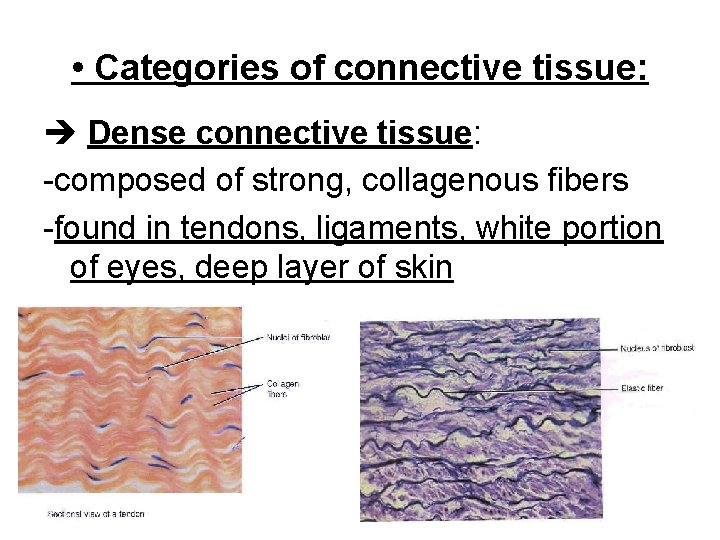
• Categories of connective tissue: Dense connective tissue: -composed of strong, collagenous fibers -found in tendons, ligaments, white portion of eyes, deep layer of skin
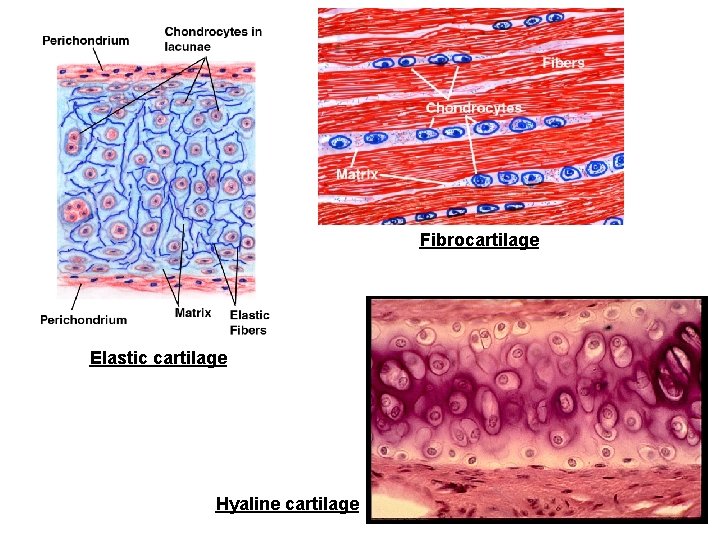
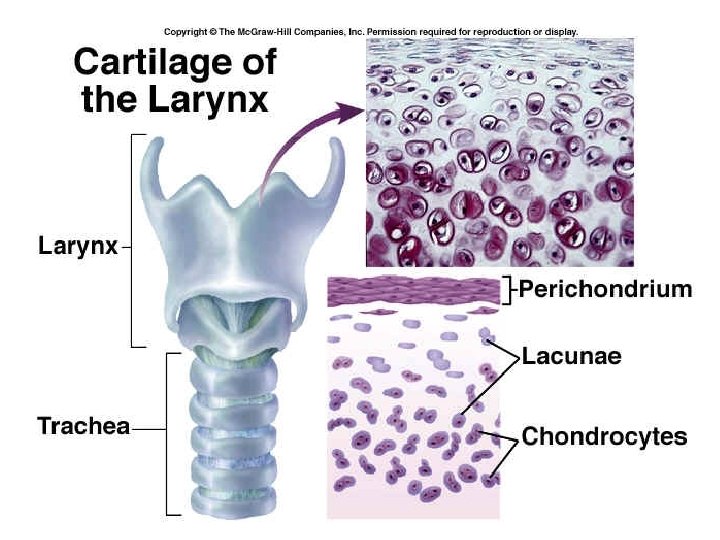
• Categories of connective tissue: Cartilage: -provides a supportive framework for various structures -cartilage lacks a direct blood supply and is slow to heal
Fibrocartilage Elastic cartilage Hyaline cartilage
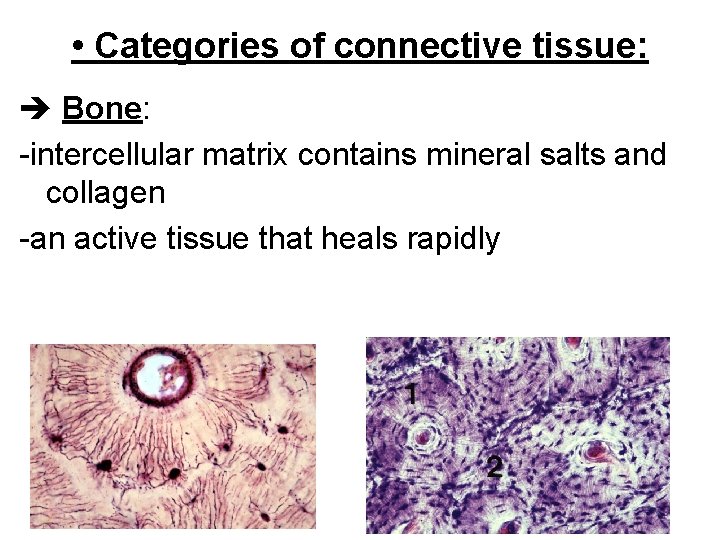
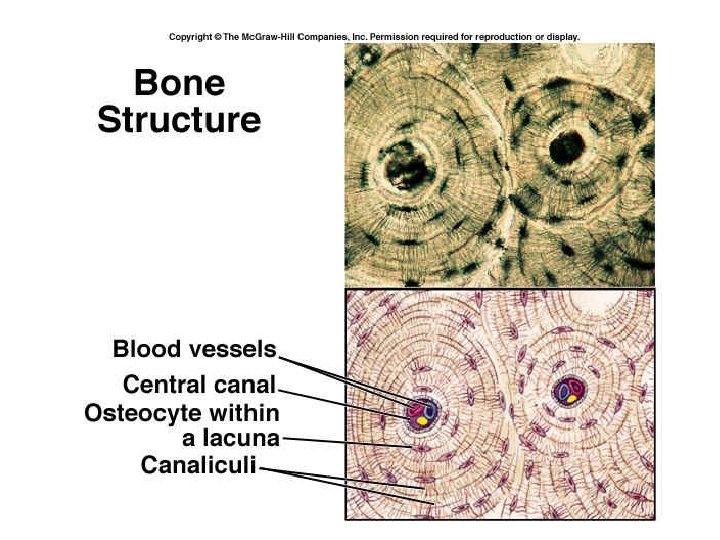
• Categories of connective tissue: Bone: -intercellular matrix contains mineral salts and collagen -an active tissue that heals rapidly
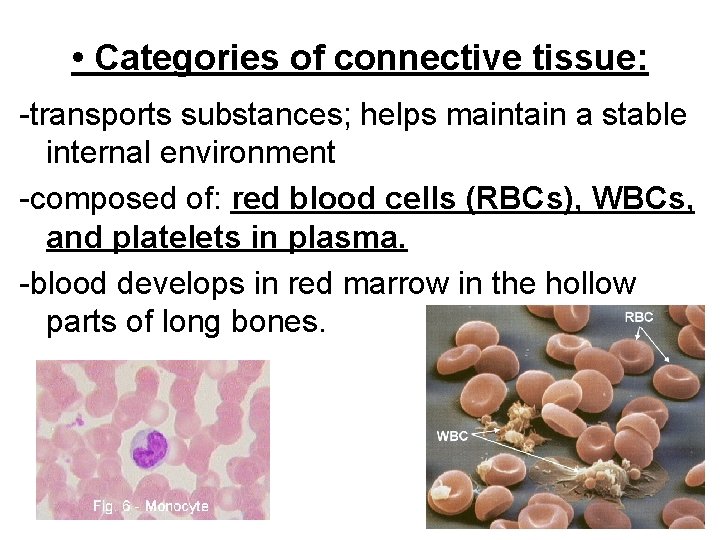
• Categories of connective tissue: -transports substances; helps maintain a stable internal environment -composed of: red blood cells (RBCs), WBCs, and platelets in plasma. -blood develops in red marrow in the hollow parts of long bones.
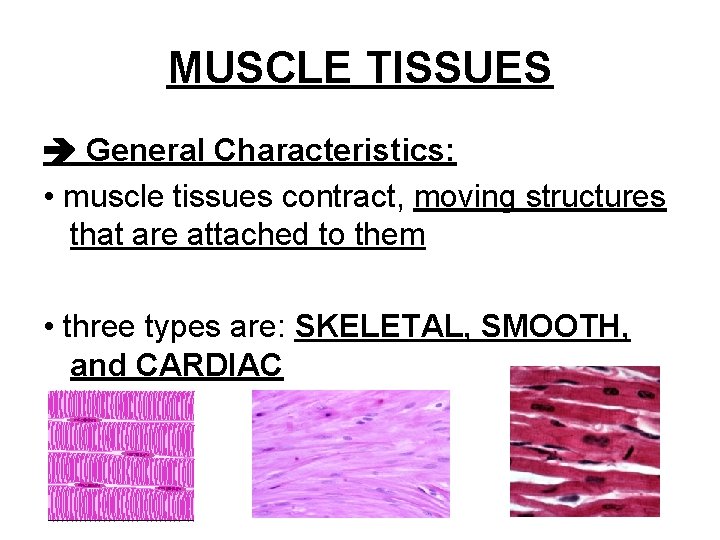
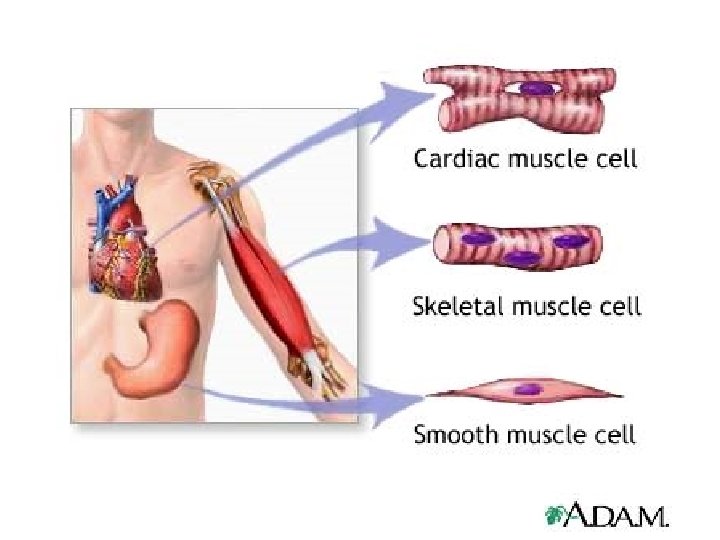
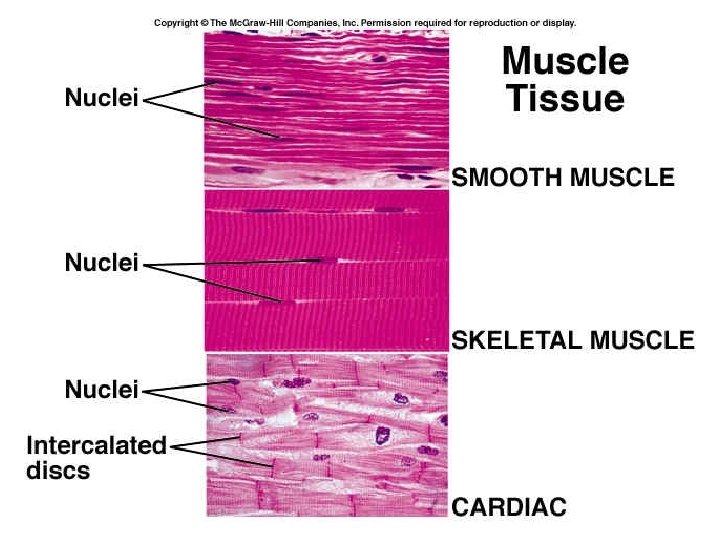
MUSCLE TISSUES General Characteristics: • muscle tissues contract, moving structures that are attached to them • three types are: SKELETAL, SMOOTH, and CARDIAC
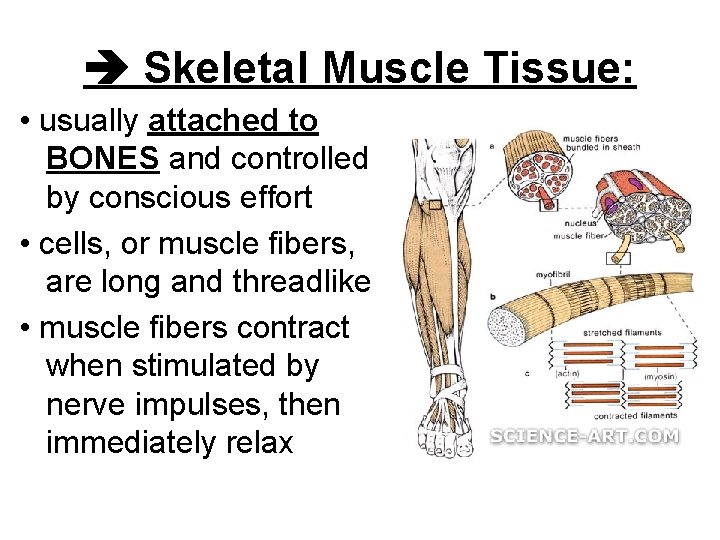
Skeletal Muscle Tissue: • usually attached to BONES and controlled by conscious effort • cells, or muscle fibers, are long and threadlike • muscle fibers contract when stimulated by nerve impulses, then immediately relax
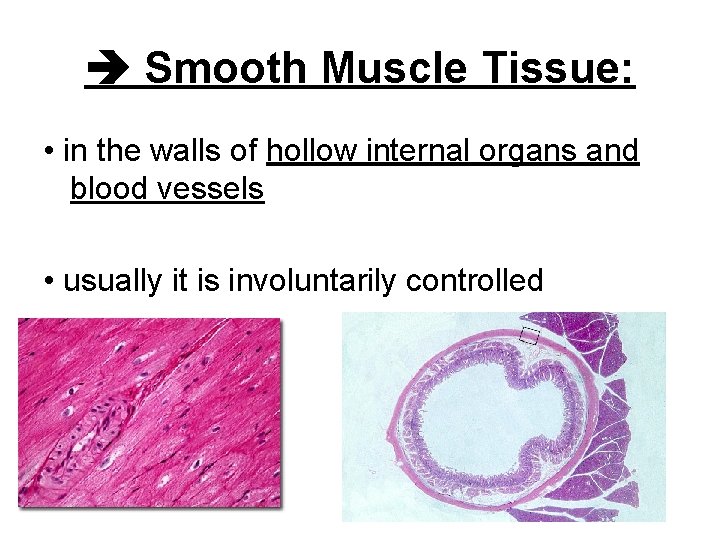
Smooth Muscle Tissue: • in the walls of hollow internal organs and blood vessels • usually it is involuntarily controlled
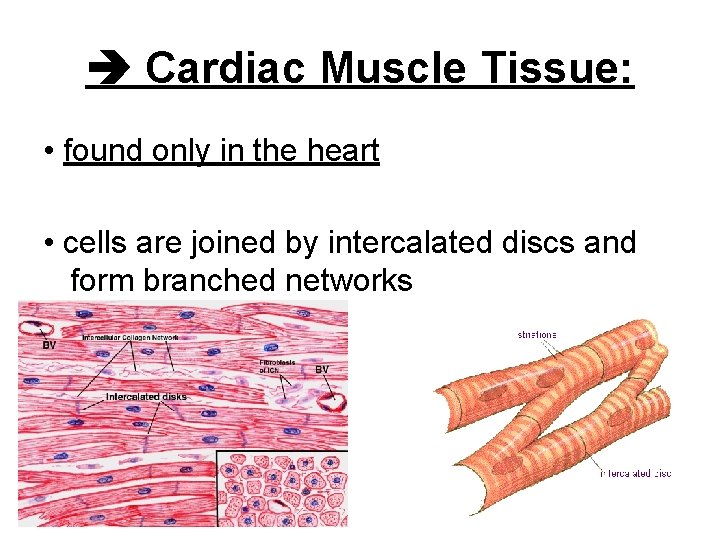
Cardiac Muscle Tissue: • found only in the heart • cells are joined by intercalated discs and form branched networks
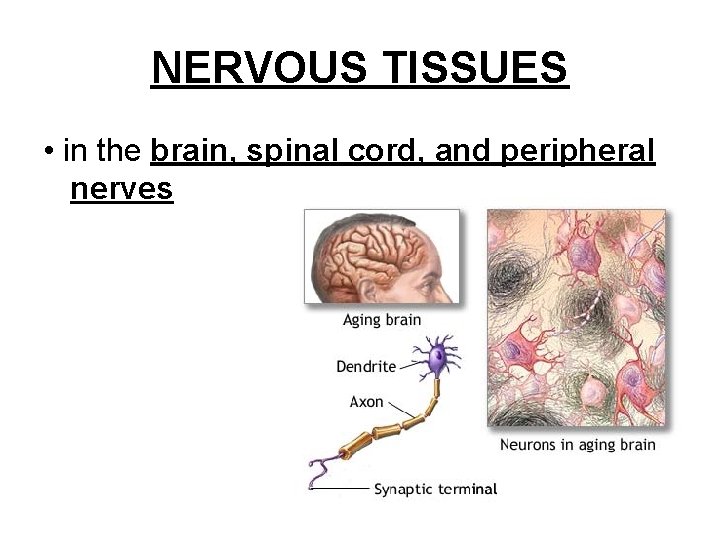
NERVOUS TISSUES • in the brain, spinal cord, and peripheral nerves
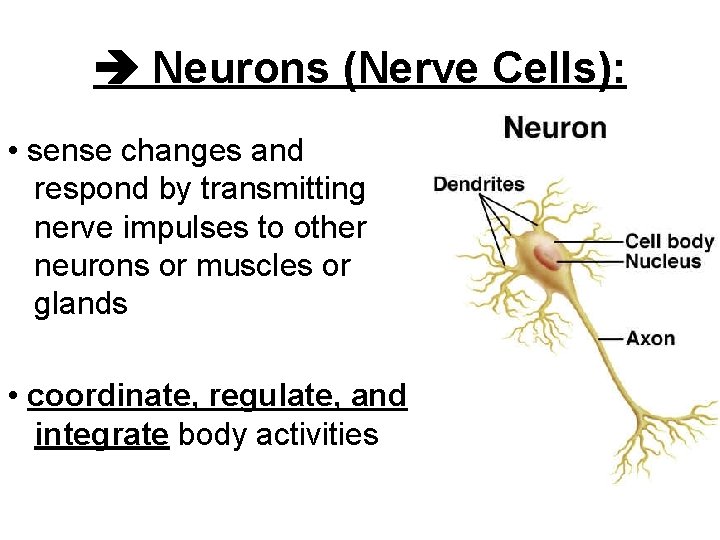
Neurons (Nerve Cells): • sense changes and respond by transmitting nerve impulses to other neurons or muscles or glands • coordinate, regulate, and integrate body activities
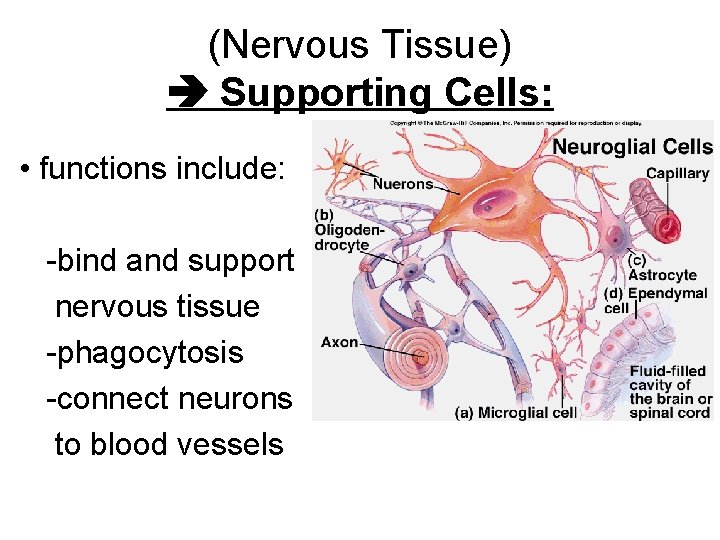
(Nervous Tissue) Supporting Cells: • functions include: -bind and support nervous tissue -phagocytosis -connect neurons to blood vessels
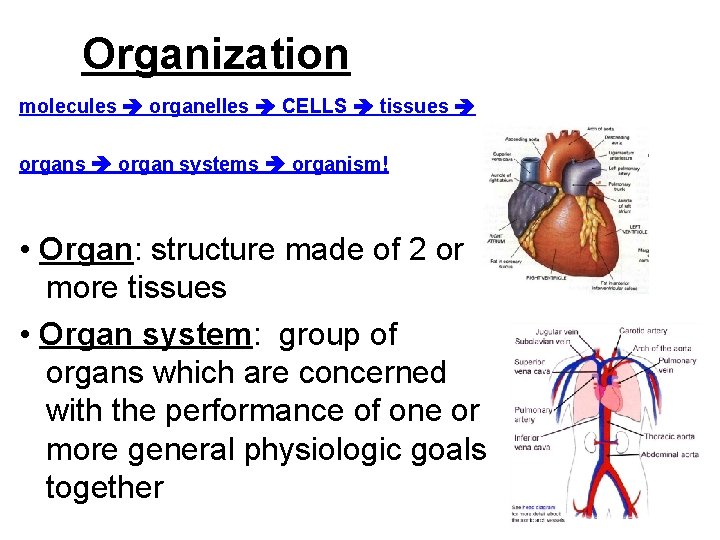
Organization molecules organelles CELLS tissues organ systems organism! • Organ: structure made of 2 or more tissues • Organ system: group of organs which are concerned with the performance of one or more general physiologic goals together
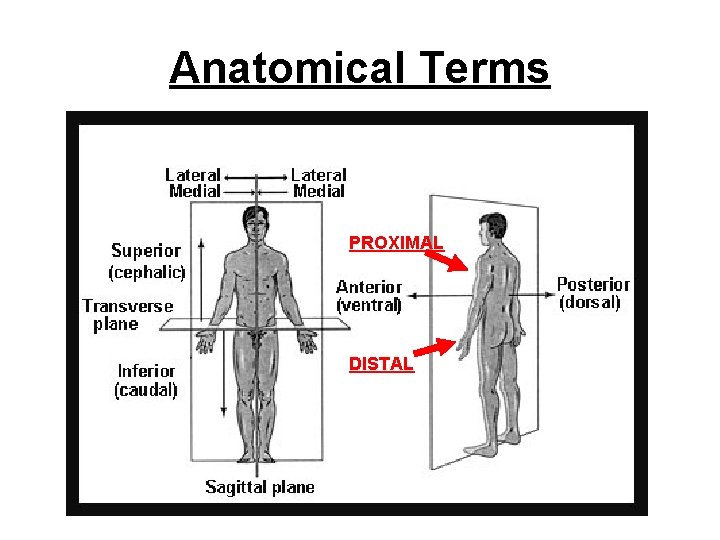
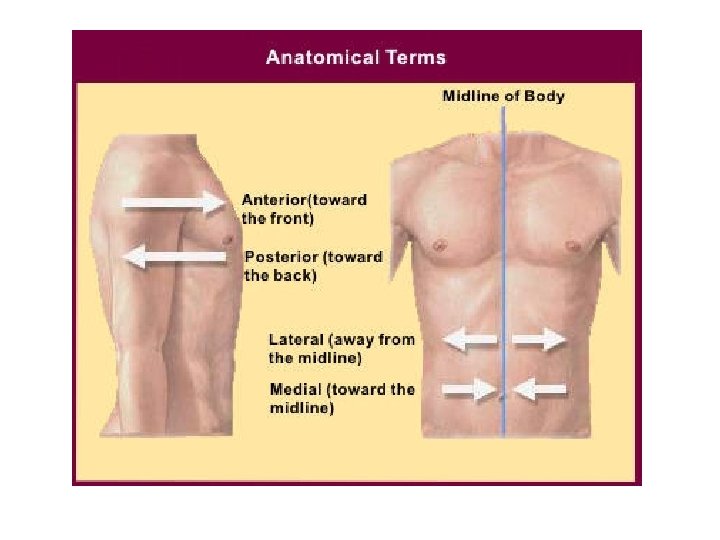
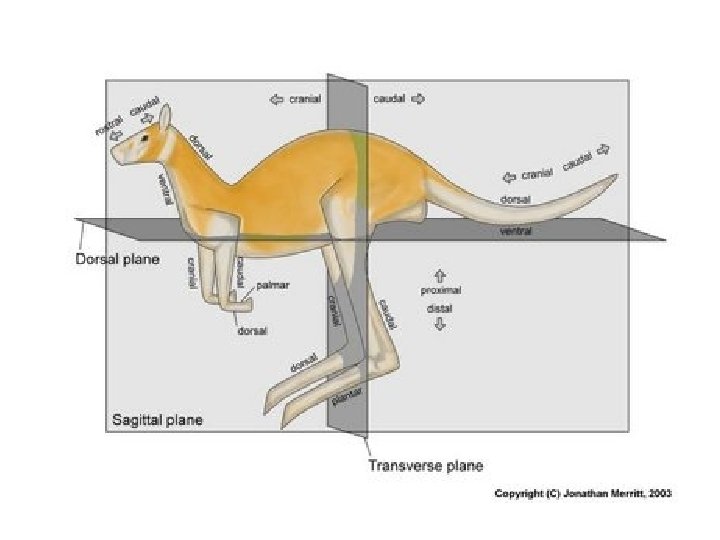
Anatomical Terms PROXIMAL DISTAL
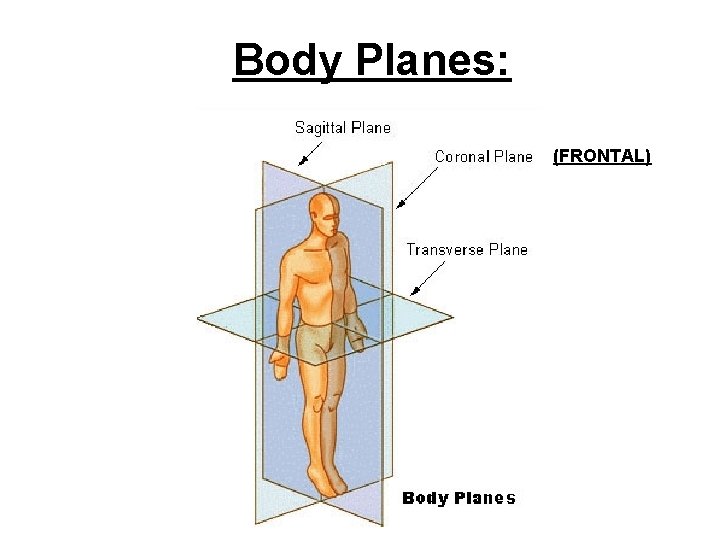
Body Planes: (FRONTAL)
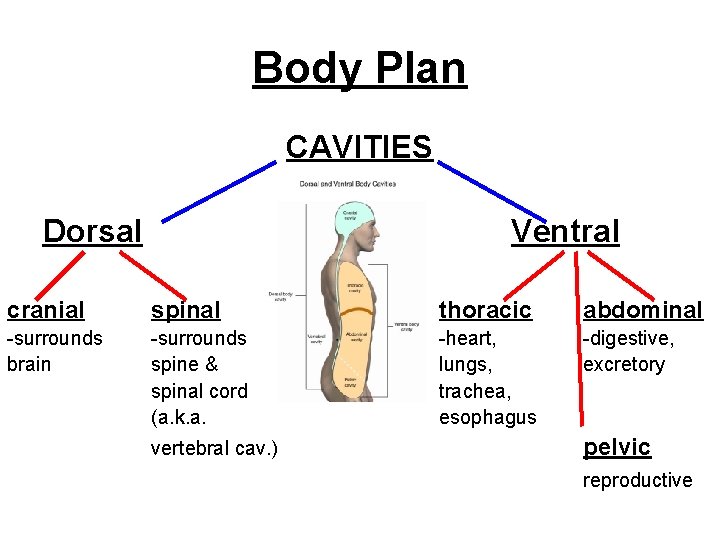
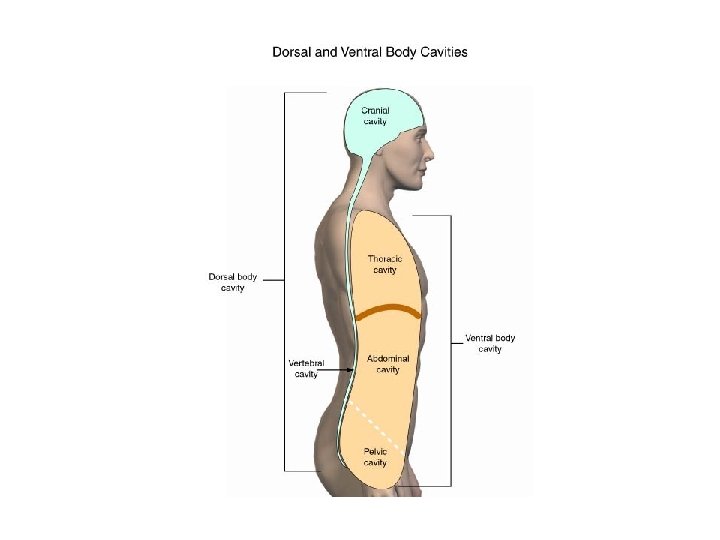
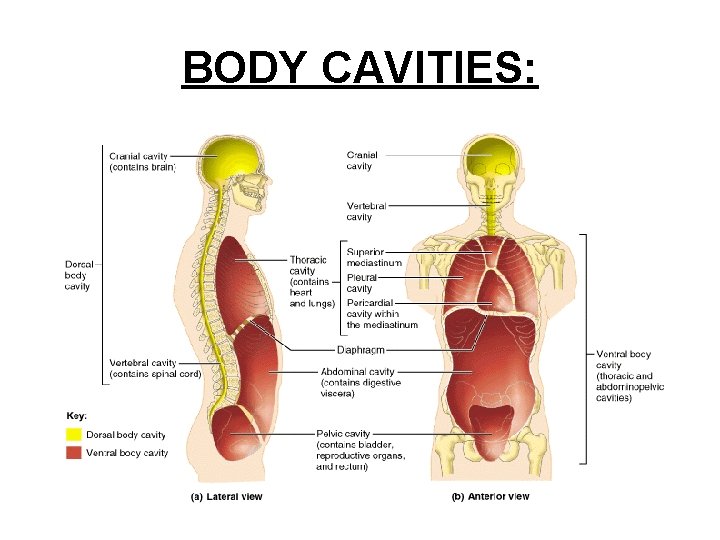
Body Plan CAVITIES Dorsal Ventral cranial spinal thoracic abdominal -surrounds brain -surrounds spine & spinal cord (a. k. a. -heart, lungs, trachea, esophagus -digestive, excretory vertebral cav. ) pelvic reproductive
BODY CAVITIES:
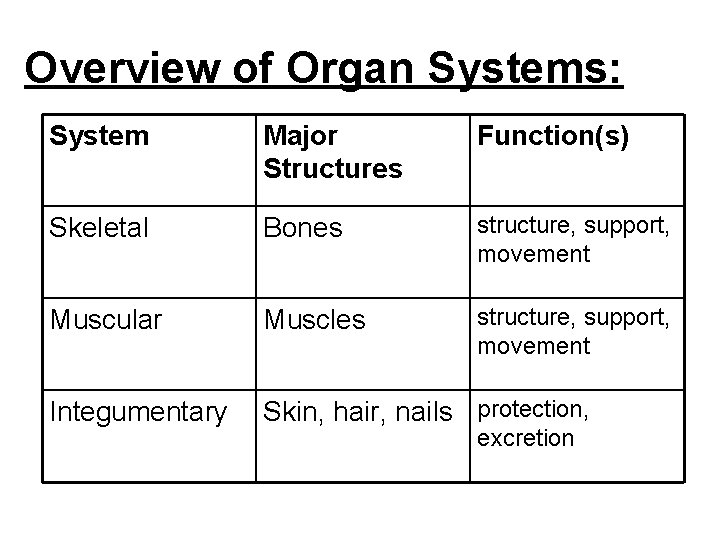
Overview of Organ Systems: System Major Structures Function(s) Skeletal Bones structure, support, movement Muscular Muscles structure, support, movement Integumentary Skin, hair, nails protection, excretion
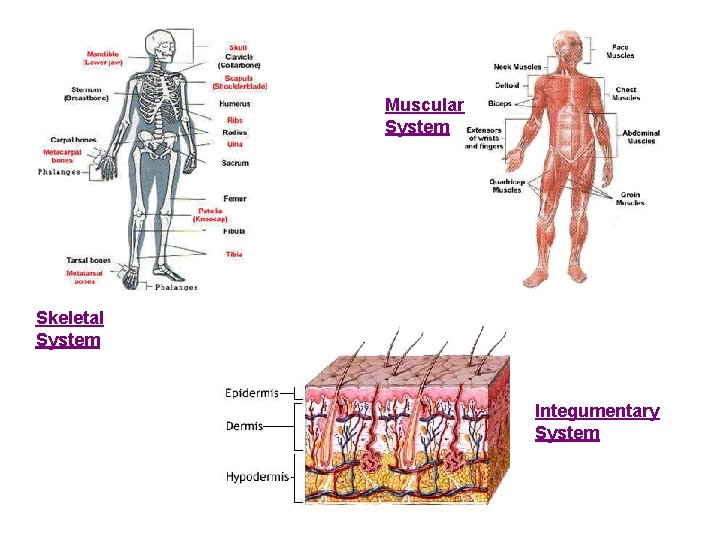
Muscular System Skeletal System Integumentary System
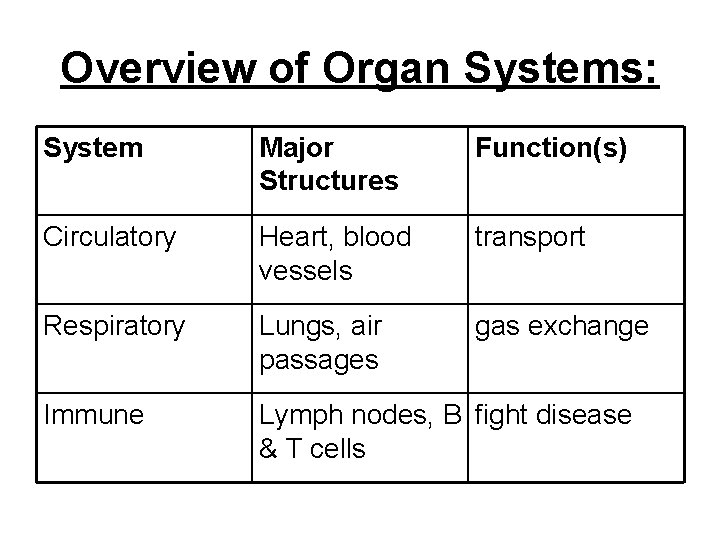
Overview of Organ Systems: System Major Structures Function(s) Circulatory Heart, blood vessels transport Respiratory Lungs, air passages gas exchange Immune Lymph nodes, B fight disease & T cells
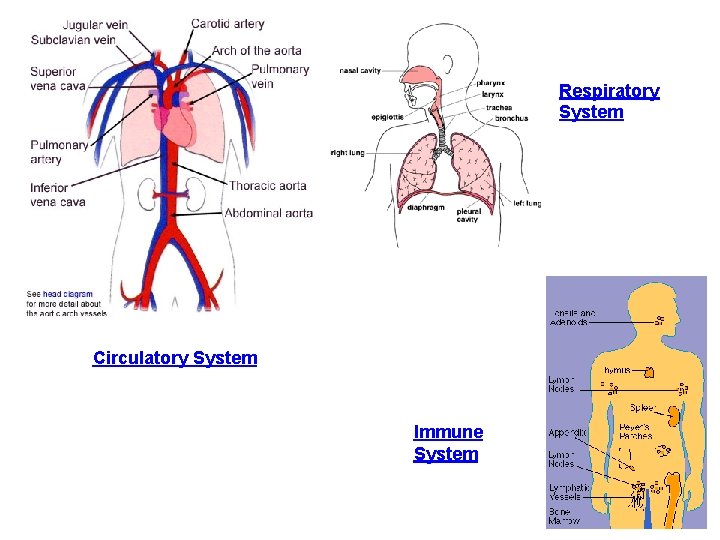
Respiratory System Circulatory System Immune System
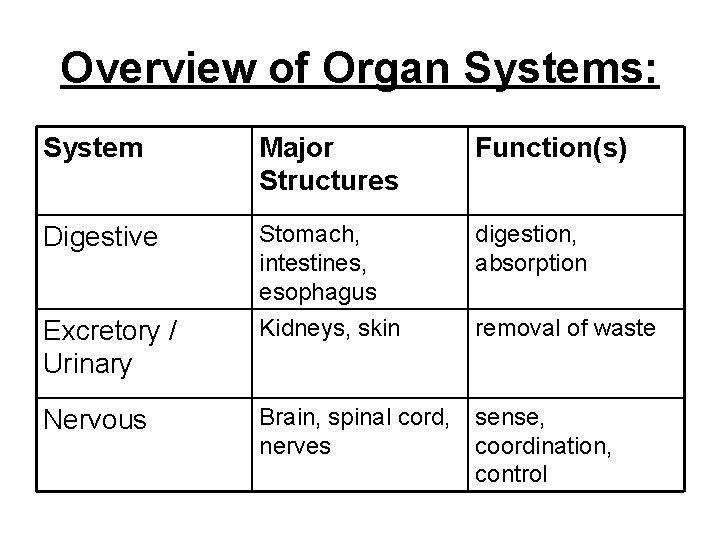
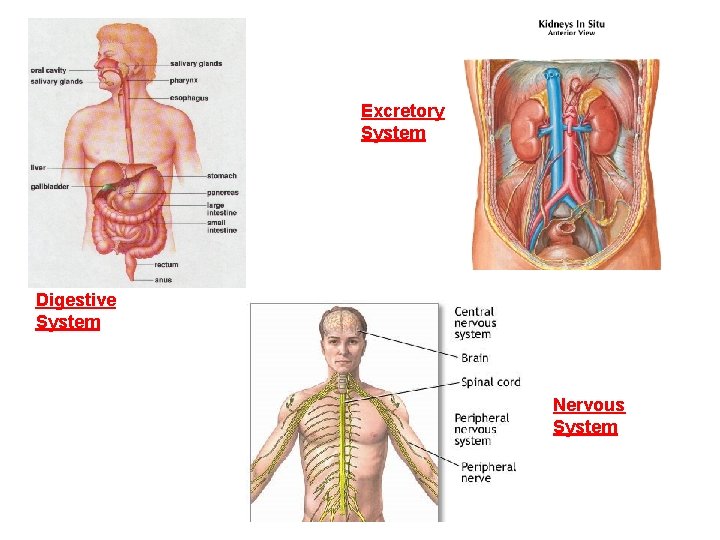
Overview of Organ Systems: System Major Structures Function(s) Digestive Stomach, intestines, esophagus digestion, absorption Excretory / Urinary Kidneys, skin removal of waste Nervous Brain, spinal cord, nerves sense, coordination, control
Excretory System Digestive System Nervous System
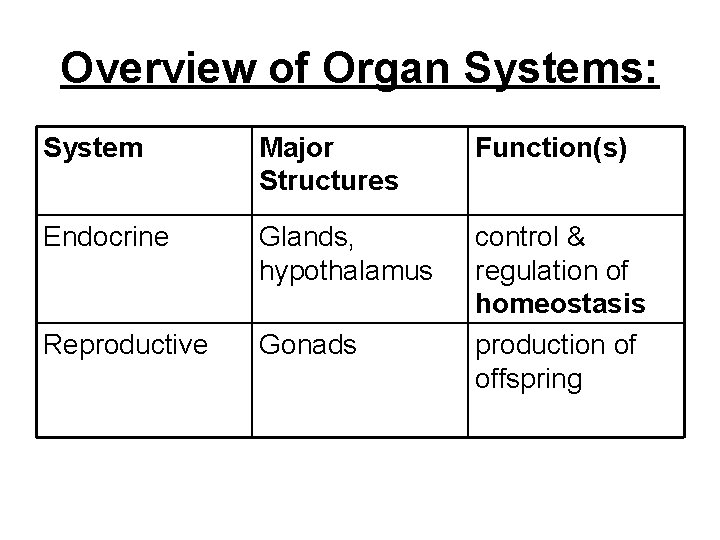
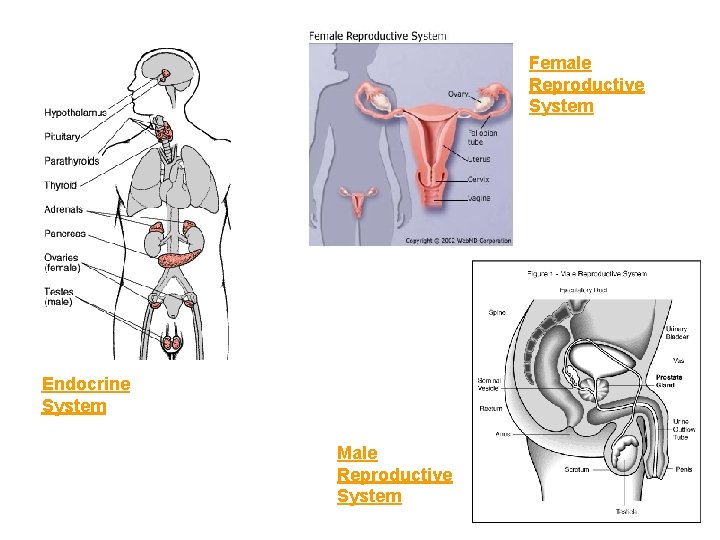
Overview of Organ Systems: System Major Structures Function(s) Endocrine Glands, hypothalamus Reproductive Gonads control & regulation of homeostasis production of offspring
Female Reproductive System Endocrine System Male Reproductive System
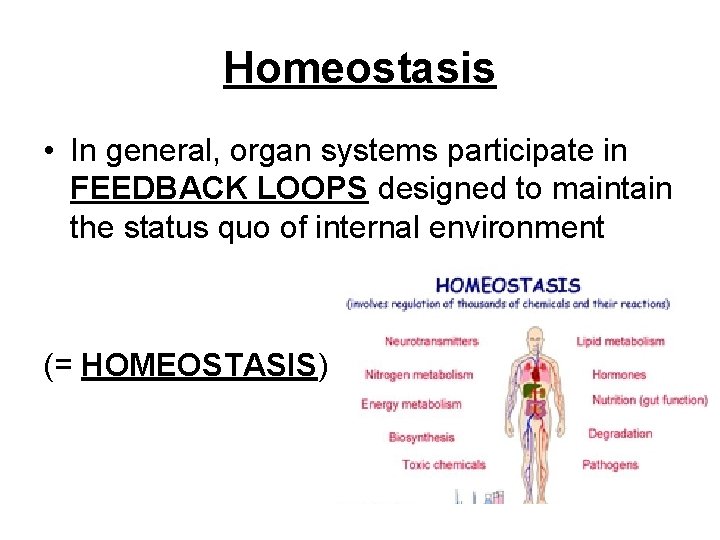
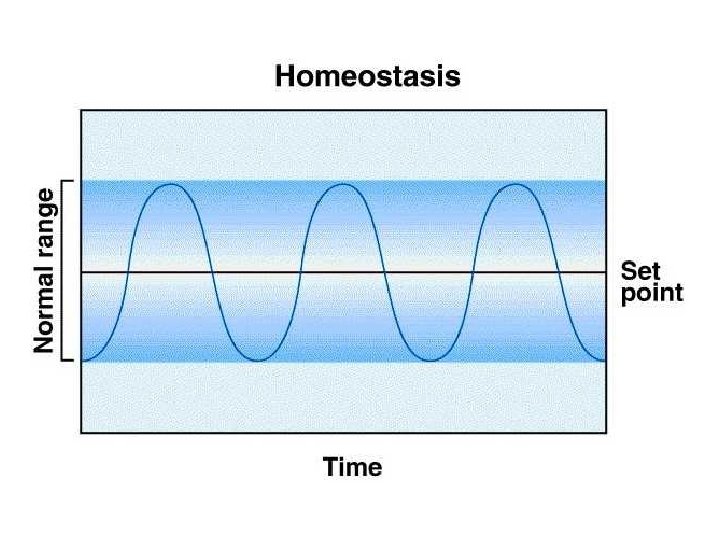
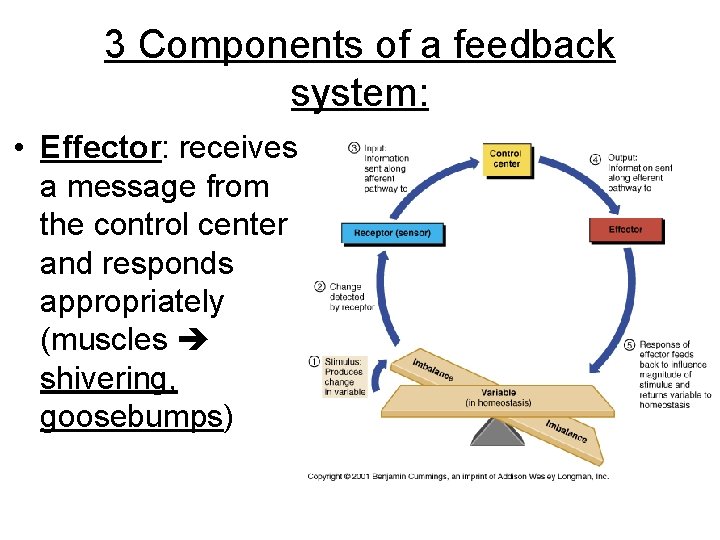
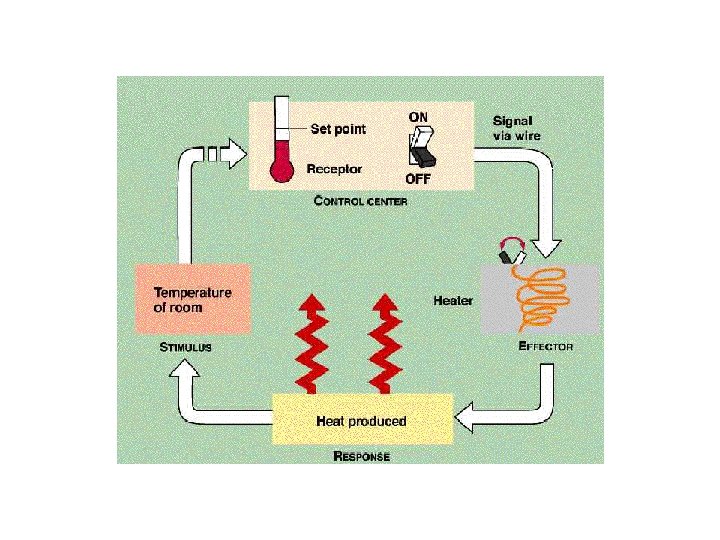
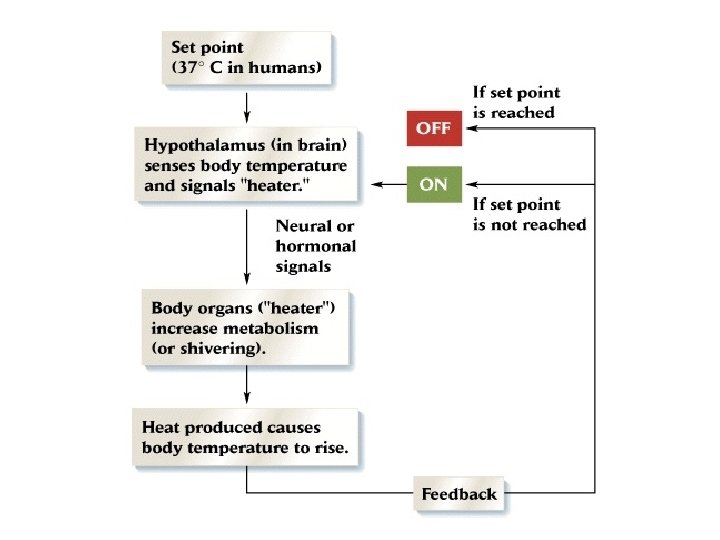
Homeostasis • In general, organ systems participate in FEEDBACK LOOPS designed to maintain the status quo of internal environment (= HOMEOSTASIS)
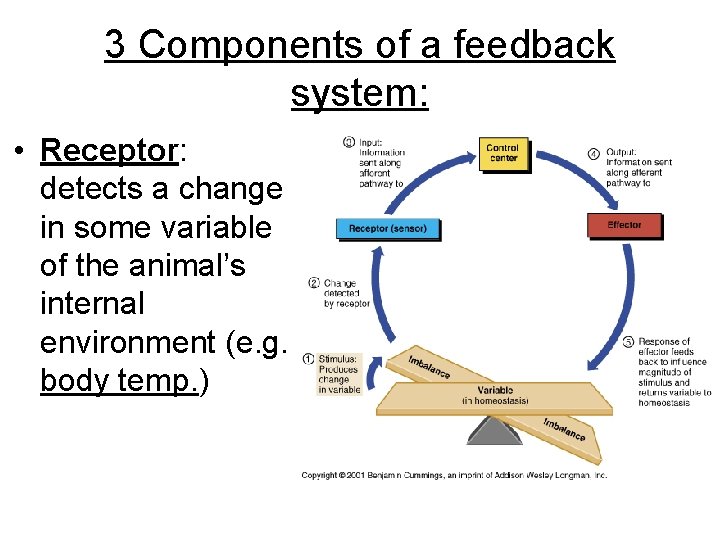
3 Components of a feedback system: • Receptor: detects a change in some variable of the animal’s internal environment (e. g. body temp. )
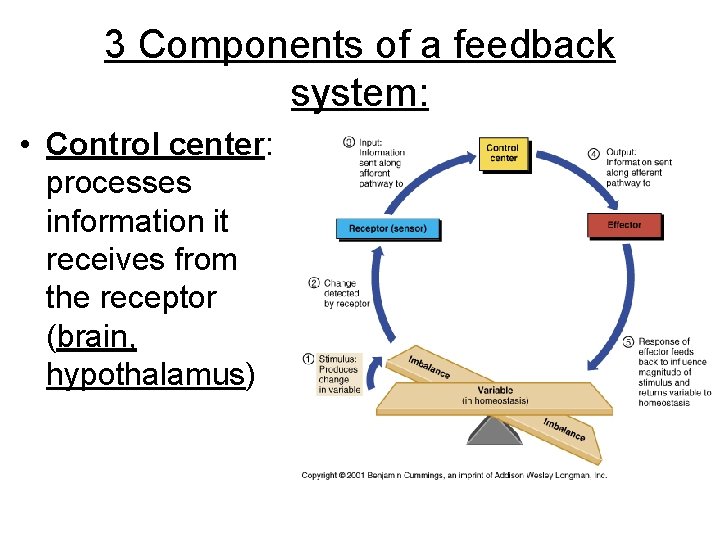
3 Components of a feedback system: • Control center: processes information it receives from the receptor (brain, hypothalamus)
3 Components of a feedback system: • Effector: receives a message from the control center and responds appropriately (muscles shivering, goosebumps)
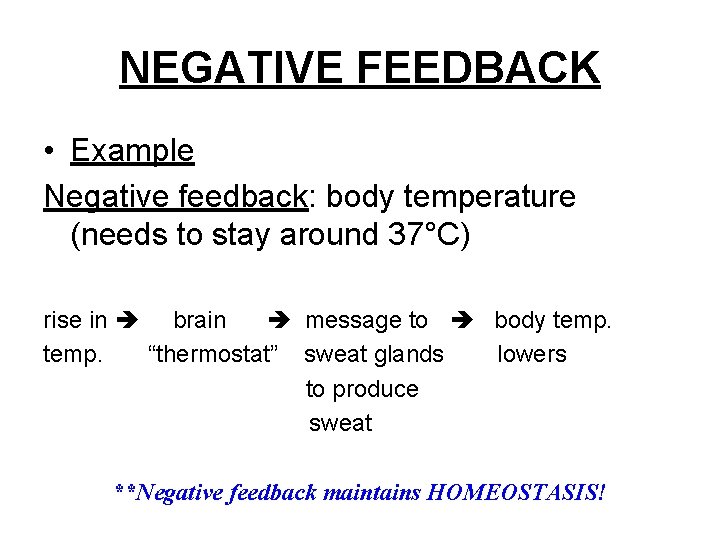
NEGATIVE FEEDBACK • Example Negative feedback: body temperature (needs to stay around 37°C) rise in brain message to body temp. “thermostat” sweat glands lowers to produce sweat **Negative feedback maintains HOMEOSTASIS!
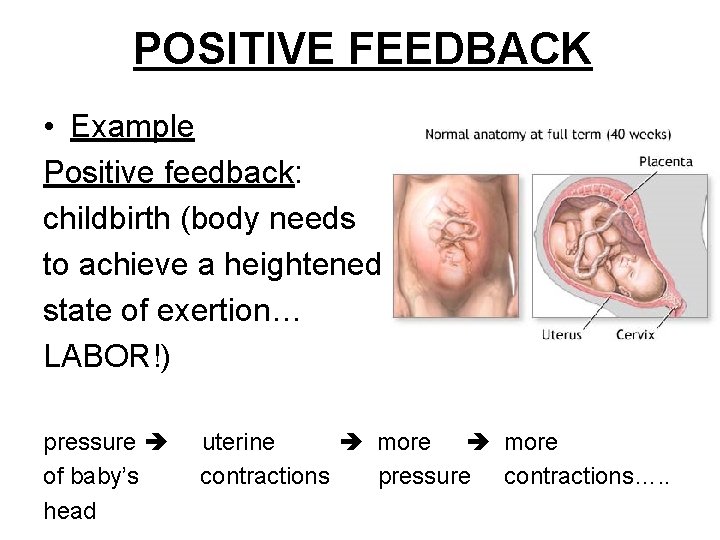
POSITIVE FEEDBACK • Example Positive feedback: childbirth (body needs to achieve a heightened state of exertion… LABOR!) pressure of baby’s head uterine more contractions pressure contractions…. .