
NOTES CH 24 The Origin of Species Species








- Slides: 39
NOTES – CH 24: The Origin of Species
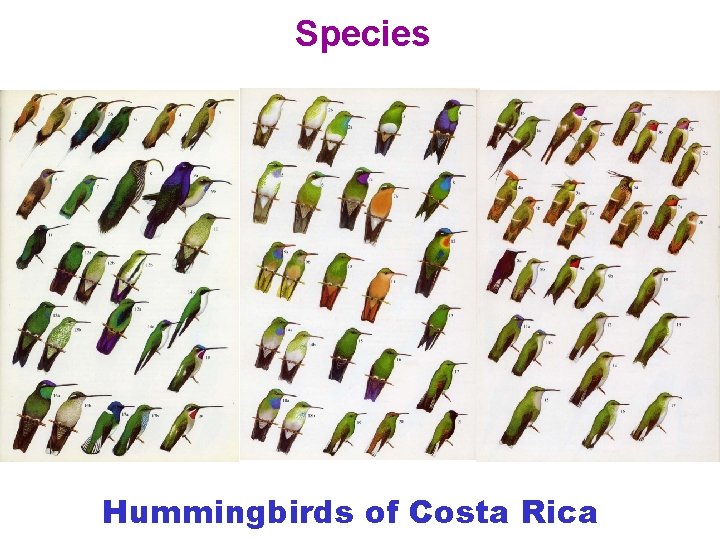
Species Hummingbirds of Costa Rica
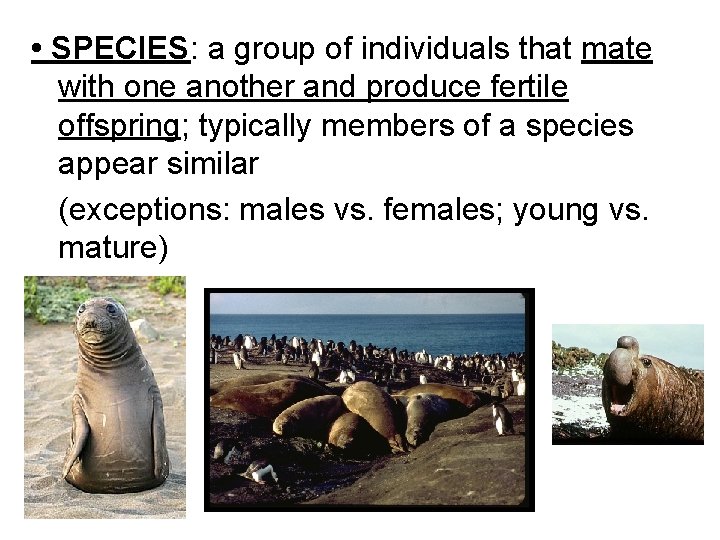
• SPECIES: a group of individuals that mate with one another and produce fertile offspring; typically members of a species appear similar (exceptions: males vs. females; young vs. mature)
*the “biological” species concept defines a species as “a population or group of populations whose members have the potential to interbreed to produce viable, fertile offspring. ” Same species of ant!!! 2 different species of meadowlarks!
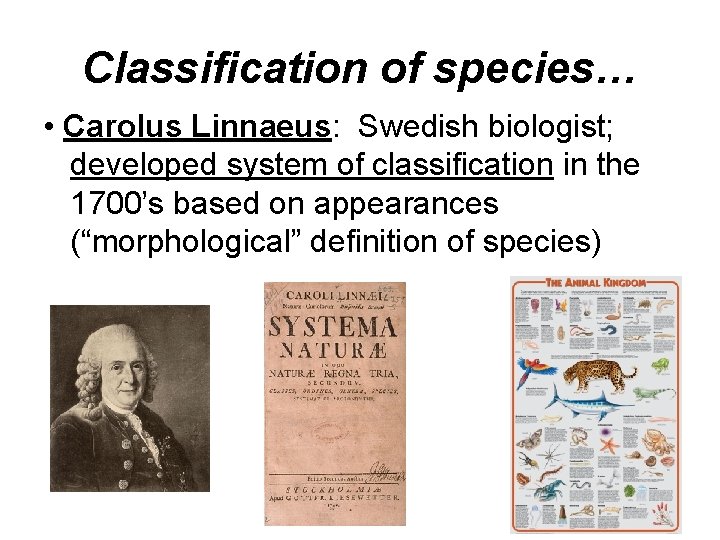
Classification of species… • Carolus Linnaeus: Swedish biologist; developed system of classification in the 1700’s based on appearances (“morphological” definition of species)
Levels of Classification: Kingdom Phylum (subphylum: Class Order Family Genus Species Example – dogs! Animalia Chordata Vertebrata) Mammalia Carnivora Canidae Canis familiaris
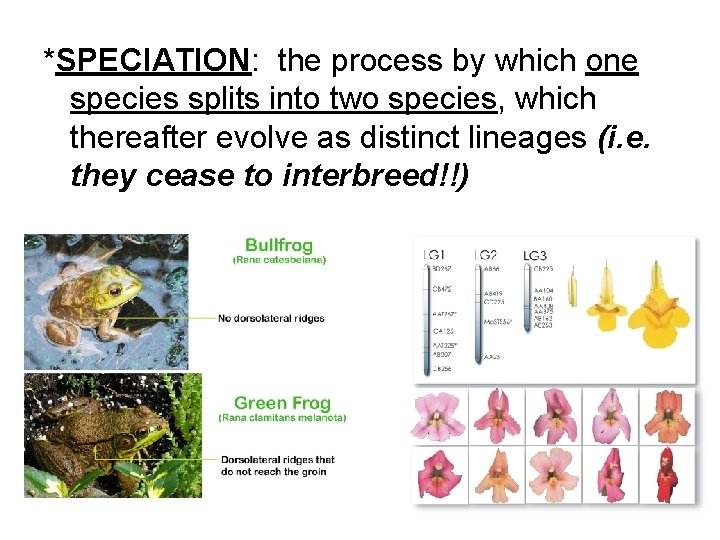
*SPECIATION: the process by which one species splits into two species, which thereafter evolve as distinct lineages (i. e. they cease to interbreed!!)
SPECIATION… 2 critical requirements for speciation to occur are: (1) separation of the gene pool of the ancestral species into two separate gene pools (gene flow sufficiently reduced), and (2) over time, allele and gene frequencies may change due to natural selection (genetic divergence!)
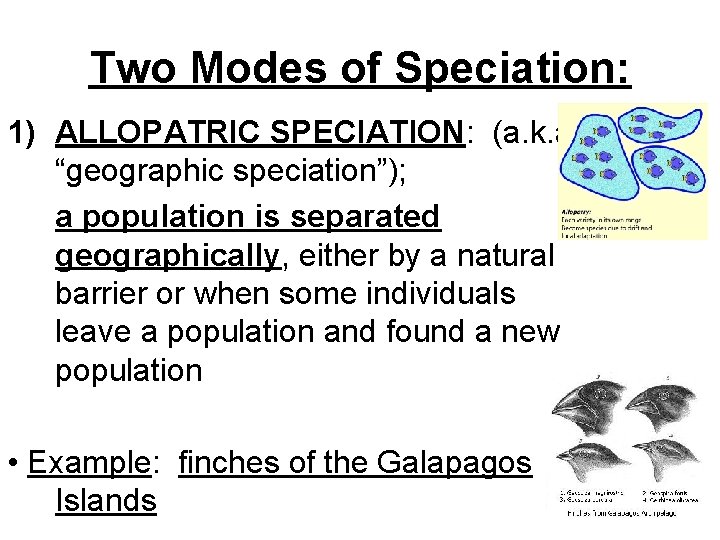
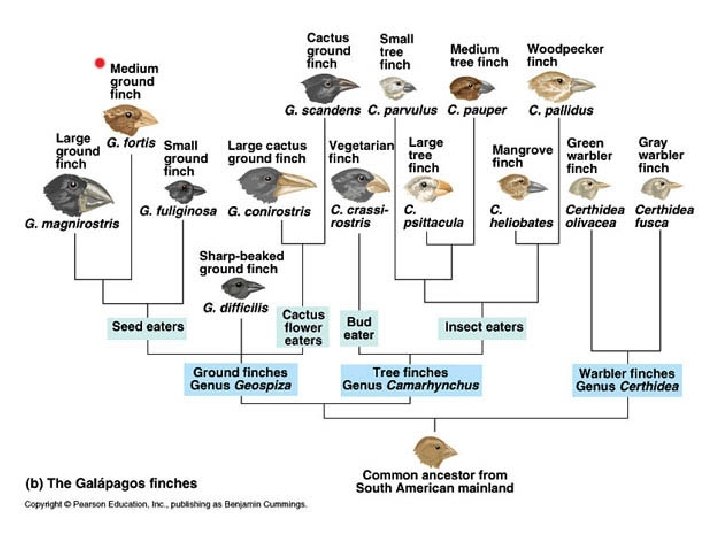
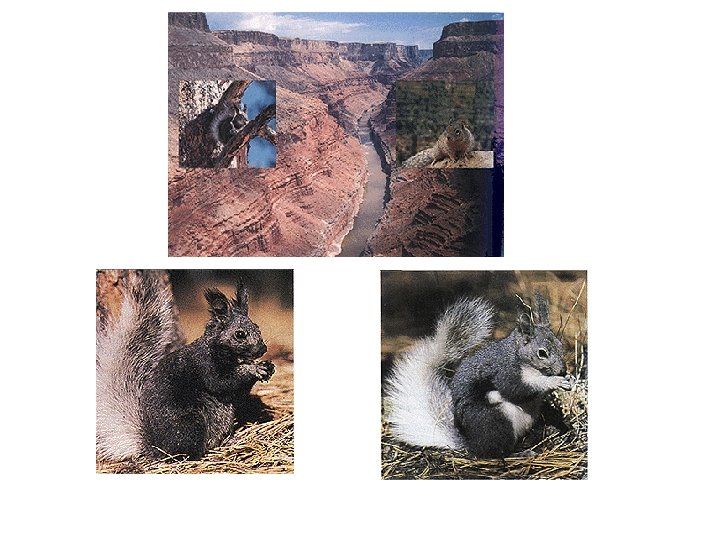
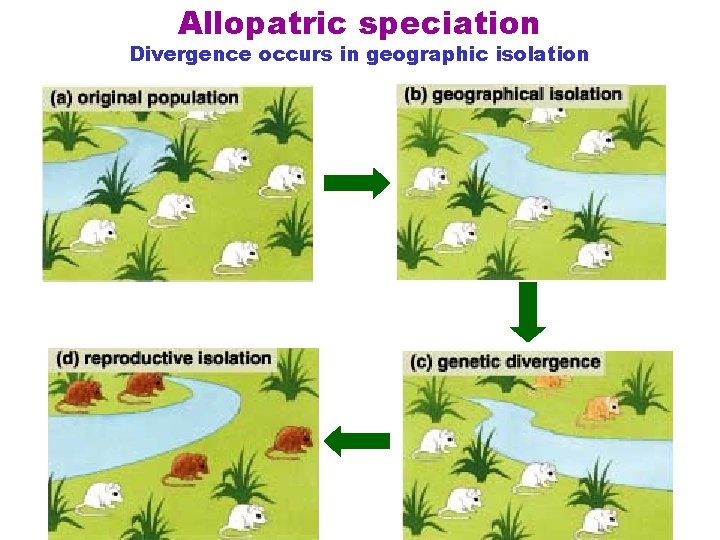
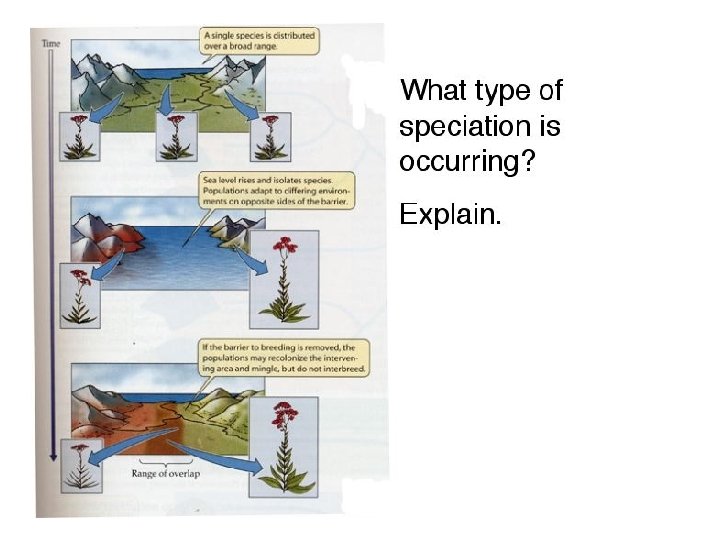
Two Modes of Speciation: 1) ALLOPATRIC SPECIATION: (a. k. a. “geographic speciation”); a population is separated geographically, either by a natural barrier or when some individuals leave a population and found a new population • Example: finches of the Galapagos Islands
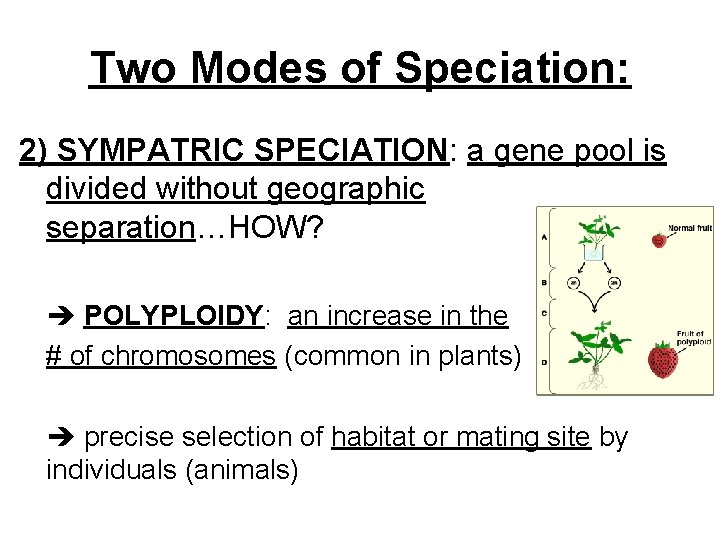
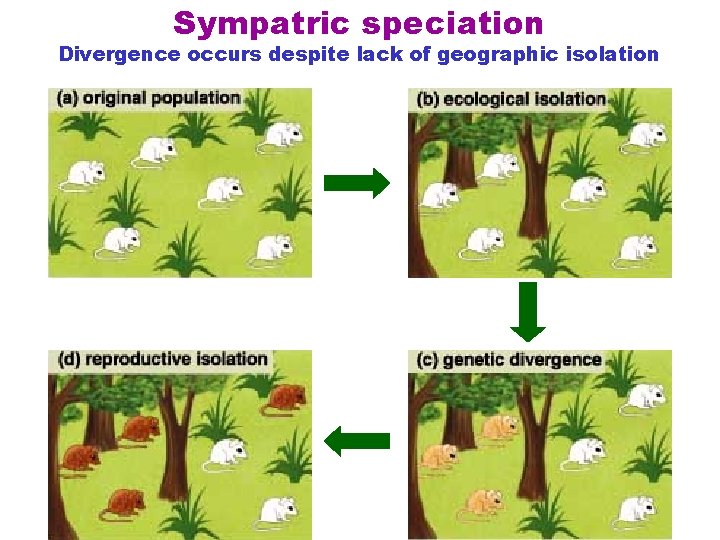
Two Modes of Speciation: 2) SYMPATRIC SPECIATION: a gene pool is divided without geographic separation…HOW? POLYPLOIDY: an increase in the # of chromosomes (common in plants) precise selection of habitat or mating site by individuals (animals)
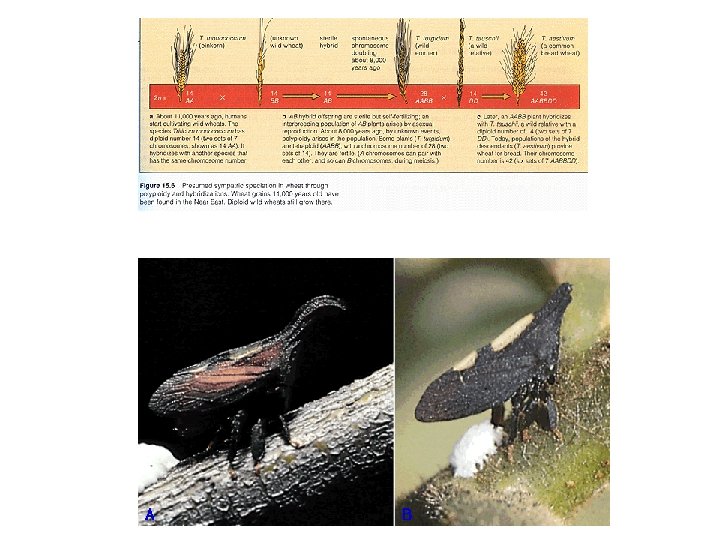
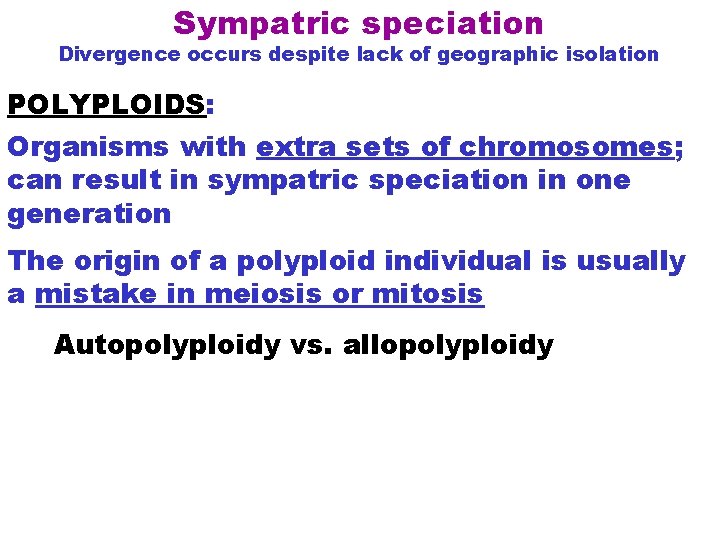
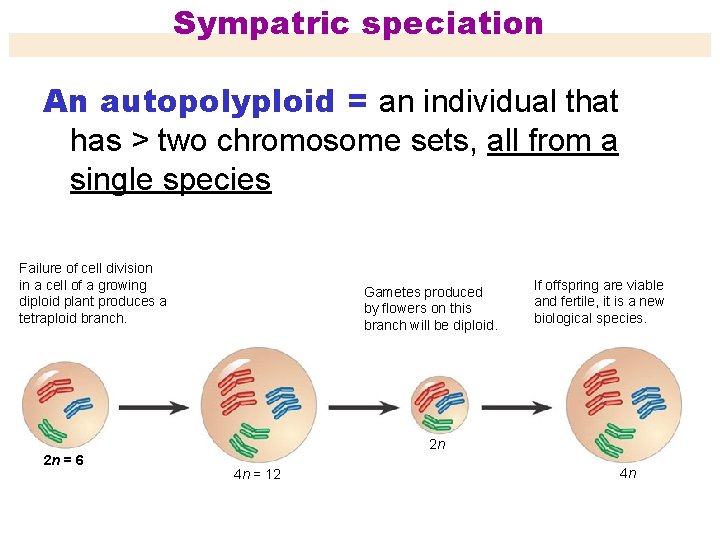
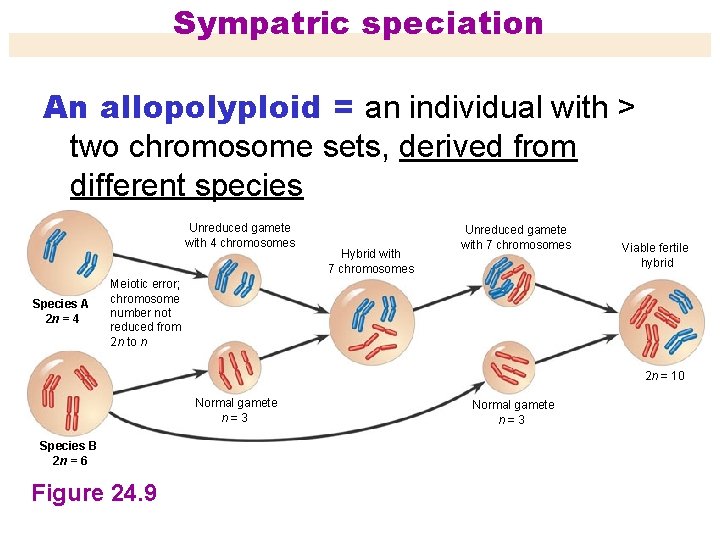
Sympatric speciation Divergence occurs despite lack of geographic isolation POLYPLOIDS: Organisms with extra sets of chromosomes; can result in sympatric speciation in one generation The origin of a polyploid individual is usually a mistake in meiosis or mitosis Autopolyploidy vs. allopolyploidy
Sympatric speciation An autopolyploid = an individual that has > two chromosome sets, all from a single species Failure of cell division in a cell of a growing diploid plant produces a tetraploid branch. Gametes produced by flowers on this branch will be diploid. If offspring are viable and fertile, it is a new biological species. 2 n 2 n = 6 4 n = 12 4 n
Sympatric speciation An allopolyploid = an individual with > two chromosome sets, derived from different species Unreduced gamete with 4 chromosomes Species A 2 n = 4 Hybrid with 7 chromosomes Unreduced gamete with 7 chromosomes Viable fertile hybrid Meiotic error; chromosome number not reduced from 2 n to n 2 n = 10 Normal gamete n=3 Species B 2 n = 6 Figure 24. 9 Normal gamete n=3
Polyploidy is especially common in plants
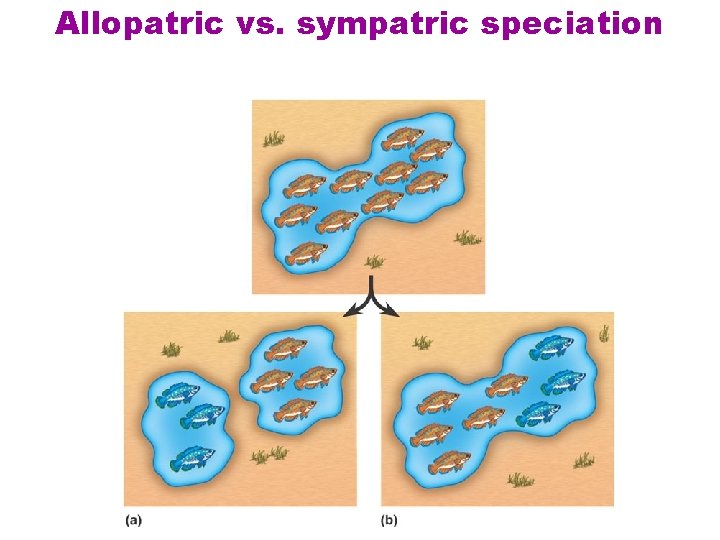
Allopatric speciation Divergence occurs in geographic isolation
Sympatric speciation Divergence occurs despite lack of geographic isolation
Allopatric vs. sympatric speciation
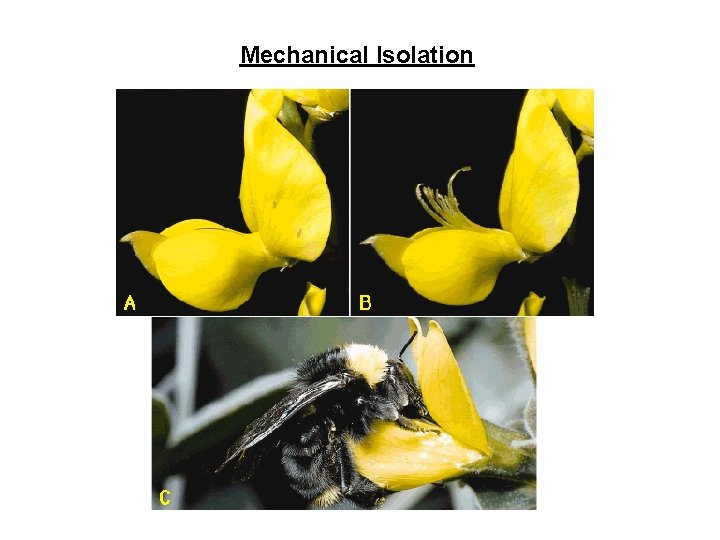
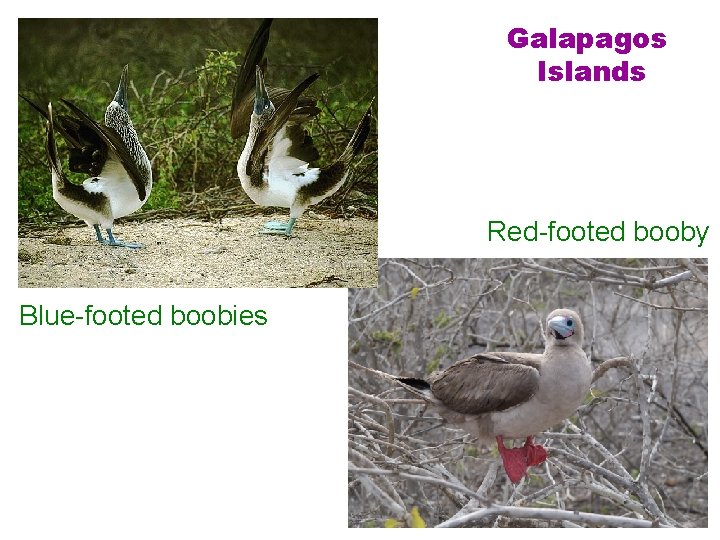
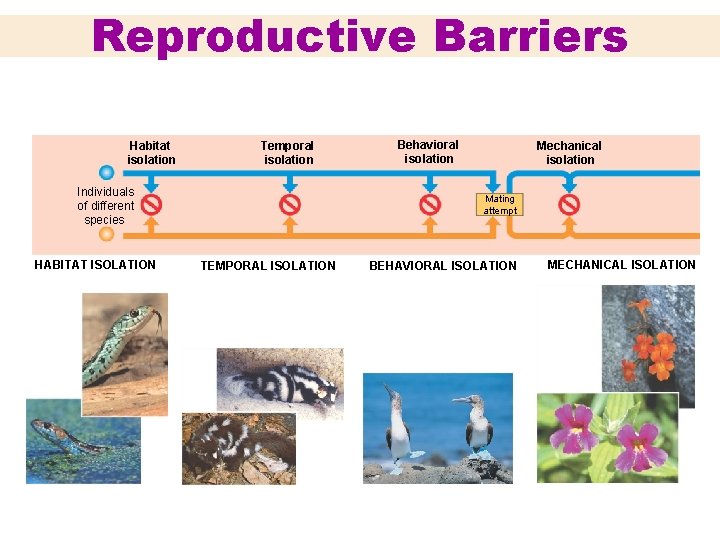
REPRODUCTIVE ISOLATING MECHANISMS: • Prezygotic Barriers (operate before mating) > Habitat Isolation > Behavioral Isolation > Temporal Isolation > Mechanical Isolation > Gametic Isolation
Mechanical Isolation
Galapagos Islands Red-footed booby Blue-footed boobies
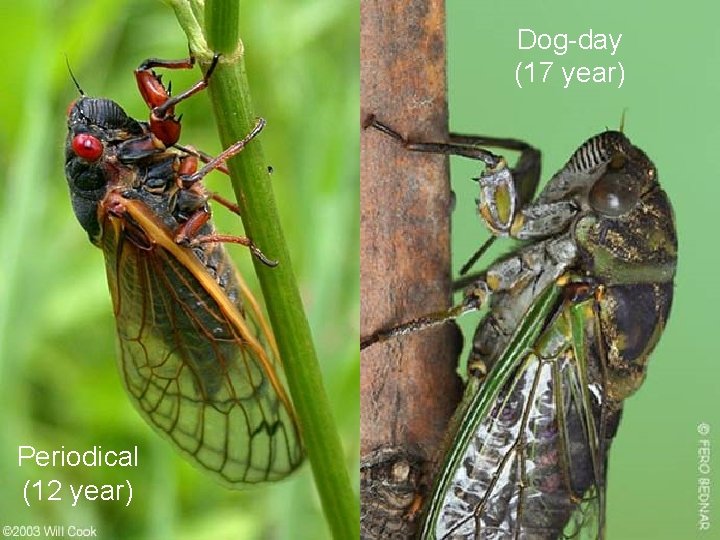
Dog-day (17 year) Periodical (12 year)
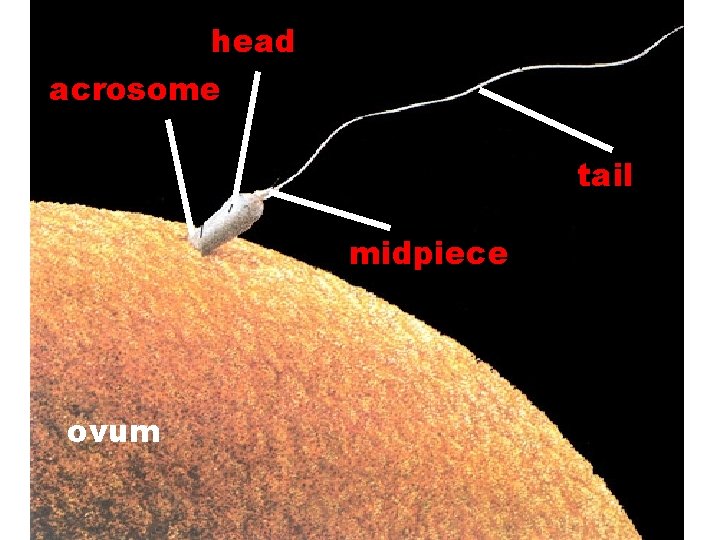
head acrosome tail midpiece ovum
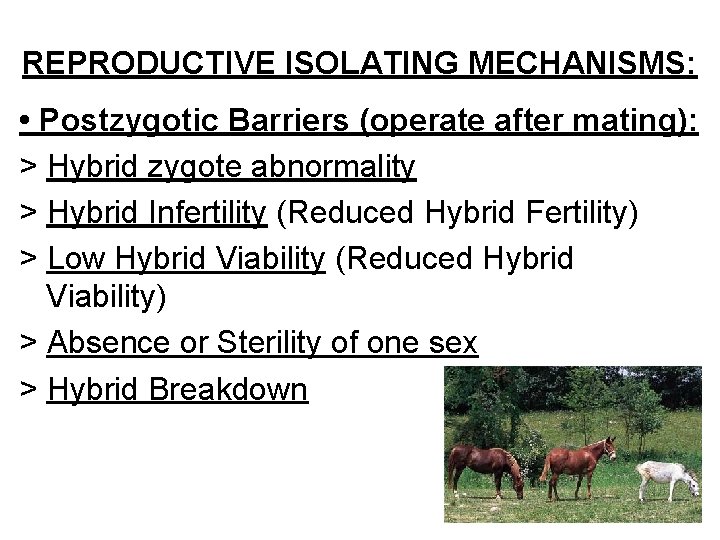
REPRODUCTIVE ISOLATING MECHANISMS: • Postzygotic Barriers (operate after mating): > Hybrid zygote abnormality > Hybrid Infertility (Reduced Hybrid Fertility) > Low Hybrid Viability (Reduced Hybrid Viability) > Absence or Sterility of one sex > Hybrid Breakdown
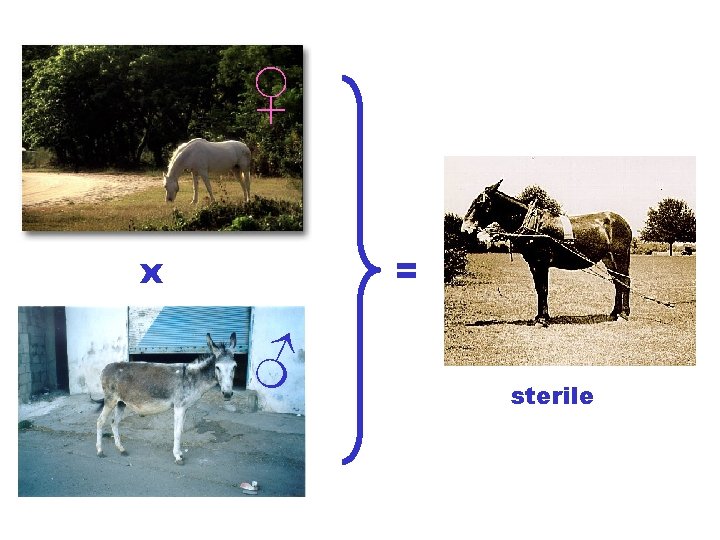
♀ x = ♂ sterile
Reproductive Barriers Habitat isolation Temporal isolation Individuals of different species HABITAT ISOLATION Behavioral isolation Mechanical isolation Mating attempt TEMPORAL ISOLATION BEHAVIORAL ISOLATION MECHANICAL ISOLATION
Reproductive Barriers Gametic isolation Reduce hybrid viability Fertilization GAMETIC ISOLATION REDUCED HYBRID VIABILITY Reduce hybrid fertility Hybrid breakdown Viable fertile offspring REDUCED HYBRID FERTILITY HYBRID BREAKDOWN
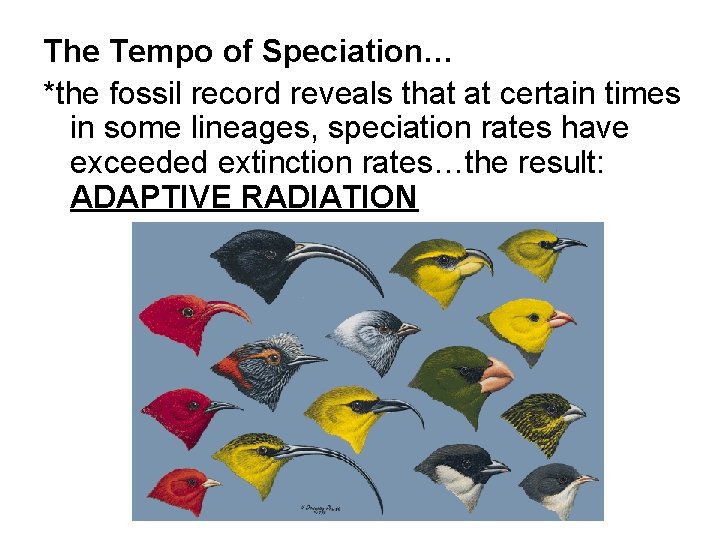
The Tempo of Speciation… *the fossil record reveals that at certain times in some lineages, speciation rates have exceeded extinction rates…the result: ADAPTIVE RADIATION
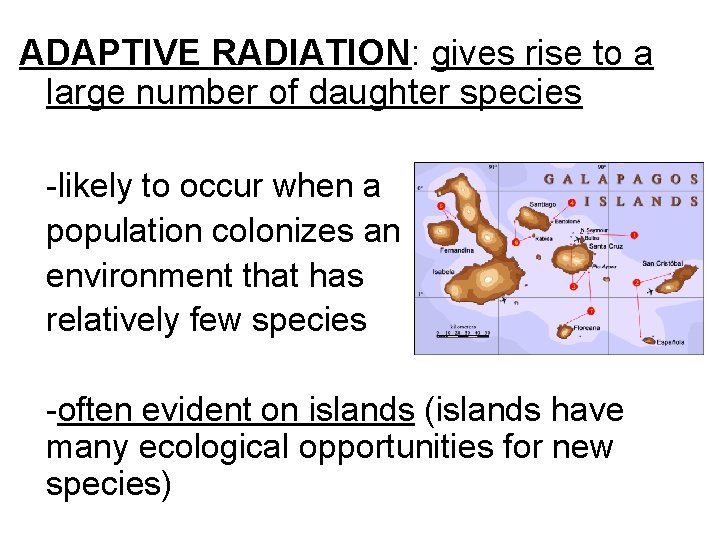
ADAPTIVE RADIATION: gives rise to a large number of daughter species -likely to occur when a population colonizes an environment that has relatively few species -often evident on islands (islands have many ecological opportunities for new species)
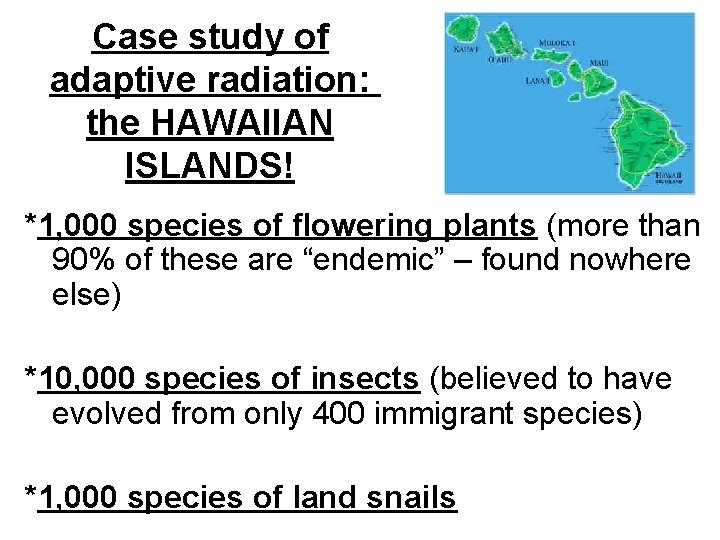
Case study of adaptive radiation: the HAWAIIAN ISLANDS! *1, 000 species of flowering plants (more than 90% of these are “endemic” – found nowhere else) *10, 000 species of insects (believed to have evolved from only 400 immigrant species) *1, 000 species of land snails
Case study of adaptive radiation: the HAWAIIAN ISLANDS! *more than 100 bird species (believed to have evolved from only 7 immigrant species) *no amphibians or reptiles (until humans introduced them) *only one mammal species: a bat (until humans introduced more)
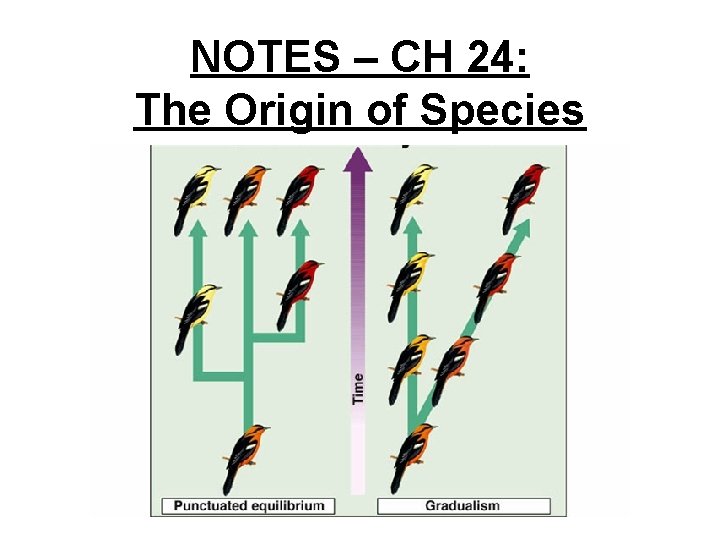
Tempo of Evolution: Gradualism vs. Punctuated Equilibrium • Gradualism Model: species descended from a common ancestor gradually diverge more and more in morphology as they acquire unique adaptions • Punctuated Equilibrium Model: a new species changes most as it buds from a parent species, and then changes little for the rest of its existence
Tempo of Evolution time Gradualism Punctuated Equilibrium
Evolutionary Novelties Evolutionary novelties usually arise as modifications of existing traits
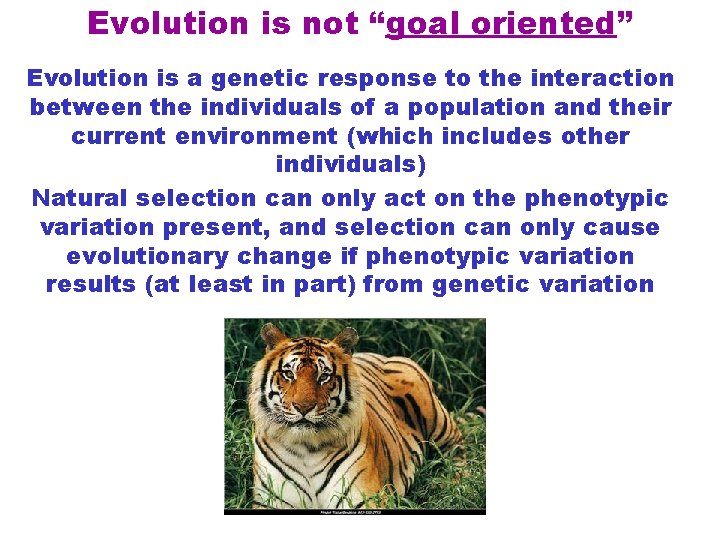
Evolution is not “goal oriented” Evolution is a genetic response to the interaction between the individuals of a population and their current environment (which includes other individuals) Natural selection can only act on the phenotypic variation present, and selection can only cause evolutionary change if phenotypic variation results (at least in part) from genetic variation
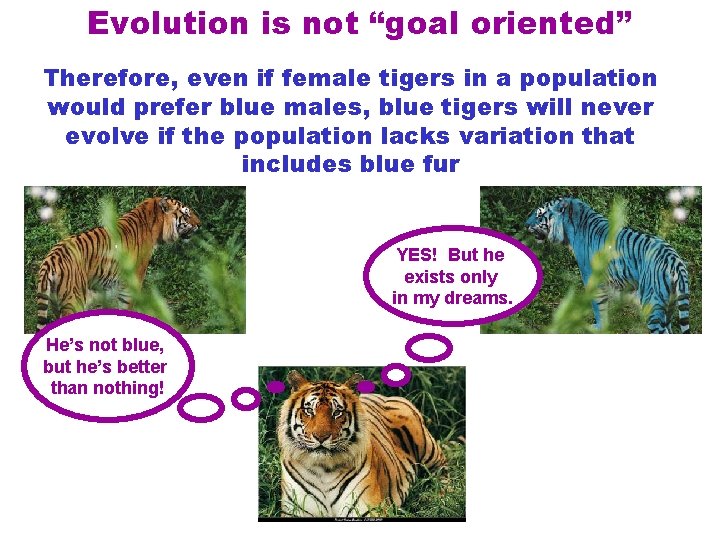
Evolution is not “goal oriented” Therefore, even if female tigers in a population would prefer blue males, blue tigers will never evolve if the population lacks variation that includes blue fur YES! But he exists only in my dreams. He’s not blue, but he’s better than nothing!