
Notebook Page 33 34 THE CELL Membrane Cell
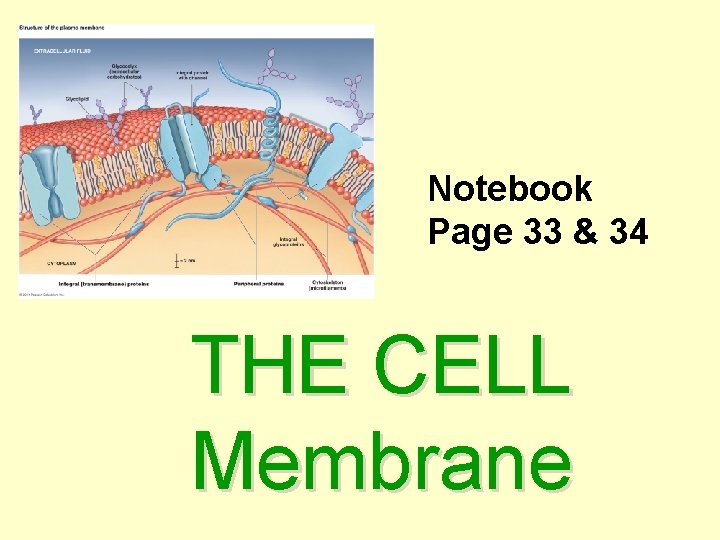
Notebook Page 33 & 34 THE CELL Membrane
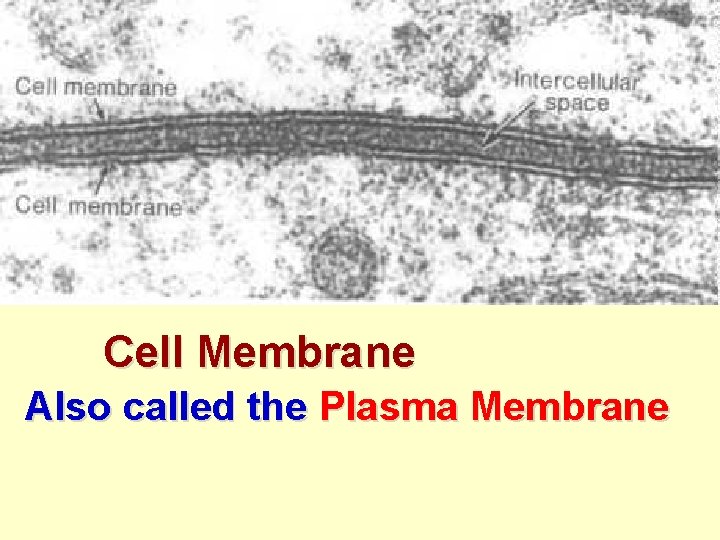
Cell Membrane Also called the Plasma Membrane

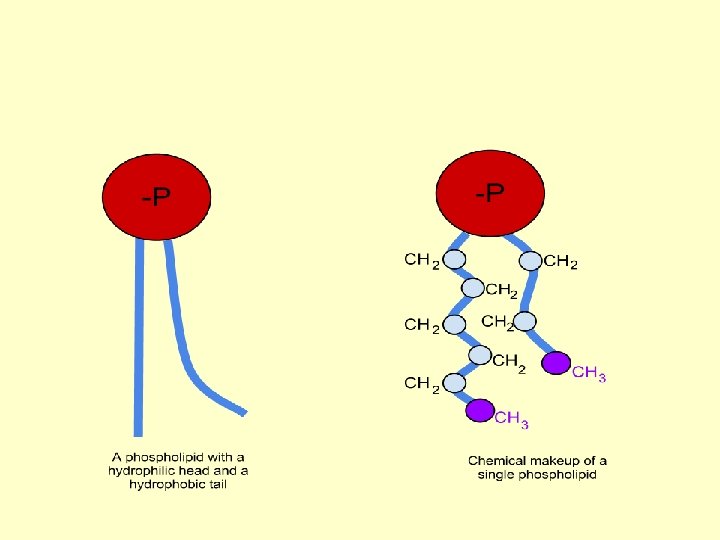
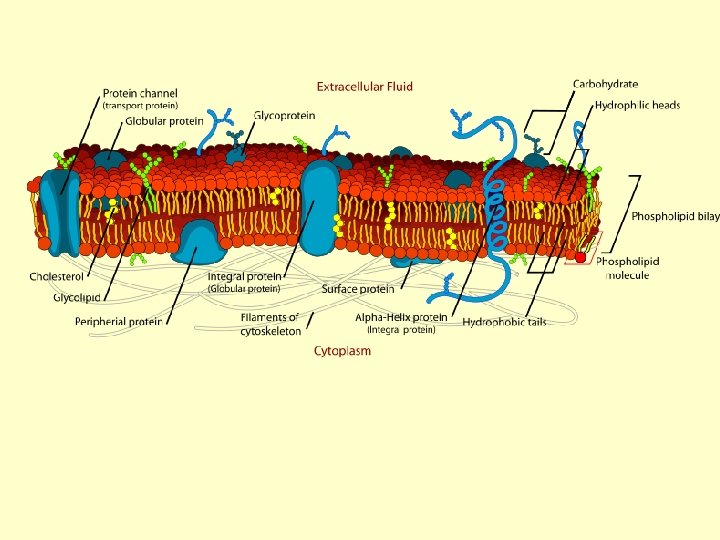
Fluid Mosaic Model 1. Made of phospholipid bilayer a. hydrophobic tails (repels water) point inward Chains of fatty acids b. hydrophilic heads point outward (attracts water) Made of an alcohol and glycerol
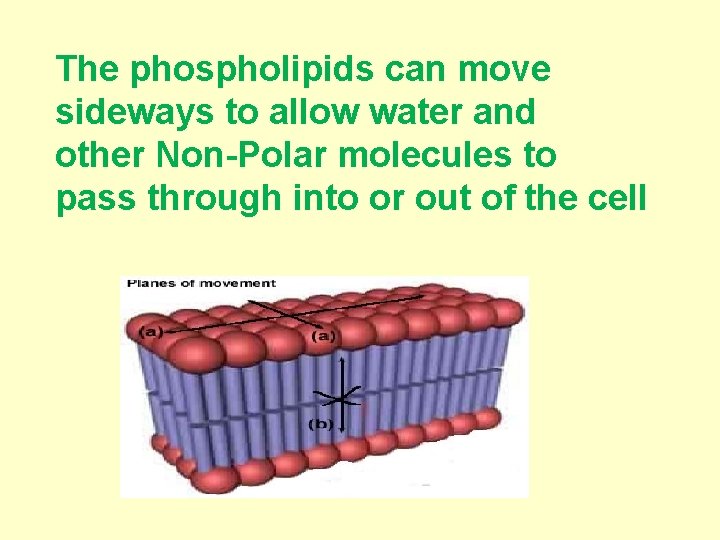
The phospholipids can move sideways to allow water and other Non-Polar molecules to pass through into or out of the cell
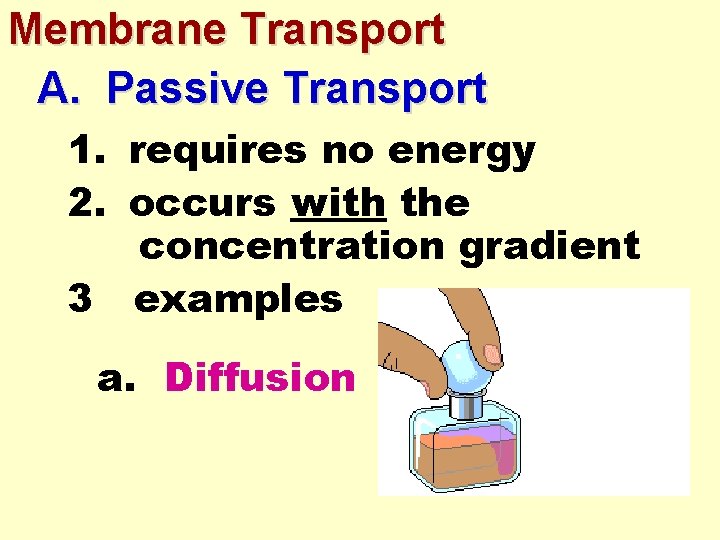
Membrane Transport A. Passive Transport 1. requires no energy 2. occurs with the concentration gradient 3 examples a. Diffusion
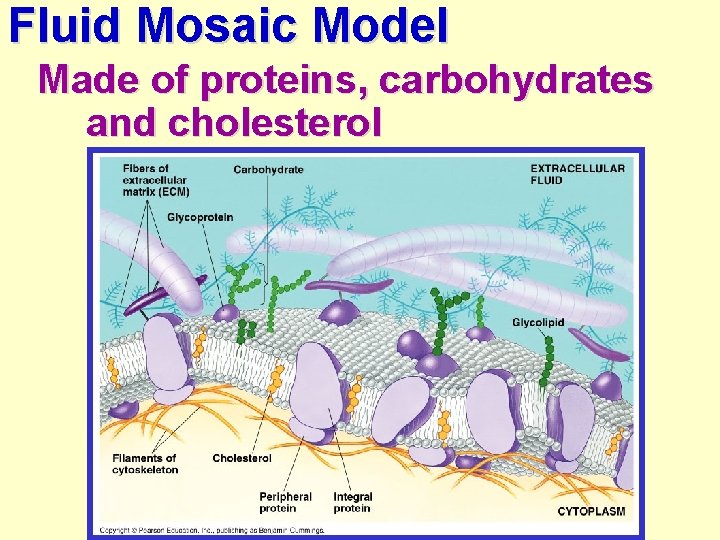
Fluid Mosaic Model Made of proteins, carbohydrates and cholesterol
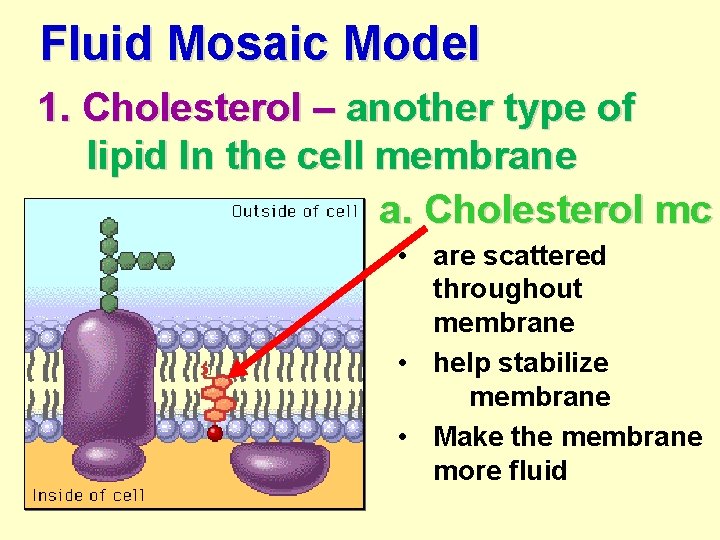
Fluid Mosaic Model 1. Cholesterol – another type of lipid In the cell membrane a. Cholesterol mc • are scattered throughout membrane • help stabilize membrane • Make the membrane more fluid
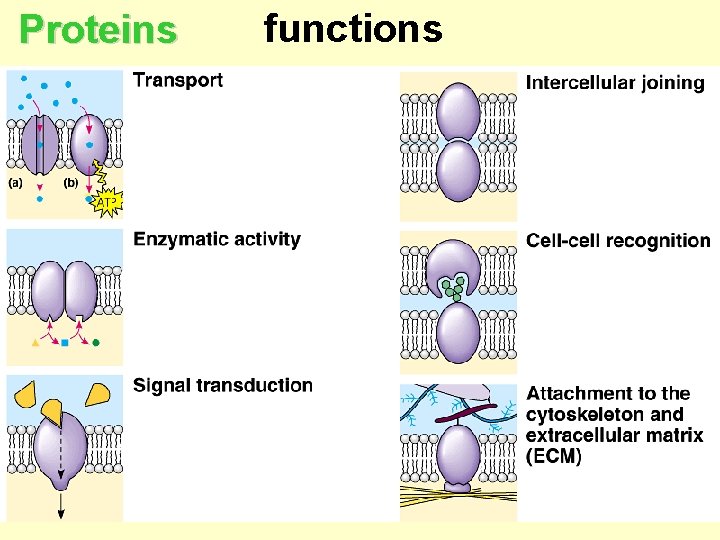
Proteins functions
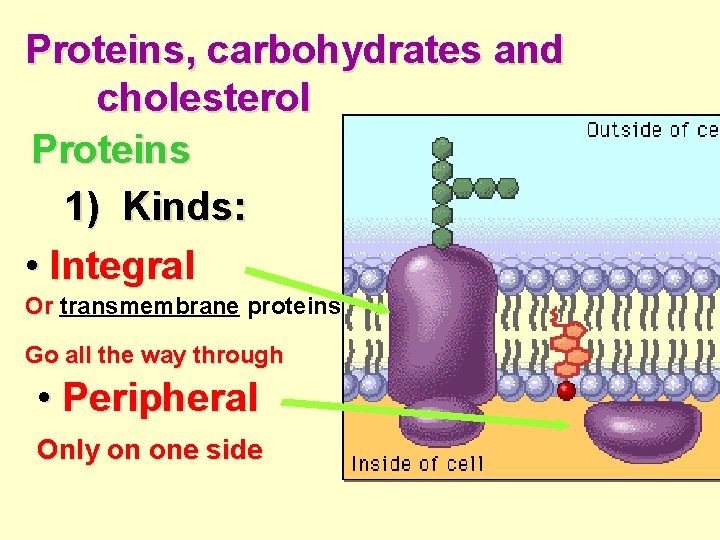
Proteins, carbohydrates and cholesterol Proteins 1) Kinds: • Integral Or transmembrane proteins Go all the way through • Peripheral Only on one side
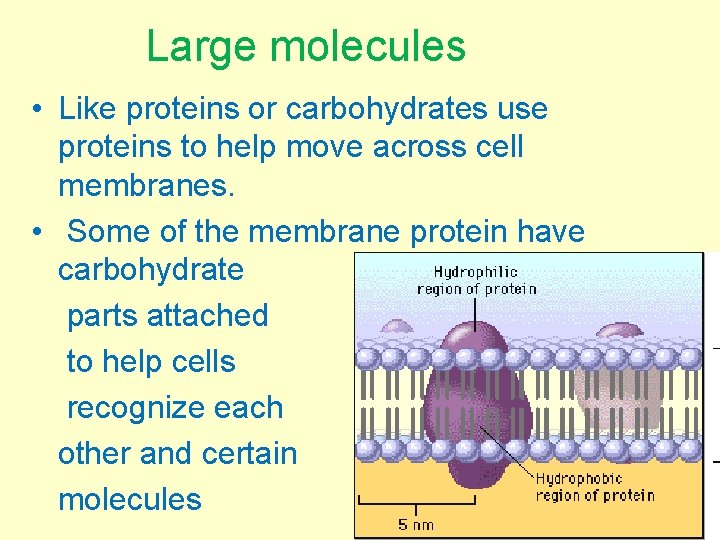
Large molecules • Like proteins or carbohydrates use proteins to help move across cell membranes. • Some of the membrane protein have carbohydrate parts attached to help cells recognize each other and certain molecules
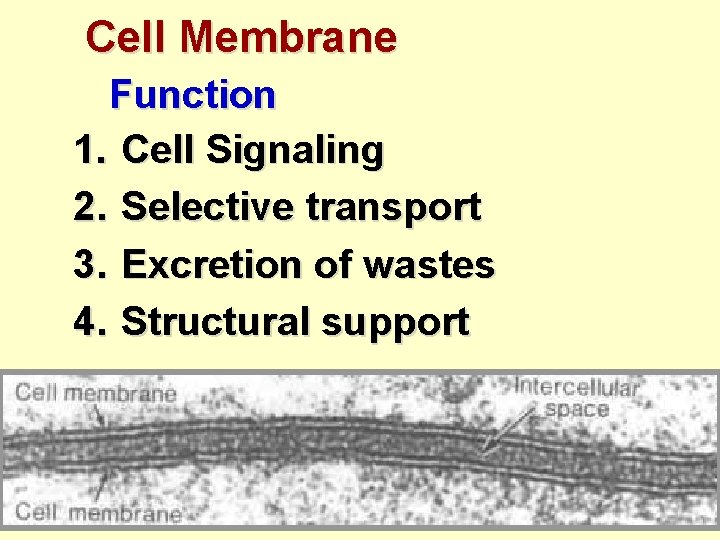
Cell Membrane Function 1. Cell Signaling 2. Selective transport 3. Excretion of wastes 4. Structural support
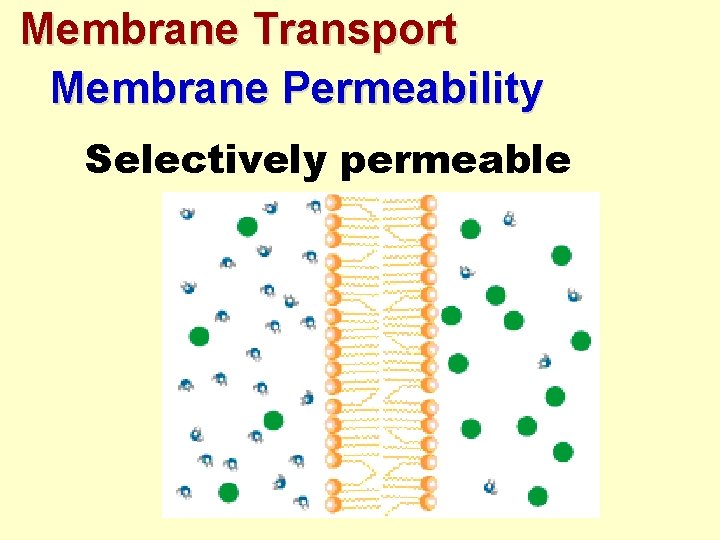
Membrane Transport Membrane Permeability Selectively permeable
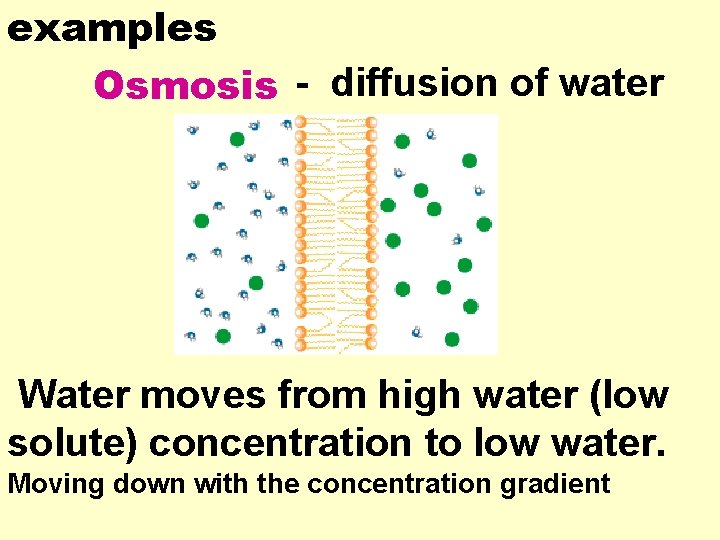
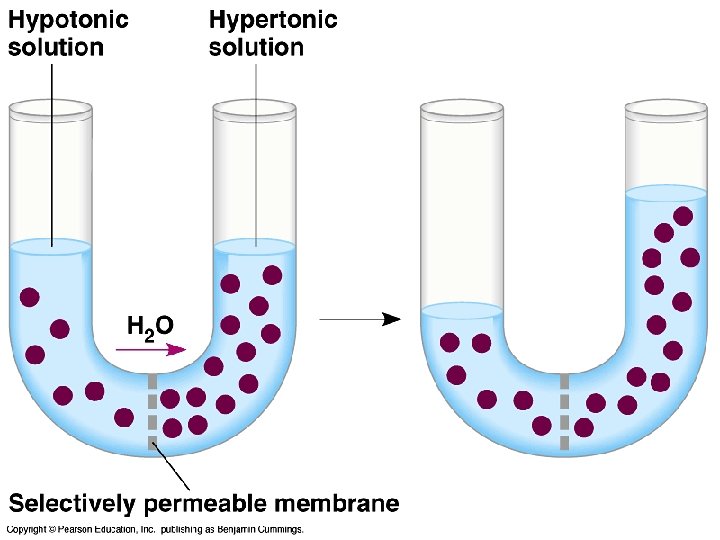
examples Osmosis - diffusion of water Water moves from high water (low solute) concentration to low water. Moving down with the concentration gradient
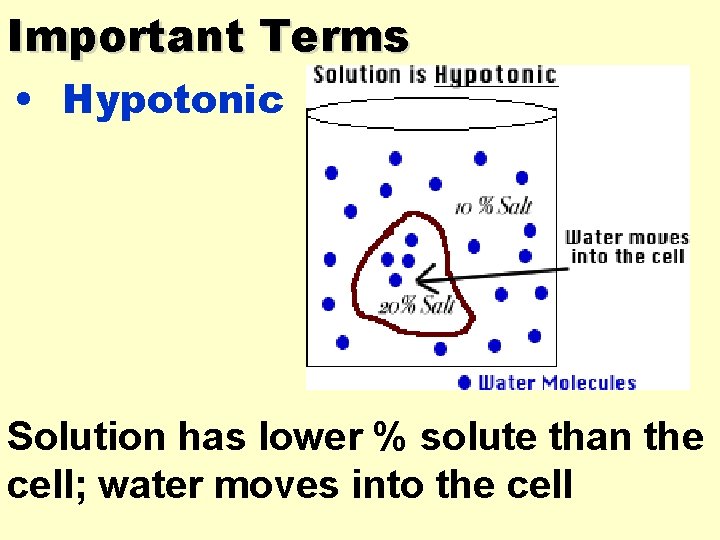
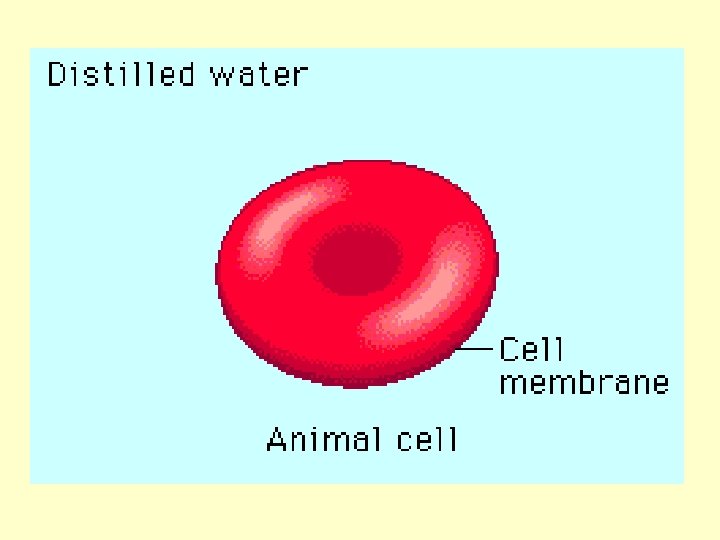
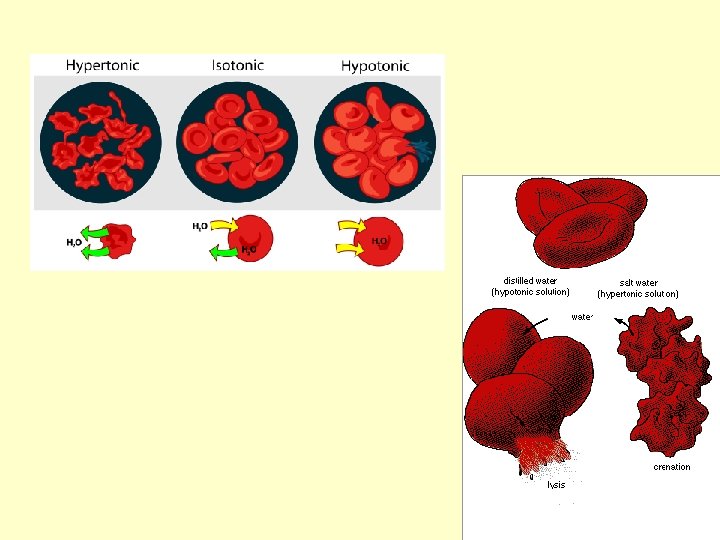
Important Terms • Hypotonic Solution has lower % solute than the cell; water moves into the cell
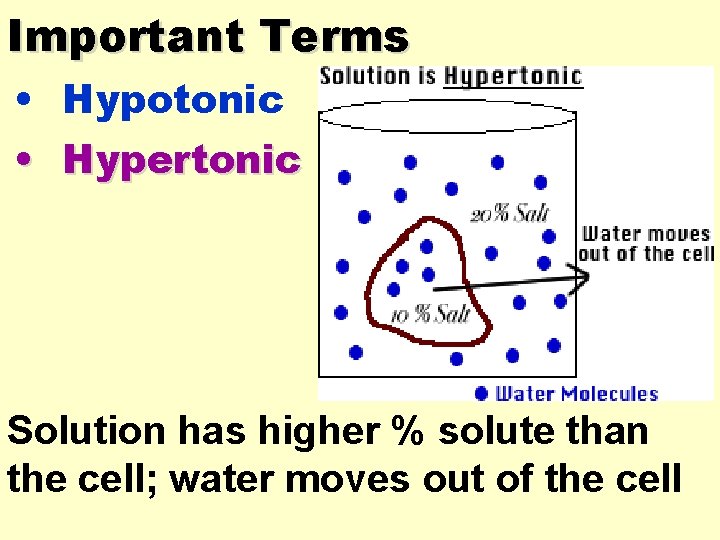
Important Terms • Hypotonic • Hypertonic Solution has higher % solute than the cell; water moves out of the cell
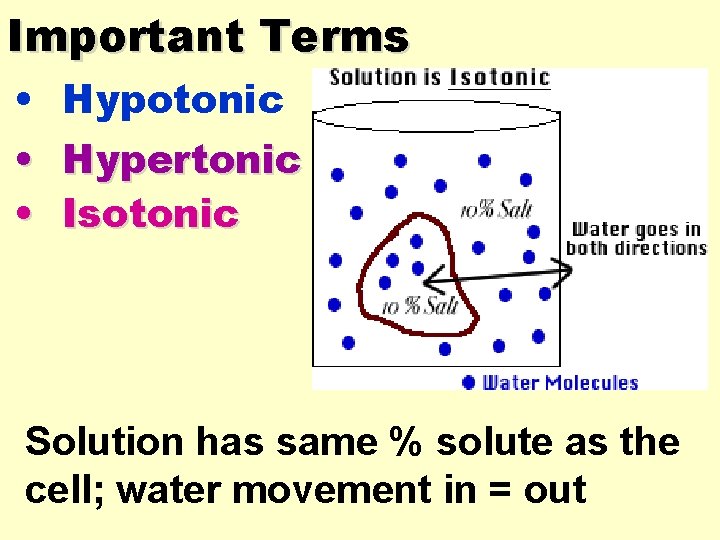
Important Terms • • • Hypotonic Hypertonic Isotonic Solution has same % solute as the cell; water movement in = out
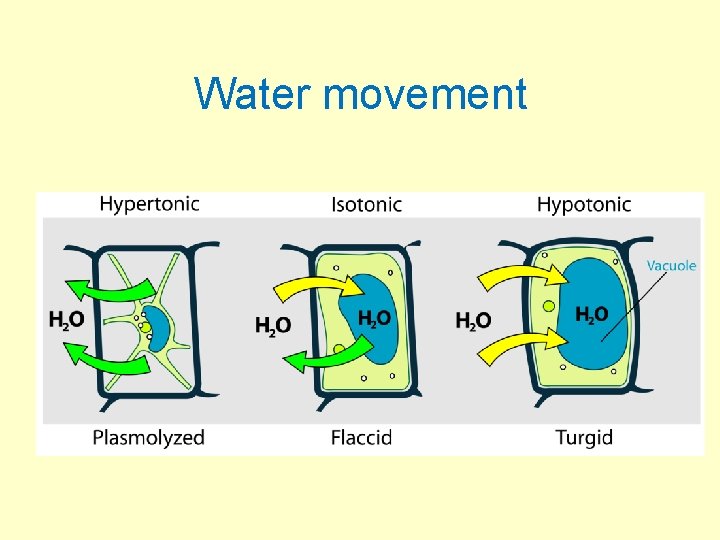
Water movement
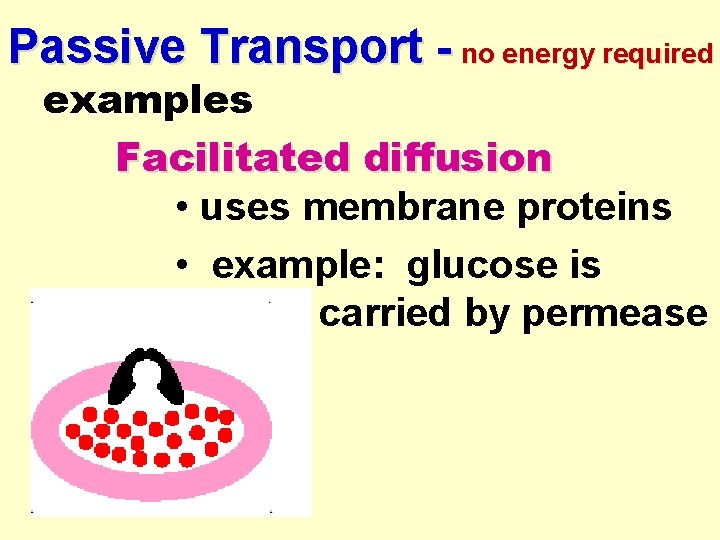
Passive Transport - no energy required examples Facilitated diffusion • uses membrane proteins • example: glucose is carried by permease
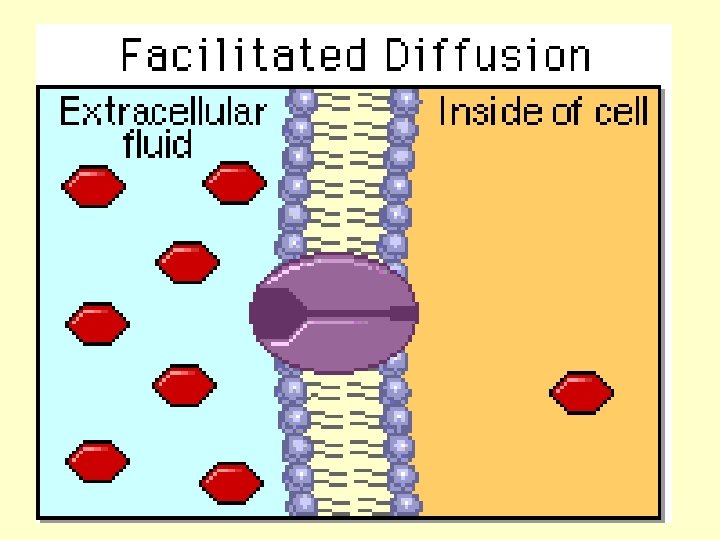
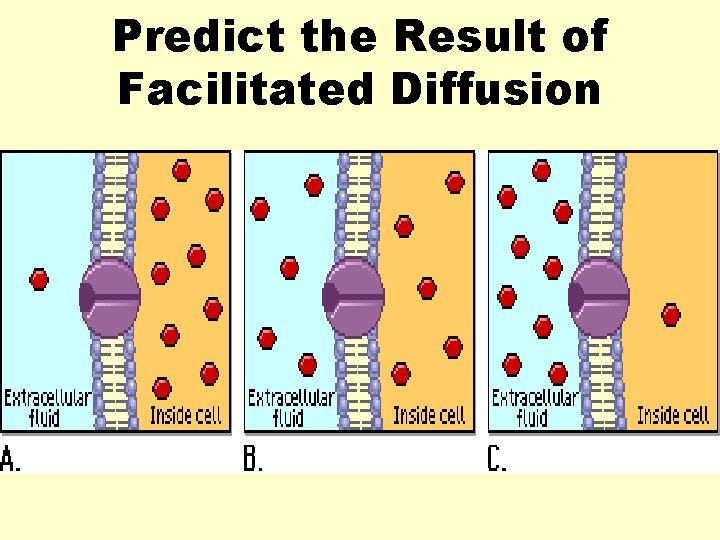
Predict the Result of Facilitated Diffusion
Passive Transport examples Filtration • Occurs when pressure is exerted on the fluids and solutes • Kidneys • Dialysis
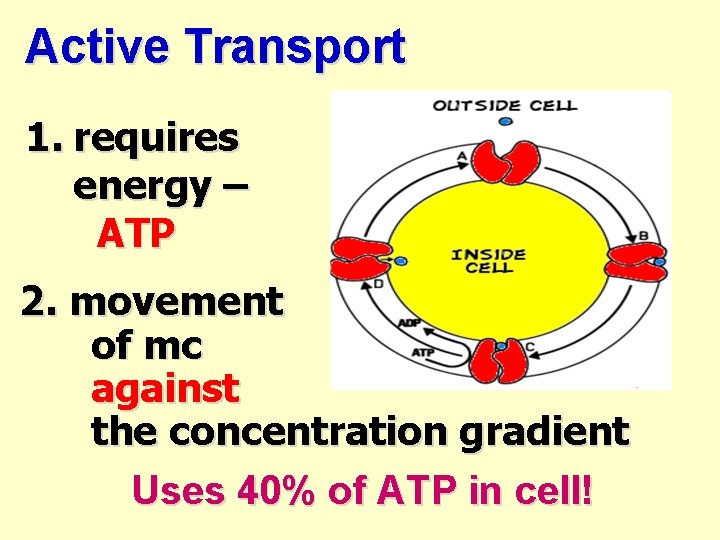
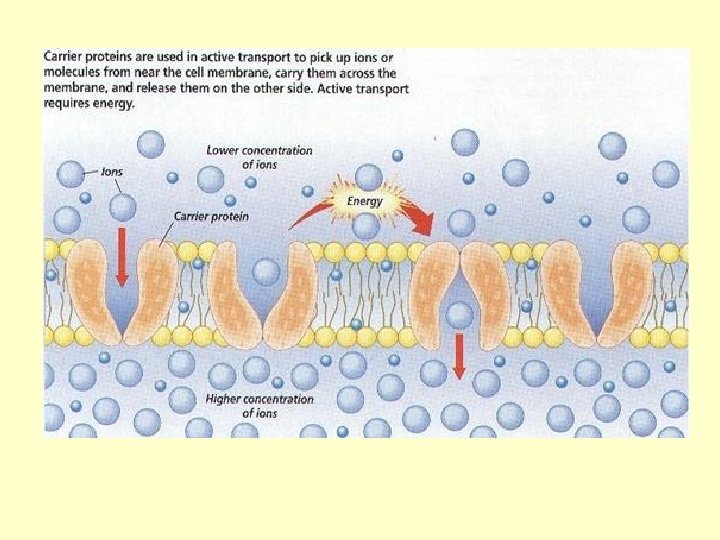
Active Transport 1. requires energy – ATP 2. movement of mc against the concentration gradient Uses 40% of ATP in cell!
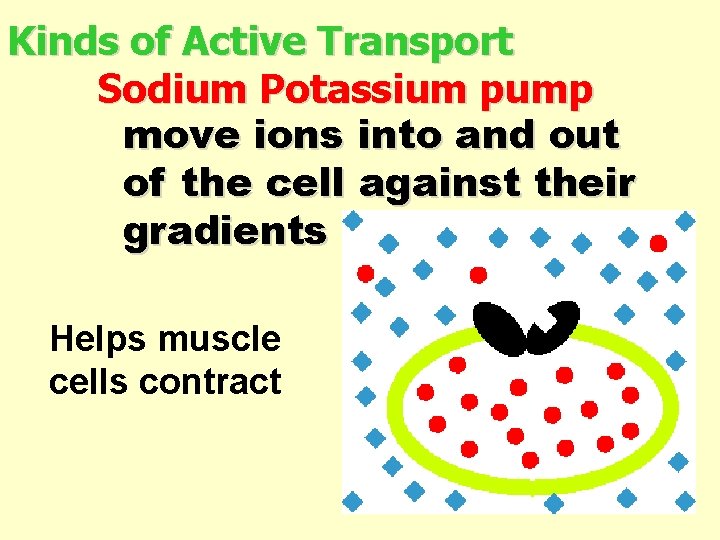
Kinds of Active Transport Sodium Potassium pump move ions into and out of the cell against their gradients Helps muscle cells contract
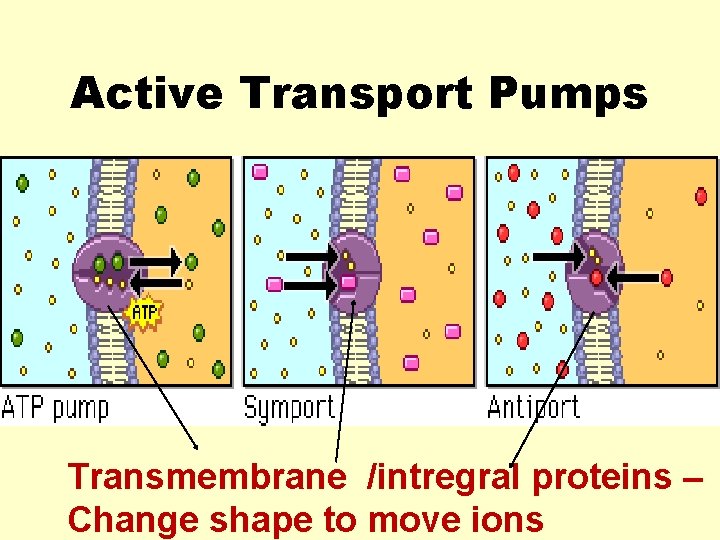
Active Transport Pumps Transmembrane /intregral proteins – Change shape to move ions
3. Kinds of Active Transport b. Vesicular transport 1) Endocytosis
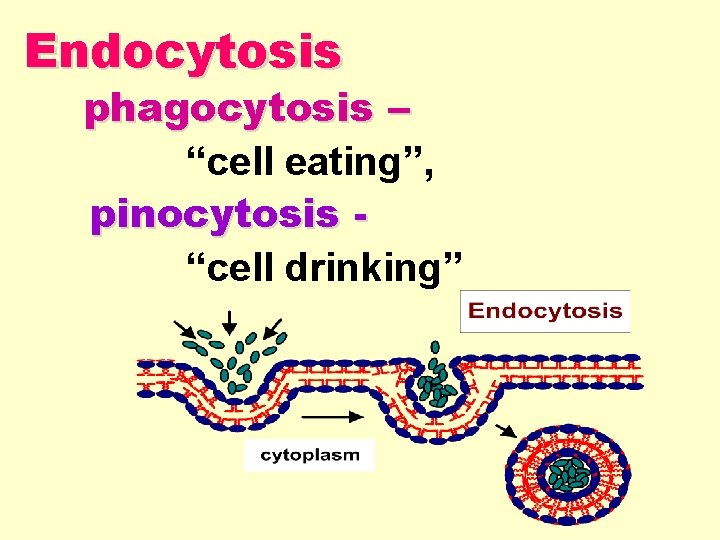
Endocytosis phagocytosis – “cell eating”, pinocytosis “cell drinking”
Kinds of Active Transport Vesicular transport exocytosis
- Slides: 34