
North Carolina Three Regions of North Carolina Coastal
- Slides: 14
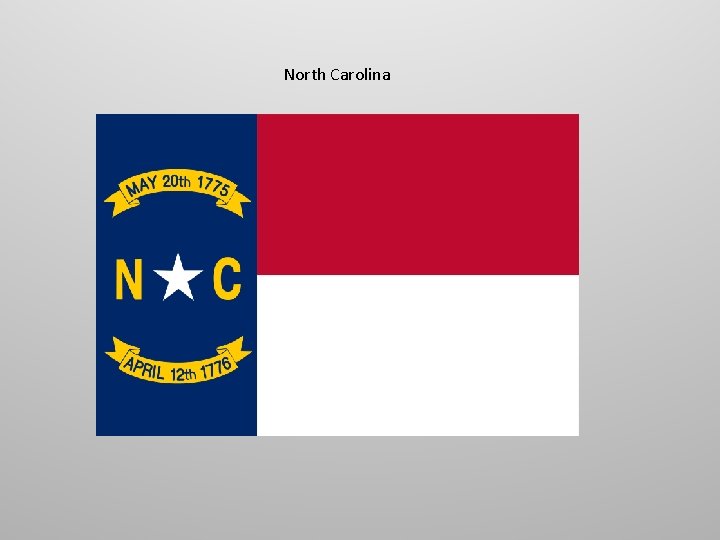
North Carolina
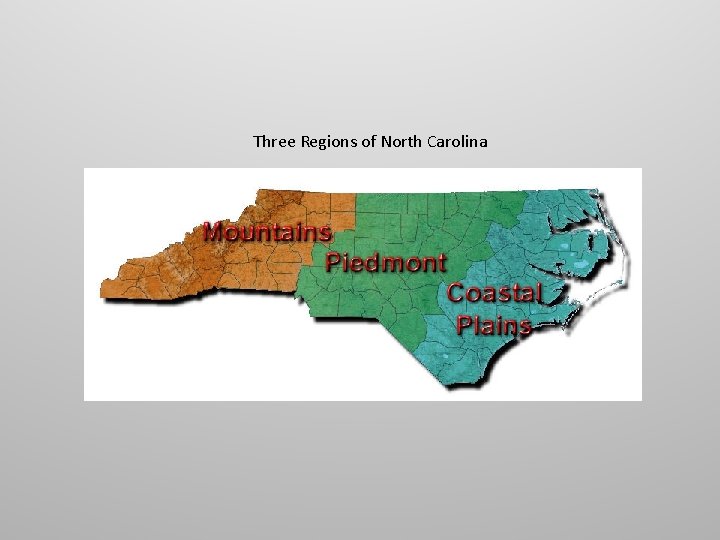
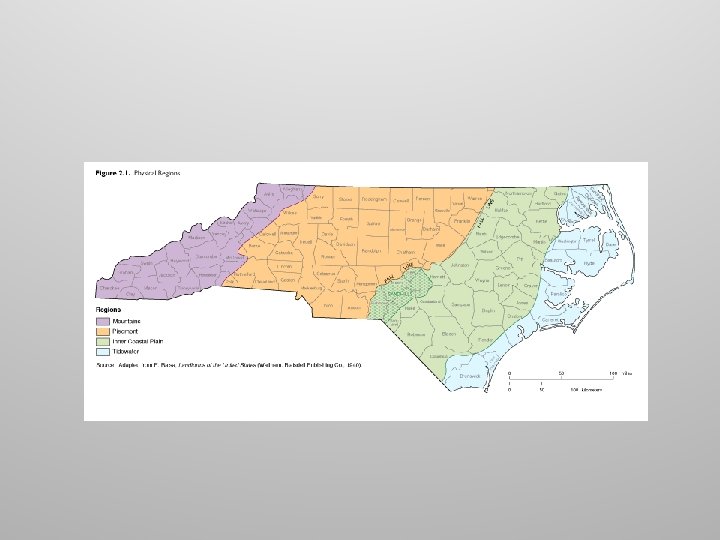
Three Regions of North Carolina
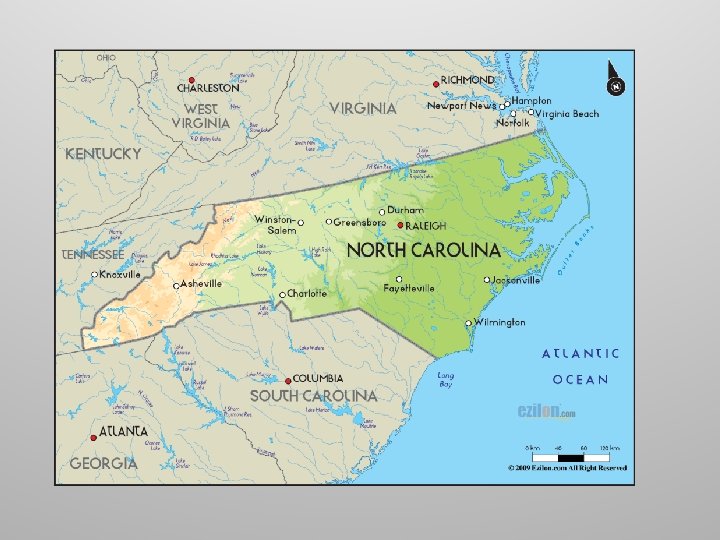
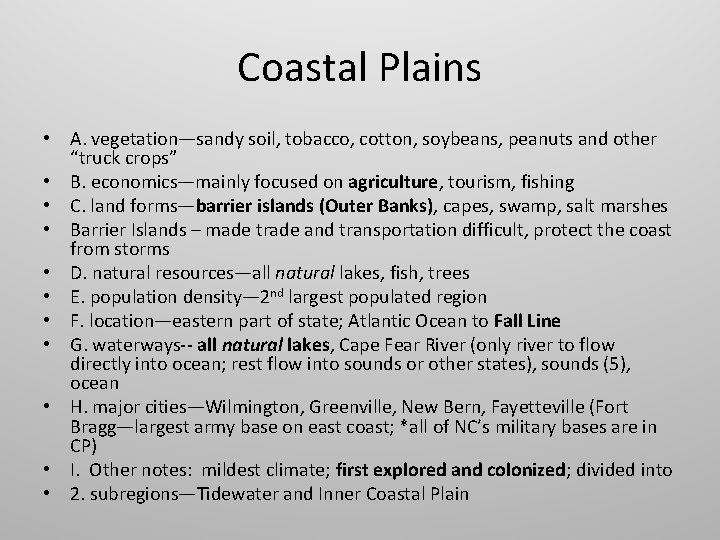
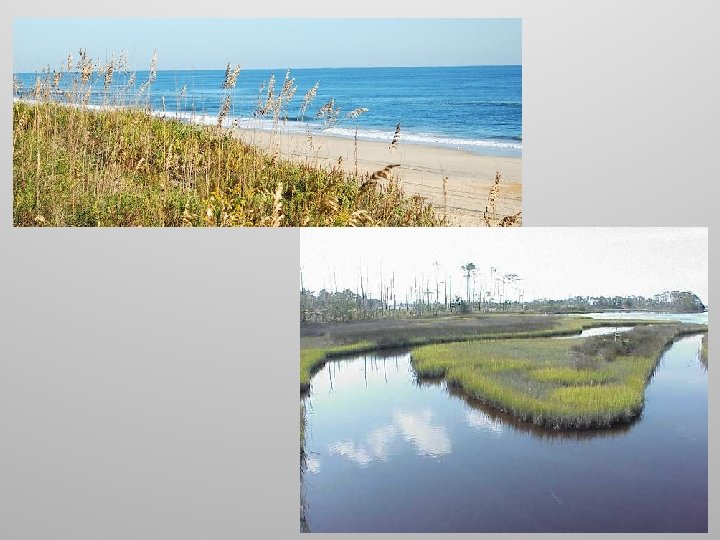
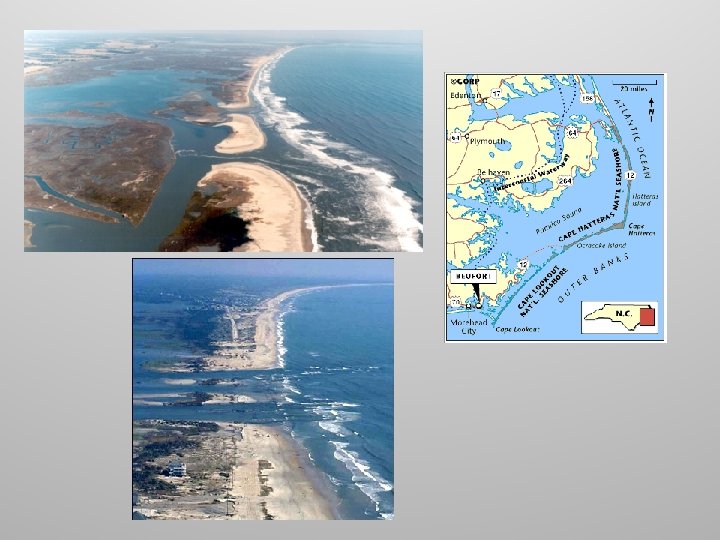
Coastal Plains • A. vegetation—sandy soil, tobacco, cotton, soybeans, peanuts and other “truck crops” • B. economics—mainly focused on agriculture, tourism, fishing • C. land forms—barrier islands (Outer Banks), capes, swamp, salt marshes • Barrier Islands – made trade and transportation difficult, protect the coast from storms • D. natural resources—all natural lakes, fish, trees • E. population density— 2 nd largest populated region • F. location—eastern part of state; Atlantic Ocean to Fall Line • G. waterways-- all natural lakes, Cape Fear River (only river to flow directly into ocean; rest flow into sounds or other states), sounds (5), ocean • H. major cities—Wilmington, Greenville, New Bern, Fayetteville (Fort Bragg—largest army base on east coast; *all of NC’s military bases are in CP) • I. Other notes: mildest climate; first explored and colonized; divided into • 2. subregions—Tidewater and Inner Coastal Plain
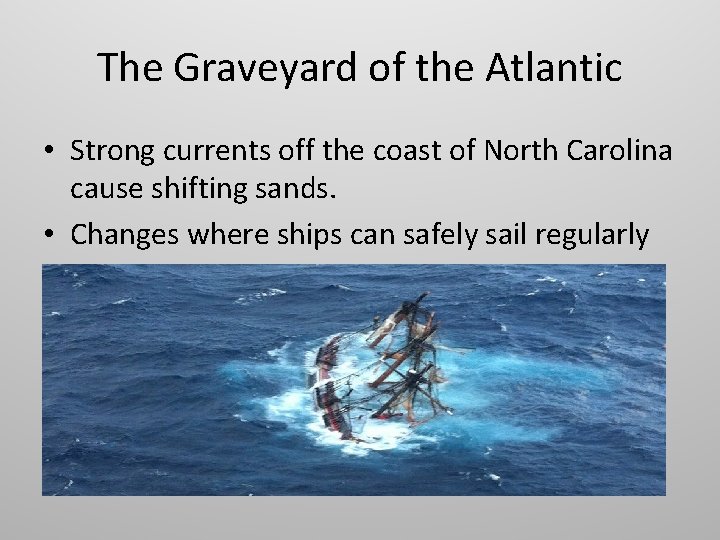
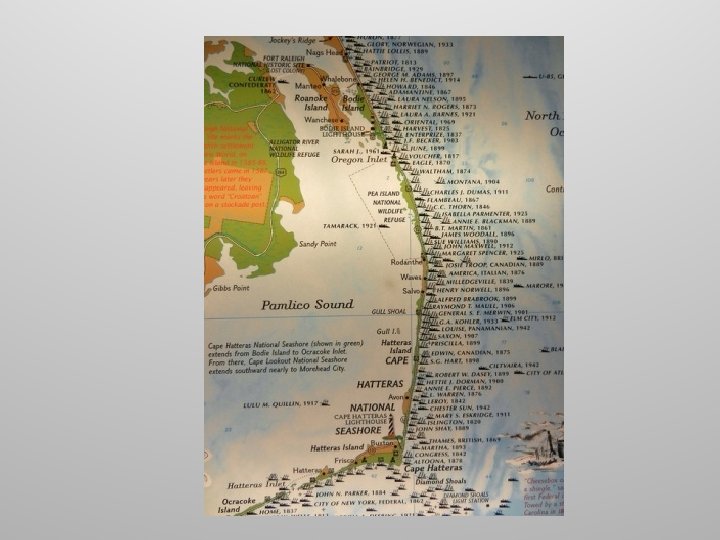
The Graveyard of the Atlantic • Strong currents off the coast of North Carolina cause shifting sands. • Changes where ships can safely sail regularly
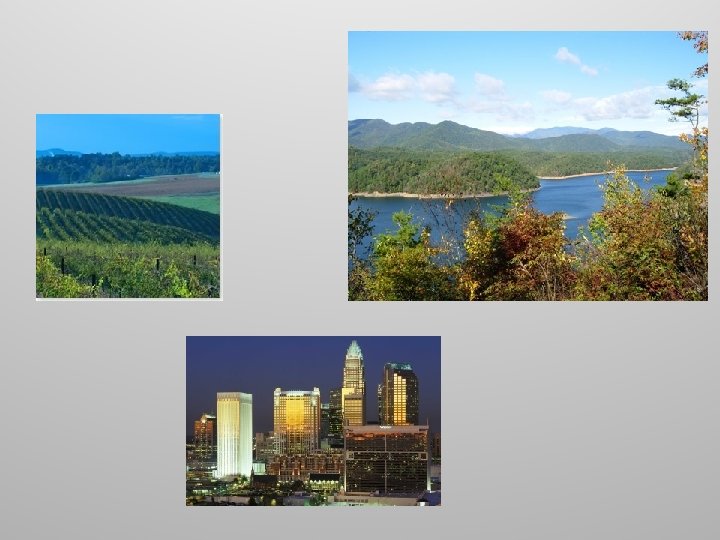
Piedmont • A. vegetation—red clay soil (bricks), tobacco, corn • B. economics—banking, Big 3—textiles, furniture, tobacco (RJR), Health Care and Medical Industry • C. land forms— Plateau, rolling hills, forests, man-made lakes (most for hydro-electric power) • D. natural resources—lumber, livestock, fresh water • E. population density—most urban and populated region • F. location—center of state; Fall Line to Mountains • G. waterways—lakes and rivers • H. major cities—Raleigh (capital), Charlotte (largest), Greensboro, Durham, Winston-Salem • I. Other notes: Great Wagon Road brought settlers to this region
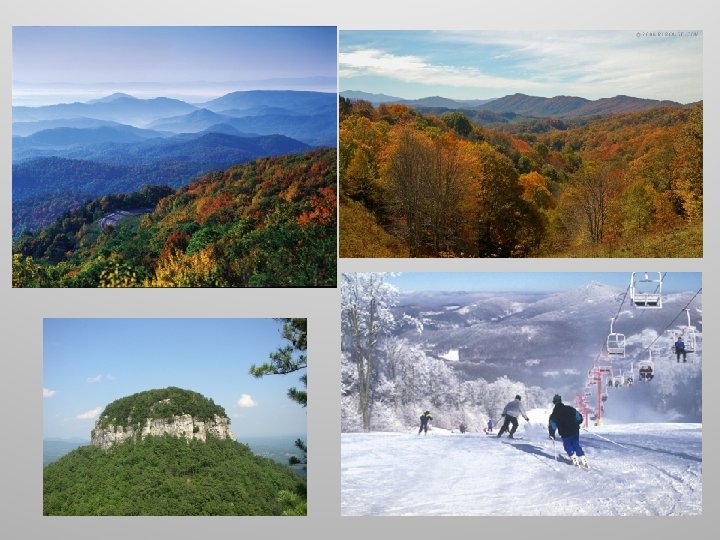
Mountains A. vegetation—rocky soil, burley tobacco, apples B. economics—Christmas trees, tourism, lumber C. land forms—mountains, forests D. natural resources—minerals, stone (granite, quartz) E. population density—least populated area F. location—westernmost part of the state (between Piedmont & Tennessee) • G. waterways—rivers, streams, waterfalls, some lakes (man -made) • H. major cities—Asheville, Boone • I. Other notes—most snow (skiing); Cherokee Indian Reservation • • •
Primary Source/Secondary Source • Primary source – source who was there at the event – diaries, journals, letters, paintings/photos/videos • Secondary source – source who was not at the event - textbooks