
Normal Lung Chronic granulomatous disease Caused by mycobacterium

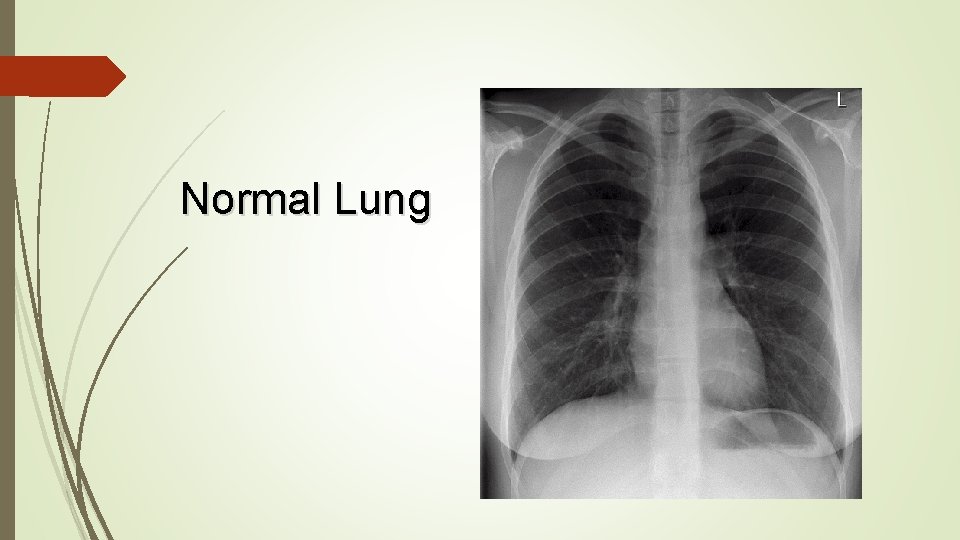
Normal Lung
• Chronic granulomatous disease. • Caused by mycobacterium tuberculosis. • Formation of tubercular granulomas with caseous necrosis in the center. • Involves lungs and may affect any organ in the body.

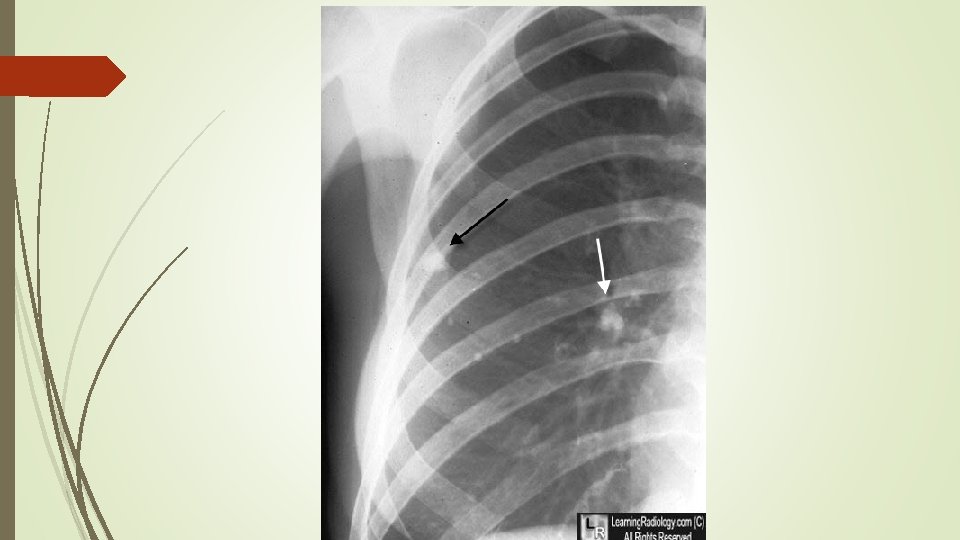
Ranke complex
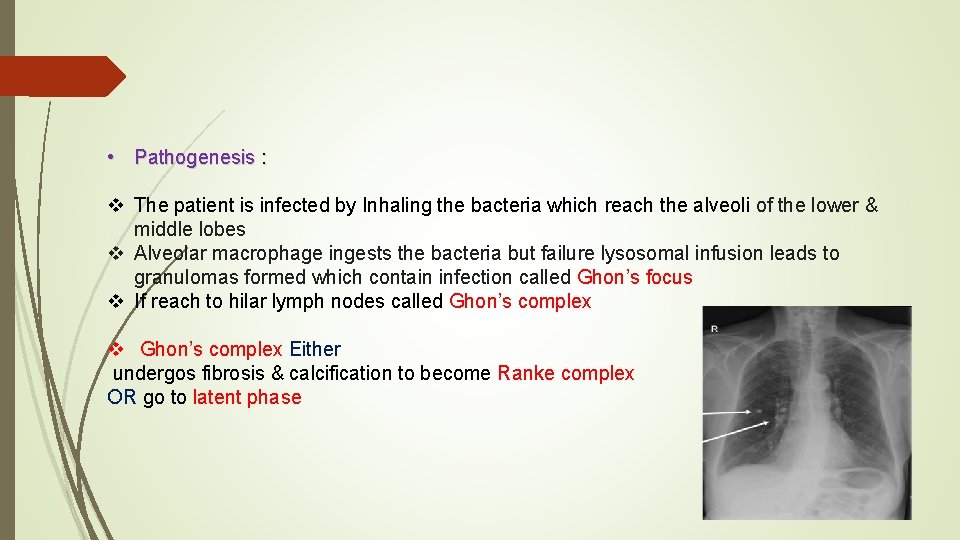
• Pathogenesis : v The patient is infected by Inhaling the bacteria which reach the alveoli of the lower & middle lobes v Alveolar macrophage ingests the bacteria but failure lysosomal infusion leads to granulomas formed which contain infection called Ghon’s focus v If reach to hilar lymph nodes called Ghon’s complex v Ghon’s complex Either undergos fibrosis & calcification to become Ranke complex OR go to latent phase
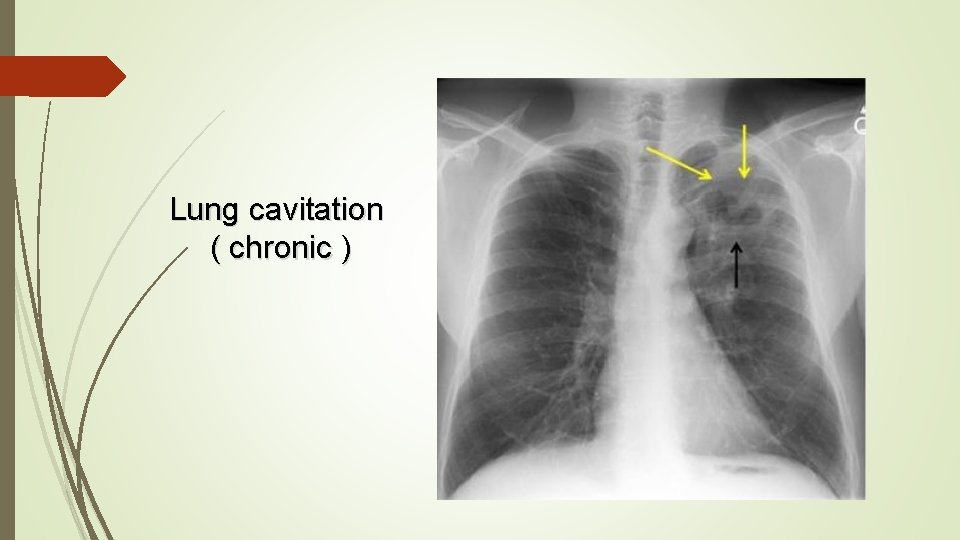
Lung cavitation ( chronic )
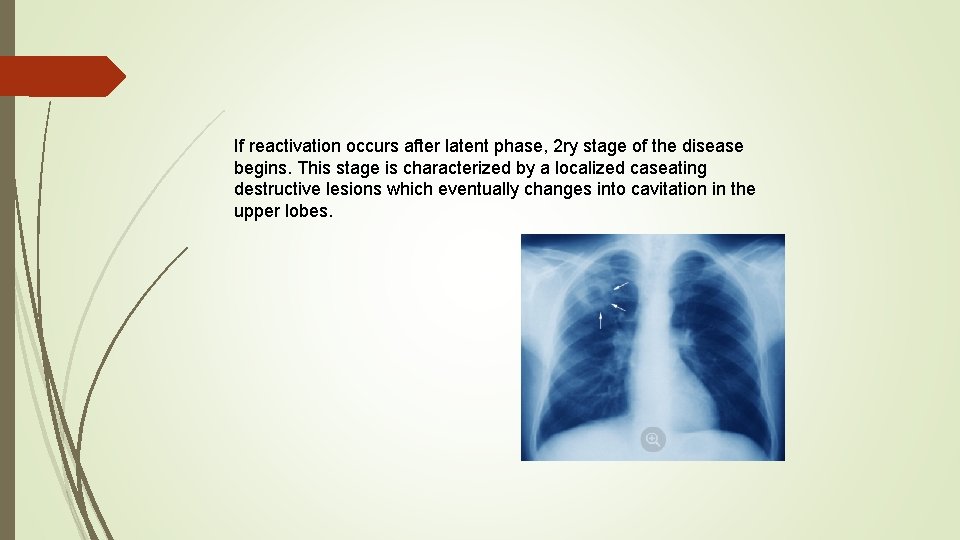
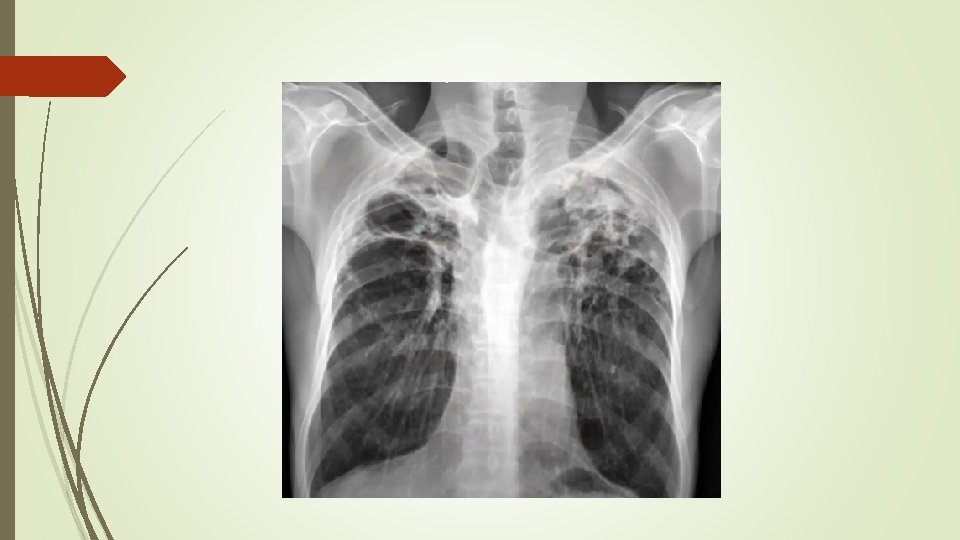
If reactivation occurs after latent phase, 2 ry stage of the disease begins. This stage is characterized by a localized caseating destructive lesions which eventually changes into cavitation in the upper lobes.
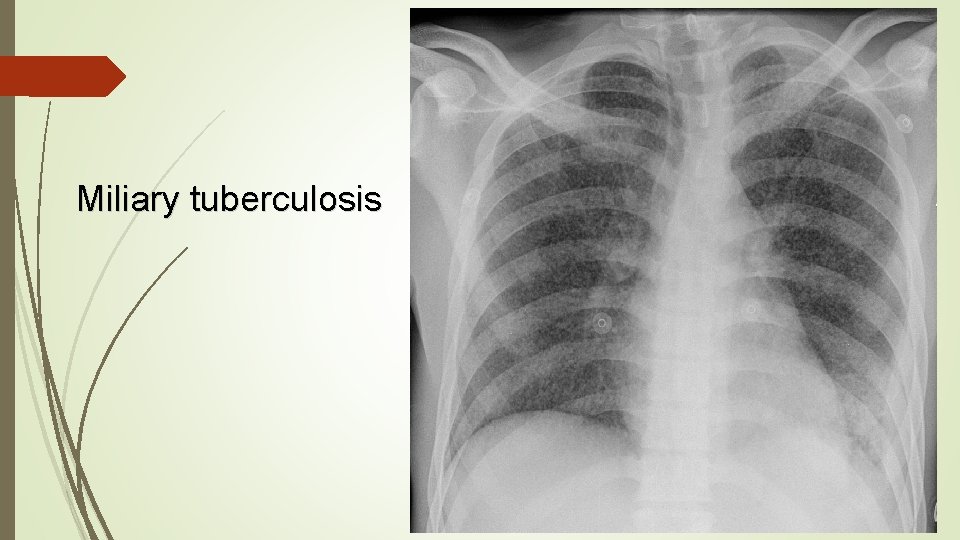
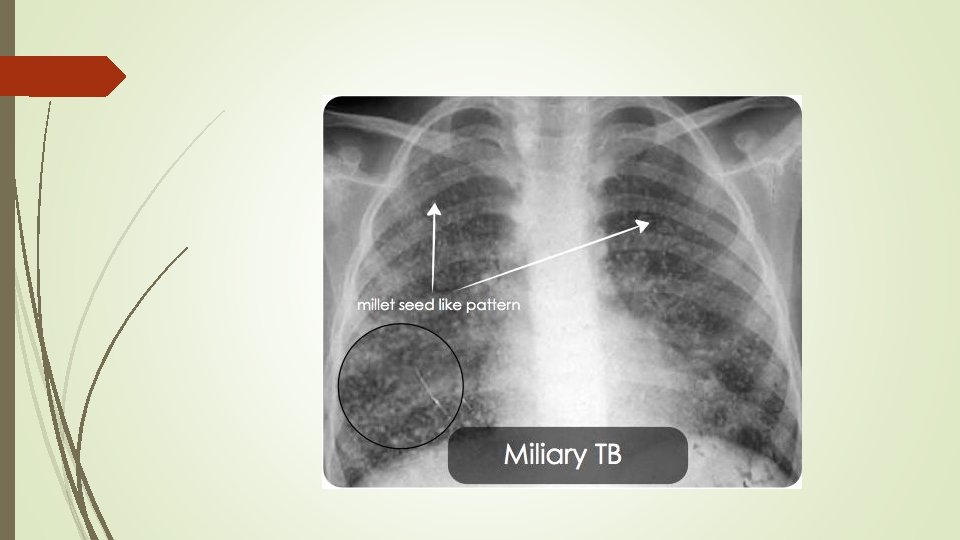
Miliary tuberculosis
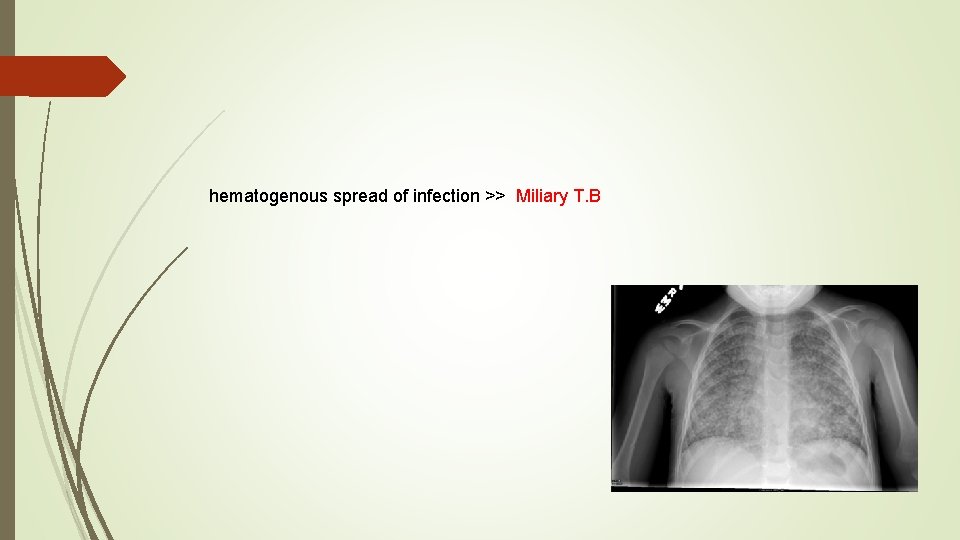
hematogenous spread of infection >> Miliary T. B
Radiological findings Usually CXR is most commonly performed Defined abnormalities may suggest TB but never confirm (findings aren’t specific) Even though, CXR can be a useful tool to exclude/rule out TB
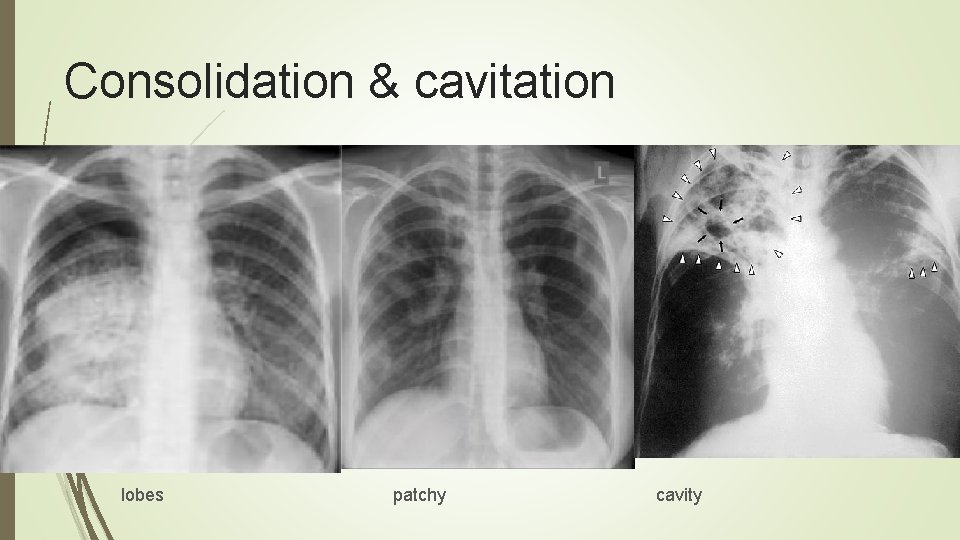
Consolidation & cavitation lobes patchy cavity
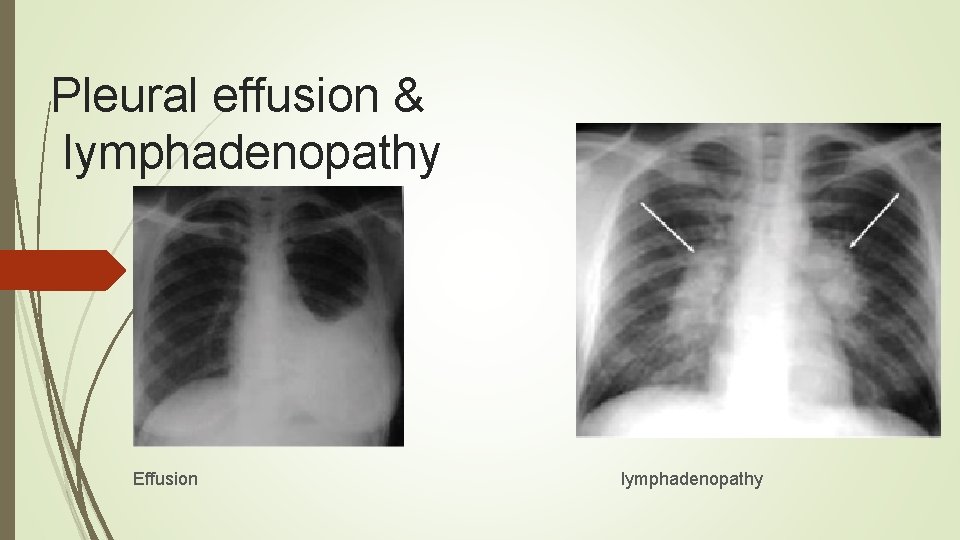
Pleural effusion & lymphadenopathy Effusion lymphadenopathy
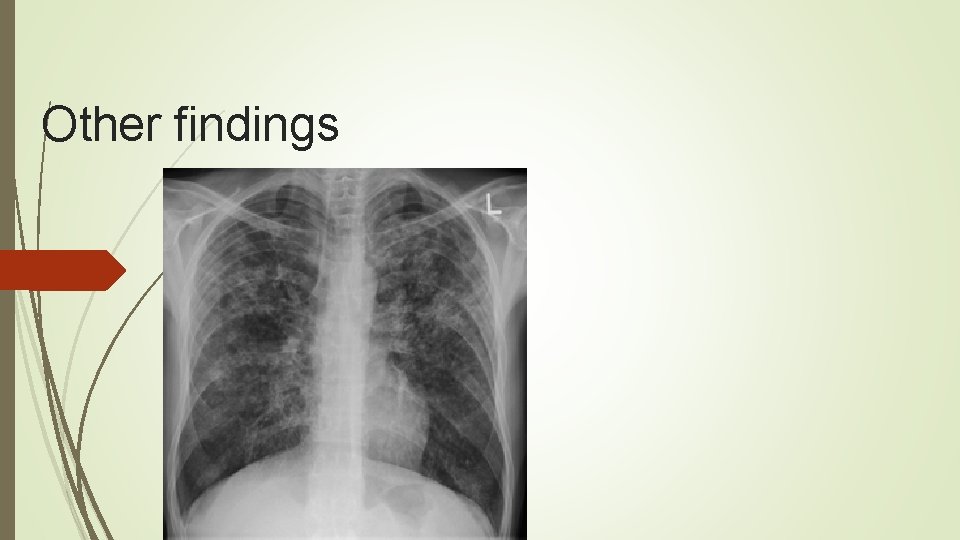
Other findings
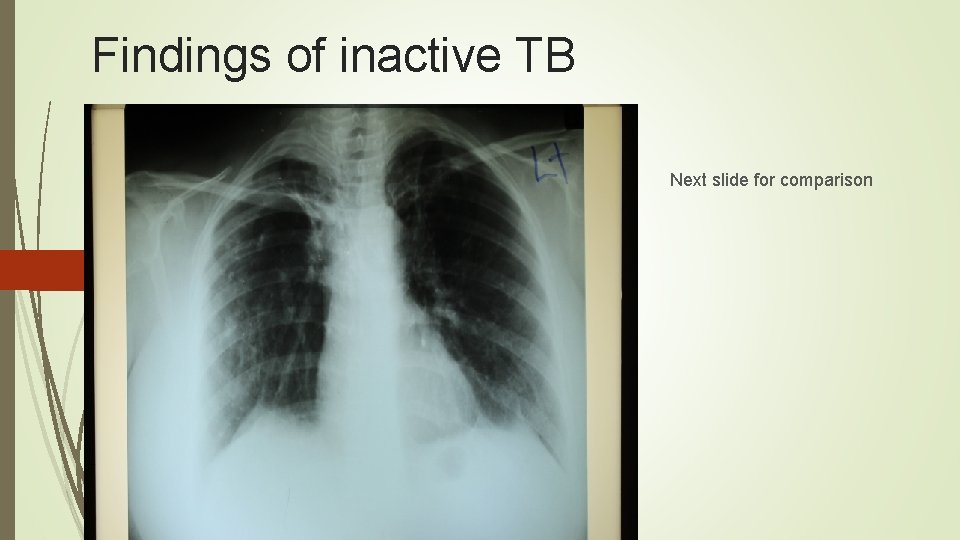
Findings of inactive TB Next slide for comparison
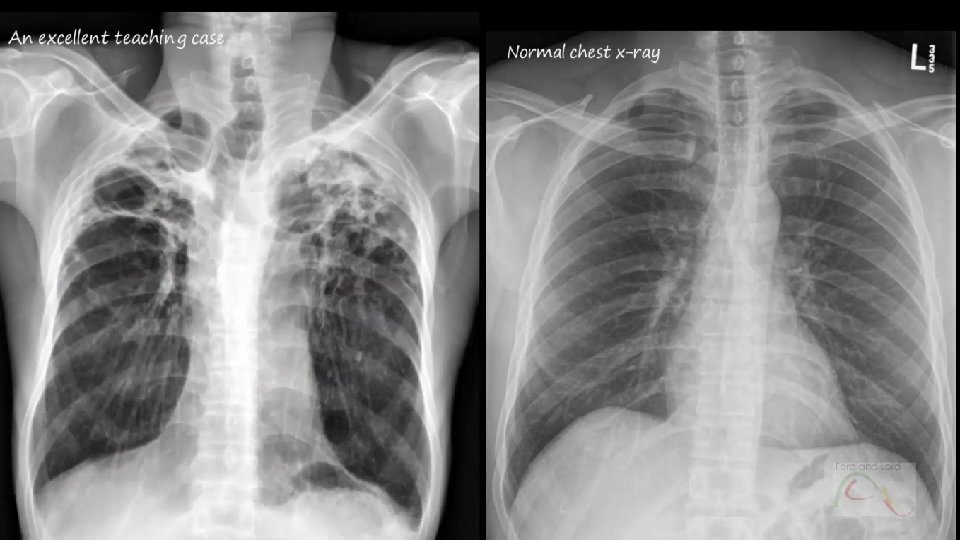

One last thing
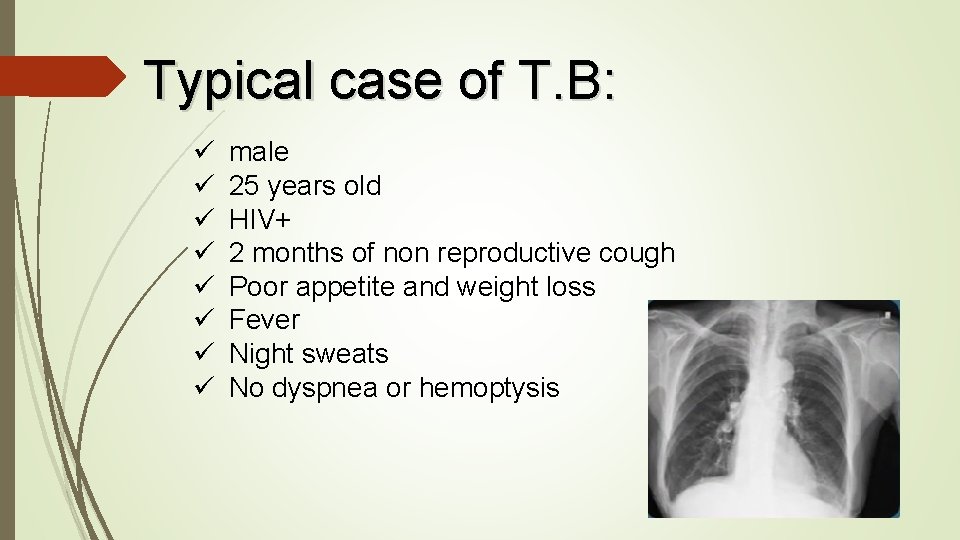
Typical case of T. B: ü ü ü ü male 25 years old HIV+ 2 months of non reproductive cough Poor appetite and weight loss Fever Night sweats No dyspnea or hemoptysis
- Slides: 20