
NORMAL LABOUR ESSAM IBRAHIM 2020 Midwives traditionally women
NORMAL LABOUR ESSAM IBRAHIM 2020
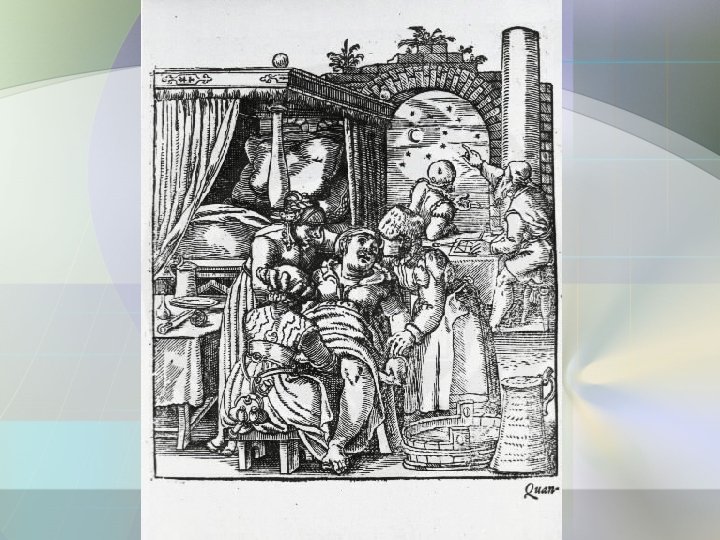
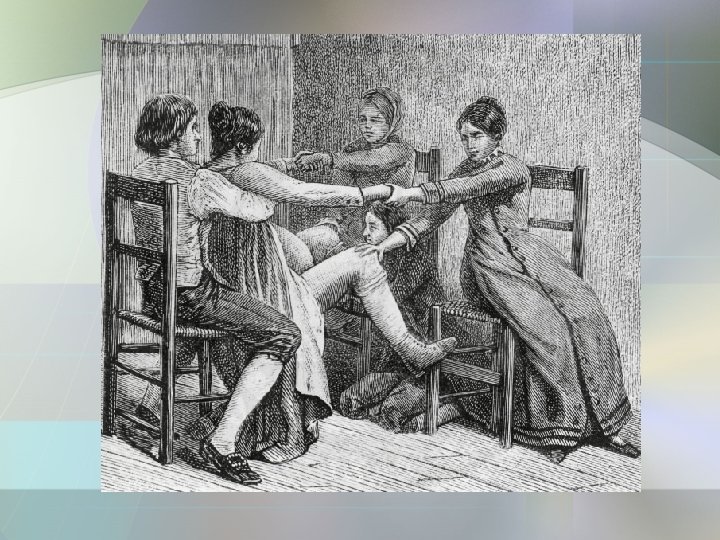
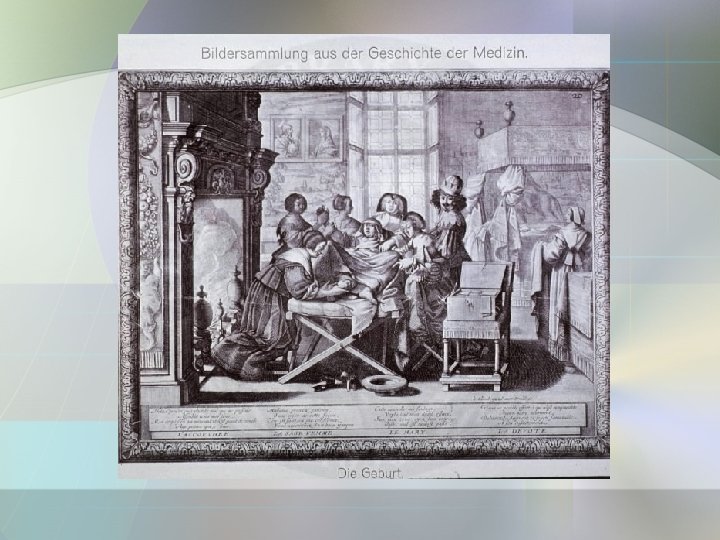
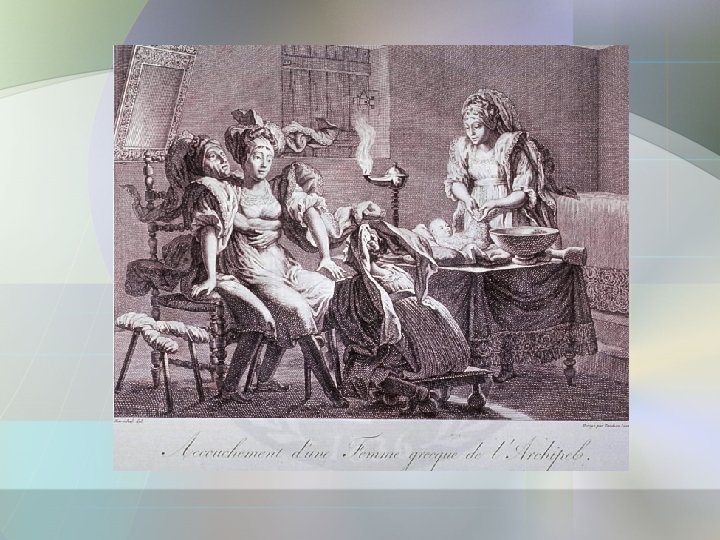
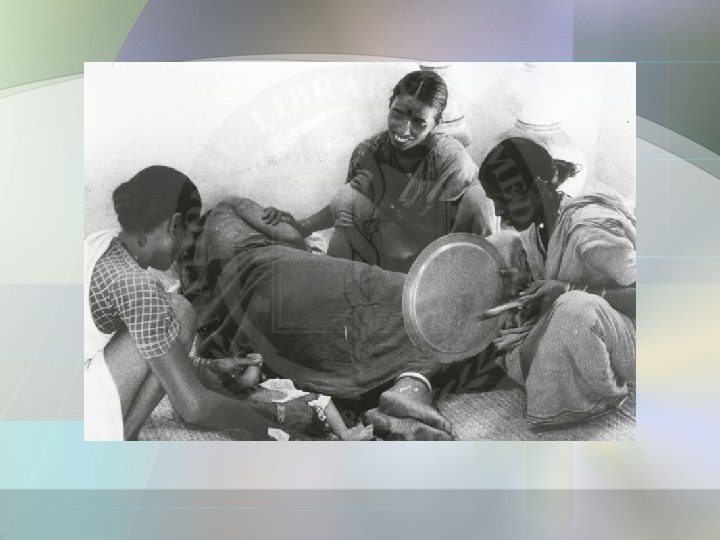
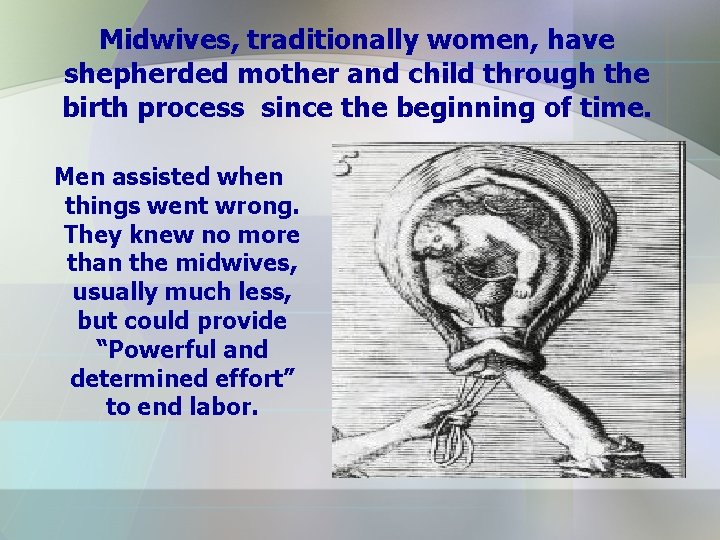
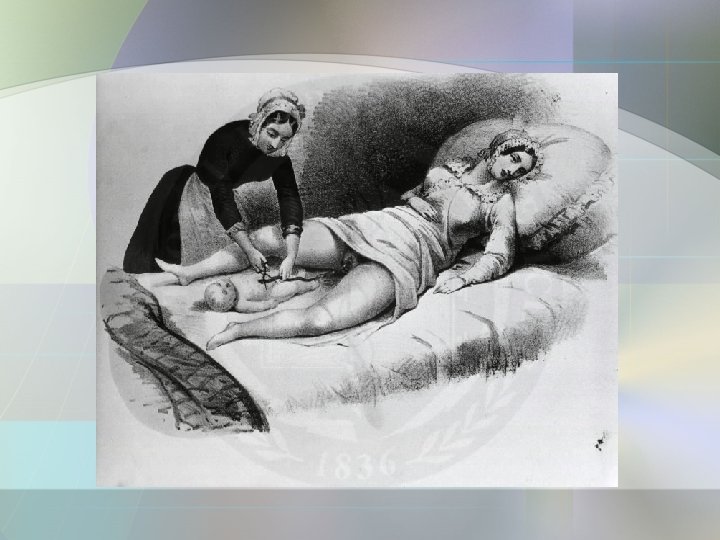
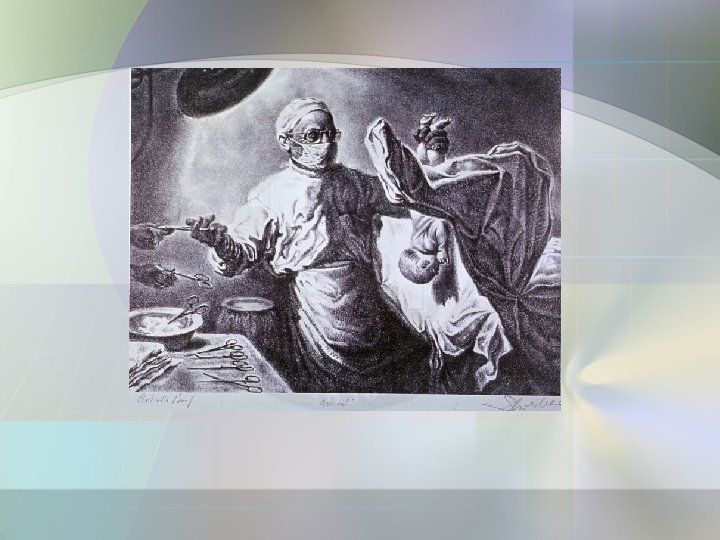
Midwives, traditionally women, have shepherded mother and child through the birth process since the beginning of time. Men assisted when things went wrong. They knew no more than the midwives, usually much less, but could provide “Powerful and determined effort” to end labor.
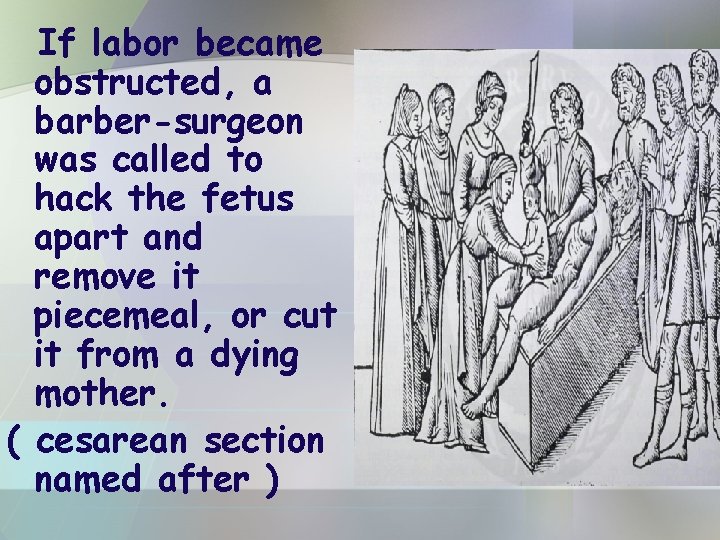
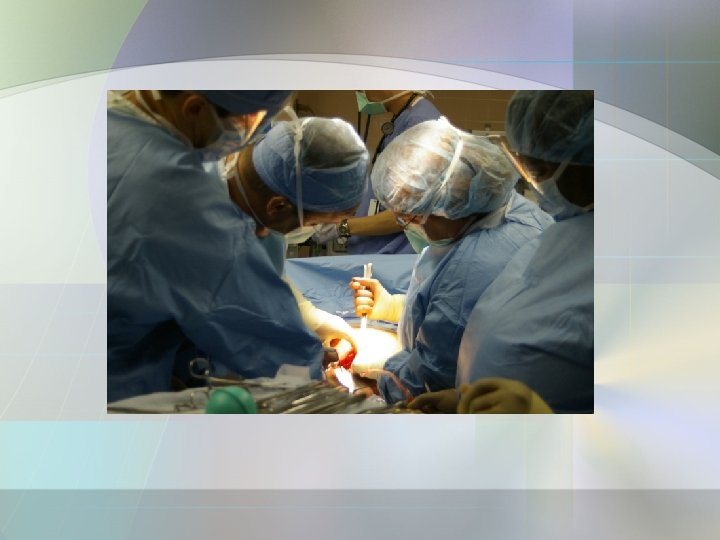
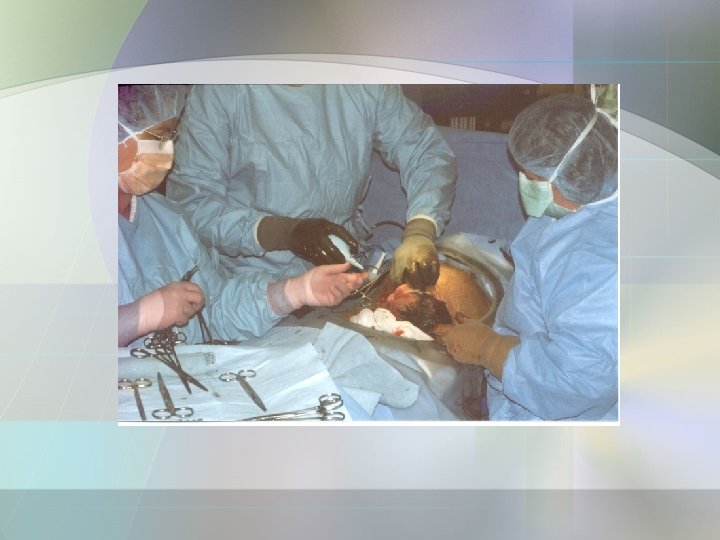
If labor became obstructed, a barber-surgeon was called to hack the fetus apart and remove it piecemeal, or cut it from a dying mother. ( cesarean section named after )
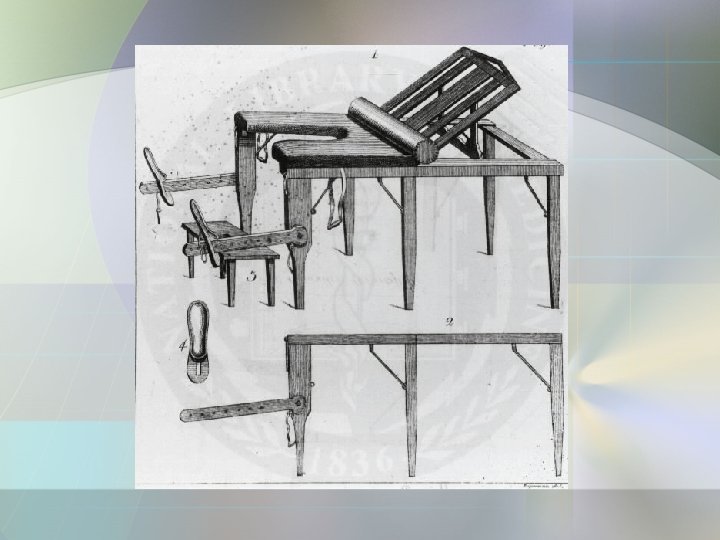
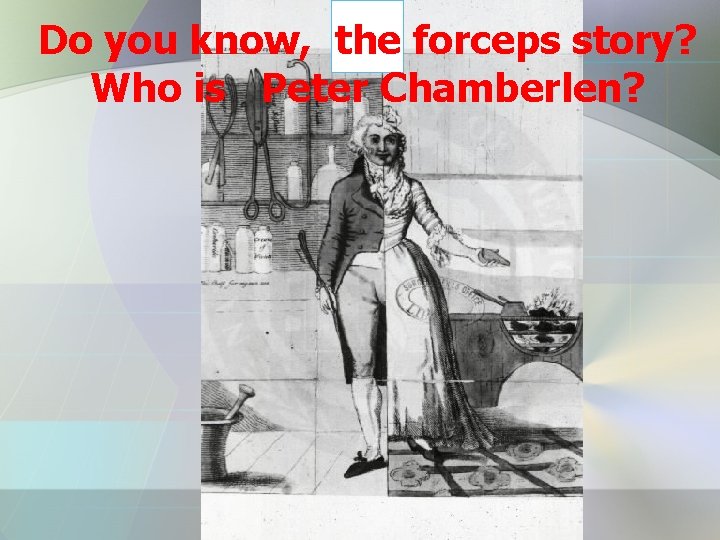
Do you know, the forceps story? Who is Peter Chamberlen?
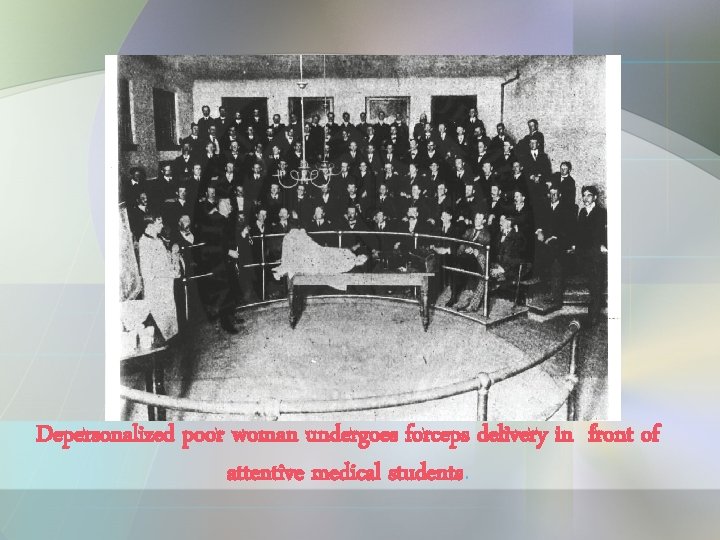
Depersonalized poor woman undergoes forceps delivery in front of attentive medical students.

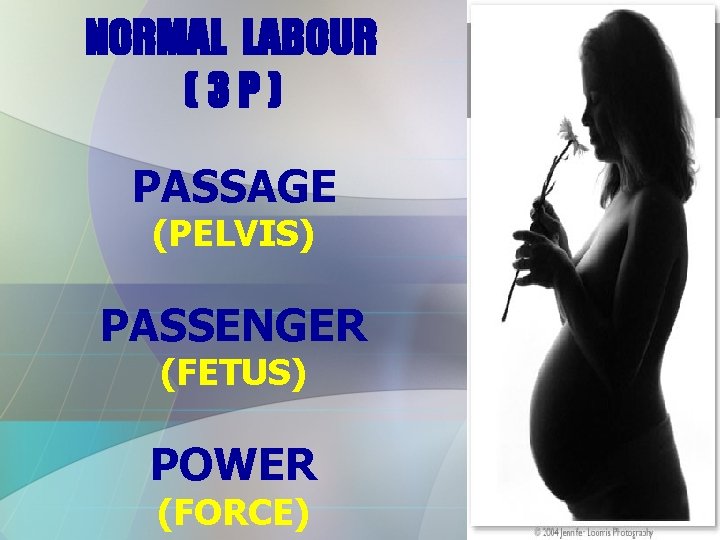
NORMAL LABOUR (3 P) PASSAGE (PELVIS) PASSENGER (FETUS) POWER (FORCE)
FORCE ( Power ) • UTERINE CONTRACTIONS • ACCESSORY FORCES

Accessory Forces • Uterine contractions are aided by contractions of diaphragm , abdominal muscles and pelvic floor muscles.

UTERINE CONTRACTIONS 1. Reflex polarity with fundal dominance i. e when the uterine fundus contracts the cervix dilates and vice versa. ( Fergusson Reflex ). 2. The uterine muscles contract and retract. ( not relax ). 3. Oxytocin , prostaglandins increase uterine contractions ( Ecbolics ). 4. Progesterone ceases uterine contractions ( Tocolytics) (Oxytocin antagonists, Mg. SO 4, Bagonists, Ca. Ch blockers ). 5. Methergin causes tonic spasm( post-partum). – .
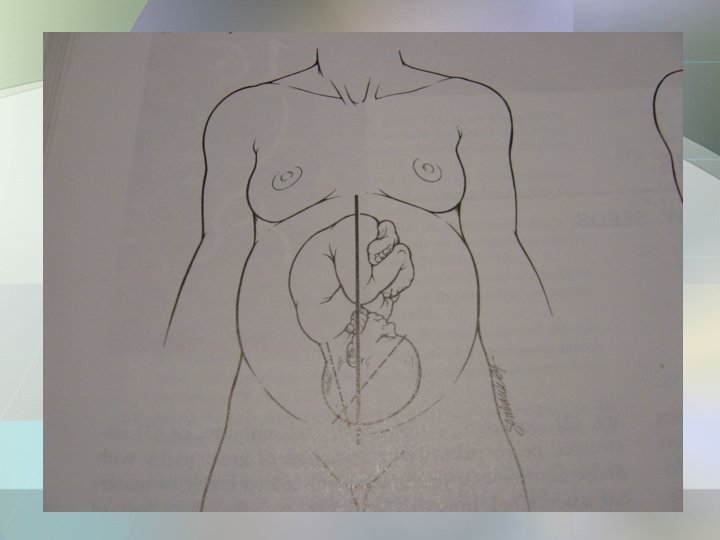
PASSENGER ( Fetus ) • Attitude. • Lie. • Presentation & denominator. • Position.
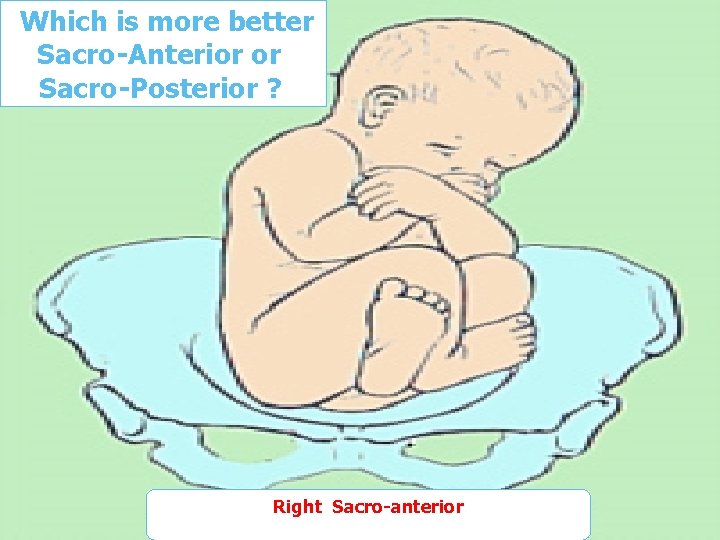
Which is more better Sacro-Anterior or Sacro-Posterior ? Right Sacro-anterior
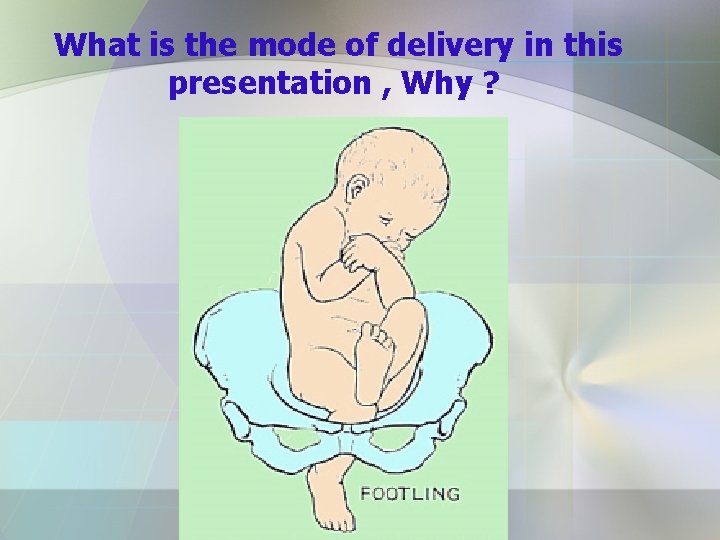
What is the mode of delivery in this presentation , Why ?
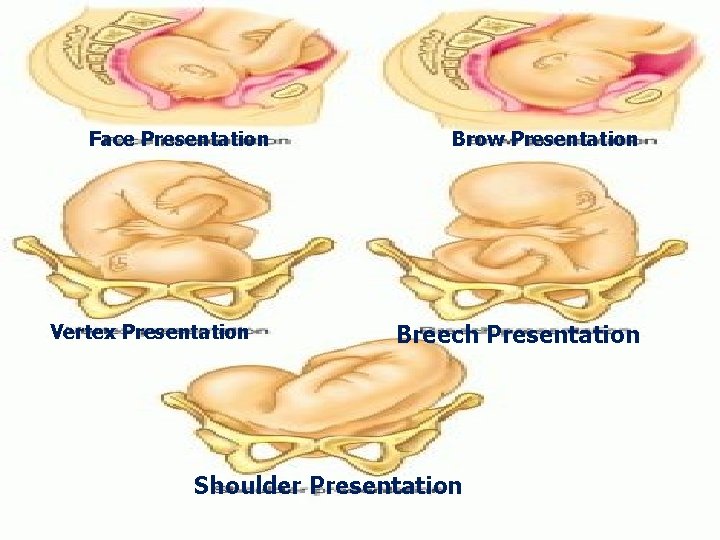
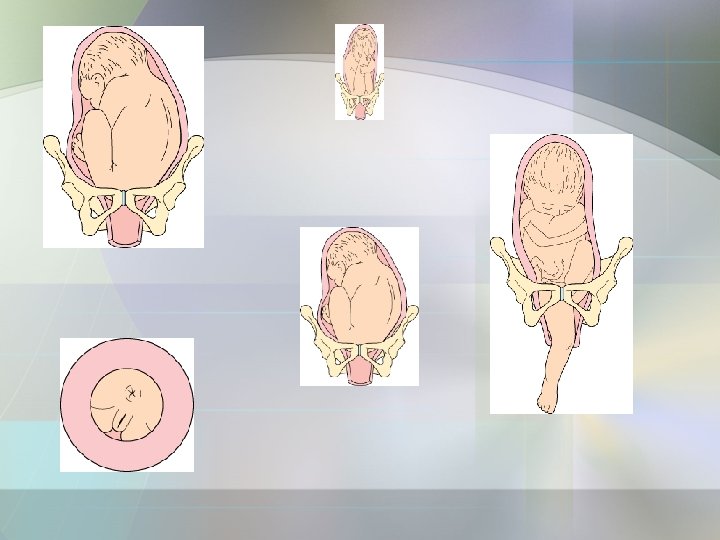
Face Presentation Vertex Presentation Brow Presentation Breech Presentation Shoulder Presentation

FETAL HEAD • FLAT BONES • SUTURES • FONTANELLES WHAT IS VAULT ? WHAT IS VERTEX ?
Diameters of fetal head • TRASVERSE DIAMETERS. • LONGITUDINAL DIAMETERS. ( Engaging diameters)
TRANSVERSE DIAMETERS • Bi-parietal diameter 9. 5 cm. • Sub-parietal supra-parietal 9 cm • Bi-temporal 8 cm. • Bi-mastoid 7. 5 cm.

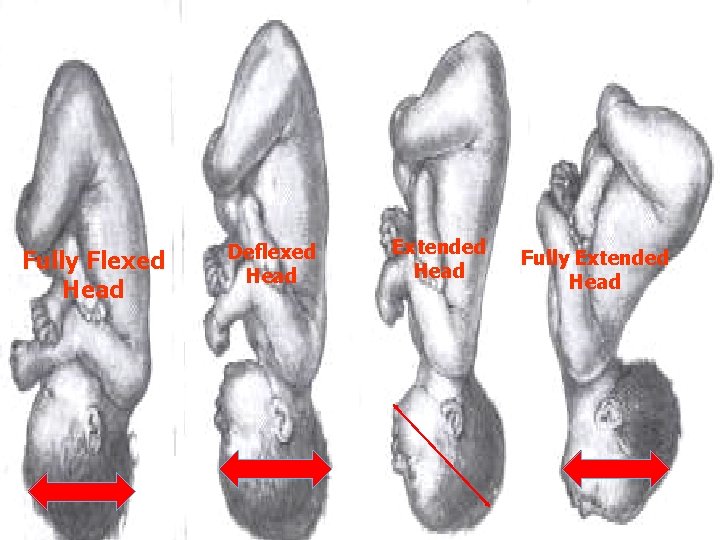
Fully Flexed Head Deflexed Head Extended Head Fully Extended Head
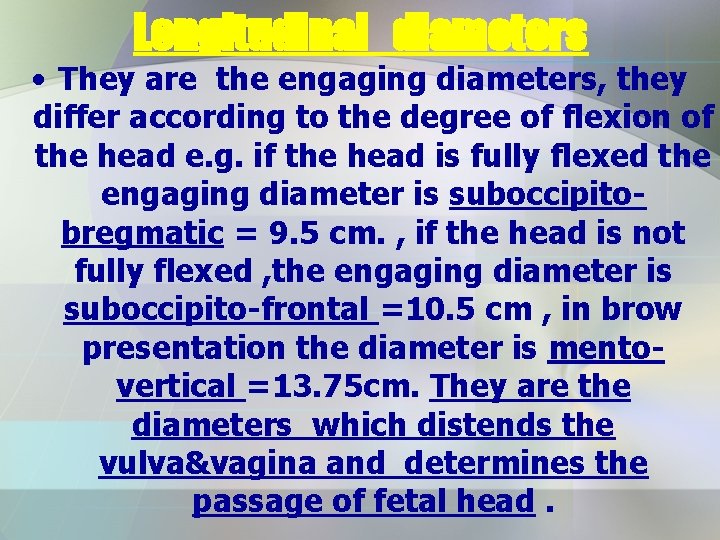
Longitudinal diameters • They are the engaging diameters, they differ according to the degree of flexion of the head e. g. if the head is fully flexed the engaging diameter is suboccipitobregmatic = 9. 5 cm. , if the head is not fully flexed , the engaging diameter is suboccipito-frontal =10. 5 cm , in brow presentation the diameter is mentovertical =13. 75 cm. They are the diameters which distends the vulva&vagina and determines the passage of fetal head.
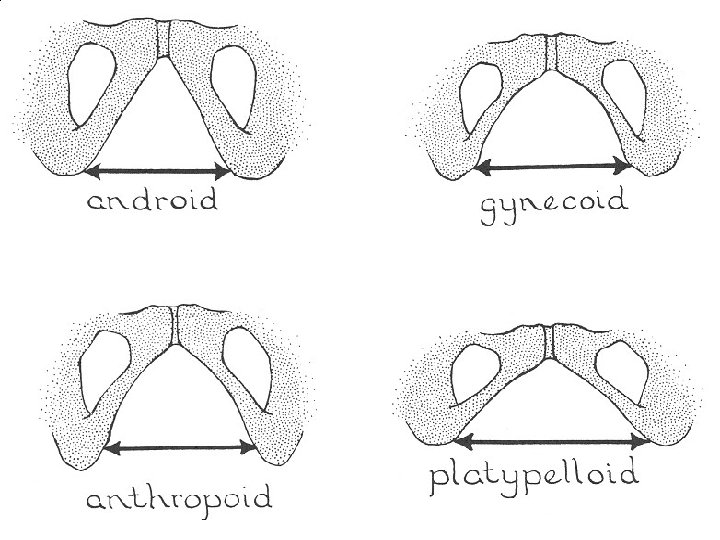
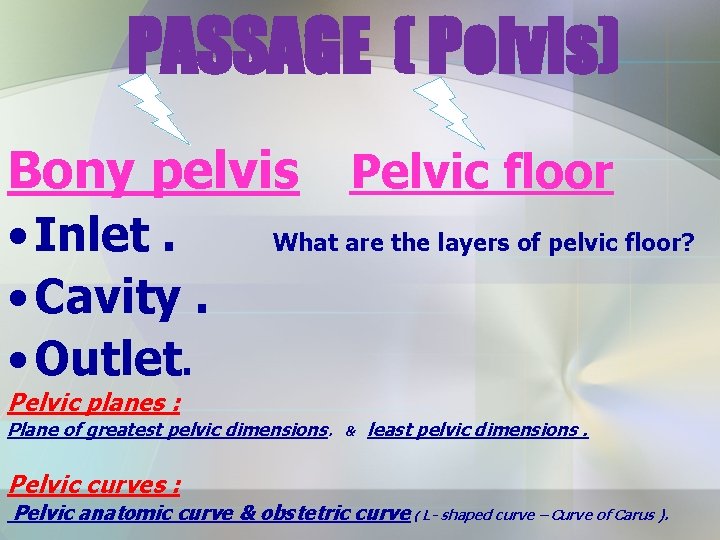
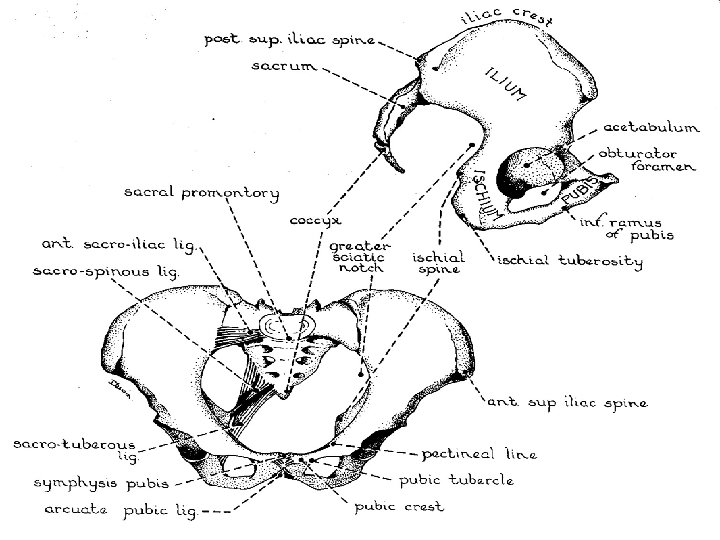
PASSAGE ( Pelvis) Bony pelvis Pelvic floor • Inlet. • Cavity. • Outlet. What are the layers of pelvic floor? Pelvic planes : Plane of greatest pelvic dimensions. & least pelvic dimensions. Pelvic curves : Pelvic anatomic curve & obstetric curve ( L- shaped curve – Curve of Carus ).
The cavity is nearly circular , its plane is the plane of greatest pelvic dimensions, the diameter is 12 cm. ( Internal rotation of fetal head takes place in the mid-cavity)
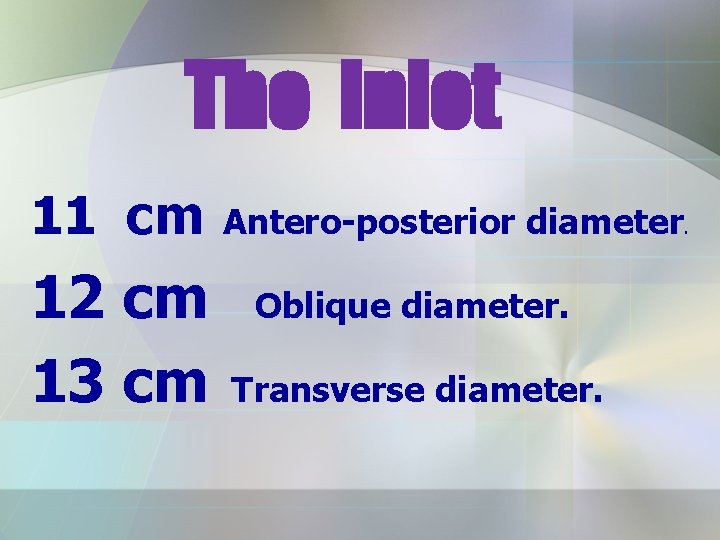
The inlet 11 cm 12 cm 13 cm Antero-posterior diameter. Oblique diameter. Transverse diameter.
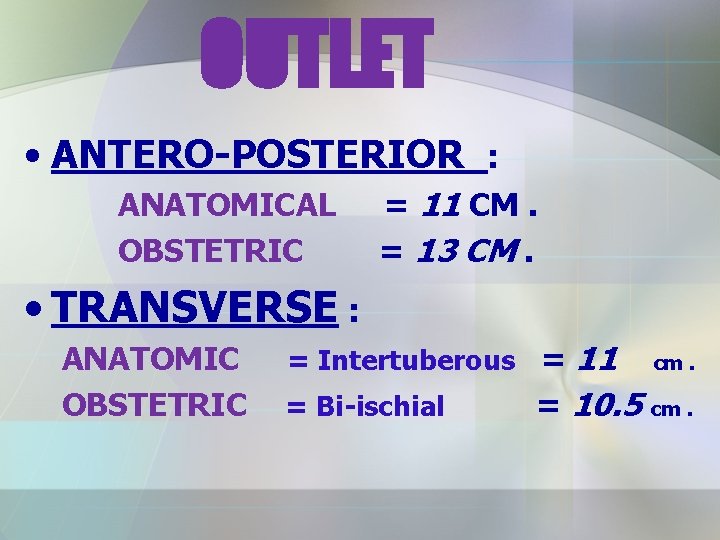
OUTLET • ANTERO-POSTERIOR : ANATOMICAL OBSTETRIC = 11 CM. = 13 CM. • TRANSVERSE : ANATOMIC OBSTETRIC 11 cm. = 10. 5 cm. = Intertuberous = = Bi-ischial
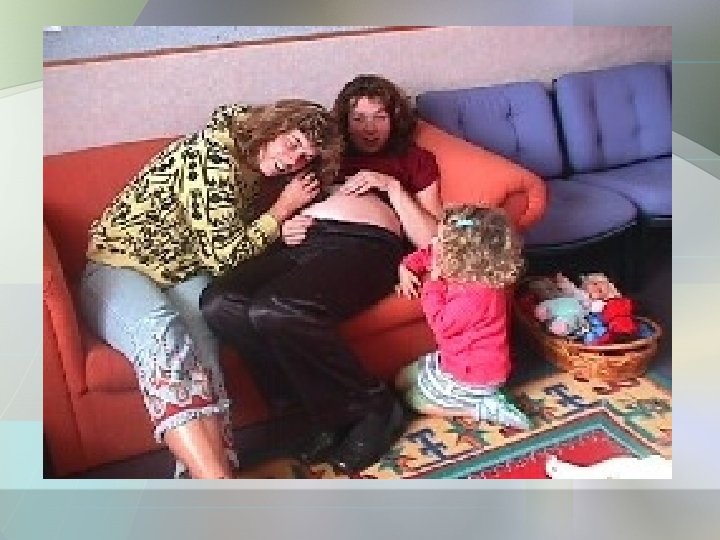

Mechanism of normal labour 1. First stage : Cervical dilatation , it takes 12 -18 h , rate of cervical dilatation is 1 - 1. 2 cm/h in PG , 1. 2 - 1. 5 cm/h in MG. 2. Second stage : Delivery of fetus , takes 12 h 3. Third stage : Delivery of placenta , takes 10 -30 m. 4. Fourth stage : The period of 2 hs. , immediately following labour during which observation for PPH should be carried out.
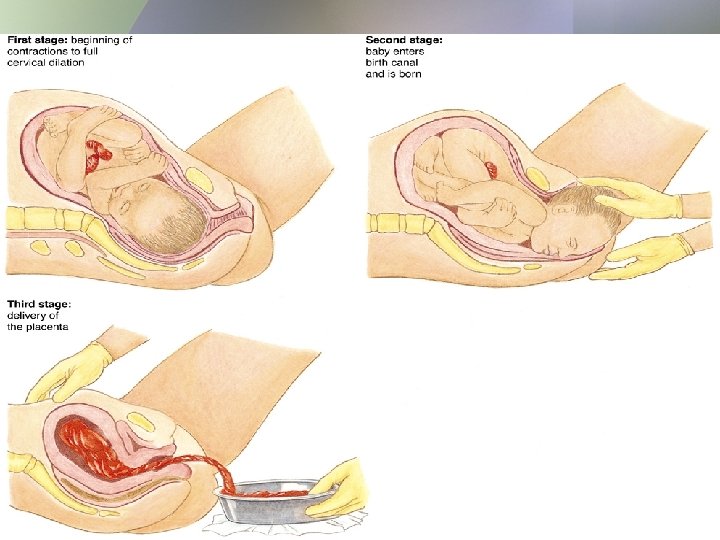
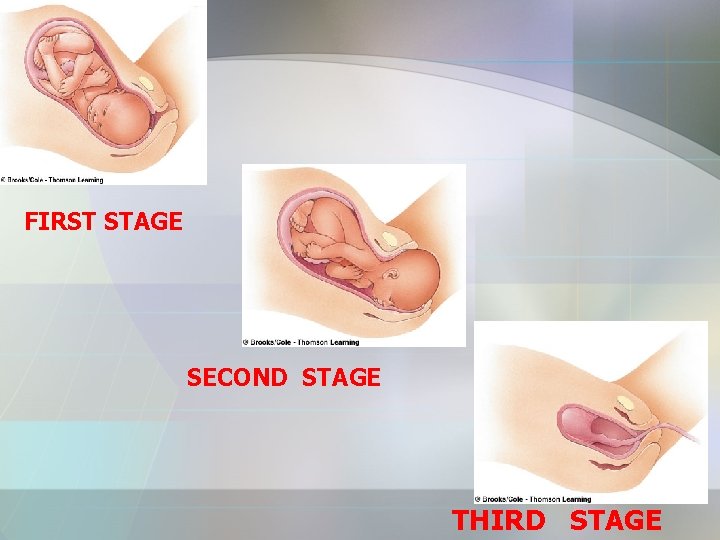
FIRST STAGE SECOND STAGE THIRD STAGE
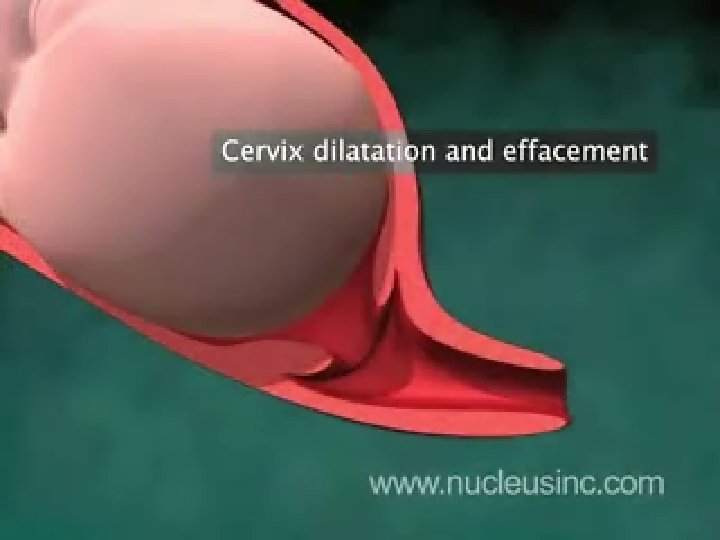
Mechanism of FIRST STAGE ** In PG , dilatation of internal cervical os takes place first , followed by effacement and finally dilatation of external os. **In MG , all these three processes, take place simultaneously.
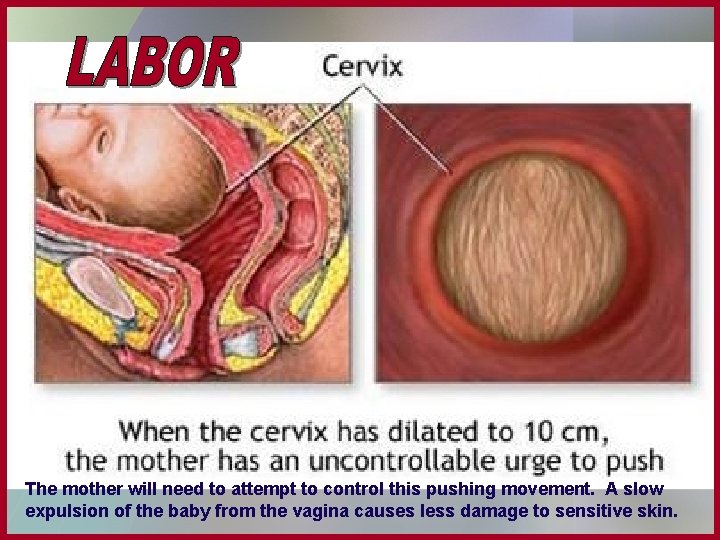
The mother will need to attempt to control this pushing movement. A slow expulsion of the baby from the vagina causes less damage to sensitive skin.
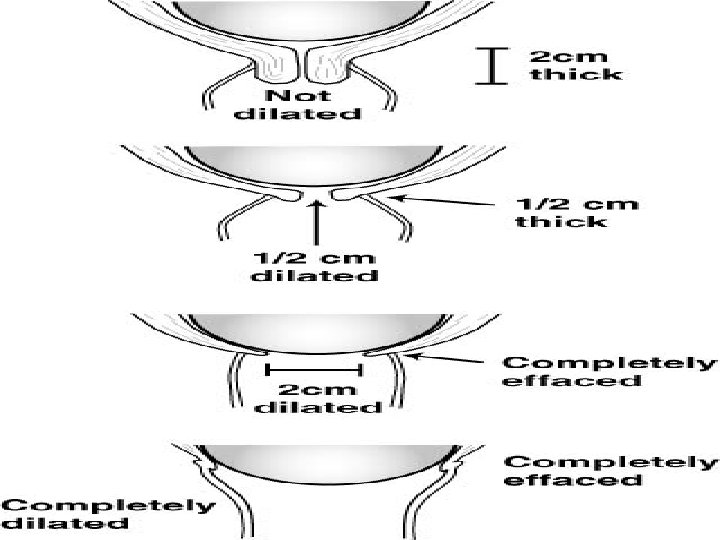
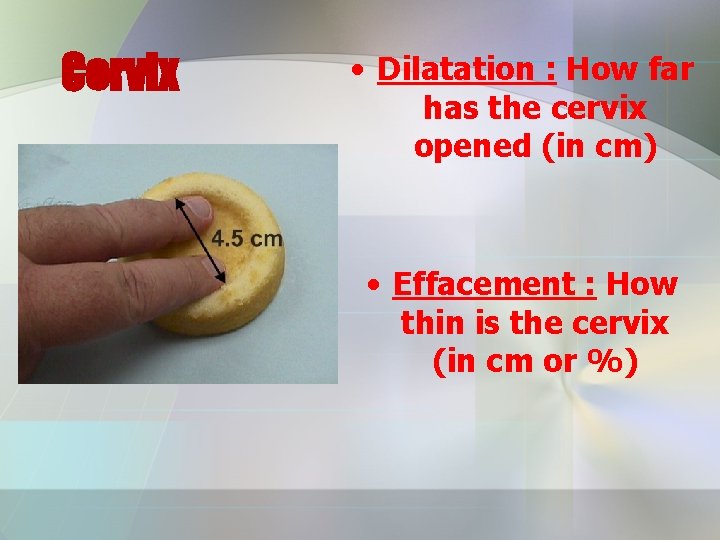
Cervix • Dilatation : How far has the cervix opened (in cm) • Effacement : How thin is the cervix (in cm or %)
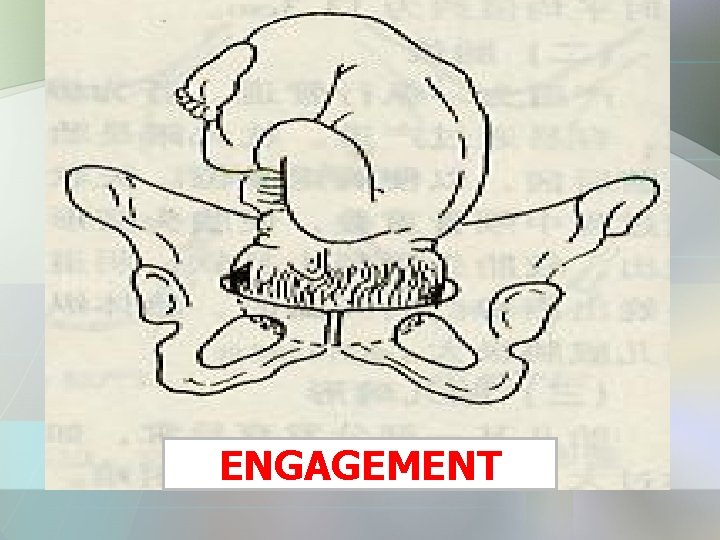
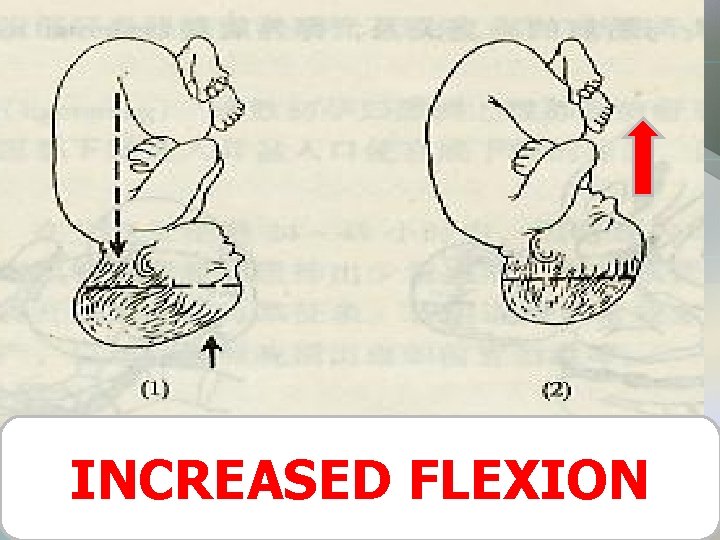
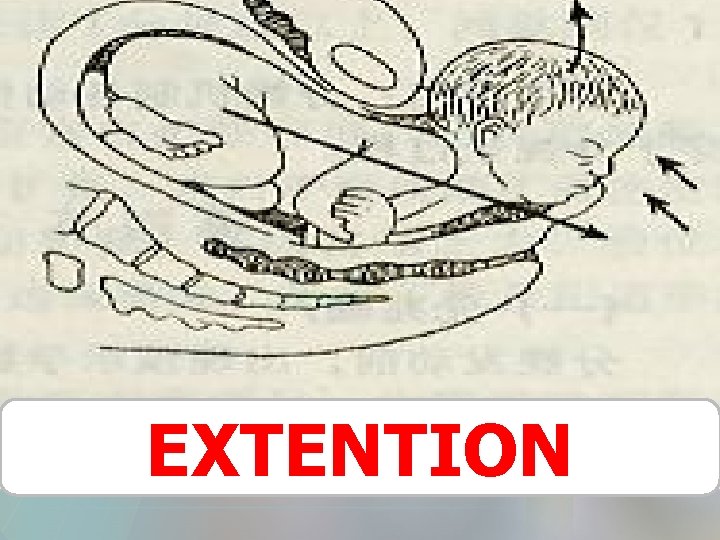
Mechanism of the second stage **Delivery of the head 1. 2. 3. 4. 5. 6. 7. : Descent. Engagement. Increased flexion. Internal rotation. Extension. Restitution. External rotation. ** Delivery of the shoulder
ENGAGEMENT
INCREASED FLEXION

INTERNAL ROTATION
EXTENTION
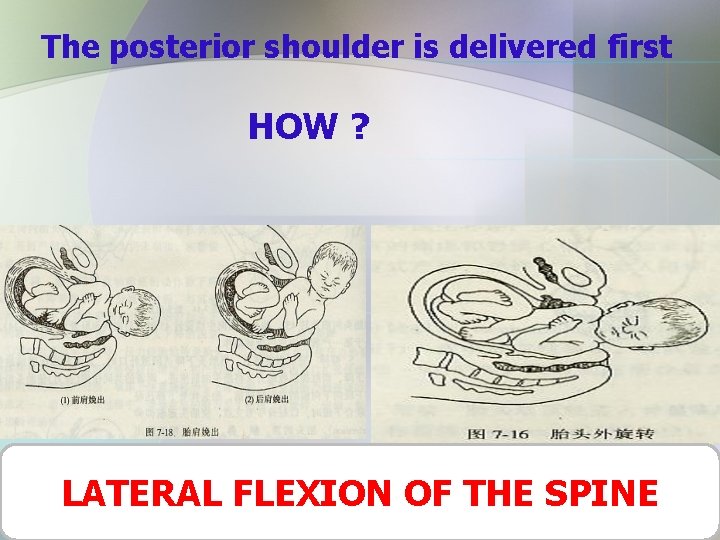
The posterior shoulder is delivered first HOW ? LATERAL FLEXION OF THE SPINE
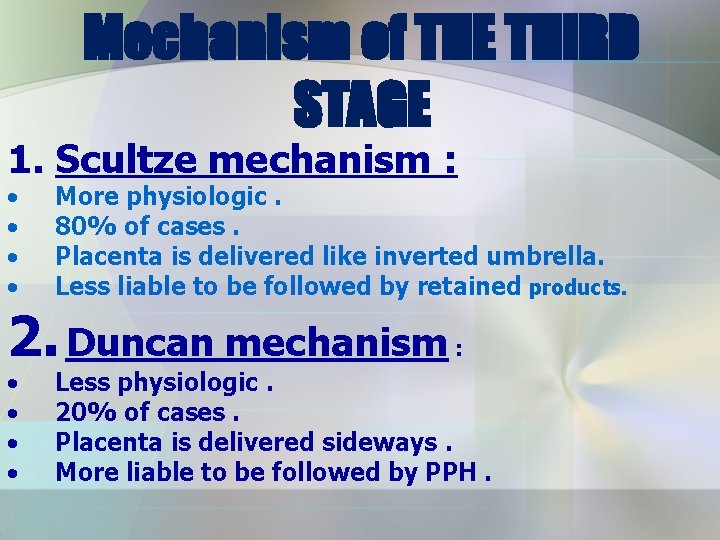
Mechanism of THE THIRD STAGE 1. Scultze mechanism : • • More physiologic. 80% of cases. Placenta is delivered like inverted umbrella. Less liable to be followed by retained products. 2. Duncan mechanism • • : Less physiologic. 20% of cases. Placenta is delivered sideways. More liable to be followed by PPH.

MANAGEMENT DIAGNOSIS & CONDUCT OF NORMAL LABOUR
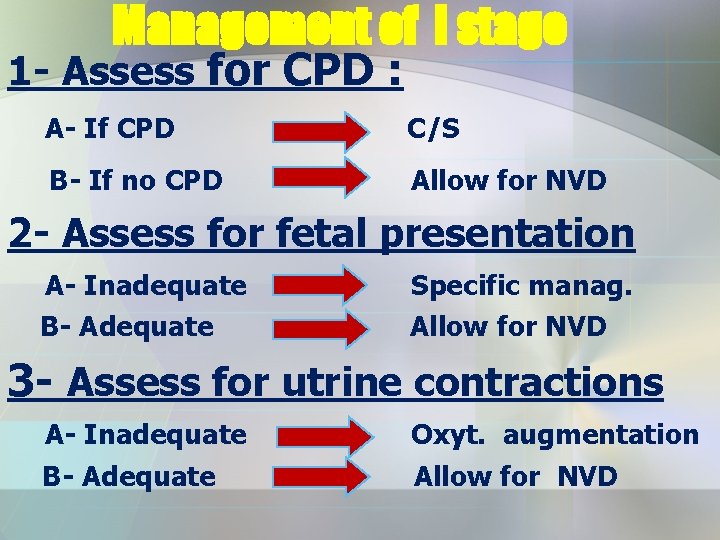
Management of I stage 1 - Assess for CPD : A- If CPD C/S B- If no CPD Allow for NVD 2 - Assess for fetal presentation A- Inadequate B- Adequate Specific manag. Allow for NVD 3 - Assess for utrine contractions A- Inadequate B- Adequate Oxyt. augmentation Allow for NVD
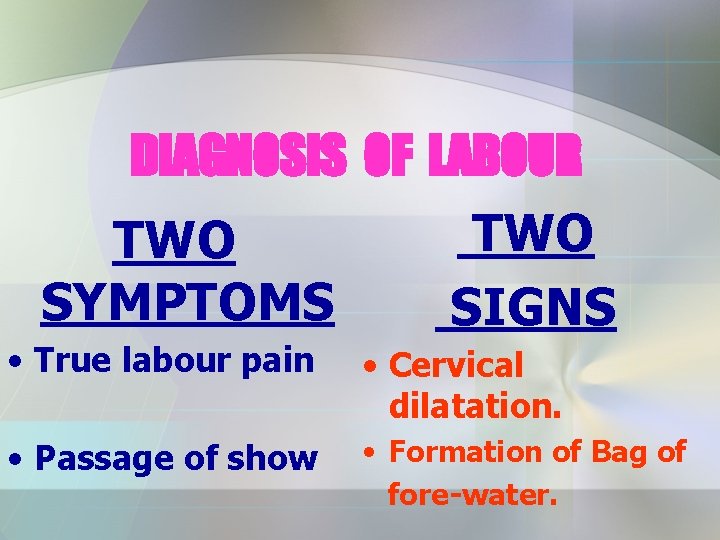
DIAGNOSIS OF LABOUR TWO SYMPTOMS TWO SIGNS • True labour pain • Cervical dilatation. • Passage of show • Formation of Bag of fore-water.
TRUE LABOUR PAIN • Colicky lower abd. Pain referred to back. • Regular ( gradually increase in amplitude , frequency , and duration. ). • Effective ( associated with CX dilatation ). • Accompanied by hardening of bag of fore -water. • Not relieved by enema or sedatives.

THE SHOW It is mucus tinged with blood , the mucus is that was closing the CX operculum , the blood is coming from separation of membranes. N. B. Excessive bloody show is abnormal
CERVICAL DILATATION It is achieved by progressive uterine contractions and retraction. In PG , it occurs at a rate of 1 -1. 2 cm/ h , while in MG , the rate is 1. 21. 5 cm / h.
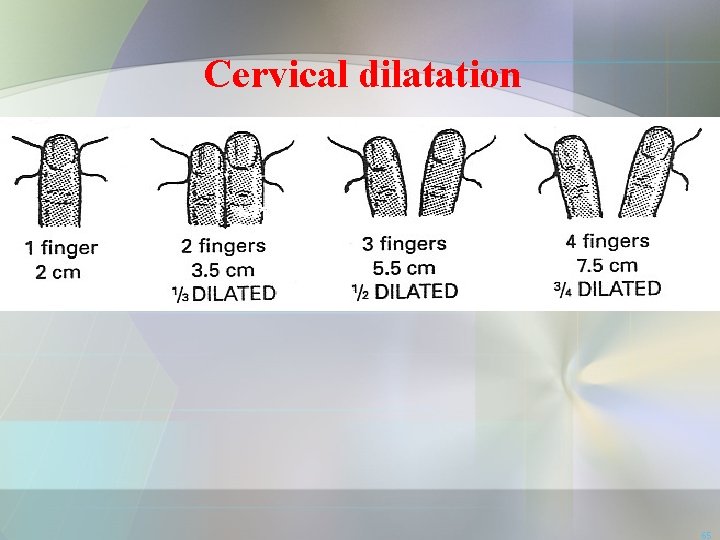
Cervical dilatation 65
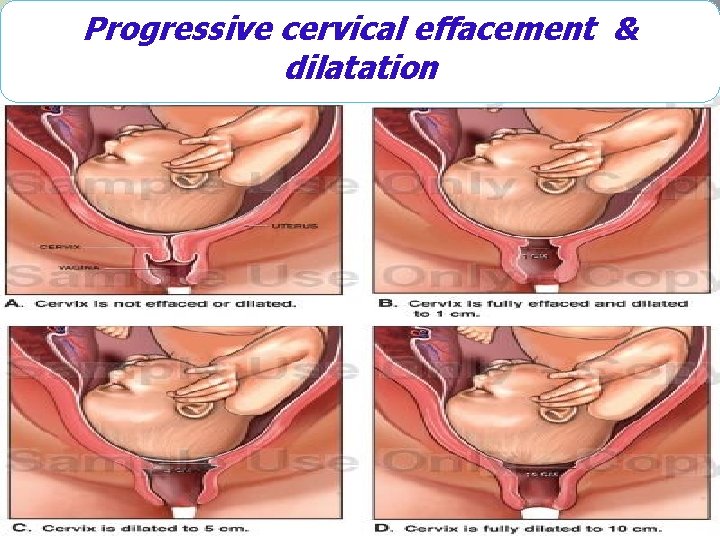
Progressive cervical effacement & dilatation
What is the most sure sign of labour ? The most sure sign of labour is the formation of bag of forewater that becomes tense during uterine contractions
Management of labour ( Conduct of labour ) First stage: 1. 2. 3. 4. 5. 6. 7. 8. Walking ? Feeding ? Empty bladder. Empty rectum. Sedatives ( pain relief ). Monitoring ( partogram). Shaving ? ? ? No bearing down.
SECOND STAGE What are the Criteria of onset of the second stage ? 1. Full cervical dilatation. 2. Rupture of membranes. 3. Desire for defecation. 4. Involuntary bearing down.
Management of second stage 1. Examination. 2. Bearing down. 3. Perineal support. ( The main job). 4. Episiotomy. ( Timing , Type). 5. 6. 7. 8. 9. Delivery of head. Cleaning of nostrils & mouth. Delivery of posterior shoulder. Delivery of anterior shoulder. Delivery of the trunk.
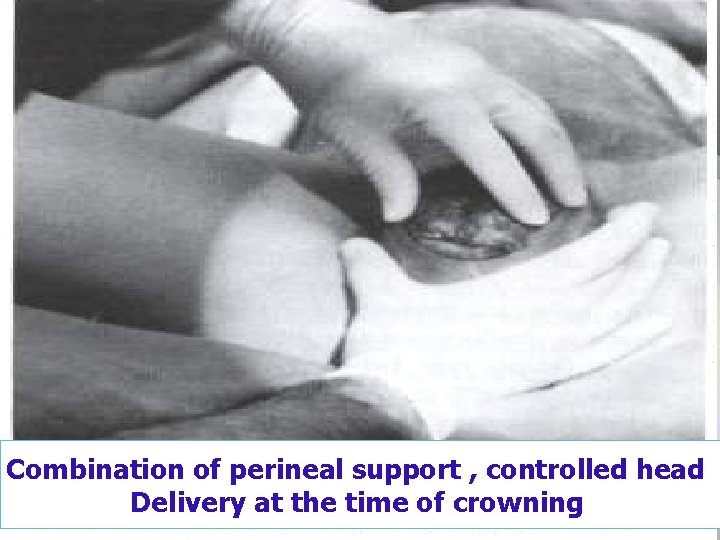
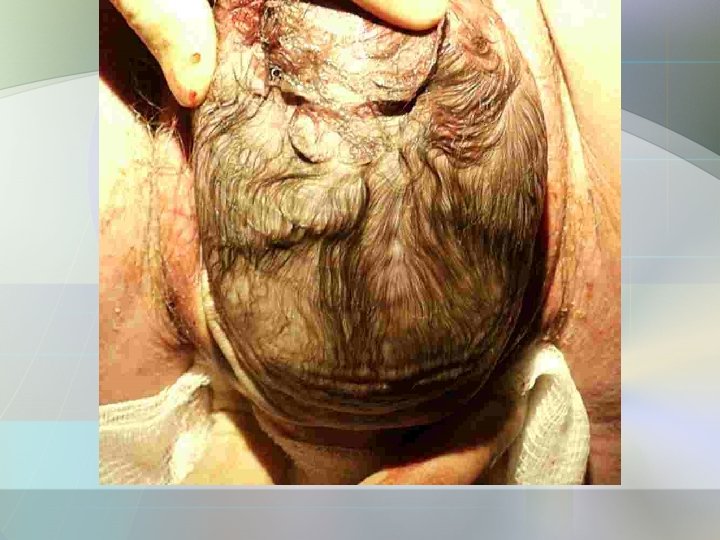
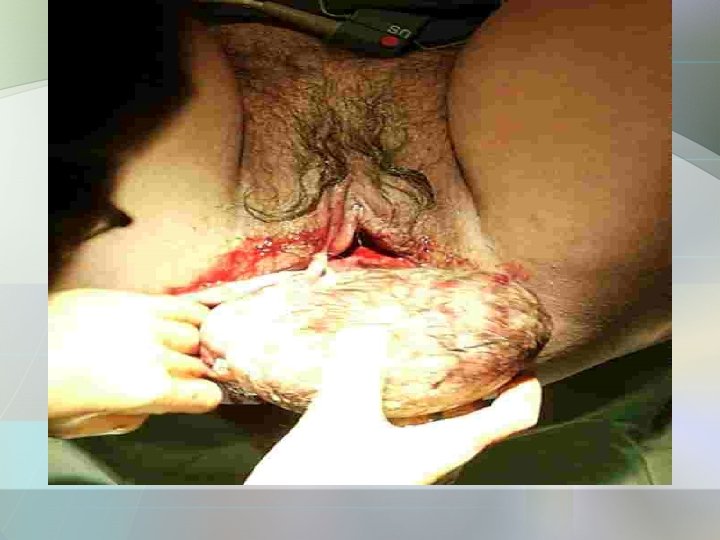
Combination of perineal support , controlled head Delivery at the time of crowning
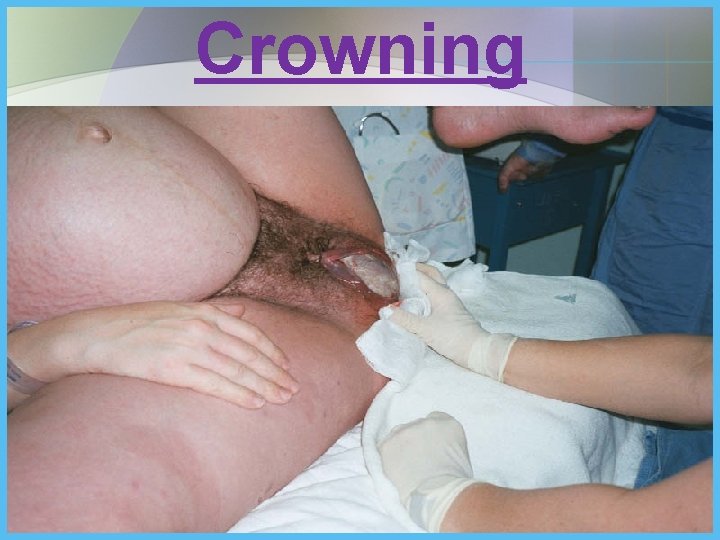
Crowning
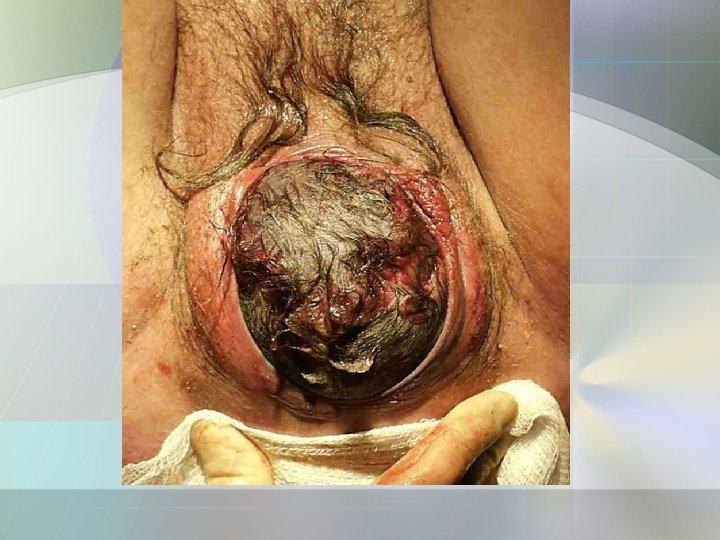
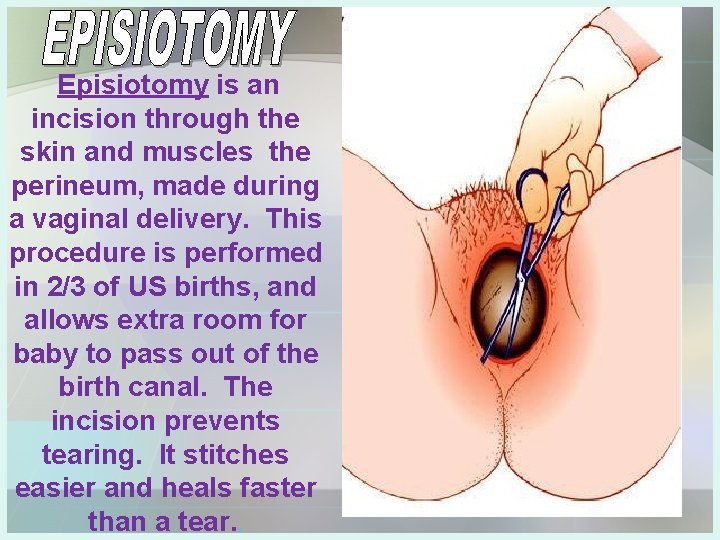
Episiotomy is an incision through the skin and muscles the perineum, made during a vaginal delivery. This procedure is performed in 2/3 of US births, and allows extra room for baby to pass out of the birth canal. The incision prevents tearing. It stitches easier and heals faster than a tear. .
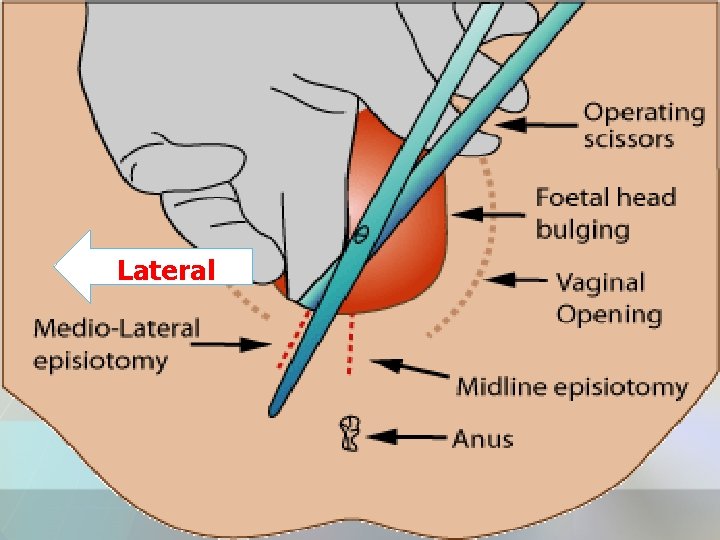
Lateral
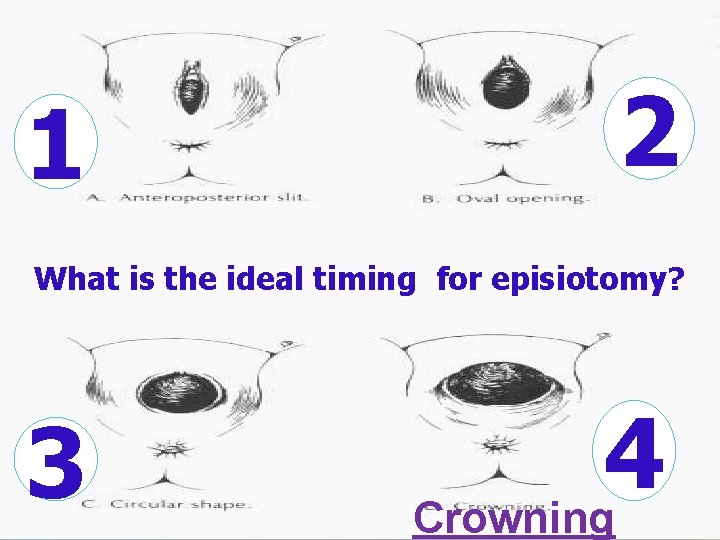
1 2 What is the ideal timing for episiotomy? 3 4 Crowning
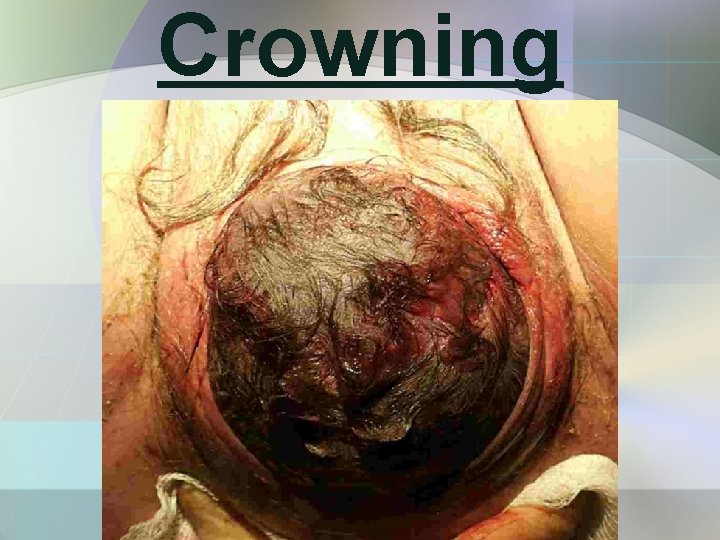
Crowning
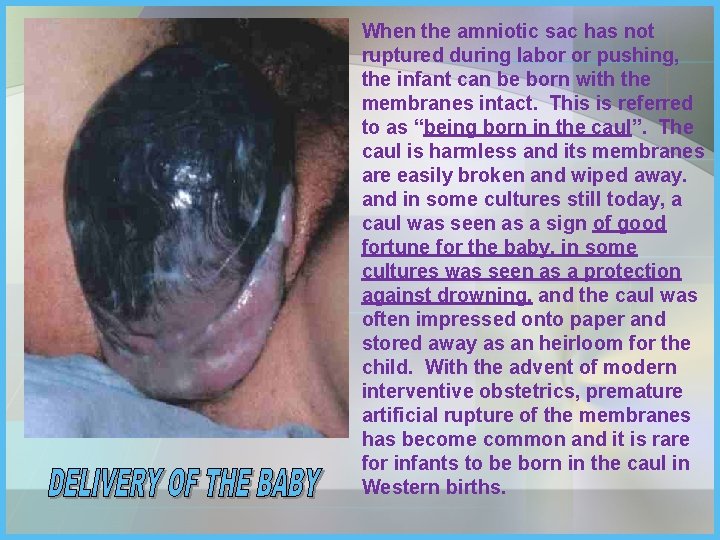
When the amniotic sac has not ruptured during labor or pushing, the infant can be born with the membranes intact. This is referred to as “being born in the caul”. The caul is harmless and its membranes are easily broken and wiped away. and in some cultures still today, a caul was seen as a sign of good fortune for the baby, in some cultures was seen as a protection against drowning, and the caul was often impressed onto paper and stored away as an heirloom for the child. With the advent of modern interventive obstetrics, premature artificial rupture of the membranes has become common and it is rare for infants to be born in the caul in Western births.
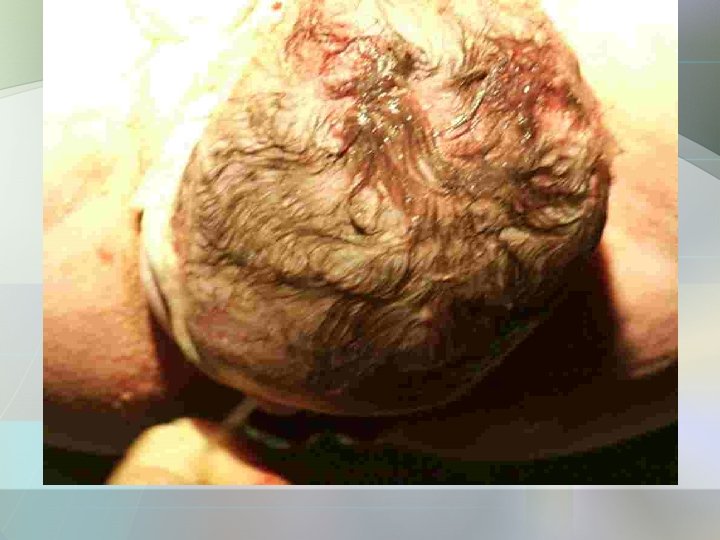
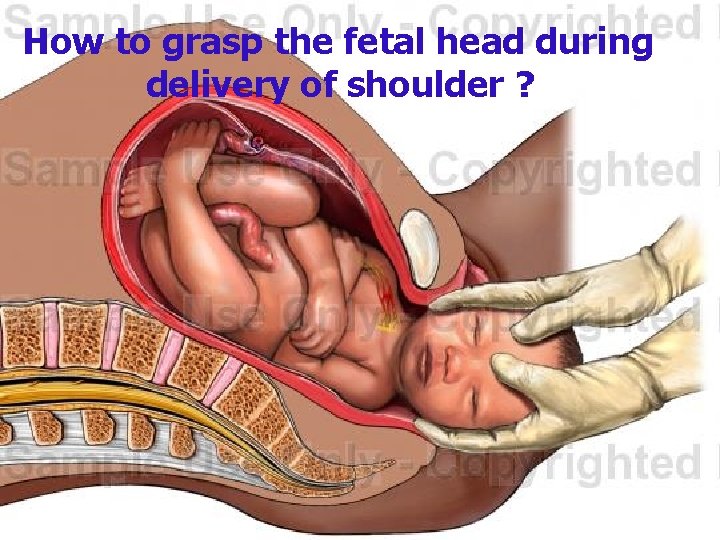
How to grasp the fetal head during delivery of shoulder ?
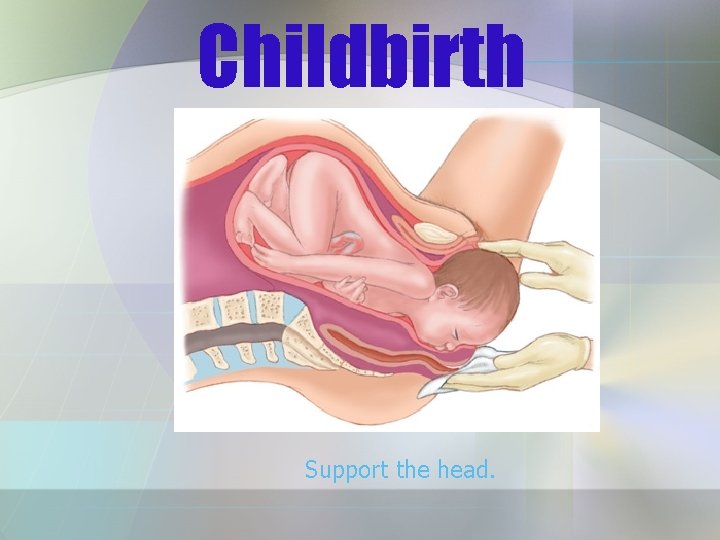
Childbirth Support the head.
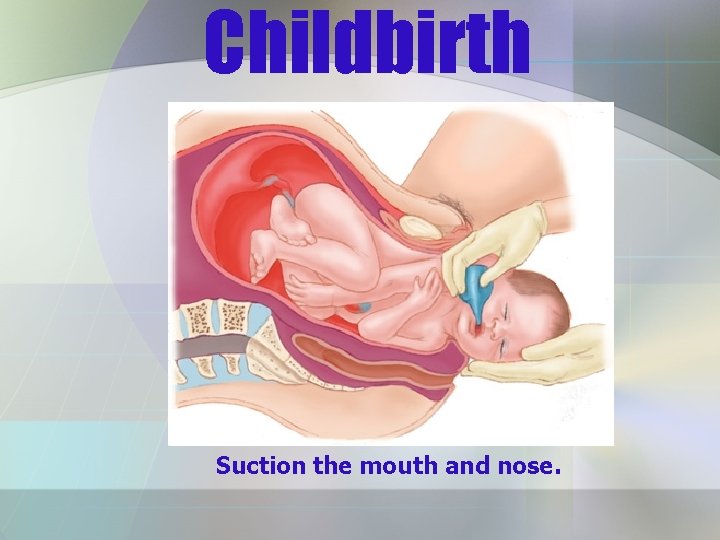
Childbirth Suction the mouth and nose.
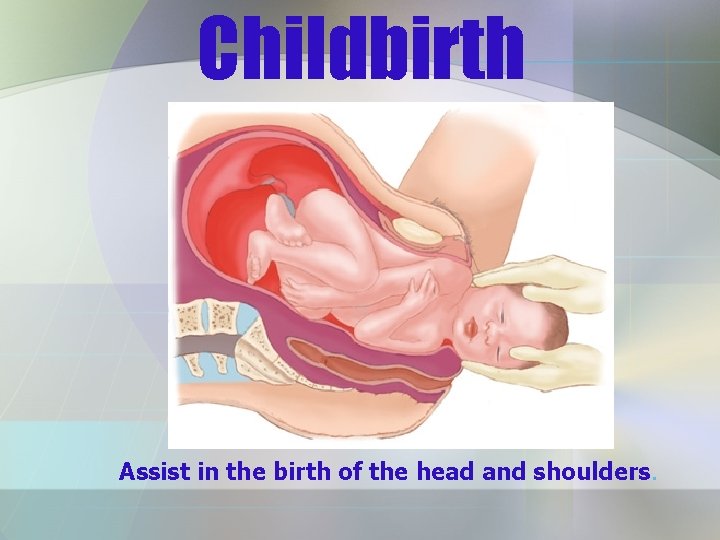
Childbirth Assist in the birth of the head and shoulders.
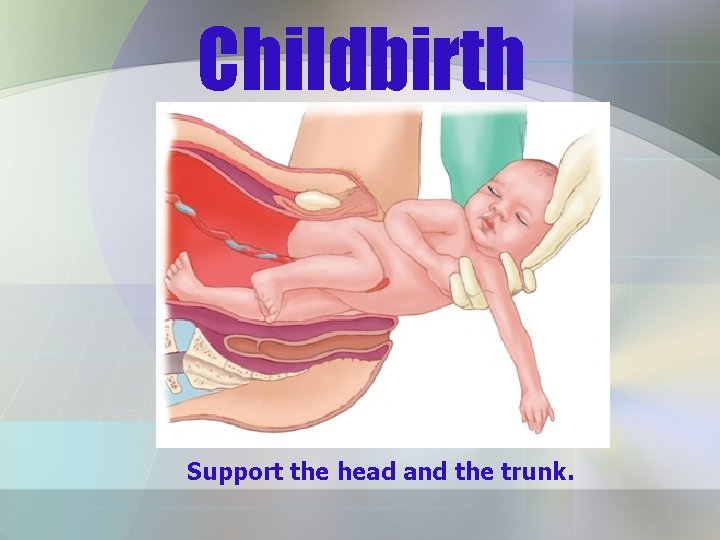
Childbirth Support the head and the trunk.
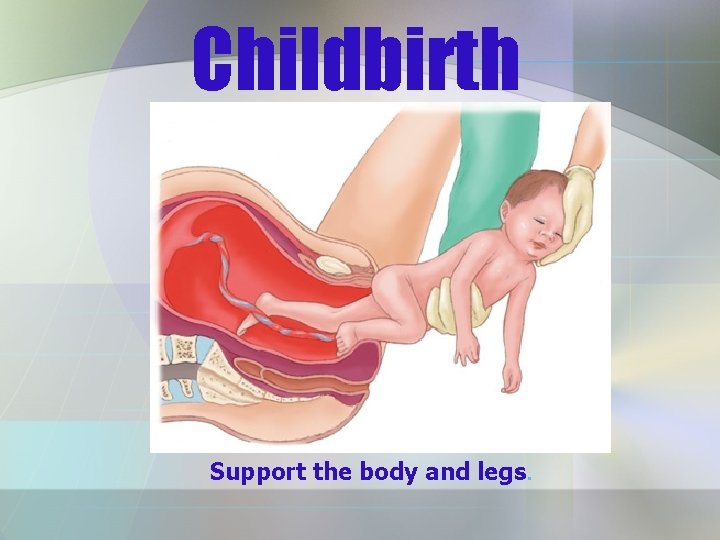
Childbirth Support the body and legs.
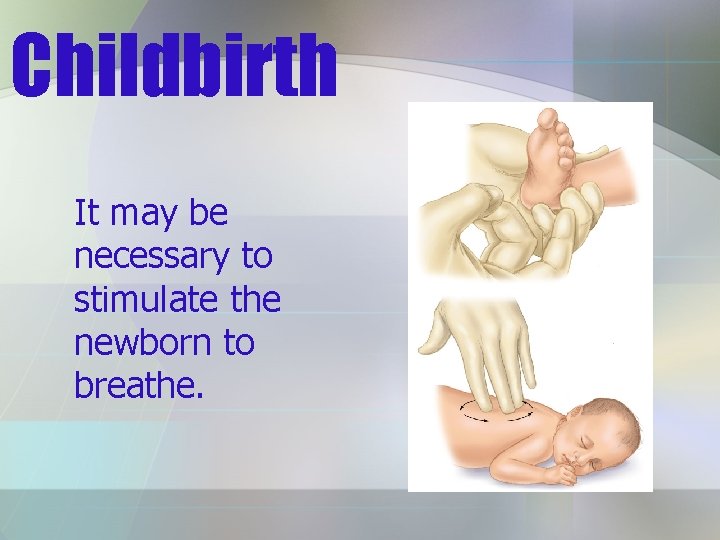
Childbirth It may be necessary to stimulate the newborn to breathe.
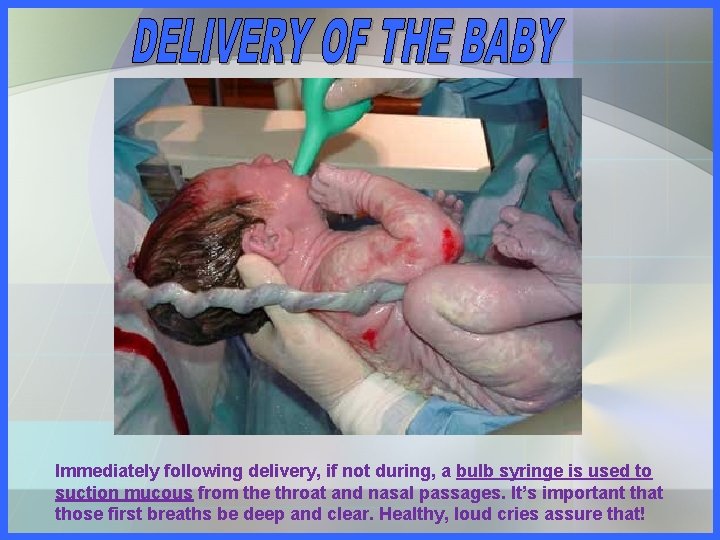
Immediately following delivery, if not during, a bulb syringe is used to suction mucous from the throat and nasal passages. It’s important that those first breaths be deep and clear. Healthy, loud cries assure that!
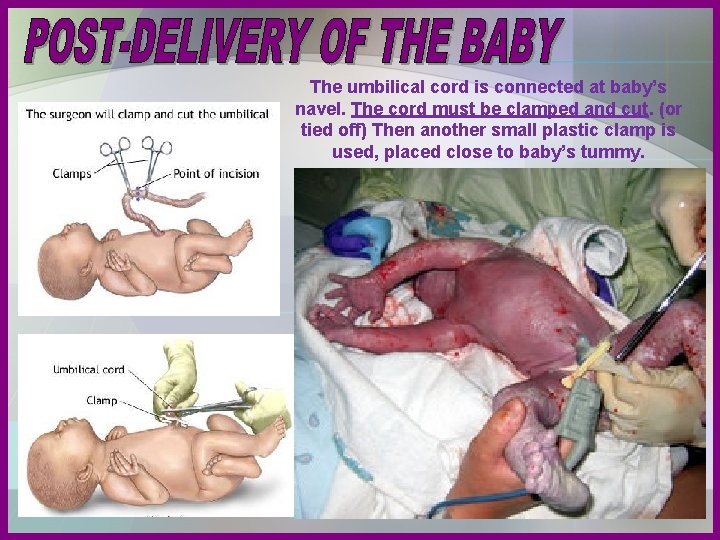
The umbilical cord is connected at baby’s navel. The cord must be clamped and cut. (or tied off) Then another small plastic clamp is used, placed close to baby’s tummy.

Management of third stage Conservative Active : 1. Gush of blood. 2. Cord elongation. Ø Methergin ? ? ? 3. Suprapubic bulge. Ø I. V infusion of 10 4. Fundal elevation. 5. Uterus becomes globular , more tender. **Once these signs are detected , placenta is delivered like a robe IU syntocinon. 1 - Controlled cord traction. 2 - Crede method? ?
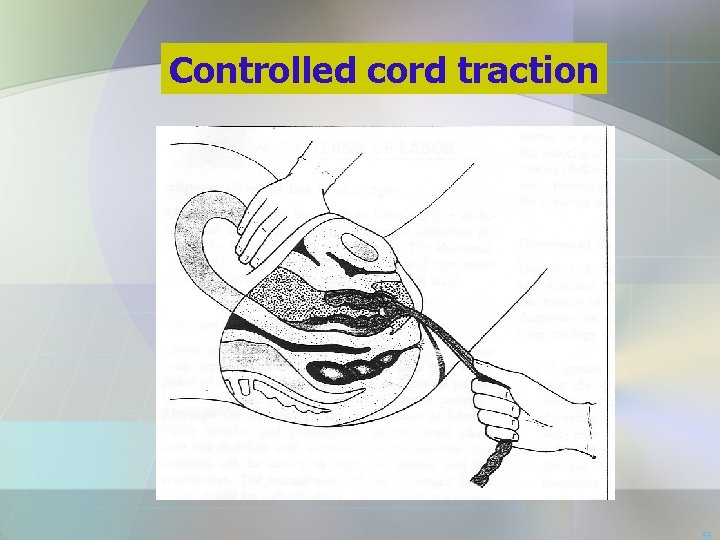
Controlled cord traction 93
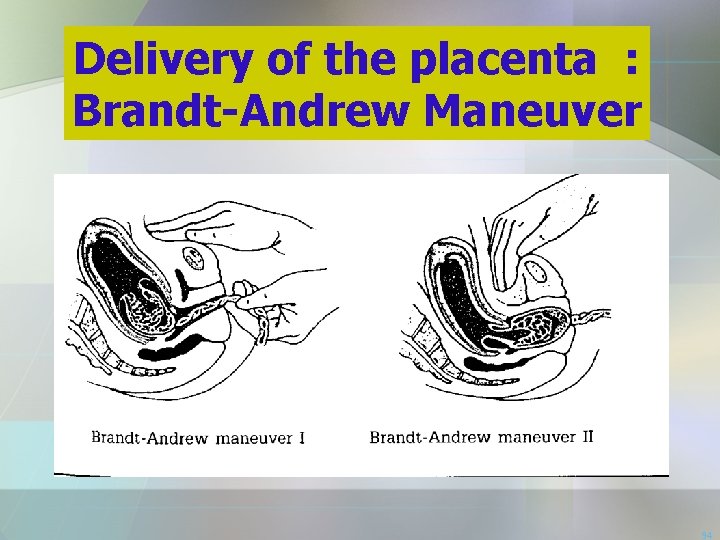
Delivery of the placenta : Brandt-Andrew Maneuver 94
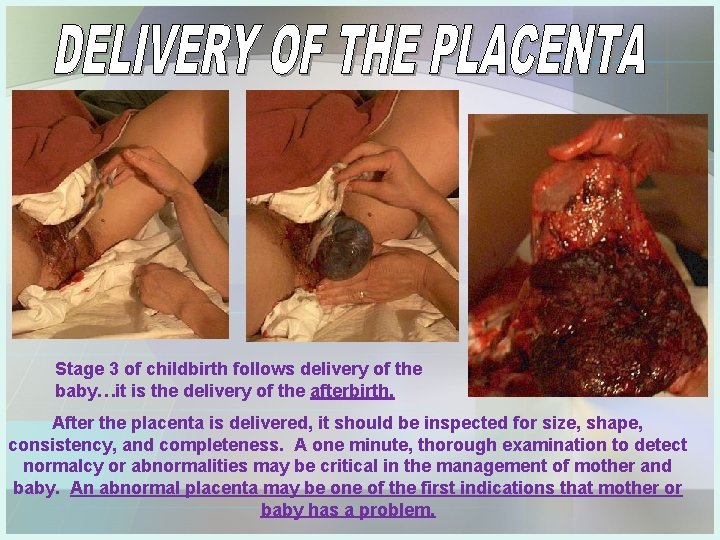
Stage 3 of childbirth follows delivery of the baby…it is the delivery of the afterbirth. After the placenta is delivered, it should be inspected for size, shape, consistency, and completeness. A one minute, thorough examination to detect normalcy or abnormalities may be critical in the management of mother and baby. An abnormal placenta may be one of the first indications that mother or baby has a problem.
What about my baby, My look , my nose? Vaginal or CS DIET, WALKINK , VITAMIN, VACC. , SEX, ETC Am I GOING TO DIE ? 96
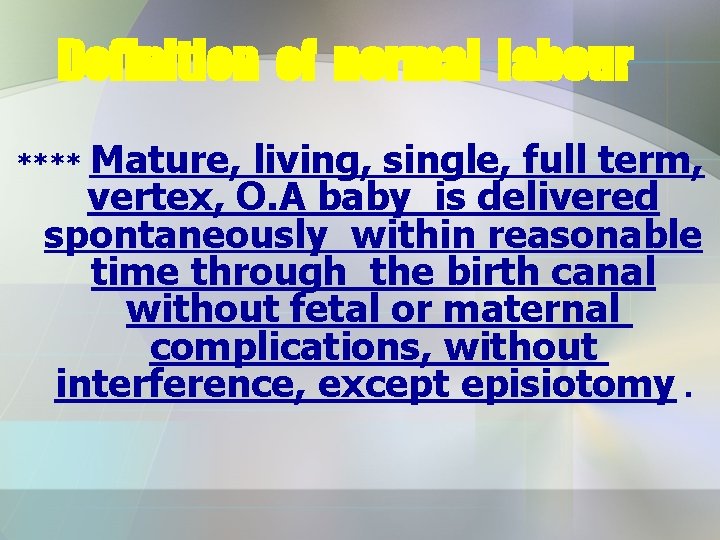
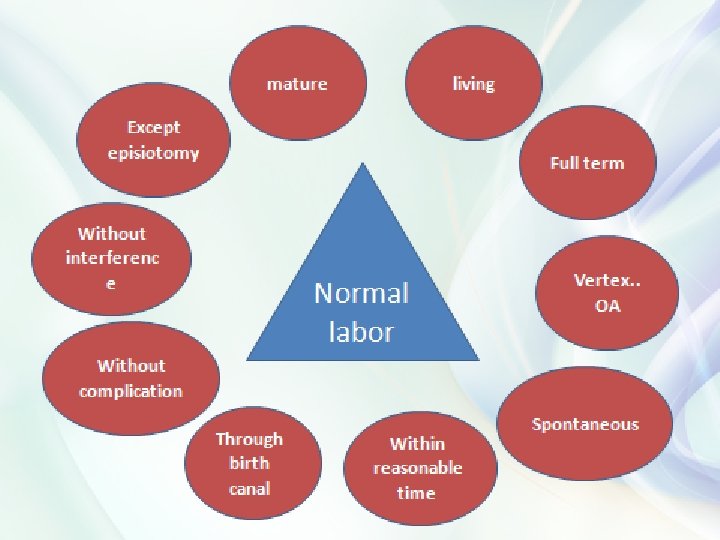
Definition of normal labour **** Mature, living, single, full term, vertex, O. A baby is delivered spontaneously within reasonable time through the birth canal without fetal or maternal complications, without interference, except episiotomy.
CONTRACTION & RETRACTION It is the main feature of uterine muscles , it is responsible for : 1. Progressive CX dilatation & effacement. 2. Delivery of the baby. 3. Delivery of placenta. 4. Control of post partum hemorrhage. 5. Involution of the uterus.
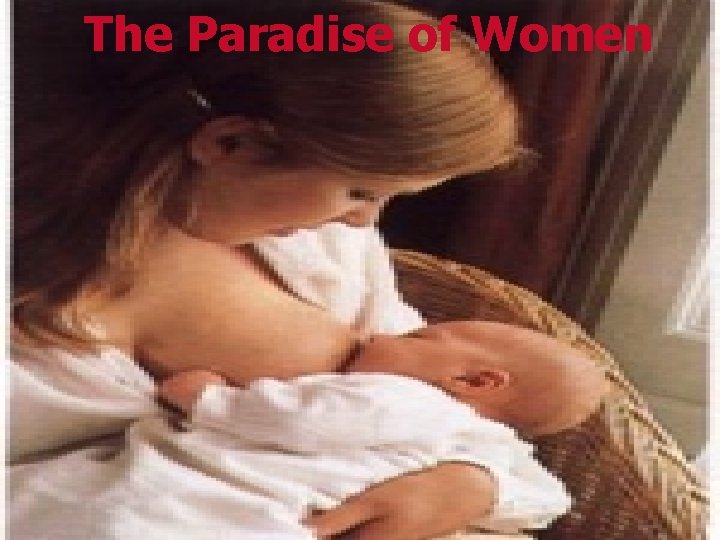
The Paradise of Women
Essam Ibrahim Bye I wish you a very happy life
- Slides: 102