
NORMAL LABOR APPLIED BASIC SCIENCE FEMALE PELVIS MALE

NORMAL LABOR
APPLIED BASIC SCIENCE
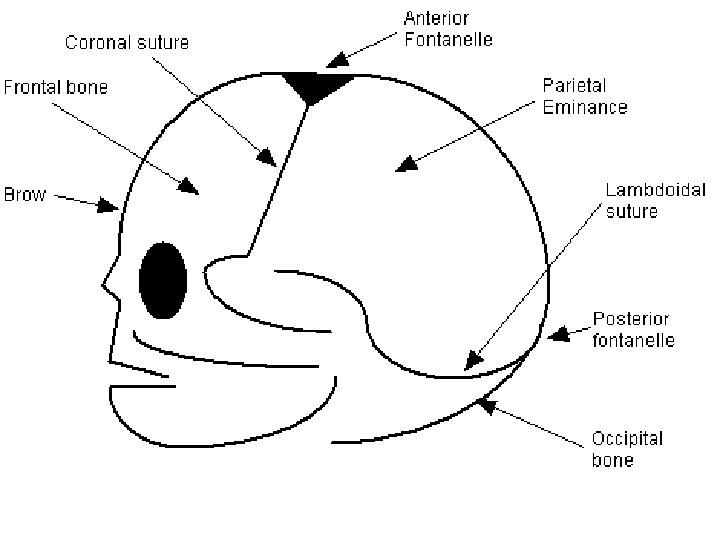
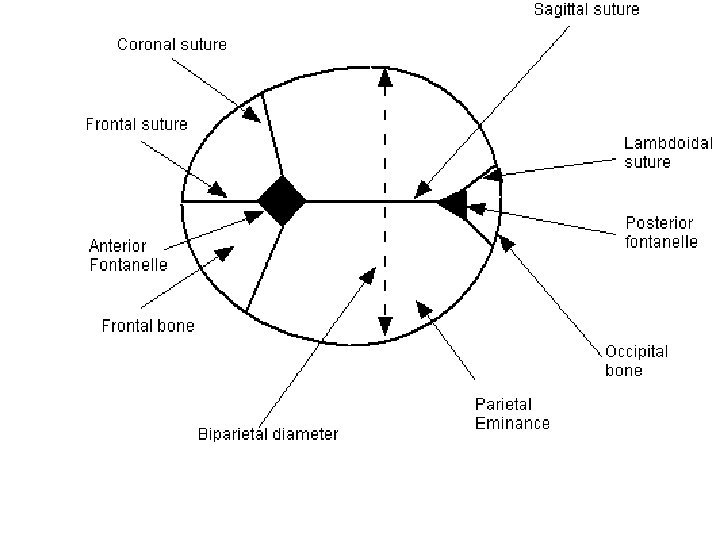
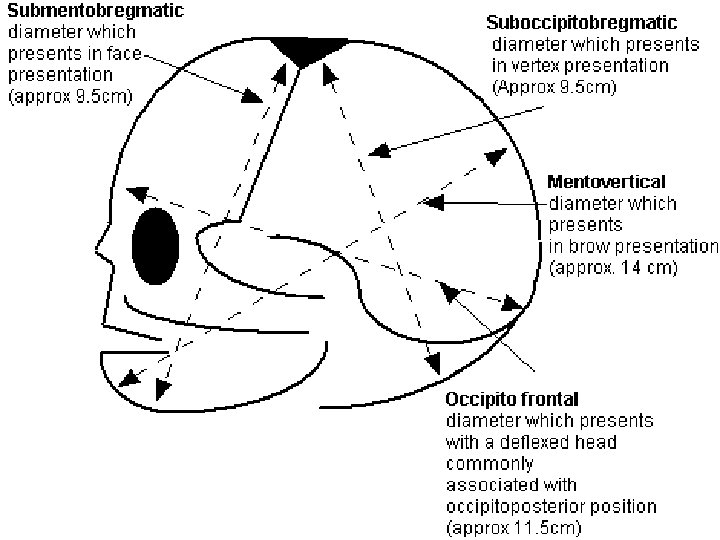
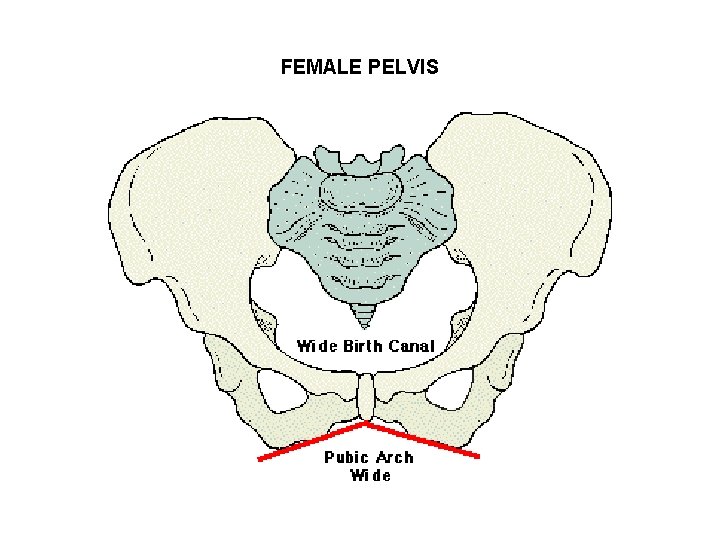
FEMALE PELVIS
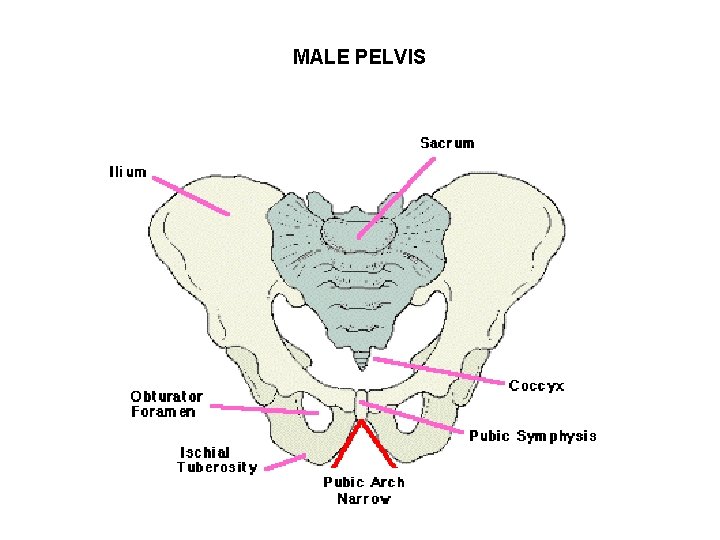
MALE PELVIS
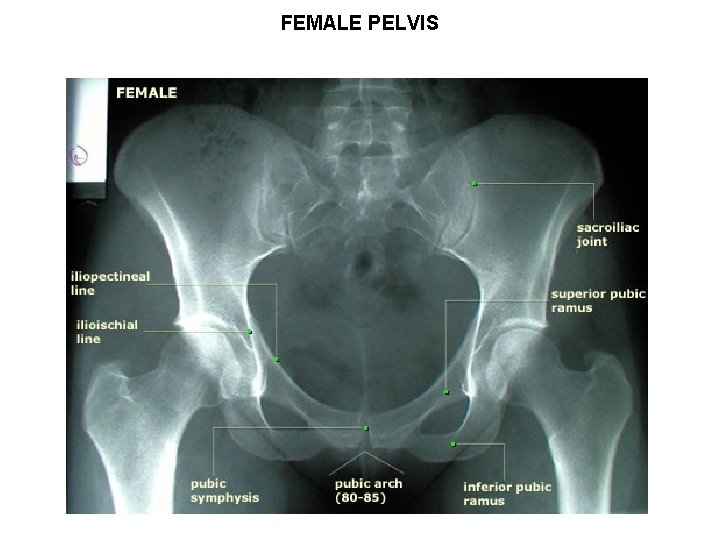
FEMALE PELVIS
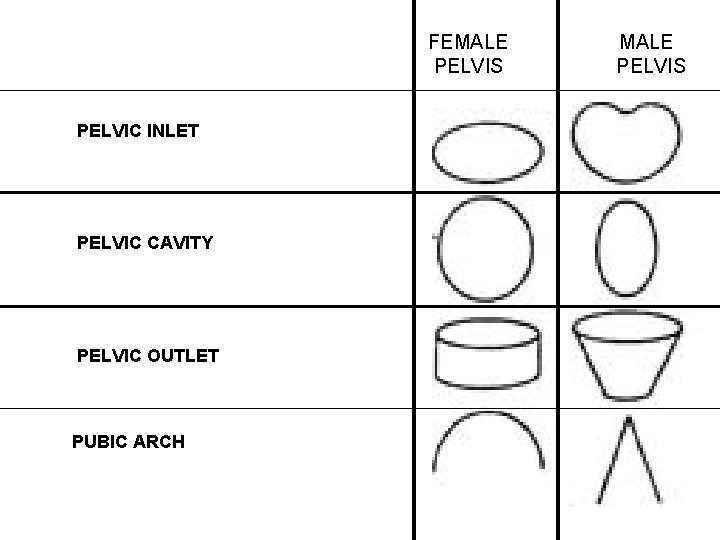
FEMALE PELVIS PELVIC INLET PELVIC CAVITY PELVIC OUTLET PUBIC ARCH MALE PELVIS
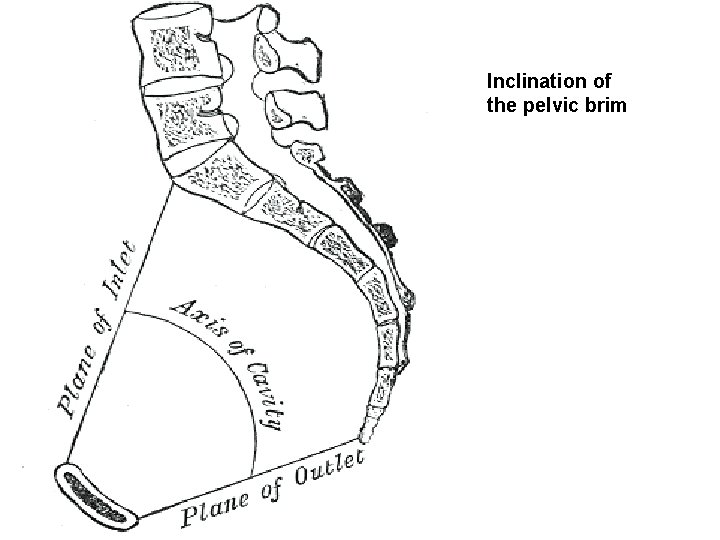
Inclination of the pelvic brim
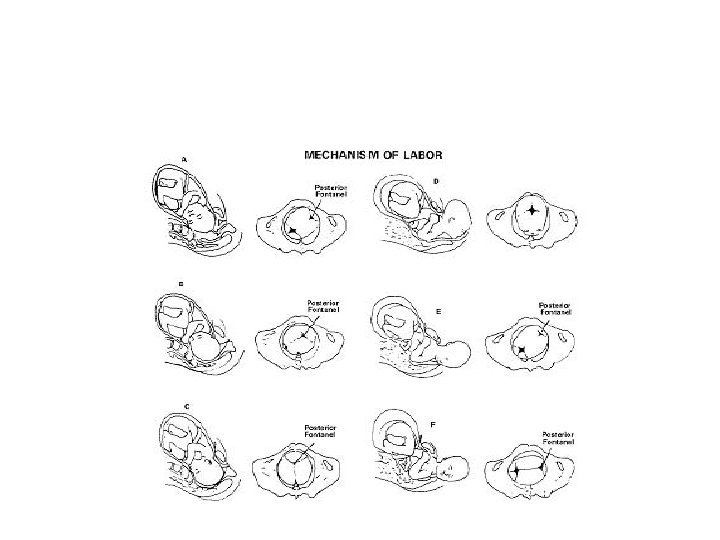

MANAGEMENT OF LABOR
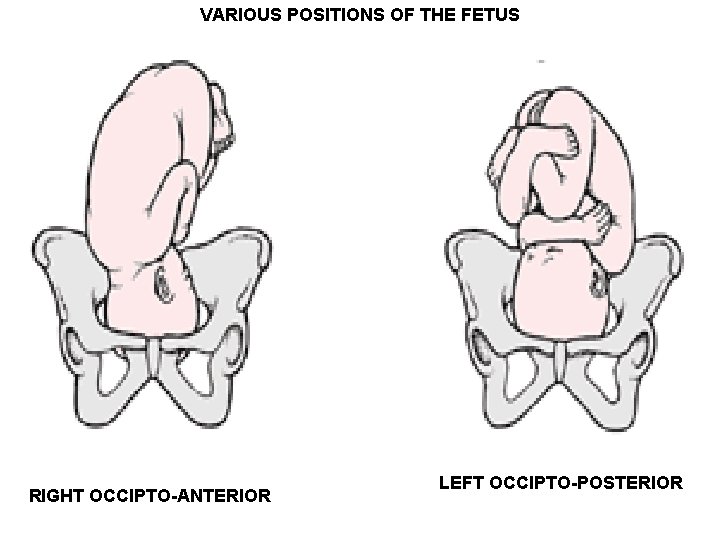
VARIOUS POSITIONS OF THE FETUS RIGHT OCCIPTO-ANTERIOR LEFT OCCIPTO-POSTERIOR
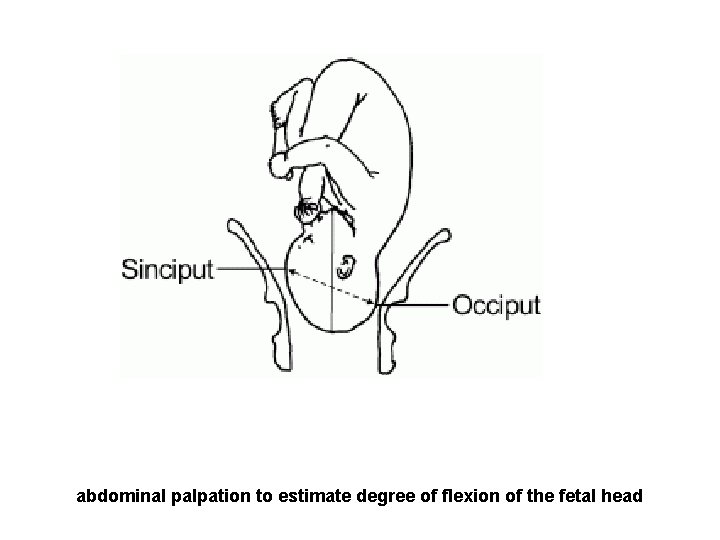
abdominal palpation to estimate degree of flexion of the fetal head
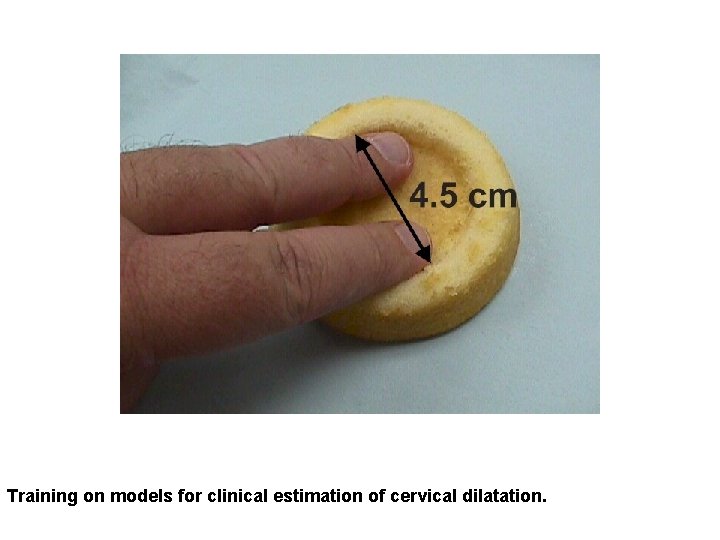
Training on models for clinical estimation of cervical dilatation.
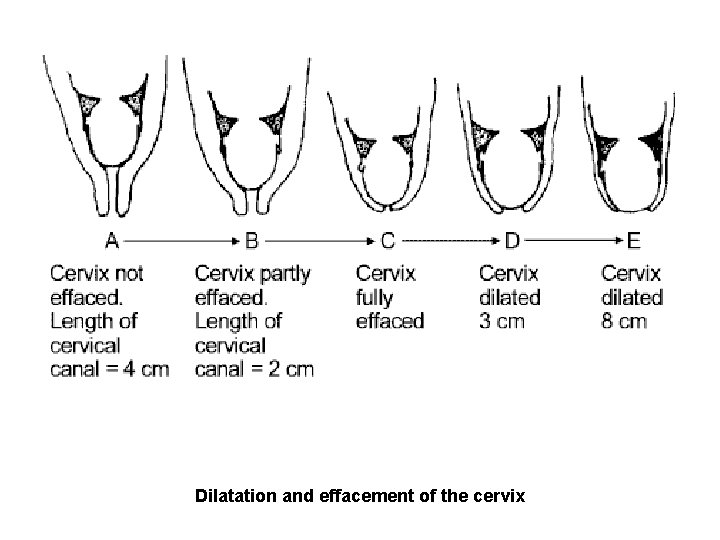
Dilatation and effacement of the cervix
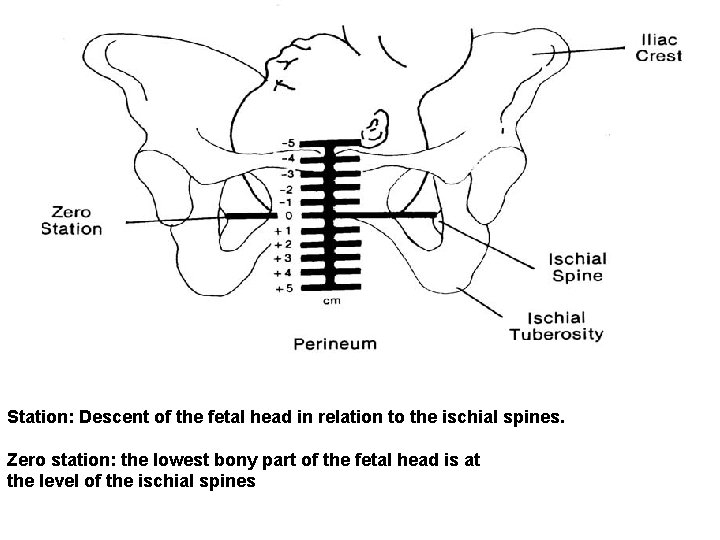
Station: Descent of the fetal head in relation to the ischial spines. Zero station: the lowest bony part of the fetal head is at the level of the ischial spines
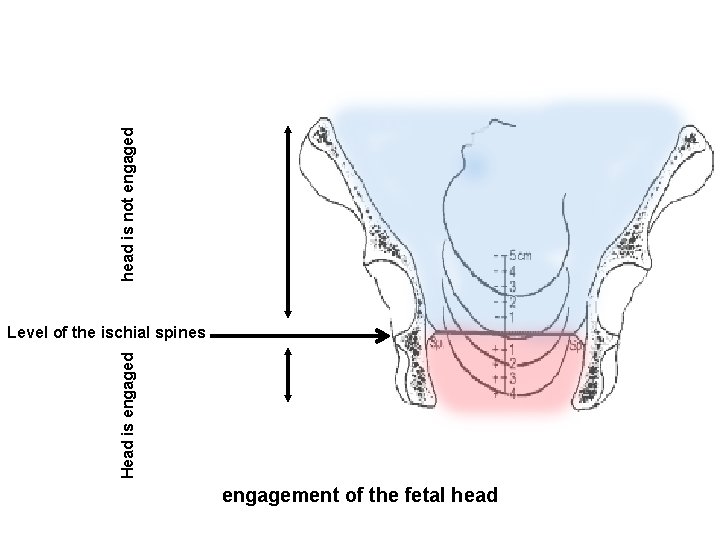
head is not engaged Head is engaged Level of the ischial spines engagement of the fetal head
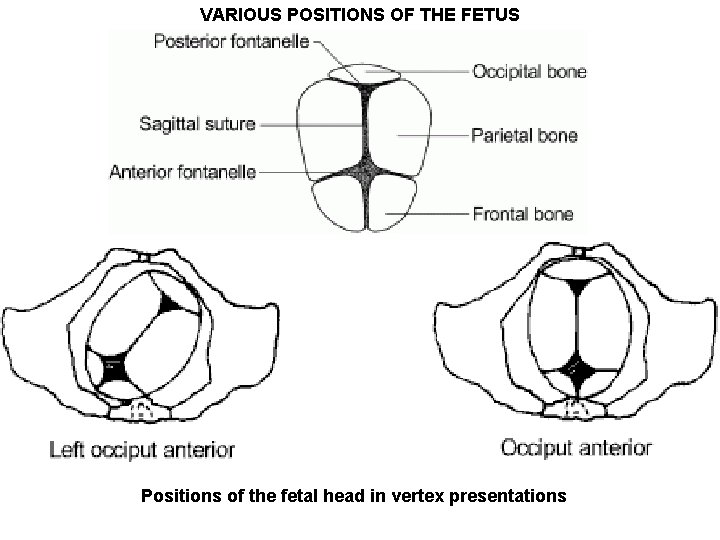
VARIOUS POSITIONS OF THE FETUS Positions of the fetal head in vertex presentations
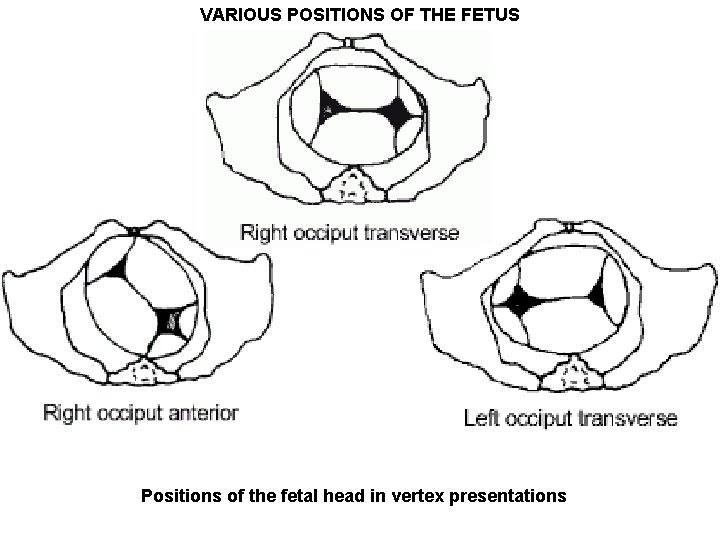
VARIOUS POSITIONS OF THE FETUS Positions of the fetal head in vertex presentations

PARTOGRAPH
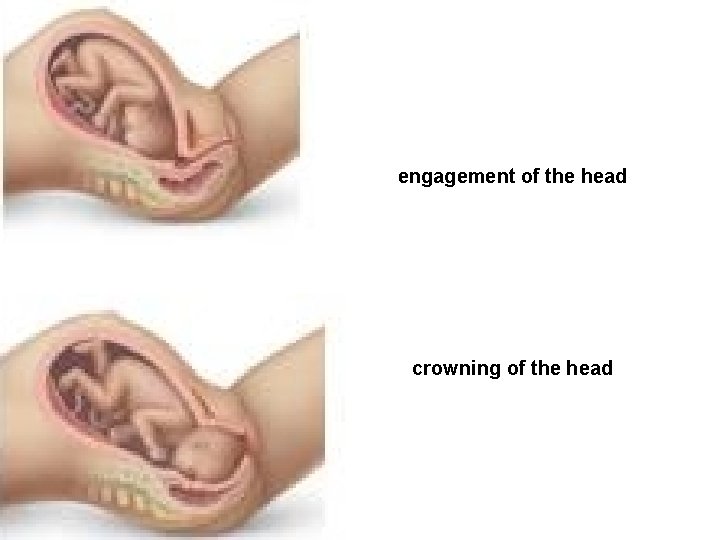
engagement of the head crowning of the head
![episiotomy [right medio-lateral]](http://slidetodoc.com/presentation_image_h2/4408d00b9831d1066bf3fd53b41b1220/image-23.jpg "episiotomy [right medio-lateral]")
episiotomy [right medio-lateral]
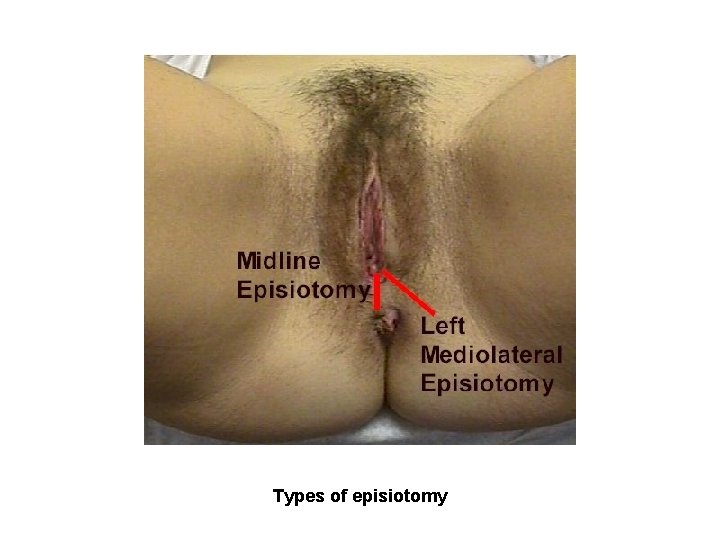
Types of episiotomy
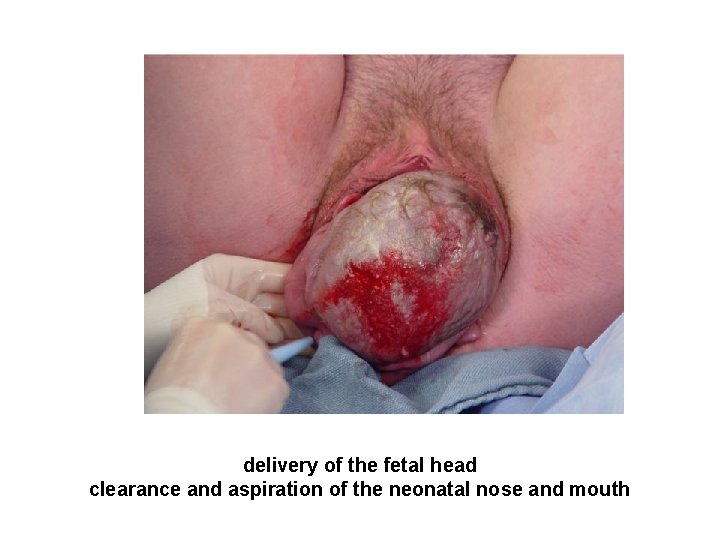
delivery of the fetal head clearance and aspiration of the neonatal nose and mouth
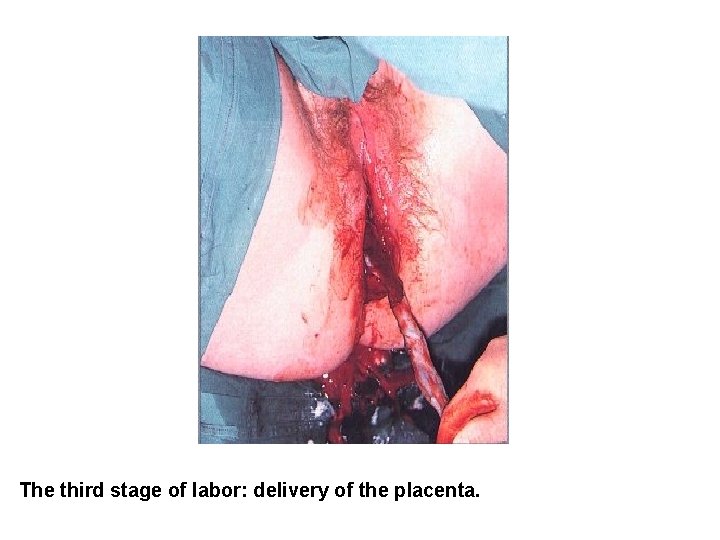
BREECH PRESENTATION The third stage of labor: delivery of the placenta.

DELIVERY OF THE FETAL TRUNK
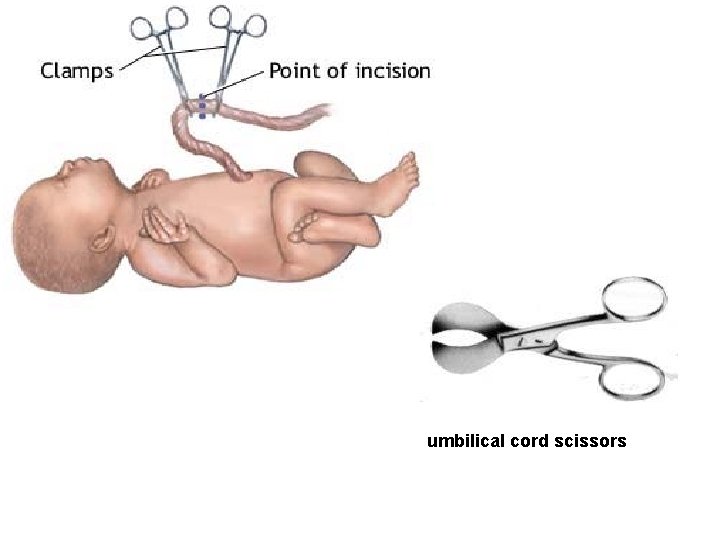
CLAMPING & CUTTING THE UMBILICAL CORD umbilical cord scissors
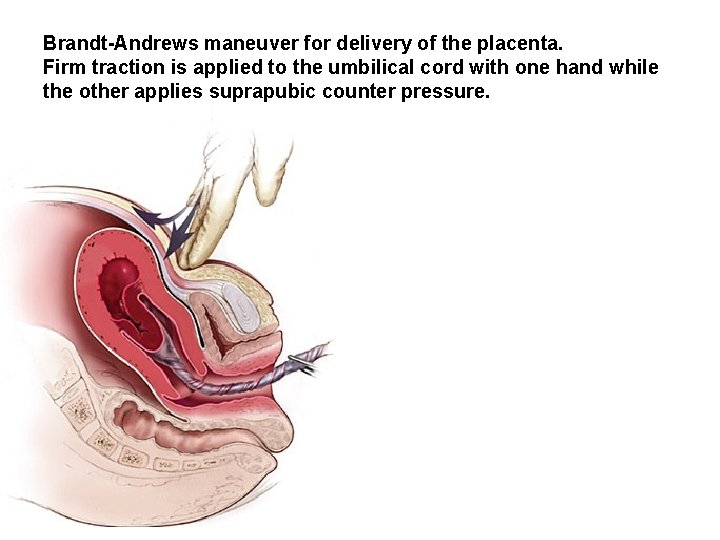
Brandt-Andrews maneuver for delivery of the placenta. Firm traction is applied to the umbilical cord with one hand while the other applies suprapubic counter pressure.
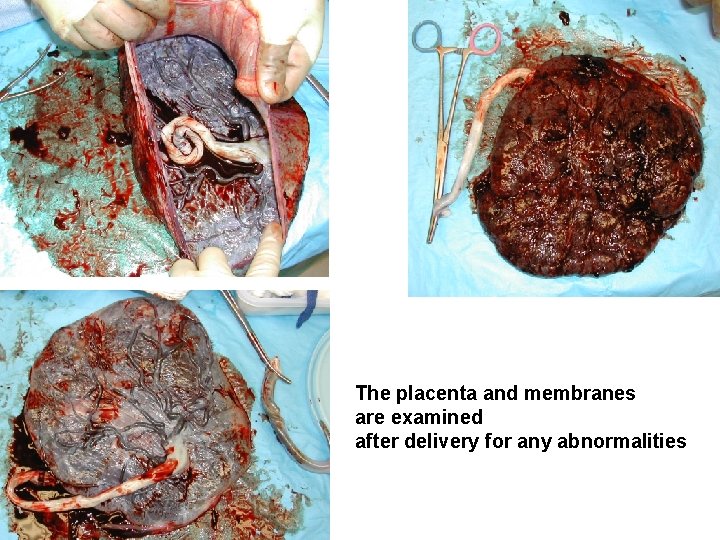
The placenta and membranes are examined after delivery for any abnormalities

ANALGESIA AND ANESTHESI IN LABOR
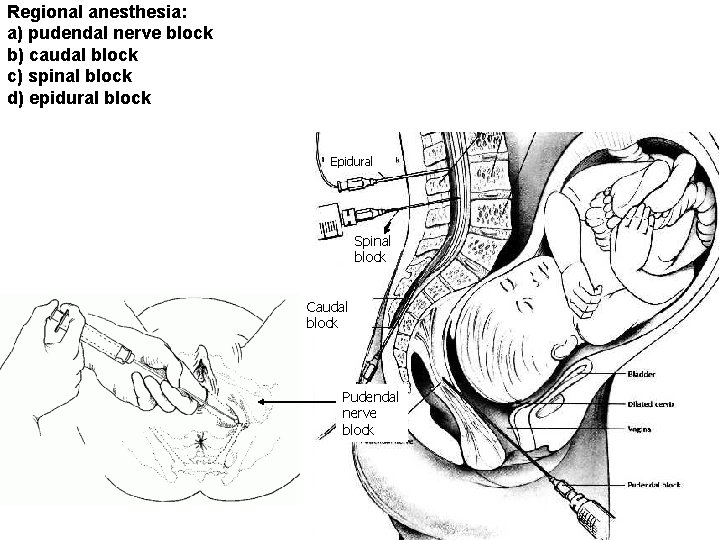
Regional anesthesia: a) pudendal nerve block b) caudal block c) spinal block d) epidural block Epidural Spinal block Caudal block Pudendal nerve block
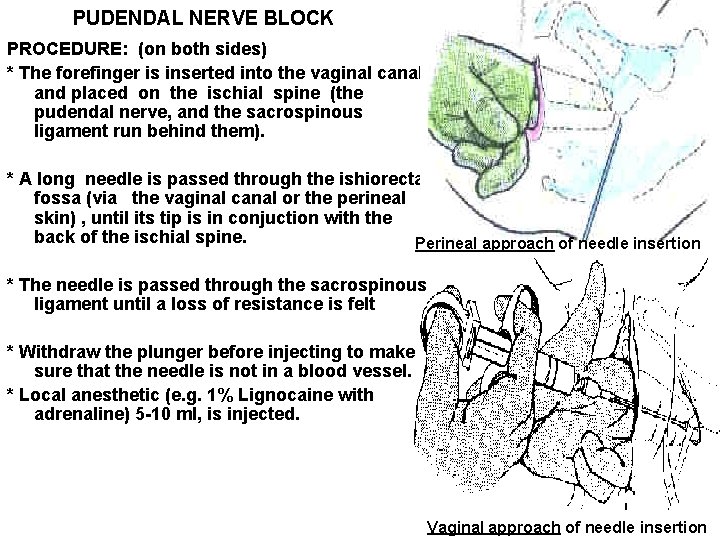
PUDENDAL NERVE BLOCK PROCEDURE: (on both sides) * The forefinger is inserted into the vaginal canal, and placed on the ischial spine (the pudendal nerve, and the sacrospinous ligament run behind them). * A long needle is passed through the ishiorectal fossa (via the vaginal canal or the perineal skin) , until its tip is in conjuction with the back of the ischial spine. Perineal approach of needle insertion * The needle is passed through the sacrospinous ligament until a loss of resistance is felt * Withdraw the plunger before injecting to make sure that the needle is not in a blood vessel. * Local anesthetic (e. g. 1% Lignocaine with adrenaline) 5 -10 ml, is injected. Vaginal approach of needle insertion
- Slides: 33