
Normal Growth and Development Dr Nishant Verma Assistant

- Slides: 40
Normal Growth and Development Dr Nishant Verma Assistant Professor Department of Pediatrics King George’s Medical University, Lucknow
Definitions • Growth – Increase in size or mass – Wt, HC • Development – Maturation of functions – Motor, Language, Vision, Hearing
Growth
Why is it important ? Is my child normal ? ? ?
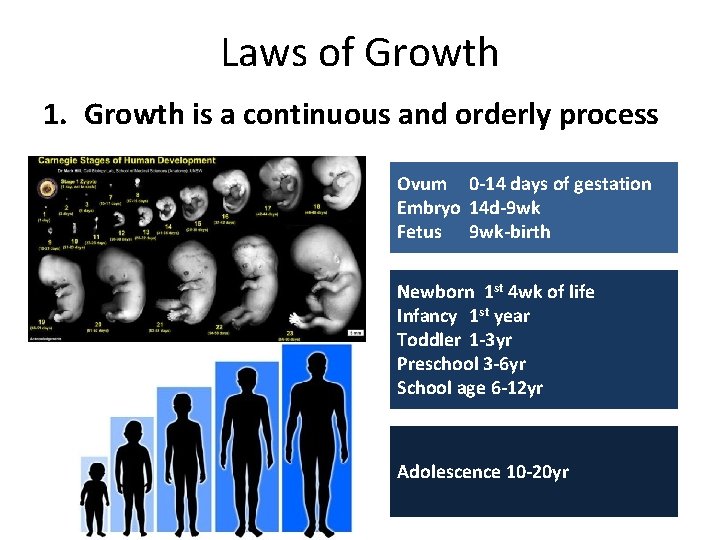
Laws of Growth 1. Growth is a continuous and orderly process Ovum 0 -14 days of gestation Embryo 14 d-9 wk Fetus 9 wk-birth Newborn 1 st 4 wk of life Infancy 1 st year Toddler 1 -3 yr Preschool 3 -6 yr School age 6 -12 yr Adolescence 10 -20 yr
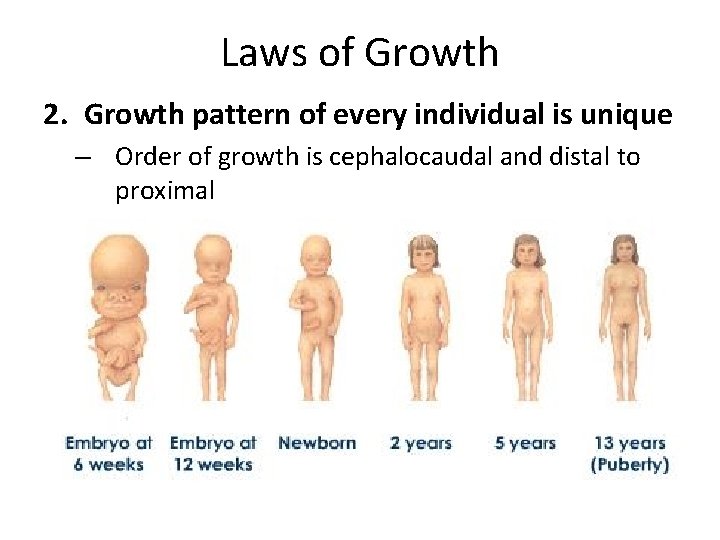
Laws of Growth 2. Growth pattern of every individual is unique – Order of growth is cephalocaudal and distal to proximal
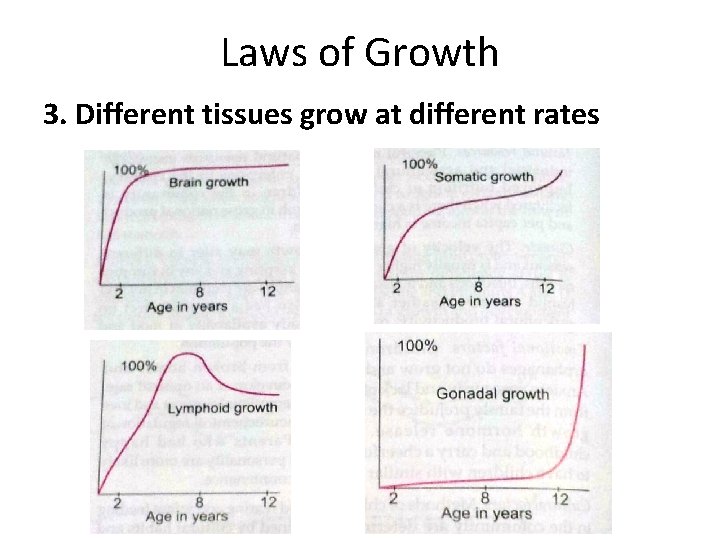
Laws of Growth 3. Different tissues grow at different rates
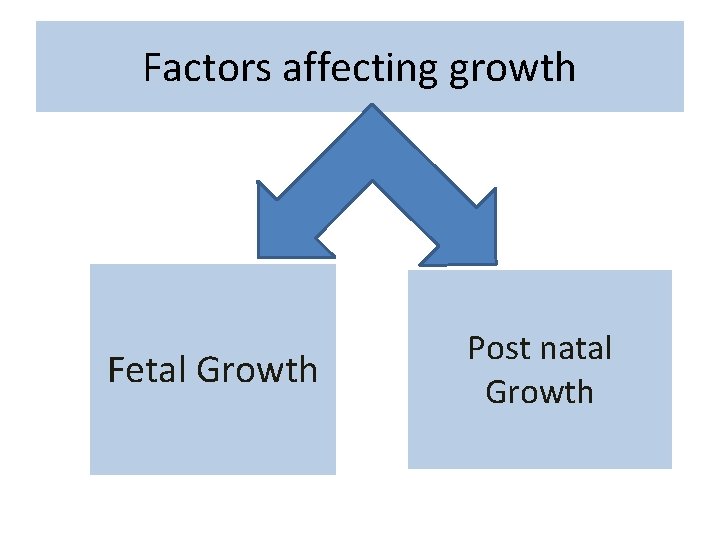
Factors affecting growth Fetal Growth Post natal Growth
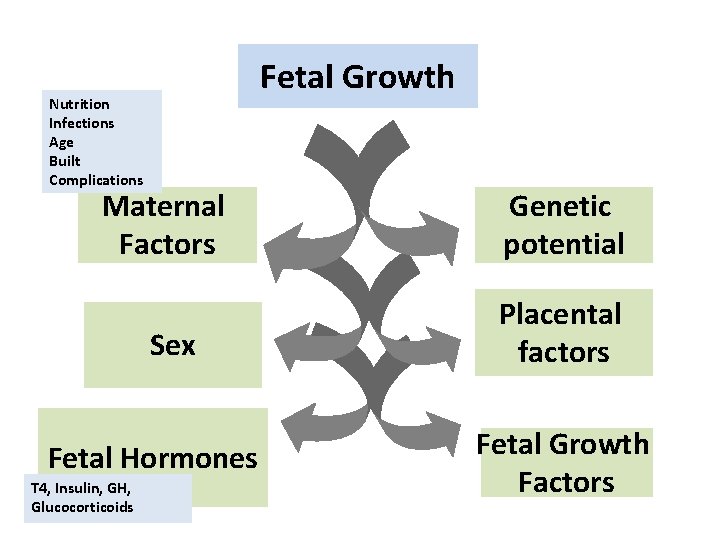
Fetal Growth Nutrition Infections Age Built Complications Maternal Factors Genetic potential Sex Placental factors Fetal Hormones T 4, Insulin, GH, Glucocorticoids Fetal Growth Factors
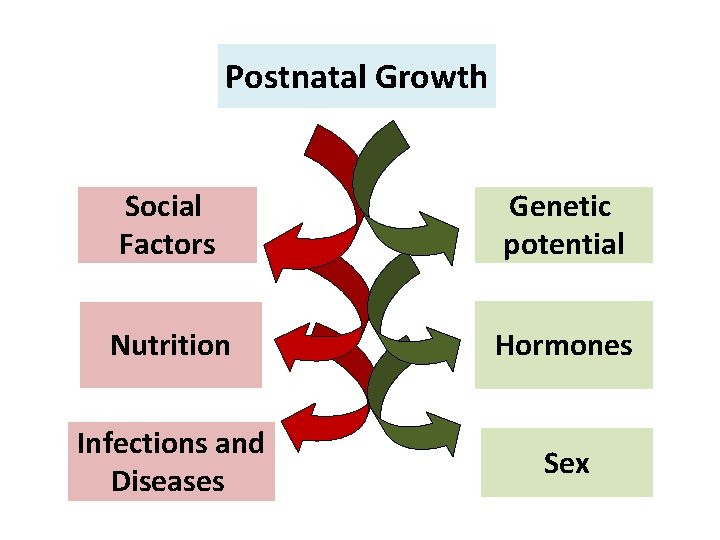
Postnatal Growth Social Factors Genetic potential Nutrition Hormones Infections and Diseases Sex
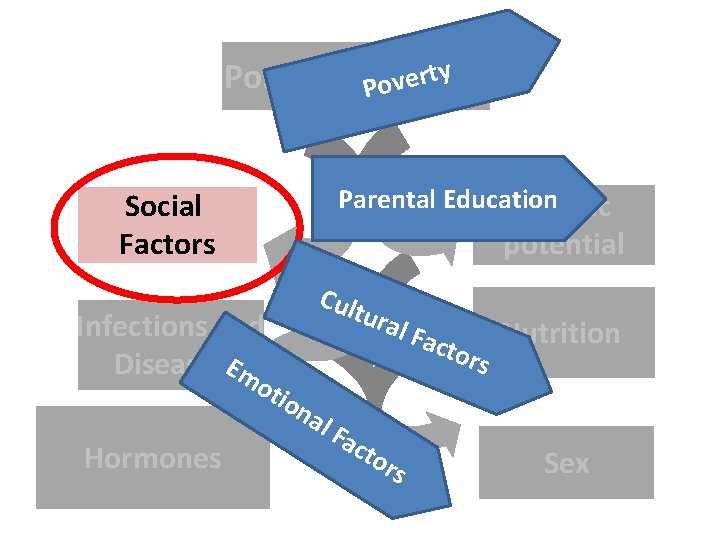
y t r e Postnatal. PGrowth v o Parental Education Genetic Social Factors potential Infections and Diseases. Em oti Cul tura Hormones l Fa cto Nutrition rs on al Fa cto rs Sex
How to measure growth ?
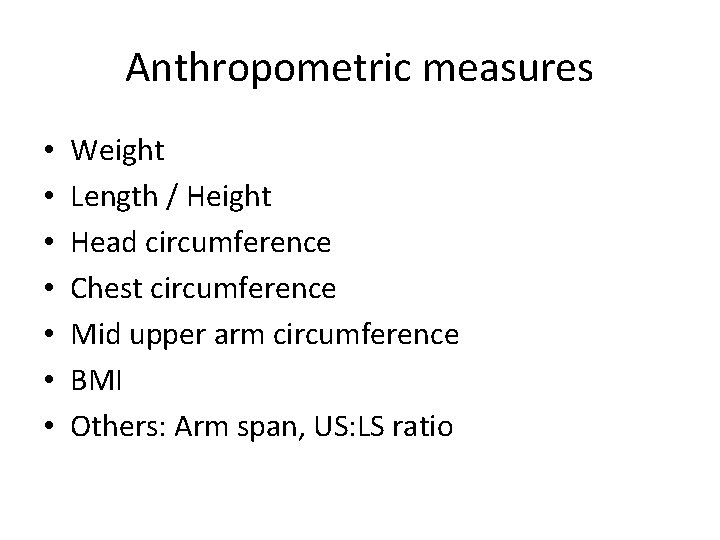
Anthropometric measures • • Weight Length / Height Head circumference Chest circumference Mid upper arm circumference BMI Others: Arm span, US: LS ratio
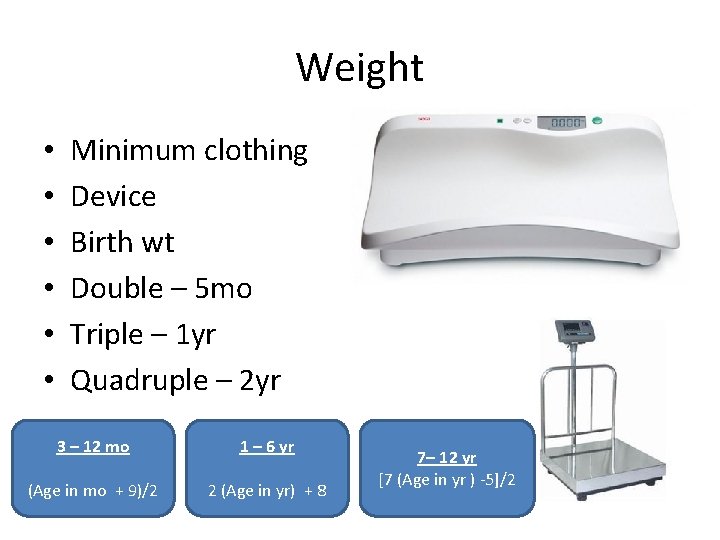
Weight • • • Minimum clothing Device Birth wt Double – 5 mo Triple – 1 yr Quadruple – 2 yr 3 – 12 mo 1 – 6 yr (Age in mo + 9)/2 2 (Age in yr) + 8 7– 12 yr [7 (Age in yr ) -5]/2
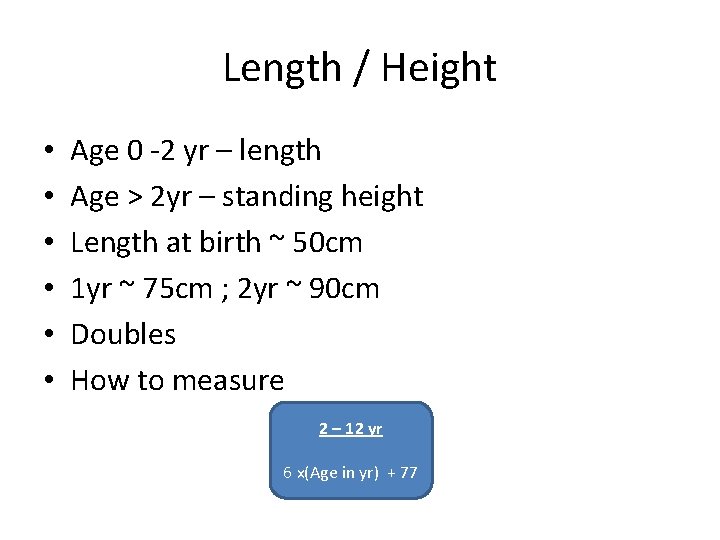
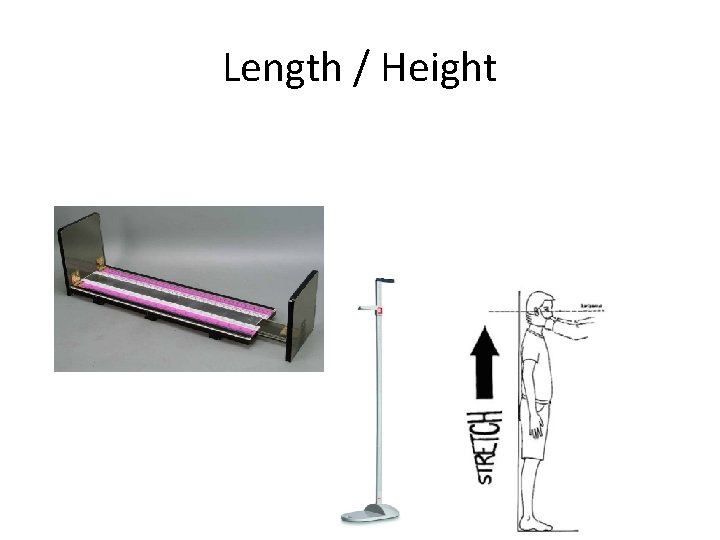
Length / Height • • • Age 0 -2 yr – length Age > 2 yr – standing height Length at birth ~ 50 cm 1 yr ~ 75 cm ; 2 yr ~ 90 cm Doubles How to measure 2 – 12 yr 6 x(Age in yr) + 77
Length / Height
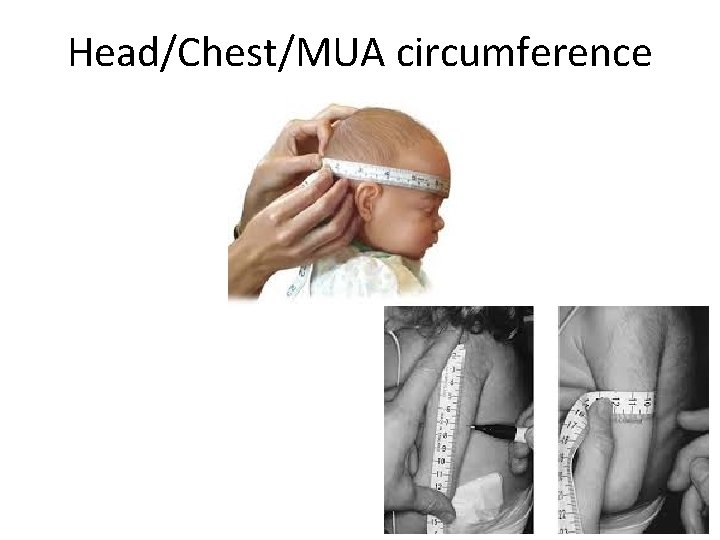
Head/Chest/MUA circumference
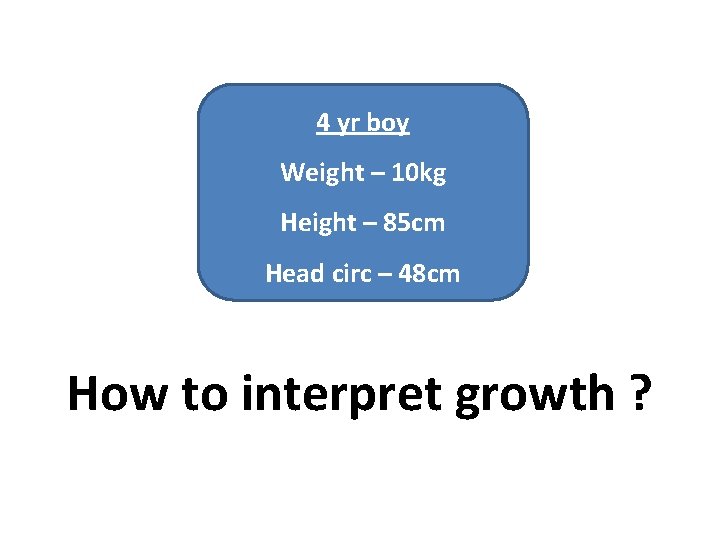
4 yr boy Weight – 10 kg Height – 85 cm Head circ – 48 cm How to interpret growth ?
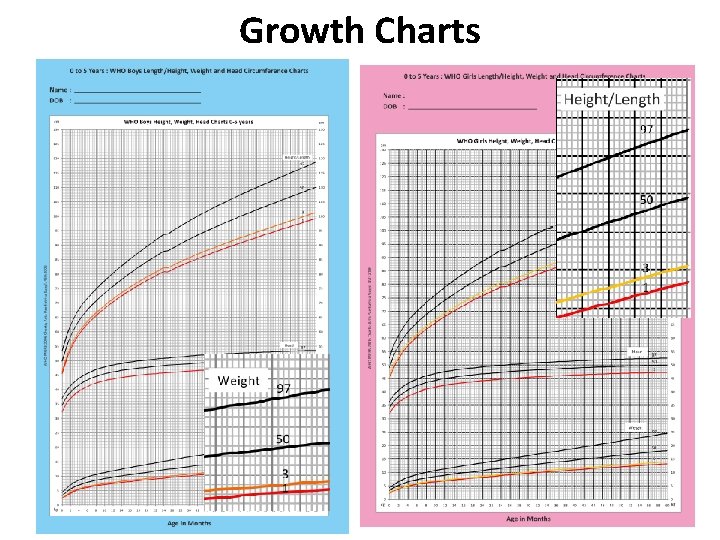
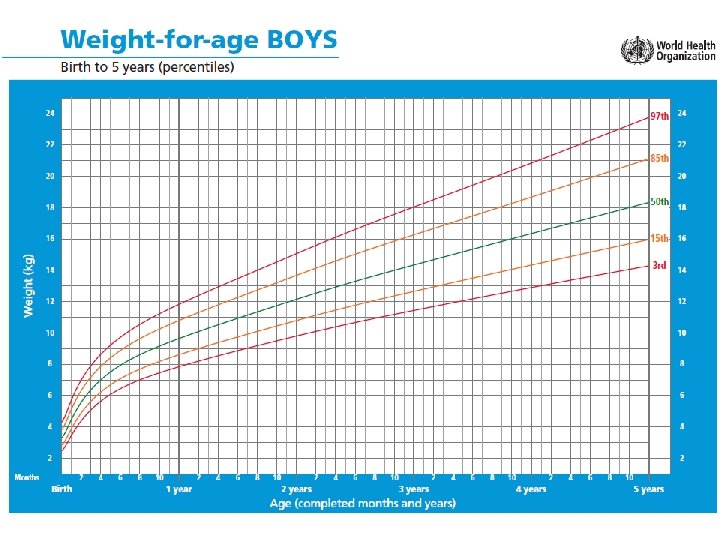
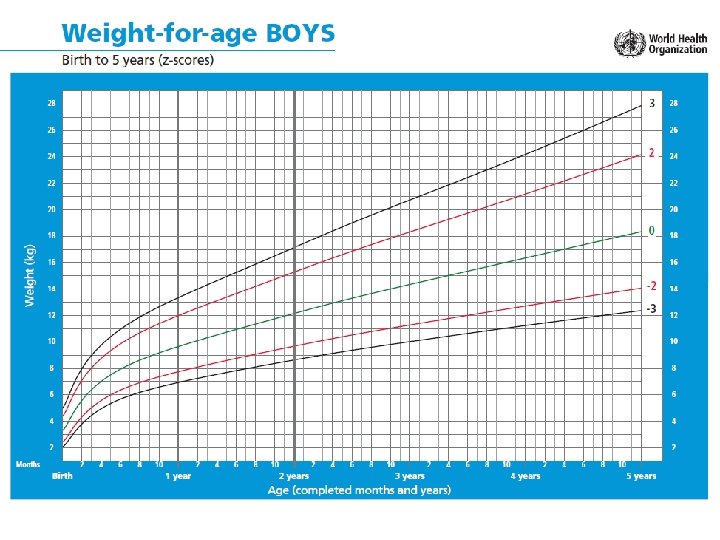
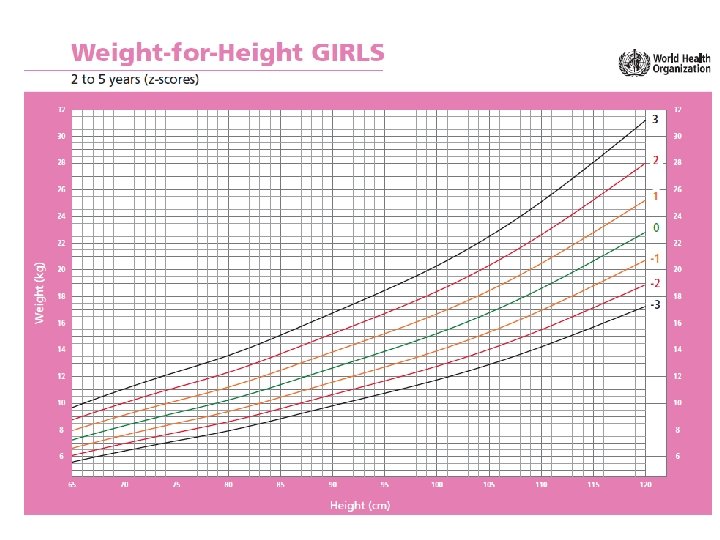
Growth Charts
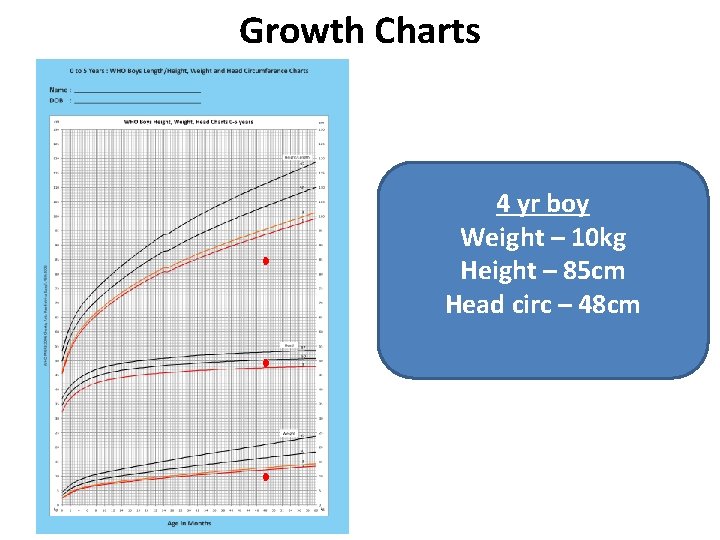
Growth Charts 4 yr boy Weight – 10 kg Height – 85 cm Head circ – 48 cm
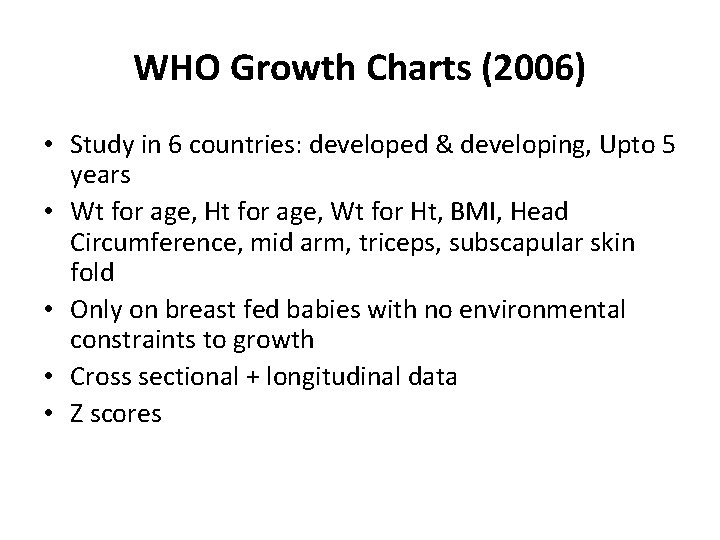
WHO Growth Charts (2006) • Study in 6 countries: developed & developing, Upto 5 years • Wt for age, Ht for age, Wt for Ht, BMI, Head Circumference, mid arm, triceps, subscapular skin fold • Only on breast fed babies with no environmental constraints to growth • Cross sectional + longitudinal data • Z scores
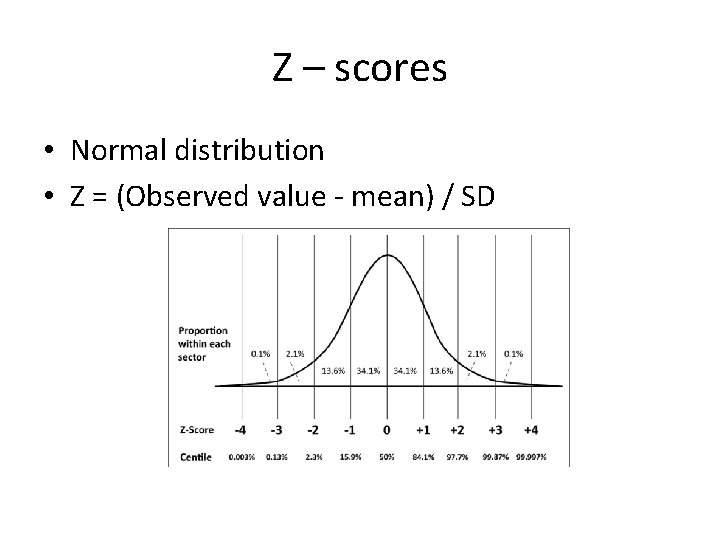
Z – scores • Normal distribution • Z = (Observed value - mean) / SD
How to differentiate acute from chronic malnutrition from growth chart ?
Development
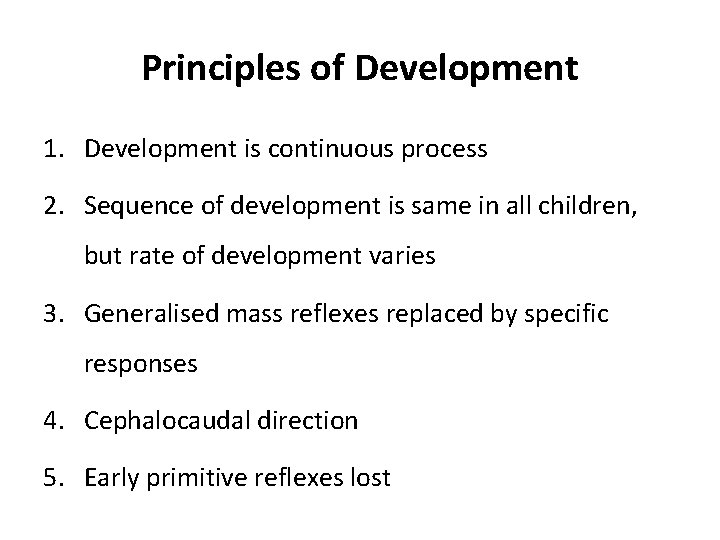
Principles of Development 1. Development is continuous process 2. Sequence of development is same in all children, but rate of development varies 3. Generalised mass reflexes replaced by specific responses 4. Cephalocaudal direction 5. Early primitive reflexes lost
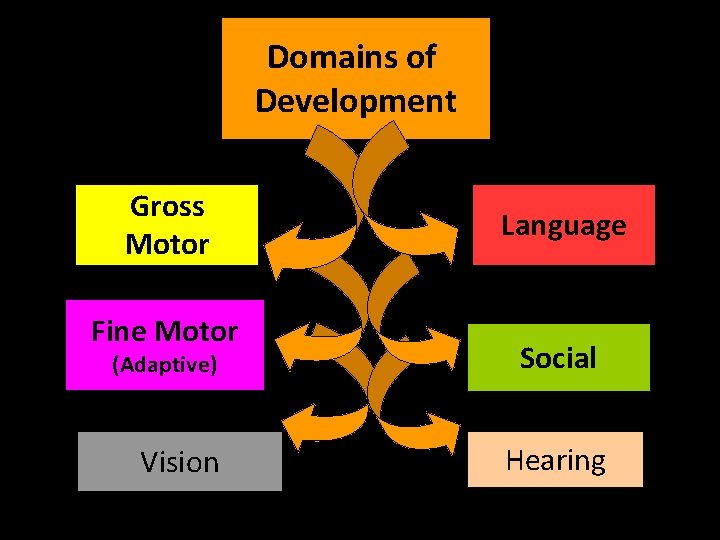
Domains of Development Gross Motor Fine Motor (Adaptive) Vision Language Social Hearing
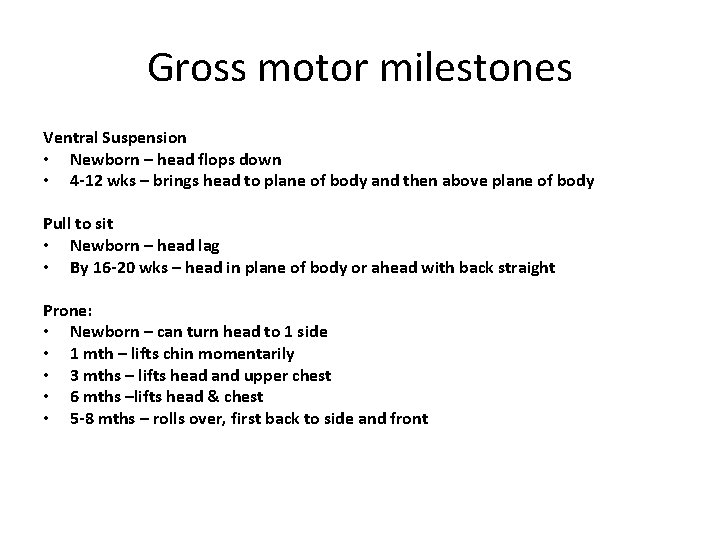
Gross motor milestones Ventral Suspension • Newborn – head flops down • 4 -12 wks – brings head to plane of body and then above plane of body Pull to sit • Newborn – head lag • By 16 -20 wks – head in plane of body or ahead with back straight Prone: • Newborn – can turn head to 1 side • 1 mth – lifts chin momentarily • 3 mths – lifts head and upper chest • 6 mths –lifts head & chest • 5 -8 mths – rolls over, first back to side and front
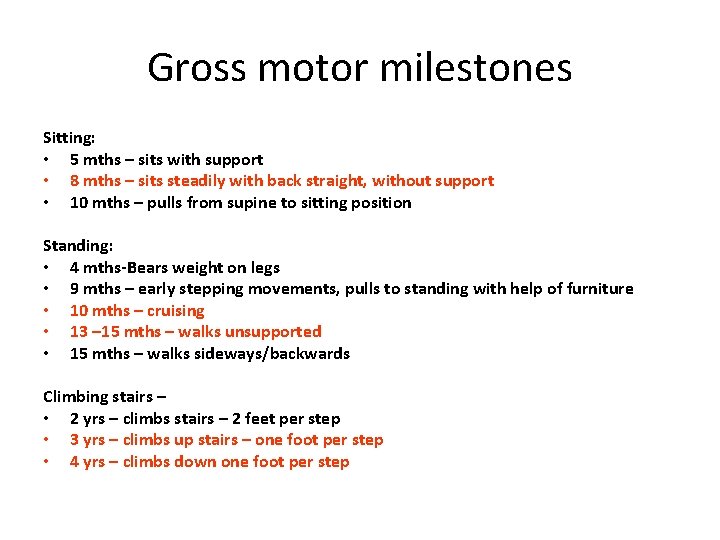
Gross motor milestones Sitting: • 5 mths – sits with support • 8 mths – sits steadily with back straight, without support • 10 mths – pulls from supine to sitting position Standing: • 4 mths-Bears weight on legs • 9 mths – early stepping movements, pulls to standing with help of furniture • 10 mths – cruising • 13 – 15 mths – walks unsupported • 15 mths – walks sideways/backwards Climbing stairs – • 2 yrs – climbs stairs – 2 feet per step • 3 yrs – climbs up stairs – one foot per step • 4 yrs – climbs down one foot per step
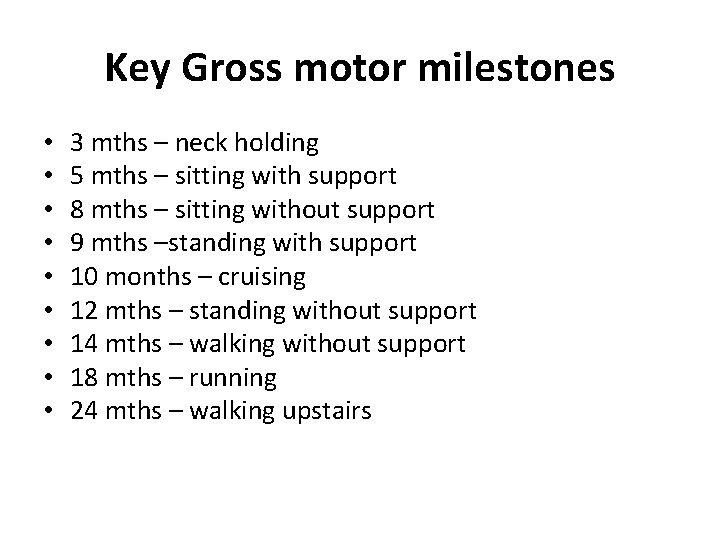
Key Gross motor milestones • • • 3 mths – neck holding 5 mths – sitting with support 8 mths – sitting without support 9 mths –standing with support 10 months – cruising 12 mths – standing without support 14 mths – walking without support 18 mths – running 24 mths – walking upstairs
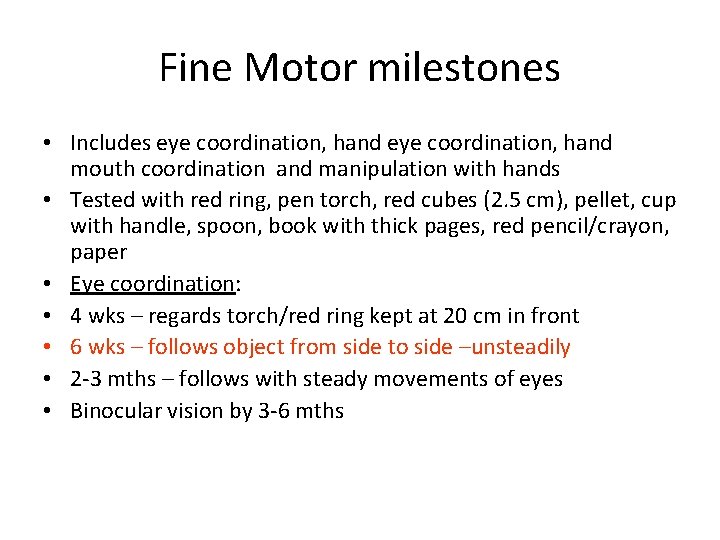
Fine Motor milestones • Includes eye coordination, hand mouth coordination and manipulation with hands • Tested with red ring, pen torch, red cubes (2. 5 cm), pellet, cup with handle, spoon, book with thick pages, red pencil/crayon, paper • Eye coordination: • 4 wks – regards torch/red ring kept at 20 cm in front • 6 wks – follows object from side to side –unsteadily • 2 -3 mths – follows with steady movements of eyes • Binocular vision by 3 -6 mths
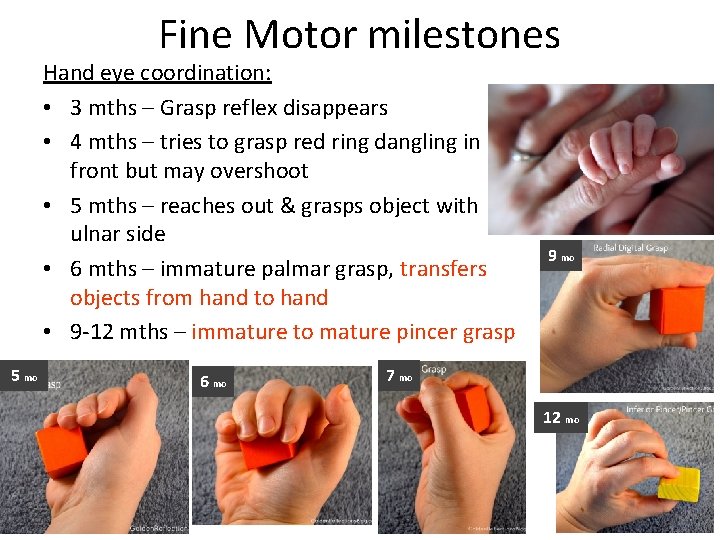
Fine Motor milestones Hand eye coordination: • 3 mths – Grasp reflex disappears • 4 mths – tries to grasp red ring dangling in front but may overshoot • 5 mths – reaches out & grasps object with ulnar side • 6 mths – immature palmar grasp, transfers objects from hand to hand • 9 -12 mths – immature to mature pincer grasp 5 mo 6 mo 9 mo 7 mo 12 mo
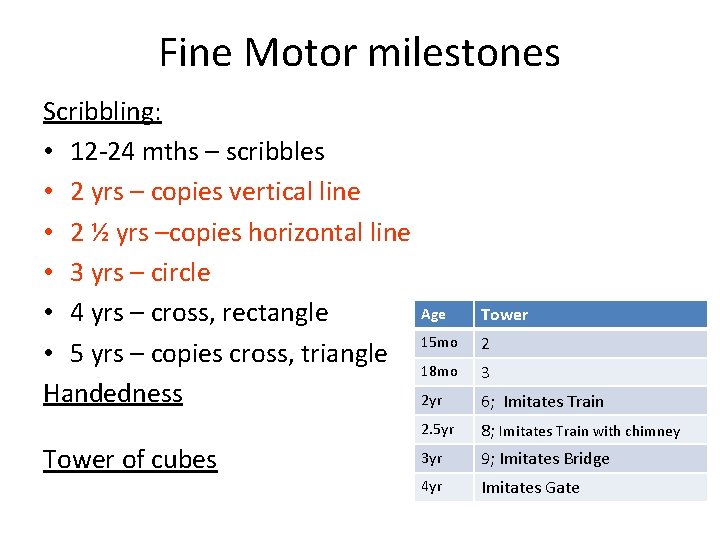
Fine Motor milestones Scribbling: • 12 -24 mths – scribbles • 2 yrs – copies vertical line • 2 ½ yrs –copies horizontal line • 3 yrs – circle • 4 yrs – cross, rectangle • 5 yrs – copies cross, triangle Handedness Tower of cubes Age Tower 15 mo 2 18 mo 3 2 yr 6; Imitates Train 2. 5 yr 8; Imitates Train with chimney 3 yr 9; Imitates Bridge 4 yr Imitates Gate
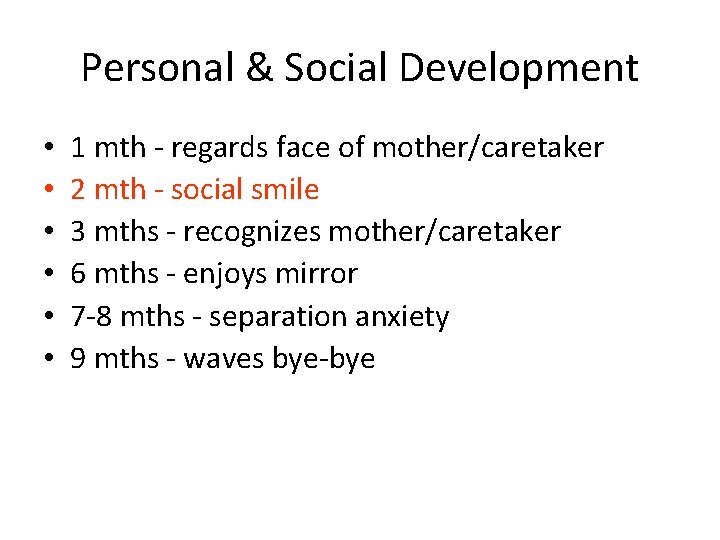
Personal & Social Development • • • 1 mth - regards face of mother/caretaker 2 mth - social smile 3 mths - recognizes mother/caretaker 6 mths - enjoys mirror 7 -8 mths - separation anxiety 9 mths - waves bye-bye
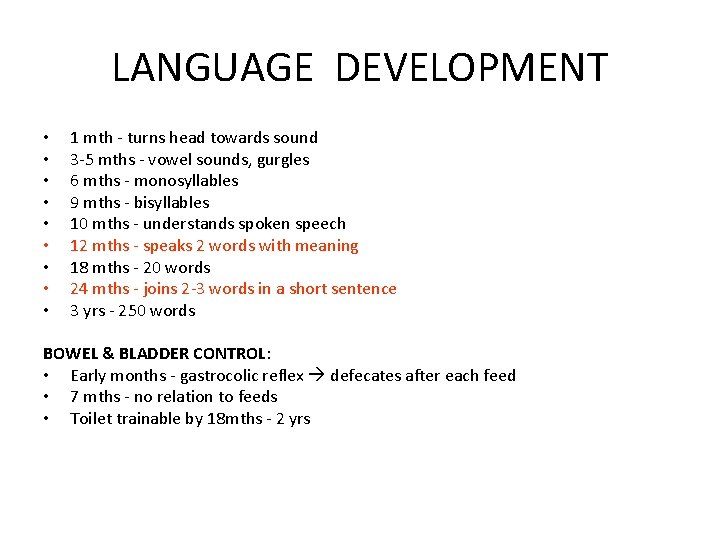
LANGUAGE DEVELOPMENT • • • 1 mth - turns head towards sound 3 -5 mths - vowel sounds, gurgles 6 mths - monosyllables 9 mths - bisyllables 10 mths - understands spoken speech 12 mths - speaks 2 words with meaning 18 mths - 20 words 24 mths - joins 2 -3 words in a short sentence 3 yrs - 250 words BOWEL & BLADDER CONTROL: • Early months - gastrocolic reflex defecates after each feed • 7 mths - no relation to feeds • Toilet trainable by 18 mths - 2 yrs
Developmental Screening Developmental Surveillance
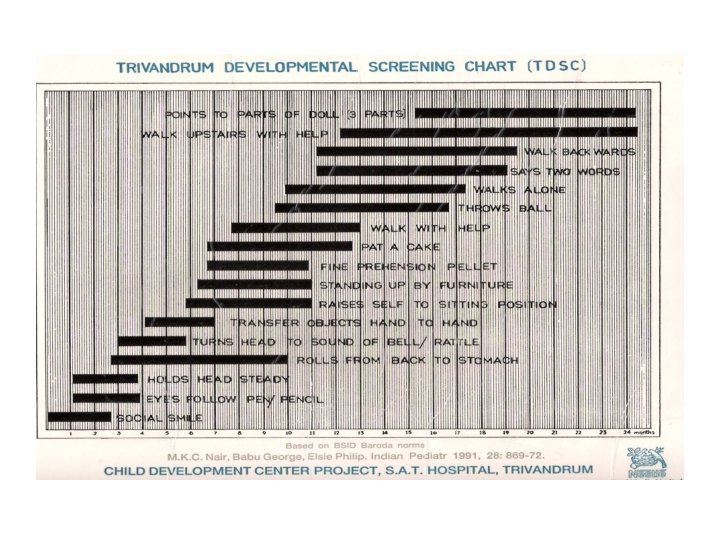
DEVELOPMENTAL SCREENING: • Denver Development Screening Test: Most widely used • 4 scales • 125 items • Baroda Development Screening Test: Adapted from Bayley scales for Indian children • Trivandrum Development Screening Test