
Normal Anxiety vs Anxiety Disorders Knowing the Difference



- Slides: 51
Normal Anxiety vs. Anxiety Disorders
Knowing the Difference n n n How do I know what I am dealing with? What are the Signs of Normal Stress? What are the Symptoms of a Mental Illness? Should I get treatment? What will people think of me
“It’s what you learn after you know it all that counts” Harry Truman
Generally speaking…. If anxiety is affecting you or someone you know, it's important to learn the difference. In general, anxiety is a normal reaction to stress. In fact, it can be a good thing. . An anxiety disorder, however, involves intense and excessive anxiety, along with other debilitating symptoms.
ANXIETY n n n Everyone will experience anxiety from time to time. The demands and stress of life may even make experiencing anxiety more frequent. Anxiety is a normal reaction to stress. In fact, it can be a good thing. Anxiety motivates you to accomplish things, try harder, and it can warn you when you’re in a dangerous situation. It informs you to be extra vigilant about your environment. Is usually the response to a stressor: such as job stress, family or financial problems, conflict in relationships, tests, speaking assignments, excessive responsibilities, etc.
The Disorder An anxiety disorder, however, involves intense and excessive anxiety, along with other debilitating symptoms. n Anxious all the time n Can’t necessarily spot a reason n Can’t hardly make it through the day n Small things are overwhelming n Intense and excessive emotional feelings n
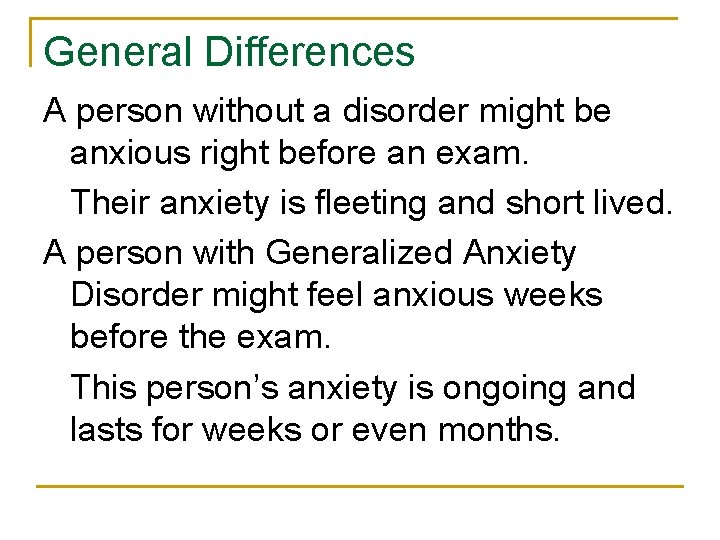
General Differences A person without a disorder might be anxious right before an exam. Their anxiety is fleeting and short lived. A person with Generalized Anxiety Disorder might feel anxious weeks before the exam. This person’s anxiety is ongoing and lasts for weeks or even months.
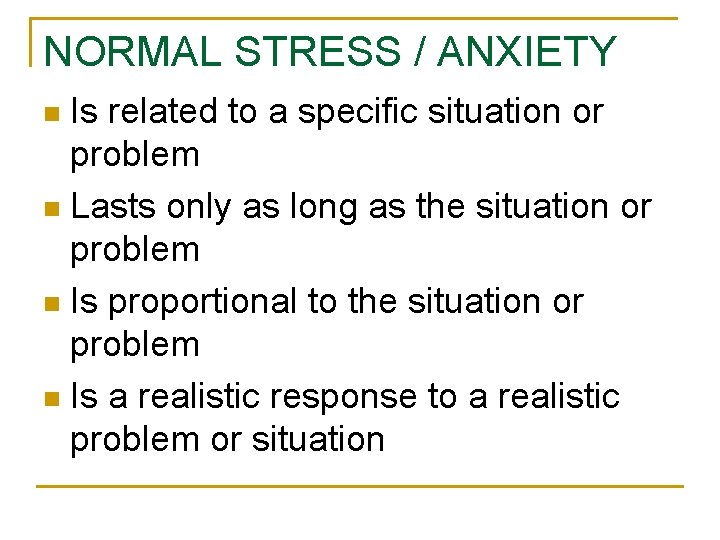
NORMAL STRESS / ANXIETY Is related to a specific situation or problem n Lasts only as long as the situation or problem n Is proportional to the situation or problem n Is a realistic response to a realistic problem or situation n
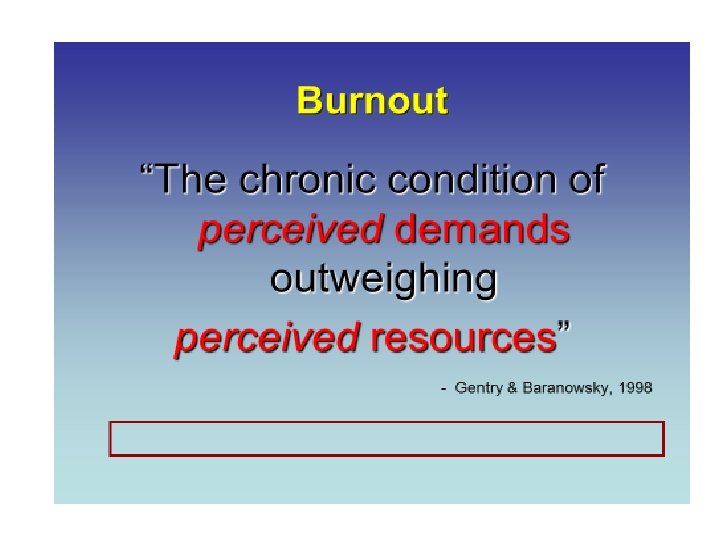
BURNOUT n n n Can be debilitating Usually results in job/role dissatisfaction Can mimic or trigger an anxiety or mood disorder Mostly need attention to self-regulation May need professional intervention if not resolving within a few weeks.
ANXIETY DISORDER n n n Comes up unexpectedly, for seemingly no reason The anxiety response to a situation or problem may be much stronger that they would expect They may experience a lot of unrealistic anxiety, such as fear of a situation that likely will never happen Lasts a long time, even when the situation or problem has been resolved Feels impossible to control or manage Avoids situations or things that they believe to trigger anxiety symptoms
ANXIETY SYMPTOMS n n n Persistent worrying or obsession about small or large concerns that's out of proportion to the impact of the event Inability to set aside or let go of a worry Inability to relax, restlessness, and feeling keyed up or on edge Difficulty concentrating, or the feeling that your mind "goes blank" Worrying about excessively worrying
ANXIETY – EVEN MORE n n Distress about making decisions for fear of making the wrong decision Carrying every option in a situation all the way out to its possible negative conclusion Difficulty handling uncertainty or indecisiveness Physical signs and symptoms
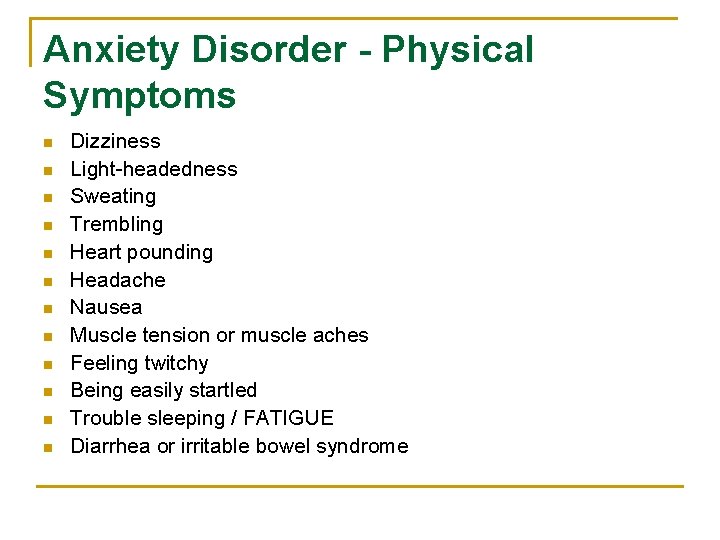
Anxiety Disorder - Physical Symptoms n n n Dizziness Light-headedness Sweating Trembling Heart pounding Headache Nausea Muscle tension or muscle aches Feeling twitchy Being easily startled Trouble sleeping / FATIGUE Diarrhea or irritable bowel syndrome
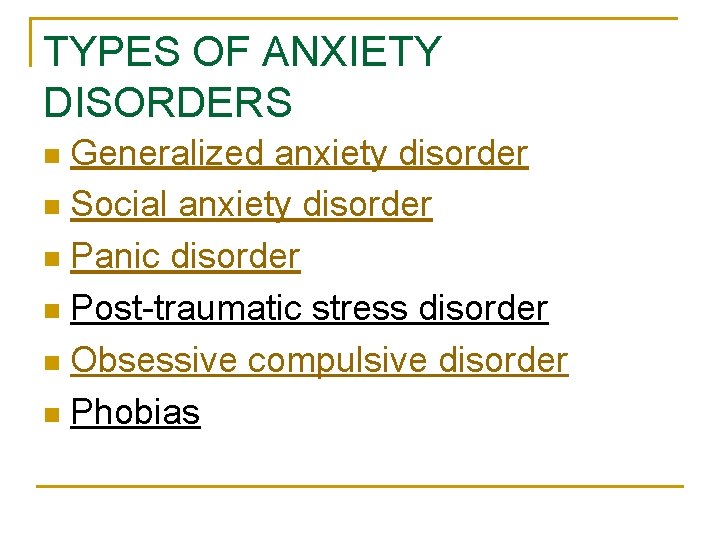
TYPES OF ANXIETY DISORDERS Generalized anxiety disorder n Social anxiety disorder n Panic disorder n Post-traumatic stress disorder n Obsessive compulsive disorder n Phobias n
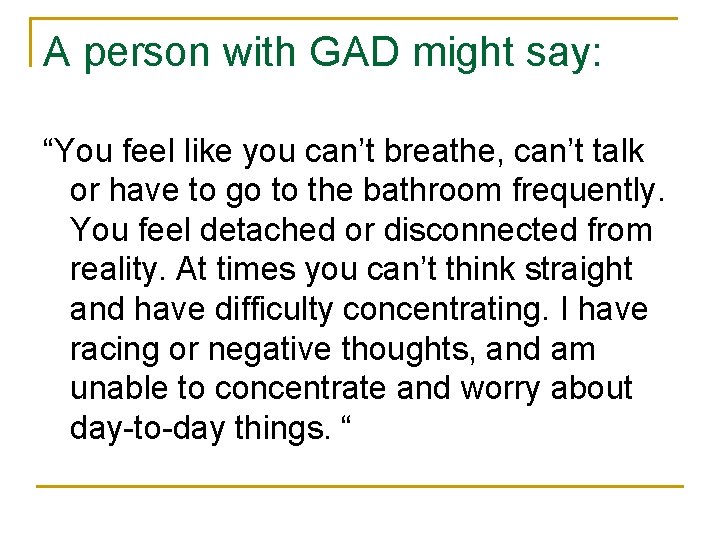
A person with GAD might say: “You feel like you can’t breathe, can’t talk or have to go to the bathroom frequently. You feel detached or disconnected from reality. At times you can’t think straight and have difficulty concentrating. I have racing or negative thoughts, and am unable to concentrate and worry about day-to-day things. “
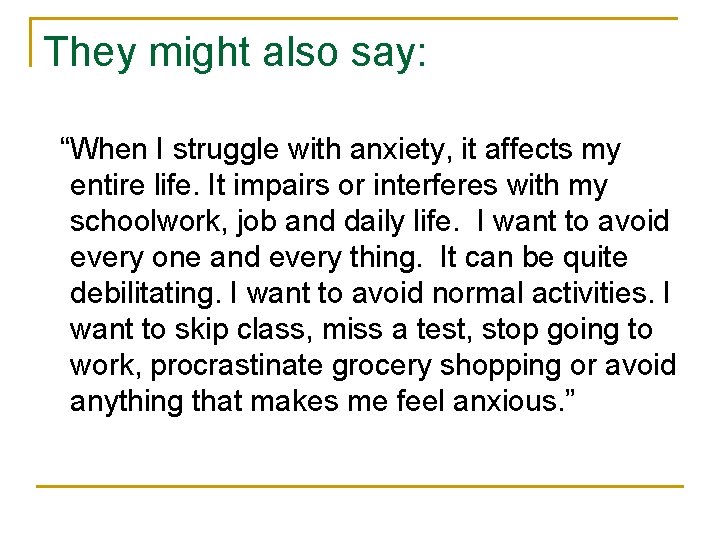
They might also say: “When I struggle with anxiety, it affects my entire life. It impairs or interferes with my schoolwork, job and daily life. I want to avoid every one and every thing. It can be quite debilitating. I want to avoid normal activities. I want to skip class, miss a test, stop going to work, procrastinate grocery shopping or avoid anything that makes me feel anxious. ”
Grief and Sadness vs. Depression
DEPRESSION (Illness? ) Depression is a medical condition that can affect a person’s ability to work, study, interact with people or take care of themselves. n Everyone feels grief, sadness, or alone at some point. Normal grief is situational and typically resolves. n
DEPRESSION When sadness becomes too much to handle, or lingers for a long time, it may be a sign of depression. n It can be caused by imbalances in brain chemistry. But it can also be triggered by stress, poor nutrition, physical illness, personal loss, and school or relationship difficulties. n
DEPRESSION n Not everyone experiences depression in the same way. Depressed people may appear withdrawn and despondent, or they may be aggressive and selfdestructive. Some people may be depressed about a specific problem, while others feel deeply unhappy without knowing why. Sometimes, a depressed person may even appear “fine” to their friends and family. The common thread, however, is an overwhelming, persistent feeling of despair.
DEPRESSION n n n n Persistently sad, anxious, irritable or empty mood Loss of interest in previously enjoyable activities Withdrawal from friends and family Trouble sleeping or sleeping too much Fatigue and decreased energy Significant change in appetite and/or weight Overreaction to criticisms
DEPRESSION n n n Feeling unable to meet expectations Difficulty concentrating, remembering details, and making decisions Feelings of worthlessness, hopelessness or guilt Persistent physical symptoms such as headaches, digestive problems or chronic pain that do not respond to routine treatment Substance abuse problems Thoughts of suicide or suicide attempts
Where does all this come from?
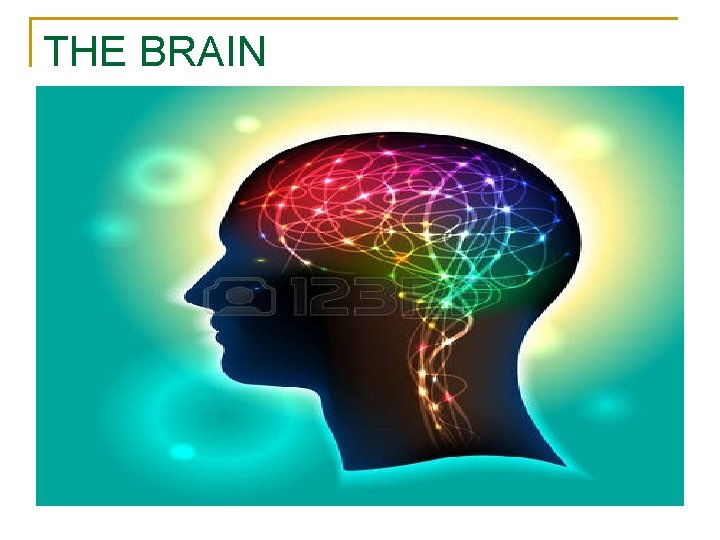
THE BRAIN
THE SCIENCE n n Mood and Anxiety Disorders are characterized by a variety of neuroendocrine, neurotransmitter, and neuroanatomical disruptions. Complicated by the high degree of interconnectivity between circuits in the limbic system, brain stem, and higher cortical brain areas.
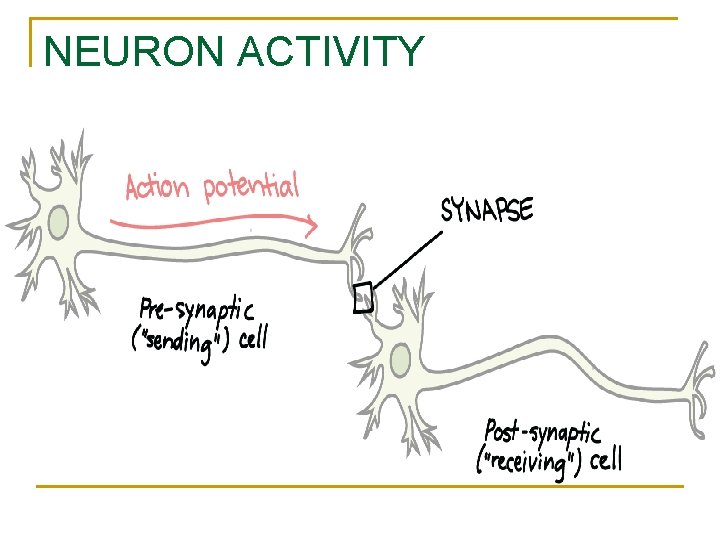
NEURON ACTIVITY
THE SCIENCE n n n Symptoms of mood anxiety disorders are a result in part from disruption in the balance of activity in the emotional centers of the brain rather than the higher cognitive centers. Explains why we can’t “think ourselves better”. Genetic studies have focused on the activity of the hypothalamus – pituitary – adrenal axis (HPA).
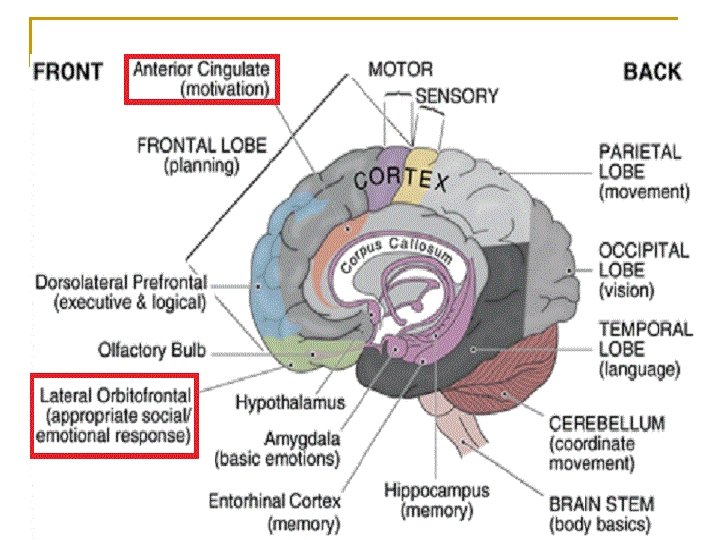
CORTEX n n n Executive Functioning such as planning, decision-making, predicting consequences for potential behaviors, understanding and modifying social behaviors. Orbitofrontal cortex codes information, controls impulses, and coordinates mood with Limbic system. Ventromedial cortex is involved in reward processing and regulating our response to emotions.
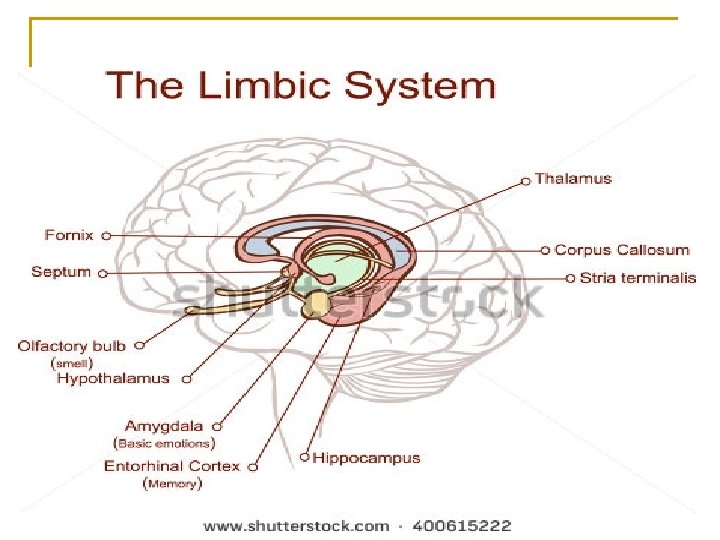
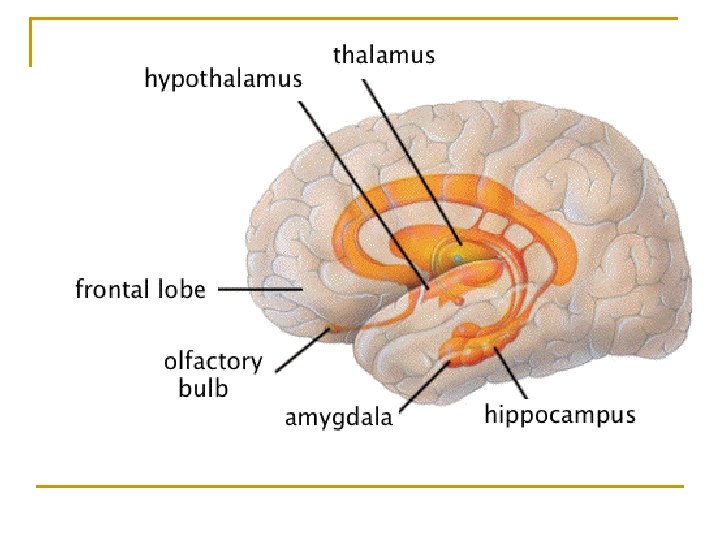
LIMBIC SYSTEM n n Well-documented research shows a significant relationship with neurotransmitters in this area (Serotonin, Norepinephrine, & Dopamine) and mood disorders. PET scans show increased glucose activity and changes blood flow in this area, especially during panic attacks.
LIMBIC SYSTEM n n n Amygdala: responsible for emotions, survival instincts, labido and memory Hippocampus: responsible for emotional regulation and long term memory Thalamus: is involved in sensory and motor signal relay and the regulation of consciousness and sleep
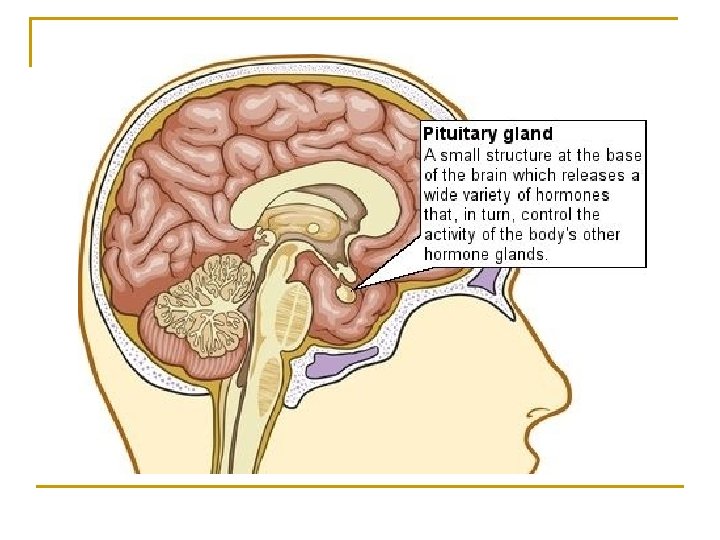
LIMBIC SYSTEM n Hypothalamus: links the nervous and endocrine systems by way of the pituitary gland. Its function is to secrete releasing hormones and inhibiting hormones that stimulate or inhibit. Responsible for Homeostasis (bringing balance or to a set point like a thermostat). Hunger, thirst, response to pain, levels of pleasure, sexual satisfaction, anger and aggression, and Autonomic Nervous System regulation (BP, pulse, breathing, disgestion, etc. ).
Example of Malfunction n It is hypothesized that symptoms of PTSD, including intrusive thoughts and reexperiencing trauma, result from an inability of higher cognitive structures to repress negative emotional memories. This task requires interrelated executive and emotional processing systems. Sensory deficits result from systems being overpowered by hypervigilance and hyperarousal.
NEUROTRANSMITTERS: Limbic system over-activity in patients with Generalized Anxiety is from: Decreased inhibitory neurotransmitters n Increased excitatory neurotransmitters n Or a combination of both n
WOW n n n The Brain is so complicated There is so much more: Glutamate and GABA Complicated to understand explain the pathology and etiology of Mental Illness Even harder to have an exact science with medications Medications and Learning is important
THE EMOTIONAL TRIAD n. ANGER n. FEAR n. PAIN
PAIN - CAUSED BY 4 THINGS n LOSS n REJECTION n FAILURE n PHYSICAL
ANXIETY – WARNING OF PAIN Anxiety is the emotion that warns us of an impending hurt or danger n Anxiety can motivate or paralyze n Warning sign to fight or flee n Never pleasant n Designed to protect us n
ANGER – OUR DEFENSE MECHANISM n n n n RAGE DEFENSIVENESS SILENCE SARCASM JEALOUSY CRITICAL / IRRITABILITY RESENTMENTS
TREATMENT FOR ANXIETY AND DEPRESSION n n We can talk about them together or separate due to the nature of the illness and the similar pharmaceutical approaches. Many people have both. Treatment can be compartmentalized if necessary based on the diagnosis. Cognitive Therapy + Medication = greatest success.
TREATMENT (cont) n Primary Treatment Issue – RISK / SAFETY q n n n n Crisis Resources Assess Resources – determines options Patient Centered Rx: SSRI’s/SNRI’s/Lithium/Tricyclics/others Therapy Education Stress Management Skills ECT for refractory depression / bipolar
RECOVERY THERE IS HOPE TREATMENT WORKS MANY DO RECOVER QUALITY OF LIFE WITH ONGOING TREATMENT