
Normal and abnormal in Paediatric Orthopaedics what should

Normal and abnormal in Paediatric Orthopaedics; what should we do James Hunter Nottingham
Clinics and Team • • Kathryn Price James Hunter Dominik Lawniczak Julian Chell Monday Tuesday Thursday • Hip instability Tuesday • Mark Batt • Physio Clinic Friday KRP 1 B JBH 2 B DL 22 B JC 34 B MEB 5 P JBH 5 P
Normal Growth • Growth is predictable • Boys half adult height aged 2 • Tanner and Whitehouse • Legs half adult length age • 3 for girls • 4 for boys (Paley)
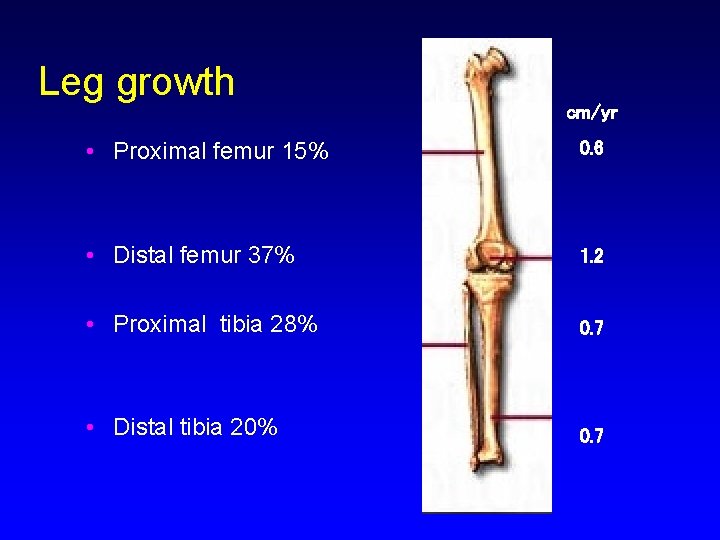
Leg growth cm/yr • Proximal femur 15% 0. 6 • Distal femur 37% 1. 2 • Proximal tibia 28% 0. 7 • Distal tibia 20% 0. 7
Normal Variation
Flat feet • • • Flexible flat feet are normal 90 % at age 1 20 % of adults Associated with generalised laxity Doesn’t all “get better”
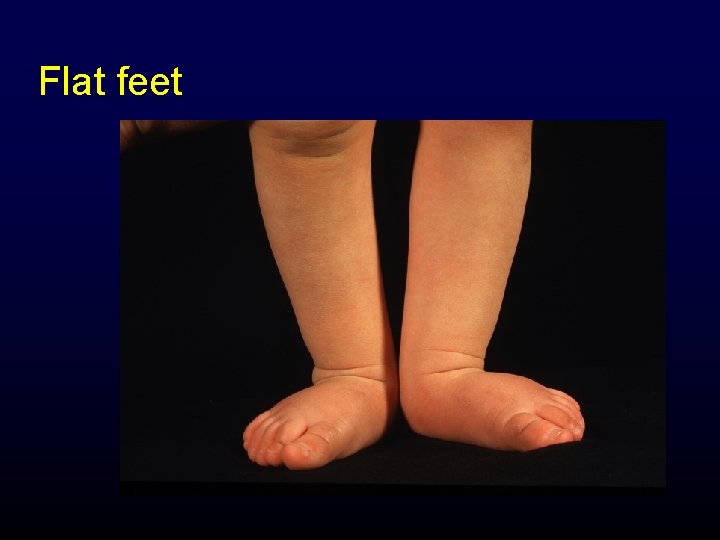
Flat feet

Flexible
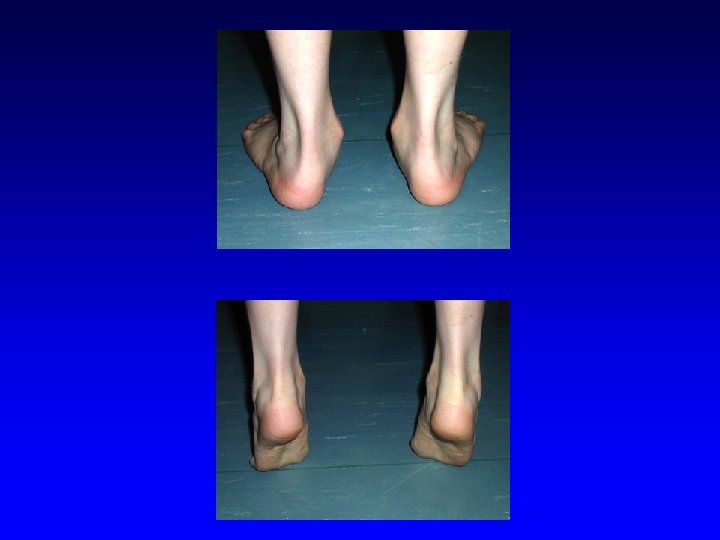
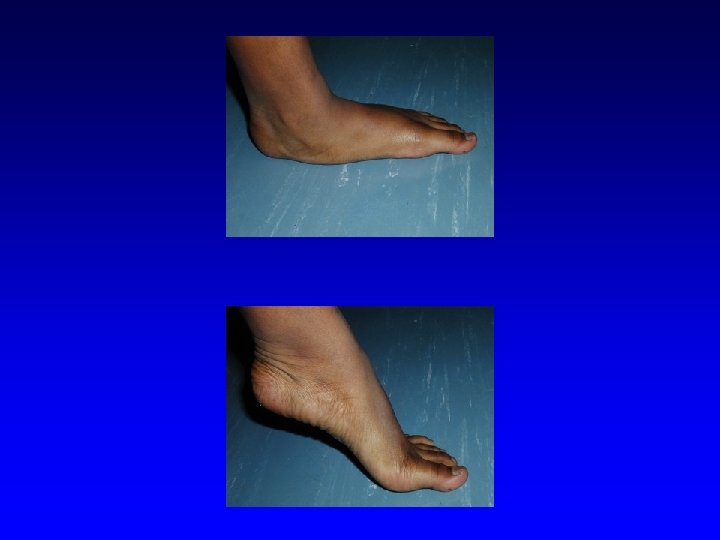

Flat feet: Jack’s test
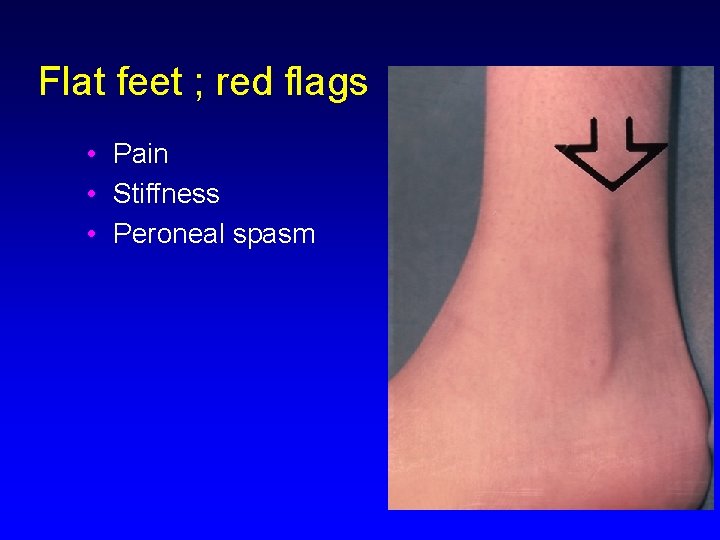
Flat feet ; red flags • Pain • Stiffness • Peroneal spasm

Stiff
Flat feet; differential • • Infection Inflammation eg arthritis Tarsal coalition Tumours
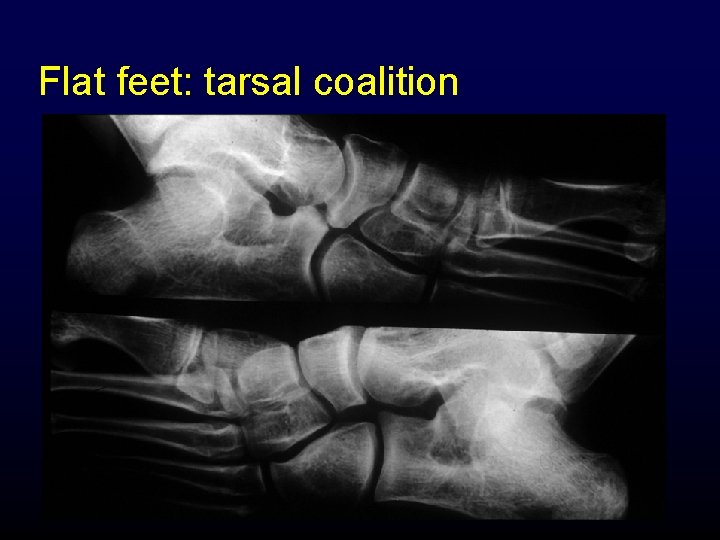
Flat feet: tarsal coalition
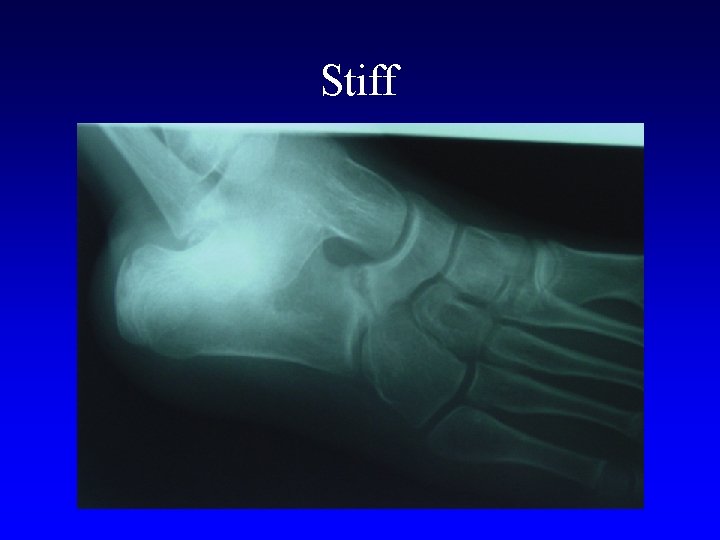
Stiff
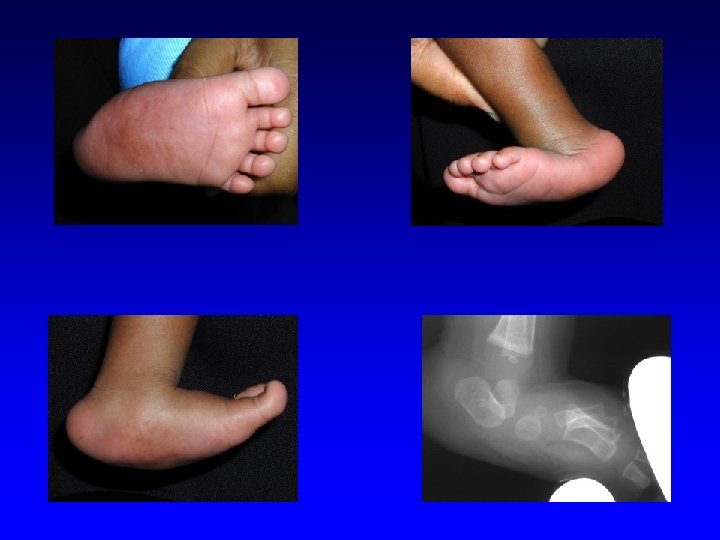
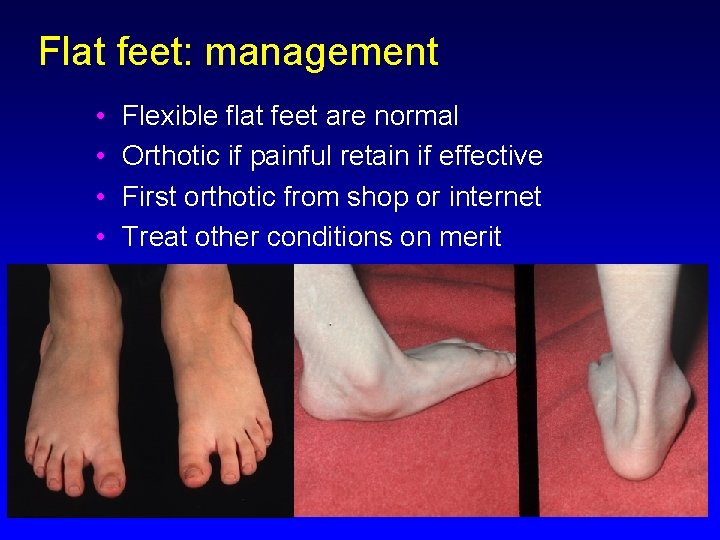
Flat feet: management • • Flexible flat feet are normal Orthotic if painful retain if effective First orthotic from shop or internet Treat other conditions on merit
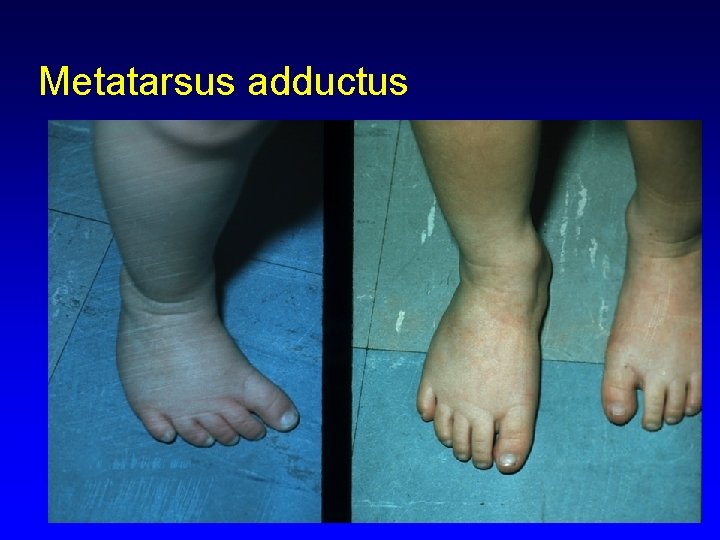
Intoeing • Persistent femoral anteversion • aka femoral torsion • Tibial torsion • Metatarsus adductus
Intoeing: examination • • • Foot progression angle Range of hip movement Thigh-foot angle Inter-malleolar angle Foot curvature (from below)
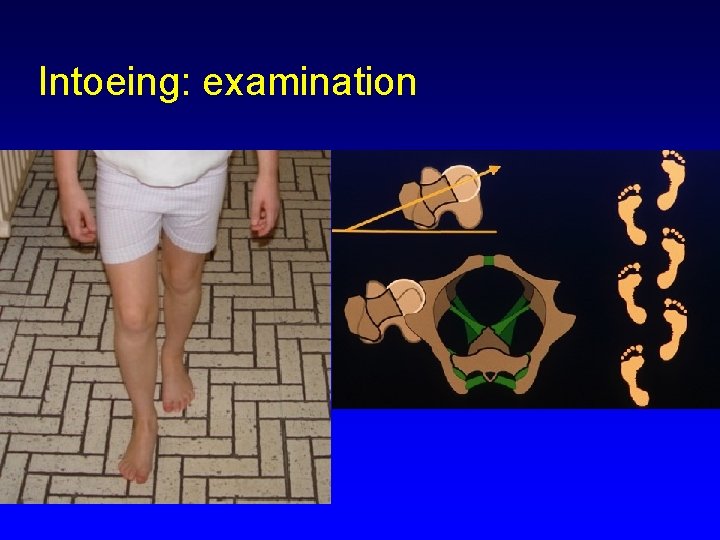
Intoeing: examination
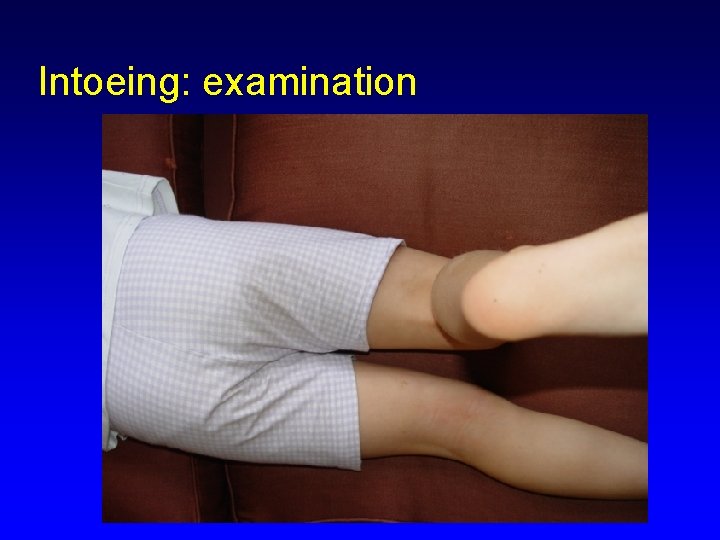
Intoeing: examination
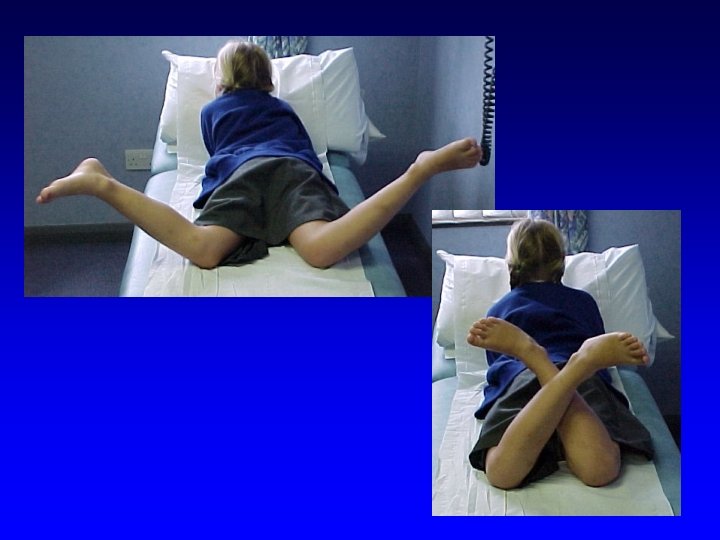
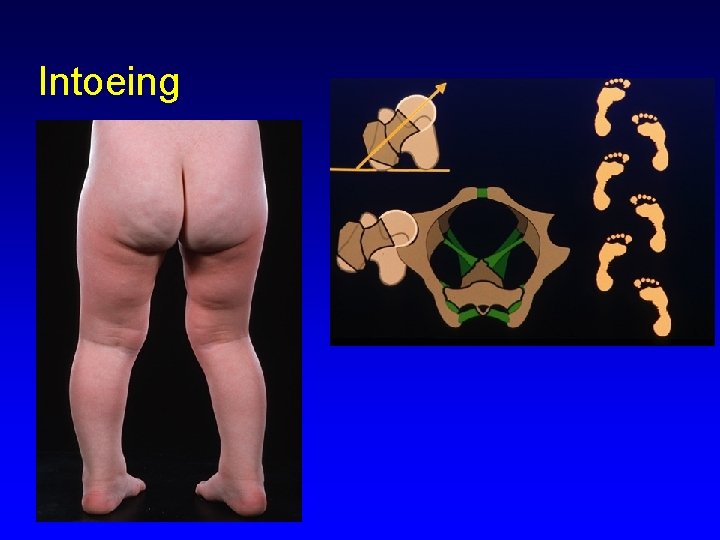
Intoeing
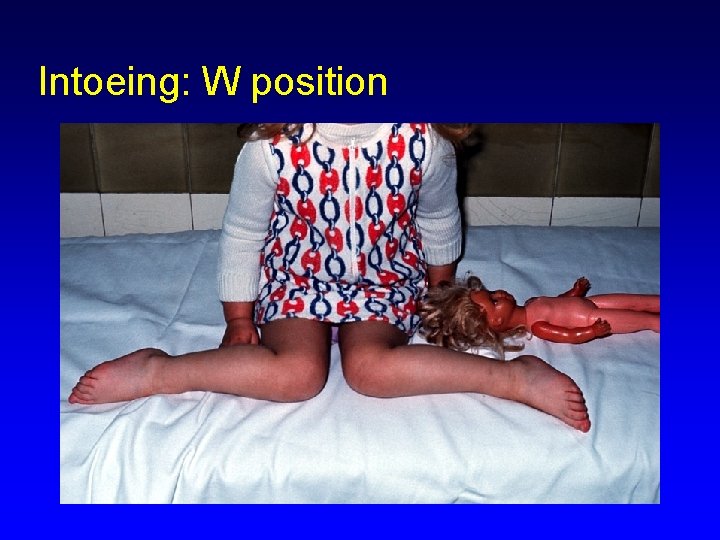
Intoeing: W position
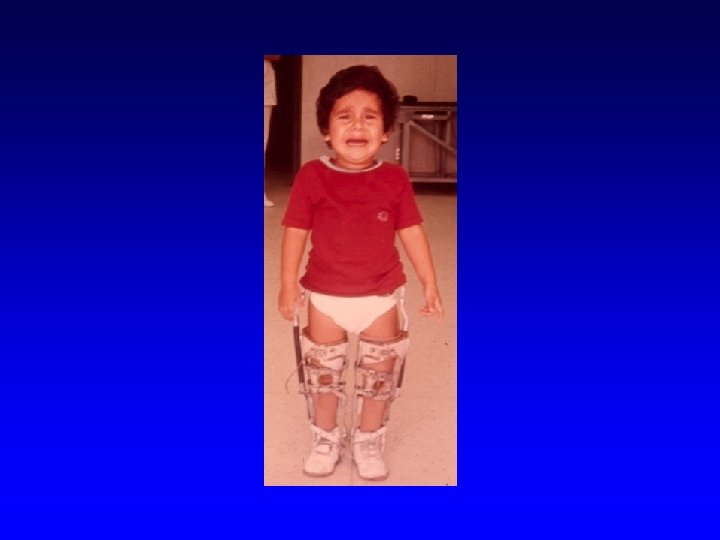
Intoeing: management • Advice • Torsional differences do not • Reduce athletic performance • Lead to degenerative changes • Metatarsus adductus mostly resolves if flexible • The only definitive management is osteotomy • Bracing stresses joints
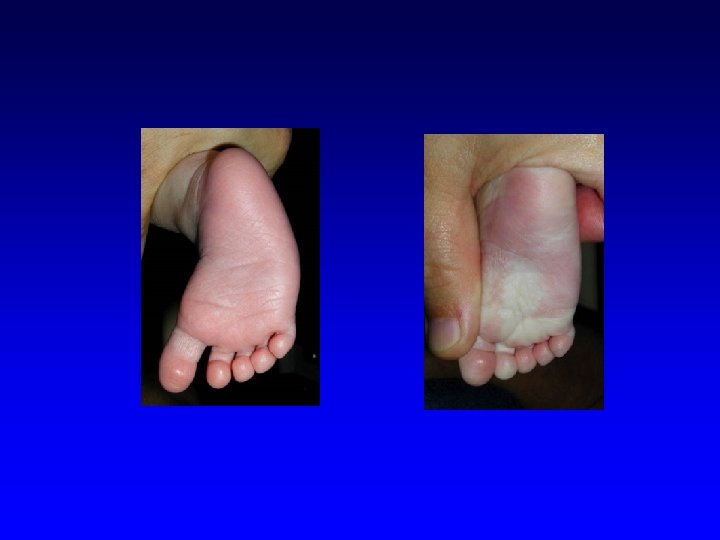
Metatarsus adductus
Bow legs

Bow legs
Salenius and Vankka
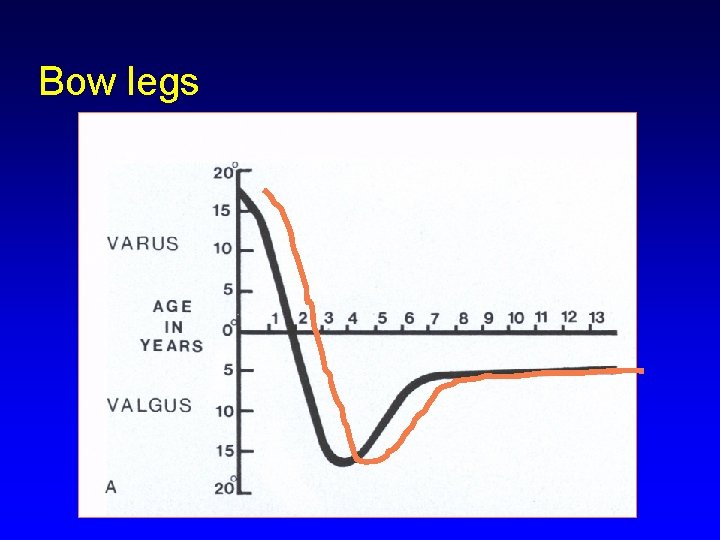
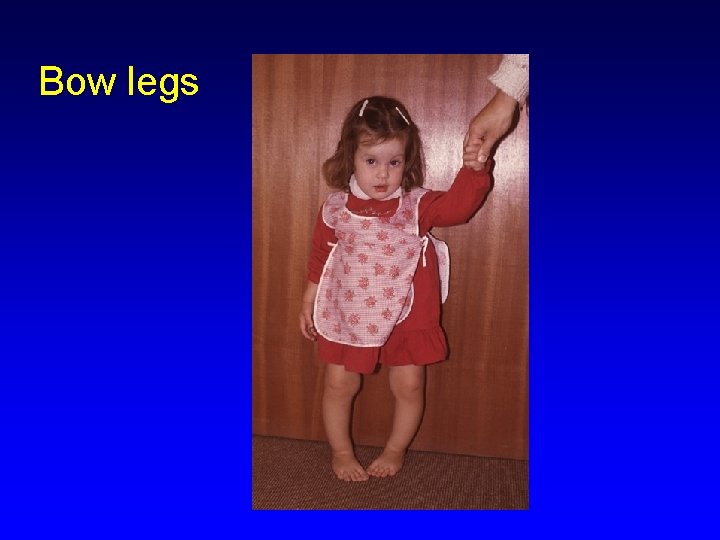
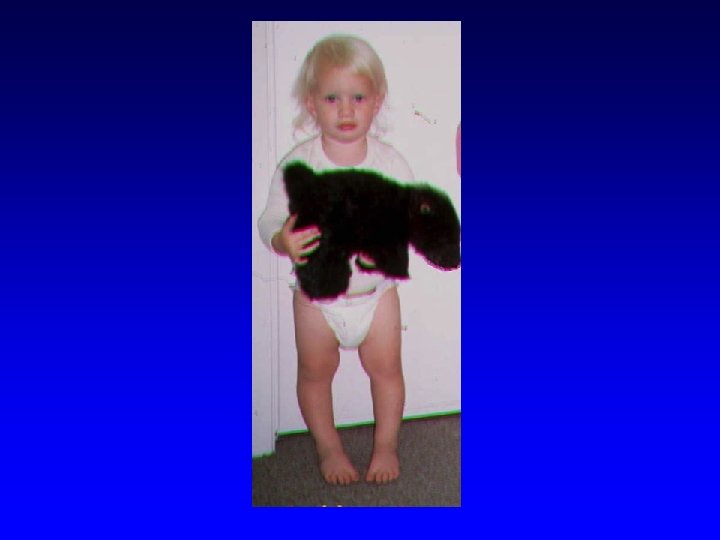
Bow legs
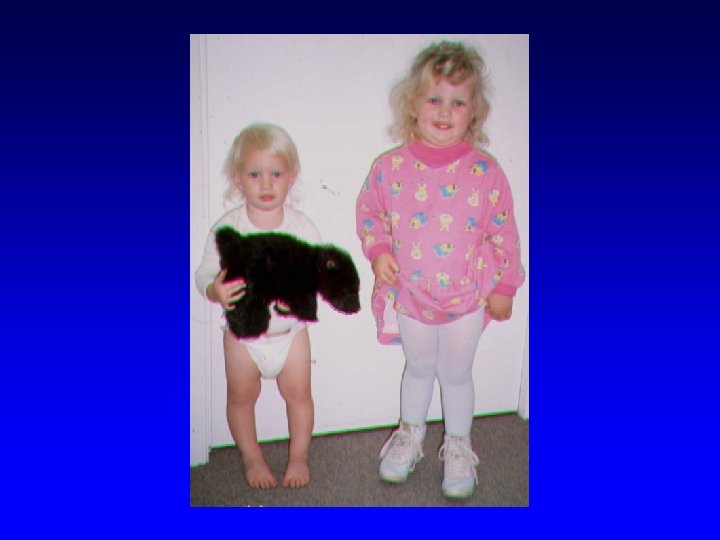
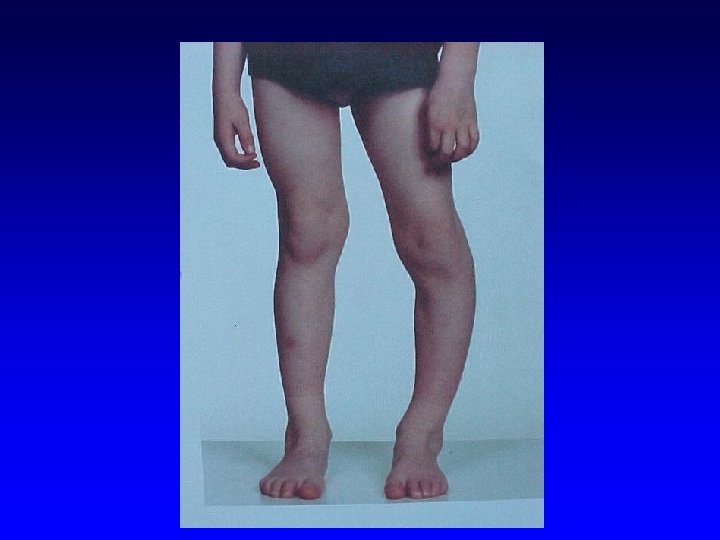
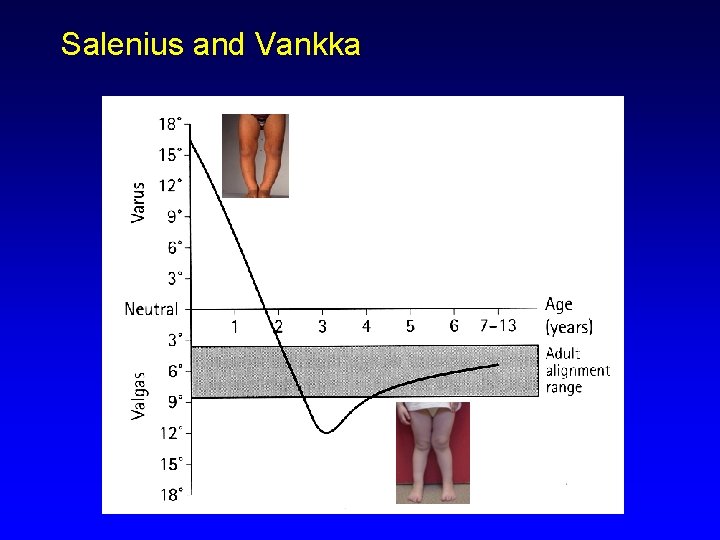
Bow legs • Red flags • Unilateral • Progressive after age 3 • Blount’s is physiological varus gone wrong • Common in • Overweight • Early walkers • US black population
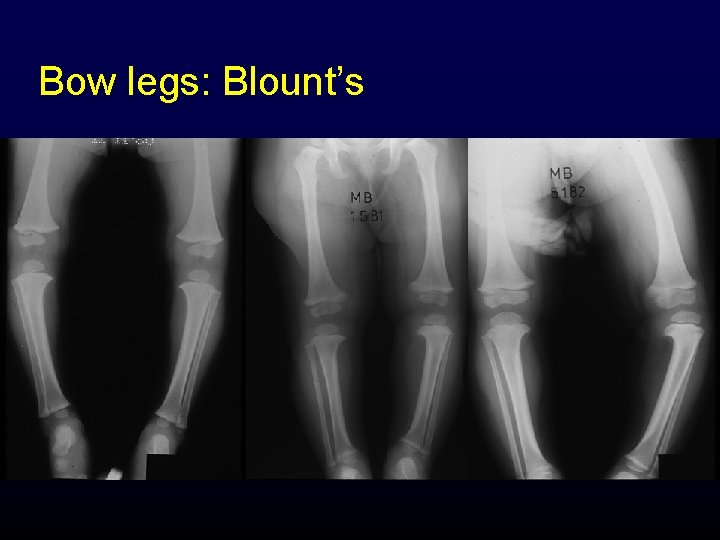
Bow legs: Blount’s
- Slides: 38